What Is a 3PL? Services, Types and Costs
What a third-party logistics provider does, the services and types, how it differs from a fulfillment center and when to use one.

Key takeaways
- A 3PL stores, packs and ships for you and handles returns.
- Types range from warehouse-based to full-service ecommerce 3PLs.
- A fulfillment center is the site; a 3PL is the company.
- Outsource when packing, errors or peaks limit growth.
On this page
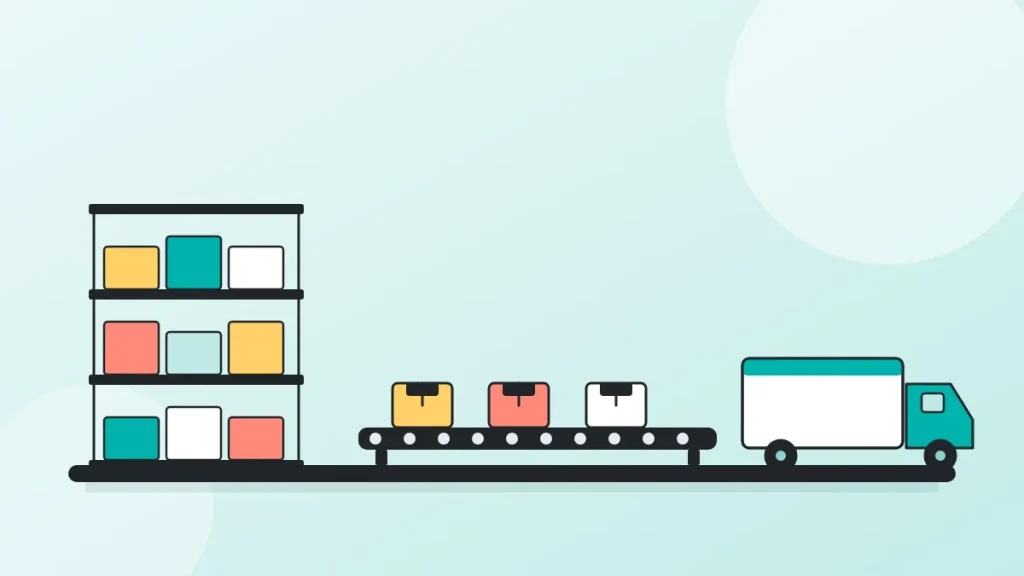
A 3PL, or third-party logistics provider, is a company that handles part of your supply chain for you. For ecommerce brands, that usually means receiving and storing inventory, picking and packing orders, shipping them and processing returns.
This guide explains what the term means, how a 3PL works step by step, what services and provider types exist, how it differs from similar terms, and when it makes sense to use one.
What 3PL stands for
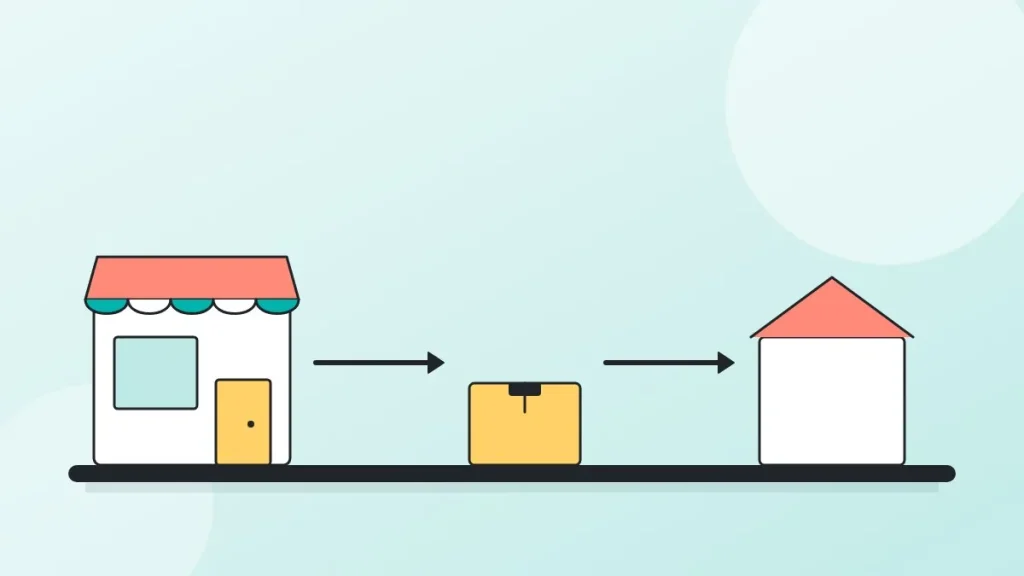
3PL means third-party logistics. The first party is the seller, the second is the customer, and the third is the company that moves and stores the goods between them. A 3PL may operate warehouses, carry freight, or both.
How a 3PL works
- Receives your inventoryStock is unloaded, counted and checked.
- Stores and tracks itEvery SKU has a location and a live count.
- Gets your ordersOrders flow in from your store or marketplace.
- Picks, packs, shipsOrders leave with the carrier you agreed.
- Handles returnsReturned items are processed and stock is updated.
Services a 3PL provides
| Service | What it covers |
|---|---|
| Receiving and storage | Unloading, counting, putaway, pallet or shelf storage |
| Inventory management | Stock counts, locations, reports and a dashboard |
| Order fulfillment | Pick, pack, label and ship |
| Shipping | Carrier rates, labels, tracking, delivery |
| Returns | Receiving, inspecting, restocking or disposing |
| Value-added work | Kitting, labeling, custom packaging, inserts, Amazon FBA prep |
See what fulfillment services include for the full list.
Types of 3PL providers
- Warehouse-based: focus on storage and order fulfillment.
- Transportation-based: focus on freight and delivery, sometimes with warehousing.
- Full-service ecommerce 3PLs: run storage, fulfillment, shipping and returns together with software for online sellers.
- Asset-based: own warehouses and trucks. Non-asset-based: coordinate carriers and space they do not own.
3PL vs. similar terms
| Term | What it is | Difference from a 3PL |
|---|---|---|
| 4PL | A company that manages your whole logistics network, including several 3PLs | Plans and coordinates; does not usually run the warehouse |
| Freight forwarder | Arranges international freight and customs | Moves goods between countries; usually does not fulfill orders |
| Fulfillment center | The warehouse where orders are processed | The building and operations; a 3PL is the company |
| In-house fulfillment | You run storage and shipping yourself | You carry rent, labor and equipment |
For the warehouse itself, see what a fulfillment center is.
Benefits and drawbacks
| Benefits | Drawbacks |
|---|---|
| No need to lease or staff a warehouse | Less direct control over the packing line |
| Capacity that grows with you and handles peaks | Fees add up, including minimums and extras |
| Carrier discounts from combined volume | Integration setup takes time at the start |
| Inventory visibility and reporting | You depend on the provider’s quality |
| More of your time for product and sales | Moving to another provider later is work |
Costs and typical fee types are in how much fulfillment costs.
When to use a 3PL
- Packing and shipping take a large part of your week.
- Mistakes cause refunds, reshipments or bad reviews.
- You sell on several channels with different rules.
- Seasonal peaks overwhelm your space and staff.
- You need better carrier rates than you can get alone.
In-house may still make sense for very low volume, products that need unique handling, or when you value hands-on contact with every parcel.
How to choose a 3PL
Check experience with your product type, integrations with your channels, warehouse location, accuracy reporting, pricing transparency and contract terms. A full checklist with questions is in how to choose a fulfillment provider. If you are an early-stage brand, read fulfillment for startups.
Ecom Auto Prep is a 3PL for ecommerce brands. See our Third Party Logistics Provider page and services.
How 3PLs charge
| Fee | What it covers |
|---|---|
| Onboarding or setup | Integration, product data, account setup |
| Receiving | Unloading, counting, putaway |
| Storage | Per bin, shelf or pallet, per month |
| Pick and pack | Per order plus per extra item |
| Packaging | Boxes, mailers, inserts |
| Shipping | Carrier rates, billed through or by you |
| Returns and extras | Return handling, kitting, labeling |
Compare quotes by cost per order. See how much fulfillment costs.
Contract points to check
- Minimum monthly volume or fees, and what happens below them.
- Notice period and exit terms, including how stock is returned.
- Liability for lost or damaged inventory and how it is valued.
- Service levels: receiving time, cut-off, accuracy and how they are reported.
- Price changes: how often and with what notice.
How onboarding usually goes
- Data and rulesSKUs, dimensions, packing rules.
- IntegrationConnect store and test orders.
- First receiptSend stock and verify counts.
- Go liveOrders flow automatically.
- ReviewAccuracy and speed after two weeks.
How Ecom Auto Prep works as a 3PL
We run storage, pick and pack, shipping and returns for online brands from Florida, near the Port of Miami and Fort Lauderdale, with carrier savings of up to 90% on qualifying shipments through partnerships with UPS, FedEx and USPS. For background reading, see the general overview of third-party logistics on Wikipedia.
Frequently asked questions
What does 3PL mean in logistics?
Third-party logistics: a company that handles storage, fulfillment, shipping or related work for a seller.
What is an example of a 3PL service?
Storing your products, packing each order and shipping it with a discounted carrier rate.
What is the difference between a 3PL and a fulfillment center?
A fulfillment center is the warehouse. A 3PL is the company that operates it and offers services around it.
How much does a 3PL cost?
It depends on order volume, items per order, storage and shipping. The main fee types are receiving, storage, pick and pack, packaging, shipping and account fees.
Can a 3PL handle returns and extra services?
Yes. Many handle returns, kitting, labeling, custom packaging and marketplace prep.
Anton Kashirin
Anton founded EcomAutomation, the company behind EcomAutoPrep. He works with Amazon FBA sellers and DTC brands on receiving, prep, kitting and shipping, and reviews the guides on this blog against how orders move through the warehouse.