What Is Ecommerce Fulfillment? A Simple Guide
What ecommerce fulfillment is, the steps from inbound to delivery, in-house vs. outsourced models and what it costs.

Key takeaways
- Fulfillment is everything between a customer order and delivery, plus returns.
- The steps are receiving, storage, picking, packing, shipping and returns.
- You can do it in-house, outsource it or combine both.
- Judge any model by cost per order, accuracy and speed.
On this page
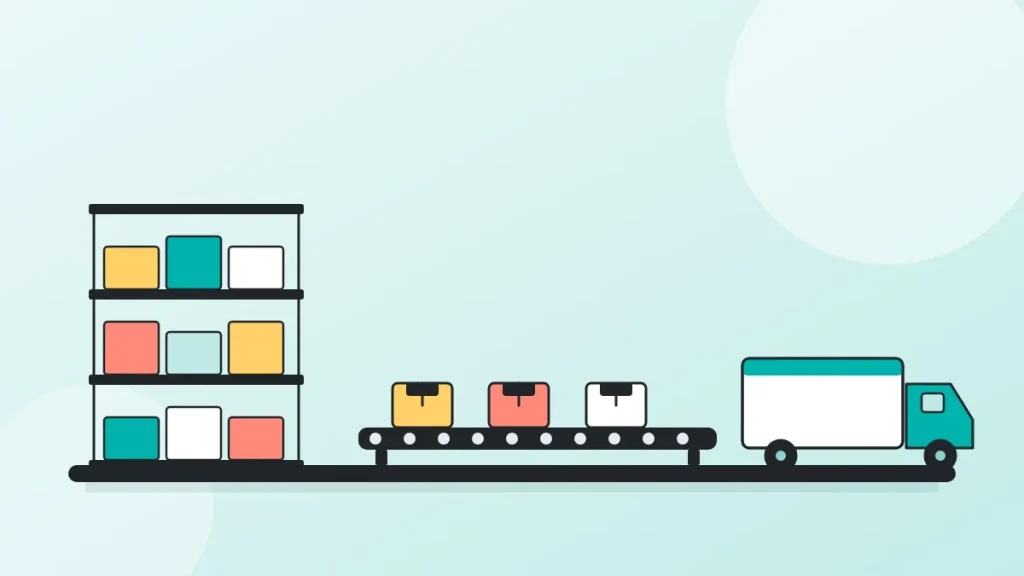
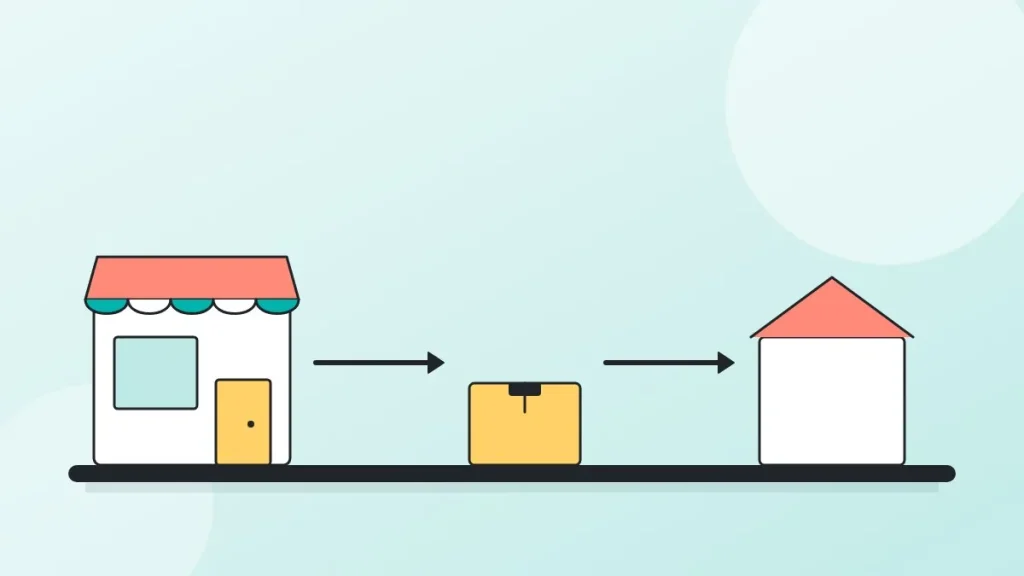
Ecommerce fulfillment is everything that happens between a customer clicking “buy” and the parcel arriving: receiving stock, storing it, picking and packing the order, shipping it and handling returns. You can run it yourself, hand it to a third-party logistics company (3PL), or mix both.
This guide explains how fulfillment works, what each step involves, and which habits keep it accurate as order volume grows. If you want the deeper step-by-step version, see the order fulfillment process.
How ecommerce fulfillment works
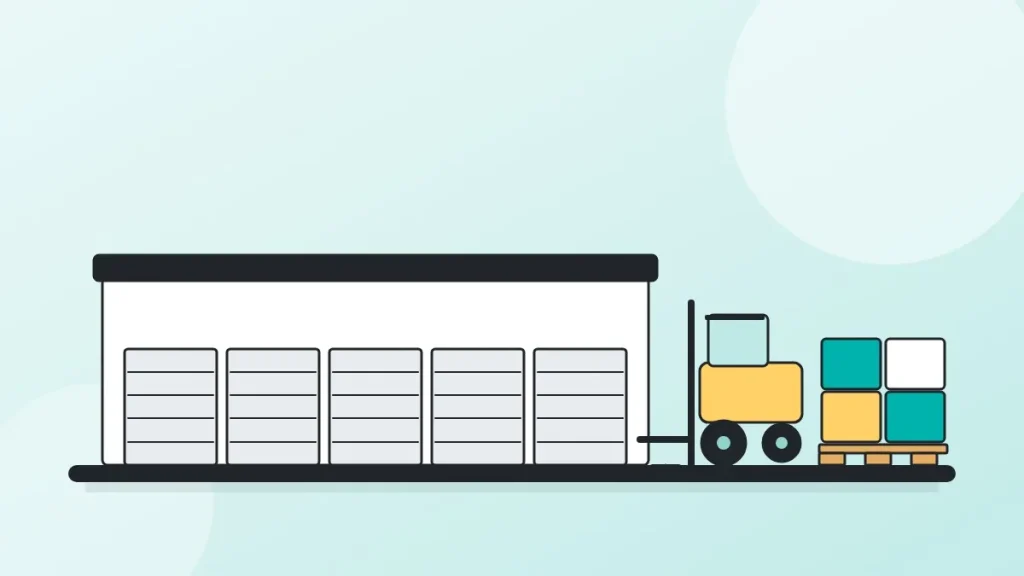
- ReceivingInbound stock is unloaded, counted and checked against your notice.
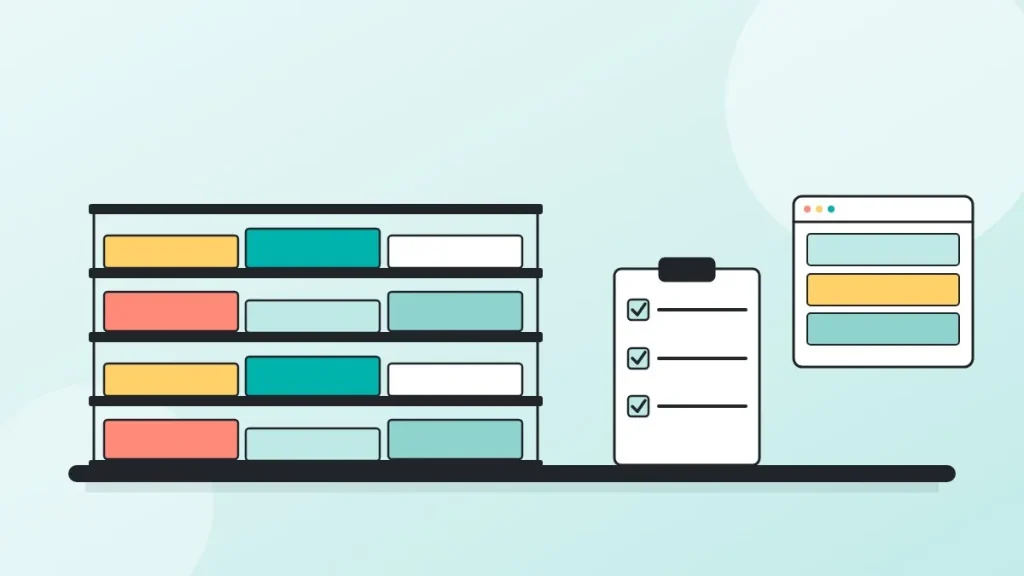
- StorageEach SKU gets a location and is tracked in an inventory system.
- PickingWhen an order arrives, the item is taken from its location.
- Packing and shippingThe order is packed, labeled and handed to a carrier.
- ReturnsReturned items are received, inspected and restocked or disposed of.
The steps are the same whether you run them from a spare room or a large warehouse. What changes is how much of the work is done by people, scanners and software.
What happens after an order is placed
| Moment | What happens | What can go wrong |
|---|---|---|
| Order placed | The store or marketplace sends the order to the fulfillment system | Failed sync, duplicate orders, wrong address |
| Order released | Stock is reserved and a pick task is created | Overselling when inventory counts are late |
| Picked and packed | Items are scanned, packed and weighed | Wrong size or color, damage, wrong box |
| Shipped | A label is printed, the carrier scans the parcel, tracking goes to the customer | Missed cut-off, wrong service level |
| Delivered or returned | The customer receives the order or sends it back | Late delivery, slow restocking of returns |
Fulfillment models
- In-house: you store and ship from your own space. Full control, but you carry rent, labor and equipment.
- 3PL: a provider stores and ships for you. You pay per order, per storage unit and per extra service. See what a 3PL is.
- Dropshipping: the supplier ships directly to your customer. You hold no stock but have less control over speed and quality.
- Hybrid: for example, best sellers in a 3PL and slow movers shipped from your own shelf.
Technology you will meet
- Warehouse management system (WMS): tracks every unit and location and guides picking.
- Integrations: connect your store and marketplaces so orders flow in and tracking flows back. See Integrations.
- Dashboard: stock levels, order status and reports. See our Software.
Best practices for growing stores
Keep inventory data accurate
Count at receiving, scan at every move and run regular cycle counts. Most overselling and wrong-item shipments start with a stock number that is wrong.
Reduce picking and packing errors
Use barcodes, scan to confirm each pick and keep similar items apart. Our guide to reducing picking errors covers specific controls.
Set clear shipping rules
Define the order cut-off time, the default carrier and service for each zone and weight, and what happens to orders that miss the cut-off. See how to reduce shipping costs.
Track a few metrics
| Metric | How to calculate it |
|---|---|
| Order accuracy | Orders shipped correctly ÷ total orders |
| Dock-to-stock time | Time from inbound receipt to available inventory |
| Order cycle time | Time from order placed to shipped |
| On-time delivery | Orders delivered by the promised date ÷ total orders |
| Return rate | Returned orders ÷ delivered orders |
When to improve or outsource fulfillment
Common signs: packing takes a large part of your day, mistakes lead to refunds and bad reviews, you sell on several channels with different rules, or peaks overwhelm your space. Compare the real cost first. How much fulfillment costs shows what a quote contains, and how to choose a provider covers the selection. If you use Shopify, see how to fulfill orders on Shopify.
Ecom Auto Prep runs this process for ecommerce brands, from Direct-to-consumer fulfillment services to Amazon FBA Prep Service.
The main parts of fulfillment
| Part | What it covers |
|---|---|
| Receiving | Checking inbound shipments against the notice, counting units by SKU, reporting differences |
| Storage | Putting stock in tracked locations so it can be found and counted |
| Order processing | Receiving orders from your store and releasing them for picking |
| Pick and pack | Picking items, verifying them and packing the parcel. See the pick and pack process |
| Shipping | Choosing the carrier service, printing labels and handing parcels to the carrier |
| Returns | Receiving returned items, inspecting them and restocking or disposing |
What a seller should expect from a provider
- A clear inbound process: what to label, how to send, how long receiving takes.
- Inventory visible in a dashboard and matching your store.
- Written packing and branding rules per client.
- Defined cut-off times and a stated order processing time.
- Pricing that lists receiving, storage, pick and pack, packaging and shipping separately.
When comparing providers, use the checklist in our guide on how to choose a fulfillment provider.
Common mistakes new sellers make
- Treating shipping cost as the only cost. Labor, packaging and storage matter as well. See the fulfillment costs guide.
- Skipping barcodes. Without them, receiving and picking slow down.
- Ignoring returns. They affect stock accuracy and customer satisfaction.
- Waiting too long to outsource. Hours spent packing are hours not spent on marketing or product.
- Changing the process during peak season. Test changes in a quiet period.
For the options available once you decide to outsource, see our ecommerce warehousing solutions and shipping solutions.
Frequently asked questions
What is ecommerce fulfillment in simple terms?
It is the process of storing products, packing customer orders and shipping them, plus handling returns.
How does ecommerce fulfillment work?
Stock is received and stored, orders flow in from your store, items are picked and packed, a carrier delivers the parcel and returns are processed.
What are the main steps?
Receiving, storage, picking, packing, shipping and returns.
What are the best practices?
Keep inventory accurate, scan at critical steps, set clear shipping rules and track a few core metrics every week.
Anton Kashirin
Anton founded EcomAutomation, the company behind EcomAutoPrep. He works with Amazon FBA sellers and DTC brands on receiving, prep, kitting and shipping, and reviews the guides on this blog against how orders move through the warehouse.