Kitting, Bundling and Assembly: Differences
How kitting, bundling and light assembly differ, when each fits and how kitting changes the warehouse flow.


Key takeaways
- Bundling sells items together; kitting builds a new SKU; assembly is simple manual work.
- Kitting pays off for repeat sets.
- Write assembly steps before the first run.
- Agree rules for missing parts and returns.
On this page
Kitting, bundling and light assembly sound alike but mean different work in a warehouse. The difference decides how stock is counted, how orders are picked and what the service costs. This guide defines each term, compares them, shows where they fit in ecommerce fulfillment, walks through the process and explains how to choose between in-house and outsourced work.
What kitting and assembly mean
| Bundling | Kitting | Light assembly | |
|---|---|---|---|
| What it is | Selling items together under one offer | Building a new SKU from parts ahead of orders | Simple manual work on a product or pack |
| Done when | At pick and pack | Before orders arrive | Before or during packing |
| Inventory | Separate SKUs only | Parts plus a finished kit SKU | Depends on the task |
| Example | Shampoo and conditioner offer | Starter kit with five items | Attaching tags, placing products in display boxes |
Kitting vs. assembly: key differences
- Kitting groups finished items. Nothing is changed or joined; items are placed together and stored as one kit.
- Assembly changes the product: attaching, inserting, folding or fitting parts so it is ready to sell.
- A job can include both: assemble a display box, then kit three products into it.
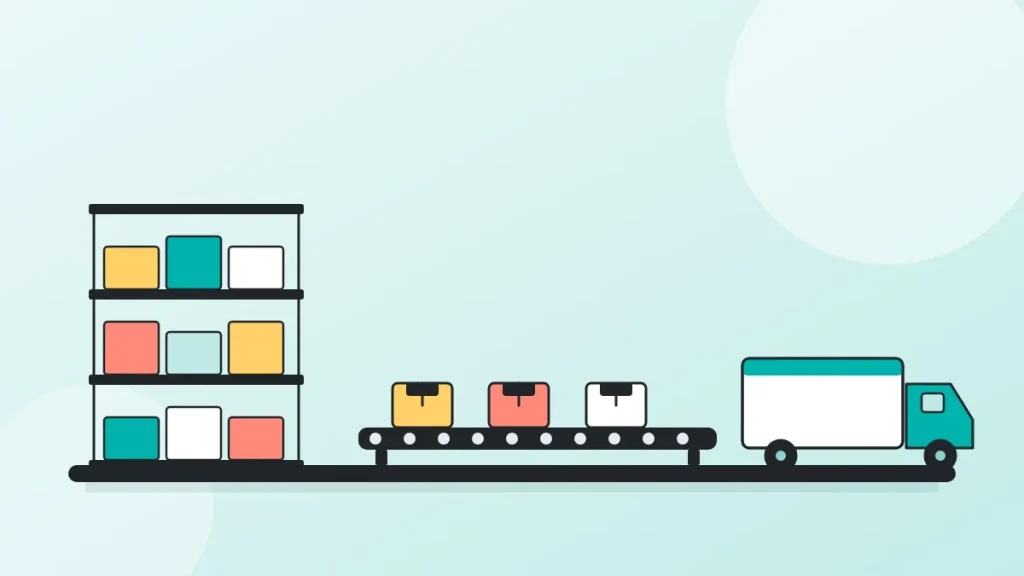
Where they fit in ecommerce fulfillment
- ReceivingParts arrive as separate SKUs.
- PreparationAssembly and kitting in batches.
- StorageKits stored under their own SKU.
- Pick and packOne scan per kit.
- Ship and returnsWhole kit or parts restocked.
The process, step by step
- Write the bill of materials and the assembly instruction with photos.
- Receive and count parts as separate SKUs.
- Build a small test batch and check weight, size and presentation.
- Approve and build the full batch at a dedicated station.
- Store kits under their own SKU and location.
- Pick and ship kits like any other item.
Inventory and automation
- Track both parts and finished kits as SKUs.
- Agree the rule for builds and breakdowns so counts stay consistent.
- Set reorder points on parts so one missing component does not block the kit.
- Sync kit availability to your store, so it only sells when parts exist.
Benefits for ecommerce brands
- Faster order processing because kits are ready to ship.
- Fewer picking mistakes with one SKU instead of several.
- Consistent presentation across orders.
- Easier promotions with sets and gift packs.
Common challenges
| Challenge | Fix |
|---|---|
| Part shortage blocks the kit | Reorder points and a substitution rule |
| Too many kits built | Small batches until demand is proven |
| Unclear instructions | Written steps with photos before the first run |
| Returned kits | Decide whether to restock whole or break apart |
In-house vs. outsourced
| In-house | 3PL | |
|---|---|---|
| Labor | Your team’s time | Provider’s team at stations |
| Space | Needs room for parts and building | Provider’s warehouse |
| Scaling | Hard for peaks | Staffing and capacity planned |
| Best for | Small, hand-finished sets | Repeat kits, growing volume |
How to choose a provider
- Ask for a sample of similar work and the written quality check.
- Confirm how parts and kits are tracked and reported.
- Check pricing per kit and per step, not only a monthly fee.
- Ask about turnaround for builds and rush orders.
Learn more in what kitting is and compare providers with how to choose a fulfillment provider. We offer Kitting and bundling services from one warehouse, together with subscription box fulfillment.
How to decide between kitting, bundling and assembly
- Choose kitting when several finished products are packed together and sold as one set.
- Choose assembly when parts must be joined or modified before the product is sold.
- Choose bundling when you want to promote items together but still pick them separately from stock.
For a simple explanation of kitting on its own, see our kitting guide. This article focuses on how the three differ in practice.
A sample kitting and assembly workflow
- Define the finished product: its parts, quantities and a photo.
- Give the finished kit its own SKU and barcode.
- Receive the components and count them.
- Build the kits in batches at a dedicated station.
- Run a quality check against the photo or a checklist.
- Store the finished kits as stock, so orders are picked quickly.
What to prepare before you hand it to a provider
- A bill of materials listing every component and quantity.
- A photo or sample of the finished kit.
- Written assembly steps with quality criteria.
- Barcodes on components and on the finished kit.
- An estimate of volume and how often the kit changes.
Our kitting service covers these tasks, and the subscription box guide shows how they apply to recurring boxes.
Frequently asked questions
Is kitting the same as bundling?
No. Bundling sells existing products together and picks them at order time. Kitting builds a new repeatable item with its own SKU.
Can a 3PL store parts and build kits on demand?
Yes. Parts are stored as separate SKUs and combined when orders arrive, or built in advance when a set sells steadily.
How are kits counted in inventory?
Usually both ways: parts as individual SKUs and finished kits as their own SKU. Agree the rule before the first build.
What is light assembly?
Simple manual tasks such as attaching tags, adding inserts or placing products in display boxes.
When does kitting pay off?
For repeat sets, many small parts and promotions that sell steadily.
How do I choose between kitting and assembly?
Kit when you only combine finished items. Assemble when the product must be changed or fitted before sale.
Anton Kashirin
Anton founded EcomAutomation, the company behind EcomAutoPrep. He works with Amazon FBA sellers and DTC brands on receiving, prep, kitting and shipping, and reviews the guides on this blog against how orders move through the warehouse.