Fast Fulfillment: Where the Time Goes
The parts of delivery time, what you can control and what to ask a fulfillment partner about speed.


Key takeaways
- Delivery time is warehouse processing plus transit.
- Cut-off time, location and accuracy matter most.
- Faster carrier service costs more; processing speed costs little.
- Measure order-to-ship time.
On this page
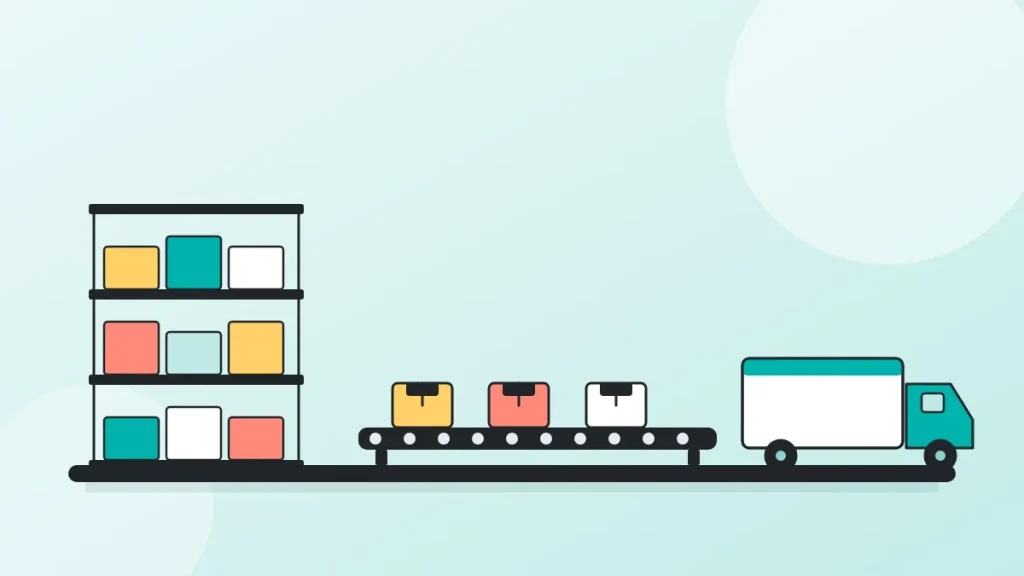
Fast fulfillment is not only about shipping speed. It is how quickly an order moves from checkout to the carrier, and how close the stock is to the customer. This guide breaks down the parts of delivery time and what you can change.
Where the time goes
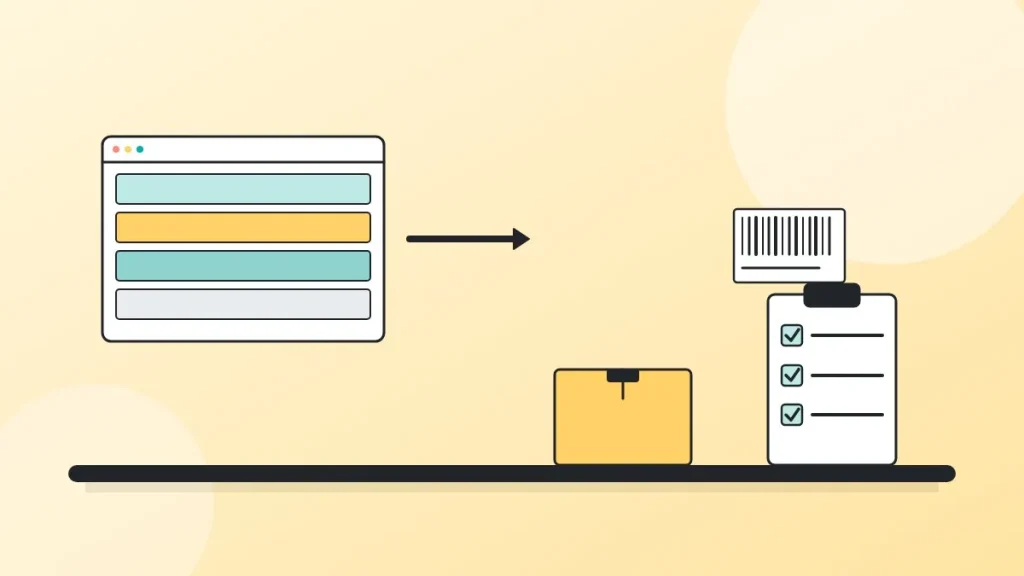
- Order to warehouseSync and validation.
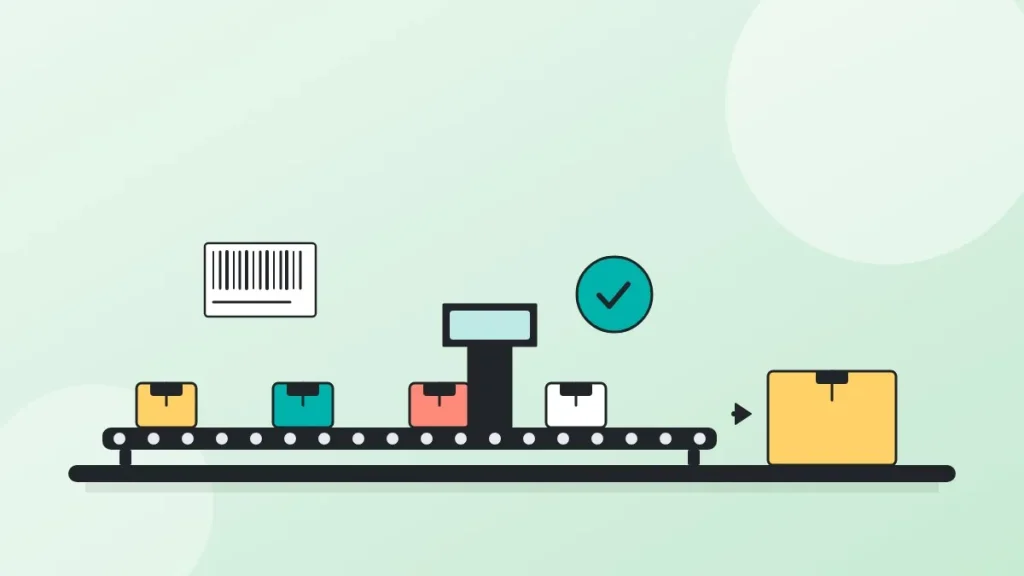
- Pick and packLocate, verify, pack.
- Cut-off and handoverPickup time of the carrier.
- TransitCarrier network and distance.
- Last mileDelivery to the address.
What you can control
| Lever | Effect |
|---|---|
| Cut-off time | Later cut-off means same-day shipping for more orders |
| Warehouse location | Closer to customers means fewer shipping zones |
| Pick and pack accuracy | Fewer errors means fewer reships |
| Carrier choice | Match service level to the promise on your site |
| Stock availability | No backorders means no waiting |
Speed vs. cost
Faster services cost more. Many stores offer one standard speed and one faster option at checkout. Set the promise you can keep and measure it. See how to reduce shipping costs.
What to ask a fulfillment partner
- What is your daily cut-off for same-day shipping?
- How many carriers do you ship with?
- What is your order-to-ship time on average?
- Where is your warehouse relative to my customers?
Pick and pack steps are in the pick and pack process, and order intake in order processing. Our Direct-to-consumer fulfillment ships from Florida.
Cut-off times in practice
The cut-off is the time of day by which an order must be received to ship the same day. For example, if the warehouse cut-off is 2 p.m. and an order arrives at 1:30 p.m., it can ship today; at 3 p.m. it ships tomorrow. Set the cut-off with the carrier pickup time in mind, publish it on your site and measure the share of orders shipped by cut-off.
Speed metrics
| Metric | Meaning |
|---|---|
| Order-to-ship time | From order placed to handed to the carrier |
| Orders shipped by cut-off | Share leaving the same day |
| Transit time | Carrier handover to delivery |
| On-time delivery | Share delivered by the promised date |
Common mistakes
| Mistake | Fix |
|---|---|
| Promising speed the warehouse cannot keep | Set the promise from measured performance |
| Paying for fast carrier service on slow processing | Fix handling time first |
| Ignoring stock availability | Keep fast sellers stocked and synced |
What fast means to a customer
Customers judge speed by one date: when the parcel arrives. Fulfillment controls only part of that. The warehouse decides how soon an order leaves, and the carrier decides how long it travels. A fast process starts from the order cut-off: an order placed before the cut-off ships the same day, one placed after ships the next business day. Ask any provider for its cut-off time and what share of orders actually ship by it.
Warehouse location and delivery time
The distance between the warehouse and the customer sets the minimum transit time. A warehouse close to ports and major carrier hubs shortens inbound lead time and outbound delivery. Brands that sell across the country often compare one warehouse against two or more, trading faster delivery for higher inventory and handling costs. Our direct-to-consumer fulfillment page explains how we handle outbound parcels.
A same-day shipping checklist
- Stock is received and available in the system, not waiting in a pile.
- The order feed from the store is automatic and reaches the warehouse in minutes.
- Fast-moving products are stored close to packing.
- Packing rules are written, so nobody stops to ask.
- Labels are printed at packing, and carriers collect at a fixed time.
Speed without errors
Faster is only better if the parcel is correct. A wrong item shipped quickly costs more than a right item shipped a day later, because of the return, the reshipment and the lost customer. Track order accuracy next to shipping speed. If accuracy drops when speed rises, the process needs more checks, not more pressure.
Frequently asked questions
What is fast fulfillment?
Getting orders from checkout to the carrier quickly and from the carrier to the customer in as few shipping zones as possible.
What is a cut-off time?
The time of day by which an order must be placed to ship the same day.
Does faster shipping always cost more?
Faster carrier services do, but quick processing in the warehouse costs little.
Does warehouse location matter?
Yes. A closer warehouse reduces transit time and shipping zones.
How do I measure speed?
Track order-to-ship time and the share of orders shipped by cut-off.
Anton Kashirin
Anton founded EcomAutomation, the company behind EcomAutoPrep. He works with Amazon FBA sellers and DTC brands on receiving, prep, kitting and shipping, and reviews the guides on this blog against how orders move through the warehouse.