

Amazon FBA preparation represents one of the most critical yet often underestimated aspects of running a successful e-commerce business. The preparation process ensures your products meet Amazon’s strict requirements before they arrive at fulfillment centers, preventing costly delays, rejections, and potential account suspensions. For fast-growing brands looking to scale, understanding every detail of amazon fba preparation can mean the difference between seamless operations and expensive setbacks. Whether you’re launching your first product or managing hundreds of SKUs, mastering these preparation standards positions your business for sustainable growth and customer satisfaction.
Understanding Amazon FBA Preparation Requirements
Amazon maintains rigorous standards for all products entering their fulfillment network. These requirements exist to protect inventory, streamline warehouse operations, and ensure customers receive products in perfect condition.
The foundation of amazon fba preparation begins with understanding Amazon’s core requirements across multiple dimensions. Products must arrive at fulfillment centers properly labeled, packaged, and prepared according to category-specific guidelines. Amazon’s FBA packaging requirements cover everything from box dimensions to internal product protection, creating a comprehensive framework sellers must follow.
Product Labeling Standards
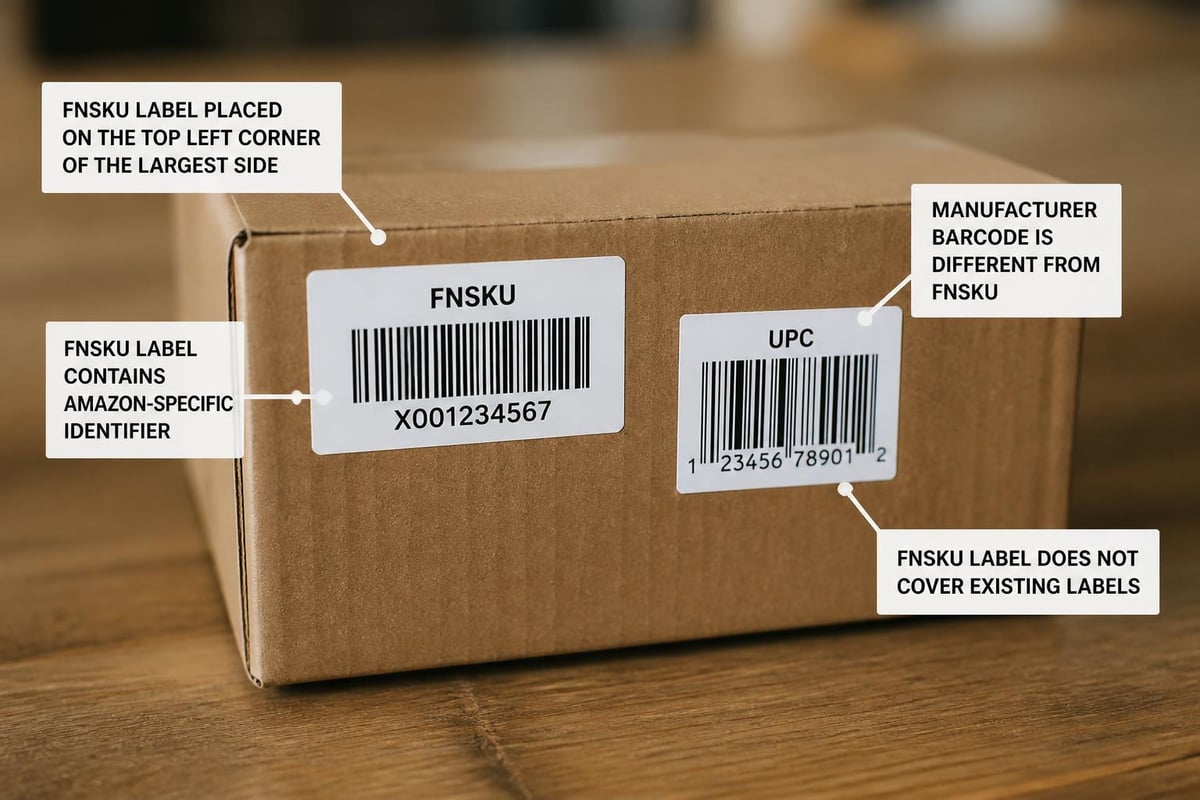
Every unit sent to Amazon requires specific labeling that enables their warehouse systems to track inventory accurately. The FNSKU (Fulfillment Network Stock Keeping Unit) label distinguishes your products from identical items sold by other merchants, ensuring you receive credit for every sale.
Key labeling requirements include:
- FNSKU barcodes must be scannable and placed on visible surfaces
- Labels cannot overlap existing barcodes without complete coverage
- Thermal labels work best for durability and scan quality
- Each individual unit requires its own label, even in multi-packs
Amazon rejects shipments with improper labeling, forcing sellers to pay removal or re-labeling fees. Understanding comprehensive FBA preparation requirements helps prevent these costly mistakes before products leave your facility.
Packaging Standards for Different Product Categories
Amazon enforces category-specific packaging rules designed to protect products throughout the fulfillment journey. These standards vary significantly based on product type, fragility, and potential hazards during handling.
Standard Packaging Requirements
Products must be packaged to withstand a three-foot drop test onto a hard surface. This standard ensures items can handle the rigors of warehouse sorting, transportation, and delivery without damage.
| Packaging Element | Requirement | Common Mistakes |
|---|---|---|
| Box strength | 200 lb test rating minimum | Using lightweight cardboard |
| Polybag thickness | 1.5 mil minimum | Insufficient gauge material |
| Box weight | 50 lb maximum per carton | Overpacking shipments |
| Cushioning | Six-sided protection for fragile items | Inadequate void fill |
The Amazon FBA packaging requirements checklist provides updated 2026 standards that reflect recent policy changes. Staying current with these updates prevents shipment rejections.
Special Category Preparations
Certain product categories require additional preparation steps beyond standard packaging. Liquids, aerosols, glass items, and sharp objects each have unique requirements.
Liquid products need double-sealed packaging with leak-proof containers. Place products in sealed polybags before boxing, and include absorbent material to contain potential spills. Glass items require bubble wrap or foam protection with “Fragile” labels on multiple box sides.
Apparel and textile products must arrive bagged individually in clear polybags with suffocation warning labels. The fashion ecommerce fulfillment process includes these specialized preparations for clothing brands.
Master Carton and Shipment Specifications
Beyond individual product preparation, sellers must also prepare master cartons that meet Amazon’s warehouse receiving standards. These outer boxes protect products during freight transportation and enable efficient warehouse processing.
Amazon limits master carton dimensions and weights to facilitate automated handling systems. FBA carton requirements specify maximum dimensions of 25 inches on any side for standard boxes, with larger shipments requiring palletization.
Box Construction Standards
Master cartons must feature:
- Six-sided construction with no open tops or weak flaps
- Clean exterior surfaces free from excessive markings
- Single shipment ID label per box
- No multiple box labels from previous shipments
Reusing boxes remains acceptable if all previous labels are completely removed or covered with blank labels. Partial coverage creates scanning errors during warehouse receiving.
Pallet Requirements
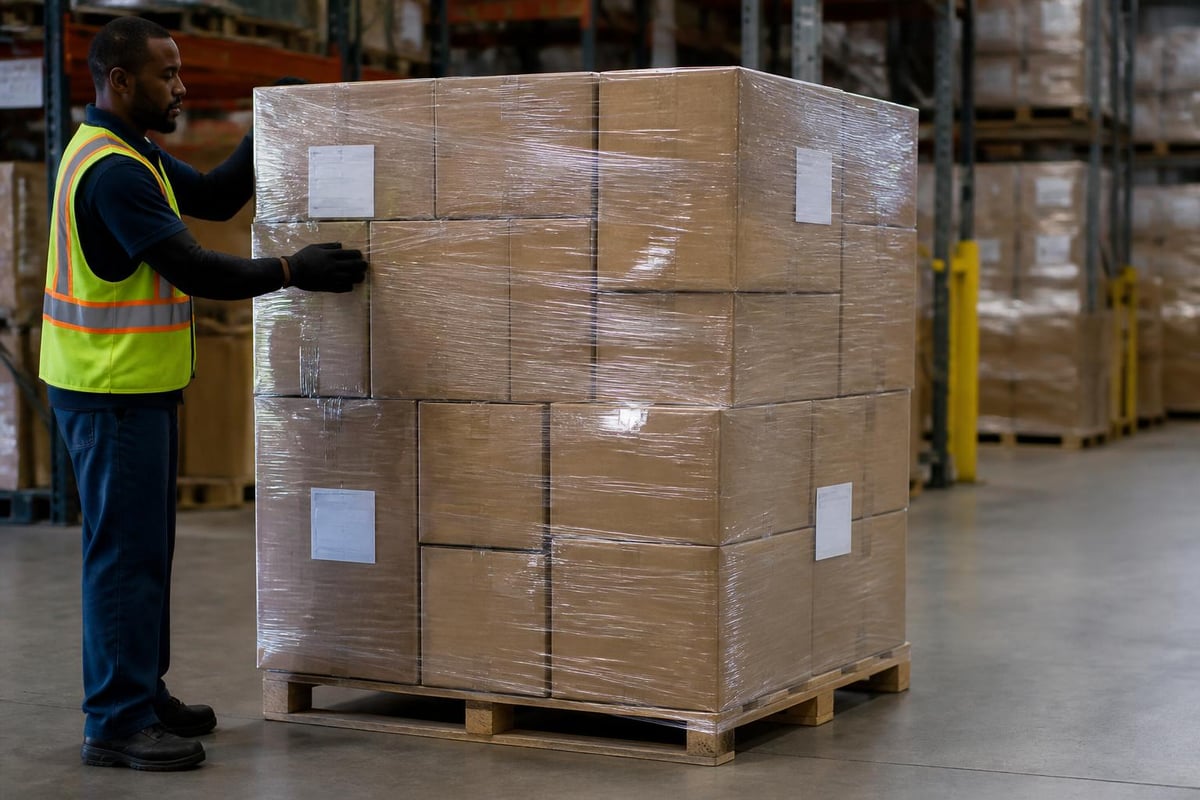
Shipments exceeding 100 pounds or containing multiple master cartons often require palletization. Amazon specifies exact pallet dimensions, wrapping standards, and labeling placement.
Palletization best practices:
- Use standard 40×48 inch pallets in good condition
- Stack boxes uniformly without overhanging edges
- Stretch wrap entire pallet including base
- Apply shipment labels on all four sides at eye level
Following FBA packaging and delivery guidelines ensures smooth receiving at fulfillment centers, reducing processing delays.
Barcode Management and Product Identification
Managing barcodes correctly represents a critical component of amazon fba preparation that directly impacts inventory accuracy and sales attribution. Amazon uses multiple barcode types throughout their system, and understanding each type prevents common errors.
UPC vs FNSKU Barcodes
Manufacturers assign UPC (Universal Product Code) barcodes to identify products across retail channels. Amazon uses these codes to create product listings but requires FNSKU labels for inventory tracking within their warehouses.
Sellers can choose Amazon’s “stickerless, commingled inventory” option, allowing Amazon to fulfill orders using any unit with matching UPCs from various sellers. However, this approach risks quality issues if other sellers send defective products.
Most experienced sellers prefer FNSKU labeling for complete control over inventory quality. This method ensures customers receive exactly the products you prepared, protecting brand reputation and reducing return rates.
The FBA requirements guide breaks down barcode rules by product category, helping sellers navigate specific requirements for different inventory types.
Common Preparation Mistakes and How to Avoid Them
Even experienced sellers make amazon fba preparation errors that result in shipment rejections, additional fees, or lost inventory. Recognizing these common pitfalls helps prevent expensive mistakes.
Insufficient Product Protection
Amazon charges sellers for products damaged during receiving due to inadequate packaging. This includes items broken during the drop test or products that arrived pre-damaged but passed preparation inspection.
Investing in quality packaging materials saves money compared to damage fees and lost inventory. Bubble wrap, air pillows, and foam inserts cost pennies per unit but prevent dollars in losses.
Incorrect Label Placement
Scanning issues during receiving cause delays and potential shipment rejections. Labels must appear on flat surfaces, avoid curved areas, and remain completely scannable without obstruction.
Label placement guidelines:
- Place labels on largest flat surface
- Avoid seams, edges, and corners
- Ensure no overlap with other barcodes
- Maintain label orientation for easy scanning
The essential guide to Amazon FBA packaging includes visual examples showing correct versus incorrect label applications.
Missing or Improper Safety Requirements
Products containing hazardous materials, batteries, or sharp objects require specific warnings and documentation. Failing to identify hazmat products during shipment creation violates Amazon’s policies and potentially federal regulations.
Always declare products accurately in Seller Central, complete required documentation, and apply appropriate warning labels. The consequences of misrepresentation include account suspension and legal liability.
Streamlining Preparation with Professional Services
As businesses scale, managing amazon fba preparation in-house becomes increasingly challenging. The time investment, storage space requirements, and quality control demands can overwhelm growing teams.
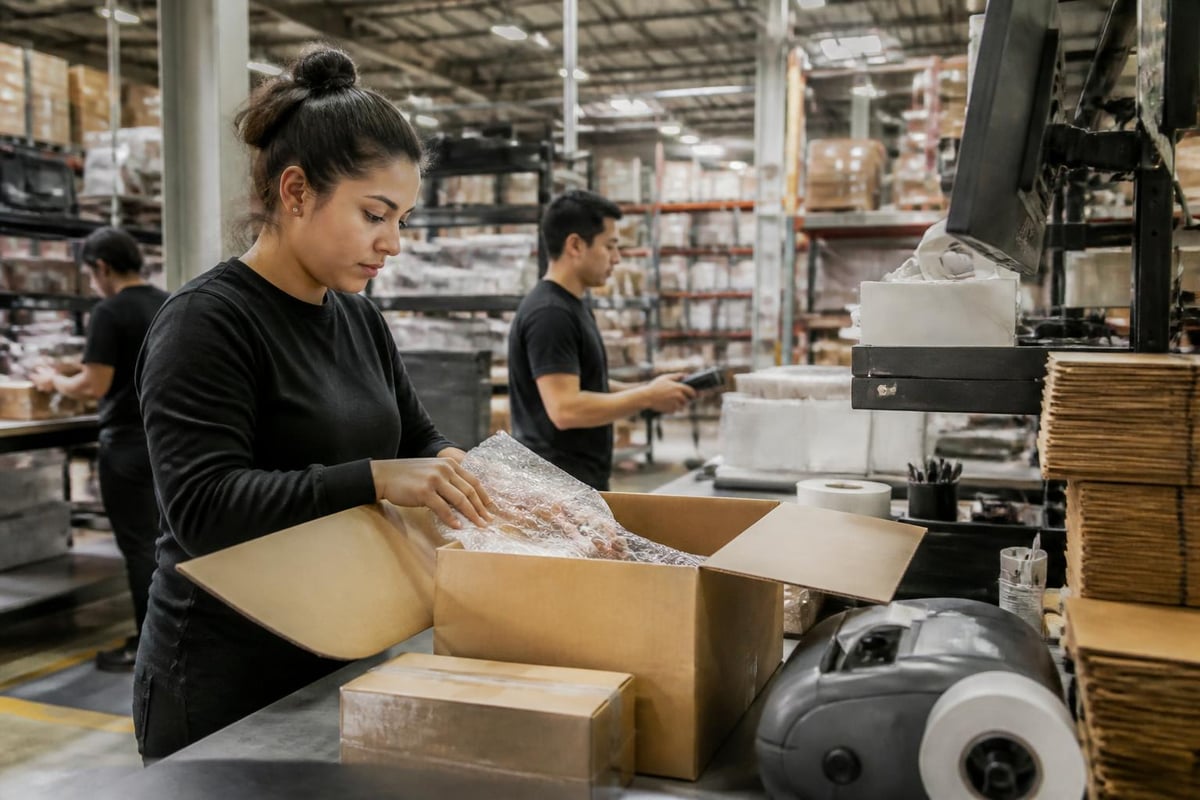
Professional ecommerce fulfillment services provide expertise across all preparation requirements, handling everything from initial inspection through shipment creation. These providers maintain current knowledge of Amazon’s evolving standards, preventing costly compliance errors.
Benefits of Outsourced Preparation
Partnering with specialized prep centers delivers multiple advantages beyond simple labor savings. These facilities maintain relationships with freight carriers, negotiate better shipping rates, and optimize box dimensions to reduce transportation costs.
| Benefit | In-House | Professional Service |
|---|---|---|
| Setup time | Weeks to months | Immediate availability |
| Equipment investment | $5,000-$20,000 | No capital required |
| Space requirements | Dedicated warehouse area | No physical footprint |
| Compliance knowledge | Ongoing research needed | Always current |
| Scalability | Limited by space/staff | Unlimited growth capacity |
Quality professional services also provide inventory receiving, inspection, storage, and shipment tracking. This comprehensive approach eliminates the need for sellers to maintain their own warehouse operations.
Category-Specific Preparation Guidelines
Amazon applies different preparation standards based on product categories, recognizing that electronics require different handling than books or clothing. Understanding these category variations ensures proper preparation for every SKU.
Electronics and Media
Electronic products need anti-static packaging to prevent damage from electrical discharge. Media items like DVDs and video games must include original cases and artwork, properly secured to prevent shifting during transport.
Small electronic accessories require polybag packaging with suffocation warnings. Batteries and battery-containing products need hazmat documentation and specific carrier approvals before shipment.
Consumables and Expiration Dates
Food, supplements, and topical products require expiration date labeling visible from outside packaging. Amazon enforces strict rules about shelf life remaining upon arrival at fulfillment centers.
Products must have at least 90 days remaining before expiration when received by Amazon. Items closer to expiration face rejection and return fees. Managing inventory rotation becomes critical for consumable sellers.
The detailed FBA packaging requirements guide covers product containment standards that prevent leaks and contamination in warehouse environments.
Textiles and Apparel
Clothing and fabric products require individual polybag packaging with specific thickness requirements. Each bag needs suffocation warning labels meeting Amazon’s exact specifications.
Products with multiple pieces or sets must arrive bagged together as single units. This prevents separation during warehouse handling and ensures customers receive complete sets.
Fashion sellers benefit from specialized fulfillment services designed for apparel that understand industry-specific requirements and seasonal inventory management.
Quality Control and Inspection Protocols
Implementing thorough quality control during amazon fba preparation prevents customer complaints, negative reviews, and high return rates. Every product should pass inspection before labeling and packaging.
Pre-Prep Inspection Checklist
Examine each unit for manufacturing defects, damage during shipping to your facility, and functionality issues. This initial screening prevents sending defective products to Amazon, protecting account health metrics.
Essential inspection points include:
- Physical condition and packaging integrity
- All components present for multi-piece products
- Product matches listing description and images
- No counterfeit or unauthorized merchandise
- Expiration dates appropriate for category
Defective units should be segregated immediately and handled according to your supplier agreements. Never send questionable products to Amazon hoping they’ll pass warehouse receiving.
Documentation and Record Keeping
Maintain detailed records of all shipments including prep dates, quantities, conditions found, and any issues encountered. This documentation proves invaluable when addressing Amazon discrepancies or investigating inventory problems.
Photograph products before and after preparation, especially for high-value items. These records provide evidence if Amazon claims damage during receiving or if customers report issues upon delivery.
Cost Management in FBA Preparation
Understanding the true cost of amazon fba preparation helps sellers price products appropriately and evaluate whether in-house or outsourced preparation makes financial sense.
Direct Preparation Costs
Direct costs include labels, polybags, boxes, bubble wrap, tape, and other consumable materials. While these seem minimal per unit, they accumulate significantly across hundreds or thousands of SKUs.
Labor represents the largest variable cost in preparation. Calculate actual time spent inspecting, labeling, packaging, and creating shipments. Include not just direct handling but also researching requirements and managing exceptions.
Storage costs also factor into preparation economics. Products awaiting prep or shipment occupy valuable space that could serve other business functions.
Hidden Costs and Efficiency Losses
Errors during preparation create cascading costs beyond initial material and labor. Shipment rejections mean paying return freight, re-preparation labor, and delayed inventory availability.
These delays translate to lost sales opportunities, particularly during peak seasons when inventory timing matters most. A shipment rejected in November might miss critical holiday sales, costing thousands in foregone revenue.
Professional services often deliver better overall economics when considering total costs including space, equipment, compliance risk, and opportunity costs of staff time.
Compliance Updates and Staying Current
Amazon regularly updates FBA preparation requirements, often with minimal advance notice. Staying informed about these changes prevents shipment rejections and maintains account standing.
Monitoring Policy Changes
Subscribe to Amazon’s official seller newsletters and regularly check Seller Central announcements. Policy updates appear in the news section and sometimes as banner notifications.
Join seller communities and forums where experienced merchants share recent experiences with preparation requirements. These communities often identify policy changes before official announcements reach all sellers.
The 2025 FBA packaging requirements video provides visual guidance on current standards, helping sellers understand requirements beyond written documentation.
Testing and Verification
When uncertain about specific requirements, send small test shipments before committing large inventory quantities. This approach limits risk while verifying your understanding of current standards.
Document Amazon’s responses to preparation questions through Seller Support. Written confirmation provides protection if policies seem unclear or contradictory.
Technology and Tools for Preparation Excellence
Modern technology streamlines amazon fba preparation through automation, integration, and improved accuracy. Investing in appropriate tools scales operations efficiently.
Labeling Software and Printers
Thermal label printers eliminate ink costs and produce durable, scannable labels consistently. Integration with inventory management systems automates label generation based on shipment plans.
Software solutions like InventoryLab and SellerCloud connect directly with Seller Central, pulling product information and generating correct labels automatically. This automation prevents manual entry errors and saves significant time.
Inventory Management Systems
Comprehensive inventory platforms track products from manufacturer through Amazon warehouses. These systems manage prep status, generate shipment plans, and maintain historical records of all inventory movements.
Advanced systems integrate with ecommerce fulfillment warehouse operations, coordinating preparation with broader supply chain activities.
Building Scalable Preparation Processes
Sustainable growth requires preparation processes that scale efficiently without linear cost increases. Designing systems with scalability in mind prevents bottlenecks as volume expands.
Standard Operating Procedures
Document every step of your preparation process in detailed SOPs. Include visual aids, common error examples, and quality checkpoints. These procedures enable consistent execution regardless of who performs the work.
Regular training using these SOPs ensures all team members understand current requirements and proper techniques. Update documentation immediately when Amazon changes policies or you discover improved methods.
Batch Processing and Workflow Optimization
Group similar products together during preparation sessions to improve efficiency. Preparing multiple units of the same SKU reduces setup time and ensures consistent quality across batches.
Arrange physical workspace logically with dedicated stations for inspection, labeling, packaging, and shipment staging. This assembly-line approach minimizes movement and accelerates throughput.
Consider whether comprehensive fulfillment providers offer better scalability than expanding internal operations, particularly when managing rapid growth or seasonal volume spikes.
Risk Management and Problem Resolution
Despite careful preparation, issues occasionally arise during Amazon receiving or customer delivery. Effective problem resolution protects account health and customer relationships.
Addressing Receiving Problems
When Amazon reports preparation violations during receiving, respond promptly with documentation showing your compliance efforts. Photographs, checklists, and process documentation demonstrate good faith efforts to meet requirements.
For legitimate violations, acknowledge the issue, explain corrective actions implemented, and request case closure. Amazon appreciates sellers who take responsibility and show concrete improvements.
Managing Customer Complaints
Preparation quality directly impacts customer satisfaction. Damaged products, missing components, or incorrect items often trace back to preparation errors rather than Amazon’s handling.
Monitor customer feedback carefully for preparation-related patterns. Multiple complaints about packaging damage might indicate insufficient protection during your prep process, not warehouse problems.
Implement continuous improvement based on feedback, refining processes to eliminate recurring issues. This commitment to quality reduces return rates and protects account metrics over time.
Mastering amazon fba preparation requires attention to detail, ongoing education about requirements, and scalable processes that grow with your business. The investment in proper preparation pays dividends through reduced fees, faster inventory availability, and improved customer satisfaction. Ecom Automation Prep specializes in comprehensive FBA preparation services that handle every aspect of getting your products Amazon-ready, from initial inspection through shipment creation, allowing you to focus on growing your brand while experts manage the complexities of fulfillment compliance.