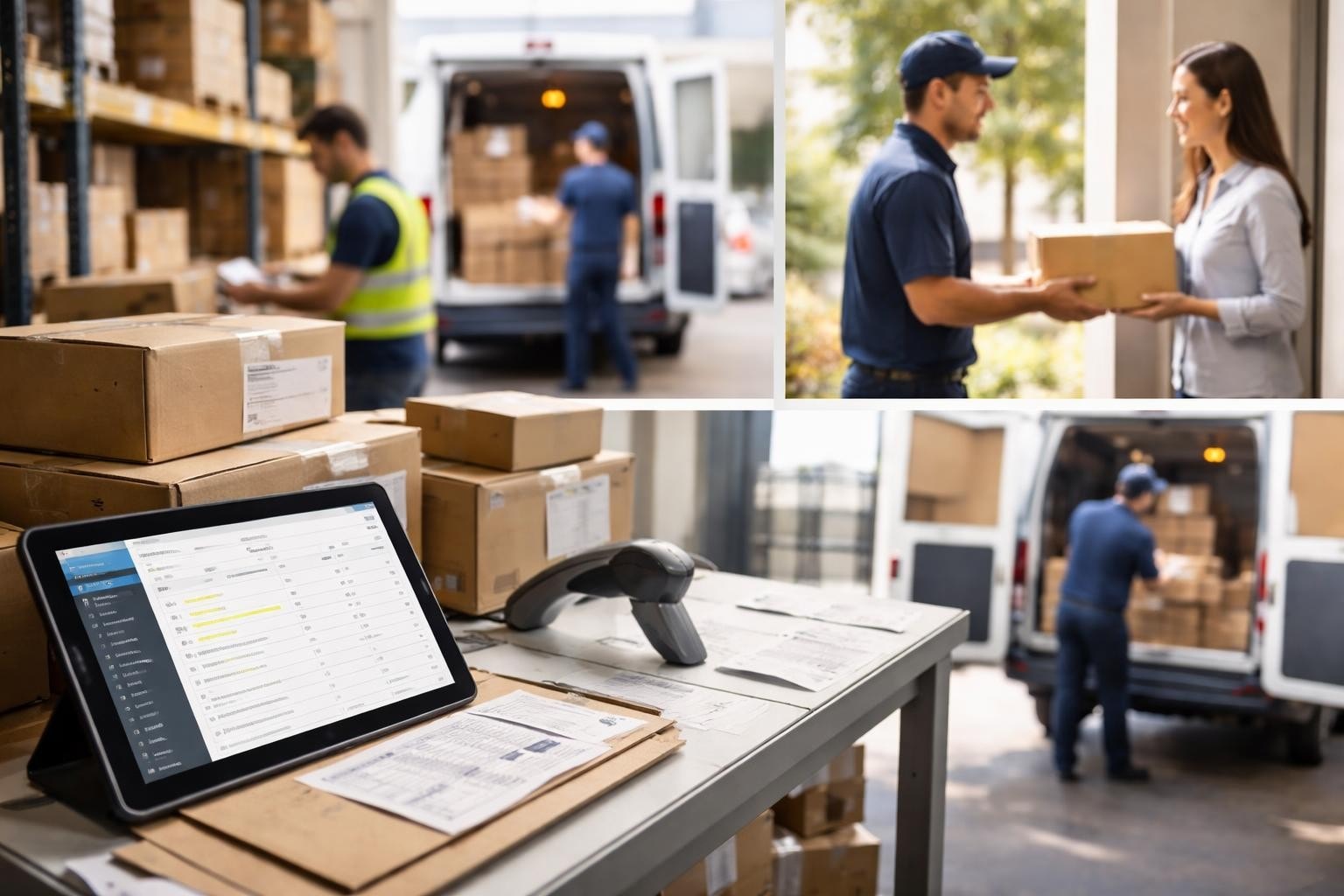

The e-commerce landscape in 2026 demands unprecedented speed, accuracy, and scalability. Fast-growing brands face mounting pressure to fulfill orders efficiently while managing inventory across multiple sales channels and maintaining exceptional customer experiences. The solution lies in strategic automation that transforms manual, time-consuming processes into streamlined operations that scale effortlessly. When you ecom automate effectively, you create competitive advantages that drive profitability and customer satisfaction while freeing your team to focus on strategic growth initiatives rather than repetitive tasks.
Understanding E-Commerce Automation Fundamentals
E-commerce automation represents the systematic application of technology to eliminate manual intervention in routine business processes. This approach extends far beyond simple task scheduling, encompassing sophisticated workflows that connect inventory systems, order management platforms, shipping carriers, and customer communication channels into a cohesive operational framework.
The core benefit of automation centers on consistency and accuracy. Human error in order processing, inventory counts, or shipping label generation can cost brands thousands in returns, refunds, and damaged customer relationships. Automated systems execute the same processes flawlessly every time, ensuring that orders ship correctly and customers receive accurate information throughout their buying journey.
Key Areas for Automation Implementation
Modern e-commerce operations contain numerous touchpoints where automation delivers immediate value:
- Order processing and routing to appropriate fulfillment locations
- Inventory synchronization across multiple sales channels
- Shipping label generation and carrier selection
- Customer notification systems for order updates
- Returns management and restocking procedures
- Reporting and analytics for decision-making insights
When you implement e-commerce automation strategically, each automated process builds upon others to create compound efficiency gains. An order received through your Shopify store can automatically trigger inventory deductions, payment processing, fulfillment instructions, shipping label generation, and customer notifications without any manual intervention.

Strategic Approaches to Ecom Automate Operations
Successful automation implementation requires careful planning and phased execution. Brands that attempt to automate everything simultaneously often encounter integration challenges, staff resistance, and operational disruptions that undermine the benefits they seek to achieve.
Prioritizing High-Impact Automation Opportunities
Begin your automation journey by identifying processes that consume the most time or generate the most errors. Order processing typically emerges as the highest-priority target because it touches every transaction and directly impacts customer satisfaction. A single automated workflow can process hundreds or thousands of orders daily with perfect accuracy, representing dramatic time savings compared to manual entry and verification.
E-commerce marketing automation extends these benefits to customer-facing operations, creating personalized experiences at scale. Automated email sequences can nurture prospects, confirm purchases, request reviews, and re-engage dormant customers without requiring marketing team intervention for each message.
| Automation Priority | Time Savings | Error Reduction | Implementation Complexity |
|---|---|---|---|
| Order Processing | 15-20 hrs/week | 95% | Medium |
| Inventory Sync | 8-12 hrs/week | 90% | Medium |
| Shipping Labels | 10-15 hrs/week | 98% | Low |
| Customer Emails | 5-8 hrs/week | 85% | Low |
| Returns Processing | 6-10 hrs/week | 80% | High |
Integration Architecture for Seamless Operations
Effective automation depends on robust integration between your sales channels, inventory management system, fulfillment operations, and customer relationship platforms. Application programming interfaces (APIs) enable these systems to communicate in real-time, ensuring data consistency across your entire technology stack.
Modern fulfillment providers offer pre-built integrations with major e-commerce platforms, eliminating the need for custom development. These integrations automatically transmit order details, synchronize inventory levels, and update tracking information bidirectionally, creating a seamless flow of information from sale to delivery.
When evaluating integration options, prioritize solutions that offer:
- Real-time data synchronization rather than batch updates
- Automatic error handling and retry mechanisms
- Comprehensive logging for troubleshooting
- Scalability to handle peak demand periods
- Security features protecting customer and business data
Optimizing Fulfillment Through Automation
Fulfillment operations represent the physical manifestation of e-commerce promises. When you ecom automate warehouse processes, you accelerate order cycle times, reduce picking errors, and create capacity for dramatic volume growth without proportional increases in labor costs.
Warehouse Management System Integration
Modern warehouse management systems (WMS) transform fulfillment centers into highly efficient operations guided by intelligent algorithms. These systems optimize picking routes, suggest optimal storage locations, and track inventory movements with barcode or RFID scanning that eliminates manual counting and recording.
Effective e-commerce automation strategies within the warehouse environment can reduce order processing time by 40-50% compared to manual operations. Automated systems direct workers to exact locations, verify item selection through scanning, and generate packing slips and shipping labels instantly, creating a streamlined workflow from order receipt to carrier pickup.
The integration between your WMS and sales channels creates powerful inventory visibility. Real-time stock updates prevent overselling, while automated reorder triggers ensure popular items remain available. This visibility extends to customers, who can see accurate availability information that builds confidence and reduces support inquiries about stock status.

Kitting and Bundling Automation
Product kitting and bundling present unique fulfillment challenges that benefit tremendously from automation. When customers order bundles, automated systems can either pick individual components or retrieve pre-assembled kits based on your operational strategy and product characteristics.
Pre-assembly automation works best for high-volume bundles with consistent demand. Systems track bundle inventory separately, trigger assembly tasks when stock reaches minimum thresholds, and manage component allocation to ensure individual items and bundles both remain available. This approach reduces per-order handling time while maintaining flexibility to sell components individually.
Dynamic assembly automation suits variable bundles or lower-volume combinations. The WMS generates picking lists that include all bundle components, routes pickers efficiently through the warehouse, and provides packing instructions to ensure correct assembly. This method maximizes inventory flexibility while still automating the coordination and verification processes.
Data-Driven Decision Making Through Automation
Beyond operational efficiency, automation generates valuable data that illuminates business performance and growth opportunities. When you ecom automate processes, you create detailed records of every transaction, inventory movement, and customer interaction that fuel sophisticated analytics.
Performance Metrics and Reporting
Automated reporting systems compile data from across your operations to surface actionable insights. Dashboard views provide real-time visibility into order volumes, fulfillment speeds, inventory turnover, and carrier performance without requiring manual data compilation or spreadsheet manipulation.
Key performance indicators that automated systems should track include:
- Order cycle time from receipt to shipment
- Fulfillment accuracy rates and error types
- Inventory aging and turnover by SKU
- Shipping cost per order by carrier and destination
- Customer satisfaction metrics and return rates
These metrics enable proactive management rather than reactive problem-solving. When automated alerts notify you that a particular SKU’s fulfillment time has increased, you can investigate root causes before customer complaints emerge. Strategies for reducing shipping costs become data-driven decisions based on actual carrier performance and zone analytics rather than assumptions.
Predictive Analytics and Demand Forecasting
Advanced automation leverages historical data to predict future trends and inform inventory planning. Machine learning algorithms identify seasonal patterns, promotional impacts, and emerging trends that help you stock appropriate quantities and avoid costly stockouts or excess inventory situations.
Research on proactive auto-scaling demonstrates how automation can anticipate demand fluctuations and adjust resources accordingly, ensuring consistent performance during peak periods without maintaining excess capacity year-round. These principles apply equally to inventory planning and fulfillment capacity management.
| Forecasting Application | Accuracy Improvement | Lead Time Reduction | Inventory Optimization |
|---|---|---|---|
| Seasonal Trends | 30-40% | 5-7 days | 20-25% |
| Promotional Impact | 25-35% | 3-5 days | 15-20% |
| New Product Launch | 20-30% | 7-10 days | 10-15% |
Advanced Automation Technologies Reshaping E-Commerce
The automation landscape continues evolving with emerging technologies that promise even greater efficiency gains. Understanding these developments helps you plan long-term automation strategies that position your business for sustained competitive advantage.
Artificial Intelligence in Content and Operations
Artificial intelligence applications extend automation beyond repetitive tasks into areas requiring judgment and creativity. Large language models enhance product descriptions by generating compelling, SEO-optimized content at scale, ensuring consistency while reducing the time required to bring new products to market.
In fulfillment operations, AI algorithms optimize warehouse layouts based on picking patterns, predict equipment maintenance needs before failures occur, and dynamically adjust workflows based on real-time conditions. These intelligent systems learn continuously, improving performance as they process more data and encounter diverse scenarios.
The convergence of agentic AI and unified commerce platforms represents a fundamental shift in how e-commerce businesses operate. These systems can make autonomous decisions within defined parameters, adjusting pricing, allocating inventory, and optimizing fulfillment strategies without constant human oversight.
Robotic Process Automation in Fulfillment
Physical automation through robotics complements software automation in high-volume fulfillment environments. Autonomous mobile robots transport products between storage and packing stations, while robotic picking systems handle routine selections with precision and speed that exceeds human capabilities.
When you ecom automate with robotics, implementation requires significant capital investment but delivers substantial long-term benefits. Case studies show AI-driven workflow automation increasing order processing speed by 45%, creating capacity for growth without proportional facility expansion or labor increases.
However, robotics implementation requires careful planning around several factors:
- Volume thresholds that justify capital investment
- Product characteristics suitable for robotic handling
- Facility layout accommodating robotic systems
- Integration complexity with existing workflows
- Maintenance requirements and technical expertise

Implementing Automation While Maintaining Quality
Automation success depends on thoughtful implementation that enhances rather than diminishes service quality. Poorly configured automation can frustrate customers, create new error patterns, and damage brand reputation more severely than manual processes ever could.
Quality Control Integration
Effective automation includes verification checkpoints that ensure accuracy without sacrificing efficiency. Weight verification systems confirm that packed orders contain the correct products, while automated image capture creates visual records of packaging condition before shipment.
E-commerce fulfillment services that incorporate quality control automation demonstrate error rates below 0.5%, compared to 2-3% for manual operations. This accuracy improvement directly impacts customer satisfaction and reduces costly returns and replacements that erode profitability.
Quality automation should address:
- Pre-shipment verification through weight, dimension, and image checks
- Inventory accuracy via cycle counting automation
- Damage prevention through proper packaging protocols
- Compliance monitoring for restricted products and shipping regulations
- Performance tracking identifying improvement opportunities
Staff Training and Change Management
Automation transforms job roles rather than simply eliminating positions. Successful implementations invest in comprehensive training that helps staff understand new systems, adapt to modified workflows, and contribute to continuous improvement initiatives.
Research indicates e-commerce automation can save retailers over 20 hours weekly, but these benefits only materialize when teams embrace rather than resist technological change. Clear communication about automation’s purpose, transparent discussions about role evolution, and opportunities for skill development create positive transitions that maximize technology investments.
Scaling Operations Through Strategic Automation
Growth creates operational complexity that can overwhelm manual processes and strain resources. When you ecom automate strategically, you build scalable foundations that support exponential growth without proportional increases in overhead, errors, or fulfillment delays.
Multi-Channel Inventory Management
Brands selling through Amazon, Shopify, eBay, and other platforms face inventory allocation challenges that automation solves elegantly. Centralized inventory management systems automatically distribute available stock across channels, prevent overselling, and reallocate inventory based on demand patterns and sales velocity.
Amazon FBA prep services integrate with broader fulfillment automation to create hybrid strategies that leverage FBA’s reach while maintaining direct fulfillment capabilities for other channels. Automated systems route orders to optimal fulfillment locations based on cost, speed, and inventory availability, ensuring efficient operations regardless of sales source.
This multi-channel approach requires automation that handles:
- Real-time inventory synchronization across all platforms
- Automatic reallocation based on sales velocity
- Channel-specific packaging and labeling requirements
- Coordinated replenishment across fulfillment locations
- Unified reporting across diverse sales channels
Peak Season Preparedness
Automation proves especially valuable during peak selling periods when order volumes surge beyond normal capacity. Strategies for scaling e-commerce businesses emphasize automation’s role in managing demand fluctuations without sacrificing service quality or overwhelming staff.
Automated systems maintain consistent performance under high volume by distributing workload efficiently, prioritizing urgent orders, and adjusting workflows dynamically. This reliability ensures that your busiest periods generate maximum revenue rather than operational chaos and customer disappointment.
| Peak Season Challenge | Automation Solution | Performance Impact |
|---|---|---|
| Order Volume Surge | Dynamic workflow distribution | 99% on-time fulfillment |
| Inventory Depletion | Predictive reordering | 95% stock availability |
| Staff Capacity | Optimized task routing | 40% efficiency gain |
| Carrier Delays | Multi-carrier selection | 30% faster delivery |
Measuring Automation Return on Investment
Automation investments require careful evaluation to ensure they deliver expected benefits and justify ongoing operational costs. Comprehensive ROI analysis examines both tangible financial metrics and qualitative improvements that strengthen competitive position.
Financial Metrics and Cost Savings
Direct cost savings from automation typically manifest through reduced labor requirements, fewer errors, lower shipping costs through optimized carrier selection, and decreased inventory carrying costs from improved turnover. Methods to automate e-commerce fulfillment generate measurable savings that compound over time as order volumes increase.
Calculate automation ROI by tracking:
- Labor cost reduction from eliminated manual tasks
- Error-related costs including returns, refunds, and replacements
- Shipping savings through carrier optimization and zone efficiency
- Inventory reduction from improved forecasting and turnover
- Revenue growth enabled by faster fulfillment and better experiences
Beyond direct savings, automation creates capacity for growth that would otherwise require facility expansion or additional staffing. This scalability represents significant avoided costs that should factor into ROI calculations.
Customer Experience Enhancement
Quantifying customer experience improvements requires tracking metrics like Net Promoter Score, repeat purchase rates, average order value, and customer lifetime value. Automation that delivers faster shipping, accurate orders, and proactive communication demonstrably improves these metrics, creating long-term value beyond immediate cost savings.
Customer satisfaction drivers automated systems enhance:
- Faster order processing and shipping
- Accurate inventory availability information
- Proactive shipment tracking updates
- Hassle-free returns processing
- Personalized product recommendations
- Responsive customer service support
These improvements translate into higher retention rates and increased customer lifetime value that significantly impact long-term profitability. Research consistently shows that acquiring new customers costs five times more than retaining existing ones, making automation investments that boost retention highly valuable.
Future-Proofing Your E-Commerce Technology Stack
Technology evolution continues accelerating, making future-proofing a critical consideration when planning automation investments. E-commerce automation strategies should emphasize flexibility and adaptability rather than rigid systems that become obsolete as business needs evolve.
Platform Selection Criteria
When evaluating automation platforms and fulfillment partners, prioritize solutions offering:
- Open APIs enabling integration with emerging technologies
- Modular architecture allowing component upgrades without complete replacement
- Cloud-based infrastructure providing automatic updates and scalability
- Vendor roadmaps demonstrating ongoing development and innovation
- Community ecosystems offering third-party extensions and expertise
Avoiding proprietary systems that lock you into specific vendors or limit integration options preserves flexibility to adopt better solutions as they emerge. The automation landscape changes rapidly, and maintaining technological agility ensures your operations can evolve with industry developments.
Continuous Improvement Processes
Automation shouldn’t represent a one-time implementation but rather an ongoing optimization journey. Regular review of automated processes, analysis of performance data, and experimentation with new capabilities ensure your systems deliver maximum value and adapt to changing business requirements.
Establish quarterly automation reviews that examine:
- Performance metrics against established benchmarks
- Error patterns suggesting configuration adjustments
- New automation opportunities from process analysis
- Technology updates and feature releases
- Staff feedback on workflow effectiveness
This systematic approach to automation management ensures investments continue delivering value and identifies opportunities for incremental improvements that compound into significant competitive advantages over time.
Strategic automation transforms e-commerce operations from labor-intensive, error-prone processes into efficient, scalable systems that support rapid growth while maintaining exceptional customer experiences. By implementing automation thoughtfully across order processing, inventory management, fulfillment operations, and customer communications, fast-growing brands create sustainable competitive advantages in increasingly demanding markets. Ecom Automation Prep specializes in helping e-commerce brands implement these automation strategies through comprehensive fulfillment services that scale effortlessly with your business, combining advanced warehouse technology with expert operations management to make fulfillment your competitive advantage rather than your operational headache.