How to Switch Fulfillment Providers
When to switch, what to check in your contract, how to move stock and orders without disruption and what to track in the first 30 days.

Key takeaways
- Measure the problem before leaving: accuracy, speed, damage and cost per order.
- Check notice, minimums, stock return and data export in the contract.
- Stage the move: test orders, a stock buffer and counts at both sites.
- Avoid peak periods and track the first 30 days.
On this page
Switching fulfillment providers is a project, not a flip of a switch. Done well, orders keep shipping and inventory is never lost in transit. This guide explains when to switch, what to check before you leave, how to move stock and orders without disruption and how to hold the new provider to account in the first weeks.
When to switch fulfillment providers
- Order accuracy or on-time shipping falls below what you were promised.
- Costs rise faster than volume, or fees keep appearing that were not in the quote.
- The provider cannot support new channels, kitting, returns or a new region.
- Peaks repeatedly cause delays.
- Communication is slow and issues are not fixed at the cause.
Before deciding, measure the problem: accuracy, ship time, damage rate and cost per order over the last three months.
Check your current contract first
| Term | What to find out |
|---|---|
| Notice period | How long before you can leave |
| Minimums and early exit fees | What you owe if you leave early |
| Stock return | Who pays to ship inventory out, and how fast |
| Data export | Whether you can export inventory and order history |
| Outstanding invoices | Whether stock can be held until bills are paid |
The switching process
- Choose the new providerCompare quotes and test.
- Plan the cut-overDates, stock split, rules.
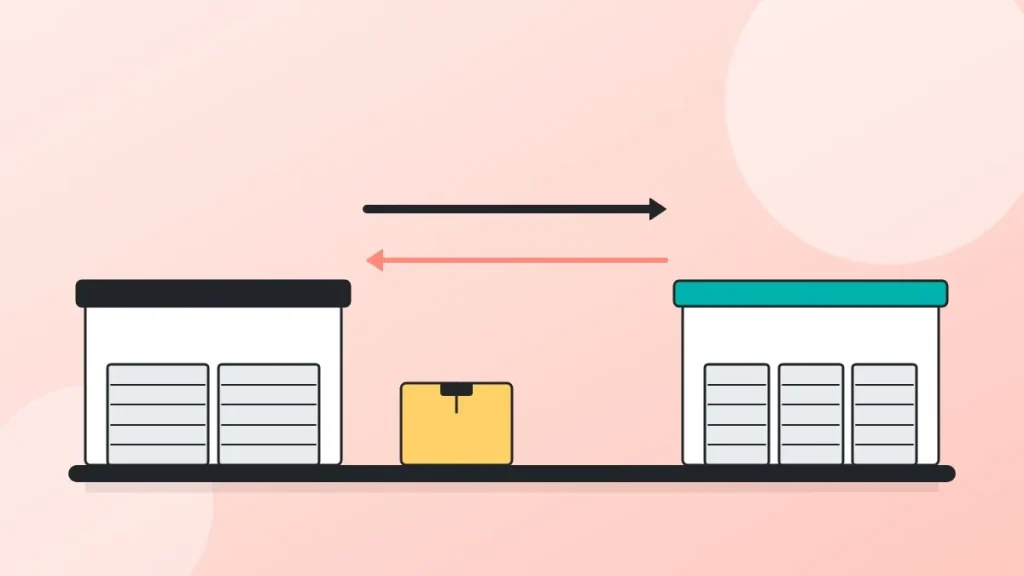
- Move stockShip from old to new, with counts.
- Switch ordersChange the integration on a set date.
- ReconcileCompare counts and close out.
How to avoid disruption
- Pick a low-volume period for the cut-over, not a peak.
- Keep a small stock buffer at the old provider while the new one is tested.
- Send the new provider the product data and packing rules before the first receipt.
- Do a test order end to end before you redirect all orders.
- Reconcile counts at both sites on the cut-over day and keep the report.
The first 30 days with the new provider
| Check | Target |
|---|---|
| Receiving counts match your shipping notice | Discrepancies explained within days |
| Order accuracy | At or above what you were promised |
| Orders shipped by cut-off | As agreed in writing |
| Invoice matches the quote | No unexpected fees |
Use how to choose a fulfillment provider to compare candidates and best 3PL companies to build a shortlist. See how much fulfillment costs to read a quote line by line.
Switching to Ecom Auto Prep
If you are moving to us, we plan the receipt of your stock, set up the integration and run a test order before orders switch over. See Direct-to-consumer fulfillment.
Frequently asked questions
When should I switch fulfillment providers?
When accuracy, speed or cost no longer match your needs and the provider cannot fix the cause.
How long does switching take?
It depends on stock volume and integrations. Plan for a cut-over period with some stock at both sites.
Will my orders be disrupted?
Not if you stage the move, test orders first and avoid peak periods.
Who pays to move my inventory?
Check your contract. Many providers charge for outbound shipment of stock.
What should I ask the new provider?
Onboarding time, receiving process, integrations, accuracy reporting and fee structure.
Can I switch during peak season?
It is safer to avoid it. Switch before peak or after.
Anton Kashirin
Anton founded EcomAutomation, the company behind EcomAutoPrep. He works with Amazon FBA sellers and DTC brands on receiving, prep, kitting and shipping, and reviews the guides on this blog against how orders move through the warehouse.