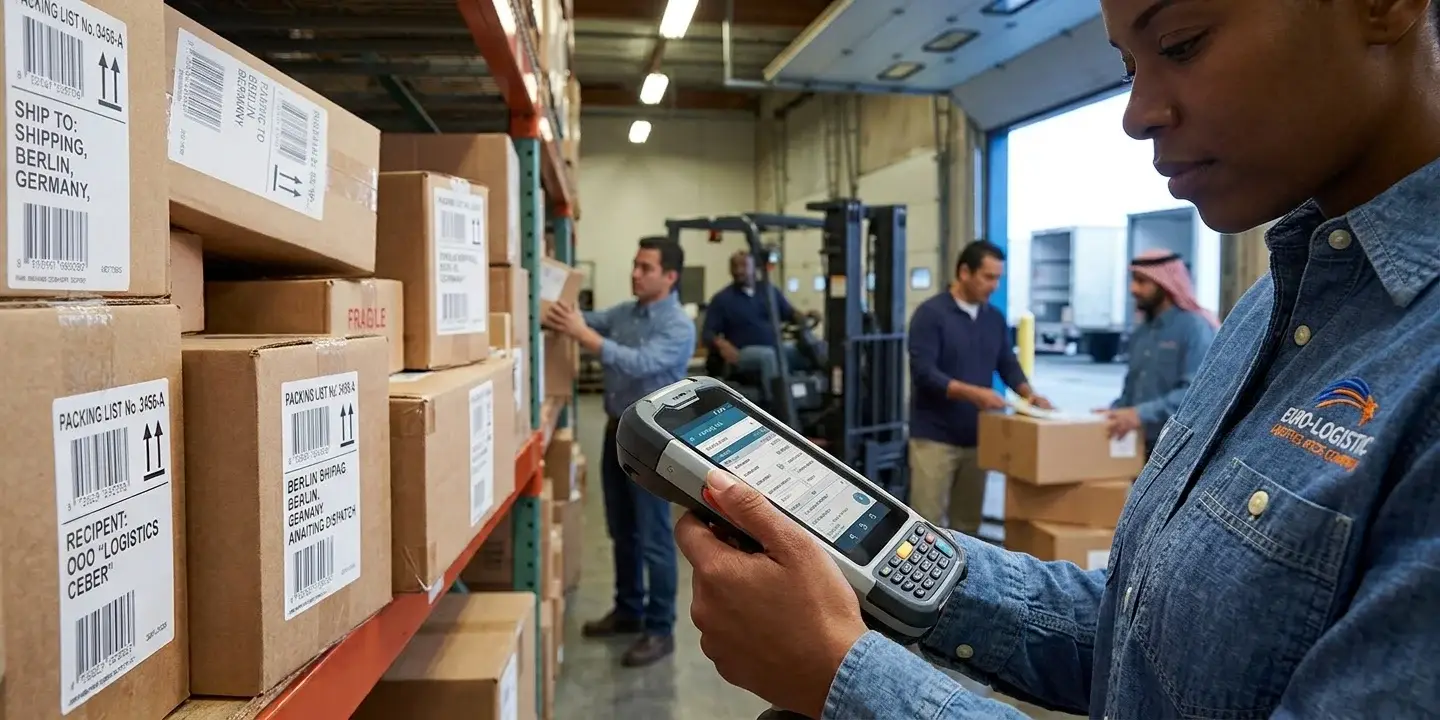

E-commerce brands face mounting pressure to deliver products faster, more accurately, and more cost-effectively than ever before. Modern consumers expect their orders to arrive within days, if not hours, while demanding transparency throughout the shipping process. Meeting these expectations requires sophisticated infrastructure, technology, and expertise that many growing brands struggle to build in-house. Logistics fulfillment services provide the solution by offering end-to-end management of inventory storage, order processing, packaging, and shipping operations that enable brands to scale without the capital investment and operational complexity of managing their own warehouses.
Understanding the Core Components of Fulfillment Operations
Logistics fulfillment services encompass a comprehensive range of activities that transform customer orders into delivered packages. These services begin the moment inventory arrives at a fulfillment center and continue through every step until the product reaches the end customer.
Warehousing and Storage Infrastructure
The foundation of any fulfillment operation lies in its warehousing capabilities. Modern fulfillment centers utilize advanced warehouse management systems (WMS) that track inventory in real-time, optimize storage locations, and ensure products are easily accessible when orders arrive. Warehouse rent hikes in 2026 have significantly impacted the industry, with warehousing costs now accounting for 13% of total supply chain expenses.
Key warehousing features include:
- Climate-controlled storage for temperature-sensitive products
- Security systems with 24/7 monitoring and access controls
- Scalable space allocation that grows with your inventory
- Strategic location selection for faster delivery times

Receiving and Inventory Management
When products arrive at a fulfillment center, the receiving process sets the stage for operational efficiency. Professional logistics fulfillment services implement rigorous receiving protocols that include quality inspections, accurate counting, proper labeling, and immediate system updates.
Inventory management extends beyond simple stock counting. Advanced fulfillment providers use ABC analysis and velocity tracking to position fast-moving products in easily accessible locations. This strategic approach reduces pick times and improves overall throughput. Implementing putaway strategy best practices ensures products are stored efficiently based on size, weight, turnover rate, and compatibility with other items.
Order Processing and Pick-Pack Operations
The order processing phase represents where logistics fulfillment services truly demonstrate their value. When a customer places an order, automated systems immediately route picking instructions to warehouse staff or robotic systems. The picking accuracy directly impacts customer satisfaction and return rates.
| Processing Stage | Key Activities | Quality Checkpoints |
|---|---|---|
| Order Receipt | System ingestion, inventory verification | Automated stock checks |
| Picking | Item retrieval, barcode scanning | Scan verification at each pick |
| Packing | Box selection, protective materials, labeling | Weight verification, visual inspection |
| Shipping | Carrier selection, label generation, handoff | Final scan, tracking activation |
Modern fulfillment operations employ multiple picking strategies depending on order volume and product mix. Zone picking divides the warehouse into sections with dedicated staff, while batch picking groups multiple orders together for efficiency. Wave picking combines orders scheduled for shipment during specific time windows.
Specialized Services That Enhance Value
Beyond basic storage and shipping, logistics fulfillment services offer specialized capabilities that support diverse e-commerce business models and product requirements.
Amazon FBA Preparation
For brands selling through Amazon’s marketplace, FBA prep services ensure products meet Amazon’s strict requirements before entering their fulfillment network. This includes proper labeling with FNSKU barcodes, polybagging where required, bundling multi-item sets, and ensuring compliance with product-specific requirements.
Amazon FBA prep typically includes:
- FNSKU labeling and application
- Product inspection for damage or defects
- Packaging compliance verification
- Carton forwarding to Amazon facilities
- Documentation and shipment creation in Seller Central
Kitting and Bundling Operations
Kitting and bundling allow brands to create product combinations without managing assembly in-house. A fulfillment provider can combine multiple SKUs into promotional bundles, create subscription box assortments, or assemble components into ready-to-ship kits. This flexibility enables brands to test new product offerings and seasonal promotions without additional infrastructure.
Direct-to-Consumer Fulfillment
D2C fulfillment requires particular attention to the unboxing experience and brand presentation. Professional logistics fulfillment services offer customized packaging options, branded inserts, gift wrapping, and personalized notes that enhance customer experience. These touches transform a simple delivery into a memorable brand interaction that drives customer loyalty and social media sharing.

Technology Integration and Visibility
The most effective logistics fulfillment services leverage technology to provide transparency, automation, and data-driven insights that improve decision-making.
Warehouse Management Systems
A robust WMS serves as the operational brain of fulfillment operations. These systems manage inventory locations, generate optimized pick paths, track worker productivity, and provide real-time visibility into stock levels. Integration with e-commerce platforms enables automatic order routing and inventory synchronization.
Multi-Channel Integration
E-commerce brands typically sell across multiple channels including their own website, Amazon, eBay, Walmart, and various marketplaces. Fulfillment providers that offer multi-channel integration consolidate orders from all sources into a single fulfillment workflow. This prevents overselling, maintains accurate inventory counts across all channels, and provides unified reporting.
Real-Time Tracking and Notifications
Modern customers expect constant visibility into their order status. Quality logistics fulfillment services provide tracking updates at every stage from order receipt through delivery. Automated notifications keep customers informed about order confirmation, processing status, shipment, and delivery completion.
Selecting the Right Fulfillment Partner
Choosing a fulfillment provider represents a critical business decision that impacts customer satisfaction, operational efficiency, and profitability. Several factors should guide this selection process.
Evaluating Operational Capabilities
Implementing operational excellence practices becomes essential for maintaining accuracy in high-velocity environments. Assess potential partners based on their order accuracy rates, average fulfillment speed, and inventory accuracy. Request specific metrics and case studies demonstrating performance with similar businesses.
Critical evaluation criteria:
- Order accuracy rate (target: 99.5% or higher)
- Same-day or next-day fulfillment capabilities
- Inventory accuracy (target: 99% or higher)
- Returns processing procedures and speed
- Customer service responsiveness and support hours
Understanding Pricing Structures
Fulfillment pricing varies significantly across providers and typically includes multiple components. Storage fees may be charged per pallet, bin, or cubic foot on a monthly basis. Pick-and-pack fees cover the labor and materials for processing each order. Shipping costs can be billed at actual carrier rates or marked up percentages.
| Fee Type | Common Structure | What It Covers |
|---|---|---|
| Receiving | Per pallet or hour | Unloading, counting, system entry |
| Storage | Monthly per cubic foot | Warehouse space, utilities, security |
| Pick & Pack | Per order or item | Labor, packing materials, quality checks |
| Shipping | Carrier cost + markup | Postage, carrier pickup, tracking |
| Special Services | Per unit or project | Kitting, labeling, returns processing |
Technology Compatibility and Integration
Your fulfillment provider’s technology must integrate seamlessly with your existing systems. Evaluate their API capabilities, supported integrations with major e-commerce platforms, and reporting functionality. Best practices for implementing a 3PL partnership emphasize the importance of strong technical integration and defined performance metrics.
Quality Control and Performance Management
Maintaining consistent quality in logistics fulfillment services requires systematic approaches to monitoring, measurement, and continuous improvement.
Implementing Quality Checkpoints
Quality control in 3PL fulfillment relies on multiple verification points throughout the fulfillment process. Barcode scanning at each stage prevents picking errors, while weight verification ensures all items are included. Visual inspections catch packaging issues before shipment.
Quality systems should include random audits of completed orders, regular inventory cycle counts, and documented procedures for handling discrepancies. Photography of received inventory provides documentation for damage claims and verification of product condition.
Key Performance Indicators
Measuring fulfillment performance requires tracking specific metrics that reveal operational health and customer impact. Monitor these KPIs regularly and establish accountability for improvement when standards aren’t met.
Essential fulfillment KPIs:
- Order accuracy rate
- Average fulfillment time (order to ship)
- Inventory accuracy percentage
- Damage rate during storage and handling
- On-time shipment percentage
- Customer complaint rate
- Returns processing time
- Cost per order
Continuous Improvement Processes
The best logistics fulfillment services embrace continuous improvement methodologies. Regular performance reviews identify bottlenecks and inefficiencies. Warehouse best practices recommend conducting regular SKU velocity reviews and adjusting slotting strategies based on seasonal demand patterns and product performance.

Scaling Fulfillment Operations
As e-commerce brands grow, their fulfillment needs evolve. Professional logistics fulfillment services provide the flexibility to scale operations without disruption.
Seasonal Demand Management
Retail peaks during holidays and promotional periods create enormous strain on fulfillment operations. Experienced providers anticipate these surges through historical data analysis and maintain flexible labor pools that can expand during busy seasons. They also implement wave processing and extended operating hours to handle increased volume.
Order fulfillment best practices include optimizing warehouse layout and implementing zone picking during high-volume periods to maintain speed without sacrificing accuracy.
Geographic Expansion
Expanding into new markets often requires establishing additional fulfillment locations to maintain fast delivery times. Many fulfillment providers operate multiple facilities across strategic regions, allowing brands to distribute inventory closer to customers. This multi-location strategy reduces shipping costs and transit times while providing redundancy if one facility experiences disruptions.
Product Line Diversification
Adding new product categories may require different storage conditions, handling procedures, or regulatory compliance. Quality logistics fulfillment services offer flexible capabilities that accommodate diverse product types from small electronics to oversized items, refrigerated goods, or hazardous materials requiring special permits.
Cost Optimization Strategies
Managing fulfillment costs while maintaining service quality requires strategic approaches to operations and vendor management.
Inventory Positioning and Turnover
Excessive inventory generates unnecessary storage costs while increasing the risk of obsolescence. Work with your fulfillment provider to analyze demand patterns and optimize reorder points. Just-in-time inventory strategies reduce storage fees while maintaining adequate stock for customer demand.
Packaging Efficiency
Right-sizing packaging reduces dimensional weight charges from carriers while minimizing material costs. Many logistics fulfillment services offer packaging optimization programs that analyze order patterns and recommend optimal box sizes. Reducing packaging waste also supports sustainability goals increasingly important to consumers.
Carrier Relationship Management
Fulfillment providers with high shipping volumes negotiate preferential rates with carriers that individual brands cannot access. These negotiated rates can deliver 20-40% savings compared to standard retail pricing. Additionally, experienced providers understand carrier service levels and can recommend the most cost-effective options for different delivery zones and timelines.
Successfully managing e-commerce fulfillment requires expertise, technology, and infrastructure that can overwhelm growing brands trying to handle everything internally. By partnering with experienced providers who understand the complexities of modern e-commerce logistics, brands can focus on product development, marketing, and customer relationships while ensuring orders are fulfilled accurately and efficiently. If you’re ready to streamline your fulfillment operations and scale your e-commerce brand, Ecom Automation Prep offers comprehensive solutions including Amazon FBA prep, direct-to-consumer fulfillment, kitting, and bundling designed to make fulfillment effortless for fast-growing businesses.