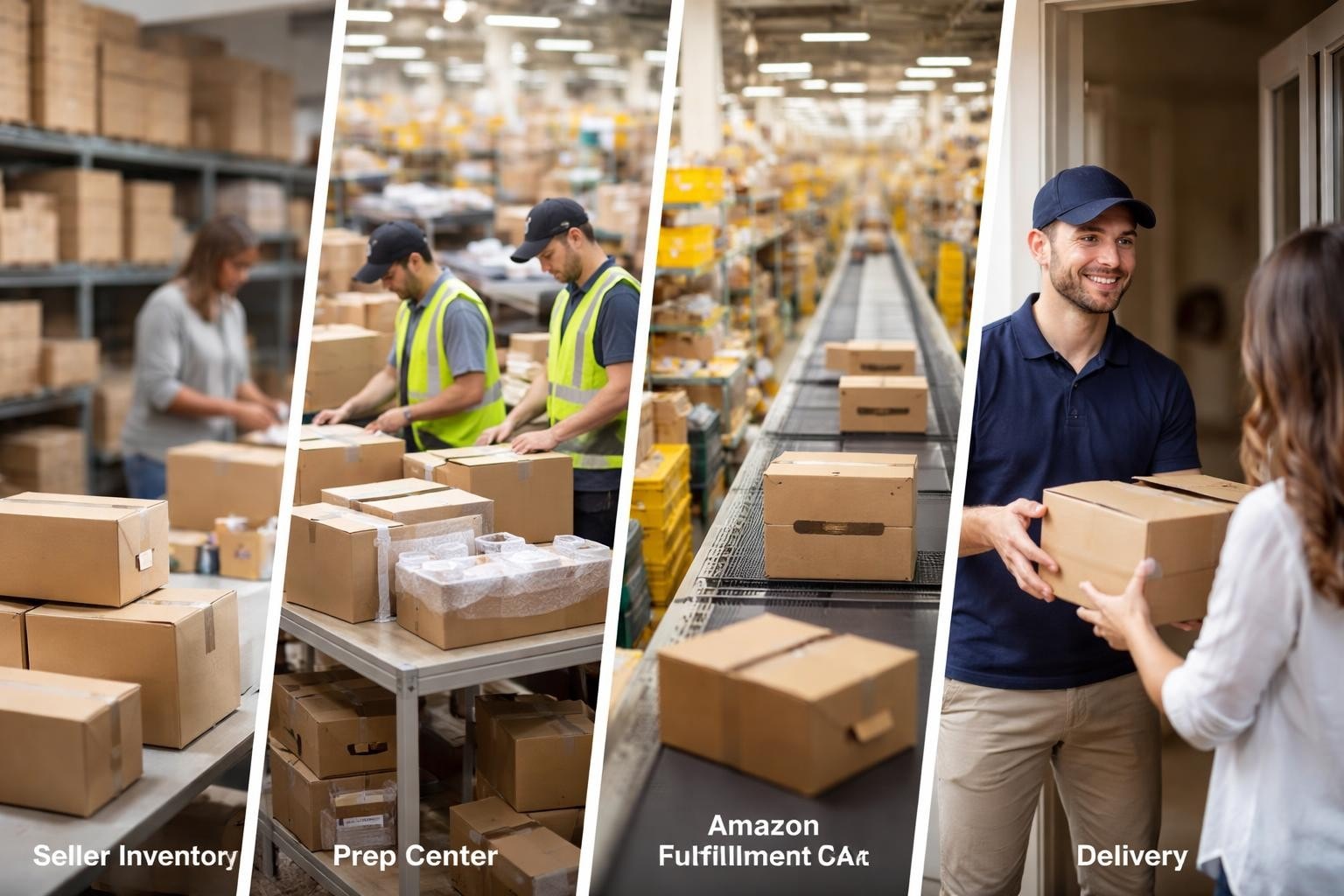

The e-commerce landscape in 2026 demands more than just listing products online and waiting for sales. Success requires a comprehensive approach that integrates technology, customer experience, operational efficiency, and strategic marketing. Fast-growing e-commerce brands face unique challenges, from inventory management to scaling fulfillment operations while maintaining quality and speed. The right ecommerce strategies can transform a struggling online store into a thriving business that consistently meets customer expectations and achieves sustainable growth.
Building a Foundation for Scalable Operations
Successful e-commerce businesses recognize that operational excellence forms the backbone of every customer interaction. Your ability to receive, process, store, and ship products efficiently determines whether customers return or explore competitors.
Optimizing Inventory Management Systems
Effective inventory management prevents stockouts, reduces carrying costs, and ensures products reach customers when promised. Modern e-commerce brands leverage real-time inventory tracking systems that sync across multiple sales channels, providing accurate stock levels whether selling through Amazon, Shopify, or direct-to-consumer platforms.
Key inventory optimization tactics include:
- Implementing automated reorder points based on historical sales data
- Using forecasting tools to anticipate seasonal demand fluctuations
- Establishing safety stock levels for best-selling products
- Creating efficient warehouse organization systems for faster picking
The integration between your inventory system and fulfillment operations creates a seamless flow that minimizes errors and accelerates order processing times.
Streamlining Fulfillment Processes
Fulfillment speed and accuracy directly impact customer satisfaction scores and repeat purchase rates. Brands that achieve two-day or next-day delivery capture significantly more market share than competitors with slower shipping times.

Consider these fulfillment optimization strategies:
- Batch processing orders during peak hours to maximize efficiency
- Quality control checkpoints at critical stages to reduce returns
- Strategic warehouse location to minimize shipping distances
- Automation tools for label printing and shipping notifications
- Flexible packaging options including kitting and bundling capabilities
Partnering with specialized fulfillment providers allows brands to scale operations without significant capital investment in warehouse space, equipment, and labor.
Developing Customer-Centric Marketing Strategies
Marketing excellence in e-commerce extends beyond acquiring new customers. The most profitable brands focus on lifetime value, building relationships that generate repeat purchases and referrals.
Creating Personalized Shopping Experiences
Personalization increases conversion rates by presenting customers with products, offers, and content tailored to their preferences and browsing behavior. Advanced e-commerce platforms track user interactions and dynamically adjust recommendations.
| Personalization Type | Implementation Method | Expected Impact |
|---|---|---|
| Product Recommendations | AI-powered algorithms based on browsing history | 15-25% increase in average order value |
| Email Segmentation | Behavioral triggers and purchase history | 20-30% higher open rates |
| Dynamic Pricing | Real-time adjustments based on demand | 5-10% revenue increase |
| Customized Landing Pages | Geo-targeting and referral source | 12-18% conversion improvement |
These personalization strategies work best when supported by robust data collection and analysis systems that respect privacy regulations while delivering meaningful insights.
Leveraging Content Marketing for Authority
Content marketing establishes your brand as an industry authority while driving organic traffic through search engines. E-commerce brands can enhance their content marketing efforts by creating valuable resources that address customer pain points and showcase product applications.
Effective content formats include:
- Buying guides that compare product features and help customers make informed decisions
- How-to tutorials demonstrating product usage and care instructions
- Industry insights sharing trends and expertise that position your brand as knowledgeable
- Customer stories highlighting real-world results and building social proof
The key to successful content marketing lies in consistency and quality. Publishing valuable content regularly builds audience trust and improves search engine rankings over time.
Implementing Advanced Digital Marketing Techniques
Digital marketing for e-commerce requires a multi-channel approach that meets customers wherever they spend time online. The most effective ecommerce strategies integrate paid advertising, organic search, social media, and email marketing into a cohesive system.
Mastering Search Engine Optimization
SEO drives qualified traffic to your online store without ongoing advertising costs. Comprehensive SEO strategy for e-commerce businesses includes on-page optimization, technical improvements, and authority-building activities.
Technical SEO priorities:
- Mobile-responsive design with fast loading speeds
- Structured data markup for rich snippets in search results
- XML sitemaps and clean URL structures
- HTTPS security and proper redirects for changed pages
Beyond technical elements, building a strong backlink profile significantly impacts search rankings. Quality backlinks from relevant websites signal to search engines that your content deserves higher visibility.
Building Strategic Partnerships and Links
Link-building remains one of the most effective ways to increase domain authority and search visibility. Effective link-building strategies for e-commerce include guest posting on industry blogs, creating shareable research and data, and developing relationships with complementary brands.

Consider these relationship-building approaches:
- Supplier and manufacturer partnerships that include website mentions
- Industry association memberships with directory listings
- Charity and community involvement generating local media coverage
- Influencer collaborations creating authentic endorsements
- Trade show participation earning mentions from event coverage
These strategies generate valuable backlinks while simultaneously expanding brand awareness and creating business development opportunities.
Optimizing Paid Advertising Campaigns
Paid advertising delivers immediate traffic and sales when properly configured. Successful campaigns require continuous testing, optimization, and budget allocation based on performance metrics.
| Platform | Best For | Key Metric | Typical ROAS |
|---|---|---|---|
| Google Shopping | High-intent searchers | Conversion Rate | 400-600% |
| Facebook/Instagram | Brand awareness and retargeting | Cost per Purchase | 300-500% |
| Visual products and DIY categories | Click-through Rate | 250-400% | |
| TikTok | Younger demographics and trending products | Engagement Rate | 200-350% |
Monitor campaign performance daily during the initial testing phase, then adjust bidding strategies, audience targeting, and creative elements based on data insights. Successful advertisers maintain detailed attribution models that track the customer journey across multiple touchpoints.
Enhancing Customer Experience and Retention
Acquiring new customers costs five to seven times more than retaining existing ones. Smart ecommerce strategies prioritize customer satisfaction and loyalty programs that encourage repeat purchases.
Designing Frictionless Checkout Processes
Cart abandonment rates average 70% across e-commerce sites, often due to complicated checkout processes. Streamlining the purchase path removes obstacles that prevent completed transactions.
Checkout optimization tactics:
- Guest checkout options without mandatory account creation
- Multiple payment methods including digital wallets
- Transparent shipping costs displayed early in the process
- Progress indicators showing remaining steps
- Mobile-optimized forms with auto-fill capabilities
Every additional form field or required step increases abandonment risk. Test checkout variations to identify the optimal balance between collecting necessary information and minimizing friction.
Implementing Post-Purchase Engagement
The relationship with customers intensifies after purchase rather than ending. Strategic post-purchase communication builds loyalty and generates additional revenue through repeat orders and referrals.
Effective post-purchase programs include:
- Automated order tracking updates keeping customers informed
- Product care instructions enhancing satisfaction and reducing returns
- Cross-sell recommendations based on purchased items
- Review requests timed for optimal response rates
- Loyalty program enrollment offering exclusive benefits

These touchpoints demonstrate ongoing commitment to customer success while creating opportunities for additional sales and valuable feedback.
Leveraging Data Analytics for Continuous Improvement
Data-driven decision making separates thriving e-commerce businesses from those that stagnate. Comprehensive analytics systems track performance across all business functions, revealing optimization opportunities and emerging trends.
Establishing Key Performance Indicators
Monitoring the right metrics focuses improvement efforts on activities that drive meaningful results. Effective KPIs align with specific business objectives and provide actionable insights.
Essential e-commerce metrics:
- Customer Acquisition Cost (CAC): Total marketing spend divided by new customers acquired
- Customer Lifetime Value (CLV): Average revenue per customer over their relationship with your brand
- Conversion Rate: Percentage of visitors who complete purchases
- Average Order Value (AOV): Total revenue divided by number of orders
- Return Rate: Percentage of orders returned by customers
Track these metrics weekly or monthly, establishing benchmarks that reveal performance trends and seasonal patterns. Comparing current performance against historical data and industry standards identifies areas requiring attention.
Conducting A/B Testing Programs
Systematic testing eliminates guesswork from optimization decisions. A/B testing compares two versions of web pages, emails, or advertisements to determine which performs better.
Prioritize testing elements with the highest potential impact:
- Product page layouts and image selections
- Call-to-action button colors, sizes, and text
- Email subject lines and send times
- Shipping offer presentations
- Homepage hero images and messaging
Run tests long enough to achieve statistical significance, typically requiring hundreds or thousands of visitors depending on conversion rates. Implement winning variations and continue testing new hypotheses to drive incremental improvements.
Adapting to Market Changes and Emerging Trends
The e-commerce industry evolves rapidly as technology advances and consumer preferences shift. Businesses that monitor trends and adapt quickly maintain competitive advantages over slower-moving rivals.
Embracing Sustainability and Ethical Practices
Modern consumers increasingly prefer brands that demonstrate environmental and social responsibility. Sustainable business practices differentiate your brand while appealing to values-driven shoppers.
Sustainability initiatives include:
- Eco-friendly packaging materials and minimal packaging waste
- Carbon-neutral shipping options with offset programs
- Ethical sourcing and transparent supply chains
- Product recycling or take-back programs
- Charitable partnerships supporting relevant causes
Communicate these initiatives authentically through website content, product descriptions, and marketing campaigns. Avoid greenwashing by providing specific details and measurable impacts rather than vague claims.
Exploring New Sales Channels
Diversification across multiple sales channels reduces dependency on any single platform while reaching customers in their preferred shopping environments. Successful multi-channel strategies maintain consistent branding and inventory across all platforms.
Consider expanding into:
- Social commerce with Instagram Shopping and Facebook Marketplace
- Marketplace platforms like Amazon, Walmart, and eBay
- Subscription box services relevant to your product category
- B2B wholesale programs for retail partners
- Pop-up shops and temporary retail experiences
Each channel requires unique optimization approaches and fulfillment capabilities. Proven e-commerce link-building strategies can help drive traffic across all channels while building overall brand authority. Start with channels where your target customers actively shop, then expand based on performance data and available resources.
Optimizing Operational Efficiency Through Technology
Technology investments streamline operations, reduce errors, and enable scaling without proportional increases in overhead costs. The right tools integrate seamlessly with existing systems while providing room for future growth.
Selecting E-commerce Platform Solutions
Your e-commerce platform serves as the foundation for all online operations. The ideal solution balances functionality, ease of use, customization options, and total cost of ownership.
| Platform Type | Best For | Strengths | Considerations |
|---|---|---|---|
| SaaS Platforms | Small to mid-size businesses | Quick setup, regular updates | Limited customization |
| Open Source | Large businesses with technical resources | Full control, unlimited customization | Higher maintenance costs |
| Headless Commerce | Enterprise brands | Flexibility, omnichannel capabilities | Complex implementation |
| Marketplace-focused | Amazon-centric sellers | FBA integration, simplified operations | Platform dependency |
Evaluate platforms based on your specific requirements, including product catalog size, transaction volume, integration needs, and in-house technical capabilities.
Automating Repetitive Tasks
Automation eliminates time-consuming manual processes while reducing human error. Identify repetitive tasks that consume significant staff time and explore automation solutions.
High-impact automation opportunities:
- Order processing and fulfillment notifications
- Inventory level monitoring and reorder alerts
- Customer service responses for common questions
- Marketing email sequences based on customer behavior
- Financial reporting and reconciliation processes
Start with simple automations that deliver immediate time savings, then gradually implement more sophisticated systems as your team adapts to automated workflows. These ecommerce strategies free your team to focus on strategic initiatives rather than routine administrative tasks.
Implementing effective ecommerce strategies requires balancing operational excellence, customer experience, and strategic marketing while continuously adapting to market changes. Success comes from selecting the right combination of tactics for your specific business goals and customer needs. When you’re ready to streamline your fulfillment operations and scale your e-commerce brand without the headaches of managing complex logistics, Ecom Automation Prep offers comprehensive solutions including Amazon FBA prep, direct-to-consumer fulfillment, and specialized kitting services that allow you to focus on growth while we handle the operational details.