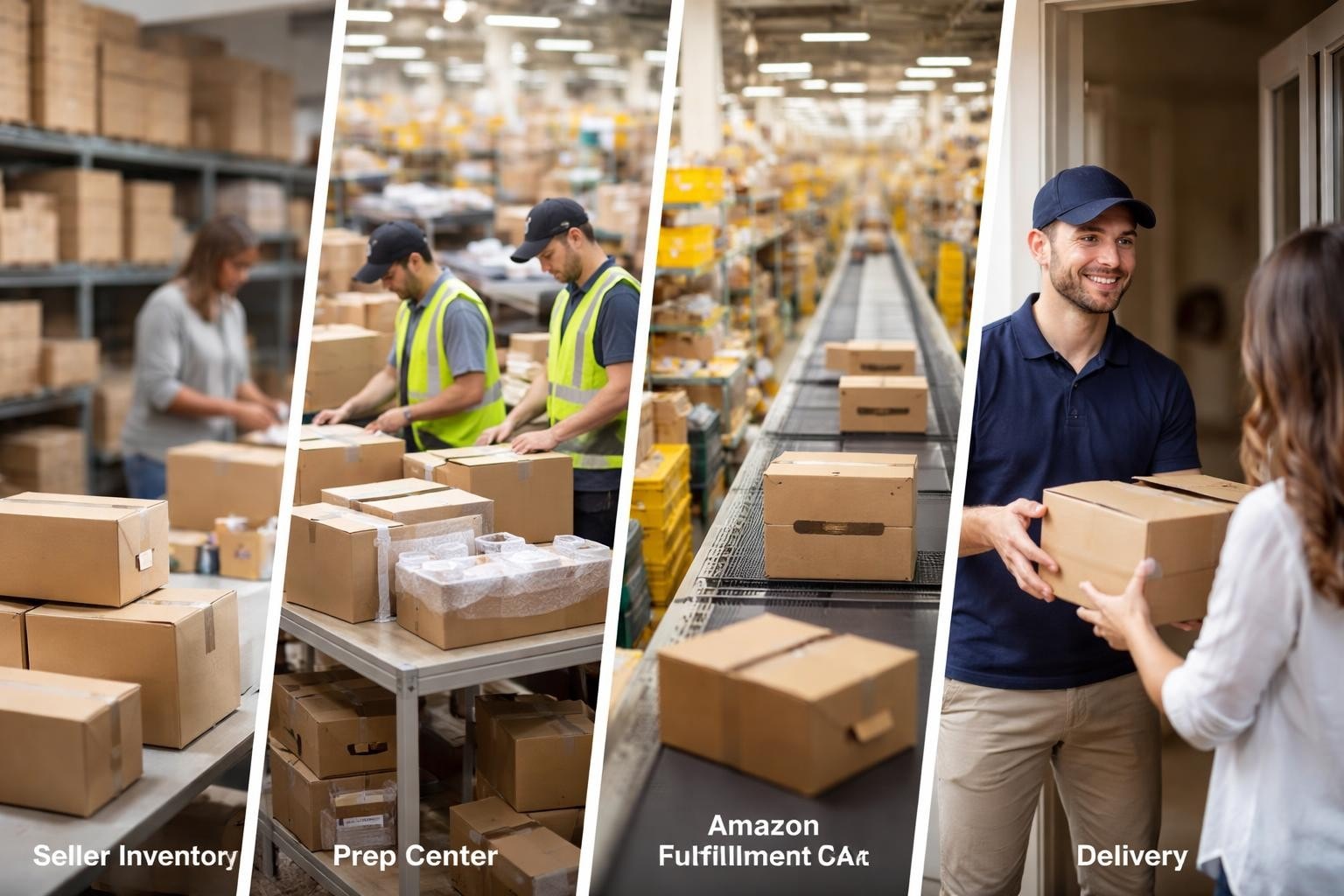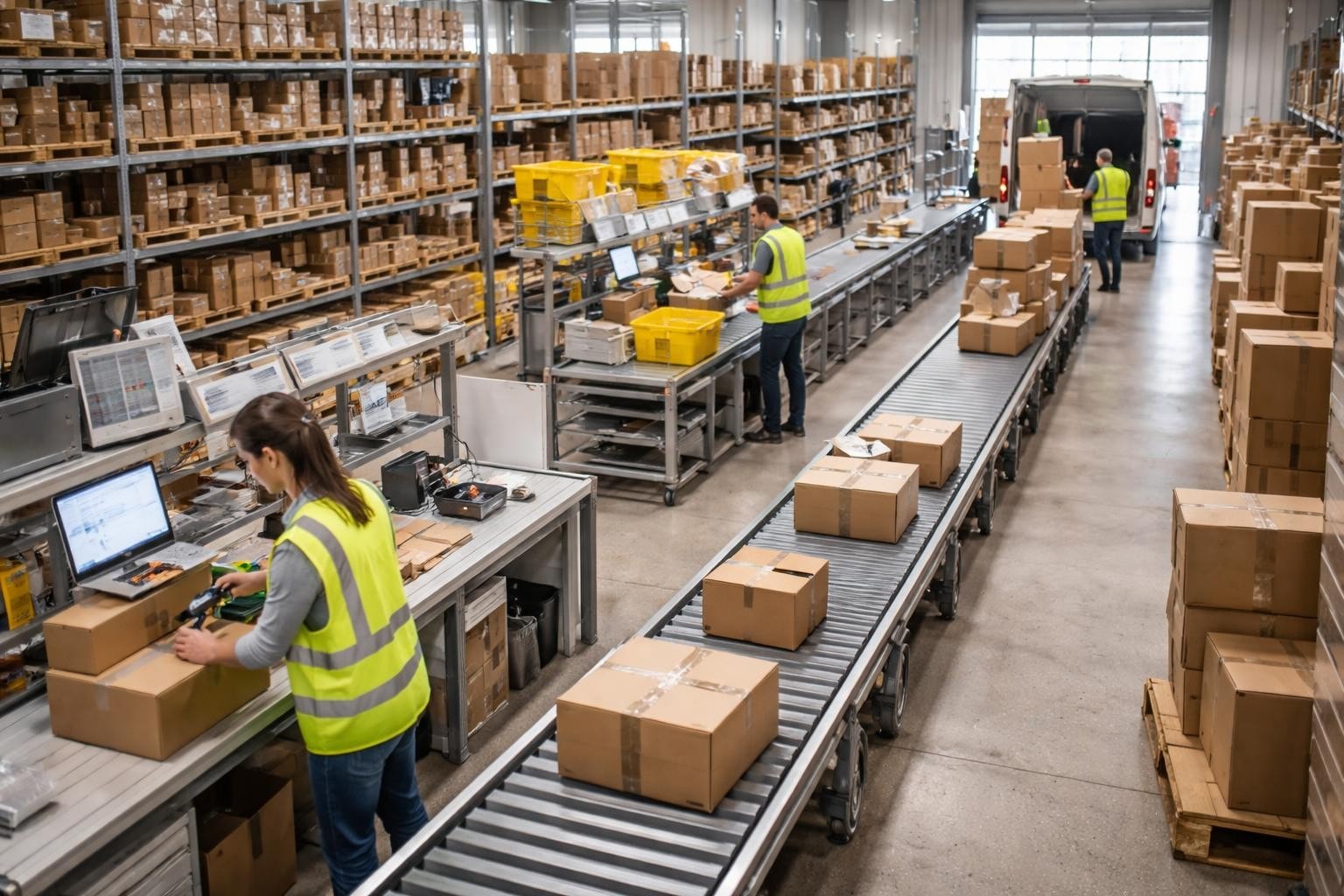

Finding the best ecommerce fulfillment solution isn’t just about getting products from point A to point B. It’s about creating a seamless experience that keeps customers happy while allowing your business to scale efficiently. As ecommerce continues to evolve in 2026, the right fulfillment partner can mean the difference between sustainable growth and operational chaos. Fast-growing brands need partners who understand the complexities of modern ecommerce, from Amazon FBA requirements to direct-to-consumer expectations, all while maintaining quality and speed.
Understanding What Makes the Best Ecommerce Fulfillment
The best ecommerce fulfillment services share several critical characteristics that separate them from mediocre providers. These qualities directly impact your bottom line, customer satisfaction, and ability to scale.
Reliability stands as the foundation of any great fulfillment operation. When you promise two-day shipping, your fulfillment partner must consistently deliver. This means having robust systems in place for inventory management, order processing, and shipping coordination.
Core Components of Excellence
- Real-time inventory tracking that prevents stockouts and overselling
- Multi-channel integration across marketplaces and your direct-to-consumer store
- Scalable infrastructure that grows with your business demands
- Quality control processes ensuring every shipment meets brand standards
- Strategic warehouse locations for faster delivery times and lower shipping costs
Technology integration separates good from great in today’s fulfillment landscape. Modern ecommerce platforms require seamless connections between your storefront and fulfillment operations. The best providers offer API integrations that automate order routing, inventory updates, and tracking information without manual intervention.

Key Services to Evaluate
When searching for the best ecommerce fulfillment partner, you’ll encounter various service offerings. Understanding which services matter most for your business model helps narrow your options effectively.
Storage and Warehousing Solutions
Strategic warehouse placement impacts both costs and delivery times significantly. The best fulfillment providers maintain multiple locations across major markets, allowing you to position inventory closer to customers. According to insights from third-party warehousing experts, proximity to end customers can reduce shipping costs by 15-30% while improving delivery speed.
| Service Type | Benefits | Best For |
|---|---|---|
| Regional Warehousing | Lower shipping costs, faster delivery | High-volume sellers |
| Climate-Controlled Storage | Product integrity, specialized handling | Beauty, food, supplements |
| Flex Storage | Seasonal scalability | Businesses with fluctuating inventory |
Specialized Fulfillment Options
Different business models require different fulfillment approaches. Direct-to-consumer brands need different capabilities than Amazon sellers, while subscription businesses have unique requirements altogether.
Amazon FBA prep services ensure your products meet Amazon’s strict requirements before entering their fulfillment network. This includes proper labeling, packaging standards, and compliance with category-specific regulations. Getting this wrong results in rejected shipments and lost sales opportunities.
Kitting and bundling services allow you to create product combinations without maintaining separate SKUs. This capability proves particularly valuable for promotional campaigns, gift sets, and product launches. The best fulfillment partners handle these assembly tasks efficiently while maintaining quality standards.
Subscription box fulfillment presents unique challenges including recurring order management, customization options, and precise timing requirements. Successful subscription businesses need partners who understand these nuances and can execute flawlessly month after month.
Evaluating Fulfillment Costs and Pricing Models
Understanding fulfillment costs requires looking beyond simple per-order fees. The best ecommerce fulfillment providers offer transparent pricing structures that help you forecast expenses accurately as you scale.
Breaking Down Fee Structures
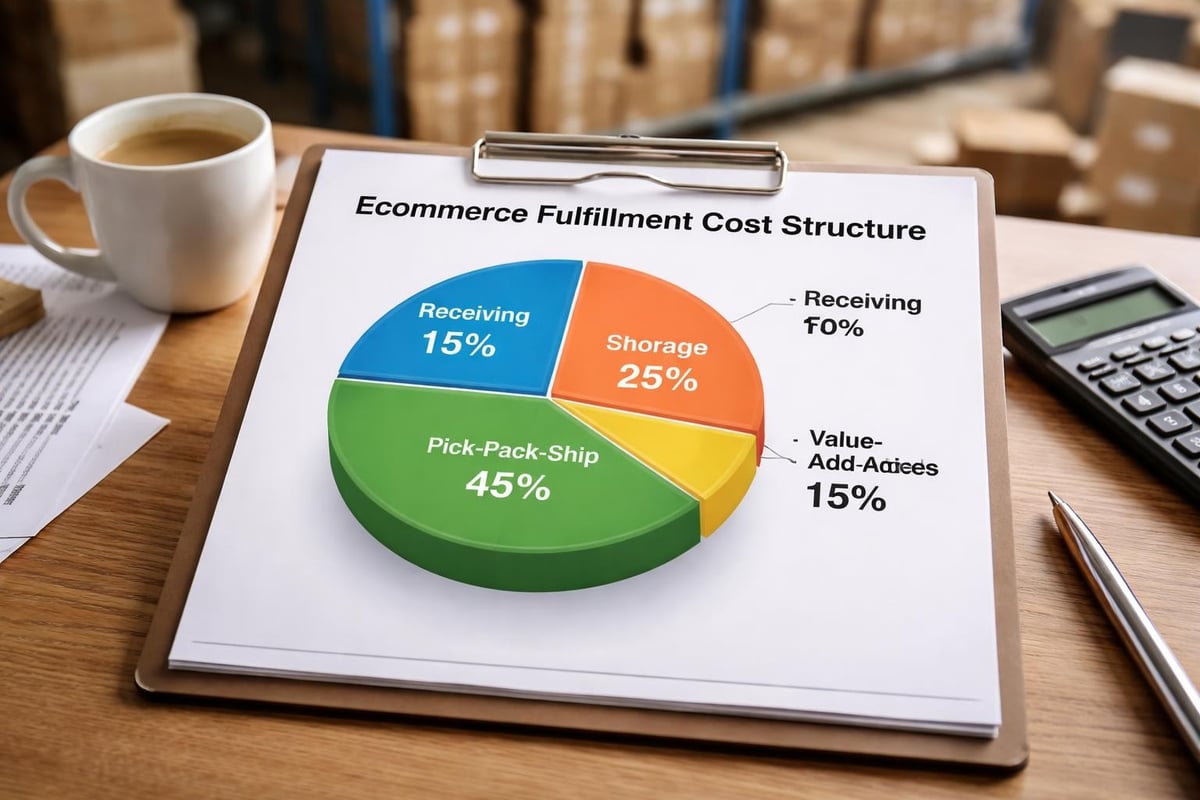
- Receiving and storage fees cover accepting your inventory and warehousing it until orders arrive
- Pick and pack charges apply when staff retrieve items and prepare them for shipment
- Shipping costs depend on carrier rates, package dimensions, and destination zones
- Special handling fees for oversized items, fragile products, or custom packaging
- Value-added services including returns processing, kitting, and quality inspections
Many providers charge setup fees or minimum monthly commitments. While these can seem prohibitive for newer businesses, they often indicate a serious partner investing in proper systems and infrastructure. The key lies in understanding what you receive for these fees.
Hidden costs hurt most when they appear unexpectedly on invoices. The best fulfillment partners clearly outline all potential charges upfront. Ask specifically about fees for inventory storage beyond certain periods, handling returns, and managing customer service inquiries.
Technology and Integration Capabilities
Modern ecommerce operations demand sophisticated technology stacks. Your fulfillment partner must integrate seamlessly with your existing systems or the relationship becomes a bottleneck rather than an accelerator.
Essential Technical Features
The best ecommerce fulfillment providers offer robust APIs that connect with major platforms without custom development. This includes Shopify, WooCommerce, BigCommerce, and marketplace integrations for Amazon, eBay, and Walmart.
Real-time data synchronization prevents the dreaded oversell scenario where you accept orders for inventory that’s already committed. Quality fulfillment technology updates stock levels across all channels instantaneously as orders process.
- Dashboard visibility into order status, inventory levels, and performance metrics
- Automated order routing based on inventory location and shipping optimization
- Batch processing capabilities for high-volume periods
- Mobile applications for on-the-go monitoring
- Reporting tools that provide actionable insights
According to comprehensive fulfillment service comparisons, technology capabilities have become the primary differentiator among top-tier providers in 2026. Companies investing heavily in proprietary systems typically deliver superior accuracy and speed compared to those relying on legacy warehouse management software.
Geographic Reach and Shipping Speed
Location matters tremendously in fulfillment operations. The best ecommerce fulfillment networks position inventory strategically to minimize shipping zones while maximizing delivery speed.
The Two-Day Delivery Standard
Amazon has trained consumers to expect fast, free shipping. Meeting these expectations without Amazon’s infrastructure requires smart warehouse placement and carrier relationships. Businesses serving the continental United States typically need 2-3 strategically located warehouses to offer economical two-day ground shipping to most customers.
Distributed inventory comes with tradeoffs. Splitting stock across multiple locations increases storage costs and complicates inventory management. However, the shipping savings and improved customer satisfaction often justify these expenses for established brands.
| Warehouse Strategy | Pros | Cons |
|---|---|---|
| Single Central Location | Lower complexity, easier inventory control | Higher shipping costs, slower delivery |
| Bi-coastal Setup | Covers most US population efficiently | Requires inventory splitting |
| Regional Distribution | Fastest delivery, lowest per-package cost | Highest complexity and storage fees |
International fulfillment adds another layer of complexity. Cross-border regulations, duties, and shipping costs require specialized expertise. The best fulfillment partners either maintain international facilities or partner with trusted providers in key markets. With recent changes affecting de minimis regulations, understanding international compliance has become even more critical.
Brand Experience and Custom Packaging
Your fulfillment partner represents your brand in every customer interaction. The best ecommerce fulfillment services recognize this responsibility and offer customization options that reinforce your brand identity.
Creating Memorable Unboxing Experiences
Custom packaging transforms commodity shipments into brand experiences. This includes branded boxes, custom tissue paper, thank-you cards, and promotional inserts. While adding costs, these touches significantly impact customer retention and social media sharing.
Branded shipping solutions allow businesses to maintain consistent brand presentation without holding inventory of packaging materials. Quality fulfillment partners manage these materials, apply them correctly, and ensure every package represents your brand professionally.
Gift messaging and special requests should flow smoothly through fulfillment systems. During peak seasons, the ability to include personalized notes or handle gift wrap requests separates exceptional providers from basic warehouses.

Returns Management and Reverse Logistics
Returns represent one of the most challenging aspects of ecommerce operations. The best ecommerce fulfillment providers treat returns as seriously as outbound shipments, recognizing their impact on customer satisfaction and inventory management.
Efficient Returns Processing
A well-designed returns process accomplishes several objectives simultaneously:
- Quick inspection and inventory restocking to minimize saleable inventory downtime
- Clear communication with customers about return status and refund timing
- Quality assessment to determine if items can be resold or require liquidation
- Data collection identifying patterns in return reasons to inform product development
Many fulfillment providers charge premium fees for returns processing or neglect this function entirely. Companies investing in proper reverse logistics infrastructure demonstrate commitment to long-term partnership rather than just shipping boxes out the door.
Handling damaged or defective products requires judgment and systems. The best partners photograph damaged items, document issues clearly, and provide this information to help you make informed decisions about vendor relationships and product quality.
Selecting Your Best Ecommerce Fulfillment Partner
With numerous options available, choosing the right partner requires systematic evaluation. Start by clearly defining your requirements, current volumes, and growth projections. Resources like comprehensive fulfillment comparisons provide valuable starting points for research.
Questions to Ask Prospective Partners
- What is your average order accuracy rate and how do you track it?
- Which ecommerce platforms and marketplaces do you integrate with natively?
- What are your standard SLAs for receiving inventory and processing orders?
- How do you handle peak season volume increases?
- Can you provide references from businesses similar to mine in size and category?
- What redundancies exist in your systems to prevent disruptions?
- How do you approach continuous improvement in your operations?
Trial periods or pilot programs allow you to test compatibility before committing fully. Many providers offer short-term agreements letting you evaluate performance with real orders before signing longer contracts.
Scalability and Growth Support
The best ecommerce fulfillment relationships evolve as your business grows. Your partner should anticipate capacity needs, suggest operational improvements, and scale services without requiring you to switch providers repeatedly.
Supporting Business Evolution
Fast-growing brands face unique challenges as order volumes increase. A fulfillment partner handling 500 orders monthly needs different capabilities than one processing 10,000. Evaluate whether prospective partners have experience supporting businesses through growth phases similar to what you anticipate.
Seasonal flexibility proves critical for many ecommerce categories. Whether you’re a toy company facing holiday rushes or a swimwear brand with summer peaks, your fulfillment partner must scale labor and space appropriately. According to recent fulfillment service reviews, the ability to handle volume fluctuations without service degradation ranks among the top criteria for satisfaction.
Product line expansion brings new fulfillment requirements. If you plan to add fragile items, refrigerated products, or oversized goods, ensure your partner can accommodate these additions without forcing a transition to a new provider.
Performance Metrics and Continuous Improvement
Measuring fulfillment performance objectively ensures accountability and identifies improvement opportunities. The best ecommerce fulfillment providers embrace transparency, sharing detailed metrics and collaborating on optimization.
Key Performance Indicators
| Metric | Target | Impact |
|---|---|---|
| Order Accuracy | 99.5%+ | Customer satisfaction, return rates |
| On-Time Shipping | 98%+ | Delivery promises, brand reputation |
| Inventory Accuracy | 99%+ | Stockouts, overselling prevention |
| Average Processing Time | 24-48 hours | Delivery speed, customer expectations |
Regular performance reviews should happen quarterly at minimum. These sessions identify trends, discuss challenges, and align on improvement initiatives. Partners who resist sharing data or discussing problems likely lack the transparency necessary for long-term success.
Continuous improvement programs demonstrate commitment to excellence. Ask how potential partners approach process optimization, employee training, and technology upgrades. The best operations constantly evolve rather than maintaining static procedures.
Making the Final Decision
Choosing the best ecommerce fulfillment partner represents a significant business decision with long-lasting implications. Balance cost considerations with service quality, technology capabilities, and growth potential. The cheapest option rarely delivers the best value when accounting for accuracy, speed, and customer experience impacts.
Visit finalist facilities if possible. Seeing operations firsthand reveals organizational culture, cleanliness, technology adoption, and employee engagement levels that paper specifications cannot capture. Insights from ecommerce distribution center operations highlight how physical facility design impacts efficiency and accuracy.
Trust your instincts alongside data. The fulfillment relationship requires close collaboration, clear communication, and mutual respect. If interactions during the sales process feel difficult or unclear, imagine managing that relationship during a crisis or peak season rush.
Finding the best ecommerce fulfillment solution requires careful evaluation of capabilities, costs, and cultural fit. The right partner becomes an extension of your team, enabling growth while maintaining the quality standards your customers expect. Ecom Automation Prep specializes in comprehensive fulfillment services designed for fast-growing ecommerce brands, offering everything from Amazon FBA prep to direct-to-consumer fulfillment with the technology integration and scalability you need. Reach out today to discuss how we can make fulfillment effortless for your business.