

The fashion industry presents unique challenges that set it apart from other ecommerce sectors. With constantly changing trends, extensive size and color variations, and demanding customer expectations, fashion brands need specialized fulfillment strategies to succeed. Managing hundreds or thousands of SKUs while maintaining fast shipping times and handling high return rates requires operational excellence that goes beyond basic warehousing. Understanding how to optimize every aspect of fashion ecommerce fulfillment can mean the difference between a thriving brand and one struggling to keep pace with competitors.
The Distinct Challenges of Fashion Fulfillment Operations
Fashion brands face operational complexities that require specialized knowledge and infrastructure. Unlike standard product categories, clothing and accessories demand careful handling, specific storage conditions, and sophisticated inventory management systems.
SKU Proliferation and Inventory Complexity
The fashion industry’s reliance on variations creates exponential inventory challenges. A single dress design might exist in five sizes, four colors, and two length options, creating forty individual SKUs from one style. This multiplication effect makes SKU management particularly challenging for fashion brands, requiring advanced warehouse management systems and precise organization.
Fast-moving fashion brands can easily accumulate thousands of active SKUs across multiple product lines. Each variation needs individual tracking, proper storage location, and accurate stock counts. The complexity intensifies when factoring in seasonal collections, limited editions, and promotional items that arrive and depart on tight schedules.
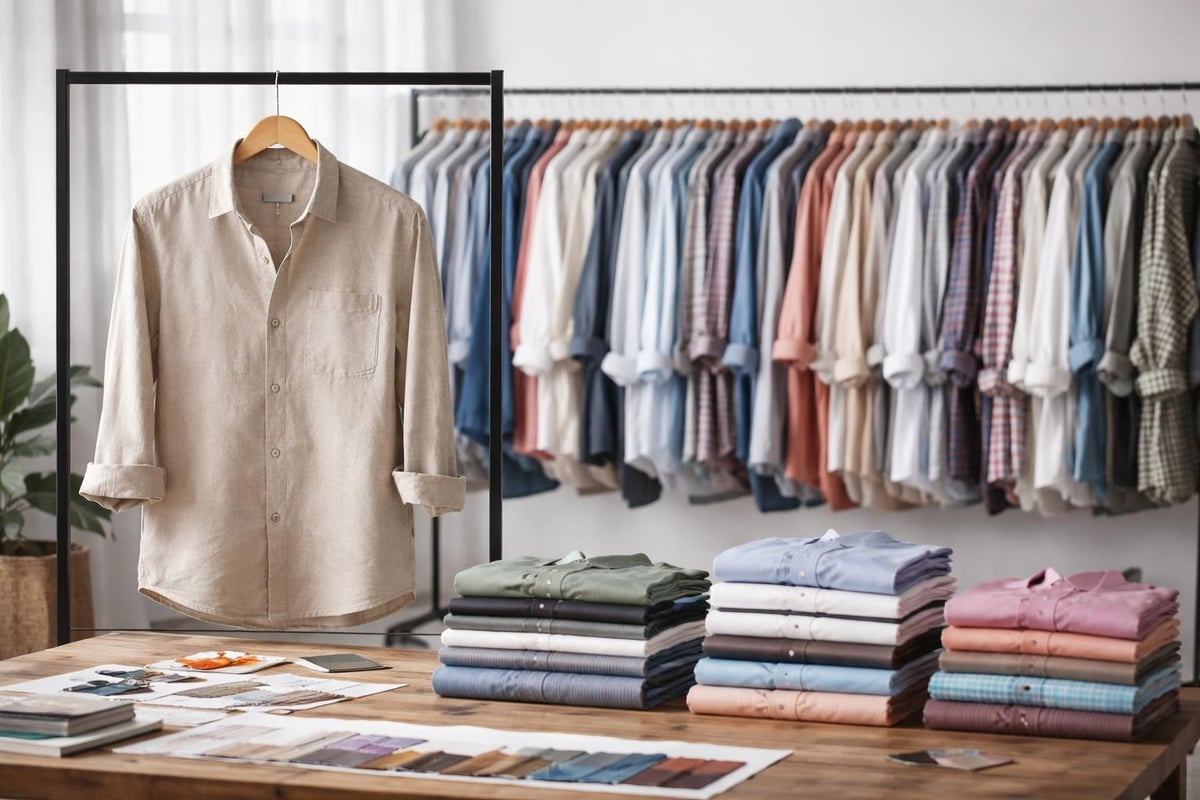
Effective SKU management strategies include:
- Implementing barcode or RFID tracking systems
- Using dimensional storage optimization
- Creating logical bin location hierarchies
- Establishing cycle counting protocols
- Maintaining real-time inventory synchronization
Seasonal Volume Fluctuations and Peak Preparation
Fashion ecommerce fulfillment experiences dramatic seasonal swings that test operational capacity. Holiday shopping periods, back-to-school rushes, and seasonal collection launches can triple or quadruple normal order volumes within weeks.
| Season | Typical Volume Increase | Preparation Timeline |
|---|---|---|
| Holiday (Nov-Dec) | 250-350% | 8-12 weeks prior |
| Back to School (Aug-Sep) | 150-200% | 6-8 weeks prior |
| Spring Launch (Mar-Apr) | 100-150% | 4-6 weeks prior |
| Summer Clearance (Jun-Jul) | 125-175% | 4-6 weeks prior |
Scaling operations to handle peak periods while avoiding excess costs during slower months requires strategic planning. Temporary staffing, flexible warehouse space agreements, and automation investments help brands manage these fluctuations without sacrificing service quality.
Quality Control and Product Presentation Standards
Fashion customers expect their purchases to arrive in pristine condition, properly folded or hung, with all tags and accessories intact. The presentation quality directly impacts brand perception and return rates.
Inspection and Handling Protocols
Every fashion item should undergo quality inspection before storage and again before shipping. Trained fulfillment staff must check for manufacturing defects, damage during transit to the warehouse, and cosmetic issues that could trigger customer dissatisfaction.
Garments require specific handling techniques to prevent wrinkles, stretching, or damage. Delicate fabrics, embellished items, and leather goods need specialized care that standard fulfillment operations may not provide. Understanding the complexities of apparel fulfillment helps brands establish appropriate handling standards.
Critical quality checkpoints include:
- Receiving inspection for incoming inventory
- Storage condition verification
- Pre-pick quality confirmation
- Final packing inspection
- Packaging integrity review
Packaging Requirements for Fashion Items
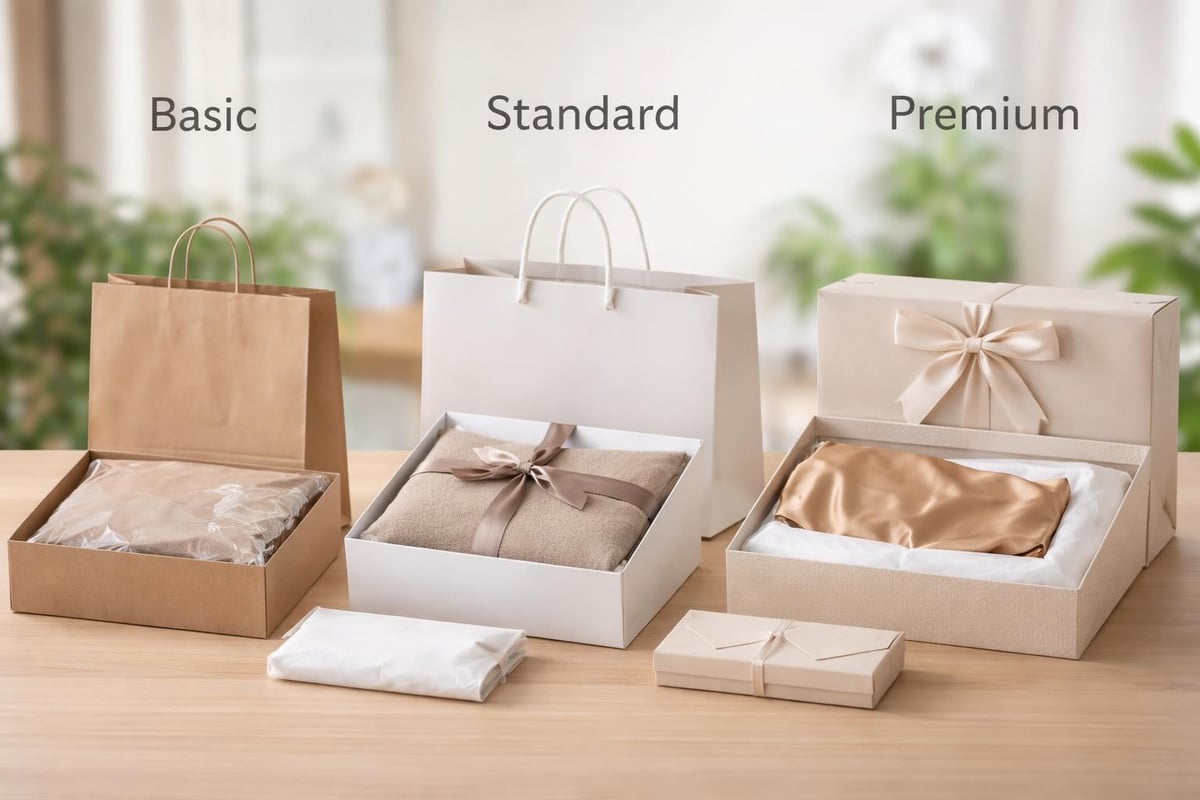
Fashion packaging serves dual purposes: protection during shipping and brand presentation upon delivery. Premium brands especially need packaging solutions that reflect their positioning while ensuring products arrive undamaged.
Poly mailers work well for basic apparel but may not suit luxury items requiring rigid boxes, tissue paper, branded inserts, and premium presentation. Sustainable packaging has become increasingly important, with many fashion brands seeking eco-friendly alternatives that maintain quality standards.
The right packaging strategy balances protection, presentation, and cost efficiency. Direct-to-consumer fulfillment operations must accommodate various packaging levels based on product value and brand requirements.
Managing Returns and Reverse Logistics
Fashion ecommerce historically experiences return rates between 20-40%, significantly higher than most other product categories. Efficient reverse logistics processes transform this challenge into an opportunity for customer retention and inventory recovery.
Building an Efficient Returns Process
Speed matters in fashion returns processing. Returned items sitting unprocessed represent dead inventory that could be resold. A well-designed returns workflow moves products from customer return to resale-ready status within 48-72 hours.
The returns process should include:
- Clear return merchandise authorization (RMA) procedures
- Quick receiving and inspection protocols
- Damage assessment and disposition rules
- Rapid restocking for sellable items
- Efficient processing of damaged or worn returns
Many fashion brands struggle with common ecommerce fulfillment challenges related to returns, including inventory inaccuracies and delayed processing that impact available stock levels.
Reducing Return Rates Through Better Fulfillment
While returns are inherent to fashion ecommerce, fulfillment quality directly influences return frequency. Accurate order fulfillment, proper sizing information, and quality presentation all contribute to lower return rates.
| Return Cause | Percentage | Prevention Strategy |
|---|---|---|
| Wrong size | 35-40% | Enhanced size guides, fit technology |
| Doesn’t match description | 25-30% | Accurate picking, quality photos |
| Quality issues | 15-20% | Pre-ship inspection, vendor quality control |
| Damaged in shipping | 5-10% | Proper packaging, carrier selection |
| Changed mind | 10-15% | Engagement campaigns, size recommendations |
Implementing rigorous pick verification, using technology like barcode scanning, and conducting pre-ship quality checks significantly reduces returns caused by fulfillment errors.
Technology Integration for Fashion Fulfillment Excellence
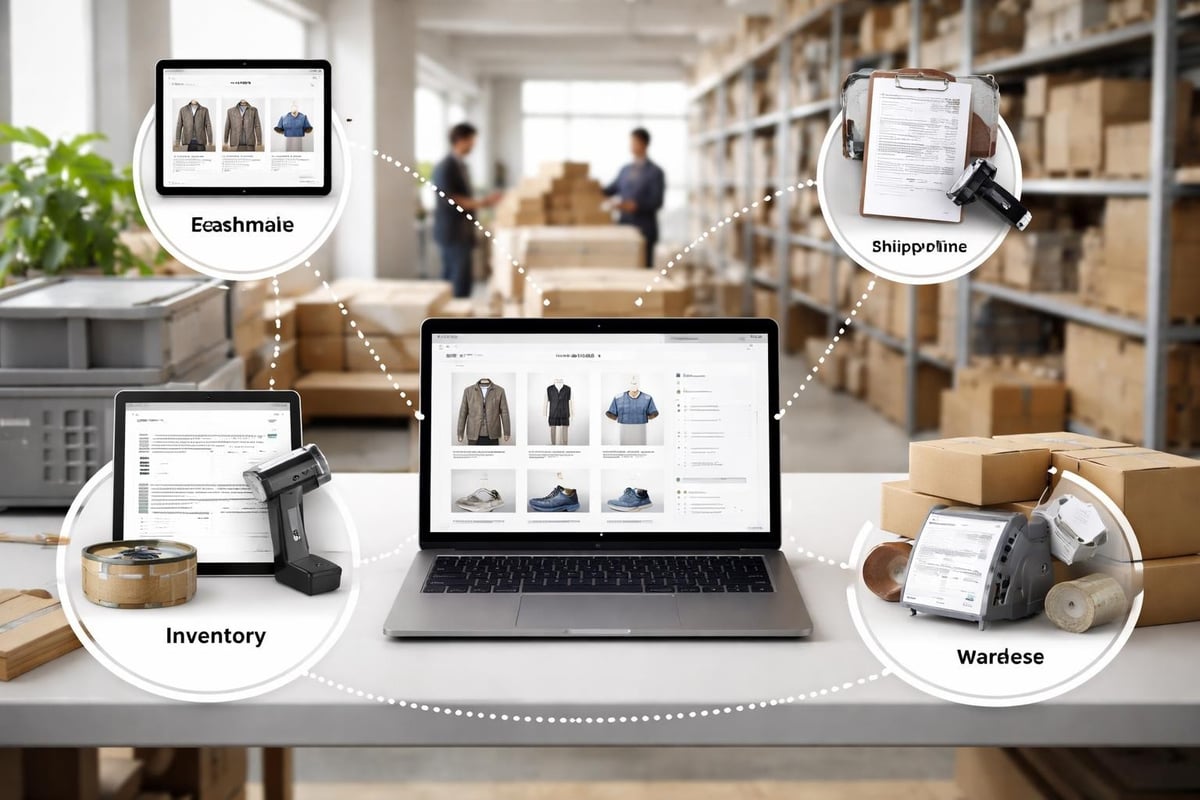
Modern fashion ecommerce fulfillment relies heavily on technology systems that coordinate inventory, orders, and shipping across multiple sales channels. Integration capabilities determine operational efficiency and scalability.
Warehouse Management Systems for Fashion
Fashion-specific WMS platforms offer features tailored to apparel and accessories, including lot tracking for seasonal collections, style and color matrices, and size curve management. These systems optimize picking routes, manage storage by product characteristics, and provide real-time inventory visibility.
Advanced WMS solutions integrate with ecommerce platforms, marketplaces, and shipping carriers to create seamless data flow. This integration eliminates manual entry, reduces errors, and enables real-time order tracking that meets customer expectations.
Essential WMS capabilities for fashion include:
- Multi-channel inventory synchronization
- Lot and batch tracking
- Dimensional weight calculations
- Automated reorder point alerts
- Returns management modules
- Kitting and bundling functionality
Automation Opportunities in Fashion Fulfillment
While full warehouse automation requires substantial investment, targeted automation delivers significant ROI for growing fashion brands. Automated sorters, conveyor systems, and pick-to-light technology increase throughput during peak seasons.
Smaller-scale automation like automated packing stations, label printers, and barcode scanners improve accuracy and speed without major capital expenditure. These technologies become increasingly valuable as order volumes grow and scaling ecommerce operations becomes necessary.
Fast Shipping and Delivery Expectations
Fashion customers expect rapid delivery, with many brands now offering two-day or next-day shipping as standard. Meeting these expectations requires strategic warehouse placement, carrier partnerships, and efficient order processing workflows.
Strategic Fulfillment Center Location
Geographic distribution of inventory reduces shipping times and costs. Fashion brands serving national markets benefit from multiple fulfillment locations that position inventory closer to end customers.
Analyzing order data reveals customer concentration areas that justify additional fulfillment nodes. Brands might start with a single central warehouse before expanding to coastal locations, then adding regional centers as volume justifies the investment.
Split inventory strategies must balance shipping speed improvements against inventory fragmentation and higher overall stock requirements. Proper demand forecasting ensures adequate stock levels across all locations without excessive safety stock.
Same-Day and Next-Day Fulfillment Capabilities
Premium fashion brands increasingly offer expedited shipping to compete with fast-fashion retailers and marketplace giants. Achieving same-day or next-day delivery requires cut-off time optimization, carrier partnerships, and streamlined pick-pack-ship processes.
Order processing speed becomes critical for expedited shipping. Orders must move from placement to carrier pickup within hours, requiring:
- Real-time order transmission to WMS
- Immediate picking queue assignment
- Efficient picking routes and batch processing
- Rapid packing stations
- Multiple daily carrier pickups
Understanding how to implement these capabilities helps brands meet rising customer expectations while maintaining profitability. Fashion fulfillment challenges often stem from balancing speed with cost efficiency.
Specialized Fashion Fulfillment Services
Beyond basic pick-pack-ship operations, fashion brands often require value-added services that enhance customer experience and enable unique business models.
Kitting and Bundling Operations
Fashion brands create curated sets, gift packages, and promotional bundles that combine multiple items into single SKUs. These kitting operations require assembly space, quality control, and inventory management that tracks both component items and finished bundles.
Seasonal gift sets, subscription box contents, and promotional packages all utilize kitting services. Professional fulfillment partners maintain dedicated kitting areas with trained staff who assemble packages according to brand specifications.
Bundle creation must integrate with inventory systems to ensure component availability and accurate stock deductions. When a bundled SKU sells, the system must reduce inventory for each included item while maintaining accurate counts.
Custom Packaging and Branding
Many fashion brands differentiate through packaging that extends their brand identity beyond the products themselves. Custom boxes, tissue paper, stickers, thank-you cards, and promotional inserts create memorable unboxing experiences.
Fulfillment operations must accommodate these branded materials, training staff on proper packaging sequences and quality standards. Some brands require specific folding techniques, tissue paper placement, or insert positioning that demands detailed standard operating procedures.
Managing branded packaging materials adds inventory complexity but delivers significant brand value. The investment in custom packaging pays dividends through social media sharing, reduced perceived return value, and enhanced brand loyalty.
Selecting the Right Fashion Fulfillment Partner
Fashion brands face critical decisions when choosing between in-house fulfillment and third-party logistics providers. The right partnership enables growth while maintaining service quality and brand standards.
Evaluating 3PL Capabilities for Fashion
Not all fulfillment providers understand fashion-specific requirements. Brands should evaluate potential partners on industry experience, technology capabilities, and service flexibility beyond basic warehousing metrics.
Key evaluation criteria include:
- Fashion industry client portfolio
- Warehouse management system capabilities
- Quality control processes and inspection protocols
- Returns processing speed and accuracy
- Peak season surge capacity
- Value-added service offerings
- Technology integration capabilities
- Geographic coverage and shipping zones
Site visits reveal operational realities that proposals cannot capture. Observing warehouse organization, staff training, and quality standards provides insight into whether a 3PL can maintain brand expectations.
Cost Structures and Pricing Models
Fashion ecommerce fulfillment pricing typically includes multiple components: receiving fees, storage charges, pick-pack fees, and shipping costs. Understanding how each component scales with volume helps brands project costs accurately.
| Cost Component | Typical Range | Volume Sensitivity |
|---|---|---|
| Receiving | $25-75 per pallet | Low |
| Storage | $8-20 per pallet/month | Medium |
| Pick & Pack | $3-8 per order | High |
| Kitting | $1-5 per unit | Medium |
| Returns Processing | $3-7 per return | Medium |
Some providers offer all-inclusive per-order pricing while others itemize each service. Transparent pricing models help brands understand true fulfillment costs and make informed decisions about pricing strategies and promotional activities.
Sustainability in Fashion Fulfillment
Environmental consciousness increasingly influences fashion purchasing decisions. Brands that integrate sustainability throughout their supply chain, including fulfillment operations, appeal to environmentally aware consumers.
Eco-Friendly Packaging Solutions
Sustainable packaging options have expanded significantly, offering fashion brands alternatives to traditional plastics. Compostable mailers, recycled boxes, paper-based tape, and biodegradable tissue paper reduce environmental impact without sacrificing protection.
The challenge lies in balancing sustainability with cost and performance. Eco-friendly materials often cost more initially but can reduce waste disposal fees and appeal to customers willing to pay premium prices for sustainable brands.
Brands should communicate their packaging sustainability efforts through website content, packing inserts, and social media. Customers appreciate transparency about environmental initiatives and often share positive unboxing experiences that highlight sustainable packaging.
Waste Reduction and Recycling Programs
Fashion fulfillment generates significant waste through damaged items, excess packaging materials, and seasonal inventory that doesn’t sell. Progressive fulfillment operations implement waste reduction strategies that minimize environmental impact.
Donation programs for unsold seasonal items, recycling initiatives for packaging materials, and partnerships with textile recyclers transform waste streams into positive outcomes. These programs require coordination but enhance brand reputation and reduce disposal costs.
Some fulfillment providers now offer B2B fulfillment services that include sustainability reporting, helping brands track and communicate their environmental progress to stakeholders.
Multi-Channel Fashion Fulfillment Strategies
Fashion brands typically sell through multiple channels: their own website, marketplaces like Amazon, wholesale partners, and social commerce platforms. Coordinating inventory and fulfillment across these channels requires sophisticated strategies.
Unified Inventory Management
Maintaining accurate inventory across sales channels prevents overselling and maximizes revenue opportunities. Real-time inventory synchronization ensures that when an item sells on one channel, availability updates across all platforms immediately.
Centralized inventory management allows brands to fulfill orders from any channel from the same stock pool, reducing total inventory requirements compared to channel-specific allocation. This approach improves inventory turn rates and reduces markdown risk.
The complexity increases when factoring in channel-specific requirements. Amazon FBA inventory lives in Amazon warehouses, requiring careful allocation decisions about which items to send to FBA versus keeping in dedicated fulfillment centers for other channels.
Channel-Specific Fulfillment Requirements
Different sales channels impose unique fulfillment requirements. Amazon has specific prep standards, labeling requirements, and packaging restrictions. Wholesale partners may require advance ship notices, carton labeling, and routing guides.
Social commerce platforms increasingly enable direct checkout, creating new fulfillment touchpoints that require integration. Brands must ensure their fulfillment operations can accommodate various order sources while maintaining consistent service levels.
Strategic fulfillment partners understand these channel-specific requirements and maintain expertise across multiple platforms. Their knowledge prevents costly mistakes and ensures compliance with platform policies that could impact seller performance.
Future Trends Shaping Fashion Fulfillment
The fashion ecommerce landscape continues evolving rapidly, with emerging technologies and changing consumer behaviors reshaping fulfillment requirements. Brands that anticipate these trends position themselves for sustained success.
On-Demand Manufacturing and Fulfillment
Print-on-demand and made-to-order models reduce inventory risk while offering extensive customization options. These approaches require fulfillment partners who can coordinate with manufacturing, quality check finished goods, and ship within acceptable timeframes.
On-demand models work particularly well for personalized items, extensive size ranges, and testing new designs without inventory commitment. The trade-off involves longer production times that may not suit fast-fashion business models.
Virtual Try-On and Returns Reduction
Augmented reality and AI-powered fit technology help customers select appropriate sizes before purchasing, potentially reducing return rates significantly. As these technologies mature, fulfillment operations may see reduced returns processing volume but increased customer acquisition.
Fashion brands should monitor these developments and consider how improved pre-purchase experiences might shift fulfillment priorities toward exceptional first-delivery experiences rather than returns processing efficiency.
Mastering fashion ecommerce fulfillment requires specialized expertise in handling complex SKU matrices, managing seasonal fluctuations, processing returns efficiently, and meeting demanding shipping expectations. Success depends on combining technology, operational excellence, and strategic planning to deliver consistent customer experiences. Ecom Automation Prep provides comprehensive fulfillment solutions designed for fast-growing fashion brands, including direct-to-consumer fulfillment, kitting and bundling services, and scalable operations that adapt to your seasonal demands. Contact us to discover how we can make your fashion fulfillment effortless and support your brand’s growth trajectory.
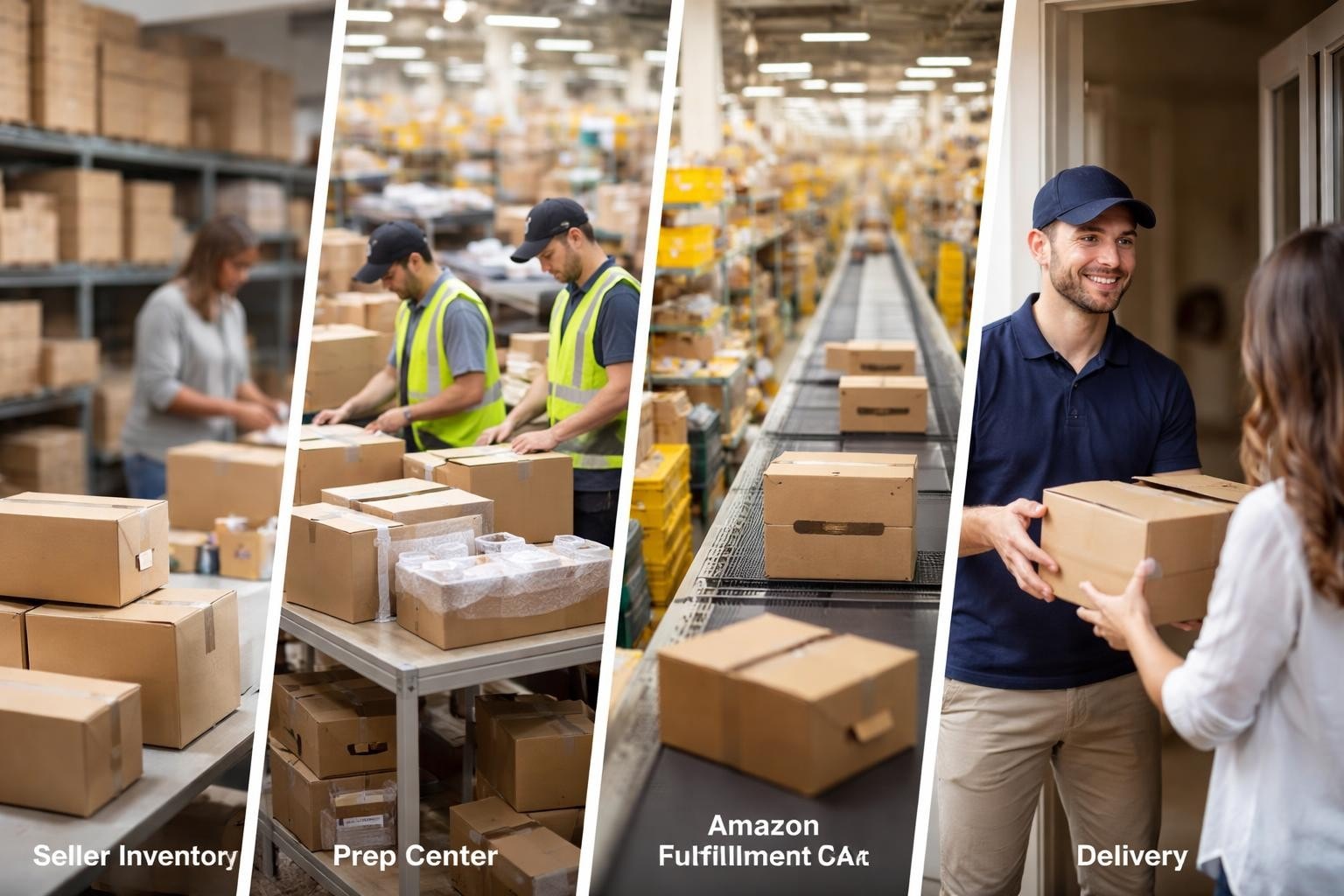



[…] in specific verticals should seek providers experienced with their product types, as seen with fashion ecommerce fulfillment where handling delicate materials and maintaining presentation standards requires specialized […]
[…] products must arrive bagged individually in clear polybags with suffocation warning labels. The fashion ecommerce fulfillment process includes these specialized preparations for clothing […]