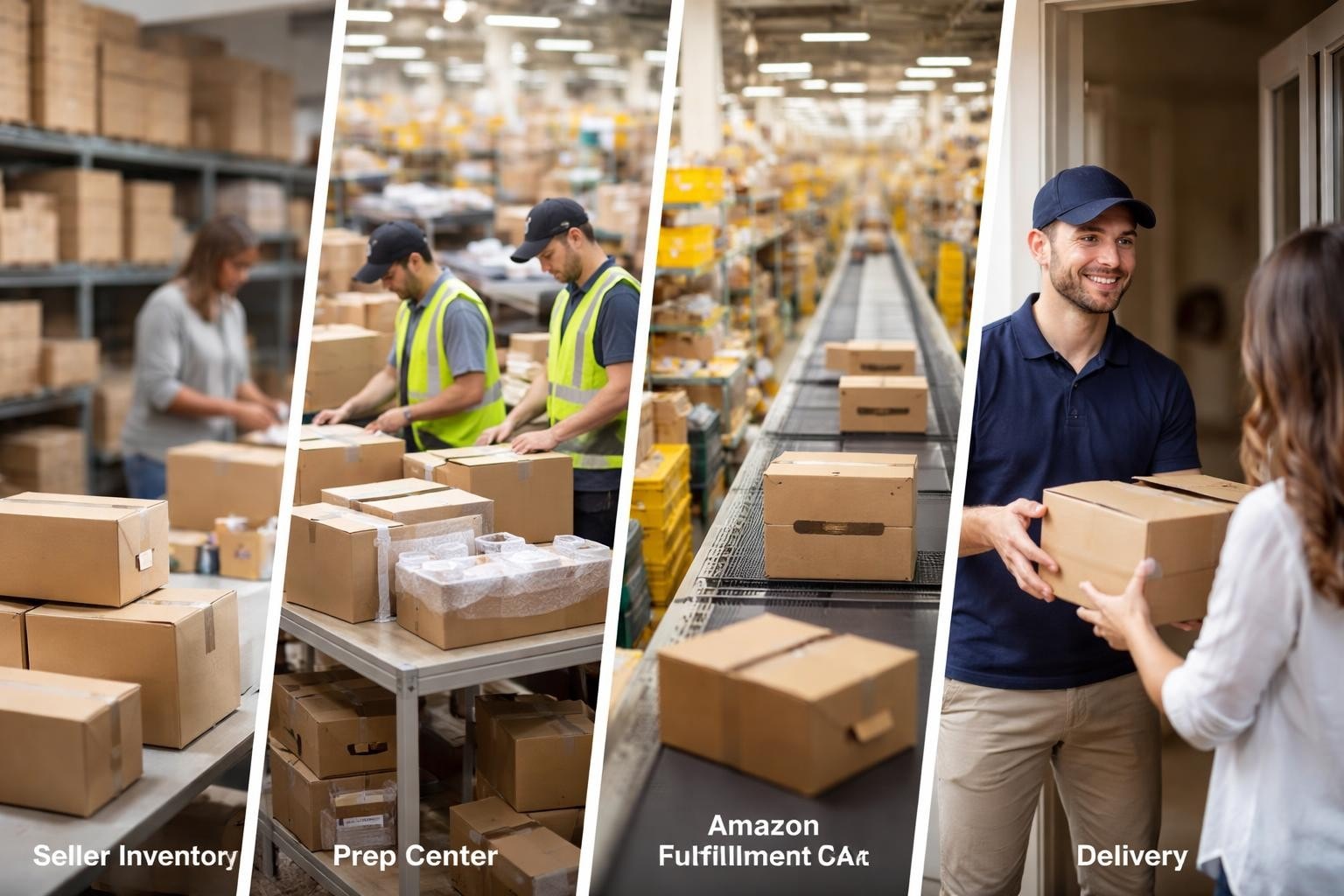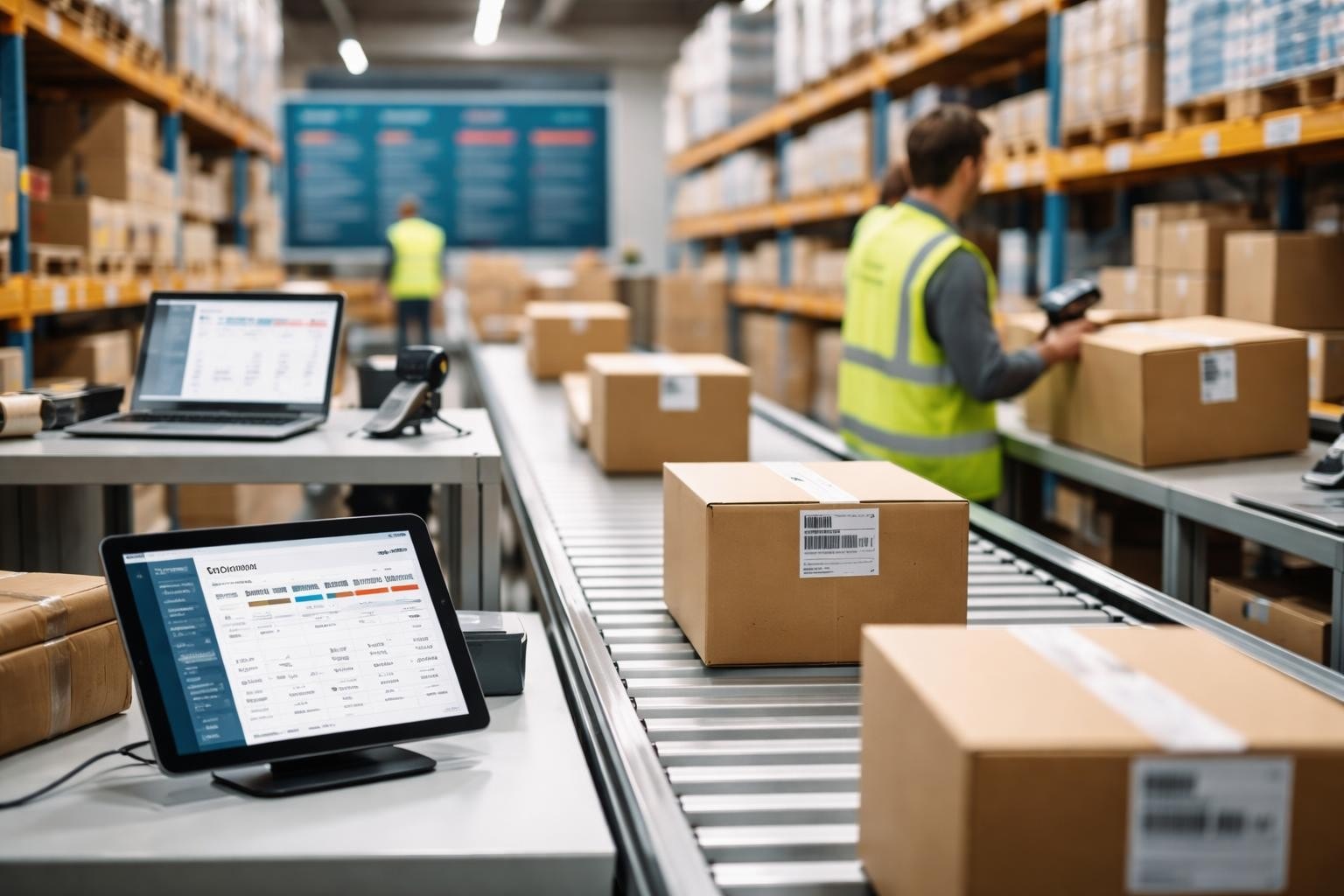

E-commerce brands face mounting pressure to deliver orders faster, more accurately, and at lower costs than ever before. Manual fulfillment processes simply cannot keep pace with customer expectations in 2026, where same-day delivery and perfect order accuracy are standard requirements. Order fulfillment automation has emerged as the critical solution for brands looking to scale operations while maintaining profitability and customer satisfaction. This comprehensive guide explores how automation transforms every aspect of the fulfillment process, from inventory management to final mile delivery.
Understanding Order Fulfillment Automation
Order fulfillment automation refers to the implementation of technology systems that reduce or eliminate manual intervention across the fulfillment workflow. These systems integrate software platforms, robotics, conveyor systems, and artificial intelligence to process orders from receipt through delivery with minimal human touchpoints.
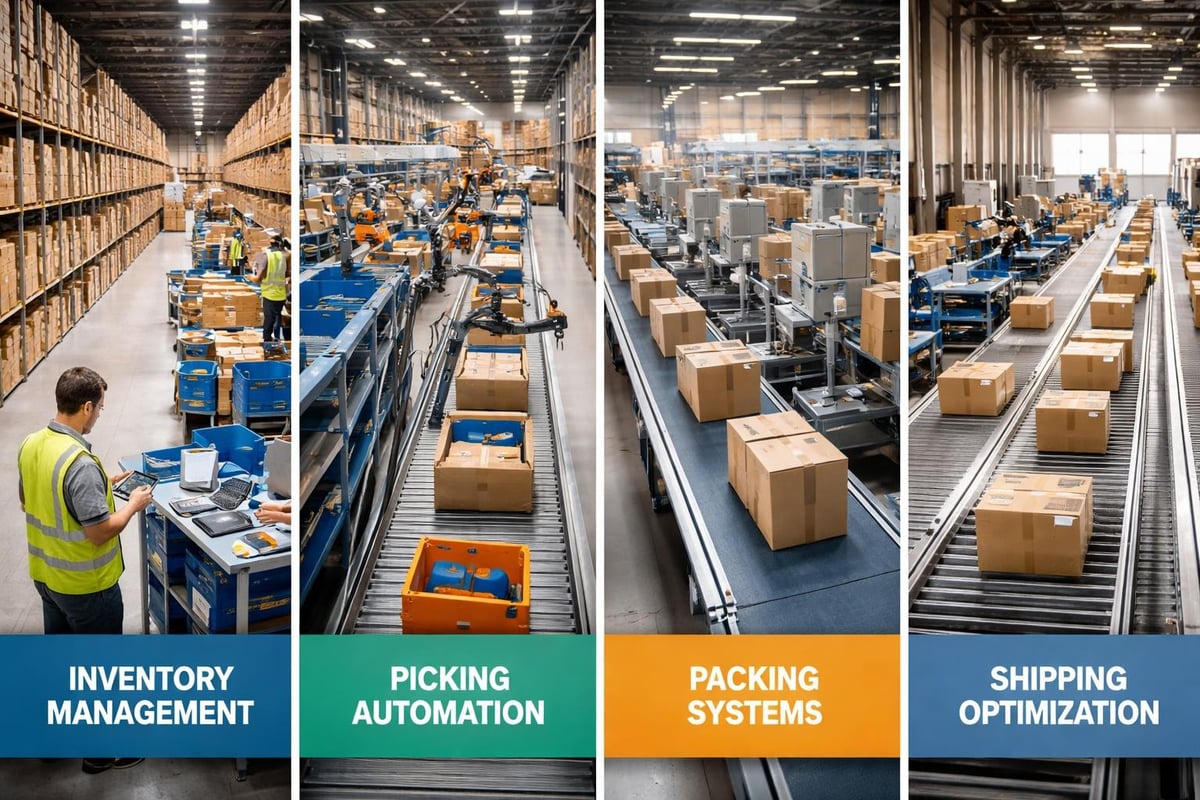
The scope of automation extends across multiple fulfillment stages:
- Order processing and management systems that route orders automatically
- Inventory tracking and management through RFID and barcode scanning
- Picking and packing automation using robotics and conveyor systems
- Shipping label generation and carrier selection algorithms
- Quality control systems with automated verification processes
The Technology Stack Behind Automation
Modern order fulfillment automation relies on interconnected technology layers working in harmony. At the foundation sits the warehouse management system (WMS), which orchestrates all fulfillment activities and communicates with e-commerce platforms, inventory databases, and shipping carriers.
Intelligent Fulfillment Optimization leverages advanced algorithms to determine the most efficient fulfillment paths based on inventory location, carrier performance, and delivery windows. These systems continuously learn from historical data to improve decision-making over time.
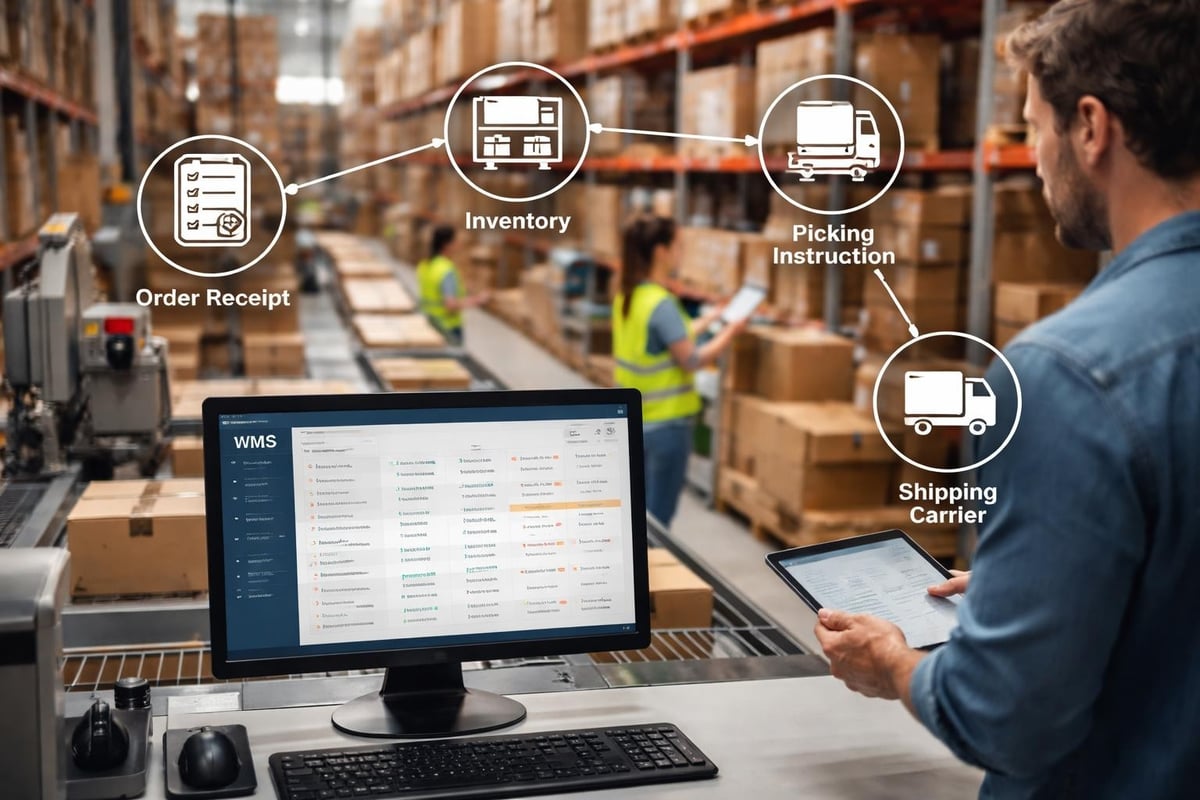
Robotics and automated storage and retrieval systems (AS/RS) represent the physical layer of automation. These technologies move inventory, retrieve products for orders, and transport items through the warehouse without human intervention. When combined with machine learning algorithms, these systems optimize warehouse layouts and picking routes to maximize throughput.
Key Benefits for E-commerce Operations
Implementing order fulfillment automation delivers measurable improvements across critical performance metrics. Fast-growing e-commerce brands particularly benefit from automation’s ability to handle volume fluctuations without proportional labor increases.
Accuracy improvements stand out as one of automation’s most significant advantages. Automated systems reduce picking errors from industry averages of 1-3% down to 0.1% or lower. This dramatic reduction eliminates costly returns, replacements, and customer service interventions.
| Performance Metric | Manual Fulfillment | Automated Fulfillment | Improvement |
|---|---|---|---|
| Order Accuracy | 97-99% | 99.9%+ | 0.9-2.9% increase |
| Orders Per Hour | 60-80 | 200-400 | 150-400% increase |
| Labor Cost Per Order | $3.50-$5.00 | $1.50-$2.50 | 40-60% reduction |
| Processing Time | 24-48 hours | 2-4 hours | 83-92% reduction |
Speed represents another transformative benefit. Automated order fulfillment technologies enable same-day shipping for orders received early in the day, meeting customer expectations for rapid delivery. Processing times shrink from days to hours, allowing brands to promise and deliver faster shipping options.
Scalability Without Proportional Cost Increases
Traditional fulfillment operations face a linear relationship between volume and labor costs. Doubling order volume typically requires doubling warehouse staff. Order fulfillment automation breaks this pattern by handling increased volume with minimal additional labor investment.
Seasonal peaks no longer require massive temporary hiring efforts. Automated systems scale up during busy periods and operate efficiently during slower months. This flexibility proves especially valuable for brands with unpredictable demand patterns or rapid growth trajectories.
For companies working with fulfillment providers, understanding automation capabilities becomes essential when selecting partners. Providers with robust automation infrastructure can scale alongside your business without service degradation.
Implementation Strategies for Maximum ROI
Successful order fulfillment automation requires strategic planning rather than simply purchasing technology. Brands must assess their current operations, identify bottlenecks, and prioritize automation investments that deliver the highest return.
Starting With High-Impact Areas
Not all fulfillment processes benefit equally from automation. Begin by analyzing your workflow to identify the highest-volume, most error-prone, or most labor-intensive activities.
- Conduct a comprehensive process audit documenting every step from order receipt to shipment
- Measure current performance baselines for accuracy, speed, and cost per order
- Identify bottlenecks where orders queue or errors concentrate
- Calculate potential ROI for automating each identified bottleneck
- Prioritize implementations based on ROI, implementation complexity, and strategic importance
Research on omnichannel multi-courier order fulfillment optimization demonstrates how data-driven approaches to automation selection improve outcomes. By analyzing historical order data, brands can predict which automation investments will deliver the most significant operational improvements.
For many e-commerce brands, Amazon FBA prep services represent their first experience with automated fulfillment. Understanding how these systems work provides valuable insights when implementing automation in direct-to-consumer operations.
Technology Solutions Across the Fulfillment Spectrum
The order fulfillment automation landscape includes solutions for every budget and operational scale. Understanding available technologies helps brands make informed investment decisions aligned with their growth stage and volume.
Software-Based Automation Solutions
Software automation delivers immediate value with lower upfront investment than physical automation systems. These platforms integrate with existing e-commerce systems to automate order routing, inventory allocation, and shipping decisions.
Warehouse Management Systems (WMS) serve as the central nervous system for automated fulfillment. Modern WMS platforms use AI to optimize picking routes, predict inventory needs, and balance workload across warehouse zones. Cloud-based WMS solutions allow smaller brands to access enterprise-grade automation without significant capital investment.
Order Management Systems (OMS) orchestrate fulfillment across multiple channels and warehouses. These platforms automatically route orders to the optimal fulfillment location based on inventory availability, shipping costs, and delivery time commitments. For brands selling across marketplaces, their own website, and retail partners, OMS automation eliminates manual order processing entirely.
Physical Automation Technologies
Hardware automation requires larger investments but delivers dramatic throughput improvements and labor savings. The right physical automation depends on order volume, product characteristics, and warehouse space.
| Technology Type | Best For | Typical Investment | Primary Benefit |
|---|---|---|---|
| Automated Conveyors | High-volume, standardized products | $100K-$500K | Reduced movement time |
| Robotic Picking | Diverse SKU mix, moderate volume | $250K-$1M | Accuracy and speed |
| AS/RS Systems | High-density storage needs | $500K-$3M+ | Space optimization |
| Automated Sorters | Multi-channel operations | $200K-$800K | Shipping efficiency |
AI-enabled robotic solutions for e-commerce have evolved significantly, offering flexibility previously unavailable in fixed automation systems. Modern robots adapt to different product sizes, learn optimal picking strategies, and collaborate safely alongside human workers.
Overcoming Implementation Challenges
Despite clear benefits, order fulfillment automation implementations face common obstacles that can derail projects or limit ROI. Anticipating these challenges allows brands to plan mitigation strategies.
Integration Complexity
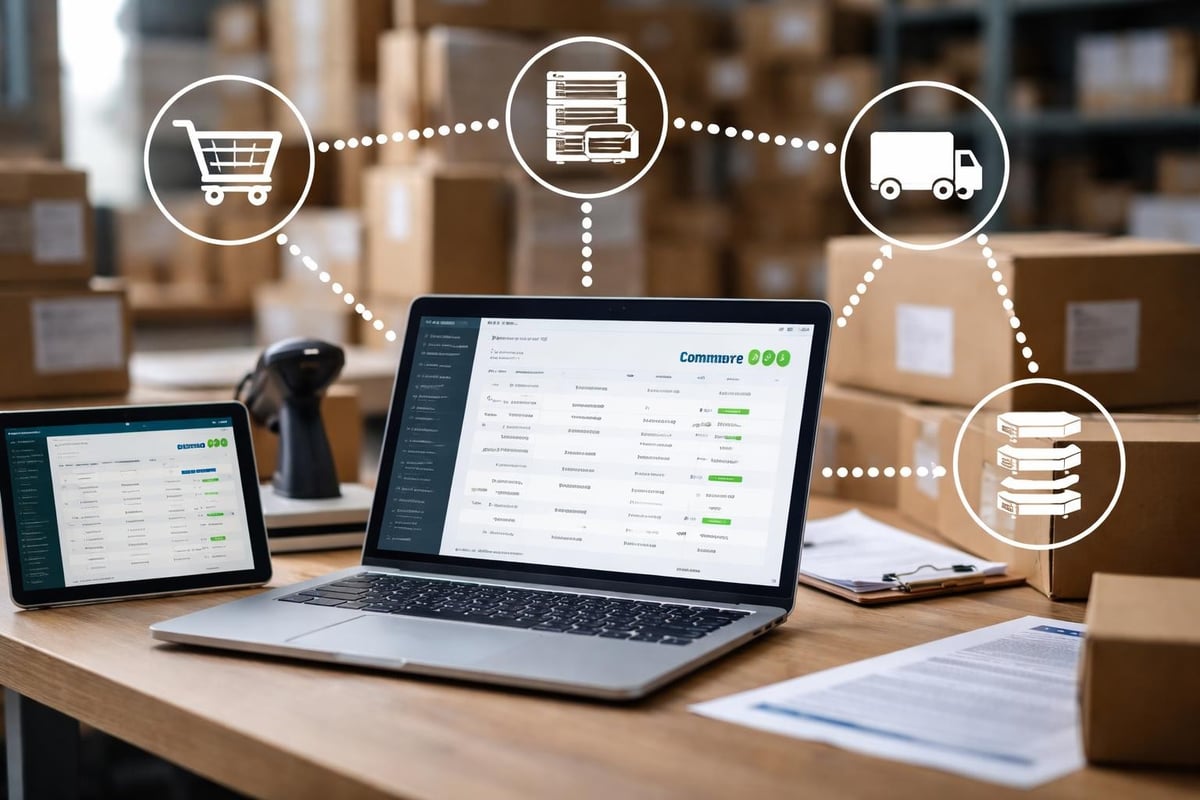
Most brands operate diverse technology ecosystems with multiple platforms handling different business functions. Ensuring seamless data flow between e-commerce platforms, inventory systems, accounting software, and warehouse automation requires careful integration planning.
API compatibility becomes the critical factor determining integration success. Before committing to automation solutions, verify they offer robust APIs compatible with your existing systems. Legacy platforms may require middleware or custom integration development, adding cost and complexity.
Data synchronization challenges emerge when inventory counts, order statuses, or product information fall out of sync across systems. Real-time integration prevents these issues but requires more sophisticated infrastructure than batch synchronization approaches.
Change Management and Training
Technology alone does not guarantee successful automation. Warehouse staff must adapt to new processes, learn new systems, and embrace different working methods. Resistance to change can undermine even the most sophisticated automation investments.
Effective training programs address both technical skills and mindset shifts. Workers need to understand not just how to operate new systems but why automation benefits them personally through easier work, better ergonomics, and opportunities for higher-value tasks.
Studies examining warehouse automation adoption reveal that companies with comprehensive change management programs achieve 40-60% faster time-to-value from automation investments compared to those focusing solely on technology deployment.
Optimizing Automated Fulfillment Operations
Implementing automation marks the beginning rather than the end of the optimization journey. Continuous improvement processes extract maximum value from automation investments while identifying opportunities for further enhancement.
Performance Monitoring and Analytics
Automated systems generate enormous volumes of operational data. Harnessing this information transforms fulfillment from reactive problem-solving to proactive optimization. Key performance indicators should track multiple dimensions of fulfillment performance:
- Order cycle time from receipt to shipment across different product categories
- Pick accuracy rates by zone, product type, and picker (human or robotic)
- Throughput metrics showing orders processed per hour across different shifts
- Inventory accuracy comparing system counts to physical counts
- Shipping performance tracking on-time shipments and carrier performance
- Labor productivity measuring orders per labor hour for remaining manual processes
Advanced analytics identify patterns invisible in summary statistics. For example, analyzing which product combinations frequently appear together enables warehouse layout optimization, reducing pick distances for common order profiles.
Continuous Process Refinement
The most successful automated fulfillment operations treat optimization as an ongoing discipline rather than a one-time project. Regular review cycles assess performance against goals and identify improvement opportunities.
A/B testing applies to fulfillment operations just as it does to marketing. Test different picking strategies, packing materials, or quality control procedures to quantify which approaches deliver superior results. Automated systems make these experiments practical by providing consistent execution and detailed measurement.
Feedback loops between customer service, fulfillment, and inventory teams surface issues that purely operational metrics might miss. Customers reporting damaged items might indicate packing process weaknesses, while frequent out-of-stock complaints could reveal inventory allocation inefficiencies.
For growing e-commerce brands, these optimization practices become increasingly important as order volumes scale. What works at 100 orders daily may create bottlenecks at 1,000 orders daily, requiring ongoing refinement.
Future Trends Shaping Fulfillment Automation
Order fulfillment automation continues evolving rapidly as technology advances and customer expectations shift. Understanding emerging trends helps brands plan automation roadmaps that remain relevant as the industry transforms.
Artificial Intelligence and Machine Learning
AI applications in fulfillment extend far beyond basic automation. Machine learning algorithms now optimize warehouse layouts by analyzing traffic patterns, predict equipment maintenance needs before failures occur, and forecast demand with unprecedented accuracy.
Predictive analytics enable proactive rather than reactive fulfillment. By analyzing historical data, seasonal patterns, and external factors, AI systems predict demand spikes and recommend inventory positioning weeks in advance. This foresight prevents stockouts during critical periods while avoiding excess inventory carrying costs.
Research exploring optimization approaches to large-scale warehouse operations demonstrates how advanced algorithms maximize throughput by intelligently assigning orders to workstations and scheduling picking activities. These techniques will become increasingly accessible to mid-sized operations through cloud-based AI platforms.
Autonomous Mobile Robots (AMRs)
Unlike fixed automation systems requiring significant infrastructure investment, AMRs offer flexible automation that adapts to changing warehouse layouts and seasonal volume fluctuations. These robots navigate autonomously, transport inventory, and collaborate with human workers without safety caging.
The rapidly declining costs of AMR technology make them accessible to smaller operations previously limited to manual processes. Fleets scale up or down based on demand, providing automation benefits without the capital commitment of permanent installations.
Integration of Inventory and Fulfillment Optimization
Forward-thinking brands recognize that inventory management and order fulfillment cannot be optimized in isolation. Academic research on inventory replenishment and real-time order fulfillment reveals how integrated optimization across both functions maximizes profitability under demand uncertainty.
Automated systems that coordinate replenishment decisions with fulfillment capabilities prevent common scenarios where inventory exists in the wrong location or format for efficient order processing. This integration becomes increasingly critical for omnichannel brands fulfilling from stores, warehouses, and third-party facilities.
Selecting Automation Partners and Solutions
The decision to implement order fulfillment automation often includes choosing between building in-house capabilities and partnering with specialized providers. Each approach offers distinct advantages depending on brand size, growth trajectory, and strategic priorities.
Build vs. Partner Decision Framework
In-house automation makes sense for brands with:
- Sufficient order volume to justify capital investment (typically 500+ orders daily)
- Available warehouse space and infrastructure
- Technical expertise to manage complex systems
- Desire for complete operational control
- Unique fulfillment requirements not served by standard solutions
Partnering with automated fulfillment providers benefits brands characterized by:
- Rapid growth requiring immediate scalability
- Limited capital for automation investment
- Focus on core competencies rather than logistics
- Multi-channel operations requiring distributed fulfillment
- Seasonal volume fluctuations
Companies offering comprehensive e-commerce fulfillment services have invested heavily in automation infrastructure, allowing brands to access sophisticated systems without upfront capital requirements. This approach converts fixed automation costs into variable per-order expenses that scale with revenue.
Evaluating Provider Automation Capabilities
When selecting automated fulfillment partners, assess automation sophistication across multiple dimensions:
- System integration capabilities ensuring seamless connection with your e-commerce platform
- Inventory visibility providing real-time stock levels across all SKUs
- Order accuracy guarantees backed by automated verification systems
- Scalability infrastructure capable of handling 2-3x current volumes
- Value-added services like kitting, bundling, and custom packaging automated through their systems
Request facility tours to observe automation in action. The best providers enthusiastically showcase their technology and explain how specific systems benefit your operation.
Measuring Automation Success
Defining clear success metrics before implementation ensures automation investments deliver expected returns. Measurement frameworks should encompass financial, operational, and customer experience dimensions.
Financial Performance Metrics
Track cost per order as the primary financial indicator, breaking down components to understand where automation delivers savings:
| Cost Component | Measurement Approach | Target Improvement |
|---|---|---|
| Direct Labor | Labor hours ÷ orders processed | 40-60% reduction |
| Shipping Costs | Total shipping expense ÷ orders | 10-20% reduction |
| Error Costs | Returns + replacements + credits | 60-80% reduction |
| Space Utilization | Orders per square foot | 50-100% improvement |
Return on investment calculations should account for both hard savings (reduced labor, fewer errors) and soft benefits (faster processing enabling premium shipping options, improved customer satisfaction driving repeat purchases).
Operational Excellence Indicators
Beyond costs, order fulfillment automation should drive operational improvements that create competitive advantages:
- Order-to-ship cycle time measuring hours from order receipt to carrier pickup
- Perfect order rate tracking orders delivered on time, complete, and damage-free
- Inventory turnover showing how quickly stock converts to shipped orders
- Peak capacity measuring maximum sustainable daily order volume
These metrics reveal automation’s impact on operational capabilities, not just efficiency. Faster fulfillment enables new shipping promises that differentiate your brand in crowded markets.
Order fulfillment automation has transitioned from competitive advantage to operational necessity for e-commerce brands aiming to scale profitably while meeting customer expectations. The technologies discussed throughout this guide offer pathways to dramatically improved accuracy, speed, and cost efficiency regardless of current operational scale. Whether implementing in-house systems or partnering with automated providers, the key lies in strategic planning, continuous optimization, and selecting solutions aligned with your specific business requirements. Ecom Automation Prep combines cutting-edge automation technology with comprehensive fulfillment expertise to help fast-growing e-commerce brands scale their operations seamlessly, offering everything from Amazon FBA prep to direct-to-consumer fulfillment with the reliability and efficiency your business demands.