
The rapid growth of online retail has brought unprecedented opportunities for e-commerce brands, but it has also introduced significant operational challenges. Among the most complex and costly of these challenges is managing product returns. E commerce reverse logistics has evolved from a simple returns process into a sophisticated operation that can make or break a brand's profitability and customer loyalty. For fast-growing e-commerce businesses, understanding and optimizing this process is no longer optional-it's essential for maintaining competitive advantage and protecting profit margins in an increasingly demanding marketplace.
Understanding E-Commerce Reverse Logistics
E commerce reverse logistics encompasses the entire process of moving goods from their final destination back through the supply chain for the purpose of recapturing value or proper disposal. Unlike traditional logistics that focuses on getting products from manufacturers to customers, reverse logistics involves the opposite flow-managing returns, exchanges, repairs, recycling, and disposal of products that customers no longer want or that failed to meet their expectations.
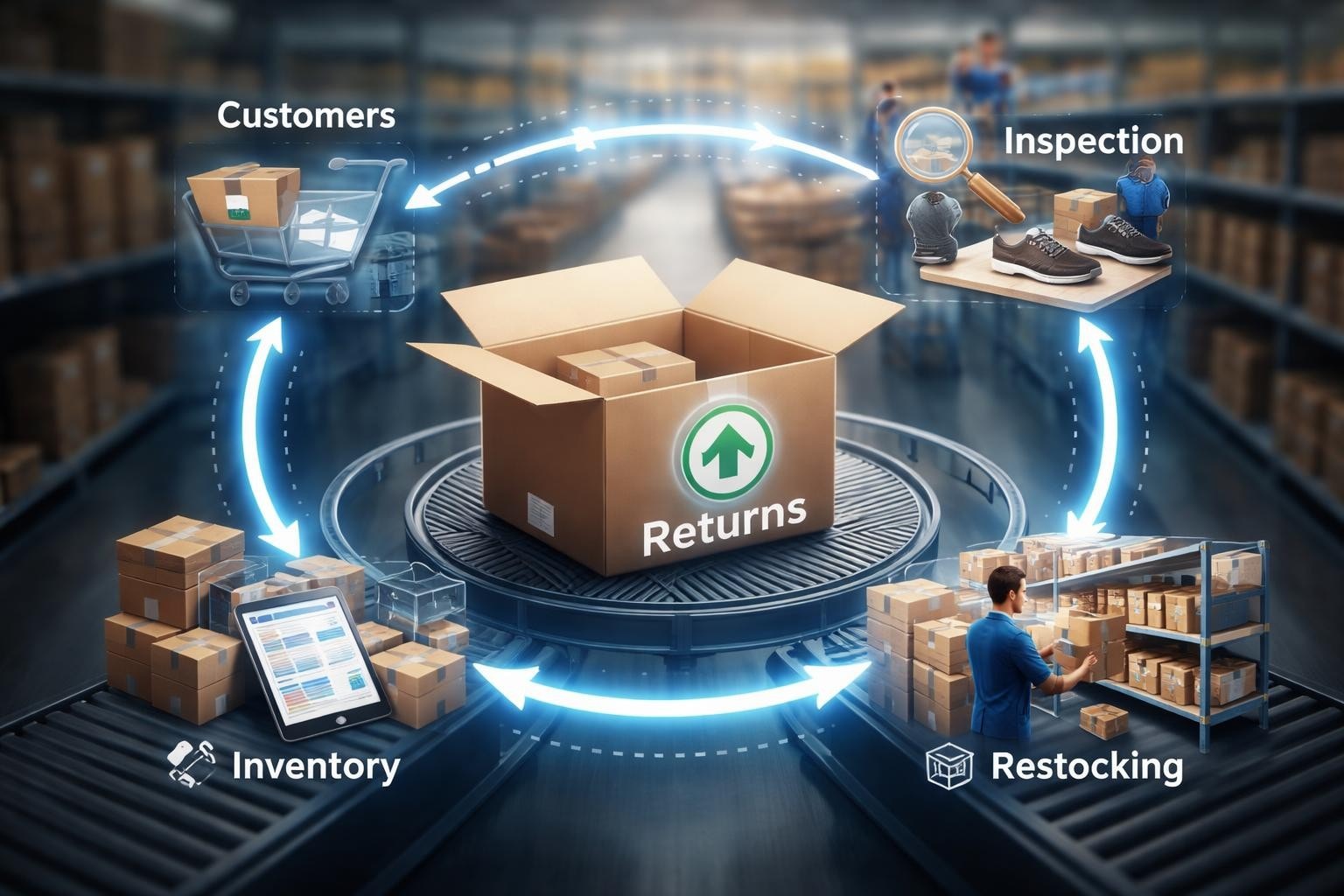
The scope of reverse logistics extends far beyond simply accepting returned items. It includes product inspection, testing, sorting, refurbishment, restocking, liquidation, and disposal. Each returned item must follow a carefully designed pathway that maximizes recovery value while minimizing handling costs and processing time.
The Financial Impact of Returns
Online retail returns have reached staggering proportions, with industry data showing that e-commerce return rates typically range between 20-30%, compared to just 8-10% for brick-and-mortar retail. This difference stems from the inability of customers to physically examine products before purchase, sizing uncertainties, and increasingly generous return policies that brands offer to remain competitive.
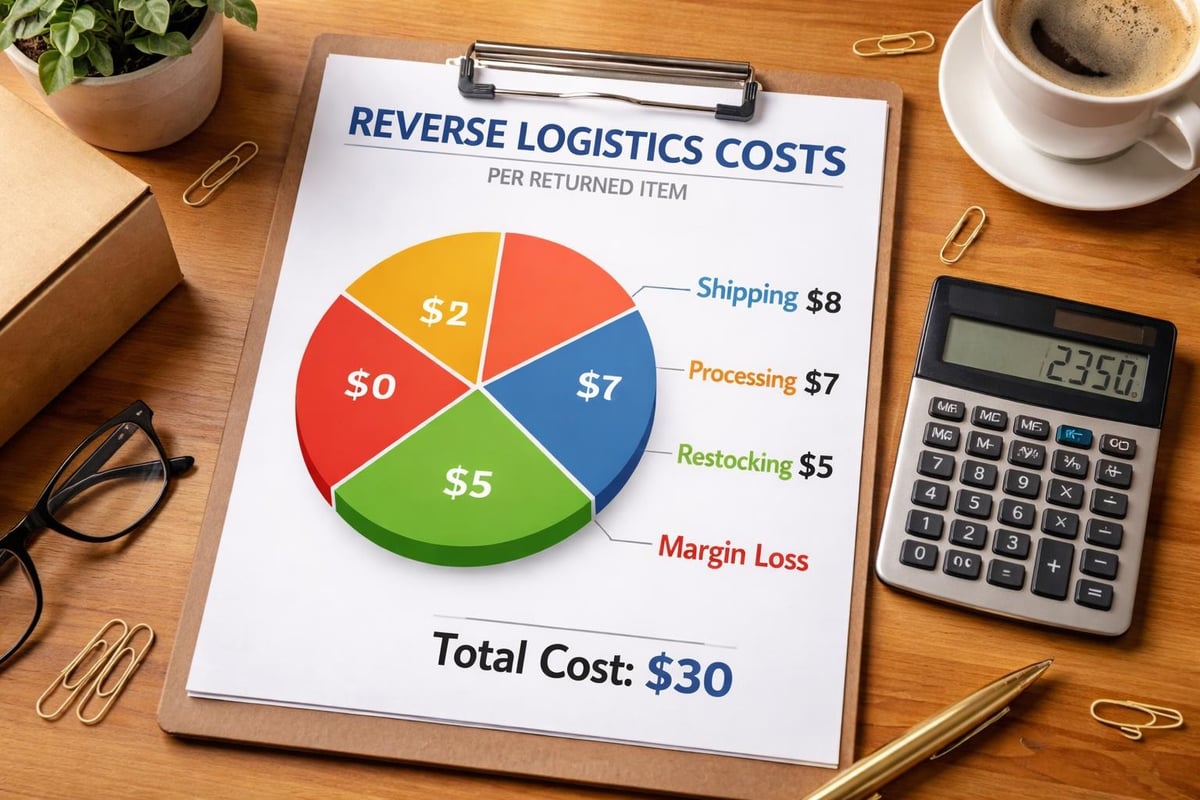
The cost implications are substantial. Beyond the obvious expense of reverse shipping, businesses face:
- Processing and inspection labor costs that can range from $5 to $15 per item
- Restocking fees and inventory management expenses for returned merchandise
- Lost sales from items that cannot be resold at full price
- Disposal costs for damaged or unsellable goods
- Customer service resources dedicated to returns processing
According to effective reverse logistics strategies, poorly managed returns can erode profit margins by 5-10% annually for typical e-commerce operations.
Building an Effective Returns Management System
Creating a robust e commerce reverse logistics operation requires strategic planning and systematic execution. The foundation begins with establishing clear return policies that balance customer convenience with operational efficiency. Your policy should specify eligible return windows, condition requirements, refund timelines, and any restocking fees that apply to different product categories.
Streamlining the Returns Process
The customer-facing returns experience plays a critical role in brand perception and repeat purchase behavior. Modern e-commerce brands implement self-service return portals that allow customers to initiate returns, print labels, and track their refund status without contacting customer service. This automation reduces service costs while providing the transparency that customers expect.
Key components of an efficient returns process include:
- Automated return authorization systems that generate RMA numbers and shipping labels
- Pre-printed return labels included with original shipments for immediate returns
- Multiple return options including carrier dropoff, scheduled pickups, and retail locations
- Real-time tracking that updates customers on return receipt and refund processing
- Automated refund triggers once items pass quality inspection
For brands focused on scaling ecommerce operations, implementing technology that integrates with existing warehouse management systems becomes critical to maintaining efficiency as return volumes increase.
Quality Inspection and Product Disposition
Once returned items arrive at your facility, systematic inspection determines the optimal disposition path for each product. This critical step in e commerce reverse logistics directly impacts recovery value and must follow standardized procedures to ensure consistency.
| Return Condition | Disposition Path | Recovery Rate |
|---|---|---|
| New/Unopened | Return to primary inventory | 95-100% |
| Like New | Return to inventory or discount channel | 80-95% |
| Minimal Damage | Refurbish and resell | 60-80% |
| Functional Defect | Repair or return to manufacturer | 40-60% |
| Severely Damaged | Liquidate or dispose | 0-20% |
The speed of this inspection process matters significantly. Every day a returned item sits in processing represents lost opportunity cost and increased storage expenses. Leading e-commerce operations target same-day or next-day inspection for returned merchandise.
Technology Solutions for Reverse Logistics Optimization
Advanced technology platforms have revolutionized how businesses manage e commerce reverse logistics. Modern warehouse management systems (WMS) now include dedicated reverse logistics modules that track returned items separately from forward inventory, automate disposition decisions based on inspection results, and provide detailed analytics on return patterns and costs.
Integration between your returns management system and inventory databases ensures accurate stock counts and prevents overselling. When a customer initiates a return, sophisticated systems can automatically flag the associated inventory as "pending return," then update quantities once inspection confirms the item's resellability.
Data Analytics and Returns Prevention
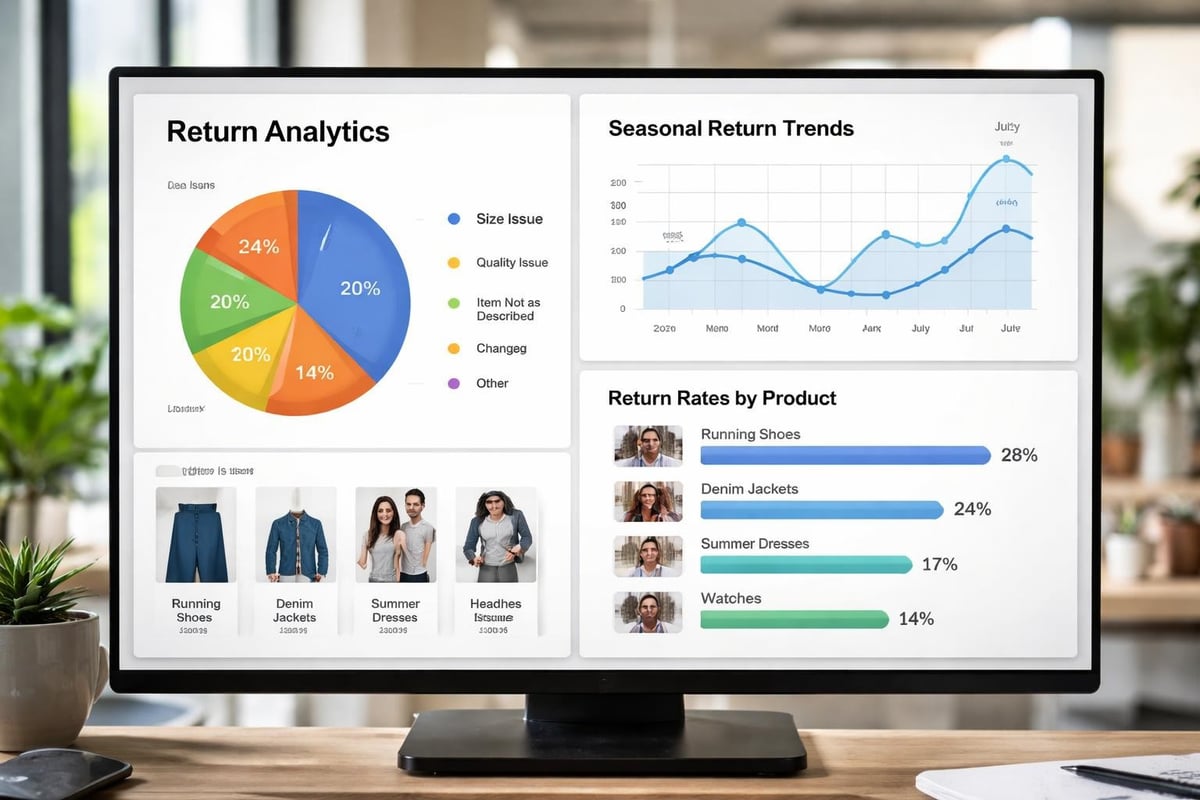
The most valuable aspect of technology in reverse logistics isn't just managing returns more efficiently-it's using data to prevent returns in the first place. By analyzing return reasons across products, seasons, and customer segments, brands can identify patterns that indicate quality issues, inaccurate product descriptions, or sizing inconsistencies.
Analytics-driven insights enable:
- Product description improvements based on frequent "not as described" returns
- Sizing guide enhancements for apparel categories with high return rates
- Quality control interventions for items with defect-related returns
- Photography updates for products returned due to appearance mismatches
- Supplier performance evaluations based on defect patterns
Understanding what are fulfillment services and how they integrate with returns processing helps brands make informed decisions about handling this complex operation in-house versus partnering with specialized providers.
Strategic Partnerships and Outsourcing Considerations
Many fast-growing e-commerce brands reach a point where managing e commerce reverse logistics internally becomes inefficient or cost-prohibitive. The specialized expertise, infrastructure, and economies of scale offered by returns management solutions can transform reverse logistics from a cost center into a competitive advantage.
Evaluating Third-Party Reverse Logistics Providers
When considering outsourcing, evaluate potential partners based on their capability to handle your specific product types, return volumes, and geographic coverage requirements. Providers should offer transparent pricing structures that clearly outline costs for receiving, inspection, restocking, refurbishment, and disposal services.
Critical evaluation criteria include:
- Processing speed commitments and service level agreements
- Integration capabilities with your e-commerce platform and inventory systems
- Geographic coverage and proximity to your customer base
- Specialty services for product categories like electronics, apparel, or perishables
- Sustainability practices for environmentally responsible disposal and recycling
- Reporting and analytics capabilities for returns insights
The most effective partnerships treat reverse logistics as an extension of your brand experience, maintaining the same quality standards and customer focus as your forward fulfillment operations.
Category-Specific Reverse Logistics Strategies
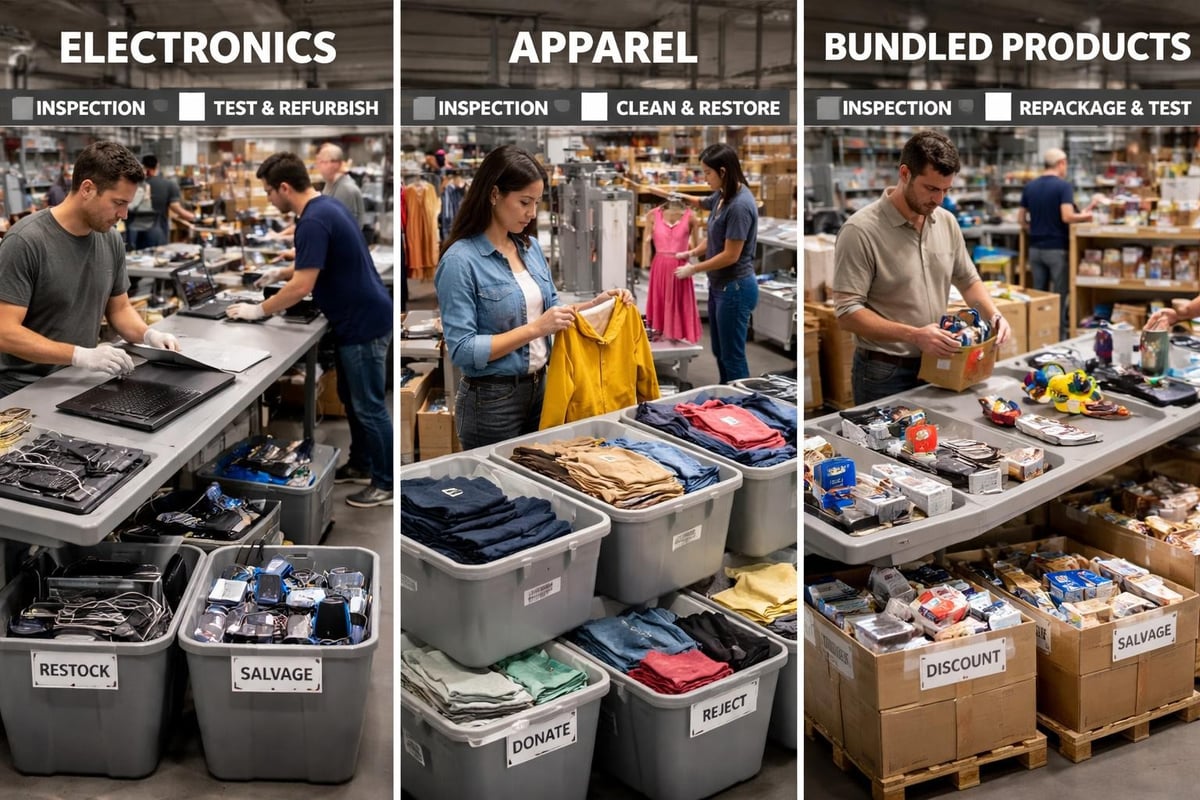
Different product categories require tailored approaches to e commerce reverse logistics due to unique handling requirements, value retention characteristics, and regulatory considerations.
Electronics and Technical Products
Electronics returns present particular challenges due to rapid depreciation, complex testing requirements, and strict disposal regulations for e-waste. Effective electronic fulfillment strategies incorporate certified testing procedures that can determine whether returned items are functional, require minor repairs, or must be recycled according to environmental regulations.
Refurbishment programs for electronics can recover significant value, especially for higher-ticket items where the cost of repair and recertification remains well below the price differential between new and refurbished products. Establishing relationships with certified repair facilities or developing internal refurbishment capabilities becomes economically viable for brands with consistent electronics return volumes.
Apparel and Fashion
The fashion industry faces the highest return rates in e-commerce, often exceeding 30-40% for certain categories. The primary driver is fit uncertainty, compounded by the fact that many customers order multiple sizes with the intention of returning those that don't fit-a practice known as "bracketing."
Specialized handling for apparel returns includes:
- Immediate repackaging of items in sellable condition
- Professional pressing or steaming to restore shelf appeal
- Detailed condition notes documenting any wear or damage
- Seasonal inventory management to prevent aged stock accumulation
- Dynamic pricing strategies for out-of-season returns
Bundled and Kitted Products
Products sold as bundles or kits introduce complexity when customers return only partial sets or when individual components are missing or damaged. Clear policies about partial returns, along with systems for tracking component-level inventory, become essential for managing these scenarios efficiently through kitting services that can reassemble complete sets from returned items.
Sustainability and Corporate Responsibility
Modern e commerce reverse logistics extends beyond operational efficiency to encompass environmental stewardship and corporate responsibility. Consumers increasingly evaluate brands based on their sustainability practices, and how you handle returned products plays a significant role in your environmental footprint.
Implementing sustainable reverse logistics practices involves maximizing product reuse through refurbishment and resale, minimizing landfill waste through recycling programs, optimizing transportation to reduce carbon emissions, and partnering with certified disposal facilities for items that cannot be recovered. Some innovative brands have developed take-back programs where customers can return used products for recycling or donation, even beyond the standard return window.
Circular Economy Integration
The concept of circular economy-where products and materials remain in use for as long as possible-aligns naturally with effective reverse logistics. By designing products for easier refurbishment, using standardized components that can be harvested from returned items, and establishing remanufacturing capabilities, brands can transform returned goods from liabilities into assets.
This approach not only reduces environmental impact but can also generate new revenue streams through certified refurbished product channels that appeal to price-conscious and environmentally aware consumers.
Customer Experience and Brand Loyalty
The way you handle e commerce reverse logistics directly influences customer satisfaction and repeat purchase behavior. Research consistently shows that customers who have positive returns experiences are more likely to purchase from the same brand again, while those who encounter friction in the returns process often abandon the brand entirely.
Elements of a customer-centric returns experience:
- Hassle-free initiation with no phone calls or lengthy forms required
- Free return shipping or convenient drop-off locations
- Fast refund processing ideally within 3-5 business days of receipt
- Proactive communication at each stage of the returns process
- Flexible refund options including original payment method, store credit, or exchanges
Some forward-thinking brands are implementing reverse logistics solutions that include doorstep pickup services, eliminating the need for customers to visit carriers or retail locations. While this adds cost to the returns process, the customer experience benefit can justify the investment for premium brands or high-value items.
Cost Control and Margin Protection
While excellent customer service remains important, financially sustainable e commerce reverse logistics requires careful attention to cost management. Every percentage point of reduction in return rates or processing costs directly improves bottom-line profitability.
Return Rate Reduction Strategies
The most effective way to control reverse logistics costs is reducing the volume of returns in the first place. Strategic initiatives include enhanced product photography with 360-degree views and lifestyle images, detailed product descriptions addressing common questions, customer reviews highlighting fit and quality characteristics, and virtual try-on technology for applicable categories.
Analyzing return data helps identify specific products or suppliers with disproportionately high return rates, enabling targeted interventions such as improved quality control, revised product descriptions, or in some cases, discontinuation of problematic items.
| Strategy | Implementation Complexity | Cost Impact | Customer Impact |
|---|---|---|---|
| Restocking fees | Low | Moderate savings | Negative |
| Return windows | Low | Moderate savings | Slightly negative |
| Enhanced descriptions | Medium | Significant reduction | Positive |
| Virtual try-on | High | Significant reduction | Very positive |
| Quality improvements | High | Significant reduction | Very positive |
Processing Efficiency Gains
Operational improvements in returns handling can substantially reduce per-unit costs. Batch processing of returns by category, automated disposition decision trees based on inspection criteria, standardized workstations optimized for inspection tasks, and cross-training staff to handle both forward and reverse logistics during peak periods all contribute to improved efficiency.
Partnering with comprehensive providers that understand e-commerce logistics solutions ensures your reverse logistics operation benefits from proven processes and specialized infrastructure designed specifically for returns handling at scale.
Future Trends in E-Commerce Reverse Logistics
The landscape of e commerce reverse logistics continues to evolve rapidly, driven by technology advancement, changing consumer expectations, and economic pressures. Artificial intelligence and machine learning are enabling more accurate return prediction, automated fraud detection, and optimized disposition decisions based on historical performance data.
Blockchain technology promises enhanced transparency in returns tracking, particularly for high-value items where authentication and provenance matter. Smart packaging with embedded sensors can provide data about product condition during the reverse journey, automating initial inspection steps and reducing manual handling requirements.
The growth of reverse supply chains reflects the maturation of e-commerce as an industry, where operational excellence in all aspects of fulfillment-including returns-separates market leaders from struggling competitors.
Regional micro-fulfillment centers positioned closer to customers are reducing both forward and reverse shipping costs while enabling faster processing. Some brands are experimenting with immediate exchanges at the point of return initiation, shipping replacement items before receiving the original return, based on customer history and fraud risk assessment.
Mastering e commerce reverse logistics transforms a significant cost center into a strategic advantage that drives customer loyalty while protecting your profit margins. Whether you're managing returns internally or seeking specialized partnership, implementing systematic processes, leveraging technology, and maintaining customer focus throughout the returns experience positions your brand for sustainable growth. Ecom Automation Prep provides comprehensive fulfillment services that include expert returns management, helping fast-growing e-commerce brands streamline their reverse logistics operations while maintaining the efficiency and reliability that keeps customers coming back.