

In 2026, electronic fulfillment stands as the backbone of every successful e-commerce business. Yet many brands still struggle with outdated processes that slow growth and frustrate customers.
This guide is designed to help you streamline your electronic fulfillment strategy. You will discover the latest trends, step-by-step strategies, and essential technology shaping the future of fulfillment.
The stakes for fast and accurate order fulfillment have never been higher. Leading brands are transforming their operations to gain a competitive edge. Imagine flawless order processing, real-time inventory accuracy, and seamless returns.
Ready to future-proof your business? Follow this guide to overhaul your electronic fulfillment process and exceed customer expectations in the year ahead.
Understanding Electronic Fulfillment in 2026
Electronic fulfillment has become a mission-critical component for e-commerce and omnichannel brands, especially those dealing with consumer electronics, gadgets, and accessories. As technology evolves rapidly, brands must rethink how they store, process, and ship high-value products while meeting rising customer expectations. In 2026, understanding electronic fulfillment means grasping its unique processes, the latest industry trends, emerging challenges, and the essential role of third-party logistics partners.
Defining Electronic Fulfillment
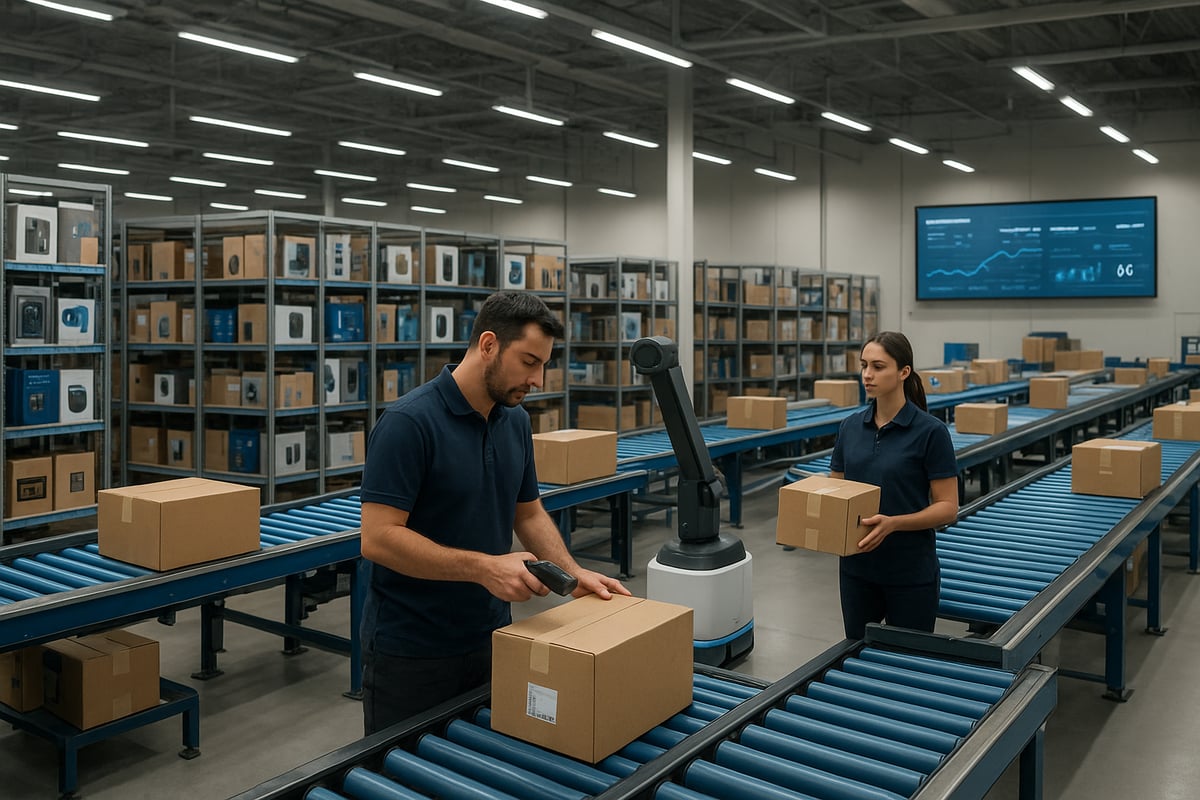
Electronic fulfillment refers to the specialized process of storing, managing, picking, packing, and shipping electronic products to customers. Unlike traditional fulfillment, it requires advanced inventory management, secure storage, and real-time tracking to handle high-value, fast-moving items. Key components include receiving goods, maintaining accurate inventory, processing orders, delivering shipments, and managing returns.
This approach is vital as electronics retailers must handle rapid product cycles and prevent losses from outdated inventory. For example, an electronics retailer might use precise tracking systems to manage expensive inventory and ensure new models are shipped quickly. For a foundational overview, see What Are Fulfillment Services, which explains how electronic fulfillment differs from standard logistics solutions.
Industry Trends and Market Growth
The electronic fulfillment market is experiencing significant growth, with electronics industry sales projected to surpass $450 billion by 2026. This expansion is driven by increased demand for fast, secure, and accurate order processing across global markets.
Brands are shifting toward global fulfillment centers and localized delivery networks to meet customer expectations for quick shipping. Value-added services like kitting, bundling, and subscription boxes are also on the rise, helping brands stand out. Companies are leveraging advanced fulfillment networks to expand into new regions and streamline operations, ensuring they stay competitive in a rapidly evolving landscape.
| Trend | Impact on Electronic Fulfillment |
|---|---|
| Fast, secure order processing | Heightened customer expectations |
| Global/localized fulfillment | Faster, cost-effective delivery |
| Value-added services | Increased brand differentiation |
Challenges Unique to Electronic Fulfillment
Electronic fulfillment presents several unique challenges. Inventory obsolescence is a constant threat due to rapid product turnover in electronics. High-value items require enhanced security, tamper-proof packaging, and real-time tracking to prevent theft or loss.
Balancing inventory is critical to avoid costly overstock or damaging stockouts. Handling returns, repairs, and refurbishments adds complexity to the process. For example, a smartphone retailer faces significant costs if outdated models remain unsold. Addressing these challenges is essential for maintaining profitability and customer trust in electronic fulfillment.
The Role of Third-Party Logistics (3PL) Providers
Third-party logistics providers play an increasingly vital role in electronic fulfillment, enabling brands to scale and manage complex supply chains efficiently. 3PLs integrate with e-commerce platforms to provide real-time data, streamline order processing, and maintain high order accuracy rates, often exceeding 95 percent.
Brands partnering with 3PLs benefit from faster shipping, advanced technology, and robust security protocols. A case study shows companies using 3PLs consistently achieve superior fulfillment speed and accuracy. Today, over 60 percent of rapidly growing brands rely on third-party expertise for electronic fulfillment, making outsourcing a strategic move for efficiency and expansion.
Step-by-Step: Streamlining Your Electronic Fulfillment Process
Streamlining your electronic fulfillment process is essential for keeping pace with the evolving demands of 2026. The following step-by-step approach empowers you to pinpoint inefficiencies, leverage modern technology, and create a robust fulfillment operation that delights customers and controls costs.
Step 1: Assessing Your Current Fulfillment Workflow
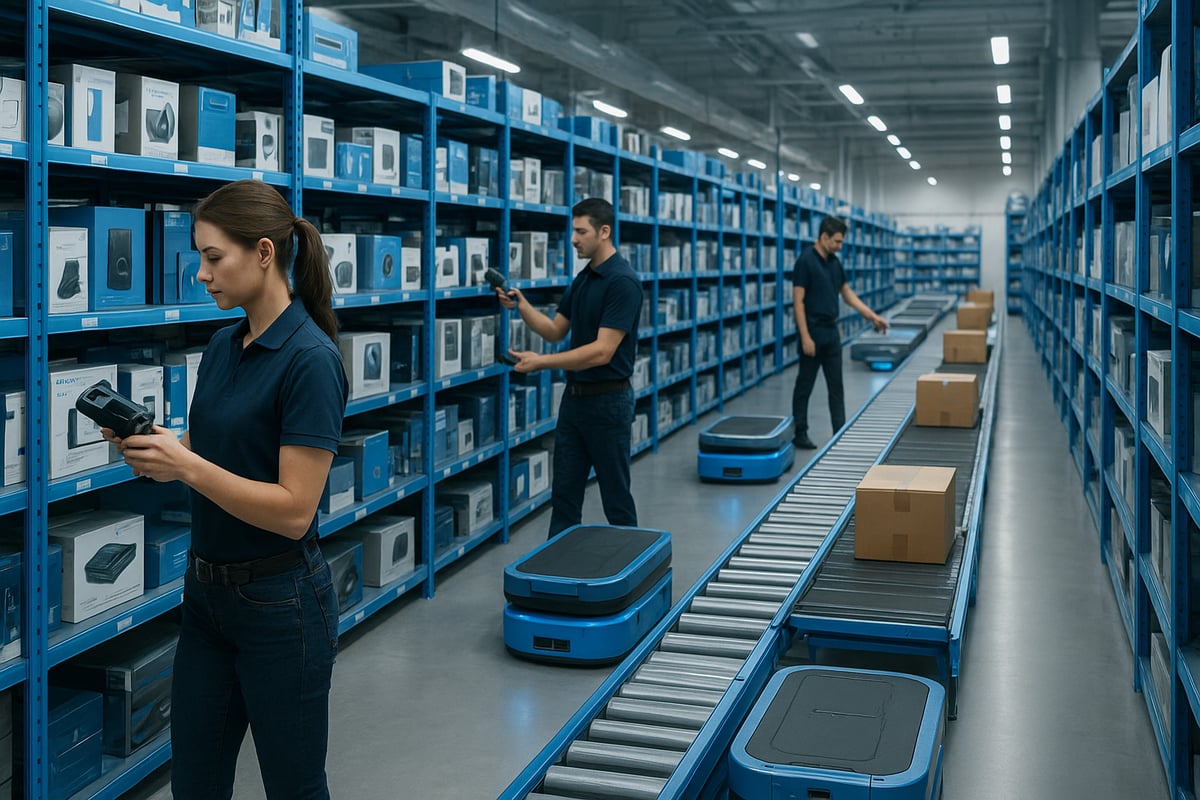
Begin by mapping your entire electronic fulfillment workflow, from receiving inventory to managing returns. Break down each stage: receiving, storage, picking, packing, shipping, and returns.
Identify bottlenecks, such as delayed order processing or frequent inventory discrepancies. Use analytics and key performance indicators (KPIs) to benchmark your current performance against industry standards.
Regularly reviewing your electronic fulfillment process helps you spot inefficiencies. For example, a retailer might discover that manual pick-and-pack steps cause order delays during peak periods. Remember, you cannot improve what you do not measure. By establishing a strong baseline, you set the stage for continuous improvement in electronic fulfillment.
Step 2: Leveraging Automation and Technology
Automation is revolutionizing electronic fulfillment in 2026. Invest in warehouse management systems (WMS) and order management systems (OMS) to automate routine tasks and enable real-time inventory visibility.
Integrate these systems with your e-commerce platforms to ensure seamless order flow from sale to shipment. Automation tools like robotic pickers, automated packing stations, and real-time dashboards can help eliminate errors and speed up order processing.
Brands leveraging automation in electronic fulfillment report up to 30 percent faster order processing. Using technology to streamline repetitive tasks not only improves efficiency but also frees your team to focus on higher-value activities.
Step 3: Optimizing Inventory Management
Effective inventory management is at the heart of successful electronic fulfillment. Set accurate reorder points to prevent costly stockouts or overstock situations. Use real-time inventory tracking and forecasting tools to monitor stock levels and anticipate demand.
Secure storage is critical for high-value electronics. Predictive analytics can help you plan for seasonal demand spikes, ensuring you have the right products in the right quantities.
A well-optimized inventory management process reduces carrying costs and increases sales opportunities. By keeping your electronic fulfillment inventory accurate, you minimize waste and maximize availability for your customers.
Step 4: Enhancing Order Accuracy and Speed
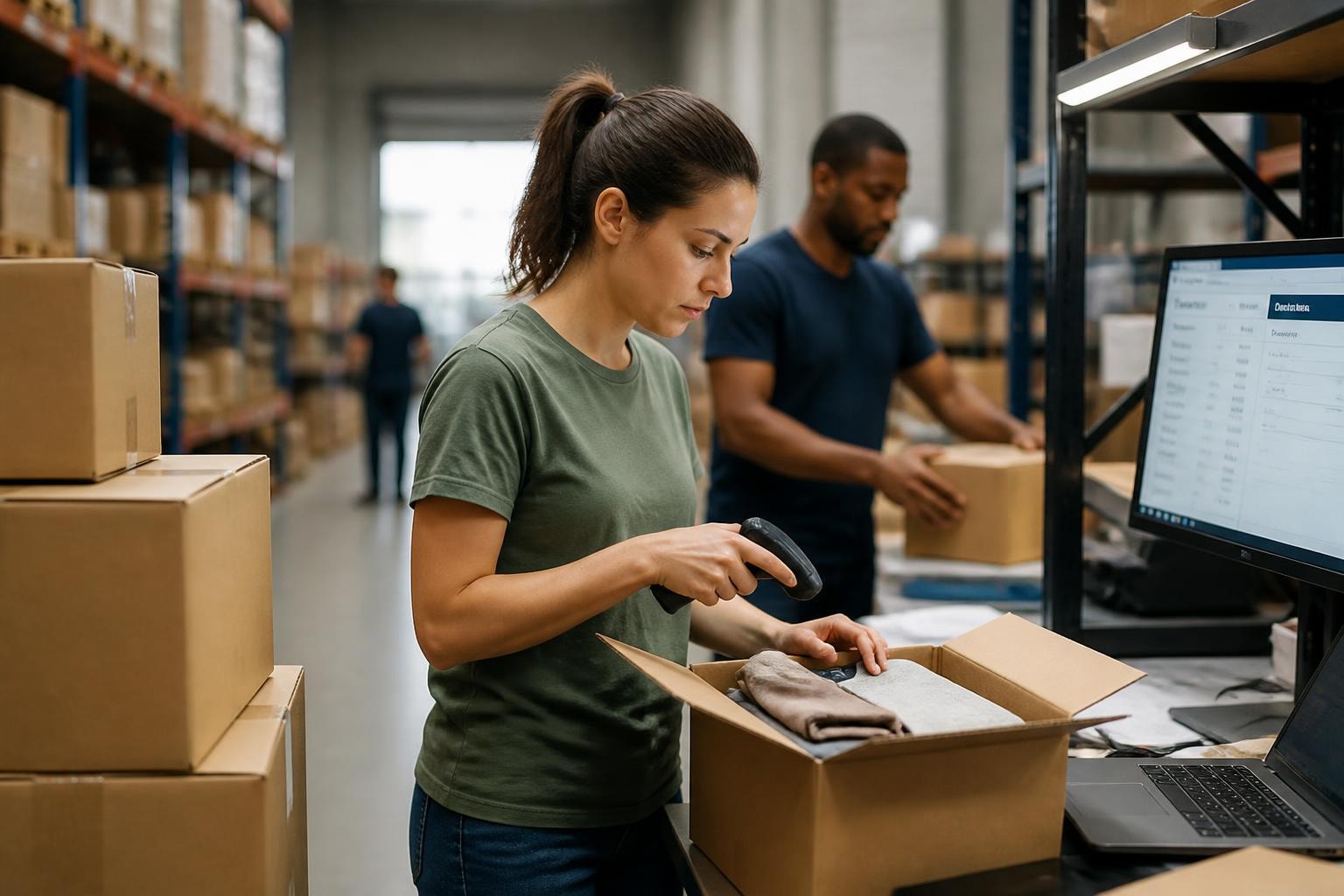
Order accuracy and speed define the customer experience in electronic fulfillment. Implement barcode or RFID scanning at every stage to reduce errors and streamline pick-and-pack operations.
Offer fast and reliable shipping options, such as same-day or next-day delivery, to meet rising consumer expectations. Optimizing your processes can help you achieve 95 percent or higher order accuracy.
Accurate electronic fulfillment is directly linked to customer satisfaction. When customers receive the right products quickly, they are far more likely to become repeat buyers.
Step 5: Managing Returns and Reverse Logistics
Returns and reverse logistics are critical components of electronic fulfillment, especially for electronics brands. Develop a customer-friendly and cost-efficient returns process. This includes refurbishing, restocking, or responsibly disposing of returned items.
Track returns data to identify product or process improvements. Brands that offer hassle-free returns see higher repeat sales and increased loyalty.
For more insights on managing returns and optimizing reverse logistics in electronic fulfillment, explore Reverse Logistics Solutions for Electronics. Treating returns as an opportunity to build loyalty, not just a cost center, can transform your business.
Step 6: Ensuring Data Security and Compliance
In electronic fulfillment, protecting sensitive customer and product data is non-negotiable. Implement robust security measures and ensure compliance with regulations like GDPR and CCPA.
Secure handling and shipping procedures are essential for high-value electronics. Prevent theft and fraud by using tracking systems and regular audits throughout your fulfillment chain.
Prioritizing security and compliance in electronic fulfillment not only safeguards your brand but also builds trust with your customers. Focusing on these areas positions your business for sustainable growth.
Essential Technologies Powering Electronic Fulfillment
Keeping pace with the rapid evolution of electronic fulfillment means adopting the latest technologies that drive efficiency, accuracy, and scalability. In 2026, successful brands rely on a suite of integrated systems to stay ahead in a highly competitive landscape.
Warehouse Management Systems (WMS) and Inventory Control
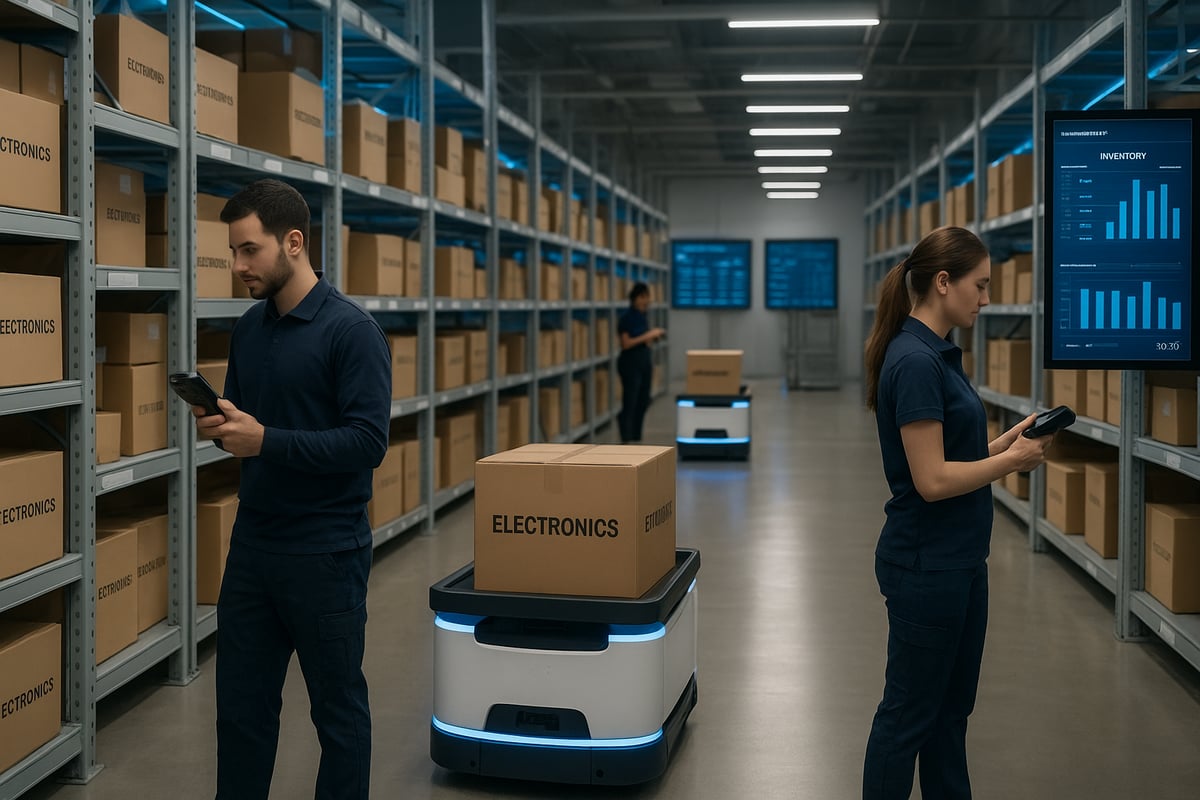
Warehouse Management Systems (WMS) are foundational for electronic fulfillment, providing real-time tracking and automated stock updates. These systems integrate with sales channels, reducing manual errors and streamlining inventory control.
Brands that implement advanced WMS solutions often report up to 25% higher inventory accuracy. For example, an electronics retailer using WMS can instantly locate high-value items, minimize stock discrepancies, and reduce labor costs. By automating these processes, electronic fulfillment operations become more responsive and reliable, ensuring that inventory levels remain optimal at all times.
Order Management and Integration Platforms
Centralizing orders from multiple sales channels is a game changer in electronic fulfillment. Modern order management platforms unify direct-to-consumer, Amazon, and marketplace sales, providing a seamless workflow from purchase to delivery.
Seamless integration with shipping carriers and payment systems is essential for eliminating delays and errors. Brands that leverage integration platforms can reduce order processing time by up to 40%. For a deeper dive into the technology that powers these integrations, check out Integrations for E-Commerce Fulfillment. Unified platforms are now a must-have for omnichannel electronic fulfillment, enabling brands to scale effortlessly and maintain exceptional service levels.
Automation Tools: Robotics, AI, and IoT
Automation is revolutionizing electronic fulfillment, with robotics, AI, and IoT leading the charge. Robotics handle picking and packing, while AI optimizes demand forecasting and IoT sensors provide real-time inventory visibility.
Automated fulfillment centers have significantly improved speed and reliability. The adoption of robotics in warehouses has increased by 20% year-over-year, allowing brands to process orders faster and with fewer errors. By integrating these technologies, electronic fulfillment operations achieve greater scalability and flexibility, supporting rapid market changes and seasonal peaks.
Real-Time Analytics and Reporting Dashboards
Data-driven decision-making is crucial for electronic fulfillment success. Real-time analytics and reporting dashboards allow brands to monitor KPIs like order accuracy, shipping speed, and inventory turnover.
Customizable dashboards enable teams to identify trends, respond proactively to issues, and continuously improve fulfillment processes. For example, a company using advanced analytics can pinpoint bottlenecks and optimize workflows before they impact customer satisfaction. Harnessing analytics ensures that electronic fulfillment stays agile, competitive, and aligned with business goals.
Best Practices for Electronic Fulfillment Success
Staying ahead in electronic fulfillment means adopting best practices that keep your operations agile, customer-focused, secure, and sustainable. Brands that prioritize these areas consistently outperform competitors and set new standards for efficiency and loyalty.
Building Agile, Scalable Fulfillment Operations
Agility is critical for electronic fulfillment as demand can shift rapidly due to product launches or seasonal spikes. Scalable operations let you respond to market changes without disruption.
Key strategies include:
- Investing in flexible infrastructure that expands with your order volume
- Utilizing multi-location fulfillment centers to reduce delivery times
- Leveraging technology for real-time inventory management
For example, brands with distributed fulfillment can ship products faster, reaching global customers efficiently. According to industry data, 70% of leading e-commerce brands use multiple fulfillment centers to support growth. By embedding these principles, your electronic fulfillment process can adapt to any challenge.
Prioritizing Customer Experience in Fulfillment
Customer expectations for electronic fulfillment continue to rise. Fast, transparent shipping and clear communication are now table stakes. Brands differentiate themselves by providing memorable unboxing experiences and proactive updates.
Best practices include:
- Offering same-day or next-day shipping options
- Using branded, protective packaging for electronics
- Sending automated order and delivery updates
Research shows that 87% of shoppers say shipping speed influences their repeat purchase decisions. Adopting customer-centric electronic fulfillment practices, such as those highlighted in E-commerce fulfillment trends for 2026, helps build long-term loyalty and positive reviews.
Security, Quality Control, and Loss Prevention
Protecting high-value electronics requires robust security and quality measures throughout the electronic fulfillment process. Shrinkage and product damage can quickly erode profit margins if not managed proactively.
Implement these controls:
- Secure facilities with surveillance and restricted access
- Regular inventory audits and real-time tracking
- Quality checks at every step, from receiving to shipping
Brands that prioritize loss prevention see fewer returns and higher customer satisfaction. Electronic fulfillment demands a disciplined approach to safeguard both products and reputation.
Sustainable and Responsible Fulfillment Practices
Sustainability is a growing priority for electronic fulfillment. Eco-conscious consumers are more likely to support brands that minimize environmental impact and responsibly handle electronic waste.
Sustainable fulfillment best practices include:
- Using recyclable or biodegradable packaging materials
- Offering carbon-neutral shipping options
- Implementing programs for recycling or repurposing outdated electronics
Data shows that 60% of consumers prefer brands with sustainable practices. By making sustainability part of your electronic fulfillment strategy, you not only reduce your environmental footprint but also strengthen your brand's appeal.
Case Studies: Real-World Electronic Fulfillment Optimization
Real-world examples reveal the impact of strategic electronic fulfillment optimization. The following case studies showcase how leading brands have leveraged technology, integration, and process improvements to drive growth, efficiency, and customer satisfaction.
Rapid Market Expansion Through Fulfillment Innovation
Segway-Ninebot achieved rapid market expansion by rethinking their electronic fulfillment approach. By setting up local fulfillment centers across six EU markets, they reduced delivery times and improved customer satisfaction.
Key strategies included:
- Implementing seamless integrations with e-commerce platforms
- Utilizing advanced inventory management for real-time stock visibility
- Adopting automation for order processing and tracking
Results were immediate: faster delivery, higher conversion rates, and accelerated growth. This case highlights how warehouse automation trends in 2026 are reshaping electronic fulfillment, enabling brands to scale globally with confidence.
Cost Savings and Efficiency Gains
Vinoos focused on cutting operational costs while maintaining high service standards for electronic fulfillment. By introducing global local return hubs, they streamlined reverse logistics and made returns hassle-free for customers.
Key steps included:
- Optimizing shipping routes to reduce costs
- Implementing local return centers for faster processing
- Leveraging data analytics to track and improve performance
The outcome was substantial: lower shipping expenses, quicker returns, and increased repeat sales. This demonstrates how a smart electronic fulfillment strategy can directly impact profitability and customer loyalty.
Transforming B2B to D2C Fulfillment
Solis of Switzerland transitioned from a traditional B2B model to a direct-to-consumer approach, embracing electronic fulfillment to reach end customers more effectively. Their new e-fulfillment system allowed for streamlined order processing and improved inventory accuracy.
Their transformation involved:
- Integrating inventory management with customer service platforms
- Adopting flexible shipping and packaging solutions
- Prioritizing transparent communication with buyers
The result: higher conversion rates and the agility to respond to market changes quickly. This move to electronic fulfillment enabled Solis to strengthen their brand and build closer relationships with consumers.
Scaling with Seamless Integrations
Superfluid exemplifies how seamless integrations can accelerate electronic fulfillment success. By leveraging Shopify’s API-driven connections, they set up rapid fulfillment workflows that ensured high order accuracy and scalability.
Their approach featured:
- Automated order flow from online store to fulfillment center
- Real-time inventory tracking and reporting
- Scalable systems to support peak demand periods
Superfluid’s strategy led to short setup times and consistent 95 percent plus order accuracy. This case underscores the importance of integrated technology for electronic fulfillment as brands grow and diversify.
Choosing the Right Electronic Fulfillment Partner
Selecting the right electronic fulfillment partner is a pivotal decision for any brand aiming to thrive in 2026. The right choice impacts speed, accuracy, scalability, and ultimately, customer satisfaction.
Key Criteria for Selecting a Fulfillment Provider
When evaluating electronic fulfillment partners, prioritize those with proven expertise in electronics and high-value goods. Look for providers that offer:
- Advanced warehouse management systems and robust security protocols.
- Deep integration capabilities with your e-commerce tech stack.
- Demonstrated compliance with data protection standards.
Compare providers based on their ability to deliver fast, accurate order processing and cost-effective shipping. For a detailed comparison of different fulfillment models, see Amazon FBA Prep vs 3PL Fulfillment. This ensures your electronic fulfillment strategy aligns with your brand’s growth goals.
Evaluating Service Offerings and Scalability
A comprehensive electronic fulfillment provider should support a wide range of services, including D2C, B2B, kitting, subscription boxes, and returns management. Assess whether the provider can scale operations as your business grows or enters new markets.
Brands often outgrow partners lacking advanced technology or flexible capacity, leading to fulfillment bottlenecks. Choose a provider capable of adapting to seasonal peaks and rapid expansion, ensuring your electronic fulfillment process remains resilient and future-ready.
Technology Integration and Support
Seamless technology integration is essential for efficient electronic fulfillment. Your partner should offer:
- Real-time order tracking and inventory visibility.
- Automated reporting dashboards for performance monitoring.
- API-driven connections to major e-commerce platforms and marketplaces.
Dedicated support teams and 24/7 visibility help brands resolve issues quickly and maintain operational excellence. Brands that prioritize integration and support experience smoother electronic fulfillment and fewer disruptions.
Ecom Automation Prep: Scalable Fulfillment Solutions for Electronics Brands
Ecom Automation Prep stands out as a leader in electronic fulfillment for fast-growing brands. Their offerings include Amazon FBA prep, D2C fulfillment, kitting, bundling, subscription boxes, returns, and global shipping.
With technology-driven operations, Ecom Automation Prep delivers 95 percent order accuracy and real-time tracking. Brands can save up to 90 percent on shipping rates and access a 30-day free trial for select services. Trusted by over 150 electronics brands, they provide flexible, scalable solutions backed by dedicated onboarding and ongoing support, making them an ideal electronic fulfillment partner for global expansion.
As you look toward 2026 and consider how to streamline your electronic fulfillment process, remember that the right partner can make all the difference. With the latest technology, scalable solutions, and a dedicated team, you can transform fulfillment from a bottleneck into a growth driver for your brand. Whether you're aiming to boost efficiency, improve order accuracy, or expand into new markets, it's never too early to start planning for the future. If you're ready to explore how tailored fulfillment can support your goals, let’s take the next step together—Get A Quote




[…] climate-controlled storage. Brands should clearly communicate these requirements when evaluating electronic fulfillment capabilities with potential […]