

In 2026, efficient supply chain management is more important than ever for business growth. Companies across industries are seeing customer expectations rise for faster, more accurate, and highly personalized fulfillment.
Kitting services are at the forefront of this transformation. They help businesses streamline operations, reduce costs, and boost customer satisfaction in a rapidly evolving marketplace.
If you want your company to stand out, mastering kitting services can give you a true competitive edge. This essential guide will walk you through everything you need to know to future-proof your fulfillment strategy.
We’ll define kitting, explore its core benefits, look at the latest 2026 trends, outline clear implementation steps, and share how to pick the right partner for your business success.
What Are Kitting Services?
Kitting services play a pivotal role in modern fulfillment strategies. At their core, kitting services involve assembling multiple individual products or components into a single, ready-to-ship package called a kit. This process streamlines fulfillment by grouping related items together, which is especially valuable for businesses that want to simplify shipping, reduce errors, and deliver a seamless customer experience.
Unlike standard order picking, which selects items individually for each order, kitting services pre-assemble kits in advance or on demand. Typical kits may include product bundles, promotional packs, or subscription boxes. The key distinction between kitting, bundling, and assembly is that kitting focuses on grouping discrete items, bundling often refers to marketing-driven product combinations, and assembly involves physically constructing a finished product from parts. Industries such as e-commerce, manufacturing, healthcare, and electronics depend on kitting services to optimize operations. For example, e-commerce brands regularly use kitting to assemble seasonal product bundles, with industry reports noting that 40% of these businesses leverage kitting services to boost efficiency. For a deeper dive into practical applications, explore Comprehensive kitting service solutions.
Types of Kitting Services
Kitting services come in various forms to meet different business needs. The two main categories are pre-packaged kits, which are assembled ahead of time and stored for quick fulfillment, and made-to-order kits, created as orders arrive. Retailers, direct-to-consumer brands, and B2B companies all use kitting, but their requirements differ. Retail kitting may focus on shelf-ready displays, while DTC brands often prioritize customization and rapid turnaround.
Specialized kitting services also support seasonal promotions, subscription boxes, and custom requirements for industries like medical devices or electronics. For instance, a manufacturer might use kitting services to group related components, reducing SKU complexity and simplifying inventory management. This flexibility allows businesses to adapt kitting strategies to their unique fulfillment challenges and customer expectations.
A summary of kit types:
| Kit Type | Description | Common Users |
|---|---|---|
| Pre-packaged | Assembled and stocked in advance | Retail, B2B |
| Made-to-order | Assembled per order | E-commerce, DTC |
| Subscription box | Curated kits for recurring delivery | Subscription brands |
| Custom kitting | Industry-specific, tailored kits | Healthcare, electronics |
Kitting in the Supply Chain
Kitting services are integrated at critical points within the fulfillment process. Kits may be assembled at the warehouse before orders are picked, or at distribution centers closer to the end customer. Effective kitting services require seamless integration with inventory management systems and shipping operations to ensure accurate tracking and timely delivery.
Technology plays a significant role in modern kitting services. Automation tools, such as conveyor systems and barcode scanners, help reduce manual labor and improve accuracy. Advanced software can synchronize inventory levels, trigger kit assembly, and optimize shipping routes. As businesses scale, the ability of kitting services to adapt and integrate with evolving supply chain systems becomes a vital competitive advantage.
Ultimately, leveraging kitting services enables companies to deliver cohesive product experiences, minimize operational bottlenecks, and meet rising customer demands in a fast-paced market.
Key Benefits of Kitting Services for 2026 Success
In 2026, businesses are turning to kitting services as a cornerstone of modern fulfillment strategies. By leveraging these solutions, companies unlock a range of operational and strategic benefits that support growth, efficiency, and customer satisfaction.

Operational Efficiency and Cost Reduction
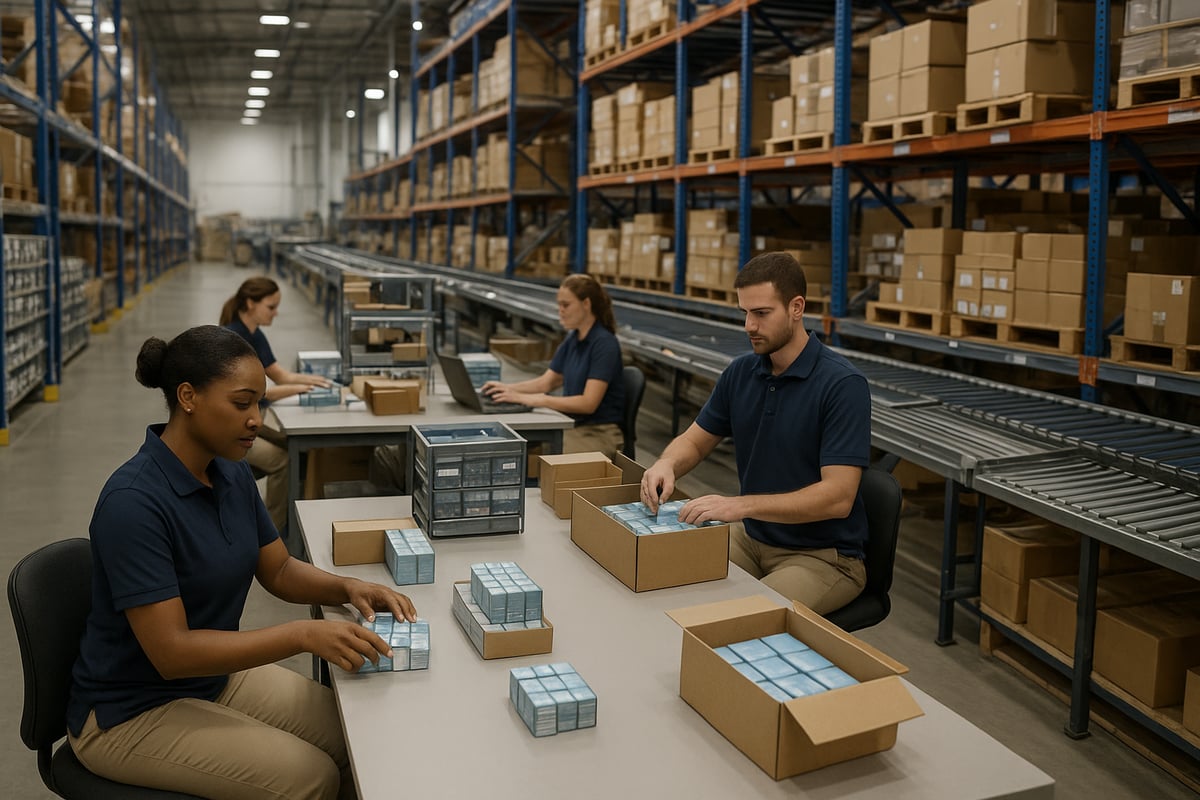
Kitting services streamline the picking and packing process, making fulfillment faster and less labor-intensive. Instead of handling each item separately, staff assemble kits in advance, reducing the number of touches per order. This approach minimizes shipping errors, improves order accuracy, and lowers labor costs.
For example, an electronics supplier using kitting services reported a 30% reduction in fulfillment time. Industry reports show companies can save up to 25% in costs after adopting kitting services. The result is a more efficient warehouse with less congestion and improved productivity.
Enhanced Customer Experience
Kitting services enable faster order processing and on-time delivery, meeting the rising expectations of modern consumers. Kits are professionally assembled, ensuring a consistent and attractive presentation for every customer. This enhances the unboxing experience, making it memorable and increasing perceived value.
Subscription box brands rely on kitting services to curate unique experiences each month. For an inside look at how this works, explore these subscription box fulfillment strategies. By leveraging kitting services, brands ensure every box delights the recipient and builds loyalty.
Scalability and Flexibility
As demand spikes or new products launch, kitting services provide the agility needed to scale operations quickly. Pre-assembled kits allow businesses to respond to seasonal trends, flash sales, or product updates without disrupting existing workflows.
Kitting services also support mass customization, enabling companies to offer personalized bundles without increasing complexity. Whether serving retail, direct-to-consumer, or B2B channels, this flexibility is key in the fast-paced 2026 marketplace.
Inventory Optimization
With kitting services, businesses optimize inventory by assembling products based on real demand. This reduces excess stock and minimizes the risk of obsolete inventory. Improved forecasting and demand planning are possible, thanks to the integration of kitting with inventory management systems.
Apparel brands, for instance, use kitting services to bundle size and color variations, helping them better match supply with customer preferences. This leads to higher inventory turnover and reduced holding costs.
Sustainability and Waste Reduction
Sustainability is increasingly important, and kitting services play a vital role in reducing waste. By optimizing packaging and assembling kits efficiently, companies use fewer materials and minimize environmental impact.
Many organizations report a 15% reduction in packaging waste after adopting kitting services. This not only supports green initiatives but also appeals to eco-conscious consumers. Choosing kitting services is a smart move toward a more sustainable and responsible supply chain.
Latest Trends and Innovations in Kitting Services for 2026
Modern supply chains are transforming rapidly, and kitting services are evolving at the forefront of this change. In 2026, businesses are leveraging new technologies and strategies to drive efficiency, meet customer demands, and ensure resilience. Let’s explore the most impactful trends shaping kitting services for the future.

Automation and Robotics
Automation is revolutionizing kitting services by boosting speed, precision, and scalability. Advanced robotics now handle repetitive kit assembly tasks, reducing manual labor and minimizing errors. Automated kitting lines seamlessly integrate with warehouse management systems, enabling real-time tracking and rapid order fulfillment.
Large fulfillment centers are deploying robotics for complex kit configurations, supporting higher order volumes and faster turnaround. According to Kitting Automation Systems Market Growth, the global market for automated kitting solutions is projected to expand significantly, reflecting the rising adoption of these technologies. For businesses aiming to future-proof their kitting services, investing in automation is quickly becoming a necessity.
Data-Driven Kitting and AI
Artificial intelligence is transforming how companies approach kitting services. AI-powered analytics enable businesses to forecast demand, optimize kit composition, and adjust inventory in real time. With dynamic kit assembly, companies can respond instantly to changing customer preferences and seasonal trends.
Real-time inventory tracking, powered by AI, reduces stockouts and improves order accuracy. In fact, 60% of top-performing warehouses plan to deploy AI-driven systems by 2026, reflecting a shift toward data-centric decision-making. By harnessing data and automation together, kitting services can deliver unprecedented agility and efficiency.
Customization and Personalization
Personalized experiences are now a core expectation in e-commerce and retail. Kitting services are adapting by offering highly customizable kits tailored to individual customer preferences. Technology enables mass customization without adding operational complexity.
For example, beauty brands let customers build their own kits, selecting shades or products to curate a unique set. This trend not only boosts customer satisfaction but also strengthens brand loyalty. Kitting services that support personalization are well-positioned to capture emerging market opportunities in 2026.
Sustainable Kitting Practices
Sustainability is a top priority for brands and consumers alike. Kitting services are adopting eco-friendly packaging materials, optimizing kit sizes, and implementing circular logistics with reusable components. These practices help reduce environmental impact and support corporate green initiatives.
Companies report a 15% reduction in packaging waste through optimized kitting processes, highlighting the tangible benefits of sustainable approaches. As sustainability becomes a primary selection criterion for 70% of brands, kitting services must prioritize environmentally responsible solutions to remain competitive.
Omnichannel Fulfillment Integration
Kitting services are increasingly supporting omnichannel strategies, preparing kits for both online and brick-and-mortar retail channels. Real-time syncing of inventory across platforms ensures consistent product availability and seamless customer experiences.
Brands are leveraging kitting services to enable BOPIS (buy online, pick up in store) and other hybrid models. This integration improves order accuracy, reduces lead times, and enhances overall fulfillment flexibility. Businesses that align kitting services with omnichannel needs will outperform in a rapidly evolving retail landscape.
Compliance and Traceability
Regulatory compliance and traceability are critical for industries like healthcare and electronics. Kitting services must adhere to strict assembly standards, using barcoding and RFID technologies to track components and finished kits.
These measures ensure accurate documentation, support recalls if necessary, and meet industry-specific regulations. By embedding compliance and traceability into kitting services, companies build trust and safeguard their supply chains.
Step-by-Step Guide: Implementing Kitting Services in 2026
Implementing effective kitting services in 2026 requires a systematic, data-driven approach. Companies that follow a clear step-by-step process can unlock substantial operational gains and long-term competitive advantages.
Step 1: Assess Your Kitting Needs
Begin by analyzing your current fulfillment process to identify where kitting services can create the most value. Review order histories to spot trends in items frequently purchased together. Determine whether your business would benefit from static kits, such as standardized product bundles, or dynamic kits tailored to specific customer requests.
Evaluate the pain points in your existing workflow, including bottlenecks, frequent errors, or slow turnaround times. Consult with warehouse staff and review customer feedback for additional insights. This initial assessment ensures your investment in kitting services aligns with actual business requirements and customer expectations.
Step 2: Design Efficient Kits
Once needs are identified, focus on creating kits that maximize efficiency and appeal. Select products for bundling based on demand patterns, compatibility, and inventory turnover rates. Use data analytics to forecast which items work best together, reducing the risk of excess stock or obsolete inventory.
Optimize kit packaging and labeling to streamline picking and packing. Consider using 3D modeling or layout software to plan kit arrangements for minimal material usage and maximum protection. Well-designed kits not only enhance operational flow but also improve the customer’s unboxing experience, reinforcing the value of your kitting services.
Step 3: Integrate Technology and Automation
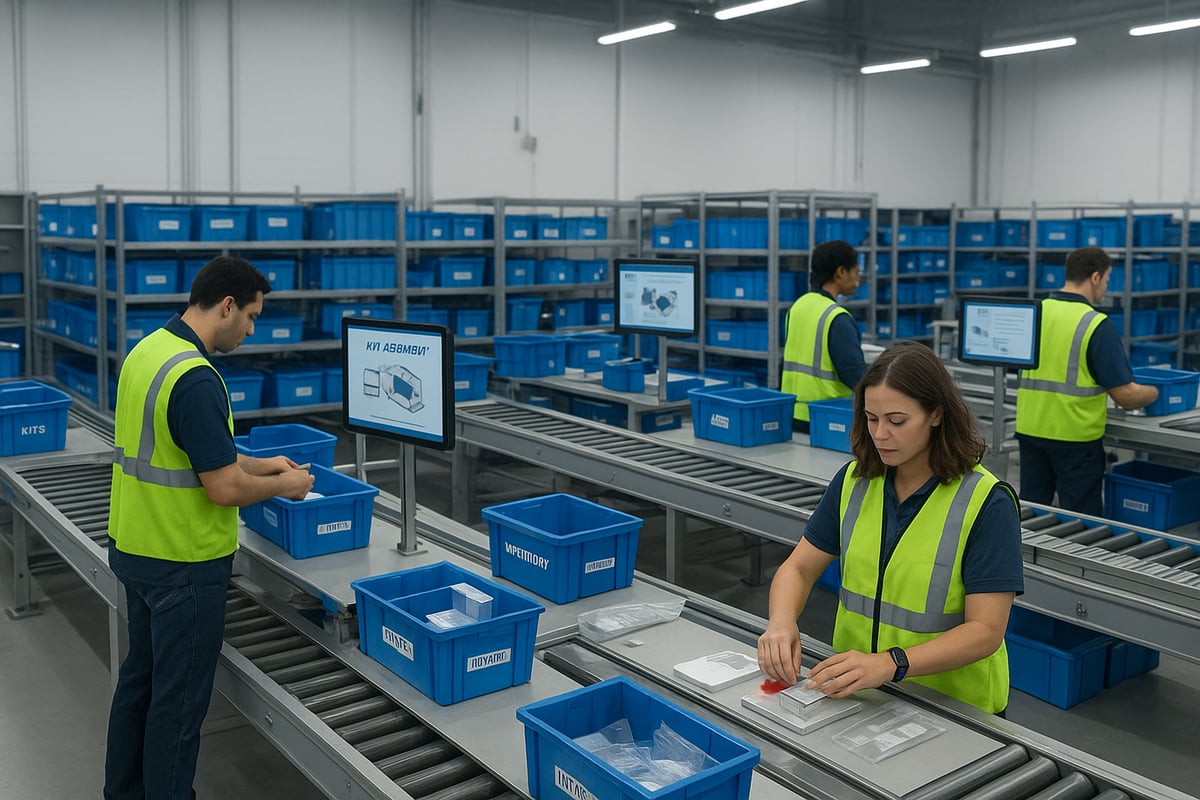
Leverage technology to elevate your kitting services. Implement kitting software or warehouse management system (WMS) modules with built-in kitting functionality. Automation can include conveyor belts, sorting machines, or even robotics for repetitive kit assembly tasks.
To stay ahead, study Warehouse Automation Trends 2026 for insights on the latest advancements. Integrate these systems with inventory and order management platforms to enable real-time tracking and error reduction. A technology-driven approach ensures your kitting services remain scalable and resilient as business needs evolve.
Step 4: Establish Kitting Workflows
Develop standardized operating procedures for every step of kit assembly. Clearly document processes for picking, packing, quality checks, and shipping. Training staff on these workflows is essential, whether using in-house teams or partnering with third-party logistics providers.
Set up defined workstations with the right tools and materials. Implement quality control checkpoints to guarantee consistency and accuracy in every kit. By establishing robust workflows, you can maintain high standards and reliability across all kitting services.
Step 5: Launch, Monitor, and Optimize
Begin with a pilot program, using select SKUs or limited customer segments to test your new kitting services. Monitor key performance indicators such as fulfillment speed, order accuracy, and customer satisfaction. Collect feedback from both staff and customers to identify areas for improvement.
Continuously refine kit design, packaging, and assembly processes based on real data. Regular optimization ensures your kitting services adapt to changing demand and maintain efficiency over time, supporting sustainable growth.
Challenges and Solutions
Implementing kitting services may present challenges like SKU proliferation, poor kit design, or inventory mismatches. To address these, conduct regular reviews of kit composition and inventory levels. Upgrade technology as needed to prevent errors and inefficiencies.
Clear communication among teams is vital to avoid misunderstandings or delays. For example, a retailer resolving inventory issues with real-time tracking can significantly boost accuracy. By proactively addressing these challenges, you ensure your kitting services deliver consistent value and support your long-term business goals.
How to Choose the Right Kitting Service Provider for 2026
Selecting the ideal partner for your kitting services is a pivotal step toward fulfillment success in 2026. With the market rapidly evolving, your choice can impact efficiency, scalability, and customer satisfaction. Let’s break down the essential factors to consider as you evaluate potential providers.
Key Selection Criteria
Begin your search by defining the criteria that matter most to your business. Experience with your industry is non-negotiable, as is expertise in handling your specific product types. Look for technology capabilities that support automation, real-time tracking, and seamless integration with your systems.
Scalability is vital for adapting to growth and seasonal surges. Sustainability practices and regulatory compliance should also be priorities, especially as eco-friendly fulfillment becomes standard. Transparent pricing and clear service level agreements (SLAs) are essential for building trust.
Here is a quick comparison table for reference:
| Criteria | Why It Matters |
|---|---|
| Industry Experience | Ensures understanding of your needs |
| Technology | Improves speed and accuracy |
| Scalability | Supports business growth |
| Sustainability | Meets modern expectations |
| Transparent Pricing | Avoids hidden costs |
For readers new to logistics, understanding what are fulfillment services can provide valuable context as you assess kitting services providers.
Questions to Ask Potential Providers
When interviewing providers, ask direct questions that reveal their strengths and limitations. Here are some key questions to include:
- What is your order accuracy rate and average fulfillment speed?
- How do you handle custom or dynamic kitting services requests?
- Can you provide real-time inventory and order visibility?
- What sustainability practices are in place?
- How do you support omnichannel fulfillment?
These questions will help you identify providers that align with your operational goals and ensure that their kitting services can handle your unique business requirements.
Evaluating Case Studies and References
A trustworthy provider will have a portfolio of case studies and references relevant to your sector. Request examples of successful partnerships with businesses similar to yours, focusing on measurable outcomes.
Review how providers have solved challenges related to kitting services, such as managing complexity or scaling during peak periods. According to industry data, 95 percent of companies report higher satisfaction when their provider offers robust case studies and references.
Take time to verify testimonials, and look for evidence of continuous improvement in their fulfillment processes.
Onboarding and Partnership Considerations
Smooth onboarding is critical for a successful transition to a new kitting services partner. Clarify the implementation timeline and available support resources before making your choice.
Ensure your team receives adequate training on new systems and processes. Open communication channels and regular performance reviews will help maintain alignment as your partnership evolves.
A strong provider will offer ongoing support, proactively address issues, and collaborate with you to optimize kitting services as your business grows.
Red Flags to Avoid
Stay alert for warning signs that could indicate potential problems with a kitting services provider:
- Lack of transparency in pricing or reporting
- Inflexible processes that do not adapt to your needs
- Outdated or poorly integrated technology
- Unclear SLAs or inconsistent communication
- Limited experience with multi-channel fulfillment
If you notice any of these red flags during the evaluation process, consider exploring alternative providers who are better equipped to support your fulfillment strategy.
Future Outlook: The Evolving Role of Kitting in Supply Chain Success
The future of kitting services is set to redefine supply chain excellence in 2026. As global markets become more dynamic, companies are leveraging kitting services to drive efficiency, accelerate product launches, and respond rapidly to shifting consumer demands. Organizations that view kitting as a strategic asset are better prepared to navigate uncertainty and seize growth opportunities.
Kitting as a Strategic Advantage
Kitting services will play a vital role in enabling faster, more agile supply chains. By pre-assembling kits, businesses can shorten lead times and streamline order fulfillment. This approach allows brands to launch new products quickly and adapt to emerging trends with minimal disruption.
For example, companies using kitting services can efficiently roll out limited-edition bundles or promotional packs to capture market attention. This agility not only improves competitiveness but also enhances customer loyalty by delivering products that match evolving preferences.
Integration with Emerging Technologies
The next wave of kitting services will be shaped by advanced technologies. Automation, robotics, and AI are transforming kit assembly and inventory management processes. Many manufacturers are already adopting automated kitting lines for precision and speed, as highlighted in Supply Chain Automation in Manufacturing.
Additionally, the global market for kitting robots is projected to see significant growth, driving continuous improvements in efficiency and scalability. For more insights, explore the Kitting Robots Market Outlook 2026–2036. These innovations make kitting services more adaptable, data-driven, and responsive to market needs.
The Shift Toward Personalization and Sustainability
Personalization is becoming a cornerstone of kitting services. Businesses are increasingly using data analytics and digital tools to create customized kits tailored to individual customer preferences. This trend enhances the perceived value of products and fosters stronger brand relationships.
Sustainability is also a rising priority. Companies are optimizing packaging, reducing waste, and selecting reusable components within kitting services. These efforts support environmental goals and resonate with consumers who prioritize eco-friendly solutions when choosing brands.
Preparing for 2026 and Beyond
Looking ahead, successful organizations will focus on continuous improvement within their kitting services. Investing in automation, predictive analytics, and sustainable practices will be essential for staying ahead of the competition. Industry data indicates that 80% of businesses plan to increase investment in kitting and automation by 2026, reflecting the growing recognition of their strategic value.
Building strong partnerships with forward-thinking providers and regularly evaluating performance will help businesses unlock the full potential of kitting services in the years to come.
Final Takeaways
In summary, kitting services are positioned as a critical driver of operational excellence and customer satisfaction in 2026 and beyond. Embracing innovation, sustainability, and agility through advanced kitting solutions will empower companies to thrive in a rapidly changing marketplace.
The businesses that prioritize kitting services as part of their fulfillment strategy will be best equipped to achieve growth, resilience, and long-term success.
As you look ahead to 2026, it’s clear that mastering kitting services can transform your fulfillment strategy—helping you deliver faster, reduce costs, and delight your customers at every touchpoint. If you’re ready to streamline your operations and stay ahead of the competition, partnering with a proven expert like Ecom Automation Prep can make all the difference. With tailored solutions for fast growing e commerce brands and seamless integration with leading platforms, we’re here to help you scale with confidence. Let’s explore how we can support your success—Contact Us today to start the conversation.





[…] delivers value to customers while dramatically reducing per-item shipping costs. Professional kitting services enable e-commerce brands to create product bundles that ship more efficiently than individual […]