

In 2026, ecommerce businesses face a rapidly changing landscape where consumer expectations and competition are higher than ever. Fast delivery, seamless experiences, and reliable service are no longer optional—they are the standard.
This guide explores how brands can gain an edge with ecommerce logistics solutions. Discover strategies for automation, last-mile delivery, global fulfillment, and sustainable practices. Learn from real-world examples and industry experts to stay ahead.
Adopting the right ecommerce logistics solutions will ensure your business thrives, not just survives. Ready to future-proof your operations and delight your customers?
The Ecommerce Logistics Landscape in 2026
In 2026, ecommerce logistics solutions are at the heart of how brands compete, grow, and deliver exceptional customer experiences. The global ecommerce market is accelerating rapidly, with online sales expected to surpass $8 trillion by 2027. This explosive growth is mirrored in the logistics sector, where the market is projected to reach $729.1 billion by 2026. Businesses are investing in smarter, faster, and more resilient ecommerce logistics solutions to keep pace.
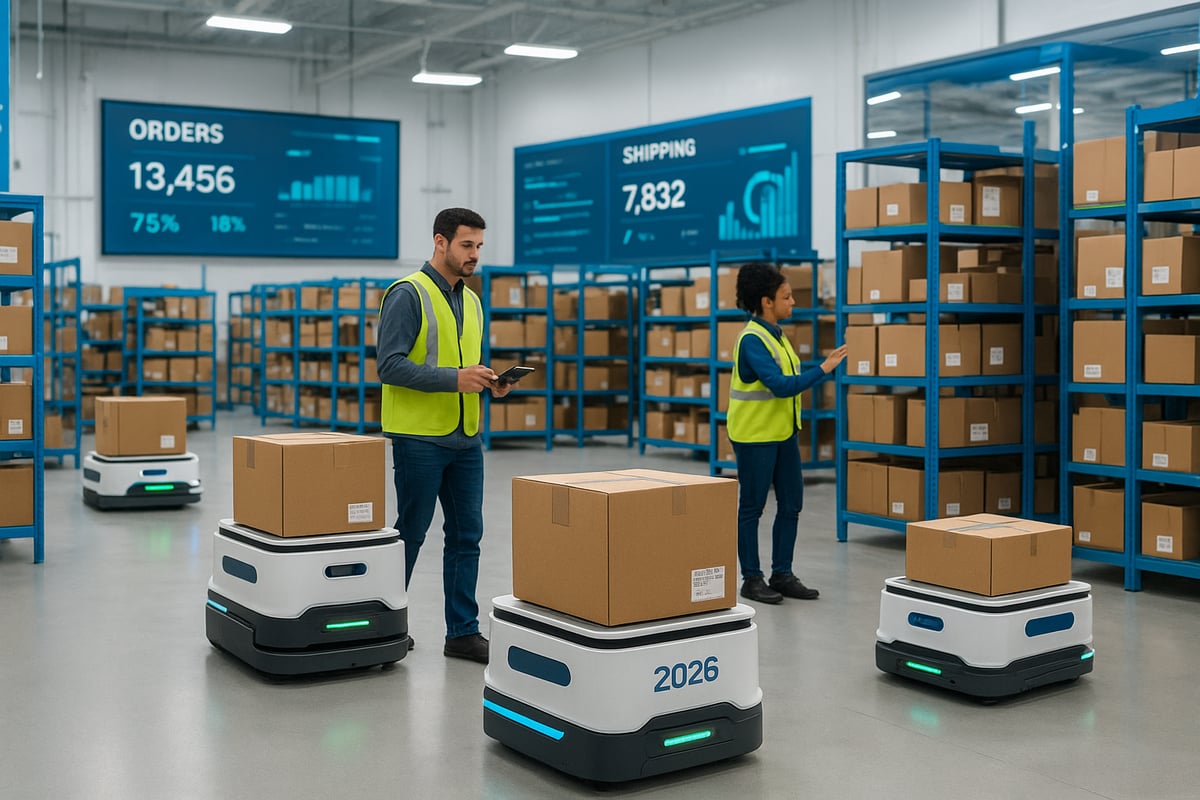
Consumer expectations are redefining logistics standards. Shoppers now demand:
- Next-day or even same-day delivery
- Real-time order tracking and transparent updates
- Personalized packaging and service options
This shift means ecommerce logistics solutions must be agile and customer-centric. Brands that can deliver on speed and transparency are the ones winning loyalty in 2026.
Omnichannel fulfillment has become the norm. Retailers seamlessly connect online stores, brick-and-mortar locations, and major marketplaces to offer a unified experience. For example, a customer might order online and pick up in-store, or return an item bought on a marketplace to a physical location. Ecommerce logistics solutions integrate these channels for smooth inventory flow and customer satisfaction.
The rise of cross-border ecommerce is another defining trend. Selling globally opens up massive opportunities but also introduces new complexities. Businesses must navigate customs regulations, international shipping, multi-currency transactions, and local tax laws. Leading ecommerce logistics solutions now include built-in tools and partnerships to handle these challenges, making global expansion more accessible.
Supply chain disruptions have taught hard lessons in recent years. Natural disasters, geopolitical tensions, and sudden demand spikes have shown that rigid logistics networks are vulnerable. In response, companies are prioritizing resilience and agility. Flexible warehousing, multi-carrier shipping strategies, and distributed inventory placement are now standard features of robust ecommerce logistics solutions.
Data and analytics play an increasingly central role. Real-time dashboards help brands monitor inventory, forecast demand, and optimize shipping routes. By leveraging advanced analytics, businesses can make proactive decisions, minimize stockouts, and avoid costly overages. This data-driven approach is a competitive necessity in 2026.
Industry leaders offer valuable insights. UPS and NXTPoint Logistics, for example, emphasize the importance of multi-site fulfillment networks, real-time visibility, and flexible warehousing. These strategies enable faster shipping, reduced costs, and a better customer experience.
Example:
A major retailer uses a distributed fulfillment network, strategically placing inventory in multiple warehouses across regions. This approach, powered by advanced ecommerce logistics solutions, allows them to ship orders from the location closest to the customer. As a result, they consistently achieve faster delivery times and lower shipping costs, even during peak seasons.
In summary, the ecommerce logistics landscape in 2026 is defined by rapid growth, rising consumer demands, and the need for resilient, data-driven solutions. Companies that invest in advanced ecommerce logistics solutions are positioning themselves for long-term success in an increasingly competitive global market.
Core Components of Modern Ecommerce Logistics
Ecommerce logistics solutions comprise several interconnected components, each critical to delivering a seamless customer experience in 2026. By optimizing warehousing, order fulfillment, and shipping, brands can build a robust logistics foundation that supports growth and scalability.
Warehousing and Inventory Management
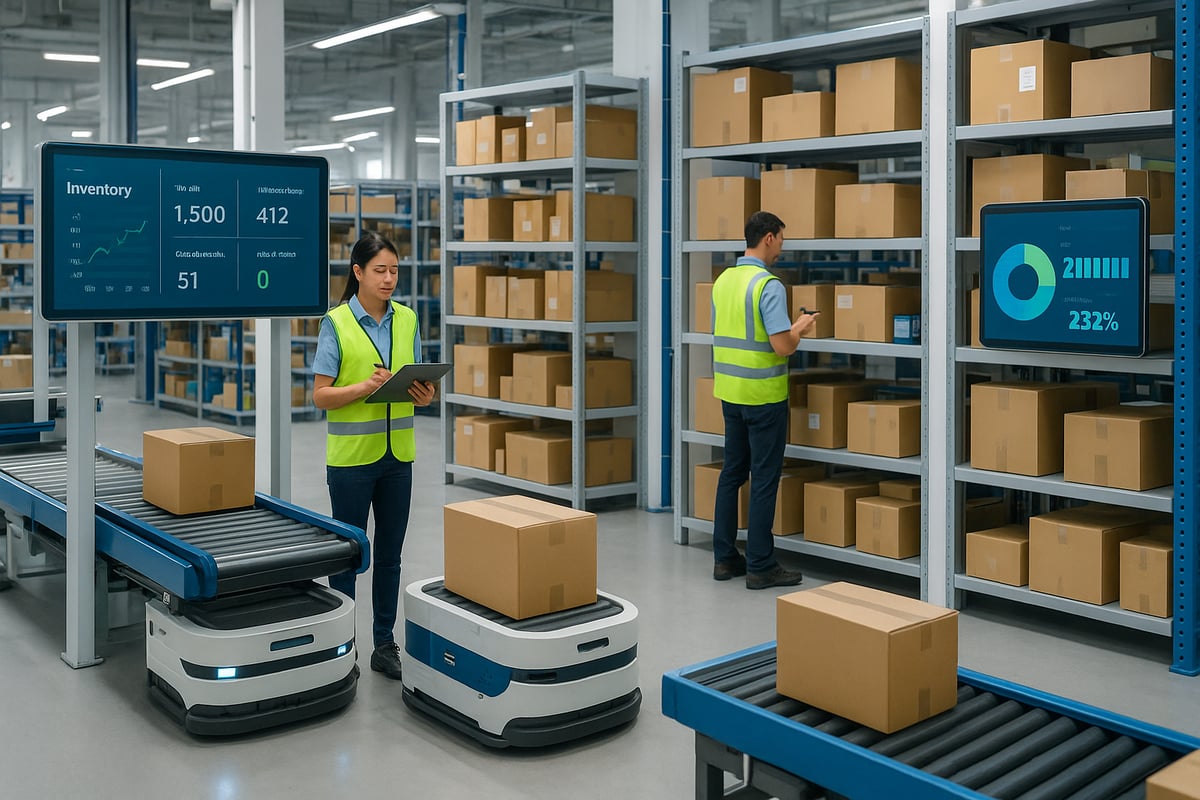
Strategic warehousing is the backbone of effective ecommerce logistics solutions. Leading brands position warehouses close to major customer hubs, reducing delivery times and shipping costs. UPS, for example, utilizes bi-coastal campuses to serve both coasts quickly.
Automation is transforming storage with robotics, smart shelving, and AI-driven inventory tracking. These technologies enable real-time inventory visibility, ensuring stock levels are accurate and orders are fulfilled promptly. Regular cycle counting and auditing further minimize the risk of stockouts or overcommitted products.
A prime example is UPS's use of automated cycle-counting inventory systems, which help avoid missed sales and customer dissatisfaction. By integrating these advances, ecommerce logistics solutions provide the agility and transparency needed for modern retail.
Order Fulfillment and Processing
Efficient order fulfillment is at the core of ecommerce logistics solutions. Automation in picking, packing, and shipping reduces manual errors and speeds up processing, allowing businesses to keep pace with customer expectations for rapid delivery.
Multi-channel order management is essential, as brands sell across DTC, B2B, and marketplace platforms. Integrating these channels streamlines fulfillment, ensuring consistency and compliance with marketplace requirements like those from Amazon and Walmart. Custom kitting, bundling, and value-added services further differentiate the customer experience.
For a deeper understanding, explore fulfillment service options for ecommerce, which outlines how specialized packaging, advance shipping notices, and compliance protocols help brands avoid costly chargebacks. These innovations ensure ecommerce logistics solutions remain competitive and adaptable.
Transportation, Shipping, and Final Mile Delivery
Transportation and final mile delivery are where ecommerce logistics solutions truly impact customer satisfaction. Multi-modal shipping options, including air, ground, ocean, and express, allow businesses to optimize routes based on speed and cost.
Route optimization and dynamic carrier selection help brands respond to fluctuations in demand and avoid delays. Partnerships with major carriers provide access to volume discounts and expanded service coverage. Final mile innovation, such as white glove, threshold, and room-of-choice deliveries, elevates the customer experience.
Reverse logistics is another crucial element. Streamlined returns management builds trust and encourages repeat purchases. NXTPoint’s flexible domestic and international transportation mix exemplifies how diversified strategies can support both fast local delivery and global reach. By focusing on these areas, ecommerce logistics solutions deliver reliability and flexibility for brands navigating the evolving landscape.
Technology-Driven Logistics Solutions
The future of ecommerce logistics solutions is defined by rapid innovation, intelligent automation, and seamless system integration. As businesses face growing demands for speed, transparency, and accuracy, technology becomes the backbone of operational excellence. Let us explore the essential tech-driven pillars that are reshaping ecommerce logistics solutions for 2026.
Automation and Robotics in Fulfillment
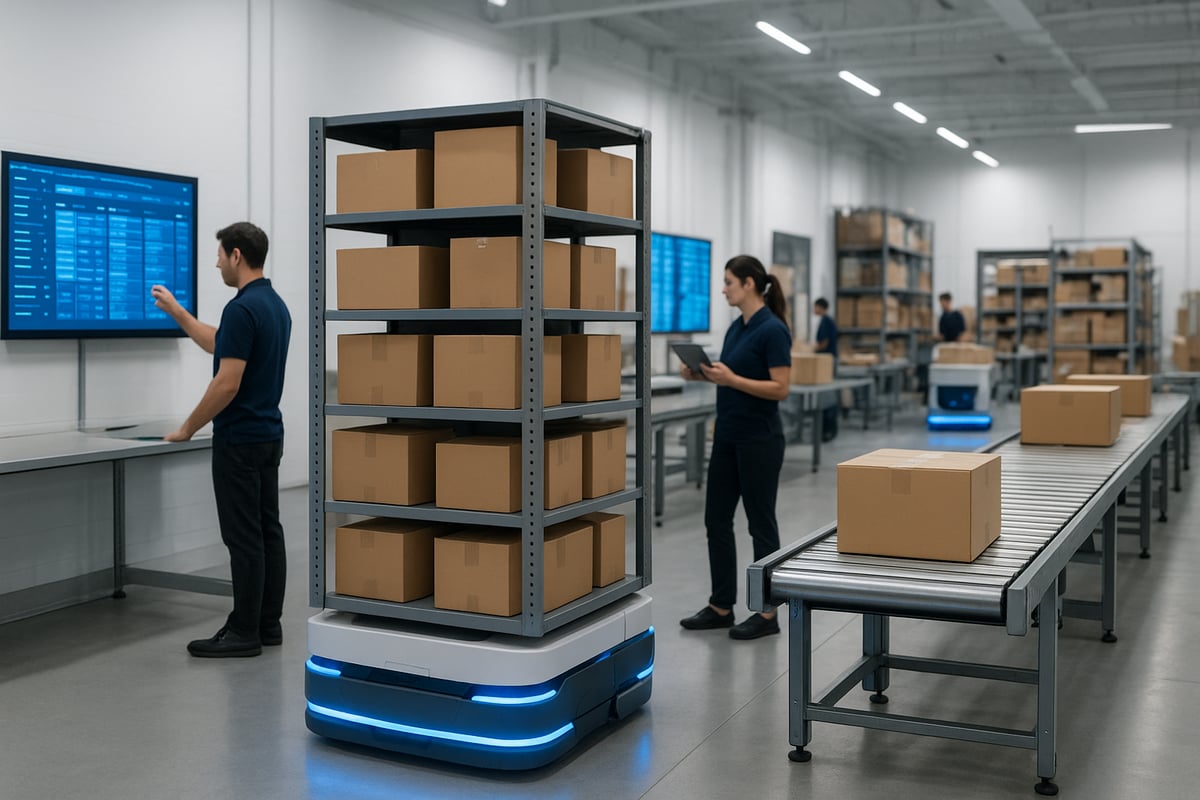
Automation is revolutionizing ecommerce logistics solutions, enabling brands to process orders with unprecedented speed and accuracy. Robotics systems streamline picking, packing, and sorting, handling high-volume and seasonal spikes efficiently.
- Automated guided vehicles transport goods across warehouses.
- Smart conveyors and robotic arms handle sorting and packaging.
- AI-driven systems optimize both storage and retrieval operations.
UPS, for example, utilizes automated multi-client fulfillment centers to support large-scale operations. These technologies help reduce labor costs and minimize human error, allowing staff to focus on value-added tasks. By investing in advanced automation, ecommerce brands can scale fulfillment while maintaining high service levels. This approach ensures ecommerce logistics solutions are future-ready and adaptable to shifting consumer expectations.
Real-Time Visibility and Data Analytics
Visibility is at the core of effective ecommerce logistics solutions. Advanced tracking portals, such as UPS Supply Chain Symphony™, provide businesses with live updates on inventory and orders. Predictive analytics tools enable demand forecasting, ensuring the right products are in the right place at the right time.
- Integration with shopping carts, APIs, and EDI supports seamless data flow.
- Power BI dashboards deliver actionable supply chain insights.
- Predictive models help optimize inventory allocation and reduce stockouts.
Staying ahead of trends is vital. For a deeper dive into how analytics, automation, and sustainability are transforming shipping, explore these emerging trends in ecommerce shipping for 2026 and beyond. Leveraging real-time data empowers decision-makers to react swiftly, manage exceptions, and keep customers informed at every step.
Integration and Connectivity
Seamless integration is a non-negotiable aspect of modern ecommerce logistics solutions. Connecting warehouse management systems, order platforms, and carrier networks enables true omnichannel fulfillment.
- APIs bridge shopping carts, marketplaces, and ERPs.
- EDI facilitates large-scale B2B transactions.
- Centralized data repositories create a single source of truth.
With robust integration, brands gain real-time insights and automate workflows. This connectivity eliminates silos, reduces manual data entry, and supports consistent customer experiences across all channels. For ecommerce logistics solutions to succeed in 2026, integration must be prioritized during technology selection and implementation.
Security, Compliance, and Risk Management
Safeguarding data and maintaining compliance are critical in ecommerce logistics solutions. Platforms must protect sensitive customer and business information through encryption and strict access controls.
- Regular audits ensure adherence to domestic and international regulations.
- Risk management frameworks identify and address supply chain vulnerabilities.
- Automated compliance checks reduce errors in customs and shipping documentation.
A secure and compliant logistics infrastructure reduces the risk of costly disruptions. By embedding security and risk management into every layer, ecommerce brands protect both their reputation and customer trust. Resilient ecommerce logistics solutions are those that anticipate threats and adapt quickly to regulatory changes.
Step-by-Step Guide: Building a Resilient Ecommerce Logistics Strategy for 2026
A robust logistics strategy is the backbone of ecommerce success in 2026. With evolving technology and customer expectations, ecommerce logistics solutions must be agile and future-ready. Let’s walk through a practical, step-by-step process to build resilience, efficiency, and scalability into your logistics operations.
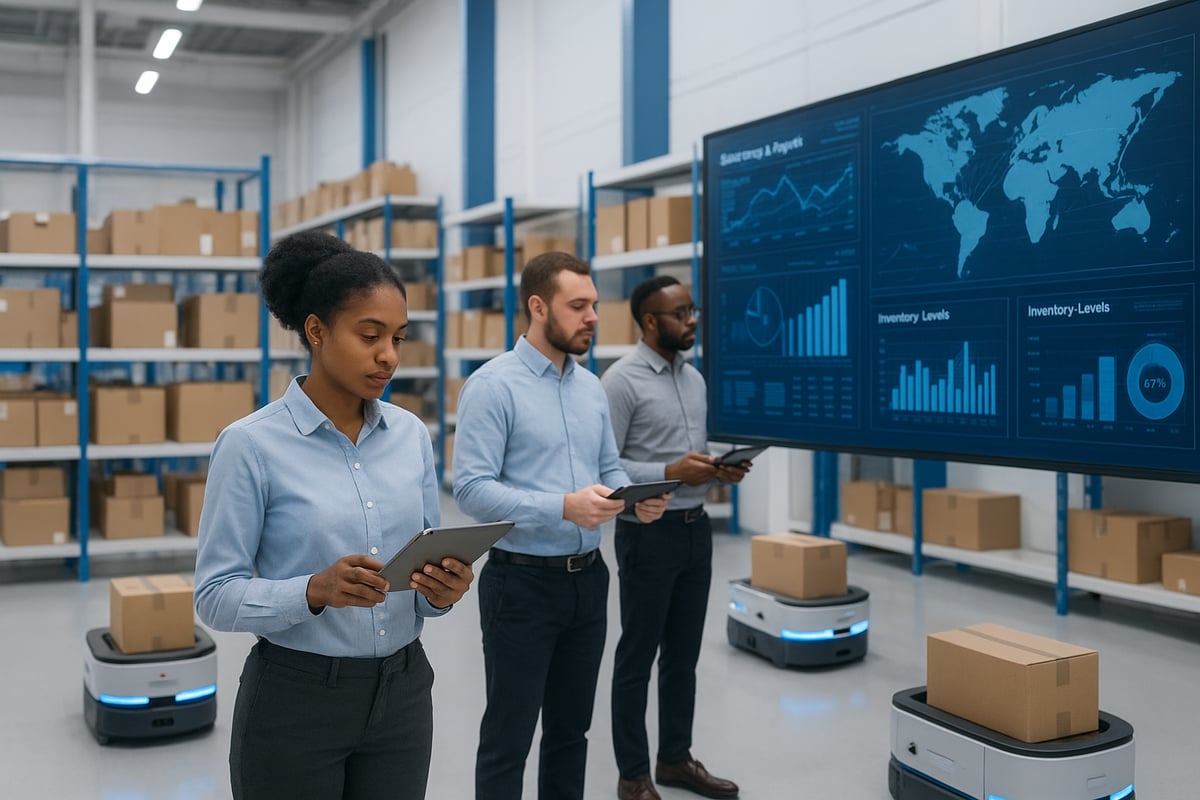
Step 1: Assess and Map Your Supply Chain
Begin by mapping every node in your supply chain. List suppliers, warehouses, carriers, and customer touchpoints in a simple table for clarity:
| Node Type | Example |
|---|---|
| Supplier | Raw material vendor |
| Warehouse | Regional DC |
| Carrier | UPS, NXTPoint |
| Customer | B2C, B2B, Marketplace |
Review recent disruptions, such as delays or shortages, to find vulnerabilities. Benchmark your current performance against top competitors using industry reports. This upfront analysis is essential for designing ecommerce logistics solutions that can withstand shocks and adapt to change.
Step 2: Optimize Warehousing and Inventory Placement
Strategic warehouse locations are crucial for fast, cost-effective delivery. Place warehouses near major customer hubs to minimize transit times. Companies like UPS and NXTPoint Logistics use distributed fulfillment networks, enabling quick response to shifting demand.
Adopt automation for storage and retrieval. Robotics and AI tracking systems provide real-time inventory visibility, reducing the risk of stockouts and overcommits. Integrate cycle counting and frequent audits to maintain data accuracy.
For ecommerce logistics solutions to excel, combine automated processes with strategically placed inventory. This dual approach ensures orders are picked, packed, and shipped with speed and precision, directly impacting customer satisfaction.
Step 3: Streamline Order Fulfillment Processes
Efficient order fulfillment is a pillar of ecommerce logistics solutions. Automate picking, packing, and shipping to reduce manual errors and speed up processing. Use standardized workflows across all sales channels—direct-to-consumer, wholesale, and marketplaces—to maintain consistency.
Incorporate value-added services such as kitting, custom labeling, and branded packaging. These extras enhance the unboxing experience and reinforce your brand identity.
Compliance with marketplace requirements is non-negotiable. For example, UPS’s multi-channel fulfillment centers use specialized packaging and advance shipping notices to avoid costly chargebacks and ensure smooth deliveries. Streamlined processes directly translate to higher accuracy and fewer delays.
Step 4: Enhance Transportation and Final Mile Delivery
Transportation is often the most complex aspect of ecommerce logistics solutions. Partner with multiple carriers to gain flexibility and negotiate better rates. Leverage technology for real-time route optimization, ensuring packages take the fastest, most cost-effective path to customers.
Offer a range of delivery options, including same-day, white glove, and hassle-free returns. NXTPoint’s combination of owned fleets and parcel partnerships allows for both domestic and international coverage.
Reverse logistics should not be overlooked. Streamline returns management to boost customer loyalty and recover value from returned goods. Proactive management of final mile delivery ensures a positive brand impression at the customer’s doorstep.
Step 5: Leverage Technology for Visibility and Control
Full visibility is vital for effective ecommerce logistics solutions. Integrate all platforms—order management, inventory, carriers—into a single dashboard for end-to-end monitoring. Use advanced analytics to track performance and spot issues before they escalate.
Tools like the UPS Supply Chain Symphony™ portal offer real-time tracking, predictive analytics, and customizable alerts. This empowers your team to make data-driven decisions and quickly resolve bottlenecks.
With seamless integration and proactive problem-solving, you can promise—and deliver on—exceptional service levels, no matter how complex the supply chain.
Step 6: Plan for Scale, Seasonality, and Global Expansion
As your business grows, your ecommerce logistics solutions must scale with it. Build flexible systems that can handle seasonal peaks and sudden surges in order volume. Prepare for cross-border shipping by understanding customs, duties, and compliance in each target market.
For brands aiming to expand, leveraging resources like Scaling ecommerce operations can provide guidance on preparing logistics for global reach. Take inspiration from multi-phase fixture rollouts used by global retailers to ensure smooth, phased expansion.
Scalable, agile logistics are the foundation for sustained growth and customer satisfaction in the competitive ecommerce landscape of 2026.
Innovations and Trends Shaping Ecommerce Logistics in 2026
The pace of change in ecommerce logistics solutions is unprecedented. In 2026, innovation is no longer optional. It is the foundation for meeting rising customer expectations and staying ahead of global competition. From sustainability to AI, brands that adapt will thrive as the landscape transforms.
Sustainable and Green Logistics
Sustainability has become a key differentiator for ecommerce logistics solutions. Brands are under increasing pressure from both consumers and regulators to adopt eco-friendly practices.
Many companies now use recyclable or biodegradable packaging materials. Green warehousing, powered by solar energy and efficient lighting, is becoming standard. Carbon-neutral shipping options are also gaining traction, with many providers offering customers the choice to offset emissions at checkout.
Shared warehousing is helping reduce the carbon footprint by maximizing space utilization and minimizing unnecessary transport. In addition, smart route optimization software cuts fuel consumption and delivery miles.
These sustainable steps are not just about compliance, they are central to how ecommerce logistics solutions build long-term customer loyalty and resilience. The brands that lead in green innovation will set the benchmark for the industry in 2026.
AI and Predictive Logistics
Artificial intelligence is transforming ecommerce logistics solutions from reactive to proactive systems. AI-driven demand forecasting enables businesses to anticipate trends and align inventory accordingly, reducing waste and stockouts.
Predictive analytics tools analyze historical data and real-time signals to optimize inventory allocation and route planning. This means more accurate deliveries and fewer delays, even during peak seasons. Chatbots and virtual assistants also enhance support, resolving customer queries faster and more efficiently.
Major logistics providers leverage advanced algorithms to allocate orders to the optimal fulfillment center, saving both time and costs. For those seeking technical depth, research on resilient routing in smart logistics via spatiotemporal graph learning highlights how AI can further strengthen supply chain resilience.
AI is not just boosting operational efficiency, it is redefining what is possible for ecommerce logistics solutions.
Hyper-Personalization and Customer Experience
Personalization is no longer limited to marketing; it is embedded throughout ecommerce logistics solutions. Customized delivery options, such as scheduled times or preferred locations, are now expected.
Branded packaging and proactive notifications create memorable unboxing experiences. Customers receive real-time updates and can track their orders at every stage, improving transparency and trust.
Ecommerce logistics solutions that prioritize customer experience set themselves apart. By leveraging data, brands can offer insights and services that feel tailored, building lasting relationships and driving repeat business.
Cross-Border and Global Fulfillment
The globalization of ecommerce requires logistics solutions that can seamlessly handle cross-border complexities. Brands must navigate customs regulations, duties, and taxes while ensuring timely delivery.
Multi-currency and multi-language support in logistics platforms is essential for reaching international markets. As the world becomes more interconnected, partnerships and innovation in last-mile delivery are critical. For example, the USPS to open delivery network to all shippers in 2026 signals a shift toward more inclusive and efficient global fulfillment networks.
Ecommerce logistics solutions that master cross-border challenges will unlock massive growth opportunities in 2026.
Returns Management and Reverse Logistics
Returns are an inevitable part of ecommerce, and effective management is vital for customer satisfaction. Modern ecommerce logistics solutions streamline the returns process with easy-to-use portals, prepaid labels, and transparent policies.
Inspection and disposition processes maximize the recovery value of returned goods. Automation helps process returns quickly, minimizing costs and delays. Platforms that integrate reverse logistics with core operations provide a seamless experience for both customers and retailers.
For a deeper dive, explore Reverse logistics solutions explained, which covers how advanced returns management is shaping the future of ecommerce logistics solutions.
Measuring and Optimizing Ecommerce Logistics Performance
Optimizing performance is the cornerstone of effective ecommerce logistics solutions. Measurement and continuous improvement drive cost savings, customer satisfaction, and resilience in a rapidly evolving market. By focusing on the right metrics and embracing innovation, brands can outpace competitors and meet escalating customer demands.
Key Performance Indicators (KPIs) for Logistics
Tracking the right KPIs is essential to managing ecommerce logistics solutions effectively. These metrics provide clarity on operational efficiency, customer satisfaction, and areas for growth.
Common KPIs include:
| KPI | Description | Target Example |
|---|---|---|
| Order Accuracy Rate | Percentage of error-free shipments | 96% (Ecom Automation Prep) |
| On-Time Delivery | Timely arrivals to customers | 98%+ |
| Inventory Turnover | Stock sold and replaced frequency | 8-12x/year |
| Return Rate | Percentage of returned orders | Under 5% |
| Customer Satisfaction | Measured by NPS or surveys | NPS 50+ |
Ecommerce logistics solutions that focus on these KPIs can proactively identify issues and maintain a high service standard. For example, Ecom Automation Prep achieves a 96% order accuracy rate and processes over 96,000 monthly orders, demonstrating the impact of precise measurement.
Cost Optimization Strategies
Reducing costs while maintaining service levels is a top priority for ecommerce logistics solutions. Brands can unlock significant savings through several proven strategies:
- Negotiating carrier rates to leverage volume discounts
- Using shared warehousing to reduce overhead
- Implementing technology to optimize labor and shipping
Smart use of data and automation also helps minimize errors and speed up fulfillment. For actionable tactics on cutting expenses without sacrificing speed, explore Reducing ecommerce shipping costs for detailed guidance.
Clients of Ecom Automation Prep save up to 90% on shipping, underscoring the power of innovative ecommerce logistics solutions in cost control.
Continuous Improvement and Agility
Continuous improvement is vital for ecommerce logistics solutions to remain agile and responsive. Regular audits, process reviews, and the adoption of new technologies keep operations lean and adaptable.
Cycle-counting inventory and real-time updates, as practiced by UPS, ensure accuracy and help identify inefficiencies quickly. Staying agile allows brands to pivot in response to market shifts, seasonal spikes, or unexpected disruptions.
Case Studies and Real-World Examples
Examining real-world applications reveals how top brands optimize ecommerce logistics solutions for measurable results.
- NXTPoint Logistics enabled a global footwear retailer to execute a multi-phase fixture rollout, meeting international demand with precision.
- UPS supports large retail brands with automated fulfillment, reducing manual errors and improving speed.
- Ecom Automation Prep provides scalable solutions for fast-growing ecommerce brands, enabling them to handle high order volumes and maintain customer satisfaction during rapid expansion.
These examples highlight the tangible benefits of leveraging advanced ecommerce logistics solutions.
Future-Proofing Your Logistics Strategy
Investing in adaptable technology and strategic partnerships is crucial for the future of ecommerce logistics solutions. Building a resilient, customer-centric logistics network positions brands for long-term success, no matter how the market evolves.
As you look ahead to 2026, optimizing your ecommerce logistics isn’t just about keeping pace—it’s about setting your brand apart with fast, reliable fulfillment and seamless customer experiences. We’ve explored how automation, flexible warehousing, and real-time insights can drive growth and resilience for your business. If you’re ready to take the next step and see how a partner like Ecom Automation Prep can help you scale, reduce costs, and deliver on rising customer expectations, let’s connect. You deserve a fulfillment solution built for your ambitions—reach out today to Get A Quote and start planning your success.



[…] language processing (NLP) technologies have found applications in customer service automation for e-commerce logistics solutions. Chatbots handle routine inquiries about order status, shipping times, and product availability, […]