
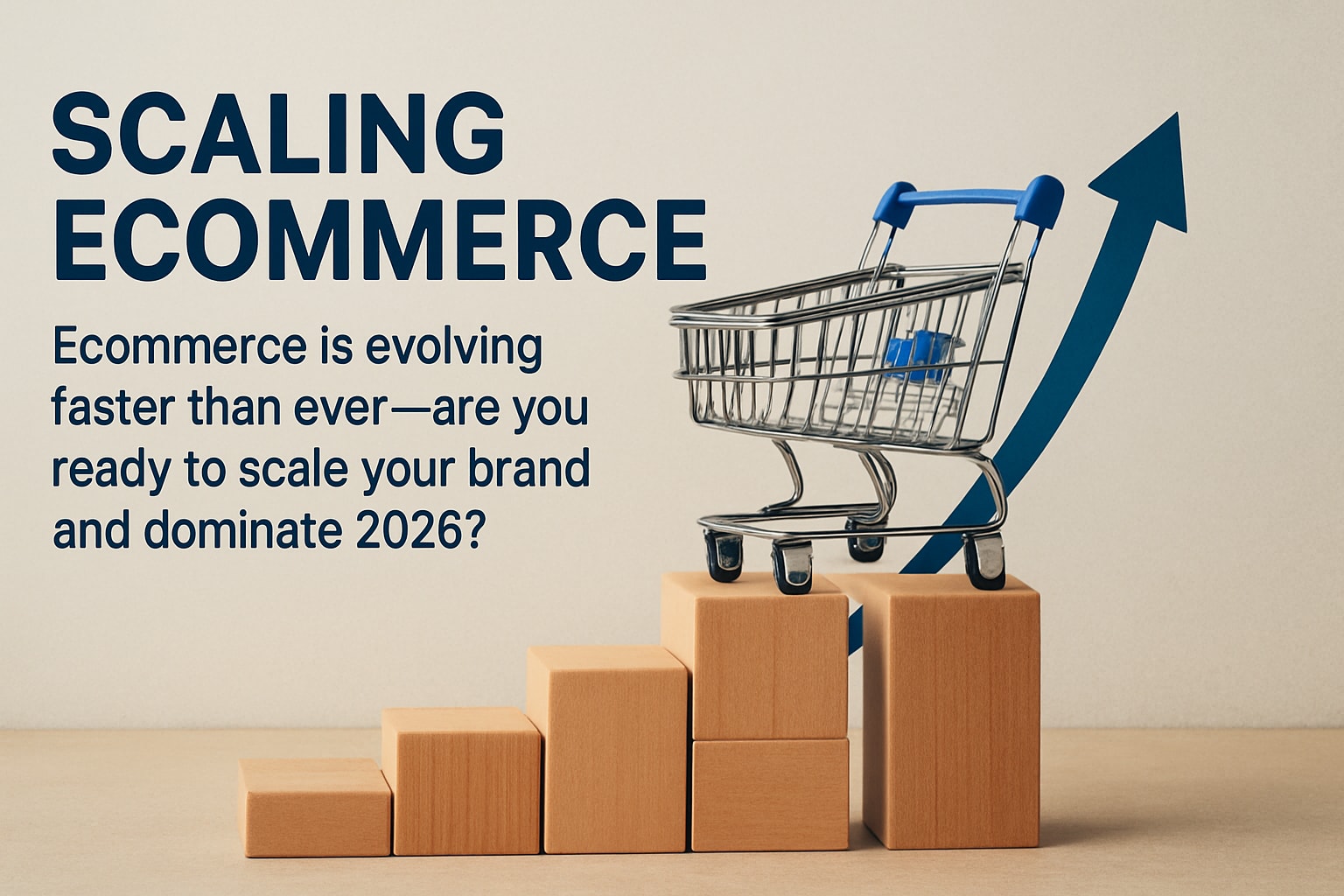

Ecommerce is evolving faster than ever, and scaling ecommerce has become essential for brands aiming to lead in 2026. With 28% of the global population now digital buyers, competition and customer expectations are rising quickly. Many businesses face challenges like operational chaos, bottlenecks, and increased costs. This guide offers expert, actionable strategies for scaling ecommerce efficiently and sustainably. You will discover the real difference between growth and scaling, how to leverage automation, optimize fulfillment, master omnichannel selling, boost retention, and harness data for smarter decisions. Take these insights and elevate your ecommerce success in 2026.
Understanding Scaling vs. Growing in Ecommerce
Ecommerce brands are constantly seeking ways to get ahead, but not every path to higher revenue is created equal. Understanding the difference between growth and scaling ecommerce is crucial for building a business that lasts. In this section, we will clarify these concepts, show why scaling ecommerce is more important than ever in 2026, highlight the biggest challenges, and share the most important metrics to track your progress.
Defining Growth vs. Scaling
Growth and scaling ecommerce may seem similar, but they are fundamentally different. Growth in ecommerce means increasing your resources, such as hiring more staff or adding more products, at the same rate as your revenue increases. For example, if you double your sales but also double your team and costs, you are experiencing growth.
Scaling ecommerce, on the other hand, means boosting your revenue without a proportional increase in resources. Imagine your store doubling its revenue while keeping the same number of employees and maintaining costs. This approach leads to higher profitability and efficiency, making scaling ecommerce the smarter long-term strategy. Ultimately, true scale is measured by how well your business maximizes output with minimal extra input.
Why Scaling is Essential in 2026
The ecommerce landscape in 2026 is more competitive than ever. With 28% of the global population now digital buyers, brands face rising consumer expectations and fierce competition. Scaling ecommerce is essential to stay agile and control costs in this environment.
Brands that focus on scaling ecommerce can adapt quickly to market changes, manage operational expenses, and deliver better experiences. Scalability is not just about size, but about creating a foundation for sustained success and brand longevity. Businesses that prioritize scaling ecommerce will be better equipped to thrive in the evolving marketplace.
Common Scaling Challenges
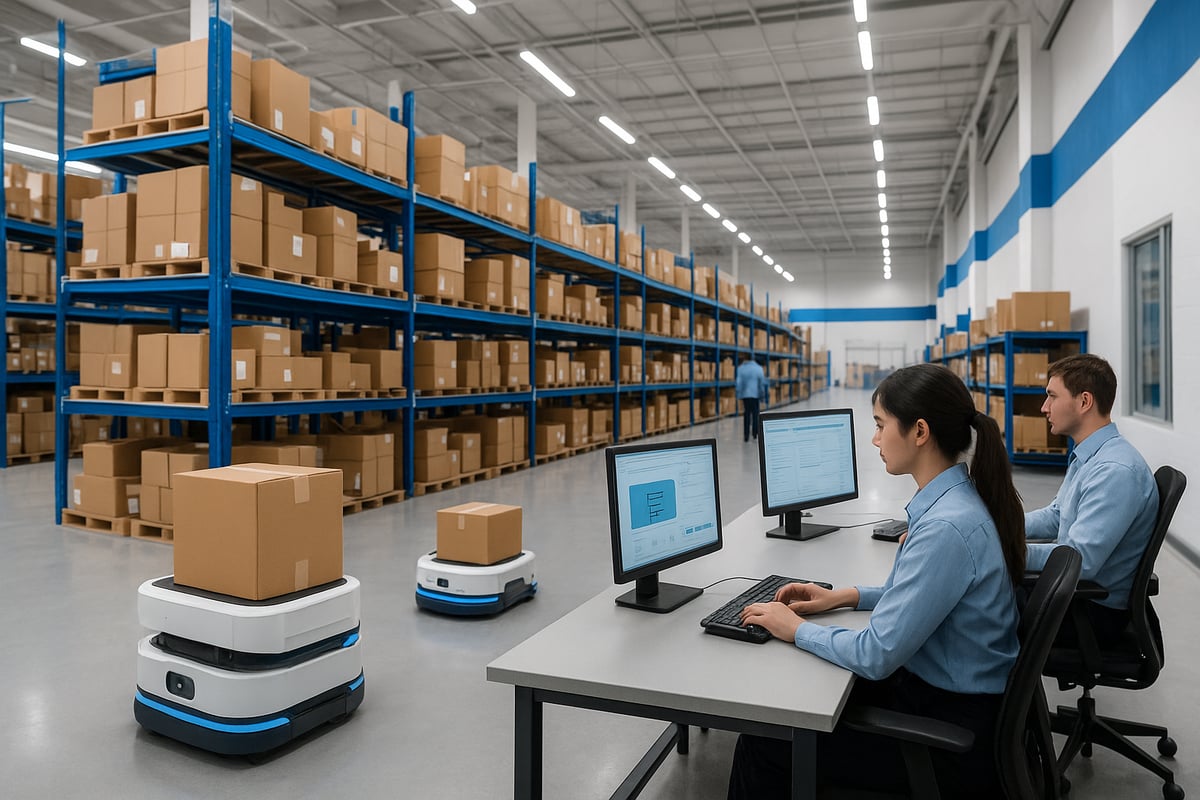
As your business grows, scaling ecommerce introduces new challenges. Increased order volume can overwhelm existing systems, leading to delays and errors. Manual processes often cause bottlenecks, reducing efficiency and increasing the risk of mistakes.
Disconnected platforms result in data silos, making it hard to get a clear picture of your operations. Maintaining consistent customer experiences across multiple channels becomes more complex. Leveraging solutions like fulfillment services for scaling ecommerce can help overcome these hurdles by centralizing and streamlining operational workflows.
Key Metrics for Measuring Scale
To measure the success of scaling ecommerce, focus on key performance indicators that reflect efficiency and profitability:
- Revenue per employee and cost ratio
- Order fulfillment speed and accuracy
- Customer retention and repeat purchase rates
- System uptime and automation coverage
Tracking these metrics helps you understand how well your business is scaling ecommerce. By monitoring these data points, you can identify areas for improvement and ensure your growth is both efficient and sustainable.
Building a Scalable Ecommerce Infrastructure
Building a robust infrastructure is the backbone of scaling ecommerce successfully in 2026. With rising customer expectations and fierce competition, your ability to scale efficiently depends on smart technology choices, streamlined workflows, and resilient fulfillment strategies. Let’s explore the essential components for a future-ready ecommerce foundation.
Choosing the Right Technology Stack
Selecting the right technology stack is the first step in scaling ecommerce. Flexible, integrated platforms like BigCommerce or Shopify Plus enable seamless expansion across channels. These solutions support rapid integration with accounting, inventory, and CRM tools, reducing manual work and data errors.
For example, BigCommerce’s API-driven architecture empowers omnichannel strategies, connecting marketplaces, social commerce, and offline retail. By investing in scalable platforms, you future-proof your operations and maintain the agility needed for scaling ecommerce as your business evolves.
Leveraging Automation for Efficiency
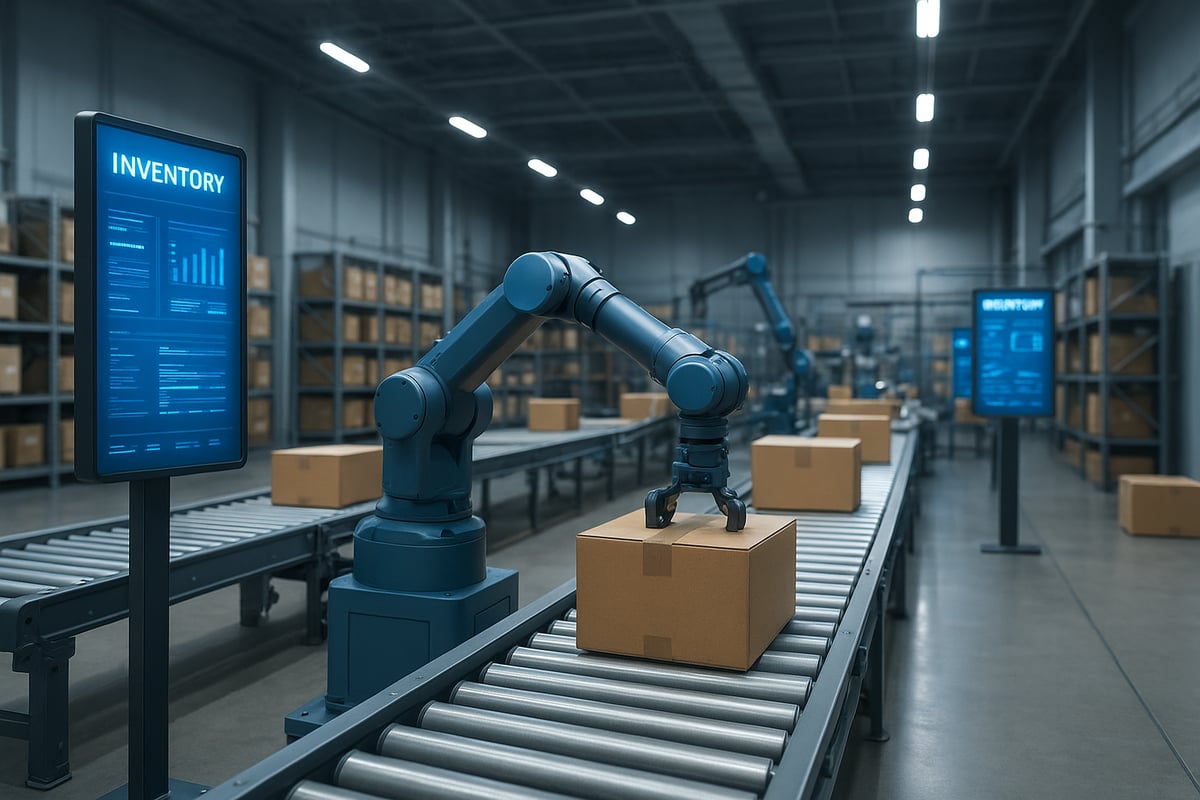
Automation is a game-changer for scaling ecommerce, streamlining repetitive tasks and freeing up resources for growth. Automated order processing, shipping, and customer communication minimize errors and speed up fulfillment. Chatbots deliver 24/7 customer support, while web push notifications recover abandoned carts and nurture leads.
To stay ahead, many brands are implementing cutting-edge warehouse automation, robotics, and AI-driven solutions. For the latest trends shaping efficiency and reliability in ecommerce operations, see Warehouse Automation and Robotics Trends. By leveraging these innovations, you can handle greater order volumes and maintain service quality as you continue scaling ecommerce.
Centralizing Operations with ERP Systems
Centralizing your operations with an ERP system is essential for scaling ecommerce without chaos. ERPs unify inventory, order management, and financial data in real time. This reduces manual entry, eliminates silos, and provides cross-department visibility.
For instance, solutions like Acumatica Retail Commerce Edition are built for scaling ecommerce brands that need to manage complexity with ease. A well-implemented ERP supports faster decision-making and rapid adaptation as you expand your sales channels and product lines.
Streamlining Compliance and Tax Management
As you grow, compliance and tax management become more complex. Scaling ecommerce across multiple regions means navigating different tax rates and regulations. Automating sales tax calculations and filings with tools like Avalara minimizes risks, reduces staff workload, and helps avoid costly audits.
By streamlining compliance, you protect your margins and reputation. Automation ensures accuracy and allows you to focus on scaling ecommerce rather than getting bogged down in administrative details.
Investing in Scalable Fulfillment Solutions
Efficient fulfillment is the engine of scaling ecommerce. Outsourcing to specialized providers or third-party logistics (3PL) partners offers cost savings, faster shipping, and scalability. Many brands benefit from bulk shipping discounts, real-time tracking, and the ability to focus on core business functions.
Choosing a fulfillment partner experienced in scaling ecommerce ensures you can handle peak seasons, manage returns, and maintain customer satisfaction even as order volumes surge. Reliable fulfillment builds the foundation for sustainable, long-term growth.
Optimizing Fulfillment and Logistics for Scale
Efficient fulfillment and logistics are the backbone of scaling ecommerce operations. As order volumes grow and customer expectations rise, brands must rethink their approach to fulfillment, shipping, and returns. Building a scalable logistics strategy is essential for achieving sustainable growth and maintaining a competitive edge in 2026.
The Role of Third-Party Fulfillment Providers
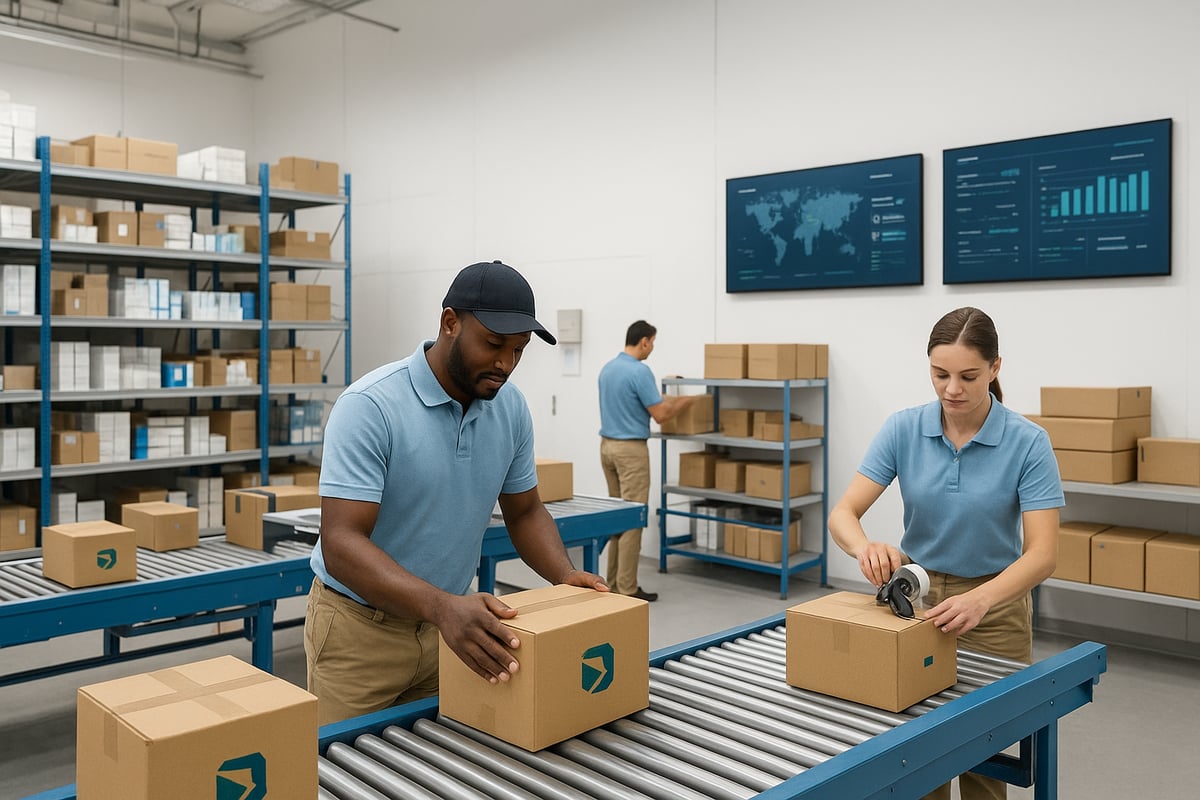
Third-party fulfillment providers play a crucial role in scaling ecommerce for brands aiming to expand quickly. By outsourcing warehousing, picking, packing, and shipping, businesses can access advanced logistics networks without heavy upfront investment.
These providers offer benefits such as bulk shipping discounts, faster delivery options, and scalable infrastructure. Brands like Procter & Gamble leverage external partners to ensure reliable shipping and cost efficiency.
Partnering with fulfillment experts allows ecommerce businesses to focus on innovation and marketing while logistics professionals handle the complexities of order processing. For brands seeking to scale, this approach delivers flexibility and supports rapid growth.
Ecom Automation Prep: Scalable Fulfillment Partner
Ecom Automation Prep stands out as a comprehensive solution for scaling ecommerce brands. Their services cover every stage of fulfillment, from Amazon FBA prep to direct-to-consumer shipping, kitting, and returns. With real-time tracking and a 91 percent order accuracy rate, they ensure dependable service as order volumes increase.
Trusted by over 150 brands, Ecom Automation Prep supports omnichannel sellers by integrating with multiple platforms. Clients benefit from up to 90 percent off shipping rates, award-winning reliability, and risk-free 30-day trials for select services.
For ecommerce companies planning aggressive scaling ecommerce strategies in 2026, choosing a partner like Ecom Automation Prep enables seamless growth, operational efficiency, and customer satisfaction.
Kitting, Bundling, and Subscription Fulfillment
Kitting and bundling are powerful tactics for scaling ecommerce while boosting average order value. By assembling custom product sets or special promotions, brands streamline the pick-and-pack process and simplify shipping logistics.
Subscription box fulfillment is another scalable model, driving recurring revenue and customer loyalty. Automated assembly and inventory tracking make it easy to manage complex subscription offerings as your business grows.
Brands adopting these fulfillment strategies can quickly adapt to new campaigns, reduce shipping complexity, and offer a more personalized customer experience. These approaches are essential components of a robust scaling ecommerce playbook.
Managing Reverse Logistics and Returns
Returns are an inevitable part of scaling ecommerce, and efficient reverse logistics set leading brands apart. Automated returns portals and restocking workflows reduce manual labor and speed up the process for customers.
A seamless returns experience not only improves satisfaction but also helps recover inventory for resale. Leveraging Reverse logistics and returns management solutions streamlines this critical function, minimizes errors, and reduces the risk of costly delays.
For growing ecommerce operations, mastering reverse logistics is key to sustaining profitability and maintaining a positive brand reputation as order volumes increase.
Future-Proofing Your Supply Chain
A future-ready supply chain is vital for scaling ecommerce in a rapidly changing market. Brands need flexibility to manage demand spikes, global expansion, and supply disruptions.
Real-time inventory management paired with predictive analytics enables proactive decision-making. Strategies such as diversifying suppliers, automating order routing, and investing in scalable technologies help brands stay resilient.
By integrating these tactics, ecommerce businesses can ensure operational agility and long-term success. Future-proofing logistics is the final pillar in a comprehensive scaling ecommerce strategy for 2026.
Mastering Omnichannel and Customer Experience at Scale
Delivering a seamless customer journey is the new battleground for scaling ecommerce. As brands grow, maintaining consistency and personalization across every channel becomes essential. A unified customer experience can set your business apart, drive loyalty, and build a reputation for reliability.

Creating Consistent Omnichannel Experiences
Scaling ecommerce requires a unified approach to selling across online, marketplace, and offline channels. Brands that succeed integrate inventory, orders, and customer data to ensure shoppers experience the same service everywhere.
For example, a customer might browse products on their phone, add items to a cart on a desktop, and complete the purchase in a physical store. Consistency in pricing, promotions, and product availability is critical. Unified systems enable brands to avoid overselling and deliver accurate, real-time information.
Maintaining this level of integration supports brand trust. It also reduces operational headaches as your business grows. In scaling ecommerce, omnichannel harmony is not a luxury; it's a necessity for growth.
Personalization and Web Optimization
Modern shoppers expect tailored experiences. With scaling ecommerce, personalization must go beyond first names in emails. AI and advanced segmentation help brands deliver dynamic content, from product recommendations to adaptive search results.
Personalization engines analyze browsing and buying behavior to recommend relevant products, increasing conversion rates. Brands can also use dynamic landing pages and targeted offers to engage specific customer segments. To stay ahead, explore AI-Powered Personalization in Ecommerce for cutting-edge strategies and operational efficiency.
A/B testing and continuous optimization ensure your site remains responsive to changing trends. Effective personalization can turn one-time buyers into loyal advocates, which is vital for scaling ecommerce.
Customer Service Excellence as a Scaling Lever
Outstanding customer support is a powerful differentiator for scaling ecommerce. Providing multi-channel support, including live chat, email, social, and phone, ensures customers feel heard wherever they reach out.
Speed matters. Studies show that 90 percent of customers value prompt responses. Implementing automated chatbots can handle common queries, freeing up human agents for complex issues. Brands like Firmoo have achieved high TrustPilot ratings by prioritizing customer satisfaction.
A scalable support system maintains quality as order volume grows. In the context of scaling ecommerce, investing in customer service infrastructure pays dividends in loyalty and positive word of mouth.
Implementing Scalable Customer Feedback Loops
Trust is built on transparency and listening. Collecting and displaying customer reviews is crucial as you focus on scaling ecommerce. Automated surveys and Net Promoter Score (NPS) tools gather actionable insights without overwhelming your team.
Nine out of ten shoppers read reviews before buying. Featuring authentic feedback on product pages can boost conversions. Brands should automate review requests post-purchase and monitor sentiment trends to drive continuous improvement.
Feedback loops help identify pain points early, allowing brands to adapt quickly. In scaling ecommerce, this agility keeps your customer experience ahead of the competition.
Handling Increased Order Volume Without Sacrificing Quality
As scaling ecommerce drives higher order volumes, operational efficiency becomes a priority. Automated workflows for order processing and fulfillment minimize errors and speed up delivery.
Real-time alerts for inventory shortages and shipping issues prevent customer disappointment. Integrating ERP and fulfillment systems ensures smooth handoffs between departments and avoids bottlenecks.
The goal is to maintain a high standard of service, even as sales surge. By investing in automation and integration, brands can scale confidently and deliver consistently excellent experiences at every stage.
Driving Sustainable Growth Through Retention and Loyalty
Sustainable growth is the foundation of long-term success for any brand scaling ecommerce in 2026. While acquiring new customers is vital, retaining existing ones is both more cost-effective and a catalyst for higher profitability. By prioritizing retention and loyalty, you create a stable revenue base and ensure your business thrives, regardless of market fluctuations.
The Economics of Retention vs. Acquisition
For brands focused on scaling ecommerce, understanding the financial impact of retention versus acquisition is crucial. Acquiring a new customer can cost up to five times more than retaining an existing one, according to InvespCRO. This stark difference means that customer retention directly improves your bottom line.
Retention is not just about saving on costs, it also drives higher customer lifetime value (CLV). Brands that excel in retention consistently outperform those that focus solely on acquisition. By fostering loyalty, you encourage repeat purchases and cultivate brand advocates who drive organic growth. In a competitive landscape, retention is the engine that powers sustainable scaling ecommerce.
Building a Robust Customer Retention Strategy
A winning retention strategy is a blend of personalization, value, and convenience. For brands scaling ecommerce, loyalty programs are a proven tactic. Offer points, tiered rewards, or exclusive access to new products to incentivize repeat purchases.
Post-purchase communication is another pillar. Send thank-you messages, seek feedback, and provide helpful content to keep customers engaged. Encourage account creation for easier reordering and tailored offers. Segment your audience to reward high-value customers with targeted perks.
Operationally, bundling and kitting can streamline fulfillment and increase average order value. Discover how kitting and bundling solutions support retention by making shopping more convenient and rewarding. These approaches strengthen customer relationships and drive efficient scaling ecommerce.
Email Marketing Automation for Engagement
Email remains a powerful tool for scaling ecommerce retention. Automation allows you to send timely, relevant messages at every stage of the customer journey. Follow-up emails after purchase, personalized recommendations, and educational content foster ongoing engagement.
Drip campaigns and triggered emails based on behavior—such as browsing or cart abandonment—ensure your brand stays top-of-mind. Brands like Sprig Gourmet use engaging recipe emails paired with exclusive discounts to keep their customers coming back.
Automated segmentation enables you to deliver unique experiences to different customer groups. This targeted approach is essential for scaling ecommerce, as it maximizes engagement without increasing manual effort.
Deal-Based Retention Tactics
Targeted deals are a cornerstone of retention in scaling ecommerce. By offering exclusive discounts, early access to products, or limited-time bundles, you create urgency and reward loyalty. Segment your audience to tailor offers, ensuring relevance and boosting repeat purchases.
Subscription models provide predictable, recurring revenue and encourage long-term relationships. Brands can leverage subscription box fulfillment strategies to streamline delivery and delight customers with curated experiences.
Personalized deals, such as those used by Nykaa, reinforce loyalty and differentiate your brand. These tactics, when combined with automation, enable scaling ecommerce operations without sacrificing the customer experience.
Leveraging Customer Analytics for Lifetime Value
Data-driven insights are integral to scaling ecommerce retention. Advanced analytics help you identify your most valuable customers, track retention rates, and predict churn. Use dashboards to monitor key metrics like repeat order rate and CLV.
Segment your audience based on behavior, preferences, and purchase history. Tailor retention campaigns to nurture top segments and re-engage at-risk customers. Platforms like Shopify and BigCommerce offer robust reporting to guide your strategy.
By leveraging analytics, you can make informed decisions, optimize retention efforts, and maximize the lifetime value of every customer. This approach ensures scaling ecommerce is both efficient and sustainable.
Data-Driven Decision Making and Future Trends for 2026
Scaling ecommerce in 2026 requires more than intuition—it demands a robust, data-driven approach. As competition intensifies, brands that leverage analytics and future technologies will lead the market. Let us explore the strategies and trends shaping tomorrow’s ecommerce leaders.
Harnessing Analytics for Smarter Scaling
Harnessing analytics is the cornerstone of scaling ecommerce efficiently. Real-time dashboards and KPIs offer the visibility needed to optimize every part of an operation.
By monitoring order fulfillment, marketing ROI, and customer behavior in real time, brands can make quick, informed decisions. For example, using analytics to identify slow-moving inventory or pinpoint high-performing ad campaigns allows teams to reallocate resources rapidly.
Top-performing ecommerce businesses use data to reduce costs, increase speed, and improve customer satisfaction. This level of insight is essential for scaling ecommerce in a sustainable, profitable way.
Predictive Modeling and AI in Ecommerce
Predictive modeling and AI are revolutionizing scaling ecommerce by providing actionable foresight. AI tools forecast demand, automate operations, and personalize every customer touchpoint.
For instance, using AI-driven chatbots, brands can deliver instant support, boosting conversion rates while reducing manual workload. Predictive analytics help determine optimal inventory levels, pricing strategies, and even anticipate customer churn.
The ability to act on these insights gives brands a significant competitive edge. As AI continues to evolve, scaling ecommerce with predictive technologies will become a non-negotiable for success.
Preparing for Emerging Technologies
To stay ahead in scaling ecommerce, brands must embrace emerging technologies shaping the future of digital retail. Innovations like voice commerce, AR/VR shopping, and IoT-enabled fulfillment are transforming the shopping experience.
Adopting solutions such as Voice Commerce and Conversational AI allows for more intuitive, personalized customer interactions. Early movers in these areas can capture new markets and create memorable experiences.
Evaluating and integrating these tools into your tech stack ensures your business remains agile and competitive as technology evolves.
Cybersecurity and Compliance at Scale
As scaling ecommerce brings greater volumes of transactions and customer data, robust cybersecurity becomes critical. Protecting sensitive information and adhering to regulations like GDPR, CCPA, and PCI DSS is non-negotiable.
Automating compliance checks and using secure payment gateways can drastically reduce the risk of breaches and audits. Regular security audits and encrypted data storage safeguard both customer trust and business continuity.
Prioritizing cybersecurity ensures that scaling ecommerce does not expose your brand to unnecessary risks as you expand.
Building an Agile, Future-Ready Organization
A future-ready approach to scaling ecommerce means building a culture of innovation and adaptability. Cross-training teams and investing in upskilling empower employees to respond to rapid market changes.
Encourage continuous improvement, foster collaboration, and stay alert to evolving consumer trends. Agile organizations can pivot quickly, seizing new opportunities as they arise.
By embedding agility into your strategy, your business is positioned to scale ecommerce operations confidently—no matter what the future holds.
As you look ahead to scaling your ecommerce brand in 2026, remember that success isn’t just about growing bigger—it’s about making every process run smarter and more efficiently. We’ve explored how automation, reliable fulfillment, and future-ready strategies can help you stay agile and deliver a seamless experience for your customers. If you’re ready to put these expert insights into action and want a fulfillment partner who truly understands the challenges of fast growth, let’s start the conversation.
Contact Us
and discover how effortless scaling can be with the right support by your side.
Article written using RankPill.





[…] unlock even greater growth, explore expert insights on Scaling Your E-Commerce Brand. Focusing on content, community, and feedback turns your customers into advocates and drives […]
[…] position themselves ahead of the curve. For a deeper dive into growth strategies, explore these Strategies for scaling ecommerce to future-proof your […]
[…] brands aiming to expand, leveraging resources like Scaling ecommerce operations can provide guidance on preparing logistics for global reach. Take inspiration from multi-phase […]
[…] selling and anticipate future needs. For a deeper dive into preparing for expansion, check out Scaling your e-commerce business for actionable […]
[…] brands focused on scaling ecommerce operations, implementing technology that integrates with existing warehouse management systems […]
[…] progression enables brands to maintain operational efficiency while focusing resources on scaling ecommerce revenue rather than logistics […]
[…] scaling ecommerce operations, brands must continuously refine their allocation strategies as sales volumes grow and channel […]
[…] grows, inventory complexity increases with new SKUs, bundled products, and kitting requirements. Scaling ecommerce operations successfully requires systems and processes that maintain accuracy despite increasing […]
[…] Scaling e-commerce operations means accurately projecting space needs before committing to kitting programs. Consider vertical storage solutions and seasonal storage partnerships for peak periods. […]
[…] capital expenditure. These technologies become increasingly valuable as order volumes grow and scaling ecommerce operations becomes […]