
E commerce delivery has evolved from a simple shipping process to a sophisticated competitive advantage that directly impacts customer satisfaction and brand loyalty. In 2026, businesses face unprecedented consumer expectations for speed, transparency, and flexibility while managing rising operational costs and complex logistics networks. Fast-growing e-commerce brands must balance these demands with profitability, making strategic fulfillment decisions that scale efficiently. Understanding the full spectrum of delivery options, cost structures, and technological innovations is essential for businesses aiming to thrive in today’s competitive marketplace.
The Current State of E Commerce Delivery
The landscape of e commerce delivery has transformed dramatically over the past few years. Consumer expectations have shifted toward instant gratification, with many shoppers now expecting same-day or next-day delivery as standard rather than premium options. This acceleration has created significant pressure on fulfillment operations.
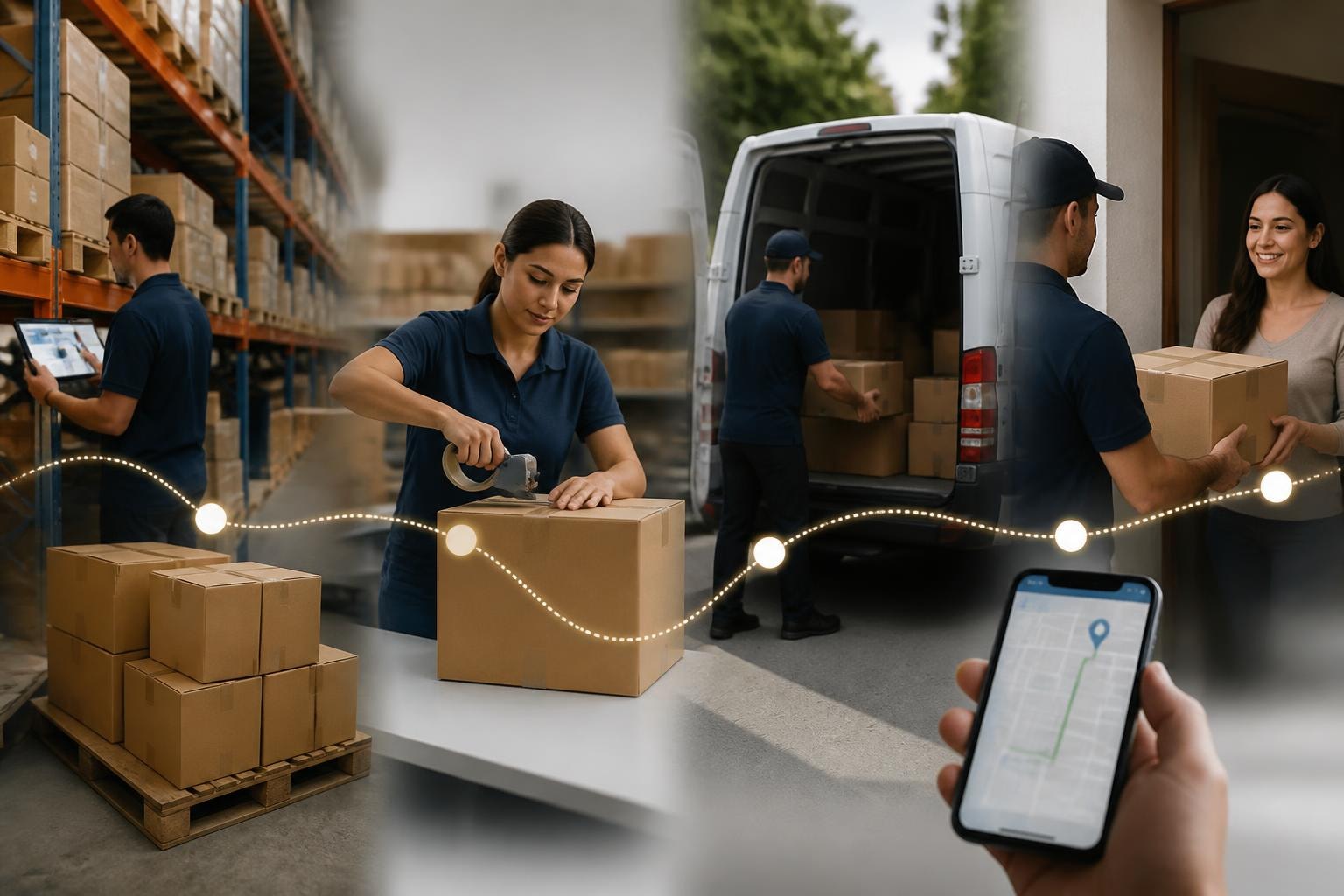
Modern delivery systems integrate multiple touchpoints across the supply chain. From inventory management to final-mile execution, each stage requires careful coordination to maintain efficiency. Brands that previously relied on single-channel distribution now manage hybrid models combining direct-to-consumer shipments, marketplace fulfillment, and retail partnerships.
Speed Versus Cost Trade-offs
The push for faster delivery creates inherent cost challenges. Expedited shipping options consume higher margins while customers increasingly resist paying premium delivery fees. According to recent last-mile delivery trends, businesses are exploring automation and route optimization to reduce delivery windows without proportionally increasing expenses.
Key considerations include:
- Zone-based fulfillment: Positioning inventory closer to major customer concentrations
- Carrier diversification: Leveraging multiple shipping partners to access competitive rates
- Order batching: Consolidating shipments to maximize efficiency
- Hybrid delivery models: Combining traditional carriers with crowdsourced options
These strategies require sophisticated planning and often benefit from partnership with specialized e-commerce logistics solutions providers who can navigate complexity at scale.
Technology Driving Delivery Innovation
Technological advancement continues reshaping how businesses approach e commerce delivery. Artificial intelligence, machine learning, and predictive analytics now play central roles in optimizing fulfillment operations. The integration of agentic AI and unified commerce platforms represents a significant shift toward intelligent, autonomous decision-making in delivery management.

Real-Time Visibility and Tracking
Customers demand complete transparency throughout the delivery journey. Modern tracking systems provide granular updates from order confirmation through final delivery, including:
- Warehouse processing status
- Package handoff notifications
- In-transit milestone updates
- Estimated delivery windows with dynamic refinement
- Delivery confirmation with proof of receipt
This visibility reduces customer service inquiries while building confidence in the purchase experience. Brands investing in robust tracking infrastructure report higher satisfaction scores and improved repeat purchase rates.
Inventory Distribution Strategies
Strategic inventory placement fundamentally impacts delivery performance. Rather than maintaining centralized warehousing, many successful brands now distribute stock across multiple fulfillment centers. This geographic diversification enables faster delivery times while potentially reducing shipping costs through shorter transportation distances.
| Strategy | Benefits | Considerations |
|---|---|---|
| Single Warehouse | Simplified management, lower fixed costs | Longer delivery times, higher shipping costs |
| Regional Distribution | Faster delivery, reduced zone charges | Increased complexity, inventory allocation challenges |
| Marketplace Fulfillment | Access to existing networks, brand exposure | Less control, fee structures, commingled inventory |
| Hybrid Approach | Flexibility, risk distribution | Highest complexity, requires sophisticated systems |
Partnering with an e-commerce fulfillment center that offers multi-location capabilities can provide the benefits of distribution without the capital investment of establishing proprietary facilities.
Cost Management in E Commerce Delivery
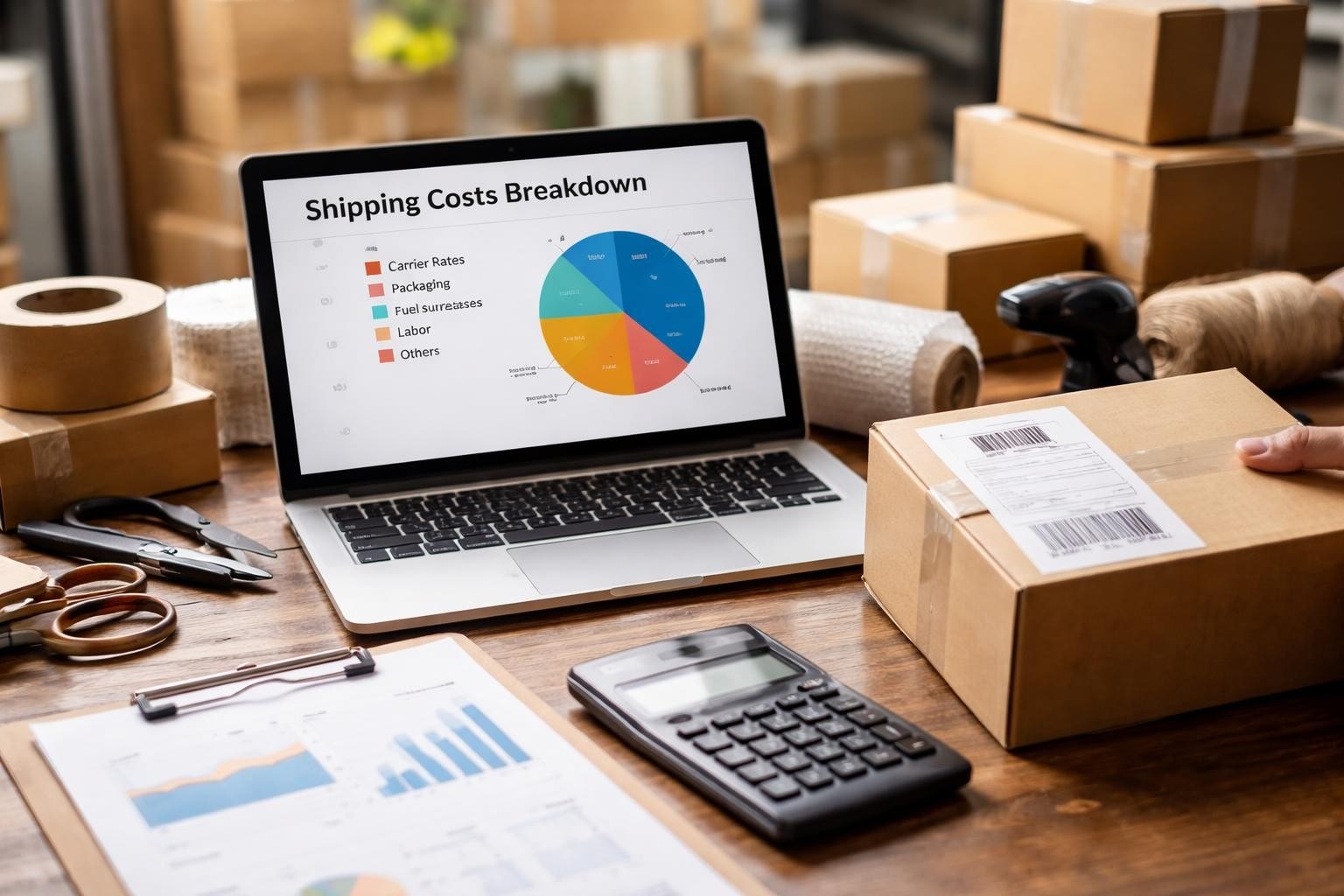
Delivery expenses represent one of the largest variable costs for e-commerce businesses. Effective cost management requires understanding the complete fee structure and identifying optimization opportunities across the fulfillment chain.
Dimensional Weight Pricing
Carriers increasingly calculate charges based on dimensional weight rather than actual weight. This pricing model penalizes inefficient packaging and incentivizes compact, right-sized boxes. Businesses can reduce shipping costs through:
- Custom packaging designed for specific product dimensions
- Automated box selection systems
- Void fill optimization
- Multi-item consolidation protocols
Each inch of unnecessary packaging translates directly to higher transportation costs. Brands experiencing rapid growth often discover significant savings by auditing their packaging approach and implementing systematic improvements.
Zone Skipping and Consolidation
Zone skipping involves consolidating multiple packages destined for similar regions and transporting them via ground freight to a distribution point closer to final destinations. This approach bypasses intermediate carrier processing facilities, reducing both costs and transit time.
Research into optimization models for e-commerce delivery demonstrates how algorithmic approaches can minimize delivery costs through intelligent consolidation and routing strategies. While complex to implement independently, many fulfillment partners incorporate these methodologies into their standard operations.
Last-Mile Delivery Challenges
The final leg of delivery-from local distribution center to customer doorstep-accounts for a disproportionate share of total fulfillment costs. Last-mile challenges intensify in urban environments with traffic congestion, parking limitations, and high-density delivery requirements.

Urban Delivery Innovations
Cities worldwide are experimenting with novel delivery approaches. The emergence of 10-minute delivery services transforming commerce in markets like India demonstrates how hyperlocal fulfillment can reshape consumer expectations and competitive dynamics.
Urban-focused strategies include:
- Micro-fulfillment centers: Small warehouses positioned within city centers
- Locker networks: Secure pickup locations reducing failed deliveries
- Crowdsourced delivery: Flexible capacity through gig economy platforms
- Autonomous vehicles: Emerging technologies for contactless delivery
- Bicycle and electric vehicle fleets: Environmentally conscious urban navigation
Managing Delivery Exceptions
Failed delivery attempts create significant waste in e commerce delivery operations. Each exception requires additional resources to resolve while delaying customer satisfaction. Common causes include:
- Incorrect or incomplete address information
- Recipient unavailability during delivery windows
- Access restrictions in apartment buildings or gated communities
- Package theft in unsecured locations
Proactive exception management incorporates address validation at checkout, flexible delivery scheduling, and clear customer communication. Advanced systems automatically reroute packages or adjust delivery methods based on historical patterns and real-time availability.
Sustainability in Delivery Operations
Environmental concerns increasingly influence both consumer preferences and regulatory requirements. E commerce delivery generates substantial carbon emissions through transportation, packaging waste, and energy consumption across the logistics chain.
Carbon-Conscious Shipping Options
Forward-thinking brands now offer carbon-neutral delivery options, either absorbing offset costs or presenting them as premium choices. Initiatives include:
- Electric vehicle fleets: Reducing emissions in last-mile delivery
- Consolidated shipping: Encouraging customers to accept longer delivery windows for bundled shipments
- Sustainable packaging: Biodegradable materials and minimalist design
- Reverse logistics: Efficient returns processing to minimize transportation redundancy
Research into electric vehicle routing for e-commerce delivery addresses the unique constraints of battery-powered fleets while optimizing delivery efficiency in urban environments.
Packaging Waste Reduction
Beyond dimensional optimization for cost savings, packaging reduction delivers environmental benefits. Strategies include:
- Eliminating unnecessary outer boxes for products with protective manufacturer packaging
- Transitioning to recyclable or compostable materials
- Implementing reusable packaging programs for specific product categories
- Providing customers with packaging-free delivery options where feasible
Seasonal Demand and Peak Capacity Planning
E commerce delivery volumes fluctuate dramatically throughout the year. Holiday seasons, promotional events, and market-specific peak periods create capacity challenges that require advance planning and flexible operational models.
Scalability Strategies
Businesses must balance permanent infrastructure investment against variable demand. Effective approaches include:
| Approach | Advantages | Limitations |
|---|---|---|
| Permanent Capacity | Consistent operations, institutional knowledge | Underutilization during off-peak, high fixed costs |
| Temporary Staffing | Cost-effective scaling, flexibility | Training requirements, quality consistency |
| Third-Party Fulfillment | Variable costs, expertise, established networks | Less control, potential service variations |
| Hybrid Model | Optimized cost structure, risk mitigation | Coordination complexity, system integration |
Many growing brands find that partnering with fulfillment specialists provides the scalability needed for peak periods without the burden of maintaining excess year-round capacity.

Carrier Relationship Management
Strong carrier relationships become critical during peak seasons when capacity constraints emerge. Businesses that maintain consistent year-round volumes typically receive preferential treatment during high-demand periods. Strategies for building carrier partnerships include:
- Diversifying volume across multiple carriers to avoid over-dependence
- Maintaining open communication channels with account representatives
- Providing accurate volume forecasts to support carrier planning
- Meeting pickup deadlines and preparation standards consistently
- Addressing issues promptly and professionally
International E Commerce Delivery Considerations
Cross-border e commerce delivery introduces layers of complexity beyond domestic operations. Customs clearance, duties and taxes, international carrier selection, and varying regulatory requirements demand specialized knowledge and infrastructure.
Customs and Compliance
International shipments require accurate documentation and product classification. Errors or omissions can result in delayed deliveries, unexpected charges, or package returns. Essential components include:
- Harmonized System (HS) codes for product classification
- Commercial invoices with detailed item descriptions
- Country-specific restricted and prohibited item awareness
- Duty and tax calculation and collection mechanisms
- Regulatory compliance for specific product categories
Businesses expanding internationally benefit from working with partners experienced in sea freight and customs to navigate these complexities efficiently.
Landed Cost Transparency
Customers making international purchases appreciate knowing the total delivered cost upfront rather than facing unexpected fees upon delivery. Delivered Duty Paid (DDP) shipping absorbs customs charges into the initial purchase price, creating a smoother customer experience despite higher upfront costs.
Returns Management and Reverse Logistics
Returns represent a significant component of e commerce delivery operations. Industry data shows return rates varying from 5% to over 30% depending on product category, with apparel and footwear experiencing particularly high return volumes.
Efficient Returns Processing
Streamlined returns processes impact both customer satisfaction and operational costs. Best practices include:
- Clear return policies: Transparent timeframes, conditions, and procedures
- Prepaid return labels: Reducing friction in the returns process
- Multiple return options: Carrier drop-off, scheduled pickup, or retail locations
- Rapid processing: Quick inspection, restocking, and refund issuance
- Data analysis: Identifying patterns to address root causes
Research into balancing consolidation and delivery urgency extends to reverse logistics, where efficient returns consolidation reduces transportation costs while maintaining reasonable processing timeframes.
Impact on Inventory Management
Returned products require careful handling to minimize losses. Considerations include:
- Quality inspection protocols to determine resale eligibility
- Repackaging standards for returned items
- Separate inventory categorization for customer-returned products
- Liquidation channels for damaged or non-resalable items
- Root cause analysis to reduce preventable returns
Measuring Delivery Performance
Effective management requires robust metrics tracking. Key performance indicators for e commerce delivery provide insights into operational efficiency and customer satisfaction.
Critical Metrics to Monitor
On-Time Delivery Rate: Percentage of orders arriving within promised timeframes. This directly correlates with customer satisfaction and repeat purchase likelihood.
Average Delivery Time: Mean days from order placement to customer receipt, segmented by shipping method and destination zone.
Cost Per Package: Total fulfillment and shipping expenses divided by package volume, enabling trend analysis and benchmark comparisons.
Delivery Exception Rate: Frequency of failed deliveries, damaged packages, or other disruptions requiring intervention.
Customer Satisfaction Scores: Direct feedback regarding delivery experience quality.
| Metric | Target Range | Action Threshold |
|---|---|---|
| On-Time Delivery | >95% | <90% requires investigation |
| Average Delivery Time | 2-3 days (domestic) | >4 days signals issues |
| Cost Per Package | Industry benchmark ±10% | >15% variance needs analysis |
| Exception Rate | <5% | >8% indicates systemic problems |
Regular review of these metrics enables proactive problem identification and continuous improvement initiatives.
Building Competitive Advantage Through Delivery Excellence
Superior e commerce delivery performance differentiates brands in competitive markets. While product quality and pricing remain important, delivery experience increasingly influences purchase decisions and brand perception.
Customer Communication Strategies
Proactive communication reduces anxiety and builds confidence. Effective approaches include:
- Order confirmation with detailed fulfillment timeline
- Shipment notification with tracking information
- In-transit updates at key milestones
- Delivery day notification with estimated time window
- Post-delivery follow-up to confirm satisfaction
Automated communication sequences maintain consistent customer touchpoints without overwhelming support resources.
Delivery as a Marketing Differentiator
Exceptional delivery experiences create positive word-of-mouth and social sharing opportunities. Strategies include:
- Unboxing experiences: Thoughtful packaging that enhances product presentation
- Surprise delivery upgrades: Occasionally exceeding promised delivery timeframes
- Personalization: Including relevant inserts or customized packaging elements
- Sustainability messaging: Communicating environmental initiatives clearly
- Loyalty program integration: Rewarding customers for delivery flexibility
These approaches transform delivery from a necessary operational function into a strategic brand-building opportunity.
Optimizing e commerce delivery requires balancing speed, cost, reliability, and customer experience across complex logistics networks. The strategies outlined above provide a framework for building scalable fulfillment operations that support growth while maintaining profitability. Whether you’re launching a new brand or scaling an established business, partnering with experienced fulfillment specialists can accelerate your success. Ecom Automation Prep offers comprehensive solutions including Amazon FBA prep, direct-to-consumer fulfillment, and specialized services like kitting and bundling, enabling you to focus on growing your brand while we handle the complexities of delivery excellence.