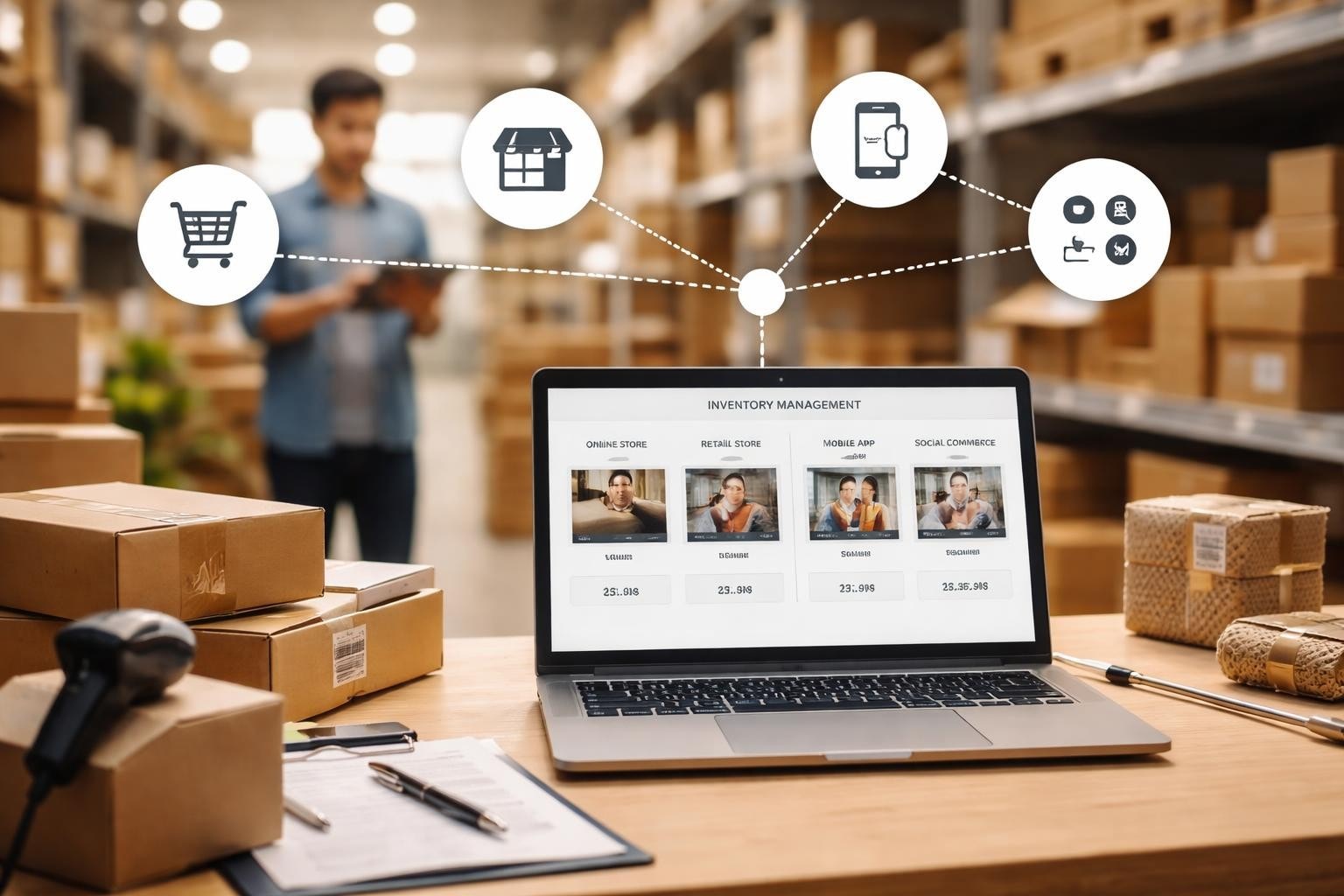


Shipping costs represent one of the largest operational expenses for e-commerce businesses, often consuming between 15-30% of total revenue. As consumer expectations for fast, free shipping continue to rise while carrier rates increase annually, finding ways to reduce shipping costs has become critical for maintaining healthy profit margins. The good news is that strategic approaches to packaging, carrier selection, fulfillment location, and operational efficiency can significantly lower your shipping expenses without compromising customer satisfaction. Understanding and implementing cost-reduction strategies positions your business for sustainable growth in an increasingly competitive marketplace.
Optimize Packaging Dimensions and Materials
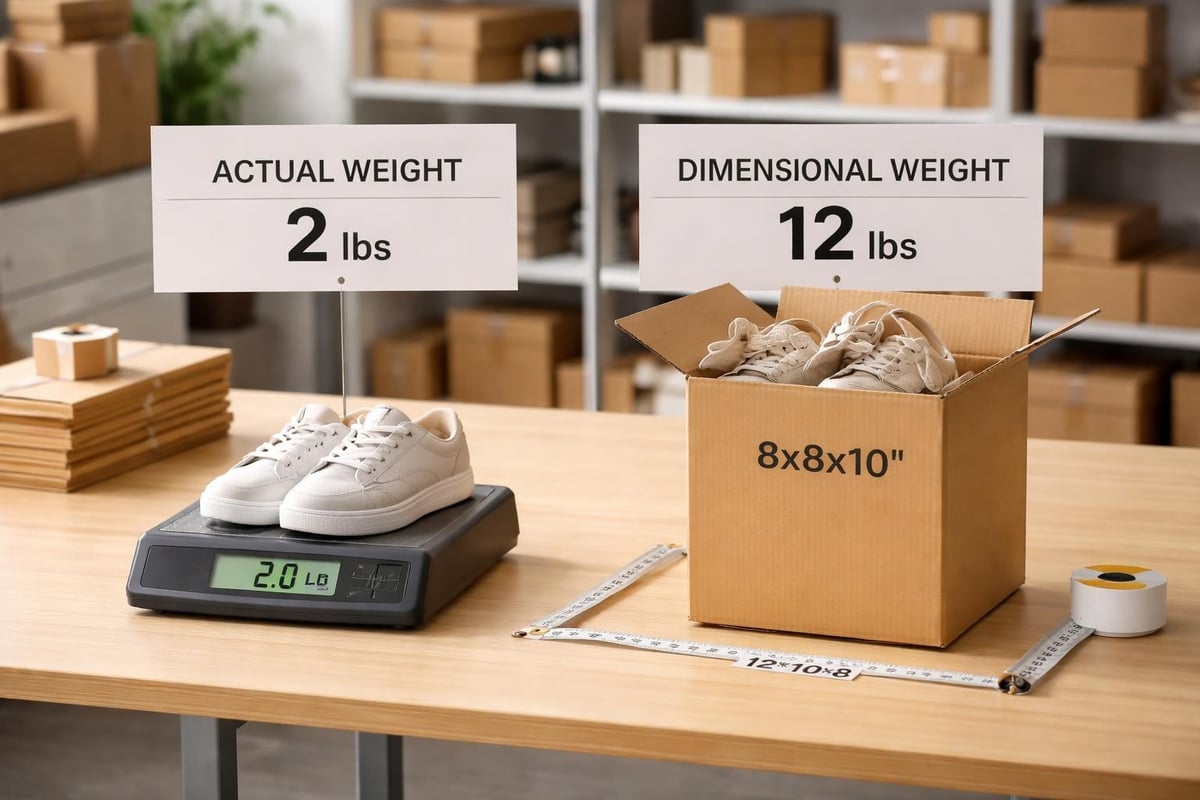
Carriers calculate shipping costs based on either actual weight or dimensional weight, whichever is greater. This means oversized packaging can dramatically increase your shipping expenses even for lightweight products.
Right-Size Your Packaging
The first step to reduce shipping costs is conducting a comprehensive packaging audit. Measure your products and identify the smallest box or envelope that provides adequate protection. Many businesses discover they've been using packaging that's 20-40% larger than necessary.
Key packaging optimization strategies include:
- Measuring dimensional weight (length × width × height ÷ 166 for domestic shipments)
- Creating a tiered packaging system with 3-5 standard box sizes
- Using poly mailers for soft goods instead of boxes
- Eliminating void fill when possible through proper box sizing
- Testing packaging to ensure product protection isn't compromised
Switching from a 12×12×8 box to a 10×10×6 box might seem minor, but this change can move you into a lower rate tier, saving $2-4 per shipment. For businesses shipping 1,000 orders monthly, that's $24,000-48,000 in annual savings.
Choose Lightweight, Durable Materials
Material selection directly impacts both actual weight and perceived value. Corrugated cardboard comes in different strengths, measured by edge crush test (ECT) ratings. Many products don't require the heaviest-duty boxes.
| Material Type | Weight per Box | Best Use Case | Cost Savings |
|---|---|---|---|
| Heavy corrugated (ECT-48) | 18-24 oz | Fragile/heavy items | Baseline |
| Standard corrugated (ECT-32) | 12-16 oz | Most products | 15-25% |
| Lightweight corrugated (ECT-26) | 8-12 oz | Non-fragile items | 30-40% |
| Poly mailers | 1-3 oz | Soft goods/clothing | 50-70% |
Working with professional fulfillment providers gives you access to bulk packaging rates and expert guidance on material selection that balances protection with cost efficiency.
Negotiate Carrier Rates and Leverage Volume Discounts
Published carrier rates are starting points, not fixed prices. Nearly every e-commerce business qualifies for some level of discount based on shipping volume.
Understand Your Leverage Points
Carriers want consistent volume. Even businesses shipping 100 packages monthly can negotiate 10-15% discounts off published rates. Companies shipping 500+ packages monthly should expect 20-40% discounts, with even deeper cuts at higher volumes.
Preparation for negotiations:
- Gather 6-12 months of shipping data showing volume trends
- Document your package weight distribution and zones
- Research competitor carrier offerings and rates
- Identify your growth projections for the next year
- Determine your most common shipping zones and service levels
Contact multiple carriers simultaneously. When they know you're comparison shopping, they become more flexible. Strategies to reduce shipping costs often start with this competitive bidding process.
Lock in Annual Rate Reviews
Shipping shouldn't be a "set it and forget it" expense. Schedule annual carrier reviews, even if you're satisfied with current rates. Your business changes, carrier pricing structures evolve, and new opportunities emerge.
Many businesses reduce shipping costs by 5-12% simply by requesting an annual rate review and presenting updated volume data. Carriers would rather offer modest discounts to retain customers than lose accounts to competitors.
Implement Multi-Carrier Strategies
Relying on a single carrier leaves money on the table. Different carriers excel at different services, package sizes, and delivery zones.
Zone-Based Carrier Selection
Shipping zones measure the distance between origin and destination. Zone 1-2 represents local shipping, while Zone 8 covers cross-country deliveries. Rates increase substantially with each zone.
Carrier strengths by zone:
- USPS: Best for Zones 1-4, lightweight packages under 1 lb
- UPS: Competitive for Zones 5-8, packages 2-10 lbs
- FedEx: Strong for Zones 6-8, heavier packages over 10 lbs
- Regional carriers: Excellent for specific geographic areas, often 20-40% cheaper
Modern shipping software automatically selects the most cost-effective carrier for each shipment based on destination, weight, and dimensions. This optimization typically reduces shipping costs by 15-25% compared to using a single carrier for all shipments.

Consider Regional and Alternative Carriers
National carriers dominate market share, but regional carriers like OnTrac, LaserShip, and LSO often provide significant savings for specific geographic areas. These carriers specialize in regional density and can beat national carrier rates by 25-45% in their service areas.
| Carrier Type | Coverage | Average Savings | Ideal For |
|---|---|---|---|
| USPS | Nationwide | Baseline | Lightweight, Zones 1-4 |
| UPS/FedEx | Nationwide | Variable | Mid-weight, all zones |
| Regional carriers | Specific regions | 25-45% | High-density areas |
| Final-mile partners | Last-mile delivery | 15-30% | Urban deliveries |
Optimize Fulfillment Center Location
Where you ship from matters as much as how you ship. Strategic warehouse placement can dramatically reduce shipping costs by minimizing the distance packages travel.
Analyze Your Customer Distribution
Review where your customers are located. Most e-commerce businesses find that 60-80% of orders ship to specific geographic regions. A West Coast retailer shipping primarily to California, Oregon, and Washington wastes money fulfilling from a single East Coast warehouse.
Location strategy considerations:
- Map customer concentration by state and region
- Calculate average shipping zones from potential warehouse locations
- Factor in warehouse costs versus shipping savings
- Consider inventory splitting and management complexity
- Evaluate seasonal demand fluctuations by region
Moving from Zone 8 to Zone 3 for the majority of shipments can cut shipping costs by 40-60% per package. For businesses shipping 500 packages monthly at an average cost of $8, this translates to $2,400 monthly savings or $28,800 annually.
Strategic Inventory Distribution
Businesses with sufficient volume benefit from distributed inventory across multiple fulfillment centers. This approach requires sophisticated inventory management but delivers substantial shipping savings and faster delivery times.
Direct-to-consumer fulfillment services often provide access to multiple warehouse locations without the overhead of managing them independently, allowing mid-sized businesses to achieve enterprise-level shipping efficiency.
Leverage Flat-Rate and Regional Rate Options
Carrier-specific programs offer opportunities to reduce shipping costs for certain product types and destinations.
USPS Flat-Rate Shipping
USPS flat-rate boxes and envelopes charge a fixed price regardless of weight (up to 70 lbs) or domestic destination. For heavy, compact items, these containers can save 30-70% compared to standard rates.
Flat-rate program benefits:
- Predictable shipping costs simplify financial planning
- Excellent for items over 2 lbs shipping to distant zones
- Free packaging materials from USPS
- No dimensional weight concerns
- Simple rate structure for customer communication
The key is identifying which products fit profitably within flat-rate dimensions. A 10-pound item shipping from New York to Los Angeles costs $24.70 in a large flat-rate box versus $40-50 with standard shipping.
Regional Rate Boxes
USPS Regional Rate Boxes offer zone-based pricing that's often cheaper than standard rates for heavier items shipping short-to-medium distances. These work exceptionally well for Zones 1-4.
Testing different shipping options for your most common product profiles helps identify the most cost-effective methods. Proven strategies to cut shipping costs emphasize this data-driven approach to carrier program selection.
Implement Advanced Shipping Technology
Manual shipping processes create inefficiencies that inflate costs. Modern shipping technology automates decisions, optimizes rates, and reduces errors.
Shipping Management Software
Comprehensive shipping platforms integrate with your e-commerce store, compare carrier rates in real-time, print labels, track shipments, and provide analytics. This automation eliminates manual carrier website visits and rate comparisons.
Technology-driven cost reduction:
- Automatic carrier and service selection based on cost rules
- Batch processing to reduce per-label handling time
- Address validation to prevent costly delivery failures
- Automated rate shopping across multiple carriers
- Exception management for delivery issues
Businesses implementing shipping software typically reduce shipping costs by 12-18% through better rate selection alone, not counting time savings and error reduction. The software pays for itself within weeks for most operations.
Analytics and Reporting
Data visibility enables continuous improvement. Track metrics like average shipping cost per order, cost by carrier, cost by zone, and cost trends over time. This information reveals optimization opportunities.
Monthly reporting should identify:
- Highest-cost shipping lanes and potential solutions
- Package efficiency ratios (product weight versus package weight)
- Carrier performance and cost comparison
- Service level utilization and customer preferences
- Returns and reshipment costs

Adjust Service Levels Strategically
Not every shipment needs overnight delivery. Aligning service levels with customer expectations rather than exceeding them reduces unnecessary costs.
Customer Segmentation
Different customers have different needs. First-time buyers might accept longer delivery windows, while repeat customers might expect expedited shipping. Geographic location also influences expectations-urban customers often expect faster delivery than rural ones.
Implement tiered shipping options:
- Standard shipping (5-7 business days): Free or low-cost option for price-sensitive customers
- Expedited shipping (2-3 business days): Mid-tier option at moderate cost
- Express shipping (1-2 business days): Premium option at full cost recovery
The majority of customers choose the cheapest option when presented with multiple choices. Positioning standard ground shipping as the default can reduce shipping costs by 20-35% compared to automatically offering two-day delivery.
Threshold-Based Free Shipping
Free shipping increases conversion rates, but blanket free shipping destroys margins. Instead, set minimum order thresholds that encourage larger purchases while protecting profitability.
Calculate your average order value (AOV) and set free shipping thresholds 20-30% above it. This encourages customers to add items to qualify while ensuring the incremental profit covers shipping costs. For an AOV of $50, a $65 free shipping threshold often optimizes both conversion and profitability.
Reduce Shipping Distances Through Dropshipping
For certain product categories, dropshipping eliminates the need to ship to yourself first, then to customers. This direct-from-manufacturer approach cuts handling costs and shipping distances.
Hybrid Inventory Models
Combining warehoused inventory for fast-moving items with dropshipping for slow-moving or oversized products optimizes efficiency. Fast sellers justify inventory investment and kitting operations, while specialty items ship directly from suppliers.
Dropship integration considerations:
- Supplier reliability and shipping speed
- Quality control challenges
- Branding consistency in packaging
- Inventory visibility across channels
- Returns processing procedures
This hybrid approach works particularly well for businesses with extensive catalogs where 20% of SKUs generate 80% of revenue. Warehouse your top performers and dropship the long tail.
Consolidate Shipments and Utilize Bundling
Multiple-item orders should ship together whenever possible. Consolidation reduces shipping costs by eliminating redundant packaging and delivery fees.
Warehouse Organization
Efficient warehouse layout enables quick multi-item order fulfillment. Group frequently purchased-together items in close proximity. Implement picking strategies that minimize warehouse travel time.
Consolidation best practices:
- Hold orders for 1-2 hours to combine items from the same customer
- Use wave picking for batch order processing
- Implement zone picking for multi-item orders
- Create pick lists that optimize warehouse routing
- Stage consolidated orders before packing
For businesses offering subscription box fulfillment, pre-assembly and bundling operations significantly reduce per-unit shipping costs compared to shipping individual items.
Product Bundling Strategies
Creating bundles of frequently co-purchased items reduces shipments and increases average order value. A skincare bundle shipping once costs less than shipping three separate products.
| Approach | Shipments | Average Cost | Total Cost |
|---|---|---|---|
| Individual items (3) | 3 | $7 each | $21 |
| Bundled items | 1 | $9 | $9 |
| Savings | -2 shipments | -$2 per unit | $12 (57%) |
Bundling also provides opportunities to move slow-inventory items by pairing them with bestsellers, improving overall inventory turnover while reducing per-unit fulfillment costs.
Optimize Returns Management
Returns represent one of the most expensive aspects of e-commerce logistics. Every return involves reverse shipping costs, restocking labor, and potential product loss.
Preventive Measures
Reducing returns rates directly reduces shipping costs. Clear product descriptions, accurate sizing information, high-quality photos, and detailed specifications help customers make informed decisions.
Return rate reduction strategies:
- Comprehensive product descriptions with dimensions and materials
- Multiple product photos from different angles
- Customer reviews highlighting fit, quality, and usage
- Virtual try-on tools for applicable products
- Pre-purchase customer service to answer questions
Lowering return rates from 20% to 15% on 1,000 monthly orders saves 50 return shipments, potentially reducing costs by $500-800 monthly.
Efficient Returns Processing
When returns happen, minimize costs through streamlined processing. Provide prepaid return labels only when necessary-requiring customers to cover return shipping for non-defective items can reduce unnecessary returns by 15-25%.
Consider returnless refunds for low-value items where return shipping exceeds product value. Issuing a refund without requiring return saves money and improves customer satisfaction.
Plan Ahead and Increase Lead Time
Rush shipping costs significantly more than standard ground delivery. Building buffer time into your operations enables you to reduce shipping costs through slower, cheaper methods.
Inventory Planning
Stockouts force expensive expedited shipping from suppliers or alternative fulfillment centers. Proper inventory forecasting based on sales trends, seasonality, and lead times prevents these situations.
Implement minimum stock levels that account for:
- Average daily sales velocity
- Supplier lead times plus buffer
- Seasonal demand fluctuations
- Promotional activity impacts
- New product launch periods
Amazon FBA prep services help businesses maintain optimal inventory levels across multiple sales channels, preventing costly rush shipments to fulfillment centers.
Order Processing Windows
Communicate realistic processing times to customers. A 1-2 business day processing window before shipment allows you to batch orders, optimize carrier selection, and avoid expensive same-day fulfillment requirements.
Many customers accept 5-7 day total delivery windows (2 days processing + 3-5 days shipping) when clearly communicated upfront. This transparency enables you to use the most economical shipping methods available.
Audit and Recover Carrier Billing Errors
Carriers make billing mistakes more frequently than most businesses realize. Late deliveries, incorrect weights, duplicate charges, and residential surcharges applied to commercial addresses all create opportunities for refunds.
Systematic Auditing
Review carrier invoices for common errors:
- Late delivery refunds: Carriers guarantee delivery times; missed commitments qualify for refunds
- Dimensional weight errors: Incorrect measurements result in overcharges
- Duplicate charges: System glitches sometimes bill shipments twice
- Address classification: Residential surcharges incorrectly applied to businesses
- Accessorial fees: Unnecessary or incorrect additional service charges
Manual auditing is time-consuming, but automated parcel audit services identify errors and file claims on your behalf, typically recovering 2-5% of shipping spend. For businesses spending $10,000 monthly on shipping, that's $200-500 in monthly recoveries or $2,400-6,000 annually.
Service Level Verification
Ensure you receive the service level you paid for. Packages paid for two-day delivery that arrive in three days qualify for refunds. Most carriers provide service guarantees with automatic refund eligibility for late deliveries.
File claims promptly-carriers typically allow 15-90 days for late delivery refunds. Implementing systematic tracking of delivery performance against service commitments ensures you capture all eligible refunds.
Negotiate Accessorial Fee Waivers
Accessorial fees-charges beyond base shipping rates-often exceed base shipping costs for certain shipments. Residential delivery surcharges, delivery area surcharges, address correction fees, and fuel surcharges add up quickly.
Common Accessorial Fees
Understanding fee structures helps you reduce shipping costs through negotiation and operational changes:
| Fee Type | Typical Cost | Negotiation Potential | Avoidance Strategy |
|---|---|---|---|
| Residential delivery | $4-6 per package | Moderate | Route to commercial addresses |
| Delivery area surcharge | $3-8 per package | Low | Optimize fulfillment location |
| Address correction | $15-20 per package | None | Improve address validation |
| Fuel surcharge | 8-15% of base | Moderate | Negotiate caps or fixed rates |
| Saturday delivery | $15-30 per package | Low | Adjust customer expectations |
Volume shippers can negotiate waivers or reductions on residential surcharges and fuel surcharge caps. Request these concessions during annual rate reviews or when threatening to move volume to competitors.
Operational Adjustments
Some fees can be avoided through process changes. Implementing robust address validation reduces costly address correction fees. Routing packages to commercial addresses when customers have that option eliminates residential surcharges.
For businesses utilizing professional fulfillment services, these optimizations come standard as providers leverage their expertise and volume across multiple clients to minimize accessorial charges.
Successfully implementing these strategies to reduce shipping costs requires ongoing attention to data, carrier relationships, and operational efficiency. The combination of optimized packaging, strategic carrier selection, technology implementation, and smart fulfillment location decisions typically reduces total shipping costs by 25-45% while maintaining or improving delivery performance. Ecom Automation Prep specializes in helping e-commerce brands implement these cost-saving strategies through comprehensive fulfillment services that combine expert prep, strategic warehousing, and optimized shipping operations, allowing you to focus on growing your business while we handle the complex logistics of cost-effective order fulfillment.