

The landscape of online retail continues to evolve at breakneck speed, with customer expectations for fast, accurate delivery reaching new heights in 2026. For e-commerce brands experiencing rapid growth, managing the complexities of inventory storage, order processing, and shipping can quickly overwhelm internal resources. This challenge has positioned 3pl ecommerce fulfilment as a critical strategic decision for businesses seeking to scale efficiently while maintaining customer satisfaction. By partnering with specialized logistics providers, brands can transform their fulfillment operations from a resource drain into a competitive advantage.
Understanding 3PL Ecommerce Fulfilment Fundamentals
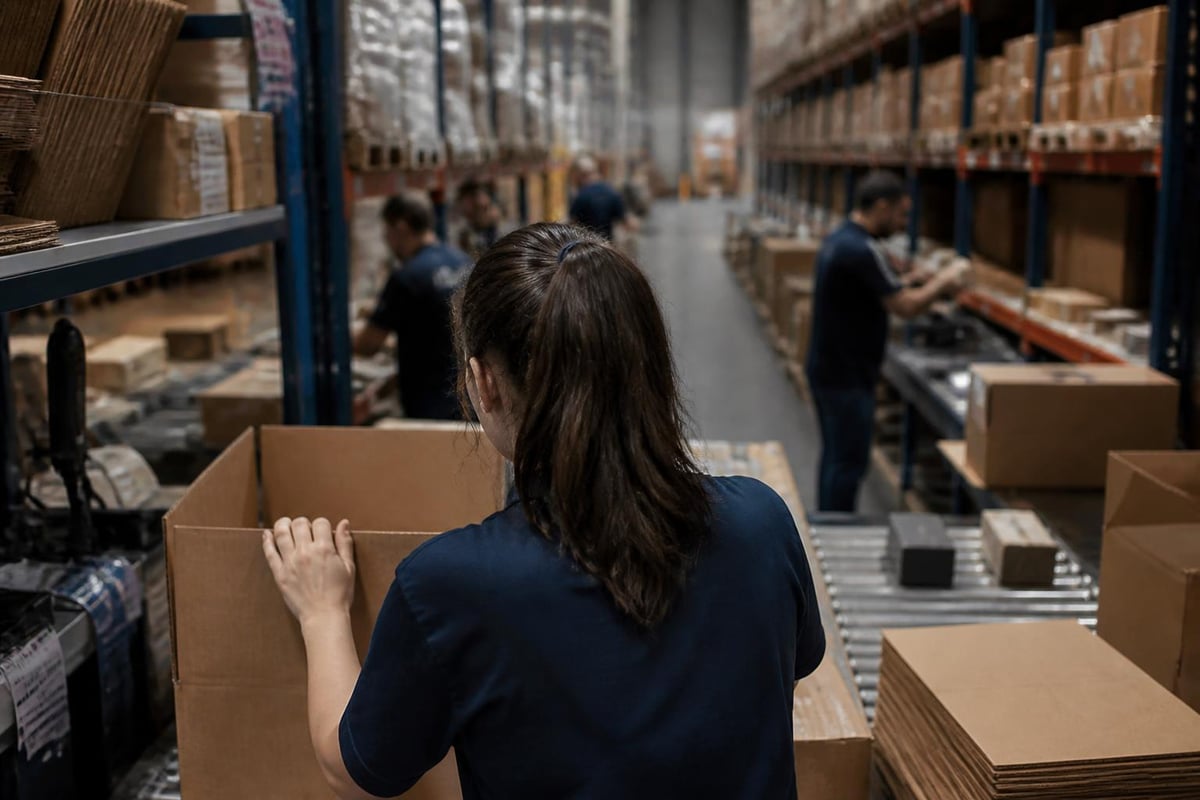
Third-party logistics providers handle the operational backbone of e-commerce businesses, managing everything from receiving inventory to delivering packages to customers’ doorsteps. This comprehensive approach to third-party logistics enables brands to focus on core competencies like product development, marketing, and customer relationships.
3pl ecommerce fulfilment encompasses several interconnected services that work together seamlessly:
- Warehousing and inventory management with real-time tracking systems
- Order processing and picking using optimized workflows
- Packaging and kitting services for custom brand experiences
- Shipping and carrier coordination across multiple channels
- Returns processing with quality control checks
The value proposition extends beyond simple outsourcing. Modern 3PL providers bring sophisticated technology platforms, negotiated shipping rates, and operational expertise that most individual brands cannot replicate cost-effectively.
The Strategic Advantages of Outsourced Fulfillment
Partnering with a 3PL provider delivers measurable benefits across multiple operational dimensions. Brands typically see 30-40% reductions in shipping costs through volume-based carrier relationships and zone-optimized warehouse placement.
Scalability represents perhaps the most compelling advantage. During peak seasons like Black Friday or back-to-school periods, 3PL partners absorb demand spikes without requiring brands to invest in permanent infrastructure or seasonal hiring. This flexibility proves invaluable for businesses with fluctuating order volumes.
Core Services Within 3PL Ecommerce Fulfilment Operations
Modern fulfillment partnerships extend far beyond basic pick-and-pack operations. Understanding the full spectrum of available services helps brands maximize their 3PL relationships and identify providers that align with specific business needs.
Receiving and Inventory Management
When products arrive at a 3PL warehouse, the receiving process sets the foundation for accurate fulfillment. Quality providers conduct detailed inspections, verify quantities against purchase orders, and immediately update inventory management systems. This data visibility enables brands to make informed decisions about restocking, promotions, and cash flow.
Advanced inventory tracking uses barcode scanning and RFID technology to maintain real-time accuracy. Brands can access dashboards showing exactly what’s in stock, what’s in transit, and what needs reordering. This transparency eliminates the guesswork that plagues self-managed warehouses.
Specialized Preparation Services
Many products require specific preparation before they can be sold or shipped. Amazon FBA prep services ensure products meet marketplace requirements, including labeling, polybagging, bubble wrapping, and bundling. These seemingly minor details can trigger listing suspensions or customer returns if handled incorrectly.
Kitting and bundling services allow brands to create custom product combinations without maintaining separate SKUs in their own facility. A skincare brand might bundle a cleanser, toner, and moisturizer into a starter kit, with the 3PL assembling these packages on demand.
| Service Type | Typical Applications | Brand Benefits |
|---|---|---|
| FBA Prep | Labeling, polybagging, case packing | Marketplace compliance, faster processing |
| Kitting | Multi-product bundles, subscription boxes | Increased AOV, reduced per-unit costs |
| Custom Packaging | Branded inserts, gift wrapping | Enhanced unboxing experience |
| Quality Inspection | Product verification, damage checks | Reduced return rates, brand protection |
Selecting the Right 3PL Partner for Your Business
The decision to outsource fulfillment represents a significant strategic commitment. Choosing the right 3PL provider requires systematic evaluation across multiple criteria that directly impact operational performance and customer satisfaction.
Technology Integration Capabilities
Your 3PL’s technology stack must integrate seamlessly with your existing systems. Look for providers offering real-time API connections with major e-commerce platforms like Shopify, WooCommerce, BigCommerce, and Amazon. These integrations eliminate manual data entry and reduce order processing errors.
Advanced providers offer custom dashboards where you can monitor:
- Current inventory levels across multiple warehouses
- Order status from placement through delivery
- Shipping costs and carrier performance metrics
- Return reasons and processing timelines
- Detailed analytics on fulfillment speed and accuracy
The importance of technology integration cannot be overstated. Brands managing e-commerce fulfillment services across multiple channels need unified data to make informed decisions about inventory allocation, marketing campaigns, and customer service responses.
Geographic Coverage and Distribution Strategy
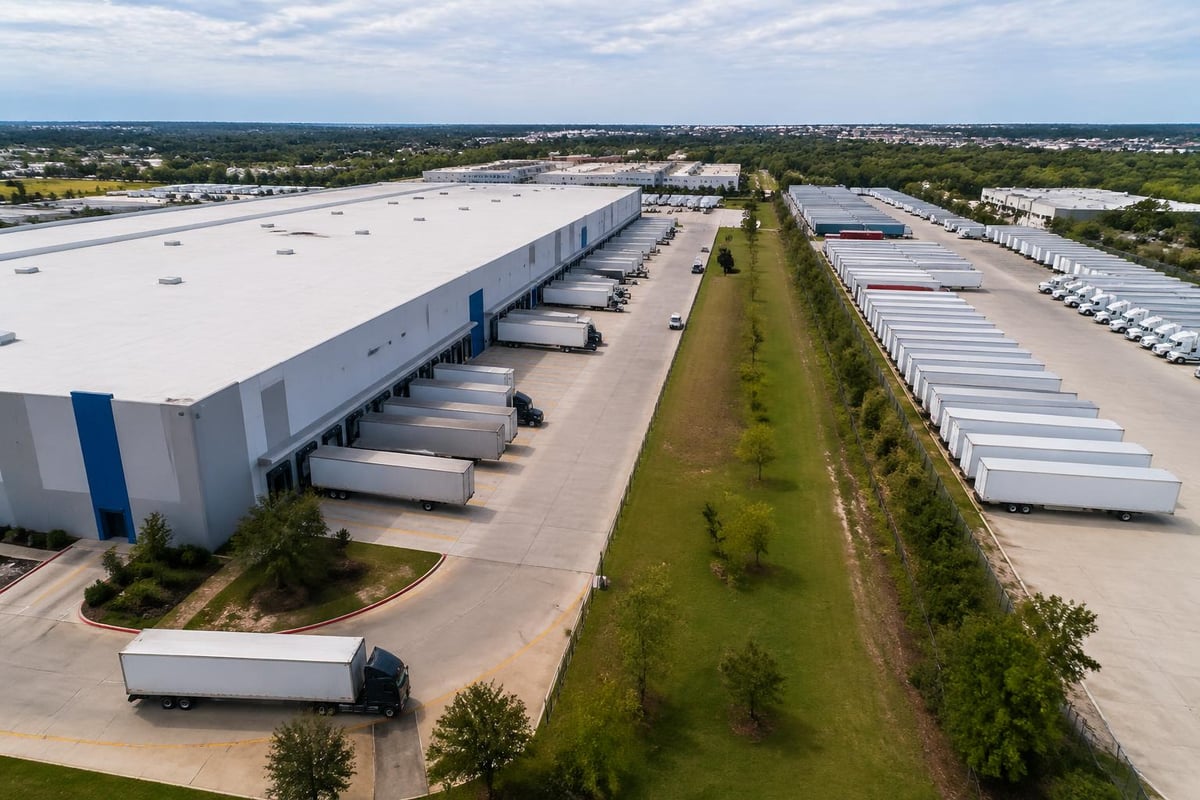
Warehouse location directly impacts both shipping costs and delivery speeds. A 3PL with facilities in strategic locations across the country enables two-day ground shipping to most customers, significantly reducing transportation expenses compared to air shipping.
Consider a brand based in California selling nationwide. By distributing inventory across West Coast, Central, and East Coast facilities, they can:
- Reduce average shipping costs by 35-45%
- Offer faster delivery times to all customers
- Minimize the impact of regional carrier delays
- Provide more sustainable shipping options
Pricing Structures and Cost Transparency
3pl ecommerce fulfilment pricing typically includes several components that brands must understand to accurately forecast costs and evaluate competing proposals. Hidden fees or unclear pricing structures can erode profitability and create budget uncertainty.
Common pricing elements include:
- Receiving fees charged per pallet, carton, or unit received
- Storage fees calculated monthly based on space or bin count
- Pick and pack fees per order, sometimes tiered by complexity
- Shipping costs marked up slightly from carrier rates
- Special services like gift wrapping, custom packaging, or rush orders
Request detailed proposals that break down each cost component with specific examples based on your order profiles. A brand shipping 1,000 orders monthly with an average of 2.3 items per order should receive projections showing exactly what they’ll pay.
Integration with Multi-Channel Selling Strategies
Modern e-commerce brands rarely sell through a single channel. Understanding the role of 3PL providers in e-commerce order fulfillment becomes critical when managing inventory across marketplaces, direct-to-consumer websites, and retail partnerships simultaneously.
Amazon FBA Integration and Hybrid Models
Many brands leverage both Amazon FBA and independent 3PL services in a hybrid fulfillment strategy. They might use FBA for products sold on Amazon while directing Shopify orders to their Amazon fulfillment company partner for better margin control and brand experience.
This approach requires sophisticated inventory allocation strategies. Brands must decide what percentage of each SKU goes to Amazon versus their 3PL warehouse, balancing FBA’s Prime eligibility benefits against the higher fees and limited branding opportunities.
Direct-to-Consumer Fulfillment Excellence
DTC fulfillment through a 3PL partner offers opportunities to create memorable unboxing experiences that strengthen brand loyalty. Unlike Amazon’s standardized packaging, branded e-commerce fulfillment can include custom tissue paper, thank-you cards, product samples, and branded boxes.
These touches transform a functional delivery into a marketing moment. Customers share unboxing videos on social media, generating organic promotion that compounds the value of each order beyond the immediate transaction.
Operational Excellence in 3PL Partnerships
Success with 3pl ecommerce fulfilment depends heavily on how well brands manage their provider relationships. Clear communication, realistic expectations, and proactive problem-solving separate thriving partnerships from frustrating experiences.
Setting Up for Success
The onboarding process establishes the foundation for long-term success. Brands should invest time upfront to:
- Document detailed product specifications including dimensions, weight, and fragility
- Establish packing guidelines that balance cost efficiency with product protection
- Define quality control standards for receiving and outbound inspection
- Create contingency plans for inventory shortages or system outages
- Set clear KPIs for order accuracy, shipping speed, and customer satisfaction
Regular performance reviews keep both parties aligned and identify improvement opportunities before small issues become major problems.
| KPI Metric | Industry Benchmark | Review Frequency |
|---|---|---|
| Order Accuracy | 99.5%+ | Weekly |
| Same-Day Shipping | 95%+ (orders by 2 PM) | Daily |
| Inventory Accuracy | 99%+ | Monthly |
| Damage Rate | <0.5% | Weekly |
| Return Processing Time | 3-5 business days | Bi-weekly |
Managing Peak Season Demands
3pl ecommerce fulfilment providers experience dramatic volume increases during Q4, particularly from November through December. Brands must communicate forecasts early and clearly to ensure adequate staffing, warehouse space, and inventory levels.
Submit rolling 90-day forecasts updated monthly, with specific attention to promotional events, product launches, and seasonal trends. This visibility allows your 3PL to schedule temporary staff, reserve warehouse capacity, and coordinate with carriers for guaranteed capacity during peak periods.

Technology Trends Reshaping 3PL Ecommerce Fulfilment
The fulfillment industry continues evolving rapidly, with technology innovations creating new capabilities and efficiency gains. Understanding these trends helps brands evaluate potential partners and anticipate future opportunities.
Automation and Robotics Integration
Leading 3PL providers invest heavily in warehouse automation, from conveyor systems to autonomous mobile robots that transport inventory. These technologies increase picking speed, reduce labor costs, and improve accuracy.
While full warehouse automation remains expensive, even partial implementations deliver measurable benefits. Automated storage and retrieval systems (AS/RS) optimize space utilization, allowing providers to store more inventory in smaller footprints and reduce storage costs for clients.
Predictive Analytics and Demand Forecasting
Advanced 3PL platforms use machine learning algorithms to predict inventory needs based on historical sales patterns, seasonality, marketing campaigns, and external factors. These insights help brands maintain optimal stock levels, reducing both stockouts and excess inventory carrying costs.
This capability proves particularly valuable for scaling ecommerce brands experiencing rapid growth. Instead of relying solely on gut instinct, they can make data-driven decisions about inventory investments and warehouse space commitments.
Sustainability Initiatives
Environmental concerns increasingly influence consumer purchasing decisions and regulatory requirements. Progressive 3PL providers implement sustainable practices including:
- Right-sized packaging that minimizes dimensional weight charges and waste
- Recycled and recyclable packaging materials
- Carbon-neutral shipping options through offset programs
- Energy-efficient warehouse operations with LED lighting and solar panels
- Consolidation strategies that combine multiple items into single shipments
Brands can leverage these initiatives in marketing communications, appealing to environmentally conscious consumers while reducing costs through packaging optimization.
Cost-Benefit Analysis for 3PL Adoption
Evaluating whether to partner with a 3pl ecommerce fulfilment provider requires honest assessment of both visible and hidden costs associated with self-fulfillment versus outsourcing.
Self-Fulfillment Hidden Costs
Many brands underestimate the total cost of managing fulfillment internally. Beyond obvious expenses like warehouse rent and employee salaries, consider:
- Technology investments in warehouse management systems, shipping software, and barcode scanners
- Packaging supplies purchased at retail rather than wholesale bulk pricing
- Shipping costs without volume discounts or carrier relationships
- Opportunity costs of founders and key employees spending time on fulfillment instead of growth activities
- Error costs including reshipping expenses, customer service time, and potential refunds
A detailed analysis from this comprehensive guide to e-commerce 3PL solutions shows that brands shipping fewer than 100 orders monthly might handle fulfillment internally, but those exceeding 200-300 monthly orders typically benefit significantly from outsourcing.
Break-Even Analysis Framework
Calculate your specific break-even point by comparing:
Internal Fulfillment Monthly Costs:
- Warehouse space (rent, utilities, insurance)
- Labor (wages, benefits, payroll taxes, training)
- Technology (WMS, shipping software, subscriptions)
- Supplies (boxes, tape, labels, void fill)
- Shipping (full retail carrier rates)
- Returns processing (labor and inspection time)
3PL Monthly Costs:
- Storage fees (per pallet or cubic foot)
- Receiving fees (per shipment or unit)
- Pick and pack fees (per order)
- Shipping (3PL negotiated rates plus markup)
- Special services (kitting, gift wrap, custom packaging)
- Returns processing (per unit received)
Most brands find the break-even point between 200-500 monthly orders, though this varies based on order complexity, product characteristics, and labor costs in their geographic market.
Navigating Common 3PL Partnership Challenges
Even the best 3pl ecommerce fulfilment relationships encounter occasional challenges. Preparation and proactive communication minimize disruption and maintain customer satisfaction during difficult periods.
Inventory Accuracy Issues
Discrepancies between your records and physical warehouse counts create frustration and potential stockouts or overselling. Combat this through:
- Regular cycle counting programs that verify portions of inventory weekly
- Thorough reconciliation when receiving new shipments
- Immediate investigation of discrepancies rather than accepting adjustments
- Clear policies about damaged or unsellable inventory disposition
Demand monthly inventory reports and investigate any SKUs showing consistent accuracy problems. Sometimes systematic issues like barcode confusion or similar-looking products require process adjustments.
Communication Breakdowns
Misalignment on expectations causes the majority of 3PL partnership problems. Establish clear communication protocols from day one:
- Dedicated account manager as single point of contact
- Weekly status calls during initial onboarding period
- Monthly business reviews covering performance metrics
- Escalation procedures for urgent issues requiring immediate attention
- Shared project management tools for tracking special requests
Document all agreements in writing, from packing specifications to rush order procedures. Memory fades, staff turnover occurs, and written documentation ensures consistency over time.
Handling Growth and Transitions
Rapid growth can strain 3PL relationships when volume exceeds planned capacity. Provide your partner with aggressive growth forecasts, even if they seem unrealistic. Partners who understand your ambitions can plan capacity accordingly, while those caught off-guard may struggle to scale quickly enough.
If you eventually outgrow your 3PL or decide to bring fulfillment in-house, plan transitions carefully. Gradual migrations reduce risk compared to sudden cutoffs. Transfer one product line or channel at a time, ensuring new operations stabilize before adding complexity.
Future-Proofing Your Fulfillment Strategy
The e-commerce landscape continues evolving, with emerging regulations and market dynamics requiring adaptable fulfillment strategies. Building flexibility into your 3PL partnerships positions brands to capitalize on opportunities while managing risks.
Building Scalable Infrastructure
Select 3PL partners with excess capacity to accommodate growth without requiring facility changes. A provider operating at 90% capacity cannot easily absorb your 50% volume increase, while one at 60% capacity has room to grow alongside your business.
Geographic expansion capabilities also matter for brands with national or international ambitions. A provider with facilities only in one region limits your ability to optimize shipping costs and delivery speeds as you expand into new markets.
Contingency Planning and Business Continuity
Recent supply chain disruptions highlighted the importance of backup plans. Work with your 3PL to develop contingency strategies for various scenarios:
- Alternative carrier options if primary partners experience service disruptions
- Inventory safety stock levels that buffer against supply delays
- Communication templates for customer notifications during fulfillment delays
- Backup facility options if primary warehouse becomes unavailable
These preparations might never be needed, but their existence provides peace of mind and rapid response capabilities when unexpected events occur.
Successful 3pl ecommerce fulfilment partnerships transform logistics from operational headaches into strategic advantages, enabling brands to focus resources on growth while delivering exceptional customer experiences. Whether you’re shipping 500 or 50,000 orders monthly, the right fulfillment partner brings expertise, technology, and scalability that amplify your competitive position. Ecom Automation Prep provides comprehensive fulfillment solutions including Amazon FBA prep, direct-to-consumer shipping, kitting, and bundling services designed specifically for fast-growing e-commerce brands seeking effortless, reliable fulfillment operations.