

In 2026, Amazon sellers face a turning point as the company retires its in-house FBA prep and labeling services. Are you prepared to handle your own fulfillment under these new rules?
This guide is designed to help you master every aspect of FBA prep in the evolving Amazon landscape. We break down the new requirements, offer step-by-step preparation advice, and share strategies for maintaining compliance and efficiency.
Discover actionable solutions, third-party options, and proven methods to optimize your workflow. Now is the time to adapt and ensure your business thrives in the next era of Amazon fulfillment.
Understanding the 2026 FBA Prep Policy Changes
Amazon’s fulfillment landscape is experiencing a seismic shift. The new 2026 policy ends all in-house FBA prep and labeling services for US-bound inventory. This means sellers are now fully responsible for preparing, packaging, and labeling their products before they reach Amazon’s fulfillment centers. The change affects every shipment created after January 1, 2026, across FBA, AWD, AGL, SEND, and Supply Chain Portal. According to Amazon’s 2026 FBA Policy Changes, any non-compliant shipment will not be reimbursed if lost or damaged. Amazon’s rationale points to sellers’ increased packaging expertise and operational efficiency, with most now handling their own fba prep needs.
What’s Changing in Amazon’s FBA Prep Requirements
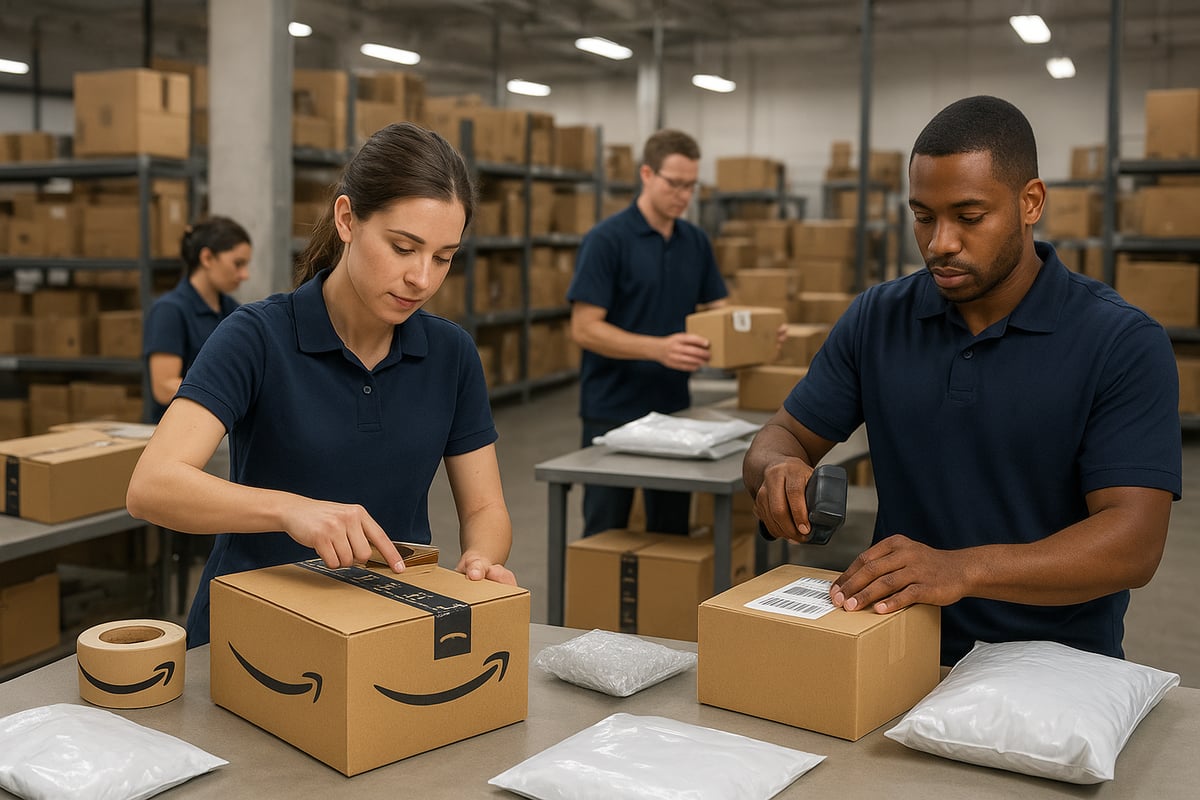
Amazon’s new policy eliminates all in-house FBA prep and labeling services for US sellers as of January 1, 2026. This applies to every piece of inventory sent to US FBA centers, regardless of shipment method. Now, all products must be fully prepped and labeled by the seller or a third party before they arrive. Shipments created before the deadline are still eligible for Amazon’s prep, but any sent after must comply with the updated rules. Non-compliance means no reimbursement for lost or damaged items. Amazon’s move is based on seller improvements in packaging and fba prep processes.
Implications for Sellers: Risks and Opportunities
This policy shift places greater responsibility on sellers to ensure compliance and product safety. The risks are real: shipment delays, lost inventory, and unreimbursed damages can hit account metrics and bottom lines. For those managing large catalogs or complex SKUs, auditing fba prep dependencies is now critical. However, the change also opens doors for workflow optimization and cost reduction by leveraging third-party fba prep providers. Updated team training and clear process documentation are essential. Agencies recommend updating packaging workflows and prepping teams well before Q4 2025 to stay ahead.
Key FBA Prep Requirements in 2026
In 2026, every unit shipped to Amazon must have a compliant, scannable label visible after prep. Packaging has to protect products during shipping and storage, with bubble wrap, bagging, and set assembly completed before arrival. Each product category—fragile, liquids, apparel, powders—has unique fba prep standards. For example, apparel requires poly bagging with suffocation warnings, while adult items need opaque bags. Sellers are encouraged to use Amazon’s Prepare your products for FBA shipping guide for reference. Previous FBA prep fees, once $0.70 to $2.55 per unit, now shift directly to the seller.
Timeline for Transition: What Sellers Need to Know
January 1, 2026, marks the official end of Amazon’s FBA prep and labeling services in the US. Shipments created before this date remain supported, even if inventory arrives later. Sellers must update fba prep processes and renegotiate supplier agreements during Q4 2025. It’s crucial to communicate these changes to 3PLs, manufacturers, and prep partners. The transition period allows sellers to test new workflows and conduct compliance checks. Industry experts strongly advise auditing all FBA-bound SKUs for prep needs before the Q4 rush, minimizing the risk of fulfillment delays.
How to Audit Your Current FBA Prep Workflow
Start by identifying SKUs that rely on Amazon for prep or labeling. Review all packaging materials, labeling procedures, and compliance documentation for gaps. Engage with suppliers and 3PLs to assess readiness for the new fba prep requirements. Use detailed checklists to ensure every prep step is covered. For example, agencies like Blue Wheel recommend conducting full catalog audits and updating workflows to align with the 2026 standards. Proactive audits are key to avoiding disruptions and ensuring a smooth transition to the new fulfillment landscape.
Step-by-Step Guide to FBA Prep Compliance in 2026
Mastering fba prep in 2026 is essential for every Amazon seller. With Amazon shifting all responsibility to sellers, understanding each compliance step is crucial. Follow this structured guide to ensure your inventory meets new FBA standards, prevents costly errors, and maintains top account health.
Step 1: Product Assessment and Categorization
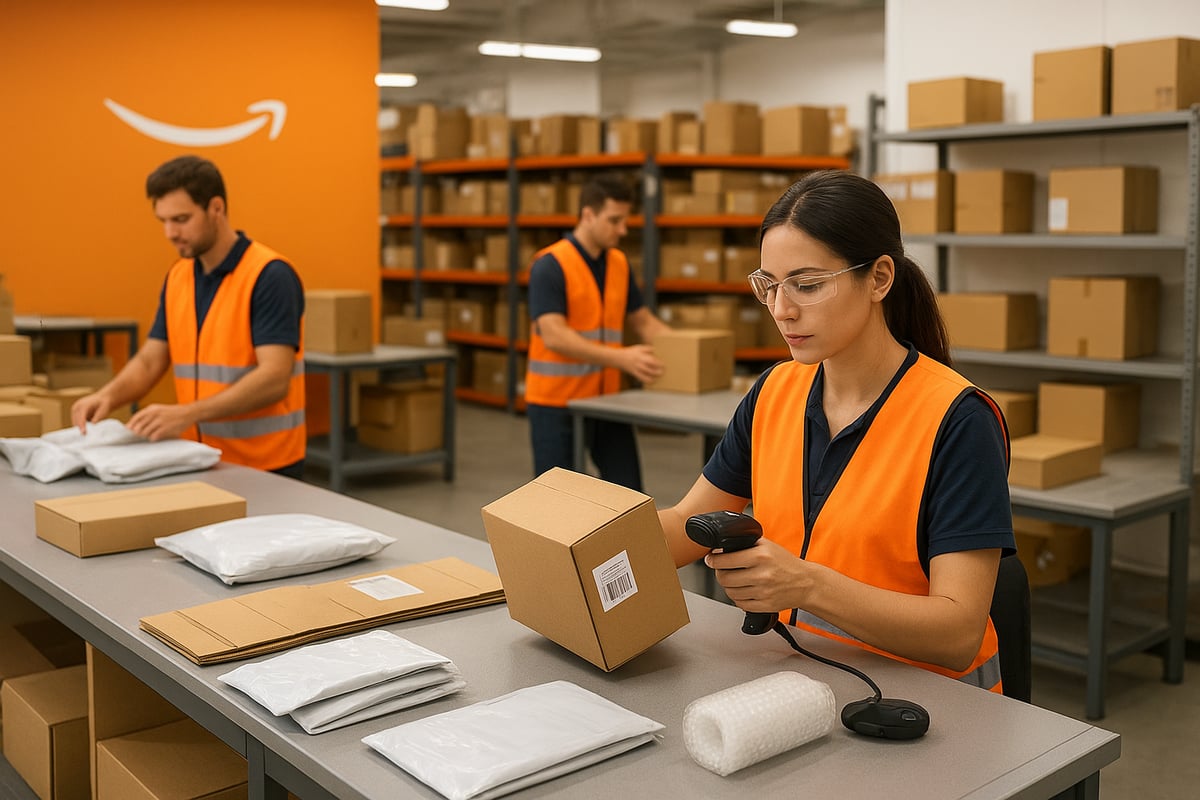
Begin your fba prep process by reviewing every SKU in your catalog. Categorize products based on Amazon’s requirements: fragile, liquid, apparel, adult, and more.
Reference Amazon’s prep guidance to identify which materials and steps are needed for each category. For example, glass items require bubble wrap, while powders need sealed bags.
Document these requirements clearly for your team or 3PL. Maintaining an updated SKU database ensures no item is missed. Remember, incorrect categorization can result in lost reimbursement rights. For a deeper look at the operational workflow, see How FBA prep works step-by-step.
Step 2: Sourcing and Using Prep Materials
Next, source all necessary materials for your fba prep operations. Identify reliable suppliers for bubble wrap, poly bags, opaque bags, and compliant labels.
Verify all materials meet Amazon’s specifications, such as suffocation warnings and required opacity for certain items. Buying in bulk often reduces costs and ensures consistent supply. For instance, apparel products need poly bags with printed warnings, while adult items must be in opaque bags.
Investing in quality prep materials reduces product damage and returns. After 2026, Amazon will not supply any prep materials, making this step critical for compliance.
Step 3: Labeling and Barcoding Best Practices
Effective fba prep relies on precise labeling. Print scannable barcodes for every single unit, using thermal printers to boost efficiency.
Ensure each label is affixed to a flat, visible surface, after all product prep is complete. Use only GS1-compliant barcodes to avoid listing suppression or shipment rejections. Multi-pack or bundled items require unique FNSKU labels for accurate tracking.
Labeling errors are a leading cause of inbound delays. Double-check placement before boxing products for shipment, and ensure all barcodes remain accessible and undamaged during transit.
Step 4: Assembling and Packing Shipments
Assembling shipments is a core fba prep task. Follow Amazon’s packaging and boxing guidelines for each product category. Use dunnage, dividers, or bubble wrap to prevent product shifting and damage.
Pack items by category or by their Amazon destination to streamline the receiving process. For sets, label and bag them together, ensuring “sold as set” items are clearly marked.
Improper packing can result in lost or untraceable inventory. Developing clear standard operating procedures (SOPs) helps minimize prep mistakes and protects your shipments.
Step 5: Quality Control and Documentation
Quality control is non-negotiable in fba prep. Check every shipment for correct materials, accurate labeling, and proper packing.
Maintain a prep log and take photos of prepped SKUs and packed boxes before dispatch. Digital checklists or a warehouse management system (WMS) help track each step and verify compliance.
Well-documented prep processes protect you during Amazon audits and help resolve disputes. Training your staff or 3PL on the updated 2026 standards ensures everyone follows the same high standards.
Step 6: Shipping and Inbound Compliance
Shipping is the final stage of fba prep. Schedule all shipments in Seller Central, selecting the best carrier and service for your needs. Attach shipment labels and follow Amazon’s routing instructions closely.
Track every shipment and confirm delivery to the correct fulfillment centers. Consider Amazon’s Partnered Carrier Program for potential savings.
Late or non-compliant shipments can cause inventory delays and account warnings. Real-time shipment tracking reduces the risk of lost inventory and helps maintain your account health.
Step 7: Monitoring, Feedback, and Continuous Improvement
Ongoing monitoring is vital for long-term fba prep success. Review Amazon receiving reports for discrepancies and compliance issues.
Gather feedback from Amazon and customers on product condition after delivery. Adjust your prep processes based on defect or damage trends.
Update your SOPs regularly, especially when Amazon policies change. Proactive sellers who monitor and improve their prep workflow maintain higher inventory health and enjoy fewer lost sales.
Choosing the Right FBA Prep Solution: In-House vs. Third-Party
Selecting the right approach to fba prep in 2026 is a pivotal decision for Amazon sellers. With Amazon no longer offering in-house prep and labeling, you must decide whether to manage these processes internally or to outsource them to a specialized provider. The right choice directly impacts compliance, costs, and operational efficiency.
Pros and Cons of In-House FBA Prep
Managing fba prep in-house offers direct control over every step of the process. You can oversee quality assurance, timing, and ensure that your products meet Amazon’s compliance rules before shipment.
-
Pros:
- Total control over prep quality and timelines
- Potential cost savings for low-volume or simple SKUs
- Immediate feedback on process issues
-
Cons:
- Labor-intensive and time-consuming at scale
- Requires investment in space, materials, and staff training
- Higher risk of compliance errors without specialized expertise
For many small sellers, in-house fba prep can be practical, especially when dealing with straightforward products. However, as order volumes grow or product lines become more complex, the limitations of this approach can quickly surface.
Evaluating Third-Party FBA Prep Providers
Third-party fba prep providers offer a scalable solution designed for sellers seeking expertise and efficiency. These partners manage everything from labeling and bundling to compliance checks and shipping.
-
Benefits:
- Access to specialized staff and advanced infrastructure
- Streamlined workflows for complex or high-volume SKUs
- Reduced risk of compliance errors thanks to industry know-how
-
Considerations:
- Higher per-unit fees compared to DIY prep
- Less direct control over day-to-day operations
- Need to vet providers for reliability and Amazon experience
Sellers with international supply chains or multiple product categories often find that outsourcing fba prep delivers significant operational advantages.
Cost Comparison: In-House vs. Outsourced Prep
Understanding the true cost of fba prep is crucial for profitability. You must account for materials, labor, storage, and the risk of errors.
| Cost Factor | In-House FBA Prep | Third-Party FBA Prep |
|---|---|---|
| Materials | Bulk purchase needed | Included in service |
| Labor | Your team | Provider’s staff |
| Setup/Overhead | Space, equipment | Setup fees possible |
| Compliance Risk | Higher without training | Lower with experts |
| Per-Unit Cost | Variable, often lower | Fixed, often $0.70-$2.55+ |
Every seller’s situation is unique. For a deeper dive on the decision between in-house and external solutions, review this FBA prep vs. 3PL fulfillment guide.
What to Look for in a Third-Party Prep Partner
When outsourcing fba prep, choosing the right partner is essential for smooth operations and compliance. Key criteria include:
- Proven success with Amazon FBA requirements
- Transparent, predictable pricing with no hidden fees
- Fast turnaround and real-time order tracking
- Value-added services such as kitting, bundling, and omnichannel fulfillment
- Reliable communication and insurance coverage
A strong prep partner allows you to focus on business growth while they handle logistics and compliance. Always request references and check customer reviews before committing.
Ecom Automation Prep: Streamlined FBA Prep for Growing Brands
Ecom Automation Prep is a leading provider of fba prep services tailored for fast-growing Amazon brands. Their end-to-end solution covers product inspection, labeling, bundling, kitting, and direct-to-Amazon shipping, all aligned with 2026 requirements.
With advanced technology, real-time tracking, and up to 90% shipping cost savings, Ecom Automation Prep supports over 150 brands—including complex, omnichannel sellers. Flexible engagement options, free trials, and custom quotes make it easy for businesses to scale their fba prep efficiently.
Brands like Procter & Gamble and Milwaukee rely on Ecom Automation Prep for compliance and operational peace of mind. To learn more or request a quote, visit their website.
Cost Management and Operational Efficiency for FBA Prep
Managing costs and maximizing operational efficiency are critical for every seller navigating the new fba prep requirements in 2026. With Amazon shifting all prep responsibilities to sellers, understanding your cost structure and streamlining your workflow is more important than ever.
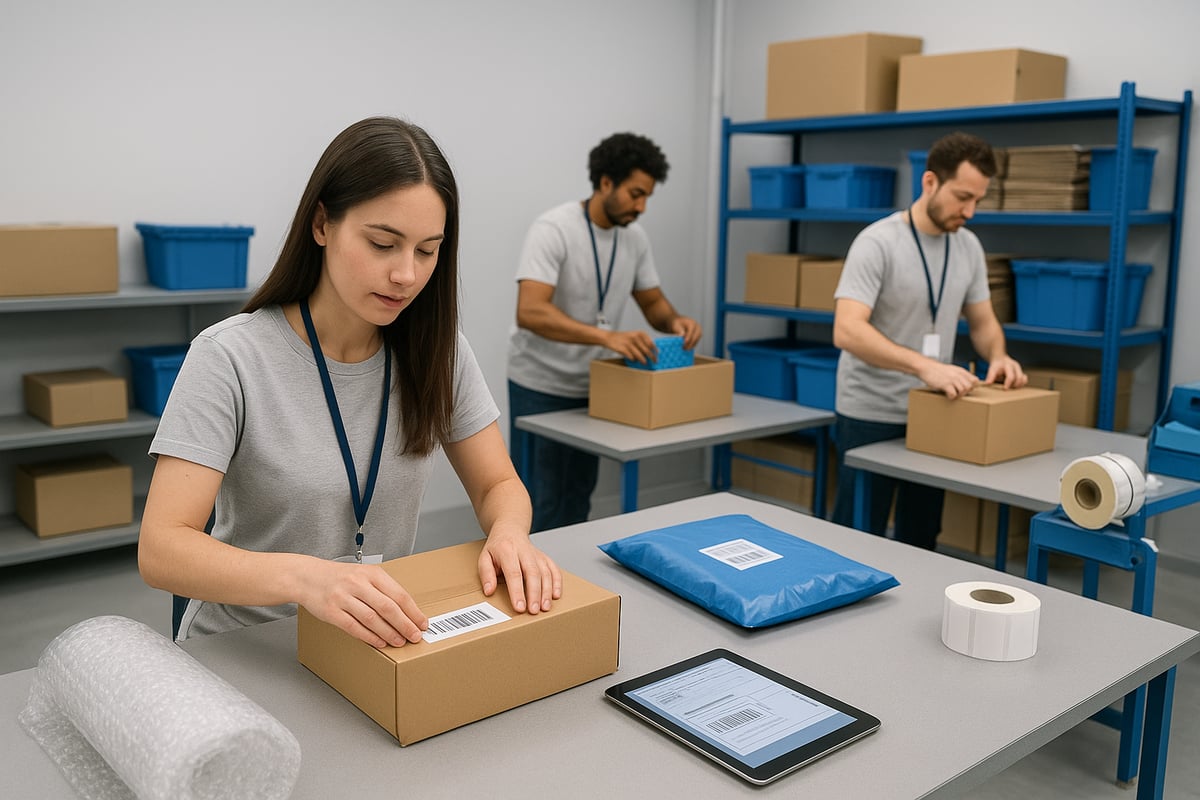
Understanding the True Cost of FBA Prep in 2026
The end of Amazon’s in-house prep means every aspect of fba prep is now a direct seller expense. Costs include materials like bubble wrap, poly bags, and custom labels, as well as labor, storage, and shipping. Sellers must also factor in the cost of correcting errors and lost inventory.
For example, prepping fragile items requires both high-quality bubble wrap and careful labor, while oversized items may need additional packaging and handling. Previously, Amazon charged up to $2.55 per unit for certain prep services. Now, tracking every fba prep expense is essential for accurate profit calculations.
A simple cost breakdown table can help:
| Prep Item | Estimated Cost per Unit |
|---|---|
| Bubble Wrap | $0.10 |
| Poly Bag | $0.15 |
| Custom Label | $0.05 |
| Labor | $0.30 |
Regularly reviewing these costs ensures your fba prep remains profitable.
Strategies to Reduce Prep Costs Without Sacrificing Quality
Reducing fba prep costs requires smart purchasing and process improvements. Buying materials in bulk often secures volume discounts, while negotiating rates with third-party prep partners can drive savings. Efficient workflows and standardized packaging help minimize labor hours and errors.
Consider using standardized box sizes and automated labeling to streamline operations. Lowering the error rate means fewer returns and less lost inventory, which benefits your bottom line. Leveraging technology, like barcode scanners and warehouse management systems, can further reduce manual mistakes and speed up fba prep.
For more actionable tips on optimizing fulfillment costs, review these strategies to cut fulfillment costs without sacrificing speed or quality.
Leveraging the Ships in Product Packaging (SIPP) Program
The SIPP program offers a unique opportunity to cut fba prep costs for eligible SKUs. With SIPP, products are shipped in their manufacturer packaging, eliminating the need for extra bagging or bubble wrap. This is especially useful for boxed items like electronics or toys.
Sellers participating in SIPP can receive FBA discounts and reduce supply chain costs. To take advantage of SIPP, check which of your products qualify and enroll them through Seller Central. Not only does this minimize fba prep labor, but it also speeds up inbound processing at Amazon’s fulfillment centers.
Review your catalog for SIPP-eligible SKUs and coordinate with suppliers to ensure packaging meets Amazon’s requirements. This step can significantly streamline your fba prep workflow.
Optimizing Inventory and Inbound Logistics
Inventory management and inbound logistics directly impact fba prep efficiency. Data-driven forecasting helps prevent overstock and excess storage fees. Scheduling smaller, more frequent shipments reduces inbound bottlenecks and keeps inventory fresh.
Monitor Amazon’s capacity limits to avoid shipment delays. Integrating supply chain software provides real-time shipment visibility and helps adjust timing based on demand. For example, regular communication with 3PLs and carriers ensures your fba prep and delivery align with Amazon’s receiving windows.
Optimizing these processes not only lowers costs but also improves inventory health and sell-through rates. Effective inbound logistics are a cornerstone of successful fba prep operations.
Monitoring KPIs and Continuous Improvement
Tracking key performance indicators is essential for ongoing fba prep success. Focus on metrics such as prep error rate, shipment delays, inventory defects, and prep cost per unit. Set quarterly goals for cost reduction and workflow improvements.
Sellers using 3PLs with real-time dashboards can quickly spot and resolve issues. Benchmark your results against industry standards and adjust SOPs as needed. Proactive monitoring and continuous improvement help reduce compliance issues and increase profitability.
By making data-driven adjustments, you ensure your fba prep remains competitive and future-proof in the evolving Amazon landscape.
Future-Proofing Your Amazon Fulfillment Workflow
Adapting your fba prep strategy for the future is essential as Amazon’s landscape evolves. Sellers who anticipate change, invest in training, and leverage technology will maintain compliance and efficiency. Here’s how to stay ahead in 2026 and beyond.
Preparing for Further Amazon Policy Changes
Amazon routinely updates its policies, so remaining agile is crucial for sustained fba prep success. Monitor Seller Central for announcements, and subscribe to industry newsletters for timely updates. For instance, 2026 introduces not only the end of in-house prep, but also changes to removal, disposal, and liquidation fees.
Early adopters consistently avoid penalties by preparing in advance. Consider reading the Amazon Ends FBA Prep Services in 2026 article to understand the broader impact and recommended actions. Building flexibility into your fulfillment processes will help you absorb new requirements without disruption.
Training Your Team and Partners for Ongoing Compliance
Effective fba prep depends on well-trained teams and partners. Develop in-depth training modules that reflect the latest standards. Update your standard operating procedures (SOPs) regularly, ensuring everyone is aligned with Amazon’s requirements.
Offer hands-on demonstrations for new staff, focusing on labeling, packing, and documentation. Partner with 3PLs that provide onboarding and compliance training. Well-prepared teams consistently achieve lower error rates and higher account health.
Leveraging Technology for Fulfillment Efficiency
Investing in technology streamlines fba prep and reduces manual errors. Warehouse management systems (WMS) can automate inventory tracking and workflow management. Integrate barcode scanning and automated labeling to increase speed and accuracy.
Automation tools minimize labor costs and boost order accuracy. Real-time reporting provides instant visibility into prep performance, letting you spot and resolve issues quickly. Choose scalable solutions that can grow with your business needs.
Building Resilient Supply Chains for Amazon FBA
A resilient supply chain is fundamental to reliable fba prep. Diversify your suppliers and 3PL partners to reduce risk from regional disruptions or capacity shortages. Establish backup plans for each step—prep, shipping, and inventory management.
Use multiple prep centers if possible, and regularly audit your entire fulfillment network. Resilient supply chains can recover faster from unexpected events, protecting your inventory and customer satisfaction.
Staying Competitive in the Evolving FBA Landscape
Continuous improvement is at the core of effective fba prep. Monitor your competitors and adopt emerging best practices. Engage in seller communities and forums to share insights and learn from others’ experiences.
Early adoption of programs like SIPP and warehouse automation provides cost and speed advantages. Prioritize customer experience by delivering products reliably and compliantly. Staying proactive ensures your fulfillment operation remains a competitive asset.
As you navigate the new reality of Amazon FBA prep in 2026, having a trusted fulfillment partner can make all the difference. With so many policy updates, compliance checks, and efficiency targets, it’s essential to have solutions that are both reliable and scalable. At Ecom Automation Prep, we’re here to help you streamline your workflow, reduce risks, and keep your business growing—no matter how complex your catalog or ambitious your goals. If you’re ready to simplify your FBA prep and focus on what matters most, let’s take the next step together.
Get A Quote


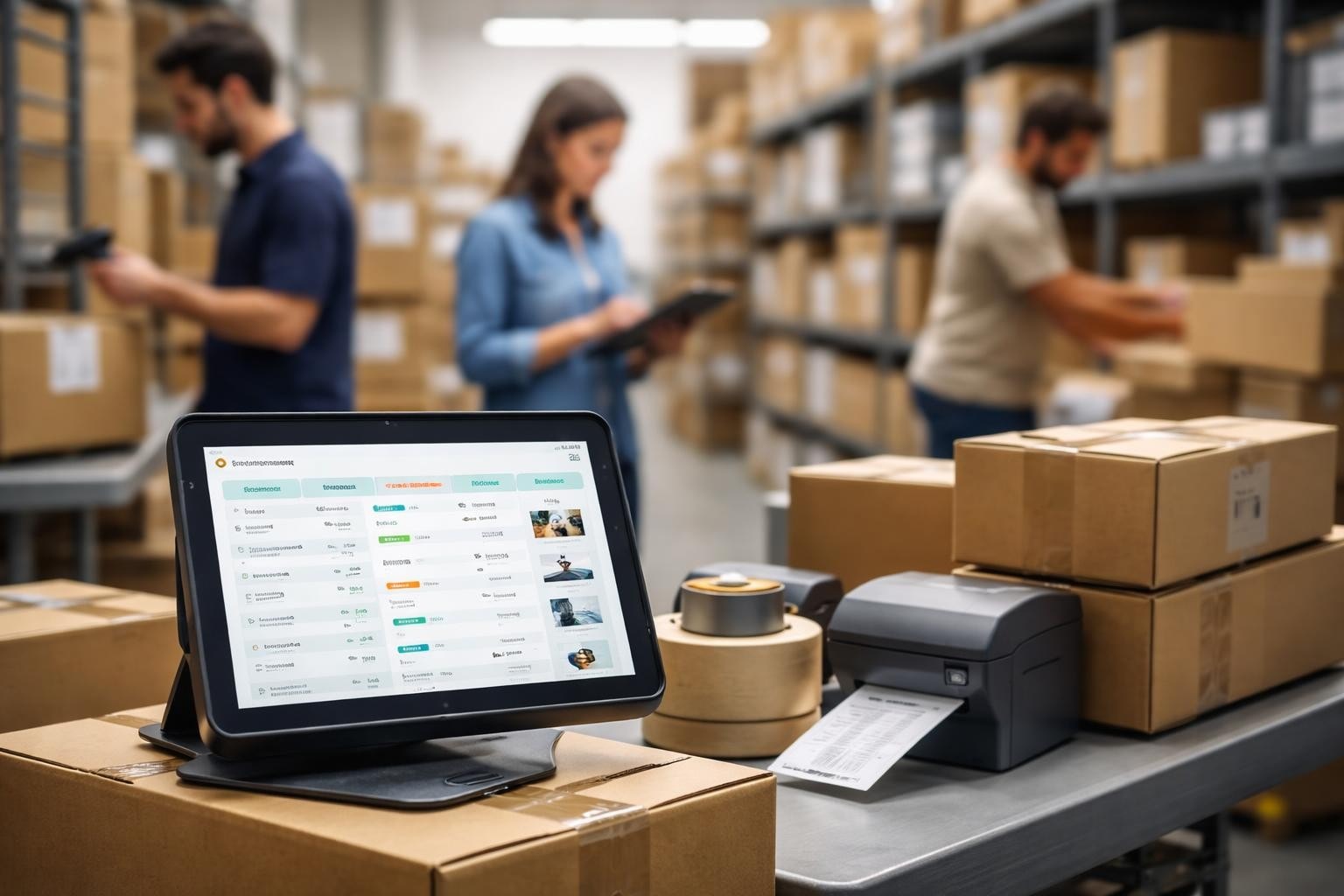
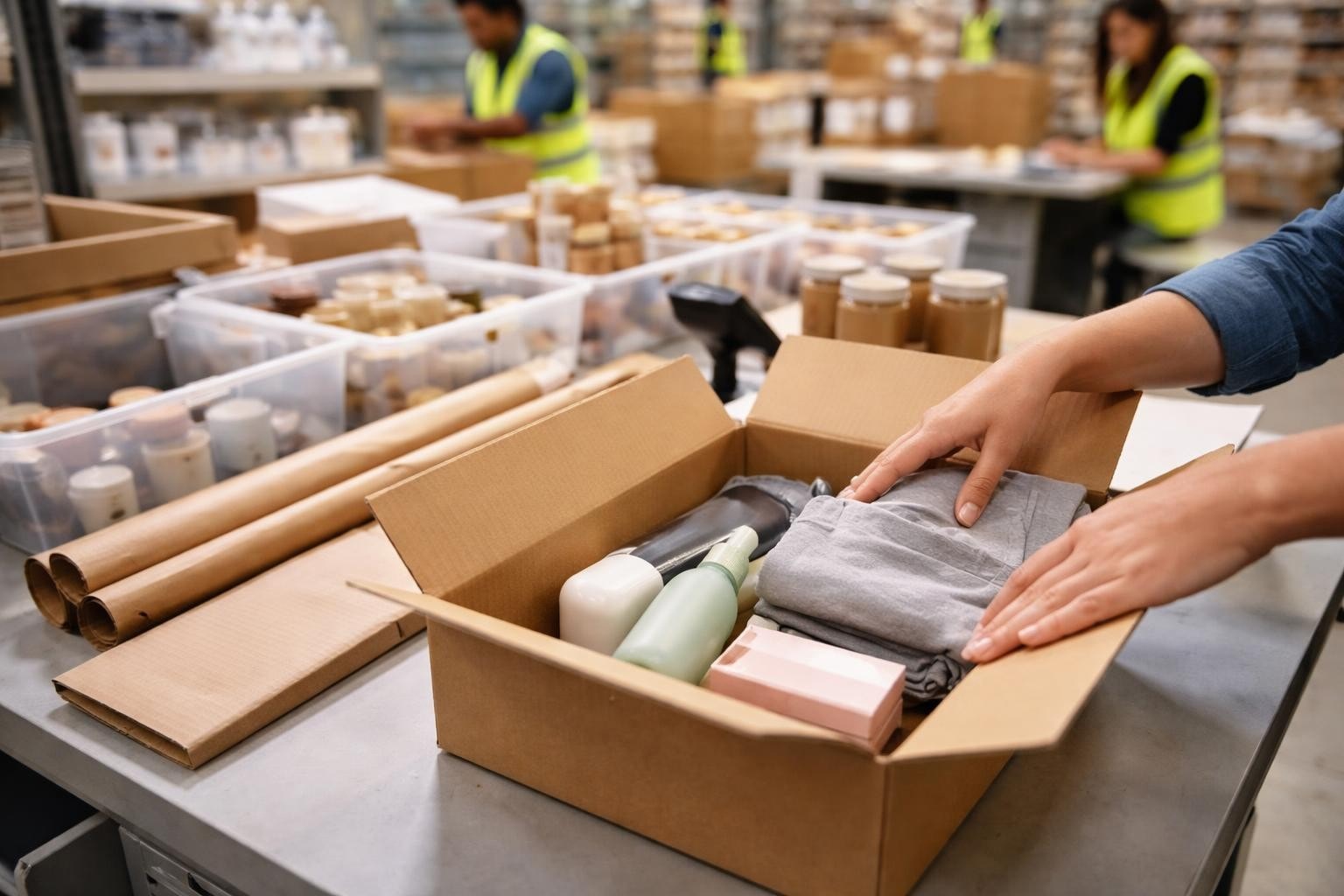

[…] brands utilizing Amazon FBA prep services, the receiving stage includes specialized preparation steps ensuring products meet marketplace […]