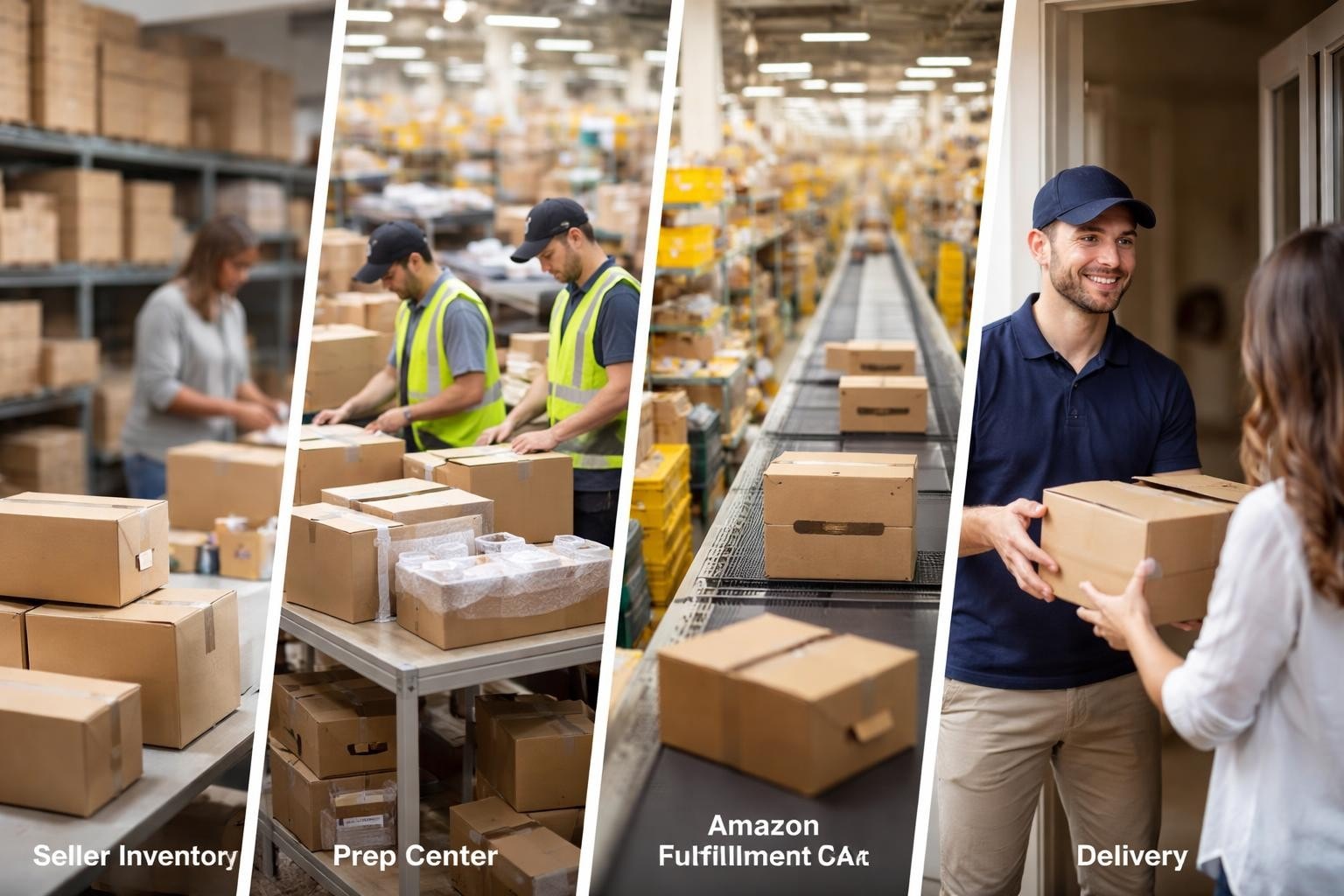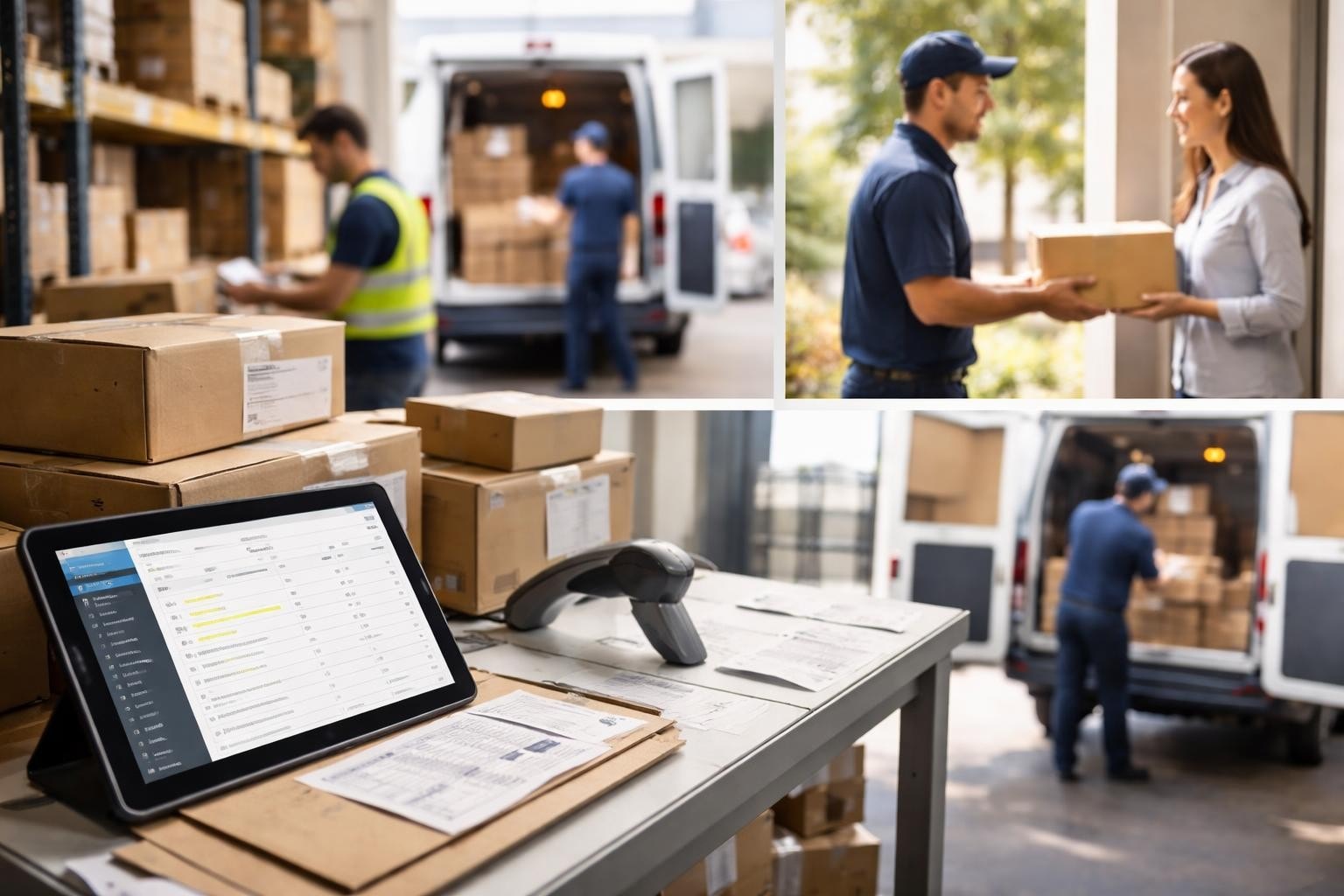

The modern delivery e commerce landscape has evolved far beyond simple package shipment. Today’s consumers expect fast, transparent, and flexible delivery options that match their increasingly sophisticated shopping behaviors. For e-commerce brands, mastering the delivery component isn’t just about moving products from point A to point B-it’s about creating competitive advantages, building customer loyalty, and scaling operations efficiently. As convenience and digital trends continue redefining e-commerce in 2025, brands must adapt their fulfillment strategies to meet rising expectations while maintaining profitability.
Understanding the Delivery E Commerce Ecosystem
Delivery e commerce encompasses the entire infrastructure required to transport products from warehouses to customers’ doorsteps. This complex system involves multiple stakeholders, technologies, and processes working in harmony.
Core Components of Modern Fulfillment
The delivery e commerce framework relies on several interconnected elements that determine success or failure. Inventory management forms the foundation, ensuring products are available when customers place orders. Order processing systems translate customer purchases into actionable picking, packing, and shipping instructions. Carrier partnerships provide the transportation networks needed to reach customers nationwide or globally.
Beyond these basics, sophisticated brands leverage warehouse management systems (WMS) to optimize storage locations, reduce picking times, and minimize errors. Transportation management systems (TMS) help select the most cost-effective carriers while meeting delivery promises. Real-time tracking capabilities keep customers informed throughout the journey, reducing anxiety and support inquiries.

| Fulfillment Component | Primary Function | Impact on Customer Experience |
|---|---|---|
| Inventory Positioning | Stock location optimization | Reduces delivery times |
| Order Processing | Accuracy and speed | Ensures correct items arrive |
| Packaging | Protection and presentation | Creates unboxing experience |
| Carrier Selection | Cost and speed balance | Meets delivery expectations |
| Tracking Systems | Visibility and updates | Reduces delivery anxiety |
The integration of these components determines overall delivery e commerce performance. Brands that excel in this integration consistently outperform competitors in customer satisfaction metrics.
Speed as a Competitive Differentiator
Delivery speed has become a primary purchasing factor for online shoppers. The expectations set by major marketplaces have fundamentally changed what consumers consider acceptable.
The Race to Faster Delivery
Same-day and next-day delivery options are no longer luxury services-they’re becoming standard expectations. Amazon’s new delivery service offering 1-hour and 3-hour deliveries demonstrates how aggressively platforms are pushing speed boundaries. Even more extreme, 10-minute delivery services are revolutionizing commerce in India, setting new benchmarks for urban fulfillment.
For brands without massive infrastructure investments, competing on pure speed requires strategic approaches:
- Regional distribution centers position inventory closer to customer concentrations
- Predictive analytics pre-position popular items in high-demand markets
- Hybrid fulfillment models combine in-house operations with third-party logistics partners
- Strategic carrier partnerships leverage existing networks for faster transit times
- Cut-off time optimization maximizes same-day shipping windows
Speed improvements in delivery e commerce don’t always require massive capital expenditure. Sometimes, simple operational refinements-like earlier warehouse start times or streamlined picking processes-can shave hours off delivery windows.
Managing Last-Mile Delivery Challenges
The final leg of delivery e commerce presents the most complex and costly challenges. Last-mile delivery typically accounts for 40-50% of total shipping costs while presenting the highest risk of customer dissatisfaction.
Address Accuracy and Verification
One of the hidden challenges of last-mile delivery in e-commerce involves ensuring accurate address information. Incomplete, incorrect, or ambiguous addresses lead to failed deliveries, return-to-sender fees, and frustrated customers.
Pre-validation systems check addresses at checkout, flagging potential issues before orders enter fulfillment. Address standardization ensures consistency across databases. Customer communication protocols quickly resolve questionable addresses before shipping.
Delivery Experience Optimization
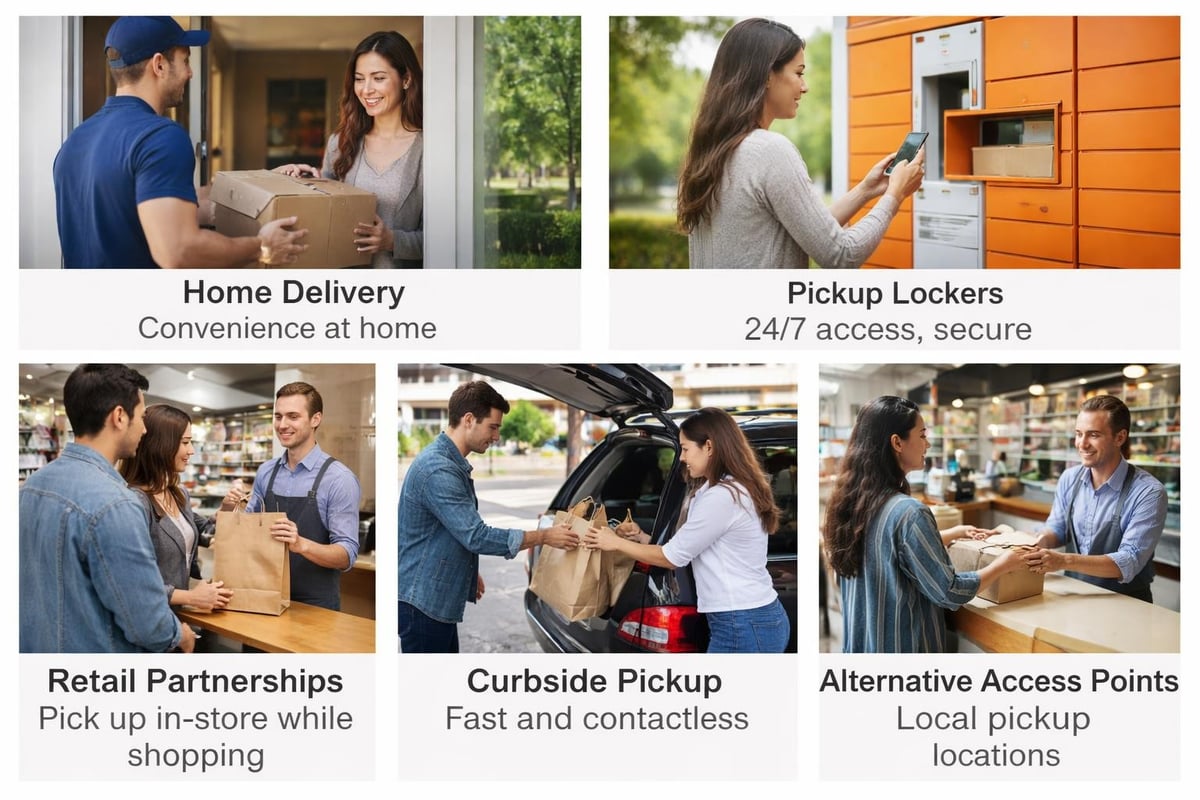
The delivery e commerce experience extends beyond speed to include convenience, flexibility, and reliability. Customers increasingly demand:
- Delivery window selection that accommodates work schedules
- Alternative delivery locations including lockers and pickup points
- Real-time delivery tracking with accurate ETAs
- Contactless delivery options for safety and convenience
- Easy returns processes that don’t penalize customers
Brands that excel in these areas build loyalty that transcends price competition. According to the 2025 Ecommerce Fulfillment & Delivery Trends Report, customer satisfaction with delivery experiences directly correlates with repeat purchase rates and lifetime value.
Technology Integration in Delivery Operations
Modern delivery e commerce relies heavily on technological infrastructure that connects disparate systems and enables real-time decision-making.
Automation and AI Applications
Agentic AI and unified commerce platforms are defining e-commerce in 2026, fundamentally changing how brands approach fulfillment. Machine learning algorithms now predict demand patterns, optimize inventory placement, and route orders to the most efficient fulfillment locations.
Robotic process automation handles repetitive tasks like label printing, order sorting, and data entry. Computer vision systems verify package contents and detect shipping damage before carrier handoff. Predictive analytics forecast peak periods and staffing requirements.
Integration across platforms eliminates manual data transfer and reduces errors. When order management systems, warehouse platforms, and carrier APIs communicate seamlessly, delivery e commerce operations run smoothly even during high-volume periods.
| Technology Solution | Application Area | Key Benefit |
|---|---|---|
| Warehouse Management Systems | Inventory and picking | Reduces fulfillment time by 30-50% |
| Order Management Platforms | Cross-channel coordination | Prevents overselling and stock issues |
| AI-Powered Routing | Carrier selection | Optimizes cost versus speed tradeoffs |
| Automated Packing Systems | Packaging efficiency | Increases throughput and consistency |
| Analytics Dashboards | Performance monitoring | Enables data-driven improvements |
Data-Driven Decision Making
Successful delivery e commerce operations generate massive amounts of data that, when properly analyzed, reveal optimization opportunities. Carrier performance metrics identify which partners consistently meet SLAs. Geographic analysis shows where delivery times exceed expectations. Cost per shipment tracking highlights areas for expense reduction.
Advanced brands implement continuous improvement cycles based on this data. They A/B test packaging options, compare carrier performance across regions, and refine inventory positioning based on actual demand patterns rather than assumptions.
Scaling Direct-to-Consumer Fulfillment
As brands grow, delivery e commerce complexity increases exponentially. What works at 100 orders per day breaks down at 1,000 orders per day.
Infrastructure Investment Decisions
Growing brands face critical decisions about fulfillment infrastructure. In-house fulfillment offers maximum control but requires significant capital investment and operational expertise. Third-party logistics (3PL) partnerships provide scalability and expertise without upfront investment.
Many successful brands adopt hybrid models, handling certain product categories or regions internally while outsourcing others. This approach balances control with flexibility.
Common Fulfillment Challenges
Brands frequently encounter common e-commerce fulfillment challenges as they scale:
- Inventory forecasting errors leading to stockouts or excess inventory
- Seasonal demand spikes overwhelming existing capacity
- Multi-channel complexity across marketplaces, direct sales, and retail
- Returns processing consuming disproportionate resources
- Quality control maintaining standards during rapid growth
Addressing these challenges requires both operational excellence and strategic partnerships. The right fulfillment partner brings expertise, technology, and infrastructure that would take years to develop internally.

Packaging Strategy and Sustainability
Delivery e commerce packaging serves multiple purposes beyond simple product protection. It represents brand identity, influences customer perception, and increasingly addresses environmental concerns.
Balancing Protection and Presentation
Effective packaging protects products during transit while creating positive unboxing experiences. Right-sized packaging reduces dimensional weight charges while minimizing waste. Custom inserts position products securely without excessive filler material. Branded elements reinforce brand identity at the crucial moment of delivery.
The packaging decision matrix considers:
- Product fragility and protection requirements
- Shipping cost implications of package dimensions
- Brand presentation and unboxing experience
- Environmental impact and sustainability goals
- Efficiency of packing processes at scale
Environmental Considerations
Consumers increasingly evaluate brands based on environmental practices. Delivery e commerce generates significant packaging waste, making sustainability efforts both ethically important and commercially valuable.
Recyclable materials reduce environmental impact without compromising protection. Minimalist packaging approaches eliminate unnecessary components. Reusable packaging programs create closed-loop systems for certain product categories. Carbon-neutral shipping options allow customers to offset delivery emissions.
Returns Management as Delivery Excellence
Returns represent a critical component of delivery e commerce that many brands underinvest in. Yet returns processes significantly impact customer satisfaction and repeat purchase likelihood.
Streamlined Returns Processes
Effective returns programs make the process effortless for customers while minimizing costs for brands. Prepaid return labels eliminate customer friction. Multiple return options accommodate different customer preferences. Quick refund processing builds trust and loyalty.
The returns infrastructure should include:
- Clear return policies displayed prominently
- Easy-to-initiate return processes through customer accounts
- Multiple return methods (mail, drop-off locations, pickup)
- Efficient receiving and processing at fulfillment centers
- Quick inspection and restocking of returnable items
- Data collection to identify return pattern trends
Learning from Returns Data
Returns data reveals product quality issues, sizing problems, and misleading descriptions. Brands that analyze return reasons and implement corrections reduce future return rates while improving product offerings.
Return rate tracking by SKU identifies problematic products. Reason code analysis reveals whether issues stem from product quality, description accuracy, or customer expectations. Geographic patterns sometimes indicate shipping damage during specific routes.
International Delivery Expansion
Cross-border delivery e commerce opens new markets but introduces additional complexity around customs, duties, regulations, and extended transit times.
Cross-Border Logistics Challenges
International shipping requires expertise in:
- Customs documentation and harmonized tariff codes
- Landed cost calculation including duties and taxes
- International carrier selection and service level options
- Regulatory compliance for restricted products
- Currency conversion and international payment processing
Many brands partner with specialized international fulfillment providers who navigate these complexities. Alternative approaches include establishing fulfillment centers in target markets to provide domestic delivery experiences.
DDP vs. DDU Delivery
Delivered Duty Paid (DDP) models calculate and charge all costs upfront, eliminating surprise fees for customers. Delivered Duty Unpaid (DDU) passes customs charges to customers upon delivery, often creating negative experiences.
For premium customer experiences in delivery e commerce, DDP approaches win despite higher complexity on the seller side. Customers appreciate transparent pricing and avoid delivery delays caused by unpaid customs fees.
Peak Season Preparation
Seasonal demand spikes test delivery e commerce infrastructure. Brands that prepare adequately maintain service levels while those caught unprepared disappoint customers during their busiest periods.
Capacity Planning Strategies
Successful peak season management starts months in advance. Historical data analysis projects expected volume increases. Inventory buildup ensures product availability. Temporary staffing adds capacity for picking, packing, and quality control. Carrier capacity reservations secure shipping resources before peak demand.
The preparation timeline typically includes:
- 90 days out: Inventory ordering and carrier capacity discussions
- 60 days out: Temporary staff recruitment and training
- 30 days out: Systems testing and process reviews
- Peak period: Daily performance monitoring and rapid issue resolution
- Post-peak: Analysis and improvement planning for next year
Fulfillment Partner Selection Criteria
Many brands eventually recognize that delivery e commerce isn’t their core competency. Selecting the right fulfillment partner becomes a strategic decision with long-term implications.
Evaluation Framework
When assessing potential fulfillment partners, consider:
| Evaluation Criteria | Key Questions | Red Flags |
|---|---|---|
| Technology Integration | Does their WMS integrate with your platforms? | Manual data entry requirements |
| Scalability | Can they handle 3x volume growth? | Vague capacity answers |
| Geographic Coverage | Where are their fulfillment centers located? | Single-location operations |
| Service Offerings | Do they handle all your fulfillment needs? | Outsourcing core services to others |
| Pricing Transparency | Are all fees clearly defined? | Hidden charges or complex fee structures |
| Customer Support | What’s their response time for issues? | Limited contact hours or slow responses |
The right partner becomes an extension of your brand, representing your company in every customer interaction. Their performance directly impacts your reputation and customer satisfaction scores in delivery e commerce.
Mastering delivery e commerce requires balancing speed, cost, quality, and customer experience across increasingly complex operations. As consumer expectations continue rising and technology enables new fulfillment models, brands must continuously evolve their delivery strategies to remain competitive. Whether you’re managing fulfillment in-house or evaluating partnership options, Ecom Automation Prep provides the comprehensive fulfillment services growing e-commerce brands need to scale efficiently. From Amazon FBA prep to direct-to-consumer fulfillment, our scalable solutions help you meet customer expectations while focusing on what you do best-growing your brand.