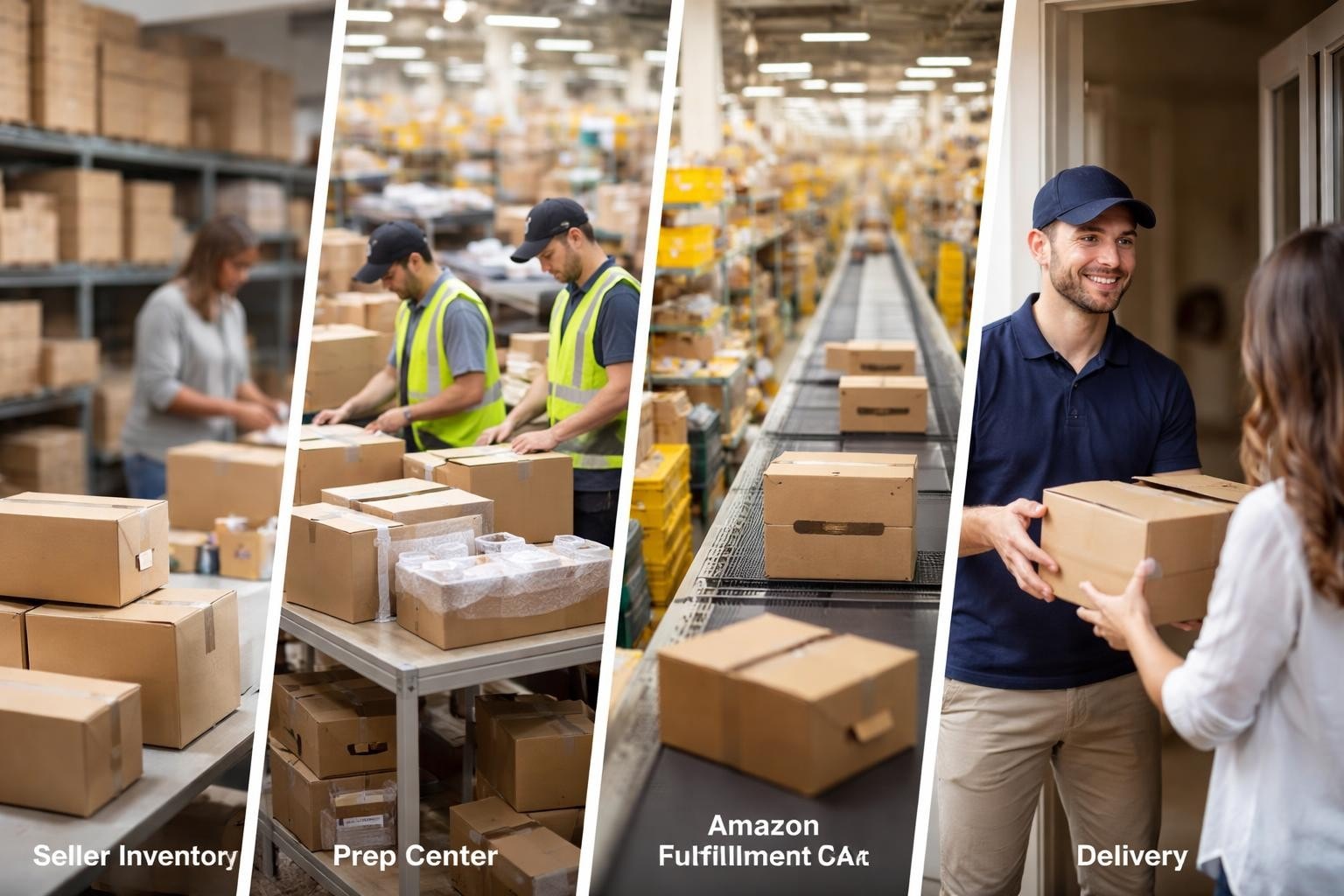

The e-commerce landscape in 2026 continues to evolve at an unprecedented pace, with customer expectations for fast, accurate, and transparent delivery reaching new heights. Fulfillment delivery has become the critical differentiator between brands that thrive and those that struggle to compete. This comprehensive process encompasses everything from inventory management and order processing to packaging, shipping, and last-mile delivery. For fast-growing e-commerce brands, understanding and optimizing fulfillment delivery isn’t just an operational consideration-it’s a strategic imperative that directly impacts customer satisfaction, retention rates, and overall profitability.
Understanding the Fulfillment Delivery Process
Fulfillment delivery represents the complete journey of a product from your warehouse to your customer’s doorstep. This multifaceted operation involves numerous interconnected steps that must work seamlessly together.
The process begins when inventory arrives at your fulfillment center. Products are received, inspected, counted, and stored in designated warehouse locations using sophisticated inventory management systems. This initial stage sets the foundation for efficient order processing.
Key Stages of the Fulfillment Pipeline
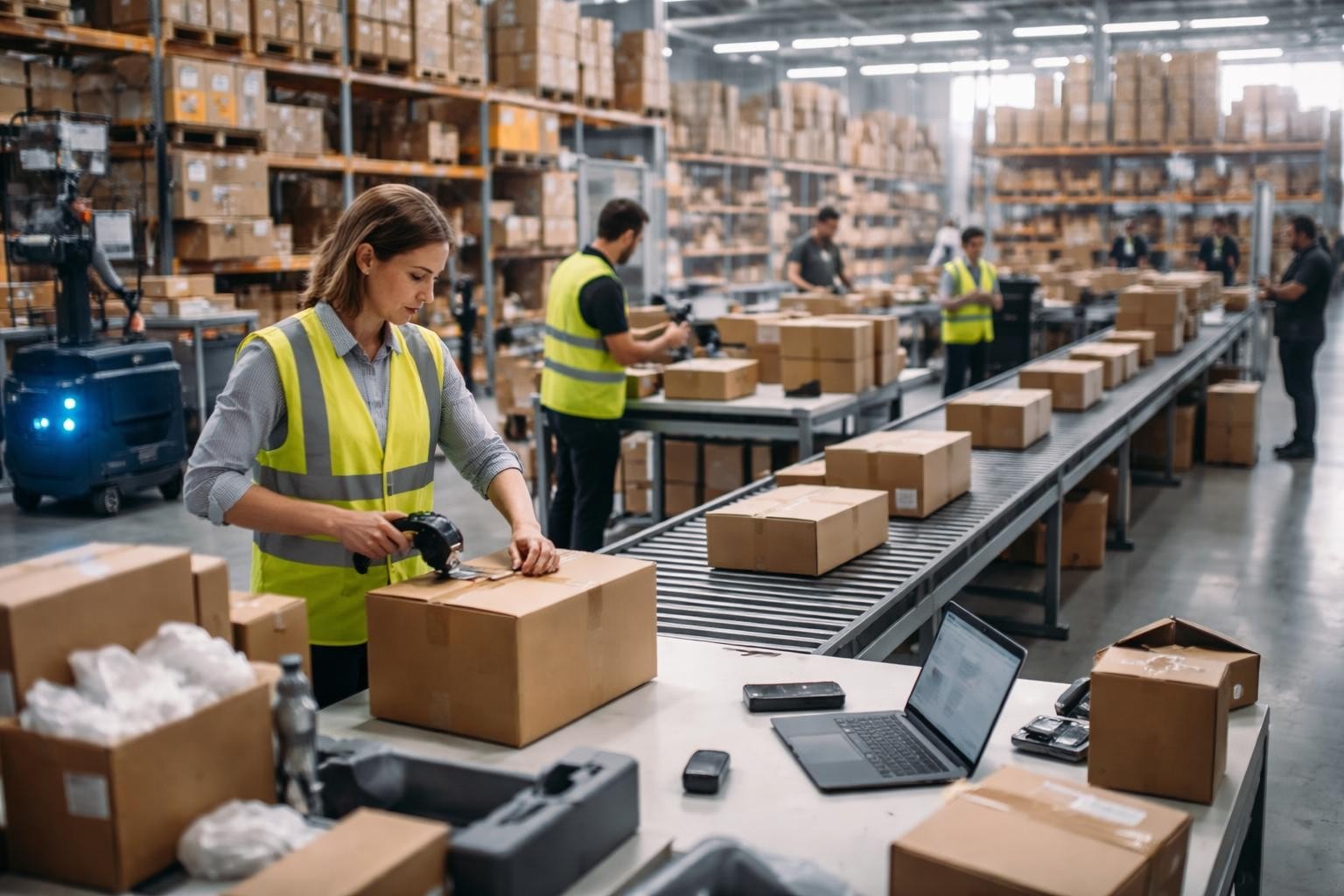
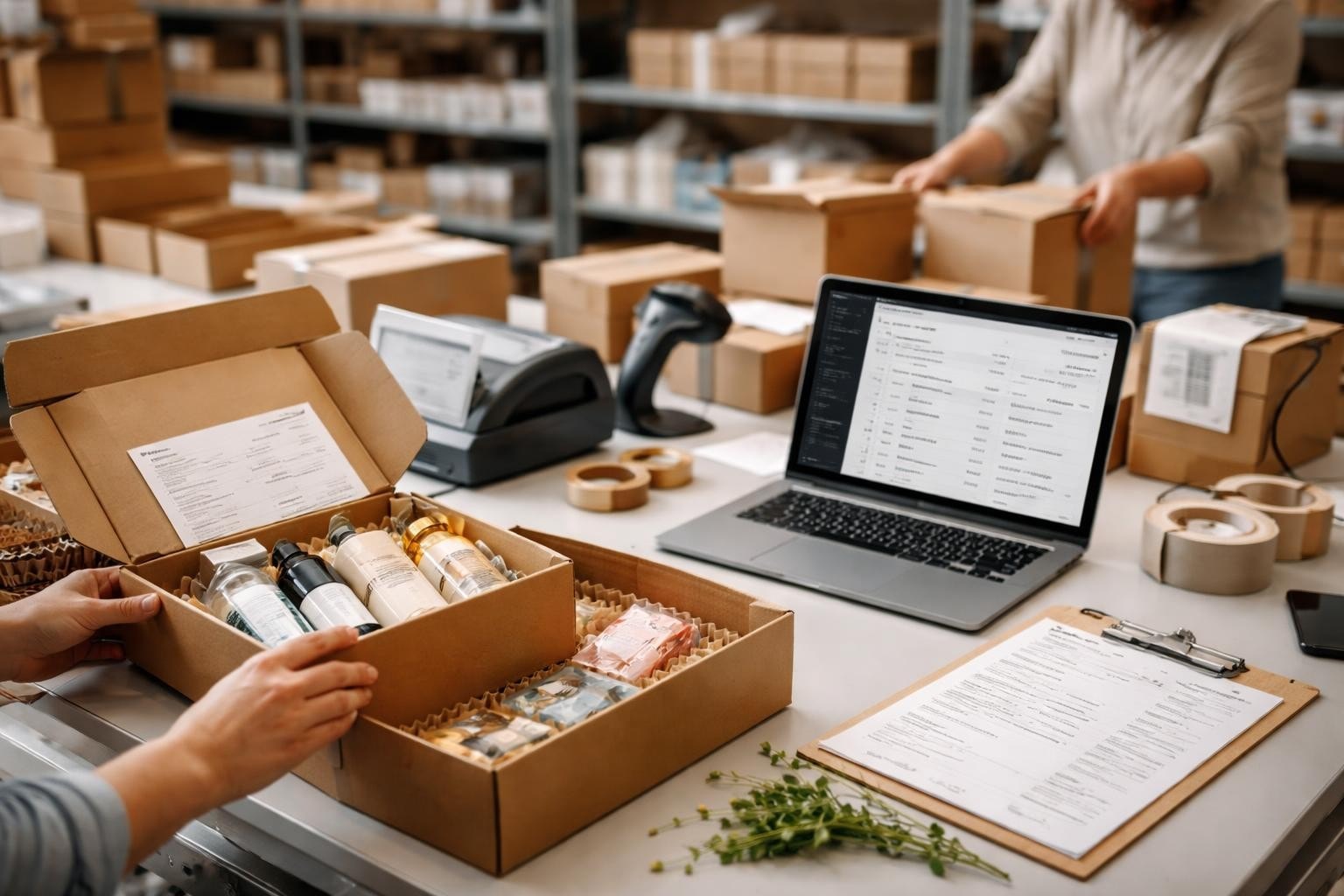
When a customer places an order, the fulfillment delivery process kicks into high gear. The warehouse management system identifies the product’s location, and a picker retrieves the item from inventory. Next comes packing, where items are secured with appropriate materials and labeled for shipping.
- Order receiving and validation: System verification and inventory allocation
- Picking and retrieval: Locating and collecting items from warehouse locations
- Quality control: Inspecting products for damage or defects
- Packaging: Selecting appropriate boxes and protective materials
- Labeling: Generating and applying shipping labels with tracking information
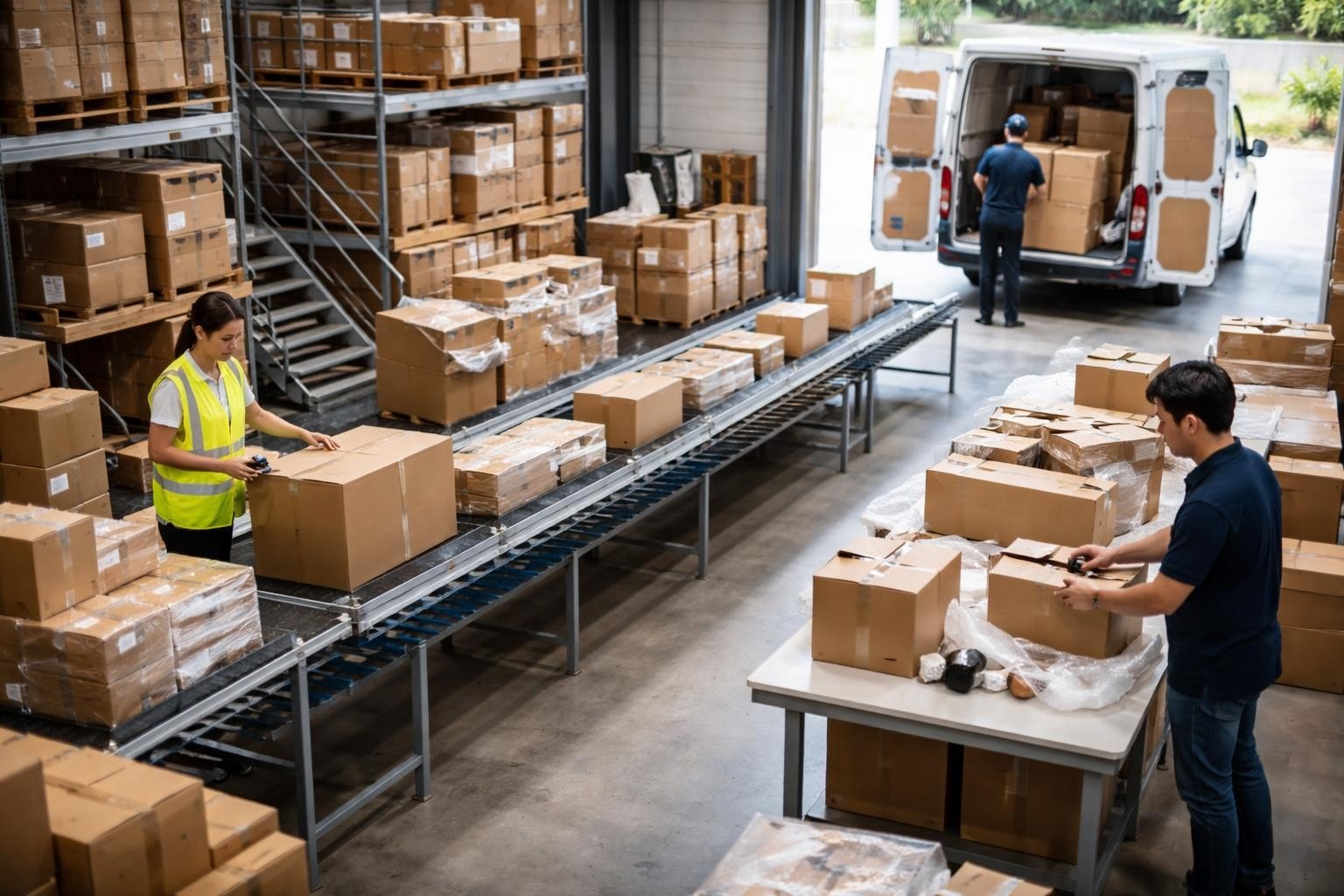
- Carrier handoff: Transferring packages to shipping partners
- Last-mile delivery: Final transport to the customer’s address
- Delivery confirmation: Proof of delivery and customer notification
Each stage requires precise coordination and timing. A breakdown at any point can cascade into delays, increased costs, and disappointed customers.

The Evolution of Customer Expectations
Consumer demands have fundamentally reshaped fulfillment delivery strategies across the industry. According to the National Retail Federation’s research on fulfillment and delivery, customers increasingly expect fast and free shipping as standard offerings rather than premium services.
The two-day delivery standard established by major marketplaces has created a new baseline. Many brands now offer same-day or next-day options in urban areas. Speed alone isn’t enough-customers also demand flexibility, transparency, and sustainability in their delivery options.
What Modern Consumers Want
Today’s shoppers evaluate brands based on multiple fulfillment factors:
- Delivery speed: Options ranging from same-day to standard shipping
- Cost transparency: Clear shipping fees with no hidden charges
- Tracking capabilities: Real-time updates on package location and status
- Delivery flexibility: Choice of delivery dates, times, and locations
- Returns convenience: Simple, hassle-free return processes
- Environmental responsibility: Eco-friendly packaging and carbon-neutral shipping
The 2025 Ecommerce Fulfillment Report reveals that brands offering comprehensive delivery choices see significantly higher conversion rates and customer lifetime value compared to those with limited options.
Technology Transforming Fulfillment Delivery
Modern fulfillment delivery operations rely heavily on advanced technology to meet escalating customer demands while maintaining profitability. Automation, artificial intelligence, and data analytics have revolutionized how brands approach order fulfillment.
Warehouse management systems (WMS) now integrate with inventory tracking, order management platforms, and carrier systems to create seamless workflows. These integrations eliminate manual data entry, reduce errors, and accelerate processing times.
Cutting-Edge Fulfillment Technologies
| Technology | Application | Primary Benefit |
|---|---|---|
| Robotics | Automated picking and packing | 40-50% faster processing |
| AI/ML | Demand forecasting and inventory optimization | Reduced stockouts by 30% |
| IoT Sensors | Real-time inventory tracking | 99%+ inventory accuracy |
| Route Optimization | Last-mile delivery efficiency | 20-25% cost reduction |
| Predictive Analytics | Anticipatory shipping | Faster delivery times |
| Blockchain | Supply chain transparency | Enhanced traceability |
Machine learning algorithms analyze historical data to predict demand patterns, enabling brands to position inventory strategically across multiple fulfillment centers. This approach, known as distributed inventory, reduces shipping distances and delivery times while lowering transportation costs.
Research from last-mile delivery operations studies demonstrates how data-driven approaches significantly improve delivery efficiency and customer satisfaction. These insights help brands optimize routes, reduce failed deliveries, and enhance overall performance.
Choosing the Right Fulfillment Model
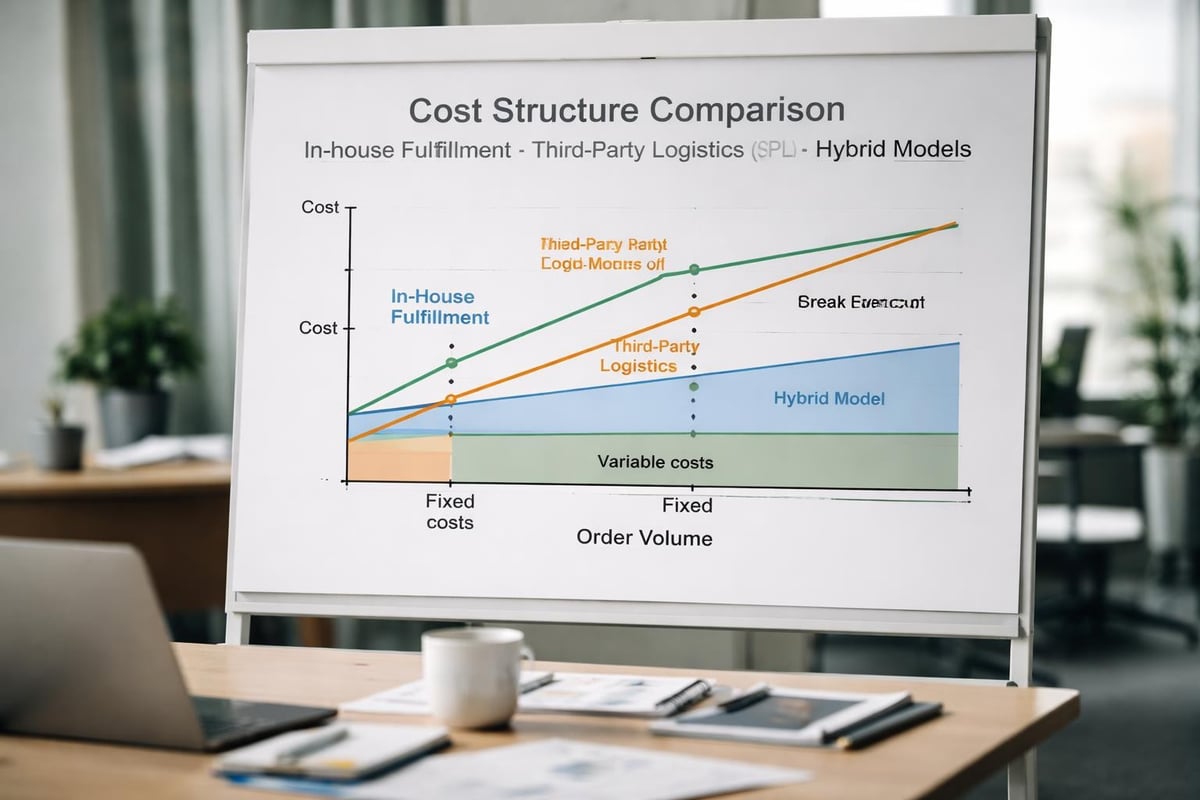
Brands face critical decisions when structuring their fulfillment delivery operations. The choice between in-house fulfillment, third-party logistics (3PL) providers, or hybrid models depends on multiple factors including order volume, product characteristics, and growth trajectory.
In-House Fulfillment
Managing your own warehouse and fulfillment delivery provides maximum control over the customer experience. You dictate packaging standards, quality control procedures, and shipping methods. This approach works well for brands with:
- Consistent order volumes that justify infrastructure investment
- Specialized products requiring unique handling
- Strong desire for complete operational control
- Capital available for warehouse space and equipment
However, in-house fulfillment demands significant upfront investment and ongoing operational expertise. Scaling during peak seasons becomes challenging without excess capacity.
Third-Party Logistics (3PL)
Partnering with a 3PL provider like Ecom Automation Prep offers scalability and expertise without capital investment. 3PLs handle receiving, storage, picking, packing, and shipping, allowing brands to focus on product development and marketing.
Benefits of 3PL partnerships include:
- Immediate access to established infrastructure
- Scalable capacity that adjusts to demand fluctuations
- Expertise in fulfillment best practices
- Negotiated carrier rates due to volume
- Geographic distribution for faster delivery
- Reduced overhead and fixed costs
The market trend report on e-commerce fulfillment shows continued growth in 3PL adoption as brands recognize the strategic advantages of outsourcing fulfillment delivery operations.
Optimizing Last-Mile Delivery
The final leg of the fulfillment delivery journey-from distribution center to customer door-represents both the most expensive and most critical phase. Last-mile delivery accounts for approximately 53% of total shipping costs while having the greatest impact on customer satisfaction.
Brands employ various strategies to optimize this crucial segment. Regional fulfillment centers positioned near customer concentrations reduce delivery distances and enable faster service. Some retailers offer buy-online-pickup-in-store (BOPIS) options, eliminating last-mile delivery entirely for customers who prefer immediate gratification.
Innovative Last-Mile Solutions
- Micro-fulfillment centers: Small urban warehouses enabling same-day delivery
- Crowdsourced delivery: Leveraging gig economy drivers for flexible capacity
- Autonomous vehicles: Robots and drones for contactless delivery
- Locker systems: Secure pickup locations in convenient areas
- Delivery time windows: Scheduled deliveries reducing failed attempts
The research briefing on fulfillment strategy upgrades highlights how forward-thinking brands are investing in diverse last-mile options to meet varied customer preferences.
Managing Returns and Reverse Logistics
Returns represent a significant challenge within fulfillment delivery operations. E-commerce return rates average 20-30%, far exceeding brick-and-mortar retail. Effective reverse logistics directly impacts profitability and customer loyalty.
A streamlined returns process begins with clear communication. Customers need straightforward instructions and prepaid labels. Once items arrive at the fulfillment center, they must be quickly inspected, restocked, or disposed of appropriately.
Building an Efficient Returns System
| Return Stage | Key Considerations | Success Metrics |
|---|---|---|
| Initiation | Self-service portal, mobile-friendly | Return request completion rate |
| Authorization | Automated approval rules | Processing time under 2 hours |
| Shipping | Prepaid labels, multiple carriers | Return transit time |
| Receiving | Inspection protocols, restocking | Same-day processing rate |
| Refunding | Automated refund triggers | Time to customer credit |
| Disposition | Resell, liquidate, recycle | Recovery value percentage |
Forward-thinking brands view returns as an opportunity to demonstrate exceptional service rather than a cost to minimize. Generous return policies, when paired with efficient reverse logistics, increase customer confidence and boost initial purchase conversion rates.
Scaling Fulfillment Delivery Operations
Growth presents unique challenges for fulfillment delivery systems. What works at 100 orders per day may collapse at 1,000. Successful scaling requires proactive planning and flexible infrastructure.
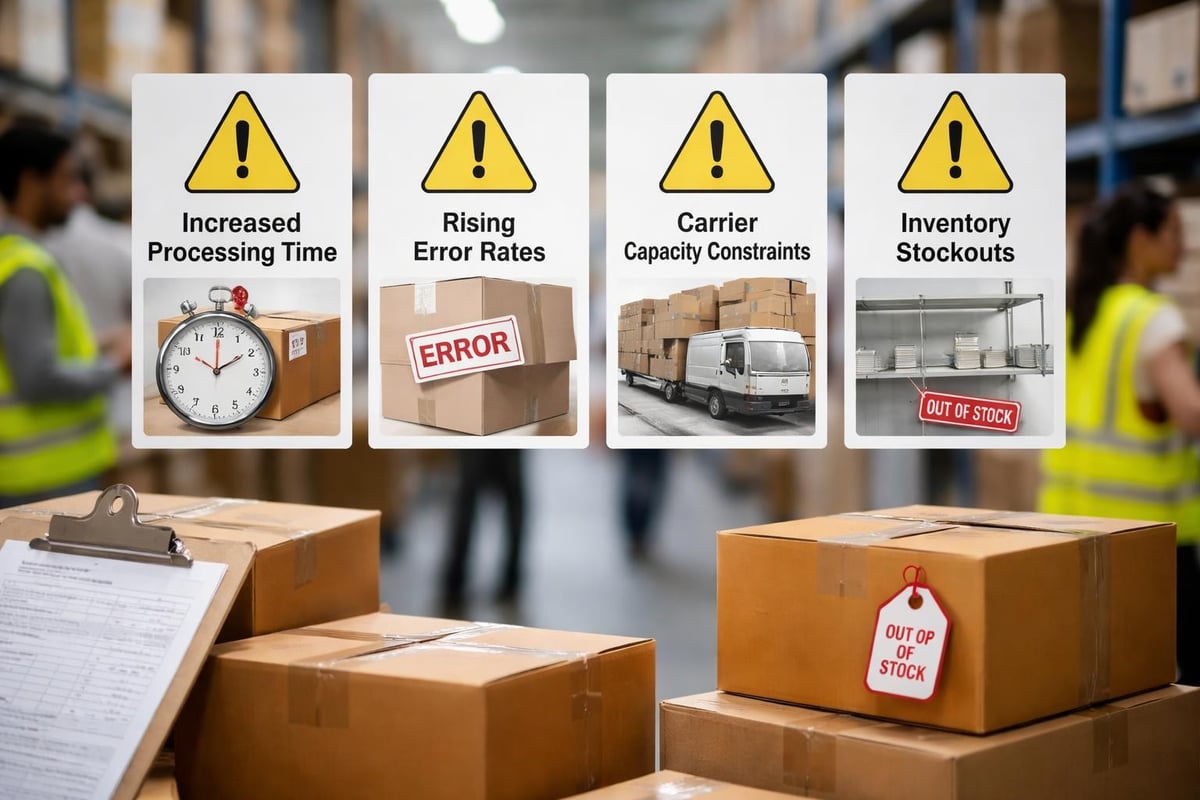
Brands should monitor key performance indicators (KPIs) that signal when current systems are reaching capacity limits. These include increasing error rates, longer processing times, and rising per-order costs.
Critical Scaling Considerations
- Technology infrastructure: Systems that handle current volume with 3-5x headroom
- Warehouse space: Physical capacity for inventory growth and seasonal spikes
- Labor flexibility: Ability to scale workforce up or down quickly
- Carrier relationships: Backup options when primary carriers reach capacity
- Inventory distribution: Strategic placement across multiple locations
- Automation readiness: ROI thresholds for introducing automated systems
Insights from the order fulfillment services industry report indicate that brands investing in scalable fulfillment infrastructure early in their growth journey experience smoother expansion and maintain higher customer satisfaction scores.
Integration with E-Commerce Platforms
Seamless integration between your e-commerce platform and fulfillment delivery systems is non-negotiable for operational efficiency. Manual order entry creates delays, increases errors, and limits scaling potential.
Modern fulfillment operations connect directly with platforms like Shopify, WooCommerce, BigCommerce, and Amazon. When a customer completes a purchase, order details automatically flow to the fulfillment center’s warehouse management system, triggering immediate processing.
Integration benefits extend beyond basic order transfer:
- Real-time inventory synchronization across sales channels
- Automatic tracking number updates to customer accounts
- Centralized dashboard for monitoring all orders
- Unified reporting across multiple platforms
- Reduced manual labor and associated errors
These connections create a cohesive ecosystem where data flows freely between systems, enabling brands to make informed decisions based on comprehensive, real-time information.
Measuring Fulfillment Delivery Performance
Data-driven optimization requires consistent measurement of fulfillment delivery metrics. Tracking the right KPIs reveals bottlenecks, opportunities, and trends that inform strategic decisions.
Essential Fulfillment Metrics
| Metric Category | Key Performance Indicators | Target Benchmarks |
|---|---|---|
| Speed | Order processing time, shipping time, total delivery time | 1 day processing, 2-3 day delivery |
| Accuracy | Order accuracy rate, inventory accuracy | 99.5%+ accuracy |
| Cost | Cost per order, shipping cost percentage, returns cost | Industry-specific targets |
| Customer Experience | On-time delivery rate, damage rate, customer satisfaction | 95%+ on-time, <1% damage |
| Efficiency | Orders per labor hour, warehouse space utilization | Continuous improvement |
Regular analysis of these metrics identifies trends before they become problems. For example, gradually increasing order processing times might indicate the need for additional staff, equipment upgrades, or process improvements.
Brands should establish baseline performance, set improvement targets, and track progress monthly. This disciplined approach to measurement drives continuous enhancement of fulfillment delivery operations.
Sustainability in Fulfillment Delivery
Environmental responsibility has evolved from a nice-to-have to a business imperative. Customers increasingly favor brands demonstrating genuine commitment to sustainable practices, and fulfillment delivery offers numerous opportunities for environmental impact reduction.
Packaging represents a significant area for improvement. Right-sizing boxes eliminates wasted space and reduces dimensional weight charges while using less material. Switching to recycled or biodegradable materials addresses customer concerns about waste.
Sustainable Fulfillment Practices
- Packaging optimization: Minimal materials, recyclable options, reusable containers
- Route optimization: Efficient delivery paths reducing fuel consumption
- Consolidated shipping: Combining multiple items into single shipments
- Carbon-neutral programs: Offsetting emissions through verified projects
- Electric vehicle fleets: Transitioning to zero-emission delivery vehicles
- Renewable energy: Powering fulfillment centers with solar or wind energy
These initiatives often deliver dual benefits-reduced environmental impact and lower operational costs. Fewer materials mean lower packaging expenses, while route optimization cuts fuel costs.
Building Carrier Relationships
Strategic carrier partnerships are fundamental to fulfillment delivery success. Relying on a single shipping provider creates vulnerability to capacity constraints, service disruptions, and rate increases.
Diversification across multiple carriers provides:
- Competitive pricing through volume negotiations
- Backup options during peak season capacity crunches
- Service level variety matching different customer needs
- Geographic coverage optimization
- Risk mitigation against carrier-specific issues
Successful brands establish primary carriers for routine shipments while maintaining relationships with backup providers. They negotiate contracts based on volume commitments, securing favorable rates while ensuring adequate capacity.
Regular carrier performance reviews assess on-time delivery rates, damage frequencies, and customer satisfaction scores. These evaluations inform contract renewals and strategic adjustments to the carrier mix.
Preparing for Peak Season Success
Holiday seasons and promotional events create massive spikes in order volume, testing fulfillment delivery systems to their limits. Brands that thrive during peak periods start preparing months in advance.
Inventory planning begins with historical analysis and demand forecasting. Understocking popular items leads to lost sales, while overstocking ties up capital and warehouse space. Advanced analytics help strike the optimal balance.
Peak Season Preparation Checklist
- Forecast demand by SKU based on historical trends and promotional plans
- Secure additional warehouse space or partner capacity commitments
- Recruit and train seasonal labor well before peak begins
- Stock up on packaging materials with backup suppliers identified
- Confirm carrier capacity allocations and negotiate surge pricing
- Test systems at projected peak volumes to identify bottlenecks
- Establish clear communication protocols for rapid problem resolution
- Plan customer service staffing for increased inquiry volumes
Brands working with 3PL providers should discuss peak season plans early, ensuring adequate resources are allocated. Clear communication about expected volumes, timing, and special requirements enables partners to prepare appropriately.
International Fulfillment Delivery Considerations
Cross-border e-commerce presents unique fulfillment delivery challenges beyond domestic operations. Customs regulations, import duties, extended transit times, and international carrier networks require specialized expertise.
Successful international fulfillment strategies often involve establishing local inventory in key markets. This approach, known as market-based fulfillment, eliminates customs delays and reduces shipping costs while enabling faster delivery comparable to domestic service.
International fulfillment requires attention to:
- Customs documentation accuracy and completeness
- Harmonized tariff codes for proper classification
- Landed cost calculation including duties and taxes
- International carrier selection and service levels
- Returns processes across borders
- Multi-currency pricing and payment processing
Brands expanding globally should partner with 3PL providers experienced in international fulfillment delivery or invest significant time developing internal expertise. The complexity of cross-border operations makes this an area where specialized knowledge delivers substantial value.
Optimizing fulfillment delivery operations requires strategic planning, technological investment, and continuous improvement across every stage of the process. By focusing on speed, accuracy, customer experience, and scalability, e-commerce brands can transform fulfillment from a cost center into a competitive advantage. Ecom Automation Prep specializes in helping fast-growing e-commerce brands streamline their fulfillment operations with comprehensive services including Amazon FBA prep, direct-to-consumer fulfillment, kitting, and bundling. Partner with experienced professionals who understand the complexities of modern fulfillment delivery and can scale with your business as it grows.