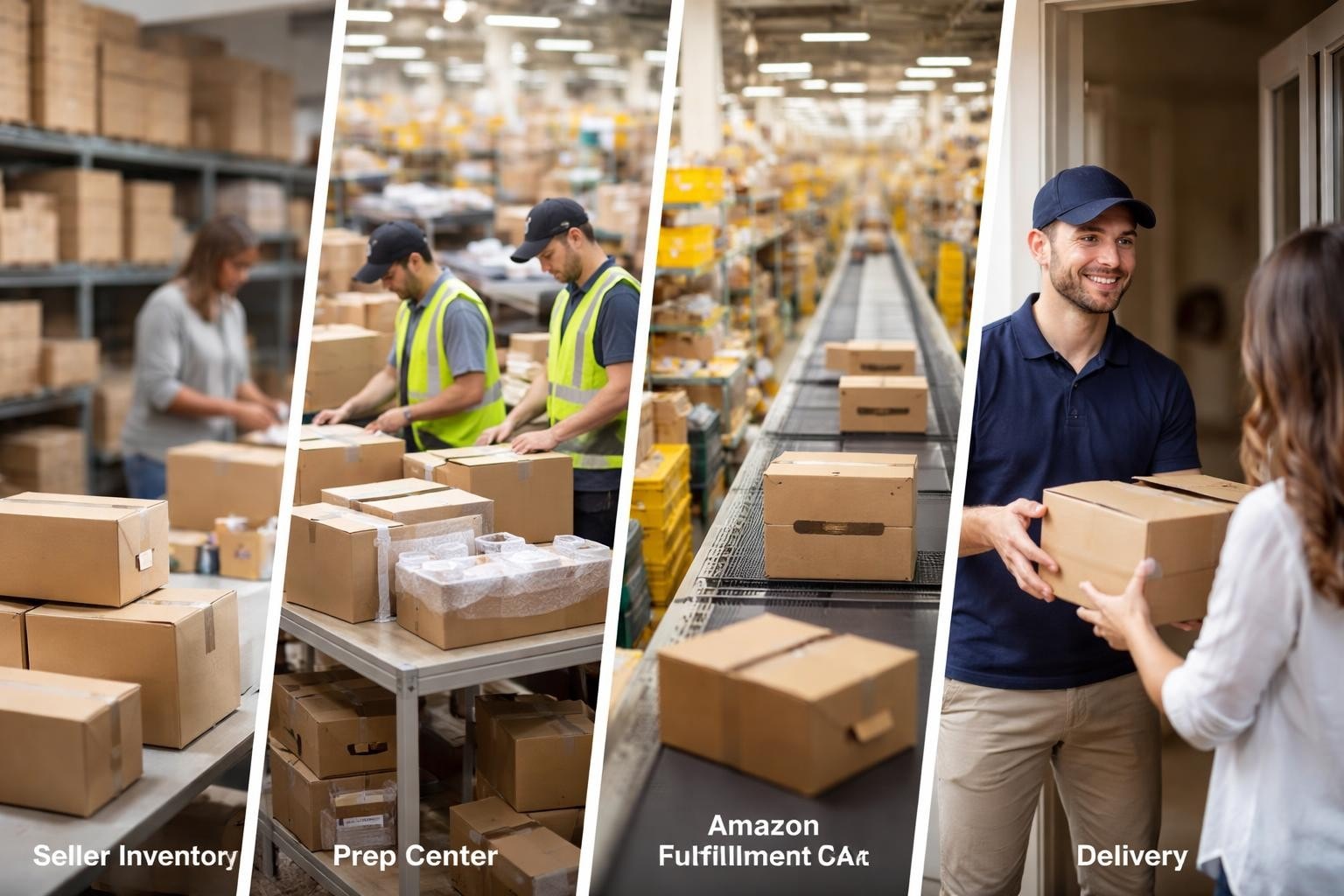

E-commerce fulfillment has become the backbone of online retail success in the United States. As consumer expectations continue rising and the competitive landscape intensifies, understanding how fulfillment US operations work can mean the difference between a thriving brand and one that struggles to keep pace. The right fulfillment strategy doesn’t just move products from point A to point B; it creates customer experiences that build loyalty, reduces operational headaches, and positions businesses for sustainable growth in an increasingly demanding marketplace.
Understanding Fulfillment US Operations
Fulfillment US services encompass the complete process of receiving, processing, and delivering orders to customers across the United States. This comprehensive approach includes warehousing, inventory management, picking and packing, shipping coordination, and returns processing.
The scope of fulfillment operations extends far beyond simple storage. Modern fulfillment centers serve as strategic hubs that integrate technology, logistics expertise, and customer service capabilities. These facilities handle everything from receiving bulk shipments to ensuring individual packages reach doorsteps within tight delivery windows.
Key components of fulfillment US operations include:
- Inventory receiving and quality control
- Strategic warehouse storage and organization
- Real-time inventory tracking systems
- Order picking and accuracy verification
- Custom packaging and branded materials
- Carrier coordination and shipping optimization
- Returns management and restocking
The U.S. e-commerce market continues expanding at a remarkable pace, creating both opportunities and challenges for businesses seeking to capitalize on digital commerce growth. This expansion makes sophisticated fulfillment capabilities increasingly essential rather than optional.

The Financial Impact of Fulfillment Strategies
Understanding the cost structure of fulfillment US operations is critical for maintaining healthy profit margins. Fulfillment costs have fluctuated significantly in recent years, making cost management a top priority for e-commerce businesses.
The breakdown of expenses reveals where money flows in fulfillment operations. According to distribution data on fulfillment costs, businesses must account for multiple expense categories that impact their bottom line.
| Cost Category | Percentage of Total | Key Considerations |
|---|---|---|
| Shipping | 45-55% | Carrier rates, zones, package dimensions |
| Labor | 20-30% | Picking, packing, receiving staff |
| Storage | 10-15% | Square footage, inventory turnover |
| Technology | 5-10% | WMS, integrations, automation |
| Packaging | 5-8% | Materials, branding, sustainability |
Optimizing Your Fulfillment Budget
Smart businesses approach fulfillment costs strategically rather than viewing them as fixed expenses. Several tactics can significantly impact your financial performance without compromising service quality.
Volume consolidation creates economies of scale. When you centralize fulfillment operations, you gain negotiating power with carriers and reduce per-unit handling costs. This approach works particularly well for brands experiencing rapid growth.
Zone-based warehousing positions inventory closer to customer concentrations. By strategically placing products near major metropolitan areas, businesses reduce shipping costs and delivery times simultaneously.
Understanding e-commerce fulfillment pricing structures helps businesses compare providers effectively and identify the best value proposition for their specific needs.
Technology integration eliminates manual processes that drain resources. Automated inventory systems reduce labor costs while improving accuracy, creating a dual benefit that compounds over time.
Choosing the Right Fulfillment US Partner
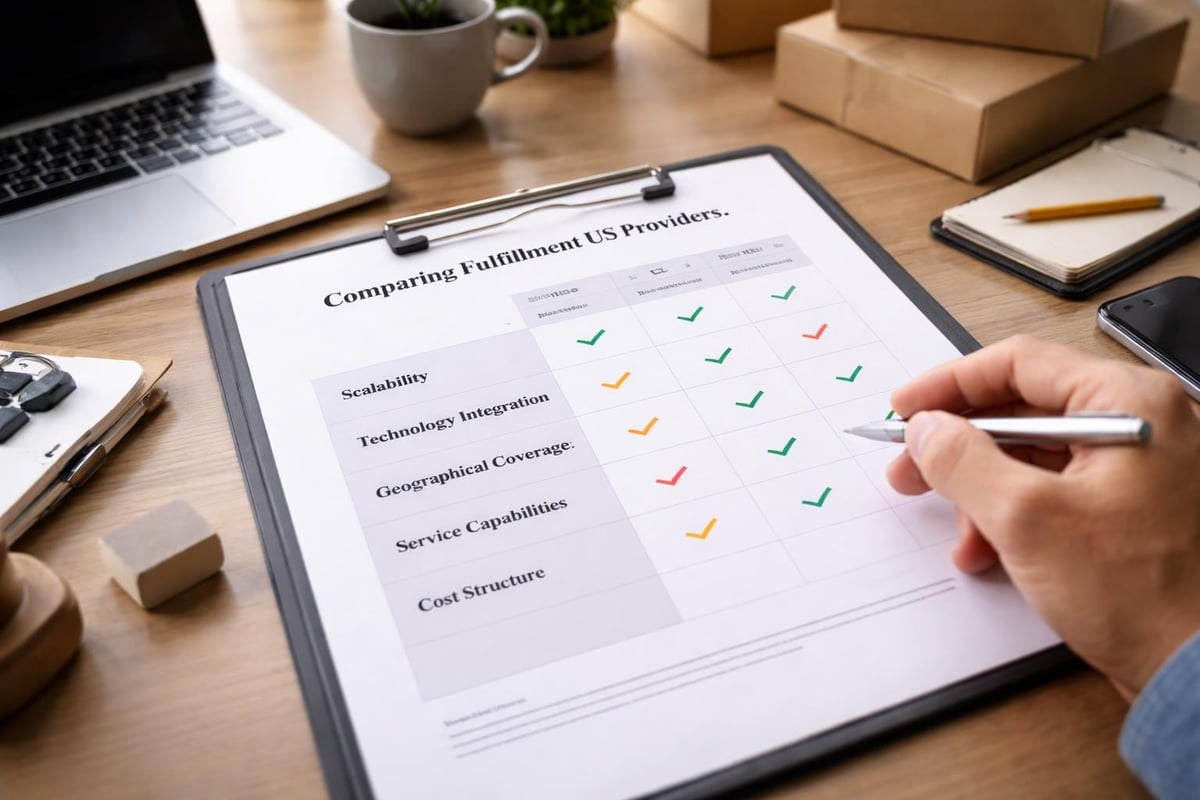
Selecting a fulfillment provider represents one of the most consequential decisions e-commerce brands make. The right partner becomes an extension of your business, while the wrong choice can damage customer relationships and strain operations.
Essential Qualities to Evaluate
Top e-commerce fulfillment centers share common characteristics that distinguish them from mediocre providers. These qualities directly impact your ability to scale and satisfy customers.
Scalability ensures your fulfillment partner grows alongside your business. Seasonal fluctuations and promotional spikes shouldn’t create operational nightmares. A quality provider maintains capacity buffers and flexible staffing models that adapt to demand variations.
Technology integration capabilities determine how seamlessly fulfillment connects with your existing systems. Your provider should offer robust APIs, real-time data synchronization, and compatibility with major e-commerce platforms.
The infrastructure supporting fulfillment operations matters tremendously. Major retailers like Walmart have invested heavily in expanding their fulfillment center network, recognizing that strategic facility placement creates competitive advantages.
- Location strategy: Evaluate provider facilities relative to your customer base
- Technology stack: Confirm compatibility with your e-commerce platform and tools
- Service offerings: Verify they handle your specific needs (kitting, bundling, special packaging)
- Performance metrics: Review accuracy rates, shipping speed, and customer satisfaction scores
- Pricing transparency: Ensure clear understanding of all fees and cost structures
Direct-to-Consumer Fulfillment Excellence
Direct-to-consumer (DTC) fulfillment presents unique challenges and opportunities within the fulfillment US landscape. Unlike wholesale or marketplace fulfillment, DTC operations must deliver exceptional experiences that build brand loyalty with every shipment.
Creating Memorable Unboxing Experiences
The moment customers receive and open packages represents a crucial touchpoint. Smart brands use this opportunity to reinforce their identity and values through thoughtful packaging choices.
Custom branded boxes, tissue paper, thank-you cards, and product samples transform commodity shipping into brand storytelling. These elements cost relatively little but create disproportionate emotional impact.
Direct-to-consumer fulfillment services require specialized capabilities that generic warehouses often cannot provide, including custom packaging options, gift messaging, and flexible SKU configurations.
Speed matters intensely in DTC fulfillment. Consumer expectations have shifted dramatically, with same-day and next-day delivery becoming standard rather than premium options in many markets.
Meeting these expectations requires strategic inventory placement, efficient order processing systems, and carrier relationships that prioritize speed. The fulfillment US market has responded by developing specialized services that cater specifically to DTC brands.
Emerging Trends Shaping Fulfillment US Services
The fulfillment landscape evolves continuously as technology advances and consumer behaviors shift. Staying ahead of these trends positions businesses for competitive advantage.
According to recent fulfillment trends research, e-commerce executives are prioritizing specific strategies for 2026 and beyond. These insights reveal where the industry is heading and what capabilities will matter most.
Omnichannel Fulfillment Integration
Customers no longer distinguish between online and offline shopping channels. They expect seamless experiences regardless of how they discover, purchase, or receive products.
Buy online, pick up in store (BOPIS) has transitioned from novelty to necessity. This fulfillment model reduces shipping costs while meeting consumer demands for immediacy and flexibility.
In-store fulfillment best practices demonstrate how retailers can optimize these hybrid models to enhance both customer satisfaction and operational efficiency.
Ship-from-store capabilities turn retail locations into mini fulfillment centers, enabling businesses to leverage existing inventory investments more effectively. This approach reduces the distance products travel and accelerates delivery times.
Sustainability and Green Fulfillment
Environmental consciousness increasingly influences consumer purchasing decisions. Fulfillment operations must adapt to meet these evolving expectations while managing costs.
- Recyclable and biodegradable packaging materials
- Carbon-neutral shipping options
- Optimized routing to reduce vehicle miles
- Energy-efficient warehouse operations
- Packaging size optimization to reduce waste
The long-term outlook for fulfillment services projects continued growth through 2030, with sustainability capabilities becoming key differentiators among providers.
B2B Fulfillment Considerations
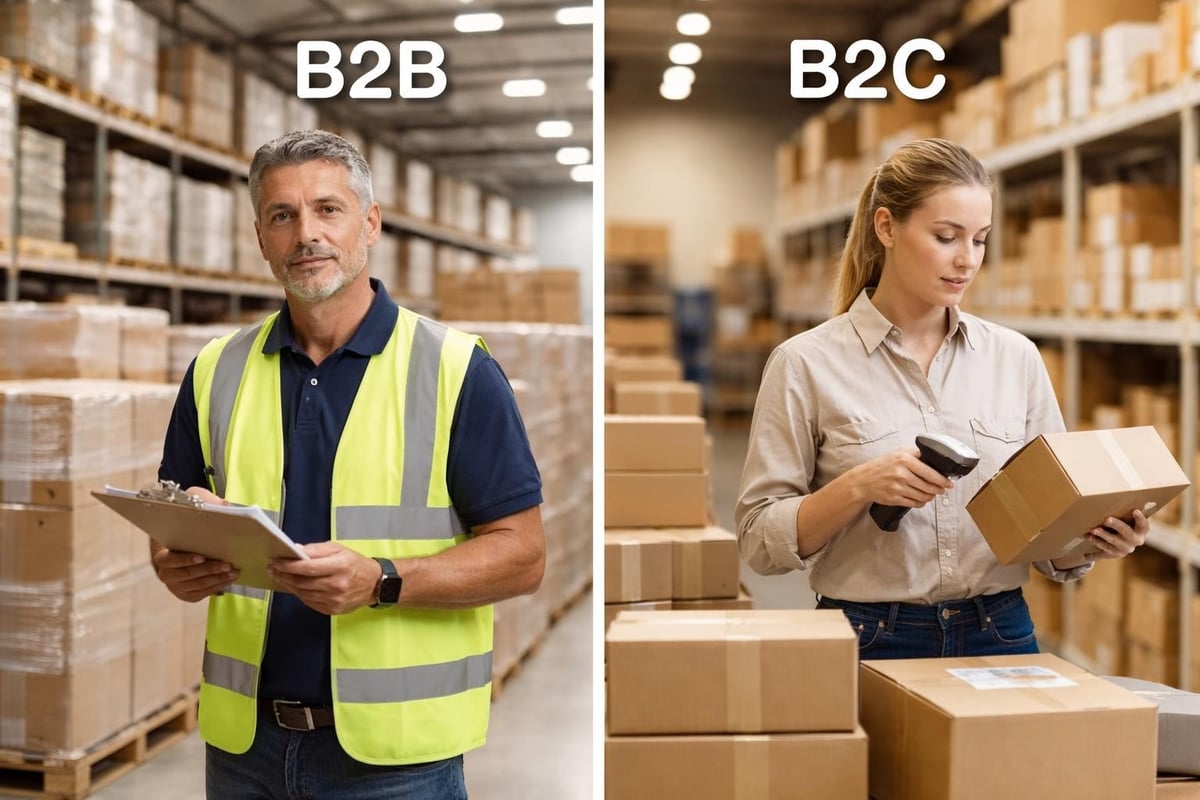
While much attention focuses on direct-to-consumer operations, B2B fulfillment represents a substantial portion of the fulfillment US market with distinct requirements.
Business customers demand different service levels, documentation, and flexibility compared to individual consumers. B2B e-commerce fulfillment best practices emphasize strategic approaches that address these unique needs.
| B2B Requirement | B2C Requirement | Key Difference |
|---|---|---|
| Pallet shipping | Parcel shipping | Unit economics and handling |
| Net payment terms | Immediate payment | Cash flow implications |
| Complex pricing | Fixed pricing | System complexity |
| Bulk quantities | Individual units | Inventory management |
| Multiple ship-to locations | Single address | Routing complexity |
ERP integration becomes critical for B2B fulfillment success. Business customers expect seamless data flow between ordering, inventory, and accounting systems.
Strategic batch picking optimizes warehouse efficiency for large B2B orders. This approach groups similar orders together, reducing travel time and improving pick rates significantly.
Specialized Fulfillment Services
Beyond basic warehousing and shipping, modern fulfillment US providers offer specialized services that add value and differentiation for e-commerce brands.
Kitting and Bundling Capabilities
Creating product bundles and kits in-house consumes valuable time and space. Outsourcing these activities to fulfillment partners improves efficiency while maintaining quality control.
Kitting combines multiple individual items into a single SKU for inventory and shipping purposes. This service works particularly well for subscription boxes, promotional bundles, and product sets.
Bundling groups complementary products together to increase average order values and enhance customer experiences. Strategic bundling can significantly boost revenue without requiring new product development.
Understanding what fulfillment services include helps businesses identify which specialized capabilities they need versus which represent unnecessary costs.
Amazon FBA Preparation
Sellers using Amazon’s FBA program must comply with strict preparation and packaging requirements. Non-compliance results in rejected shipments, delays, and additional fees.
Professional FBA prep services ensure products meet Amazon’s standards for labeling, packaging, and presentation. This specialization prevents costly mistakes and streamlines the path to marketplace success.
Common FBA prep services include:
- Product labeling with FBA barcodes
- Poly-bagging and bubble wrapping
- Shipment creation and coordination
- Quality inspection and documentation
- Compliance verification
Reducing Shipping Costs Through Strategic Fulfillment
Shipping expenses represent the largest component of fulfillment costs for most e-commerce businesses. Strategic approaches to reducing shipping costs protect profit margins without degrading service quality.
Dimensional weight pricing has fundamentally changed how carriers charge for shipments. Right-sizing packaging eliminates air shipment waste and reduces costs based on both actual and dimensional weight calculations.
Negotiating carrier contracts requires volume, data, and expertise. Fulfillment partners leverage their collective shipping volume to secure rates individual businesses cannot access independently.
Zone skipping consolidates packages destined for similar geographic areas, then transports them in bulk to regional hubs before final delivery. This technique bypasses expensive zone charges and reduces per-package costs.
Multi-Carrier Strategies
Relying on a single shipping carrier creates vulnerability and limits optimization opportunities. Smart fulfillment operations maintain relationships with multiple carriers and route shipments based on cost, speed, and reliability factors.
Rate shopping technology automatically compares carrier options for each shipment based on destination, package characteristics, and service requirements. This automation ensures the most cost-effective choice without manual intervention.
Backup carrier relationships provide insurance against service disruptions. When weather, labor issues, or operational challenges affect one carrier, having alternatives maintains service continuity.
Technology Driving Fulfillment US Innovation
E-commerce logistics increasingly depends on sophisticated technology platforms that coordinate complex operations across multiple locations and systems.
Warehouse Management Systems (WMS) serve as the operational brain of fulfillment centers. These platforms optimize everything from receiving processes to shipping manifests, ensuring accuracy and efficiency.
Real-time inventory visibility prevents stockouts and overselling. When fulfillment systems integrate directly with e-commerce platforms, inventory updates occur instantaneously as orders process and new stock arrives.
Barcode scanning and RFID technology virtually eliminate picking errors. These tools verify the correct product gets selected for each order, maintaining the accuracy rates customers expect.
Automated picking systems using robotics increase throughput while reducing labor costs. As technology improves and costs decline, automation becomes accessible to smaller fulfillment operations beyond just major retailers.
Predictive analytics help anticipate demand patterns and optimize inventory positioning. By analyzing historical data and market trends, businesses can stock products where they’ll be needed most, reducing both storage costs and shipping times.
Performance Metrics That Matter
Measuring fulfillment performance requires tracking specific metrics that reveal operational health and customer satisfaction levels.
Order accuracy rate measures the percentage of orders shipped without errors. Top-tier fulfillment operations maintain accuracy rates above 99.5%, while anything below 98% indicates serious problems requiring immediate attention.
Same-day ship rate tracks the percentage of orders that ship on the day they’re received. This metric directly impacts customer satisfaction and competitive positioning in markets where speed matters.
| Metric | Industry Standard | Excellence Threshold |
|---|---|---|
| Order accuracy | 98-99% | 99.5%+ |
| Same-day ship | 60-70% | 85%+ |
| On-time delivery | 94-96% | 98%+ |
| Returns processing | 5-7 days | 2-3 days |
| Inventory accuracy | 97-98% | 99%+ |
Average fulfillment cost per order provides crucial financial insight. This metric should trend downward as volume increases, reflecting economies of scale and operational improvements.
Returns processing speed affects customer satisfaction and inventory availability. Efficient operations inspect, restock, or dispose of returned items within 48-72 hours of receipt.
Strategic fulfillment US operations create competitive advantages that extend far beyond basic logistics. The right approach balances cost efficiency with service quality while positioning your business for scalable growth. Ecom Automation Prep specializes in comprehensive e-commerce fulfillment solutions designed specifically for fast-growing brands that need reliable, flexible, and technology-driven fulfillment services. Whether you need Amazon FBA prep, direct-to-consumer fulfillment, or specialized kitting and bundling capabilities, partnering with experienced fulfillment professionals allows you to focus on what you do best while ensuring your customers receive exceptional experiences with every order.