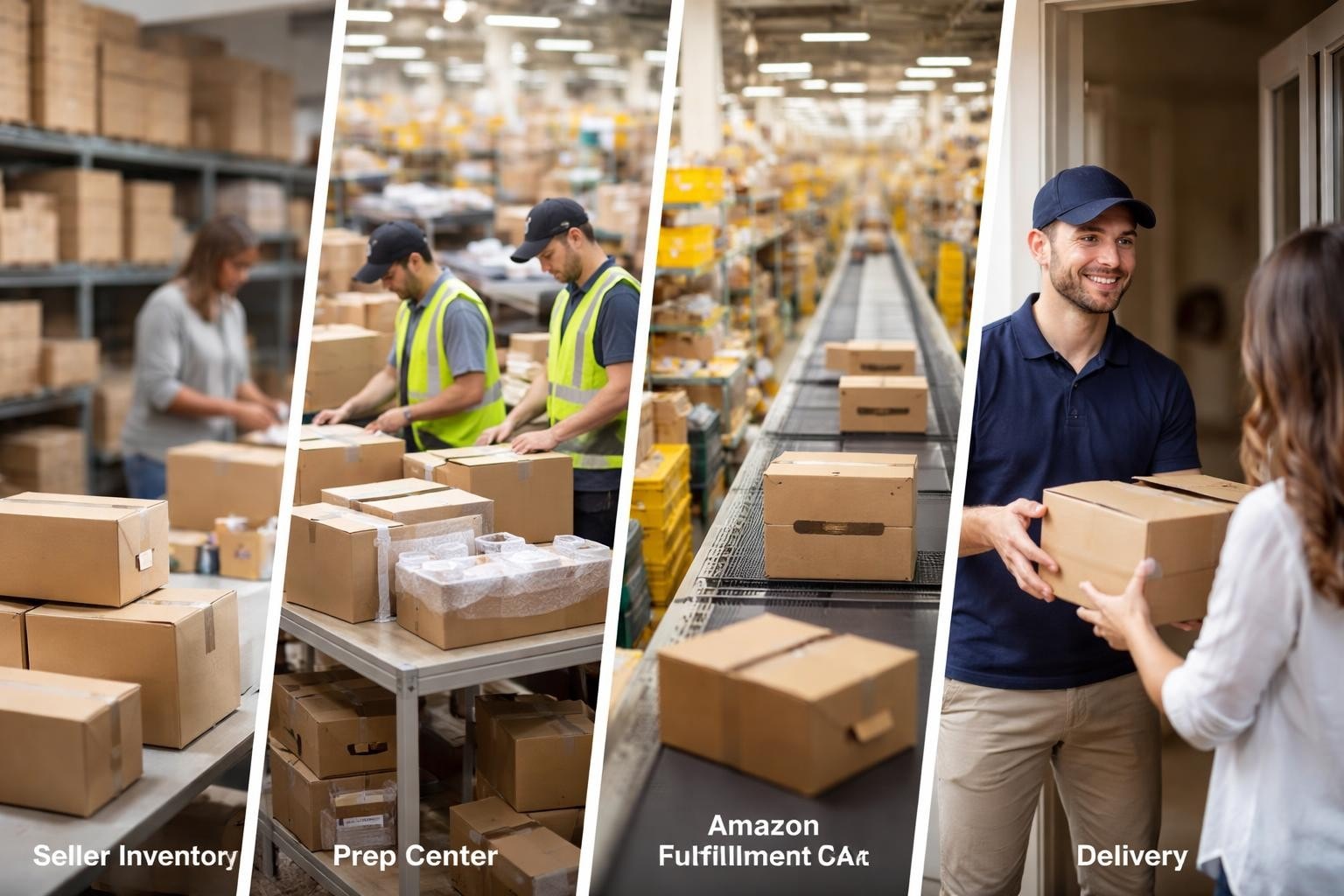

The e-commerce landscape in 2026 demands more than just great products and marketing. As online shopping continues its explosive growth, brands need robust logistics infrastructure to meet customer expectations for fast, accurate delivery. A fulfillment center US partnership can transform your business operations, allowing you to scale efficiently while maintaining the service quality that keeps customers coming back. Whether you’re shipping hundreds or thousands of orders monthly, understanding the fulfillment center ecosystem is essential for sustainable growth.
Understanding Modern Fulfillment Center US Operations
A fulfillment center US facility functions as the operational backbone of your e-commerce business. These sophisticated warehouses handle everything from receiving your inventory to picking, packing, and shipping orders directly to customers.
Unlike traditional warehouses that simply store goods, modern fulfillment centers integrate advanced technology with human expertise to process orders rapidly. When a customer places an order on your website, the fulfillment center receives the order data, locates the item in their inventory management system, picks it from the shelf, packages it according to your specifications, and ships it using the most cost-effective carrier.
Key Components of Fulfillment Operations
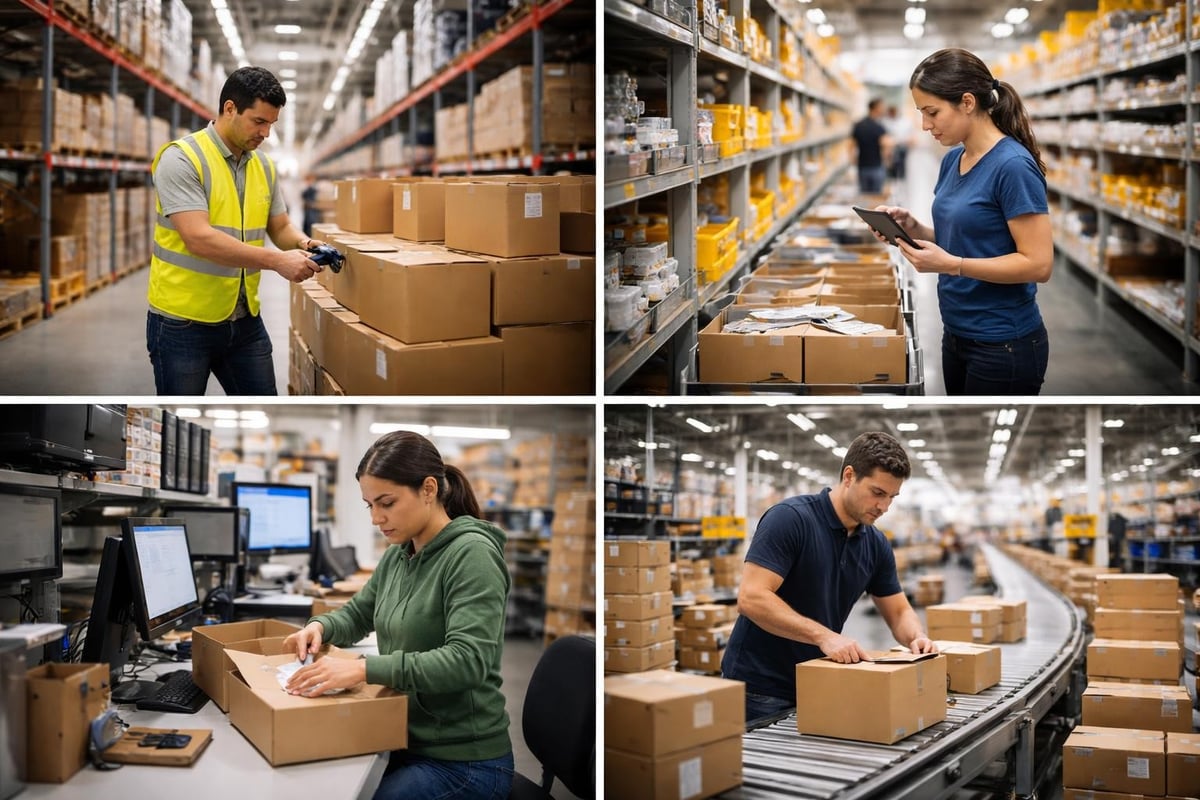
The infrastructure within a fulfillment center US location includes several critical elements:
- Receiving and inspection stations where incoming inventory is verified and cataloged
- Warehouse management systems (WMS) that track every unit in real-time
- Picking zones optimized for efficiency based on product velocity
- Packing stations equipped with various packaging materials and supplies
- Shipping areas with connections to multiple carriers for competitive rates
Advanced fulfillment centers now incorporate automation technologies including conveyor systems, robotic picking solutions, and AI-powered inventory forecasting. These innovations reduce errors while increasing processing speed.
Strategic Location Considerations for Fulfillment Centers
Geography plays a crucial role when selecting a fulfillment center US partner. The location of your fulfillment operations directly impacts shipping costs, delivery times, and customer satisfaction.
Most successful e-commerce brands analyze their customer distribution before choosing fulfillment locations. A centrally located facility in the Midwest can reach approximately 95% of the US population within two-day ground shipping, while coastal locations serve dense population centers efficiently.
Multi-Location Fulfillment Strategies
| Location Strategy | Best For | Advantages | Considerations |
|---|---|---|---|
| Single Central Hub | New brands, limited SKUs | Lower complexity, easier management | Longer delivery times to coasts |
| Bi-coastal Setup | National brands, fast delivery focus | Reduced shipping costs, faster delivery | Inventory split management |
| Regional Network | High-volume sellers | Optimized shipping zones, maximum speed | Higher complexity, minimum volume requirements |
ShipBob’s fulfillment network demonstrates how multiple strategically positioned facilities create competitive advantages through reduced transit times and lower shipping expenses.
Companies leveraging AI-powered fulfillment solutions can optimize inventory distribution across multiple locations based on demand forecasting and historical order data. This intelligent allocation ensures products are positioned closest to likely buyers.
Services Provided by Fulfillment Center US Partners
Modern fulfillment providers offer comprehensive solutions extending far beyond basic warehousing. Understanding these services helps you select partners aligned with your business needs.
Core Fulfillment Services
Every reputable fulfillment center US operation provides foundational services including inventory storage, order processing, and standard shipping. However, specialized offerings differentiate providers and create value for specific business models.
Amazon FBA preparation services ensure your products meet Amazon’s strict requirements before entering their fulfillment network. This includes labeling, polybagging, bundling, and quality inspections that prevent costly rejections.
Direct-to-consumer fulfillment handles orders from your website, marketplace listings, or other sales channels. Quality direct-to-consumer fulfillment services maintain your brand standards through custom packaging and accurate order processing.
Kitting and bundling capabilities allow you to create product sets, subscription boxes, or promotional packages without maintaining your own assembly operation. Professional kitting services ensure consistent quality while reducing your operational overhead.
Value-Added Services
Beyond basic fulfillment, advanced providers offer services that enhance customer experience:
- Custom packaging and branded inserts
- Gift wrapping and personalized notes
- Returns processing and restocking
- Quality control inspections
- Photography and content creation
- Inventory forecasting and purchasing recommendations
Subscription box fulfillment services require specialized expertise in recurring shipments, customer management, and coordinated inventory planning for curated products.

Technology Integration and System Compatibility
The technical infrastructure connecting your business to a fulfillment center US partner determines operational efficiency. Seamless integration eliminates manual data entry, reduces errors, and provides real-time visibility.
Modern fulfillment centers integrate with virtually every e-commerce platform including Shopify, WooCommerce, BigCommerce, Magento, and Amazon. API connections enable automatic order importing, inventory synchronization, and shipment tracking updates.
Critical Integration Features
When evaluating fulfillment technology, prioritize these capabilities:
- Real-time inventory visibility across all sales channels
- Automatic order routing from multiple platforms to fulfillment
- Tracking number synchronization back to your store
- Inventory alerts for low stock situations
- Reporting dashboards showing fulfillment metrics and trends
The sophistication of nationwide fulfillment center technology varies significantly between providers. Request demonstrations showing how their systems handle your specific workflows before committing.
Advanced providers offer custom integrations for unique business requirements. Whether you need specialized reporting, custom packing slips, or integration with proprietary software, technical flexibility distinguishes exceptional partners from adequate ones.
Cost Structure and Pricing Models
Understanding fulfillment center US pricing requires examining multiple cost components. Transparent pricing models help you accurately forecast expenses as your business scales.
Standard Fee Components
Most fulfillment providers structure pricing around these elements:
Receiving fees cover labor and processing when inventory arrives at the warehouse. These typically charge per unit, per box, or per pallet depending on how products ship to the facility.
Storage fees charge monthly based on space occupied, usually calculated per cubic foot or per pallet. Seasonal variations in inventory levels can significantly impact storage costs.
Pick and pack fees represent the labor cost for processing each order. Simple single-item orders cost less than multi-item orders requiring additional picking time.
Shipping costs include both carrier charges and any markup the fulfillment center adds. Negotiated carrier rates from high-volume fulfillment centers often beat rates individual businesses can obtain.
| Fee Type | Typical Range | Pricing Factors |
|---|---|---|
| Receiving | $0.30-$0.50 per unit | Product size, packaging, inspection requirements |
| Storage | $8-$15 per pallet/month | Facility location, product type, volume |
| Pick & Pack | $2.50-$4.50 per order | Items per order, packaging complexity |
| Shipping | Variable | Zone, weight, speed, carrier |
Many fulfillment centers include additional fees for special handling, returns processing, or customer service support. Reviewing e-commerce fulfillment pricing structures from multiple providers reveals the total cost of ownership.
Volume-Based Pricing Advantages
Fulfillment center US providers typically offer better rates as your order volume increases. Monthly minimums ensure fulfillment partners work with brands matching their operational scale, while volume discounts reward growth.
Some providers structure pricing tiers with reduced per-unit costs at specific volume thresholds. Understanding these breakpoints helps you forecast costs accurately as you scale.
Quality Control and Accuracy Standards
Order accuracy directly impacts customer satisfaction, return rates, and your brand reputation. A fulfillment center US partner’s quality control processes protect your business from costly mistakes.
Industry-standard accuracy rates for reputable fulfillment centers exceed 99.5%. This means fewer than five errors per thousand orders shipped. However, technology-driven fulfillment providers often achieve 99.9% accuracy through systematic quality controls.
Quality Assurance Processes
Multi-layer verification systems catch errors before shipments leave the facility:
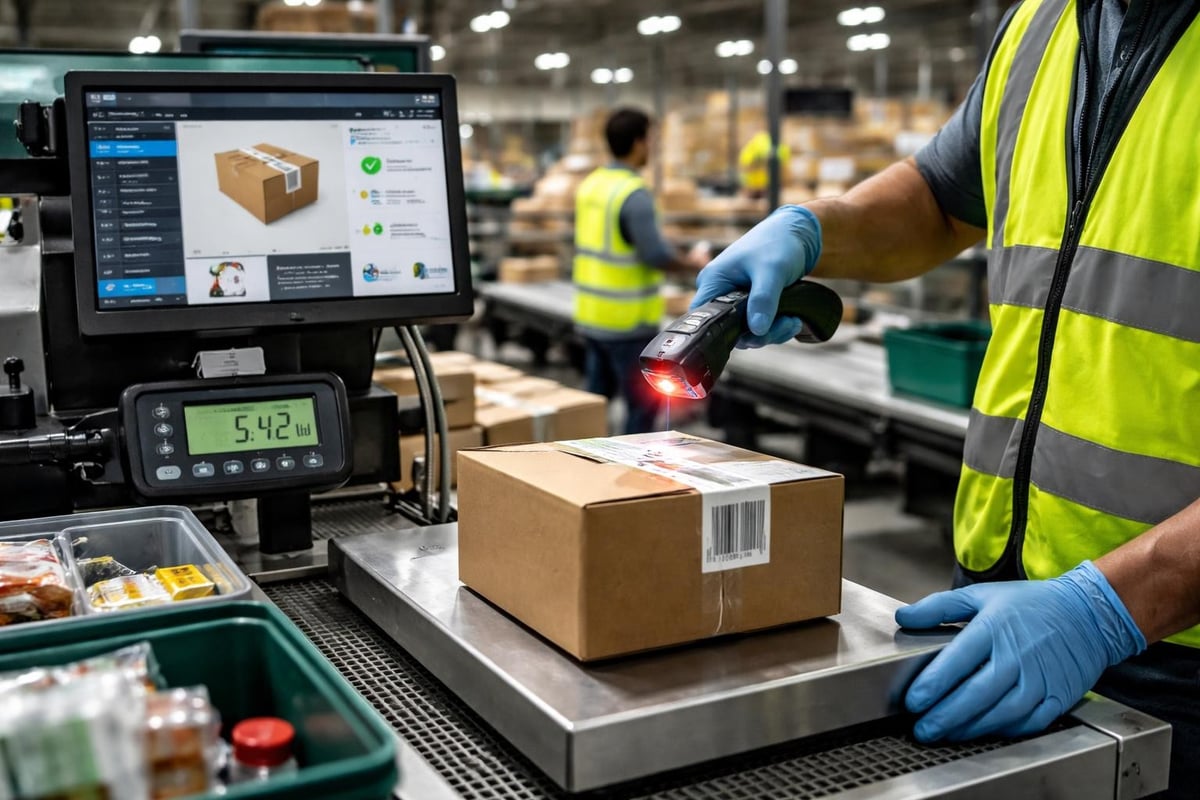
- Barcode scanning at every touchpoint from receiving through shipping
- Weight verification matching expected package weights
- Photo documentation of packed orders before sealing
- Random quality audits sampling completed orders
- Dimensional scanning confirming correct box sizes
Advanced facilities implement automated quality gates where discrepancies trigger immediate alerts. When a picked order doesn’t match the digital pick list, the system prevents packing until resolution.
Customer Service and Communication Protocols
Your fulfillment partner becomes an extension of your brand. The quality of their communication impacts your ability to serve customers effectively and resolve issues quickly.
Responsive support teams differentiate exceptional fulfillment center US providers from mediocre ones. When inventory discrepancies arise, shipments face delays, or customers report problems, rapid communication prevents small issues from becoming major problems.
Support Availability and Channels
Evaluate support accessibility through these factors:
- Response time commitments for emails and support tickets
- Phone support availability during your business hours
- Dedicated account management versus shared support queues
- Proactive communication about potential issues or delays
- Escalation procedures for urgent situations requiring immediate attention
The best fulfillment partnerships feel collaborative rather than transactional. Regular business reviews, performance analysis, and strategic planning sessions ensure alignment as your needs evolve.
Scalability and Growth Considerations
Your fulfillment infrastructure must accommodate business growth without requiring disruptive transitions. A fulfillment center US partner’s scalability determines whether they support your success or constrain it.
Seasonal fluctuations challenge fulfillment operations significantly. A partner capable of handling Black Friday volume surges without compromising accuracy or speed demonstrates operational maturity. Comprehensive logistics solutions should flex to accommodate demand variations.
Capacity Planning Elements
- Physical space availability for inventory expansion
- Labor flexibility to handle volume increases
- Technology scalability supporting additional SKUs and order complexity
- Multi-location expansion options as you enter new markets
- Specialized services like branded shipping that enhance customer experience
Providers with multiple facilities offer natural expansion paths. As your business grows, they can distribute inventory across additional locations, reducing shipping costs and delivery times without requiring you to manage multiple vendor relationships.
Returns Management and Reverse Logistics
Returns processing significantly impacts customer lifetime value and operational costs. Efficient reverse logistics through your fulfillment center US partner improves customer experience while controlling expenses.
Comprehensive returns management includes receiving returned merchandise, inspecting condition, updating inventory systems, and determining disposition. Products in sellable condition return to active inventory, while damaged items require alternative handling.
Returns Processing Capabilities
Quality fulfillment centers provide structured returns workflows:
- Customer-friendly return labels integrated with your policies
- Inspection protocols categorizing returned items by condition
- Restocking processes returning sellable inventory to available stock
- Damage documentation with photos supporting insurance claims or vendor returns
- Disposal services for unsellable merchandise
Some providers offer advanced e-commerce support including customer service for return inquiries, refund processing, and replacement order generation. This comprehensive approach streamlines operations while maintaining consistent customer experiences.
Compliance and Special Handling Requirements
Different product categories require specific fulfillment capabilities. A fulfillment center US facility must demonstrate compliance with regulations governing your products.
Products requiring temperature control, hazardous materials certifications, FDA compliance, or other specialized handling need fulfillment partners with appropriate licenses and facilities. Attempting to fulfill specialty products through standard warehouses creates liability and potential regulatory violations.
Industry-Specific Requirements
| Product Category | Special Requirements | Certification Needs |
|---|---|---|
| Food & Supplements | Temperature control, FDA registration | HACCP, GMP certification |
| Cosmetics | Clean room environments, batch tracking | FDA compliance, stability testing |
| Electronics | ESD protection, secure storage | ISO certification preferred |
| Medical Devices | Sterile handling, lot tracking | FDA registration, quality systems |
Order management and processing specialists serving multiple industries demonstrate versatility in handling diverse compliance requirements. Their experience navigating regulatory frameworks prevents costly violations.
Performance Metrics and Reporting
Data-driven decision making requires comprehensive reporting from your fulfillment center US partner. Visibility into operational metrics enables you to identify trends, optimize processes, and forecast accurately.
Essential performance indicators include:
- Order accuracy rate measuring error-free shipments
- Same-day ship percentage for orders received by cutoff time
- Average order processing time from receipt to shipment
- Inventory accuracy comparing physical counts to system records
- Damage rate tracking products damaged during fulfillment
- Return processing time measuring reverse logistics speed
Access to real-time dashboards showing these metrics empowers proactive management. When performance trends downward, early identification enables corrective action before customer impact.
Advanced reporting capabilities include customizable analytics, automated alerts for threshold violations, and predictive insights based on historical patterns. Fulfillment pricing structures from sophisticated providers often include these reporting tools as standard features rather than premium add-ons.
Making the Fulfillment Center Selection Decision
Choosing a fulfillment center US partner represents a significant business decision with long-term implications. A systematic evaluation process ensures you select providers aligned with your operational needs and growth trajectory.
Evaluation Framework
Compare potential partners across these dimensions:
- Geographic coverage matching your customer distribution
- Service capabilities supporting your product mix and business model
- Technology integration compatible with your platforms and systems
- Pricing structure offering transparency and scalability
- Quality standards meeting your accuracy and speed requirements
- Support responsiveness providing accessible, helpful communication
- Growth capacity accommodating your expansion plans
Request proposals from multiple providers, including detailed pricing for your specific volume and service requirements. Comprehensive fulfillment center solutions should clearly articulate how they’ll handle your unique needs.
Visit facilities when possible to observe operations firsthand. The organization, cleanliness, and technology implementation visible in a warehouse tour reveal operational maturity that proposal documents might obscure.
Check references from current clients, particularly those with similar business models and product types. Their experiences provide insights into partnership realities beyond marketing promises.
Implementation and Onboarding Process
Transitioning to a new fulfillment center US provider requires careful planning and execution. Successful implementations minimize disruption while establishing foundations for long-term success.
The onboarding timeline typically spans 4-8 weeks depending on inventory complexity and integration requirements. During this period, you’ll establish technical connections, transfer inventory, configure processes, and conduct testing before processing live customer orders.
Critical Onboarding Steps
- System integration setup connecting platforms and configuring data flows
- SKU mapping and inventory setup establishing product records in the WMS
- Packing specifications documenting materials, inserts, and packaging instructions
- Shipping rules configuration defining carrier selection and service level logic
- Test order processing validating end-to-end workflows before going live
- Inventory transfer coordination moving stock from current location to new facility
Enhanced fulfillment services often include dedicated implementation support guiding you through each phase. Their experience accelerating onboarding reduces the time until you’re processing orders efficiently.
Maintain buffer inventory at your previous location during transition to ensure business continuity if unexpected issues arise. Once the new fulfillment center demonstrates consistent performance, complete the inventory transfer.
Selecting the right fulfillment center US partner transforms your operational capabilities and positions your brand for sustainable growth. By evaluating providers systematically across service capabilities, technology integration, pricing transparency, and scalability, you’ll identify partners aligned with your business objectives. Whether you need Amazon FBA prep, direct-to-consumer fulfillment, kitting services, or comprehensive logistics support, Ecom Automation Prep delivers the reliable, scalable solutions that make fulfillment effortless for fast-growing e-commerce brands.