

Understanding fulfillment pricing is crucial for e-commerce brands looking to scale their operations efficiently while maintaining healthy profit margins. As businesses grow beyond self-fulfillment capabilities, the decision to outsource logistics requires careful financial planning and a thorough understanding of how third-party logistics providers structure their fees. The complexity of fulfillment pricing can seem overwhelming, but breaking down each component and understanding the various pricing models available helps brands make informed decisions that align with their growth trajectory and operational needs.
The Core Components of Fulfillment Pricing
When evaluating fulfillment partners, brands encounter multiple fee categories that collectively determine their total logistics costs. Each component serves a specific purpose and reflects the resources required to manage inventory and process orders efficiently.
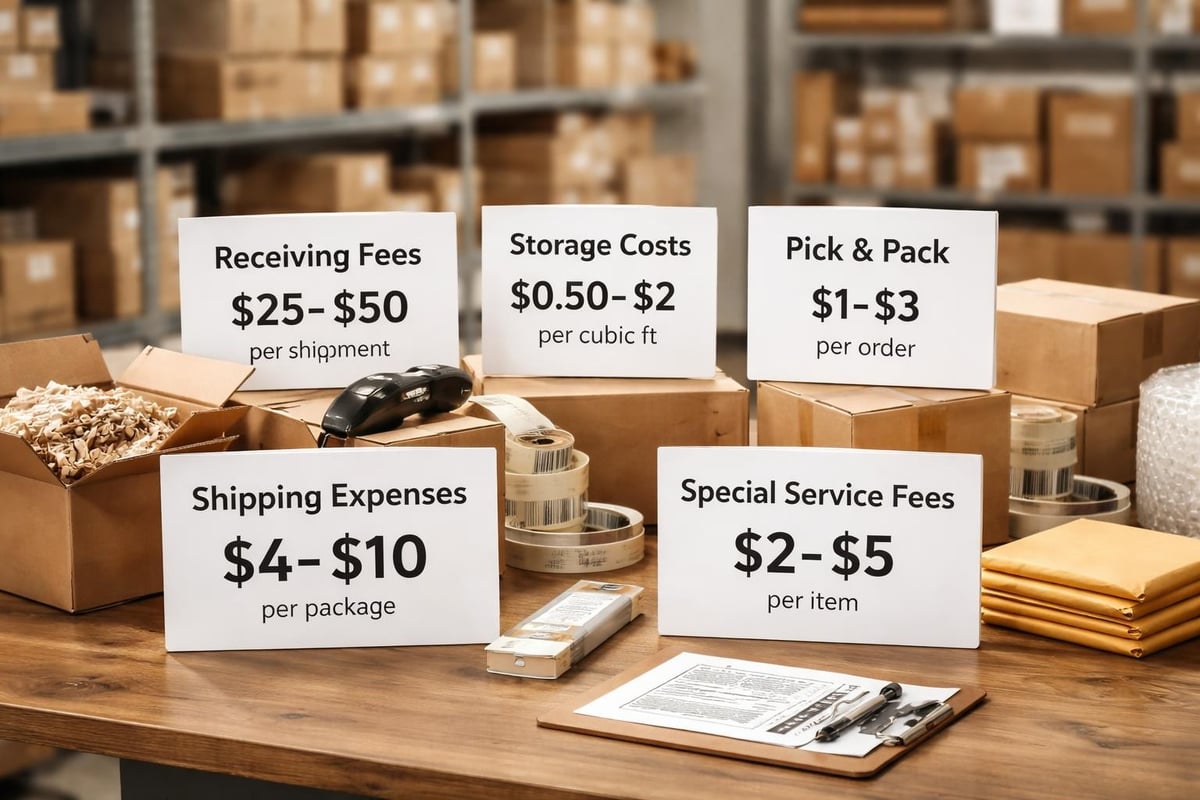
Receiving and Inbound Fees
Receiving fees cover the labor and resources required when inventory arrives at a fulfillment center. These costs typically include:
- Unloading pallets or containers from delivery trucks
- Inspecting shipments for accuracy and damage
- Counting individual units to verify quantities
- Creating SKUs and entering products into warehouse management systems
- Labeling items according to specific requirements
Most providers charge receiving fees either per pallet, per carton, or per unit depending on how inventory arrives. Understanding these structures is essential when comparing fulfillment costs and pricing models across different providers.
Storage and Warehousing Costs
Storage fees represent ongoing monthly charges for the physical space your inventory occupies. Fulfillment providers calculate storage in various ways:
| Storage Method | How It’s Calculated | Best For |
|---|---|---|
| Per Pallet | Fixed monthly rate per pallet position | Large, uniform inventory |
| Per Cubic Foot | Volume-based measurement | Mixed product sizes |
| Per Bin | Designated shelf or bin space | Small items, accessories |
| Hybrid Model | Combination of methods | Diverse product catalogs |
Storage rates fluctuate based on location, facility type, and seasonal demand. Many providers implement higher rates during peak seasons (October through December) when warehouse space becomes scarce. Brands with fast-moving inventory typically negotiate more favorable storage terms than those holding slow-moving stock.
Pick and Pack Fees
The pick and pack process represents the most labor-intensive aspect of order fulfillment. These fees cover:
- Locating products within the warehouse
- Retrieving items from shelving or bins
- Quality checking each order
- Packing products securely with appropriate materials
- Adding inserts, promotional materials, or gift messages
- Printing and applying shipping labels
Fulfillment pricing for pick and pack services usually includes a base fee per order plus additional charges per item. A single-item order might cost $3.50 total, while a five-item order could range from $5.00 to $7.50 depending on the provider and complexity.
Understanding Different Pricing Models
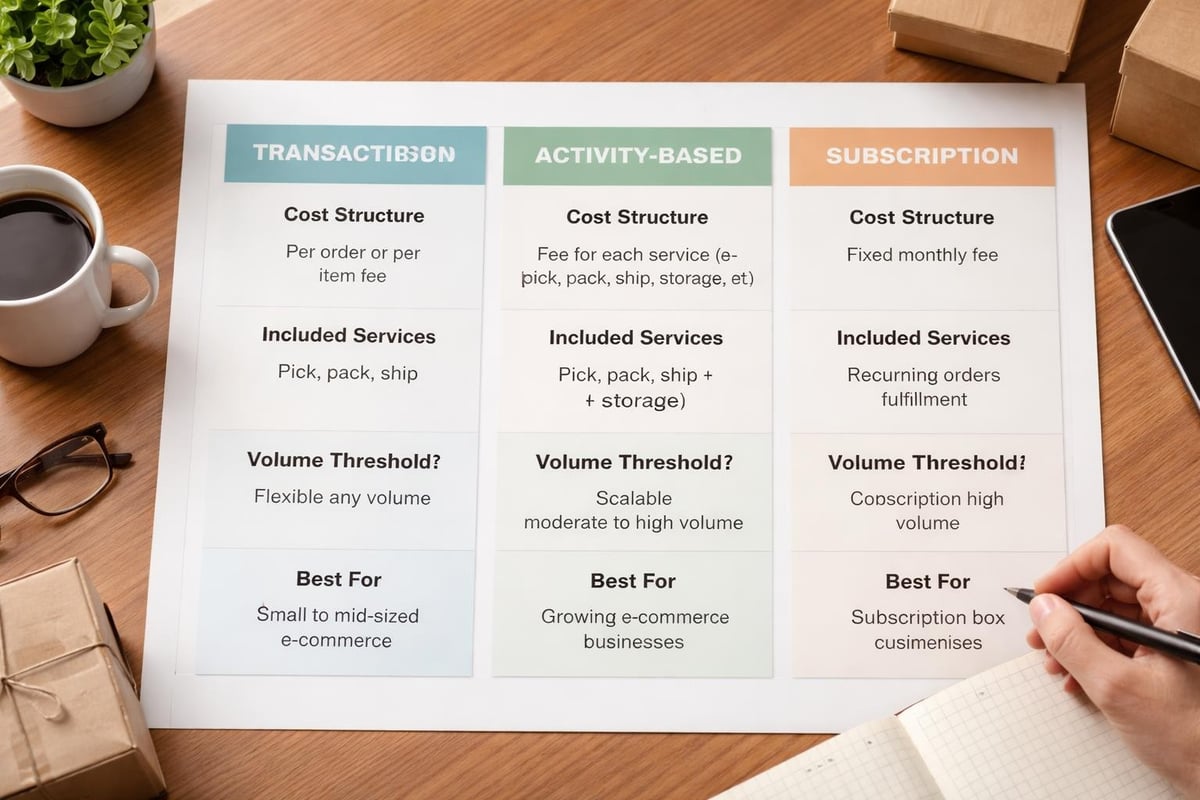
Fulfillment providers structure their pricing using various models, each with distinct advantages and considerations for growing e-commerce brands.
Transaction-Based Pricing
This straightforward model charges fees based on specific activities and transactions. Every action has a clearly defined cost, making it easy to predict expenses based on order volume. Transaction-based pricing works well for businesses with consistent order patterns and predictable monthly volumes.
Advantages include:
- Transparency in cost allocation
- Simple budgeting and forecasting
- Easy comparison between providers
- No hidden fees when structured properly
The main drawback is that costs scale directly with volume, potentially becoming expensive during rapid growth phases without negotiated volume discounts.
Activity-Based Pricing
Activity-based models break down services into granular components, charging for each specific task performed. This approach offers maximum transparency but requires careful tracking and understanding of how different activities accumulate. Brands can find detailed explanations of various fulfillment pricing models to determine which aligns best with their operations.
Subscription or Tiered Pricing
Some providers offer monthly subscription plans with included services up to certain thresholds. Once you exceed those limits, additional per-unit charges apply. This model benefits businesses with stable, predictable volumes but can become costly if you regularly exceed tier limits.
Additional Service Fees That Impact Total Costs
Beyond the core fulfillment pricing components, specialized services add incremental costs that brands should anticipate when budgeting.
Kitting and Bundling Services
Creating product bundles or assembling kits requires additional labor and tracking. Kitting fees typically range from $0.50 to $3.00 per unit depending on complexity. For brands offering subscription boxes or promotional bundles, these costs become significant line items in the fulfillment budget.
Returns Processing
Returns management involves receiving returned items, inspecting condition, restocking sellable products, and disposing of damaged goods. Returns fees usually include:
- Receiving and inspection charges ($2-$5 per return)
- Restocking fees (often 20-30% of original pick and pack cost)
- Disposal fees for unsellable items
- Photography or detailed damage reports for high-value products
With average e-commerce return rates ranging from 20-30%, building returns processing into your fulfillment pricing expectations is essential for accurate financial planning.
Special Handling Requirements
Products requiring extra care, temperature control, or compliance documentation incur premium charges. Electronics fulfillment, for example, often requires anti-static packaging and additional insurance, while beauty products may need climate-controlled storage. Brands should clearly communicate these requirements when evaluating electronic fulfillment capabilities with potential partners.
How Volume Affects Fulfillment Pricing
Order volume dramatically influences the rates providers offer and the overall economics of outsourced fulfillment.
Volume-Based Discounts
Most fulfillment partners structure pricing tiers based on monthly order volume:
| Monthly Orders | Storage Rate | Pick & Pack | Shipping Discount |
|---|---|---|---|
| 0-500 | Standard | Standard | 5-10% |
| 501-1,500 | 5% reduction | 10% reduction | 15-20% |
| 1,501-5,000 | 10% reduction | 15% reduction | 25-30% |
| 5,000+ | Custom pricing | Custom pricing | 35%+ |
These tiers incentivize growth and reward brands that bring consistent volume. Major platforms like Amazon’s Multi-Channel Fulfillment offer transparent volume-based pricing structures that demonstrate how economies of scale benefit high-volume sellers.
Minimum Monthly Fees
Some providers implement minimum monthly charges to ensure account profitability. If your actual fulfillment costs fall below the minimum (often $200-$500), you pay the difference regardless of usage. Brands with seasonal fluctuations should negotiate flexible minimums or select providers without these requirements during slow months.
Shipping Costs and Carrier Integration
While technically separate from fulfillment service fees, shipping represents the largest portion of total order costs and directly impacts the value proposition of any fulfillment partnership.
Carrier Rate Negotiations
Established fulfillment providers leverage collective shipping volume to negotiate favorable carrier rates. These discounts often exceed what individual brands can secure independently, particularly for businesses shipping fewer than 1,000 packages monthly. Working with fulfillment partners who offer lower shipping rates through their carrier relationships provides immediate cost savings.
Zone-Based Distribution
Strategic warehouse placement reduces shipping zones and transit times. Fulfillment providers with multiple e-commerce distribution centers across different regions enable:
- Reduced shipping costs through shorter delivery distances
- Faster delivery times improving customer satisfaction
- Lower dimensional weight charges for bulky items
- Decreased damage rates from reduced handling
Brands experiencing rapid growth should evaluate whether distributed inventory across multiple facilities justifies the additional complexity and potential storage cost increases.

Evaluating Setup and Onboarding Costs
Initial implementation fees represent one-time investments required to begin working with a fulfillment provider.
Account Setup Fees
Common onboarding charges include:
- Technology integration and API connections ($0-$500)
- Initial SKU uploads and catalog setup ($0-$300)
- Custom packaging design and approval ($100-$1,000)
- Training sessions and documentation ($0-$500)
Many providers waive setup fees for brands committing to minimum volume thresholds or annual contracts. Negotiating these terms during initial discussions can save hundreds of dollars in immediate costs.
Technology and Platform Fees
Monthly software access fees for warehouse management systems, reporting dashboards, and inventory tracking platforms typically range from $0 to $200. Premium features like advanced analytics, API access, or multi-channel integration may incur additional charges. When comparing 3PL fulfillment options, evaluating included technology versus add-on costs helps identify true total ownership costs.
Hidden Fees to Watch For
Transparency in fulfillment pricing separates exceptional partners from those who surprise clients with unexpected charges.
Account Management and Support
Some providers charge monthly account management fees while others include dedicated support as part of base pricing. Clarify whether you’ll have a dedicated point of contact or rely on general customer service channels.
Rush Processing and Expedited Handling
Same-day or next-day processing requirements typically trigger premium charges of 50-100% above standard pick and pack fees. Brands with frequent rush orders should negotiate volume-based rush pricing or implement better inventory planning to minimize these costs.
Packaging Materials and Inserts
While basic packaging (poly mailers, standard boxes) is usually included, custom boxes, branded tissue paper, marketing inserts, and specialty packaging materials add incremental costs. Detailed understanding of fulfillment service costs helps brands budget for these branding enhancements accurately.
Strategies for Optimizing Fulfillment Pricing
Smart brands implement specific tactics to control costs while maintaining service quality.
Inventory Management Best Practices
Efficient inventory planning directly impacts storage costs and overall fulfillment pricing. Strategies include:
- Implementing just-in-time inventory to minimize storage duration
- Analyzing sales velocity to identify slow-moving SKUs
- Consolidating similar products to reduce SKU count
- Negotiating flexible storage for seasonal products
- Using data analytics to forecast demand accurately
Brands that master inventory management often achieve 20-30% cost reductions compared to those maintaining excess safety stock.
Packaging Optimization
Right-sizing packaging reduces dimensional weight charges and shipping costs. Working with fulfillment partners to analyze order data and identify optimal box sizes can yield significant savings. Additionally, lighter packaging materials that maintain protection standards decrease both shipping and material costs.
Order Batching and Processing Windows
Establishing clear order cutoff times and processing schedules helps fulfillment centers optimize labor allocation and batch similar orders together. This efficiency often translates to lower per-order costs, particularly for brands with predictable daily order patterns.
Comparing Provider Pricing Structures
When evaluating fulfillment partners, creating standardized comparison frameworks ensures accurate cost projections.
Creating Your Pricing Comparison Matrix
Develop a spreadsheet including:
- Average monthly order volume
- Average units per order
- Product dimensions and weights
- Storage requirements (pallets or cubic feet)
- Special services needed (kitting, returns, etc.)
- Projected growth trajectory
Request detailed quotes from multiple providers using identical assumptions. This standardization reveals which pricing models offer the best value for your specific business profile. Resources like comprehensive pricing guides help validate quoted rates against industry benchmarks.
Reading Between the Lines
Beyond quoted rates, evaluate contract terms including:
- Minimum commitment periods
- Volume guarantee requirements
- Rate increase provisions and caps
- Termination clauses and transition support
- Service level agreements and performance guarantees
The lowest quoted fulfillment pricing doesn’t always deliver the best value when hidden restrictions or poor service quality create operational headaches.
The Role of Technology in Pricing Transparency
Modern fulfillment operations rely heavily on technology platforms that provide real-time visibility into costs and performance.
Real-Time Cost Tracking
Advanced warehouse management systems offer dashboards showing daily accumulated charges across all cost categories. This visibility enables brands to:
- Identify cost anomalies immediately
- Track spending against budgets
- Analyze cost per order trends over time
- Make data-driven decisions about inventory and fulfillment strategies
Integration Capabilities
Seamless integration between e-commerce platforms, inventory management systems, and fulfillment partners eliminates manual data entry and reduces errors. While some providers charge premium fees for API access, the operational efficiency and accuracy often justify these costs for brands processing hundreds of orders monthly. For businesses focused on scaling ecommerce operations, robust technical integration becomes essential.
International and Multi-Channel Considerations
Brands selling across borders or through multiple sales channels encounter additional pricing complexity.
Cross-Border Fulfillment Pricing
International fulfillment involves customs documentation, duty calculations, and international shipping surcharges. Specialized global fulfillment services typically charge premium rates but provide expertise navigating regulatory requirements and optimizing international shipping costs.
Multi-Channel Fulfillment Economics
Selling through Amazon, your own website, and other marketplaces requires fulfillment partners capable of processing orders from multiple sources. While this flexibility adds operational value, some providers charge channel-specific fees or implement different pricing tiers based on order source. Clarifying these distinctions prevents surprise charges when diversifying sales channels.
Seasonal Fluctuations and Peak Period Pricing
E-commerce seasonality significantly impacts fulfillment pricing throughout the year.
Q4 Peak Season Surcharges
November and December bring substantial volume increases industry-wide, leading providers to implement temporary rate increases:
- Storage fees often increase 20-50% during peak months
- Labor shortages may trigger processing surcharges
- Carrier peak season fees add $1-$3 per package
- Minimum processing times may extend from 24 to 48-72 hours
Planning for peak season requires budgeting these increases and ensuring inventory arrives early enough to avoid last-minute receiving rushes that incur premium charges.
Off-Season Opportunities
The period from January through August often presents negotiation opportunities as fulfillment centers seek to fill capacity. Brands launching new products or expanding into new fulfillment partnerships may secure better rates by timing transitions during these slower periods.
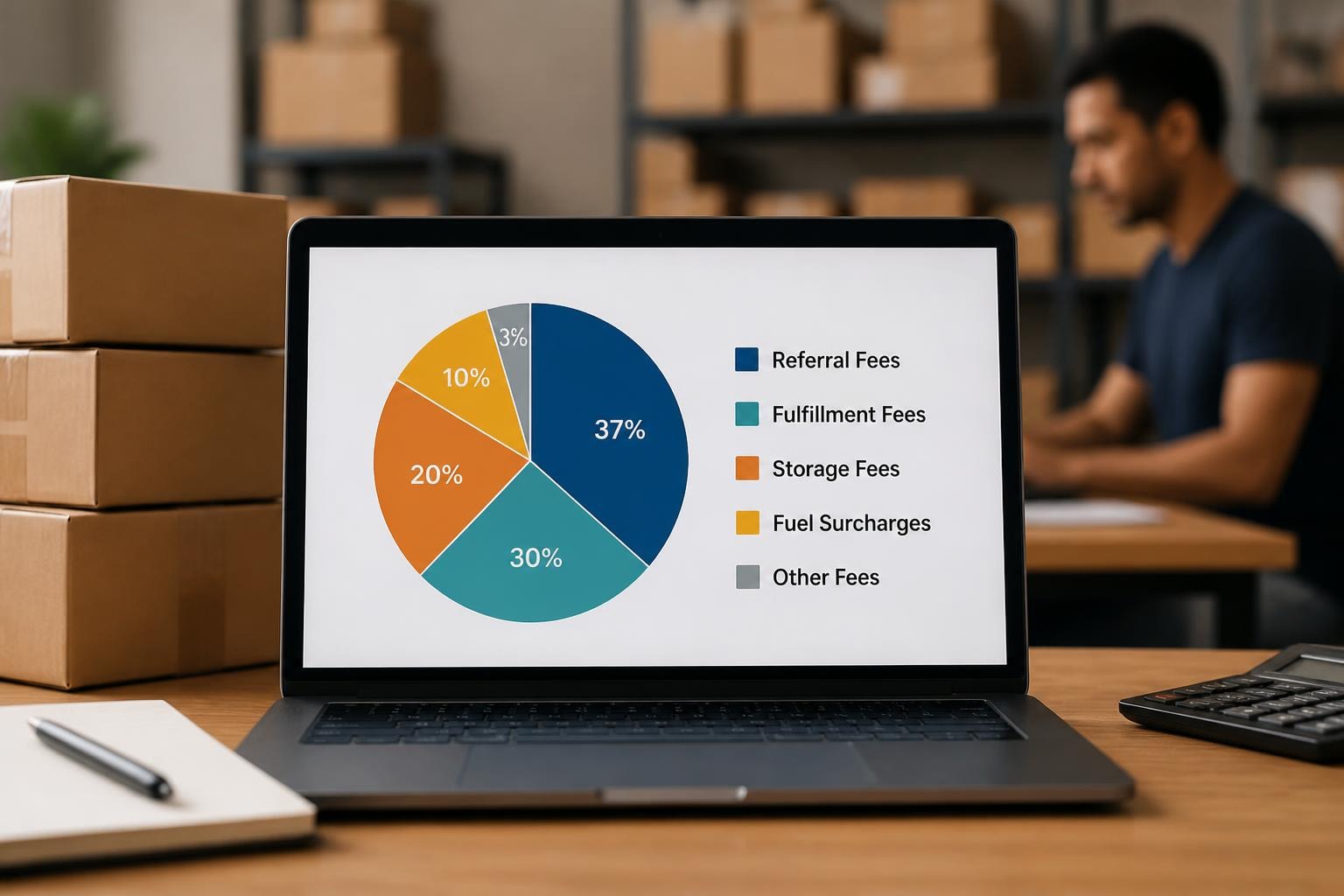
Understanding fulfillment pricing requires evaluating multiple cost components, comparing different provider models, and implementing strategies that optimize both service quality and expenses. By thoroughly analyzing receiving fees, storage costs, pick and pack charges, and additional service fees while negotiating volume-based discounts, e-commerce brands position themselves for profitable growth. Ecom Automation Prep offers transparent, scalable fulfillment pricing designed specifically for fast-growing e-commerce brands, combining competitive rates with comprehensive services including FBA prep, direct-to-consumer fulfillment, and specialized kitting to support your business objectives at every growth stage.


[…] fulfillment pricing model should align with your business needs. Some partners charge per-item fees, while others use […]
[…] Ecom Automation Prep, retururile sunt categoria pe care antreprenorii o ignoră cel mai des în calculul inițial — […]
[…] Ecom Automation Prep, retururile sunt categoria pe care antreprenorii o ignoră cel mai des în calculul inițial — […]
[…] control checklists enable packers to work efficiently without unnecessary movement. When evaluating fulfillment pricing options, consider how operational efficiency impacts overall […]
[…] fulfillment providers offer transparent fulfillment pricing calculators that help businesses estimate monthly expenses based on projected volumes. This […]
[…] automated alerts for threshold violations, and predictive insights based on historical patterns. Fulfillment pricing structures from sophisticated providers often include these reporting tools as standard features rather than […]
[…] establish realistic cost expectations and identify providers with relevant experience. Checking comprehensive fulfillment pricing structures reveals how specialized providers account for industry […]