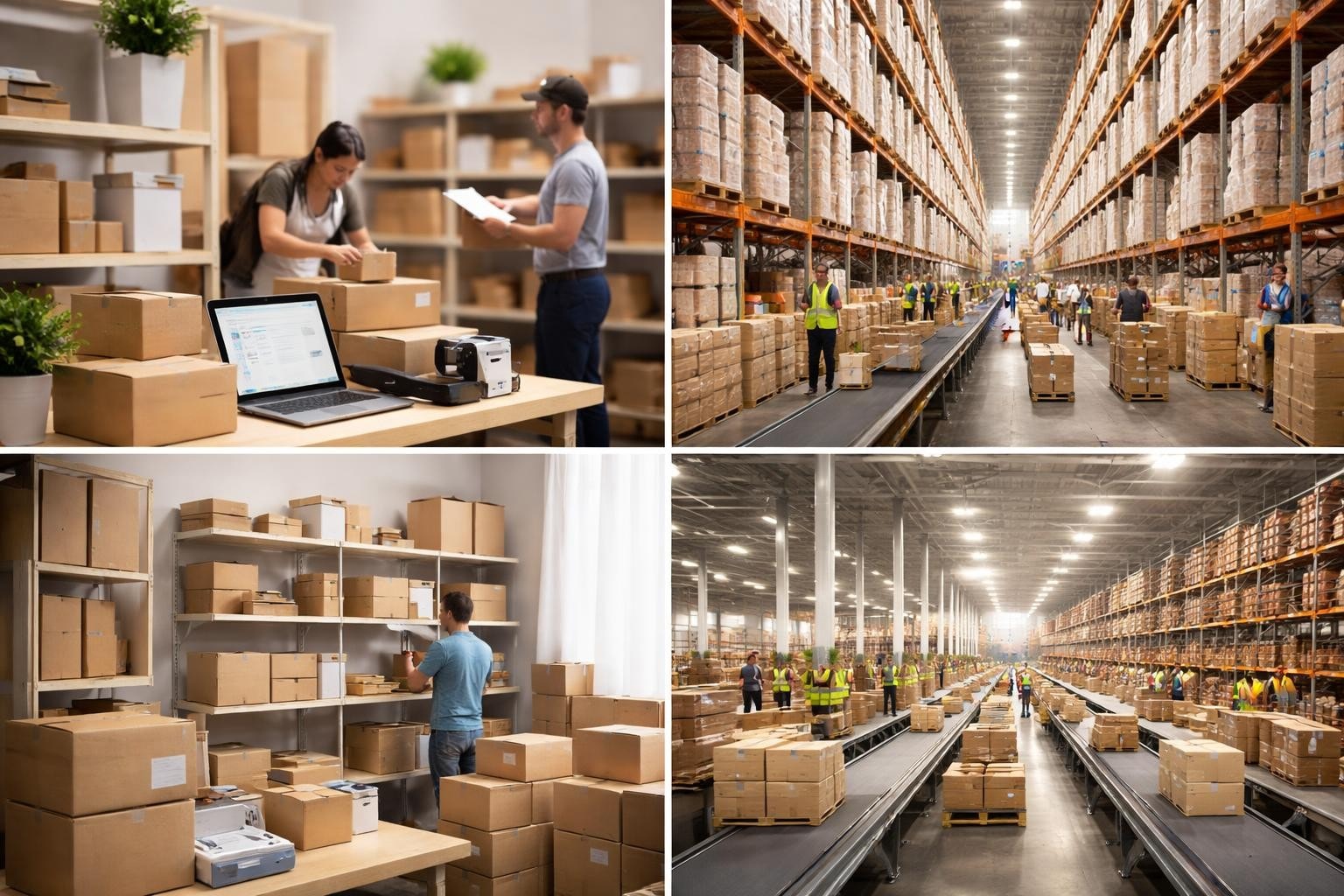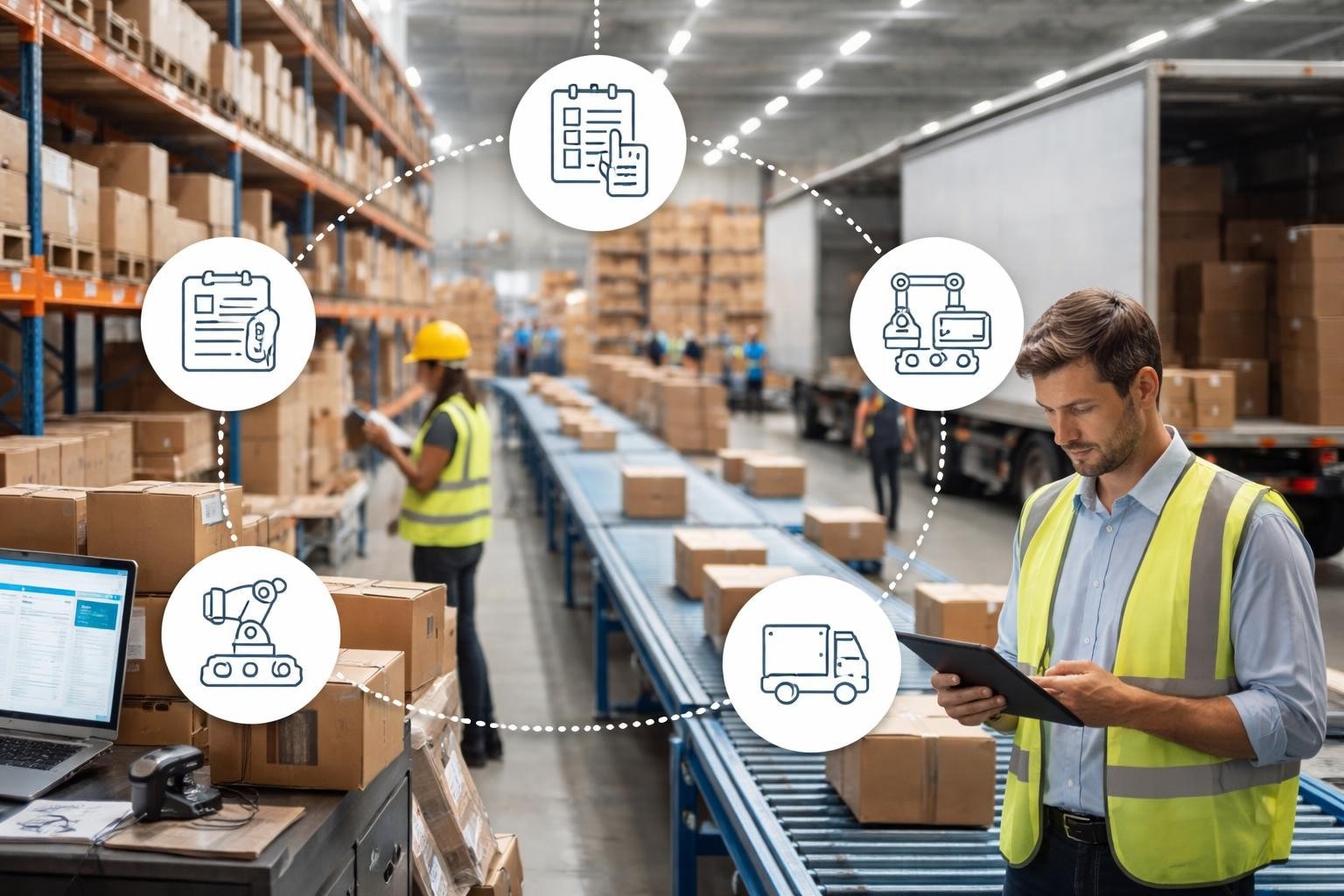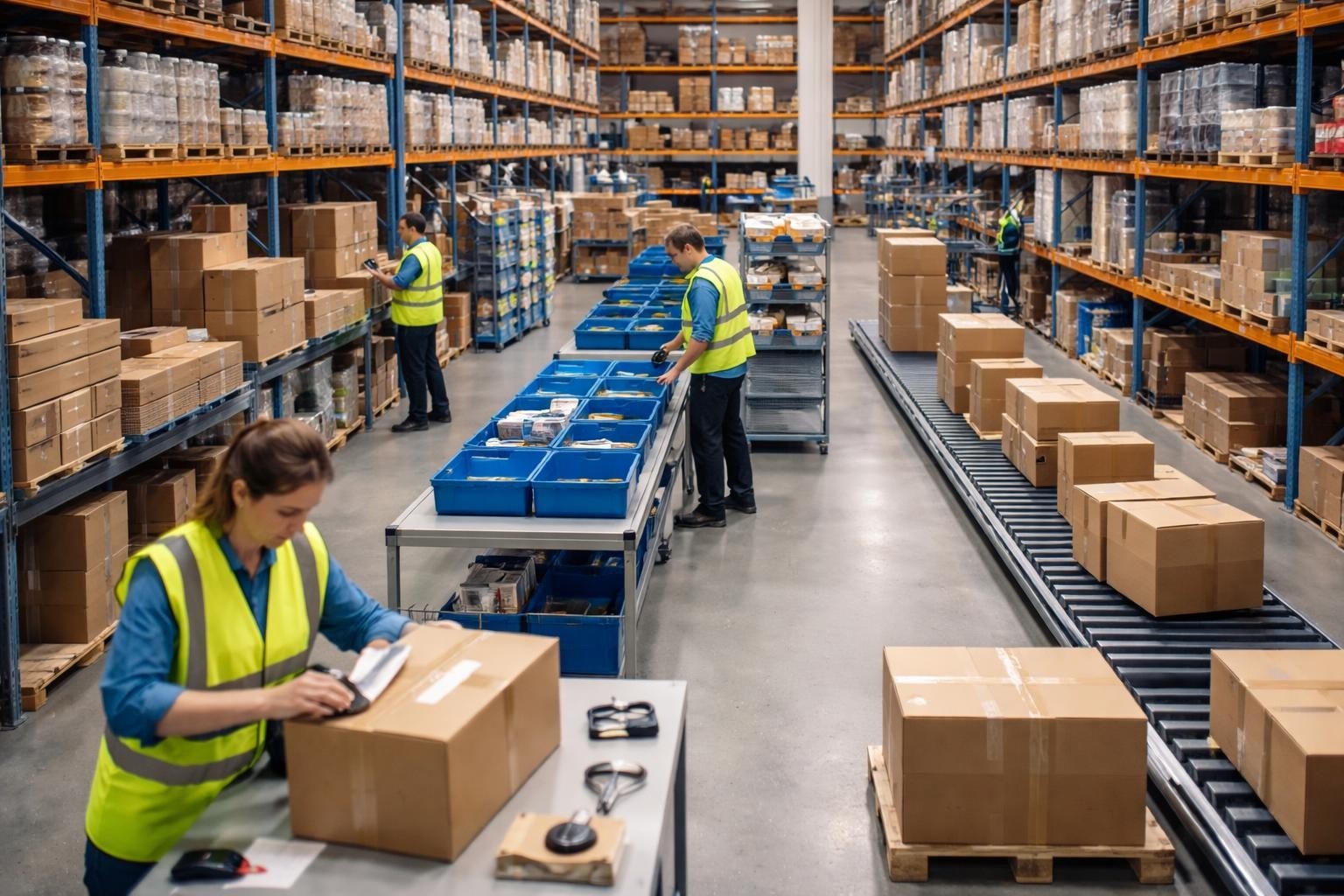


The world of cross-border e-commerce is experiencing unprecedented growth, transforming how brands reach customers worldwide. As we move into 2026, the demand for fast, reliable, and customer-focused global fulfillment services is reshaping the industry.
International logistics have never been more complex. Shoppers expect faster delivery and seamless experiences, while brands must adapt to new regulations and shifting supply chains. This rapid evolution brings both challenges and major opportunities for those ready to innovate.
This guide offers a clear, actionable roadmap for leveraging global fulfillment services to expand into new markets, boost delivery speed, and cut costs. We will cover market trends, fulfillment models, the latest technology, operational best practices, regulatory hurdles, and what the future holds for global commerce.
The Evolving Landscape of Global Fulfillment in 2026
The global fulfillment services market is experiencing remarkable growth as e-commerce expands across borders. In 2026, global e-commerce sales are projected to reach $7.5 trillion, with the Asia-Pacific, North America, and Europe regions leading the surge. According to Global e-commerce fulfillment market growth projections, the demand for agile logistics and advanced global fulfillment services will continue to rise. Brands are increasingly targeting emerging markets in Southeast Asia and LATAM, seeking new opportunities and customer bases.
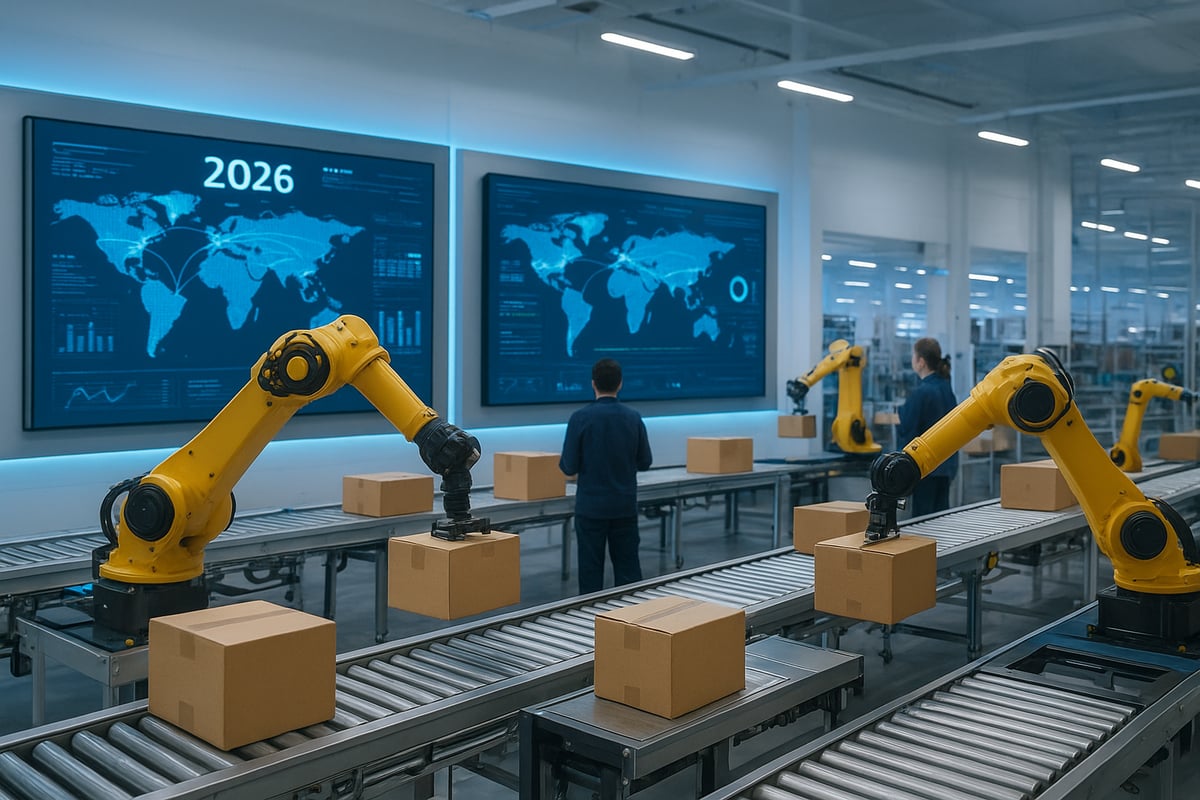
Several key drivers are shaping global fulfillment services in 2026. Cross-border e-commerce is booming, fueled by consumers' desire for fast and often free shipping. Omnichannel retail has become the norm, with shoppers expecting seamless order fulfillment across online stores, marketplaces, and even social platforms. Retailers now prioritize flexible delivery options, real-time tracking, and hassle-free returns, making global fulfillment services essential for meeting these high expectations.
Geopolitical shifts and ongoing supply chain disruptions continue to impact global fulfillment services. Trade policies, tariffs, and regulatory changes require companies to remain agile and responsive. The post-pandemic recovery has led to a reevaluation of global supply chains, with brands diversifying suppliers and fulfillment nodes to mitigate risk. Resilient global fulfillment services now factor in contingency planning and rapid adaptation to unforeseen challenges.
Technological advancements are revolutionizing global fulfillment services. Automated warehouses, robotics, and AI-driven distribution centers have become commonplace among leading players like Amazon and Alibaba's Cainiao network. Regional fulfillment hubs are strategically placed to optimize delivery speed and reduce shipping costs. Companies are investing in machine learning and predictive analytics to allocate inventory and forecast demand with unprecedented accuracy.
Sustainability is now a core pillar of global fulfillment services. Brands are adopting eco-friendly packaging, carbon-neutral shipping, and green logistics solutions to align with consumer values and regulatory requirements. Strategic partnerships and alliances are expanding fulfillment reach, allowing brands to localize operations and leverage shared infrastructure. As the market evolves, collaboration and innovation remain central to the success of global fulfillment services in 2026.
Core Models of Global Fulfillment Services
The rapid evolution of global fulfillment services has created a diverse landscape of models designed to help brands reach international markets efficiently. Understanding these core models is essential for any business planning to expand globally in 2026.
Defining Core Models in Global Fulfillment
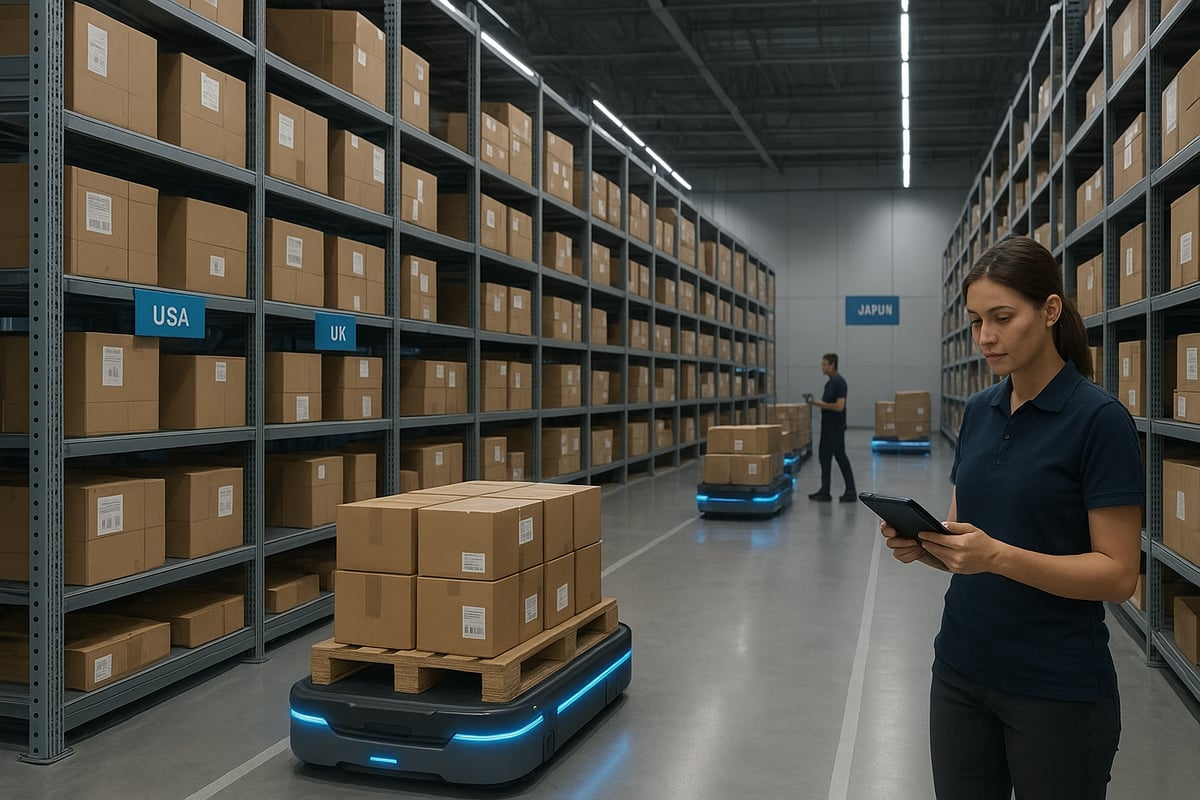
At the heart of global fulfillment services are several core operational models. International fulfillment involves storing inventory in foreign warehouses and shipping orders locally within each target market. Cross-border shipping, in contrast, means orders are fulfilled from a central location and shipped internationally to customers, often resulting in longer delivery times and higher shipping costs.
Multi-node distribution leverages multiple strategically placed warehouses across different regions, allowing brands to shorten delivery times and lower costs by shipping from the closest location to the customer. Dropshipping enables brands to sell products without holding inventory, as orders are fulfilled directly by suppliers or manufacturers, often from overseas locations.
For a deeper dive into the fundamentals and how these models fit into broader strategies, see What Are Fulfillment Services.
Centralized vs. Decentralized Fulfillment Approaches
Centralized fulfillment relies on a single or limited number of warehouses, typically located near manufacturing hubs or major markets. This model can simplify inventory management and reduce overhead, but it may increase shipping times and costs for international customers.
Decentralized fulfillment distributes inventory across multiple warehouses in various countries or regions. This approach is central to many global fulfillment services, as it enables faster delivery, lower shipping costs, and better responsiveness to local demand. However, it also introduces complexities in inventory tracking, demand forecasting, and regulatory compliance.
Brands must weigh the pros and cons of each approach based on their product mix, target markets, and growth strategy.
In-House, Outsourced, and Hybrid Fulfillment Models
Choosing between in-house and outsourced global fulfillment services depends on a brand's size, resources, and long-term goals. In-house fulfillment gives companies full control over operations, branding, and customer experience, but requires significant investment in infrastructure, staff, and technology.
Outsourced fulfillment providers, including third-party logistics (3PL) and fourth-party logistics (4PL) companies, offer scalable solutions for brands seeking to enter new markets quickly without heavy capital expenditure. Many businesses opt for a hybrid model, combining in-house fulfillment in core markets with outsourced solutions elsewhere. This approach offers flexibility, risk mitigation, and the ability to scale operations as needed.
Role of 3PLs and 4PLs in International Expansion
3PLs handle warehousing, picking, packing, and shipping for their clients, while 4PLs orchestrate the end-to-end supply chain, often managing multiple 3PLs and integrating technology platforms. The use of 3PLs and 4PLs is a hallmark of modern global fulfillment services, enabling brands to leverage local expertise, established infrastructure, and technology-driven efficiencies.
These partners also help businesses navigate customs, tax regulations, and last-mile delivery challenges unique to each region, supporting seamless cross-border operations.
Cost Considerations and Real-World Examples
Cost management is a critical factor in selecting the right global fulfillment services model. Key expenses include warehousing fees, international shipping rates, customs duties, and returns processing. Multi-node fulfillment can generate average cost savings of 15-30% compared to single-node models by reducing shipping distances and optimizing carrier selection.
Leading brands like Nike use a blend of centralized and decentralized nodes, combined with both in-house and outsourced operations, to achieve global reach and rapid delivery. Many Shopify merchants similarly rely on 3PL partners to support international growth, balancing cost, speed, and customer satisfaction.
Choosing the optimal model requires a clear understanding of your business’s needs, projected order volumes, and the markets you intend to serve. By aligning your approach with the right combination of models and partners, you can unlock the full potential of global fulfillment services for your brand.
Technology and Automation in Global Fulfillment
The transformation of global fulfillment services in 2026 is powered by rapid technological innovation. E-commerce brands now rely on an array of digital tools to meet customer demands for speed, accuracy, and transparency. As fulfillment networks grow increasingly complex, technology is at the heart of delivering seamless cross-border experiences and driving operational efficiency.
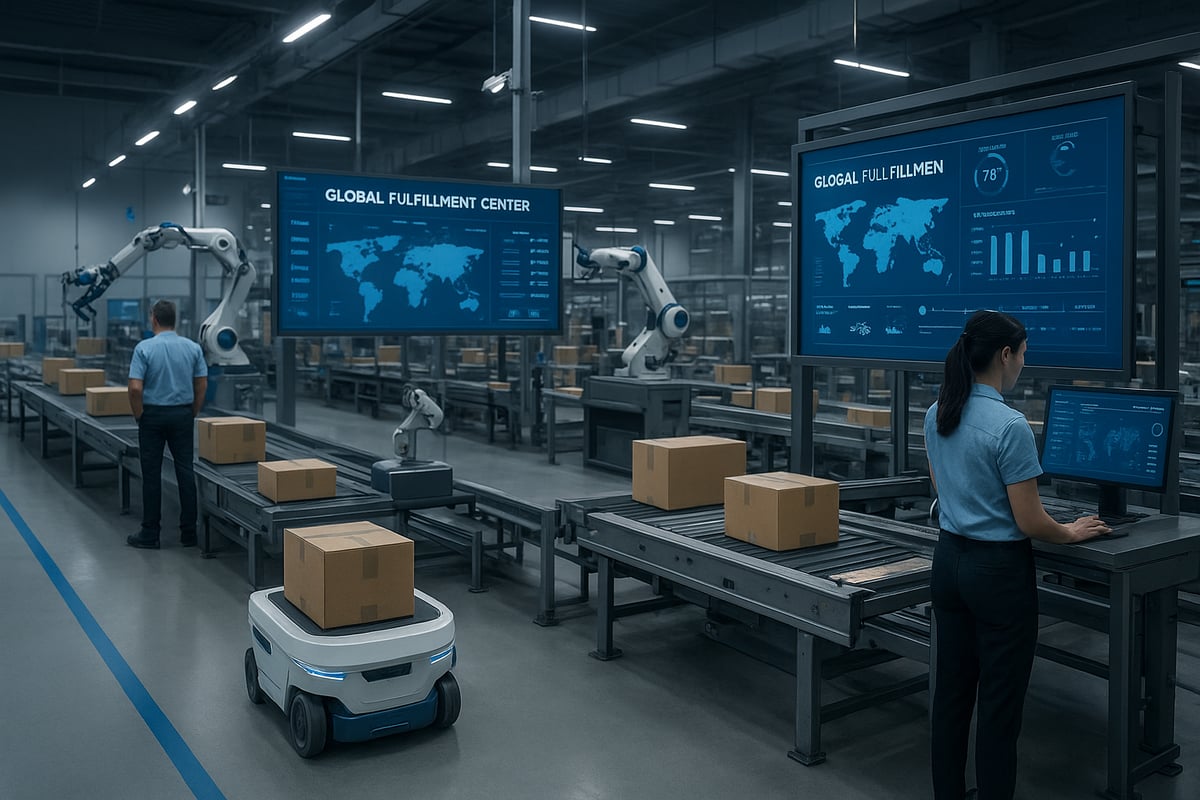
Warehouse management systems (WMS) and order management systems (OMS) form the digital backbone of global fulfillment services. These platforms automate order routing, inventory tracking, and shipment processing across multiple locations and sales channels. Brands that integrate WMS and OMS solutions can centralize data, reduce manual errors, and respond quickly to fluctuations in demand. Seamless API integrations further enable real-time data sharing with carriers, marketplaces, and customer service tools, ensuring every order is traceable from cart to customer.
Artificial intelligence (AI), machine learning, and robotics are revolutionizing global fulfillment services in 2026. AI-driven demand forecasting analyzes historical sales, seasonality, and external factors to optimize inventory placement and reduce stockouts. Robotics automate picking, packing, and sorting, significantly increasing throughput and reducing labor costs. The Internet of Things (IoT) provides real-time tracking of shipments, environmental monitoring, and predictive maintenance for equipment, enhancing reliability and transparency. For a deeper dive into the latest fulfillment technology trends, see this overview of emerging e-commerce fulfillment trends for 2026.
Blockchain technology is gaining traction within global fulfillment services for its ability to enhance supply chain transparency and security. By recording every transaction and shipment milestone on an immutable ledger, blockchain reduces the risk of fraud and enables faster dispute resolution. API-driven integrations between fulfillment platforms, payment gateways, and customs systems streamline cross-border operations, allowing brands to manage global inventory and orders from a single dashboard. These advancements help brands maintain compliance and build trust with international customers.
Real-world adoption of automation in global fulfillment services is accelerating. Industry data indicates that over 60 percent of fulfillment centers are expected to implement advanced automation technologies by 2026. Fulfillment.com’s global dashboard exemplifies how real-time analytics empower brands to monitor orders, inventory, and shipping performance worldwide. Amazon Robotics and DHL’s smart warehouses showcase how robotics and AI are used at scale to achieve faster, more accurate deliveries. As technology continues to evolve, brands that invest in these solutions will gain a competitive edge in both operational efficiency and customer satisfaction.
Operational Strategies for Scalable Global Fulfillment
Scalable operations are the backbone of successful global fulfillment services. In 2026, brands must deploy agile strategies that optimize cost, delivery speed, and customer experience at scale. The following operational tactics enable enterprises to remain competitive in a rapidly evolving e-commerce landscape.
Inventory Placement and Distributed Warehousing
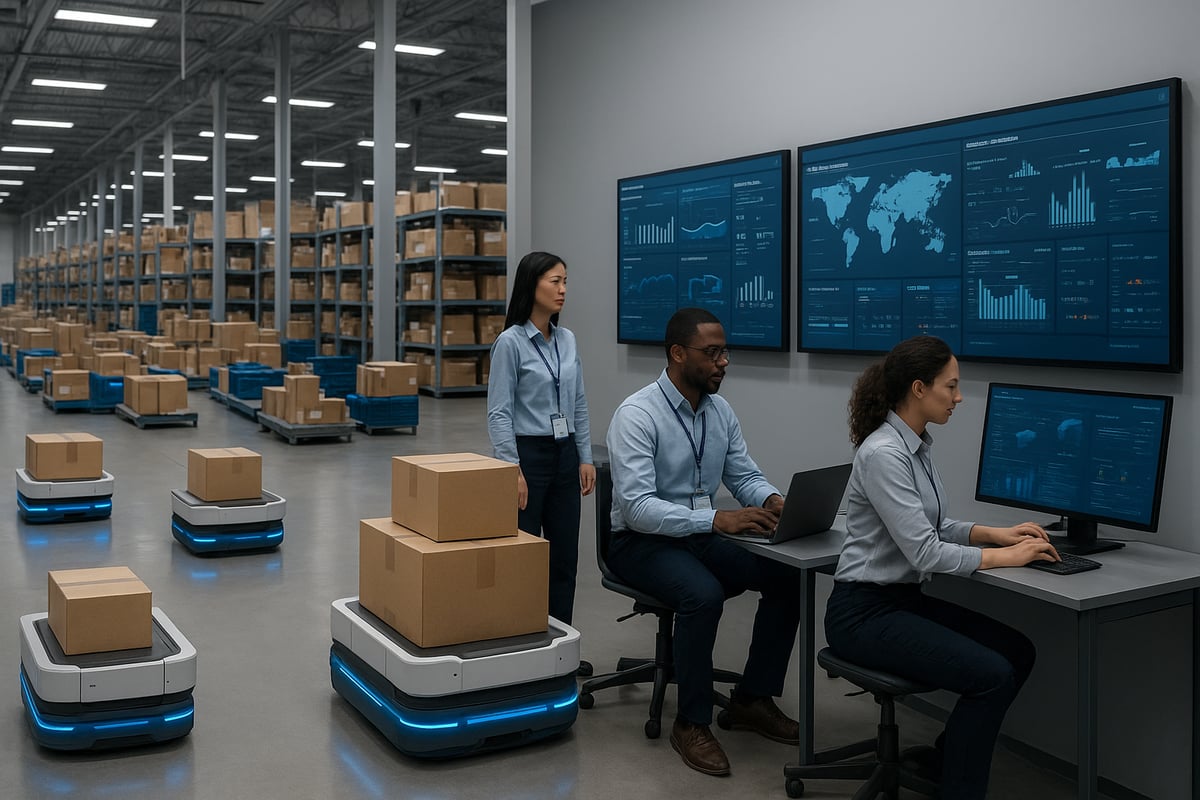
Strategic inventory placement is crucial for global fulfillment services aiming to deliver quickly and cost-effectively. Brands are increasingly adopting distributed warehousing, storing products closer to demand hotspots rather than relying on a single central location.
This approach reduces shipping distances, shortens delivery times, and lowers last-mile costs. For example, a multi-channel retailer using fulfillment centers in North America, Europe, and Asia can achieve consistent two-day delivery across five countries.
A comparison of inventory strategies:
| Model | Delivery Speed | Shipping Cost | Flexibility |
|---|---|---|---|
| Centralized | Slower | Higher | Low |
| Distributed | Faster | Lower | High |
Choosing the right warehouse partners is essential. Brands can explore various fulfillment providers to ensure scalability and network coverage.
Optimizing Carrier Selection and Shipping Methods
Dynamic carrier selection is a key operational lever within global fulfillment services. By continuously evaluating carriers based on real-time rates, capacity, and performance, brands can optimize shipping routes and costs.
Technology platforms now enable automated carrier selection, factoring in destination, package size, and delivery promise. This reduces manual effort and helps brands maintain consistent service levels worldwide.
Shipping method optimization also involves selecting the best delivery modes—air, sea, or ground—based on urgency and cost. Leveraging regional carriers can further improve efficiency and reliability.
Returns Management and Reverse Logistics
Efficient returns management is a vital component of global fulfillment services, especially as cross-border e-commerce volumes rise. Brands must streamline reverse logistics to minimize delays and enhance customer satisfaction.
Key strategies include:
- Establishing regional returns centers to reduce transit times.
- Automating returns authorization and tracking.
- Providing clear, hassle-free return policies for international customers.
Well-managed reverse logistics not only recovers inventory faster but also builds trust with global shoppers, encouraging repeat business and loyalty.
Value-Added Services and Kitting
Offering value-added services like kitting, bundling, and product customization differentiates global fulfillment services in a crowded marketplace. These services allow brands to enhance perceived value and meet diverse customer needs.
Common value-added offerings include:
- Product assembly and quality checks before shipping.
- Personalized packaging and gift wrapping.
- Custom bundles tailored to regional preferences.
Implementing these services at scale requires robust process controls and integration with order management systems, ensuring consistency across all fulfillment nodes.
Capacity Planning and Quality Control
Anticipating demand spikes is essential for global fulfillment services, particularly during peak seasons and promotional events. Accurate capacity planning prevents stockouts and ensures timely delivery.
Tips for effective capacity planning:
- Analyze historical sales and forecast trends.
- Allocate inventory to high-demand regions ahead of time.
- Scale staffing and automation resources in advance.
Quality control is equally important. Regular performance monitoring across all fulfillment centers helps maintain high order accuracy and customer satisfaction. Brands that invest in these operational pillars achieve scalable, reliable fulfillment on a global stage.
Regulatory, Compliance, and Risk Management Challenges
Regulatory compliance is a cornerstone of successful global fulfillment services in 2026. With cross-border e-commerce expanding rapidly, the complexity of international laws, customs, and safety standards continues to increase. Brands must navigate a labyrinth of requirements, from accurate customs documentation to product labeling and certifications, to prevent costly shipment delays and regulatory penalties.
Understanding the distinct regulatory landscapes across regions is essential. The US FDA, EU CE marking, and Health Canada each impose unique standards on imported goods. Additionally, global fulfillment services must handle restricted items, hazardous materials, and product recalls with precision. The recent tightening of import thresholds, such as the end of de minimis exemptions in some markets, adds further complexity. For a deeper dive into these evolving customs regulations, see Navigating the End of De Minimis.
Data privacy is also a top concern for global fulfillment services. International data transfer regulations, including GDPR and CCPA, require brands to protect customer information and ensure secure cross-border flows. Failure to comply can result in significant fines and reputational damage. Implementing robust cybersecurity measures and regularly auditing data handling processes are critical steps.
Effective risk management is vital for global fulfillment services to thrive. Comprehensive insurance coverage, meticulous documentation, and proactive compliance audits help mitigate potential disruptions. For example, Fulfillment.com’s address validation and advanced returns management systems have been shown to reduce chargebacks and minimize regulatory issues. According to recent industry reports, the most common causes of shipment delays in 2026 include incomplete paperwork, misclassified goods, and non-compliance with local safety standards.
Building a compliance-centric culture is the final piece of the puzzle. Training staff on evolving regulations, leveraging automated compliance tools, and fostering transparent communication across the supply chain are essential practices. As global fulfillment services continue to evolve, staying ahead of regulatory shifts and embracing a proactive approach to risk management will be key to unlocking new markets and sustaining growth.
The Future of Global Fulfillment: Trends and Strategic Recommendations
The future of global fulfillment services is being shaped by rapid technological advancements and shifting consumer demands. As we look to 2026 and beyond, businesses must adapt quickly to maintain a competitive edge in the international marketplace.
Emerging technologies are at the core of the transformation in global fulfillment services. Autonomous delivery vehicles, drones, and AI-driven orchestration platforms are optimizing every step of the supply chain. Agentic AI, in particular, is enabling predictive analytics and unified commerce, as detailed in the Impact of agentic AI on e-commerce in 2026. These advancements allow brands to anticipate demand, allocate inventory efficiently, and deliver orders faster than ever.
Sustainability is becoming a key differentiator for global fulfillment services. Companies are investing in carbon-neutral shipping, eco-friendly packaging, and circular logistics to meet regulatory requirements and consumer expectations. Initiatives such as closed-loop recycling, green last-mile delivery, and energy-efficient warehouses are now integral to fulfillment strategies.
The rise of fulfillment as a service (FaaS) and on-demand warehousing is changing the way businesses scale internationally. Flexible, pay-as-you-go models enable brands to enter new markets without massive upfront investments. This approach supports omnichannel operations and provides much-needed agility in volatile global environments.
Consumer expectations continue to evolve, pushing global fulfillment services to offer ultra-fast delivery, hyper-localization, and flexible returns. Personalization is critical, with dynamic shipping options and transparent tracking becoming standard features. Companies must prioritize seamless experiences to build loyalty and reduce cart abandonment.
Geopolitical and macroeconomic uncertainties demand resilient strategies. Businesses are diversifying their supply chains, building regional partnerships, and investing in risk management tools to navigate disruptions. Agility and ecosystem collaboration are essential for long-term success.
Strategic Recommendations:
- Invest in AI, automation, and real-time data analytics.
- Prioritize sustainability across all fulfillment operations.
- Adopt flexible fulfillment models and explore FaaS.
- Enhance the customer experience with personalization and transparency.
- Build strong partnerships and regional alliances for resilience.
- Monitor global trends and maintain readiness for regulatory changes.
Looking ahead to 2030, global fulfillment services will continue to redefine international commerce. Those who embrace innovation, sustainability, and customer-centricity will lead the next era of cross-border growth.
As you navigate the fast-evolving world of global e-commerce, it becomes clear that having a reliable fulfillment partner can make all the difference. We’ve explored how strategies like automation, real-time tracking, and scalable solutions are shaping success for brands in 2026. If you’re ready to streamline your operations, improve delivery speed, and effortlessly scale to new markets, let’s take the next step together. Our team at Ecom Automation Prep specializes in making fulfillment simple—so you can focus on growing your business with confidence.
Get A Quote