
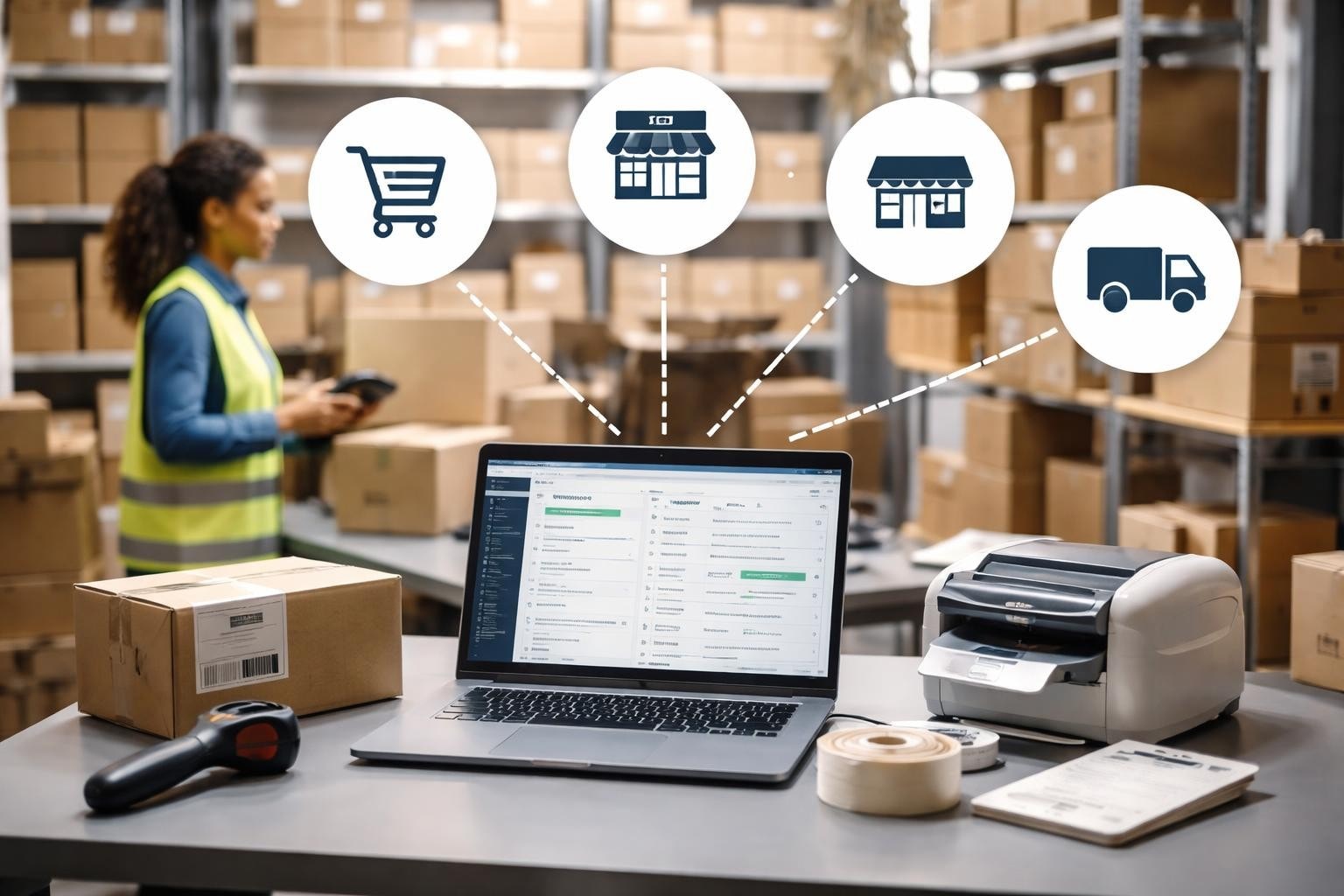

Modern consumers expect to shop anywhere, receive orders everywhere, and return products through any channel they choose. This fundamental shift in buyer behavior has transformed ecommerce from a simple online transaction model into a complex ecosystem requiring sophisticated coordination across multiple touchpoints. Brands that successfully implement omnichannel ecommerce fulfillment gain competitive advantages through faster delivery, better inventory utilization, and superior customer experiences that drive loyalty and repeat purchases.
Understanding the Omnichannel Fulfillment Landscape
Omnichannel ecommerce fulfillment represents the strategic integration of inventory, orders, and logistics across every sales channel a brand operates. Unlike multichannel approaches where each platform functions independently, true omnichannel operations create a unified system where inventory visibility and order management work seamlessly together.
The foundation of effective omnichannel strategy lies in centralized data management. Brands need real-time visibility into stock levels across warehouses, retail locations, and third-party facilities. When a customer places an order through any channel, the system must instantly identify the optimal fulfillment location based on proximity, inventory availability, and cost efficiency.
Key Components of Successful Integration
Building a robust omnichannel infrastructure requires several interconnected elements working in harmony:
- Unified inventory management system that tracks stock across all locations in real-time
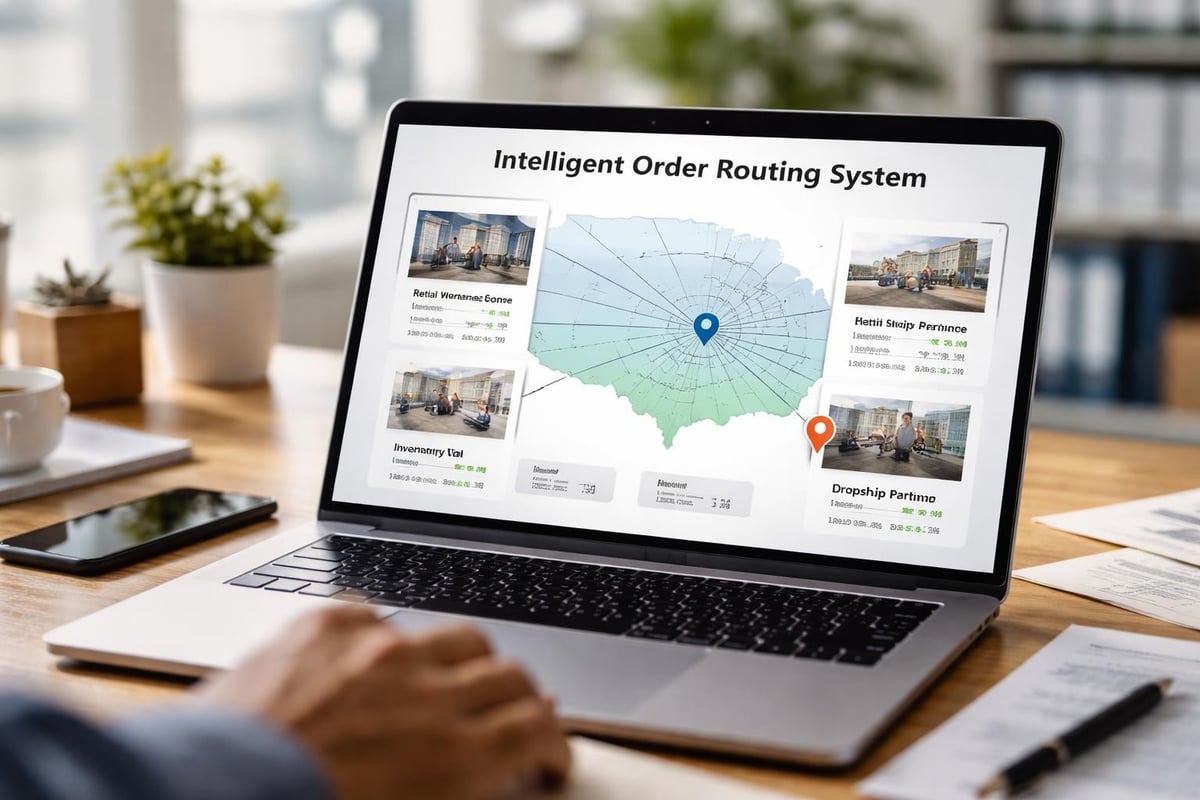
- Intelligent order routing that directs fulfillment to the most efficient location
- Integrated warehouse management software compatible with multiple sales platforms
- Flexible shipping options including expedited delivery, in-store pickup, and curbside service
- Comprehensive return management accepting products through any channel
The technology stack supporting these operations must communicate bidirectionally with ecommerce platforms, marketplaces, point-of-sale systems, and warehouse automation tools. This level of seamless integration across digital and physical stores ensures customers receive consistent service regardless of how they choose to shop.
Inventory Synchronization Strategies
Accurate inventory data serves as the cornerstone of omnichannel ecommerce fulfillment operations. When stock counts fall out of sync between channels, brands risk overselling products, disappointing customers, and damaging their reputation through unfulfilled orders.
Real-time synchronization requires automated systems that update inventory counts within seconds of any transaction. Whether a product sells through an online marketplace, mobile app, or physical store, the system must immediately reflect that change across all channels. This prevents the common scenario where customers order items shown as available only to receive backorder notifications hours later.
Buffer Stock and Safety Inventory
Smart brands implement buffer stock strategies to account for synchronization delays and unexpected demand spikes. These calculations determine how much inventory to reserve as safety stock based on historical sales patterns, lead times, and channel-specific variables.
| Channel Type | Typical Buffer % | Primary Risk Factor |
|---|---|---|
| Direct-to-Consumer | 10-15% | Flash sales, viral trends |
| Amazon FBA | 15-20% | Algorithm changes, Prime Day |
| Retail Partnerships | 20-25% | Promotional events, seasonal peaks |
| Wholesale Orders | 5-10% | Predictable reorder patterns |
Different product categories also require varied approaches. High-velocity items with consistent demand need lower buffers compared to seasonal products or trendy merchandise prone to sudden popularity surges. Brands offering comprehensive fulfillment services typically maintain sophisticated forecasting models that adjust these parameters dynamically.
Order Management System Architecture
The order management system (OMS) functions as the central nervous system of omnichannel operations. This platform receives orders from every sales channel, applies business rules to determine fulfillment methods, and coordinates the execution process across warehouses, carriers, and customer service teams.
Modern OMS platforms provide capabilities far beyond basic order processing. They analyze each order against multiple criteria including customer location, shipping method selected, inventory availability across locations, carrier performance metrics, and current warehouse capacity. The system then routes orders to fulfillment centers positioned to meet delivery commitments most cost-effectively.
Distributed Order Management Benefits
A distributed order management system enhances fulfillment efficiency by treating the entire fulfillment network as a unified resource pool. Rather than forcing orders through predetermined paths, distributed systems dynamically optimize each transaction.
Consider a customer ordering three items from an online store. Traditional systems might ship all products from a central warehouse despite one item being out of stock there. Distributed order management identifies that two items sit in Warehouse A, the third resides in Warehouse B, and intelligently splits the shipment or sources the missing item from the nearest location with availability.
This approach delivers multiple advantages:
- Reduced shipping costs through proximity-based fulfillment
- Faster delivery times meeting customer expectations
- Lower risk of stockouts and backorders
- Improved inventory turnover across the network
- Greater flexibility responding to disruptions
Technology Integration Requirements
Successfully implementing omnichannel ecommerce fulfillment demands robust technological infrastructure capable of managing complex data flows between disparate systems. Brands must connect ecommerce platforms, marketplace APIs, warehouse management systems, shipping carriers, and analytics tools into a cohesive operational framework.
Integration typically occurs through API connections that enable real-time data exchange. When properly configured, these connections create automated workflows that eliminate manual data entry, reduce errors, and accelerate processing times. Orders flow automatically from sales channels to fulfillment systems, inventory updates propagate instantly across platforms, and tracking information syncs back to customer accounts without human intervention.
Essential Platform Capabilities
Brands evaluating technology solutions for omnichannel operations should prioritize systems offering these core features:
- Multi-warehouse support with location-specific inventory tracking
- Channel-agnostic order ingestion accepting data from any source
- Rules-based routing engines applying custom fulfillment logic
- Carrier integration supporting multiple shipping services
- Returns processing handling reverse logistics workflows
- Analytics dashboards providing operational insights
Companies specializing in Amazon FBA prep services understand that marketplace-specific requirements often demand additional customization. Amazon's labeling standards, packaging requirements, and shipping protocols differ significantly from direct-to-consumer fulfillment, necessitating flexible systems that adapt to varying specifications.
Warehouse Operations and Process Design
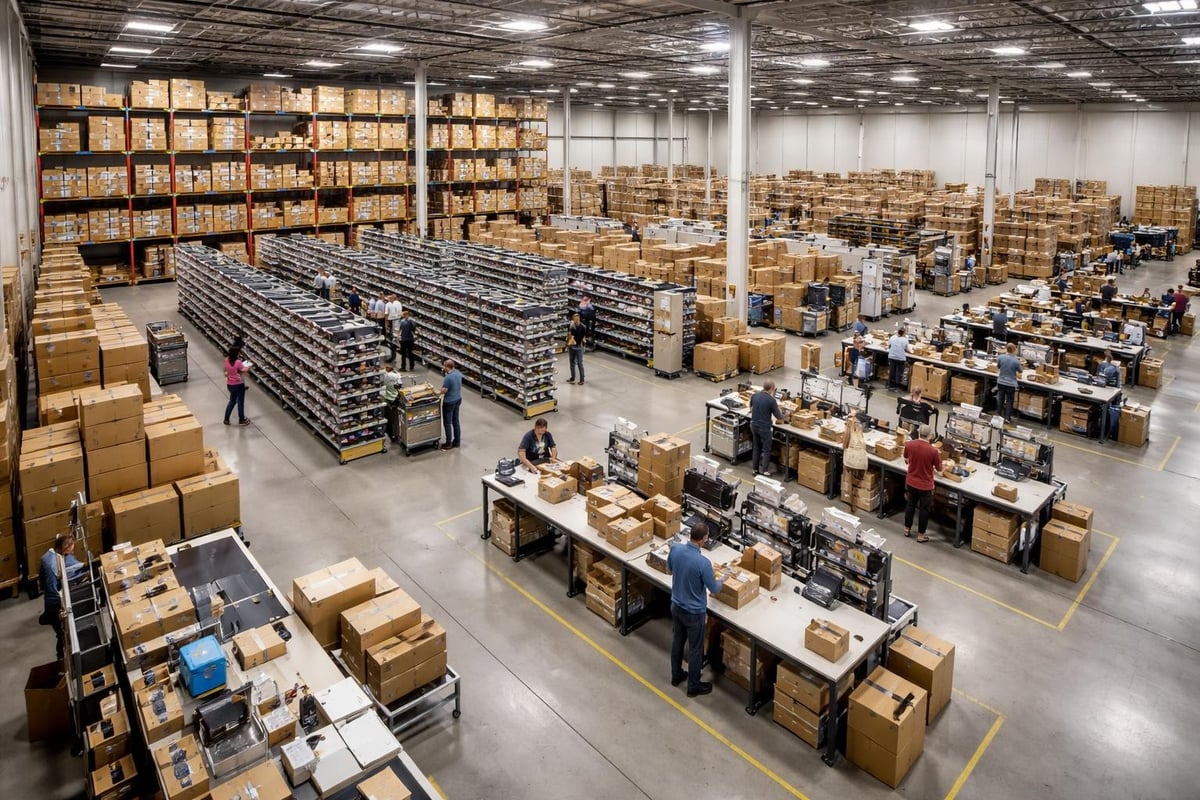
Physical warehouse operations must evolve alongside technological systems to support omnichannel fulfillment effectively. Traditional warehouses organized around bulk picking and pallet-level movements struggle with the unit-level accuracy and speed omnichannel demands require.
Modern fulfillment centers employ zone-based picking strategies, dedicated omnichannel staging areas, and sophisticated quality control checkpoints. Workers equipped with mobile devices receive picking instructions optimized for efficiency, scanning each item to verify accuracy before packing. These processes ensure orders ship correctly regardless of their destination channel.
Kitting and Bundling Capabilities
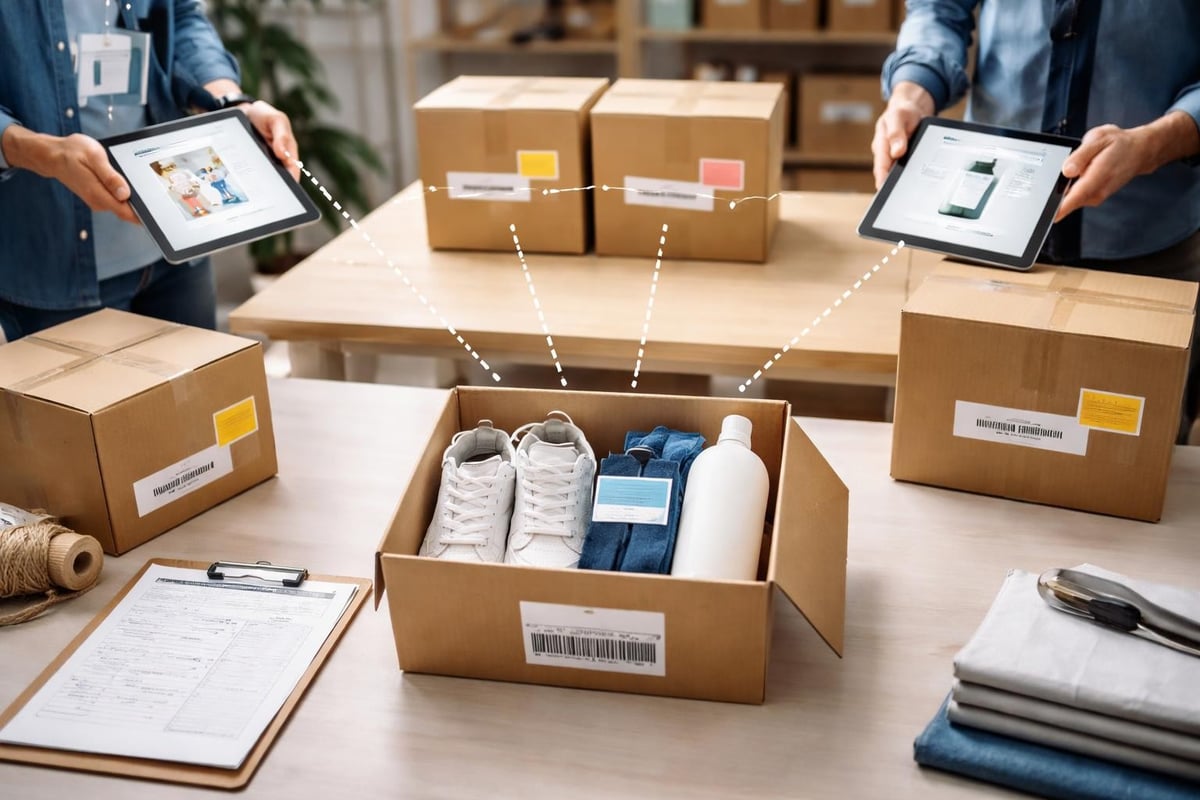
Omnichannel operations frequently require assembling products into custom configurations for different channels. Retail partnerships might demand specific bundle combinations, subscription boxes need precise kitting according to plan variations, and promotional campaigns often feature limited-time product sets.
Fulfillment partners offering subscription box fulfillment services maintain dedicated workstations for these specialized tasks. Teams assemble kits according to detailed specifications, apply custom packaging and marketing materials, and perform final quality checks before shipping. This flexibility enables brands to execute complex merchandising strategies without maintaining separate inventory pools for each configuration.
| Service Type | Complexity Level | Typical Applications |
|---|---|---|
| Basic Kitting | Low | Multi-packs, gift sets |
| Custom Bundling | Medium | Promotional offers, retail exclusives |
| Subscription Assembly | High | Monthly boxes, personalized selections |
| Electronic Integration | Very High | Products requiring programming, testing |
Operations serving electronic fulfillment needs add another layer of complexity through pre-shipment testing, firmware updates, and protective packaging requirements. These specialized services demonstrate how omnichannel providers must adapt capabilities to diverse product categories and channel specifications.
Customer Experience Optimization
The ultimate measure of omnichannel ecommerce fulfillment success lies in customer satisfaction metrics. Shoppers increasingly expect delivery flexibility, transparent tracking, and effortless returns regardless of purchase channel. Brands meeting these expectations build loyalty and command premium pricing power.
Offering multiple fulfillment options creates competitive differentiation. Buy-online-pickup-in-store (BOPIS), curbside delivery, same-day shipping, and scheduled delivery windows all cater to different customer preferences and urgency levels. Research shows retailers implementing comprehensive omnichannel services experience higher conversion rates and larger average order values.
Returns and Reverse Logistics
Returns processing represents a critical yet often overlooked component of omnichannel strategy. Customers expect to return online purchases through physical stores, ship marketplace orders back to brand websites, and receive prompt refunds regardless of return channel used.
Efficient reverse logistics systems inspect returned products quickly, determine restocking eligibility, and update inventory across all channels. Items suitable for resale return to available stock immediately, while damaged products route to liquidation or disposal processes. This rapid cycle prevents inventory from languishing in returns queues and maximizes recovery value.
Scaling Operations for Growth
As brands expand their channel presence and order volumes increase, omnichannel ecommerce fulfillment infrastructure must scale proportionally. Growth strains systems designed for smaller volumes, revealing bottlenecks in warehouse capacity, technology performance, and workforce productivity.
Strategic scaling requires anticipating demand patterns and investing ahead of actual need. Brands experiencing seasonal peaks benefit from flexible fulfillment partnerships that provide surge capacity during high-volume periods without requiring permanent infrastructure investments. Companies leveraging e-commerce distribution centers gain access to established facilities, trained workforces, and proven processes that accommodate rapid growth.
Performance Metrics and Continuous Improvement
Successful omnichannel programs establish clear key performance indicators (KPIs) tracking operational efficiency and customer satisfaction. These metrics guide improvement initiatives and identify opportunities for optimization.
Critical measurements include:
- Order accuracy rate across all channels and fulfillment locations
- On-time shipment percentage meeting committed delivery dates
- Inventory accuracy comparing system records to physical counts
- Perfect order rate combining accuracy, timeliness, and condition
- Cost per order tracking fulfillment expenses by channel
- Return rate monitoring product quality and listing accuracy
Regular analysis of these metrics reveals patterns requiring attention. Perhaps one fulfillment location consistently underperforms accuracy targets, suggesting training needs or process refinements. Maybe certain product categories generate disproportionate returns, indicating listing improvements or quality issues warranting supplier discussions.
Channel-Specific Considerations
While omnichannel strategy emphasizes unified operations, each sales channel presents unique requirements demanding specialized approaches. Marketplace platforms enforce specific labeling, packaging, and shipping standards. Retail partnerships establish contractual service levels for order processing and replenishment. Direct-to-consumer channels offer maximum flexibility but require comprehensive logistics capabilities.
Amazon's Fulfilled by Amazon (FBA) program exemplifies channel-specific complexity. Products entering FBA inventory must meet detailed Amazon prep requirements covering labeling, poly bagging, case packing, and hazmat documentation. Non-compliant shipments face rejection or expensive rework fees. Brands maintaining both FBA and direct fulfillment operations need partners experienced navigating these distinct requirements without cross-contamination between inventory pools.
Marketplace Integration Strategies
Leading ecommerce brands maintain presence across multiple marketplaces including Amazon, Walmart, Target Plus, and specialized platforms serving niche audiences. Each marketplace operates unique seller portals, API structures, and fulfillment options requiring tailored integration approaches.
Smart brands implement consistent omnichannel strategies that maintain operational efficiency while respecting platform-specific rules. Centralized inventory management prevents overselling across marketplaces, while channel-specific inventory allocations ensure adequate stock for platform-exclusive promotions or seasonal events.
Future Trends Shaping Fulfillment
The omnichannel ecommerce fulfillment landscape continues evolving as new technologies emerge and customer expectations advance. Artificial intelligence increasingly powers demand forecasting, inventory optimization, and route planning. Automation technologies including robotics, autonomous vehicles, and drone delivery promise to transform warehouse operations and last-mile logistics.
Sustainability concerns drive interest in consolidated shipping, carbon-neutral delivery options, and circular economy models emphasizing product repair and refurbishment over disposal. Brands implementing best practices for seamless channel integration position themselves to adopt these innovations as they mature from experimental concepts to mainstream capabilities.
The convergence of physical and digital commerce accelerates, with augmented reality shopping experiences, virtual try-on capabilities, and metaverse storefronts creating new fulfillment challenges. Brands must prepare infrastructure supporting these emerging channels while maintaining excellence across established platforms.
Mastering omnichannel ecommerce fulfillment requires strategic vision, technological sophistication, and operational excellence across every customer touchpoint. Brands that successfully integrate inventory management, order routing, and logistics workflows across all channels gain competitive advantages through superior customer experiences and operational efficiency. Ecom Automation Prep provides the comprehensive fulfillment infrastructure fast-growing brands need to scale omnichannel operations, from Amazon FBA prep and marketplace integration to direct-to-consumer shipping and specialized services like kitting and electronics fulfillment.