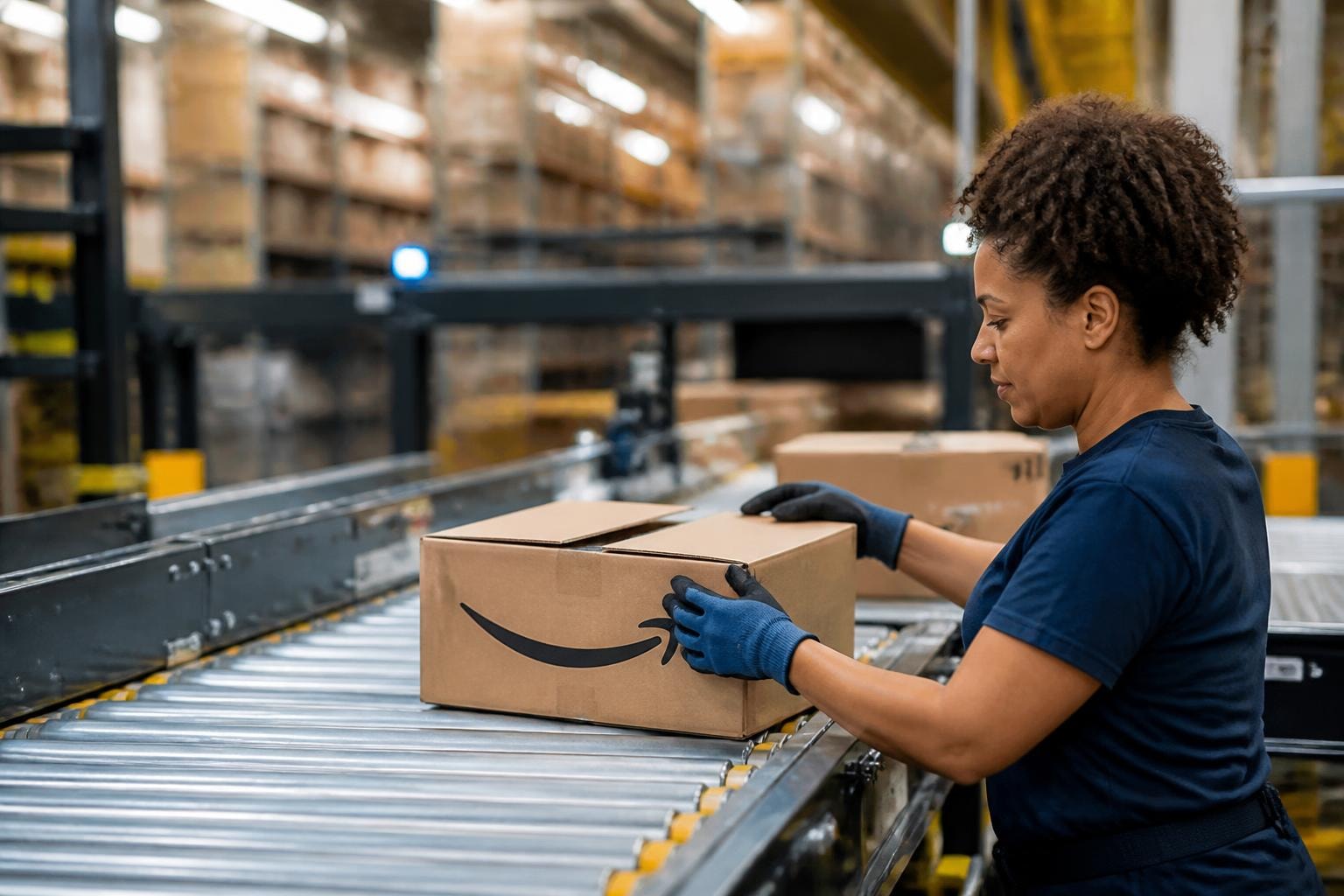

The Amazon FBA US program continues to dominate the e-commerce fulfillment landscape in 2026, offering sellers unprecedented access to millions of Prime customers while eliminating the complexities of warehousing and shipping. For businesses looking to scale quickly in the American market, understanding the nuances of Amazon FBA US operations has become essential. This program combines Amazon’s vast logistics network with seller inventory, creating a powerful partnership that allows even small businesses to compete with major retailers through Prime eligibility and two-day shipping. Whether you’re launching your first product or expanding an existing brand, mastering Amazon FBA US requirements and best practices determines your competitive positioning in today’s marketplace.
Understanding Amazon FBA US Program Fundamentals
Amazon FBA US operates on a straightforward principle: sellers send their inventory to Amazon’s fulfillment centers across the United States, and Amazon handles storage, picking, packing, shipping, customer service, and returns. This comprehensive fulfillment solution transforms how businesses approach e-commerce operations.
The program provides access to Amazon’s network of over 110 fulfillment centers strategically located throughout the US. When customers place orders, Amazon’s systems automatically select the optimal warehouse based on proximity to the delivery address, ensuring fast shipping times. This distributed inventory model reduces shipping costs and delivery times while improving customer satisfaction ratings.
Key benefits of Amazon FBA US include:
- Automatic Prime eligibility for all fulfilled products
- Access to Amazon’s customer service infrastructure
- Simplified returns processing and management
- Multi-channel fulfillment options for non-Amazon orders
- Scalable storage capacity during peak seasons
Eligibility Requirements and Account Setup
Entering the Amazon FBA US marketplace requires meeting specific criteria. Sellers must establish a professional seller account, which costs $39.99 monthly regardless of sales volume. This account type unlocks FBA functionality and provides access to advanced selling tools and bulk listing capabilities.
Product eligibility varies based on category restrictions and safety requirements. Most standard consumer goods qualify for FBA, but categories like hazardous materials, perishables, and certain oversized items face additional scrutiny. Products must meet Amazon’s packaging and labeling standards before arrival at fulfillment centers.
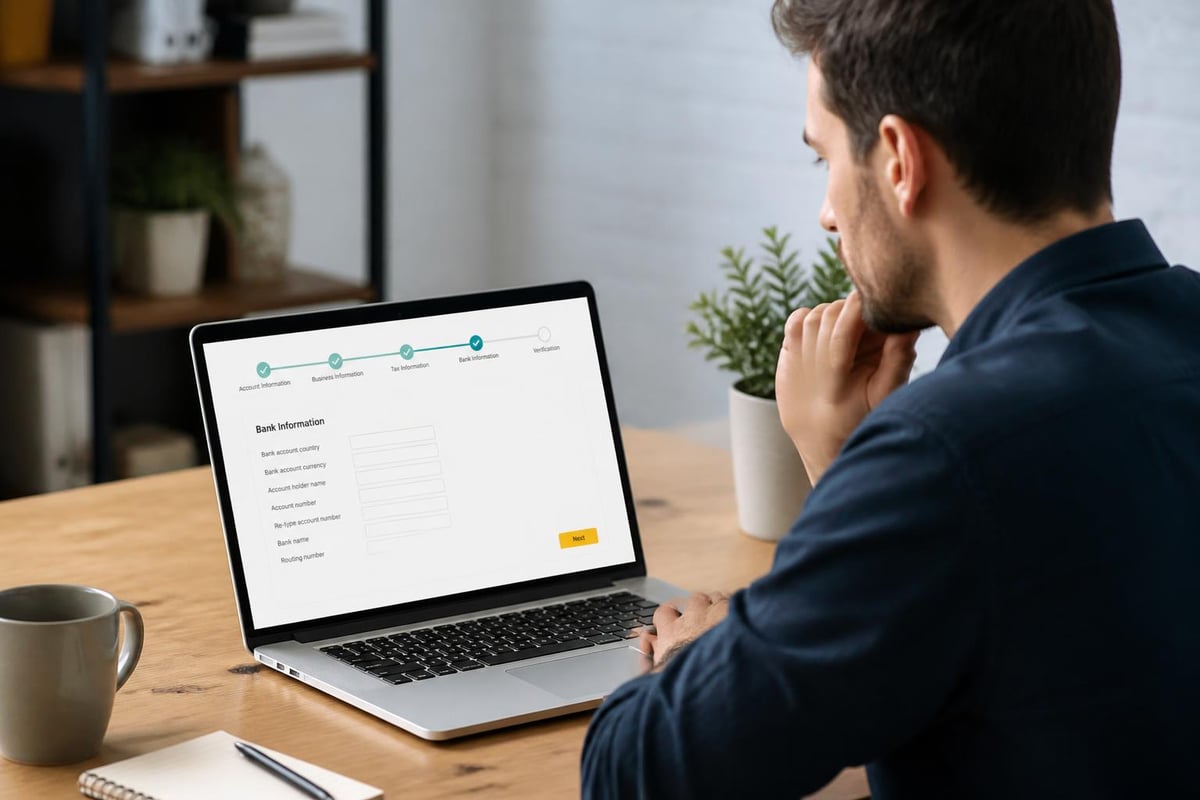
The registration process involves providing business documentation, tax information, and banking details for payment processing. International sellers can participate in Amazon FBA US through proper business registration and tax compliance, though additional documentation may be required for customs and import regulations.
Amazon FBA US Fee Structure and Cost Analysis
Understanding the complete cost structure of amazon fba us operations ensures accurate profit margin calculations. Amazon charges multiple fees that vary based on product dimensions, weight, category, and storage duration. These fees directly impact your bottom line and require careful consideration during product selection and pricing strategies.
| Fee Type | Description | Typical Range |
|---|---|---|
| Fulfillment Fees | Per-unit pick, pack, and ship costs | $3.22 – $89.98+ |
| Monthly Storage | Cubic foot storage charges | $0.87 – $2.40 per cubic foot |
| Long-Term Storage | Additional fees after 365 days | $6.90 per cubic foot |
| Referral Fees | Percentage of sale price | 8% – 45% (most 15%) |
| Removal/Disposal | Returning or disposing inventory | $0.50 – $1.50 per unit |
Fulfillment fees represent the largest variable cost for most sellers. Amazon calculates these based on dimensional weight, which considers both actual weight and package size. Products classified as small standard size enjoy the lowest fees, while oversized items incur significantly higher charges. The dimensional weight calculation uses the formula: (Length × Width × Height) / 139, comparing this result to actual weight and charging based on the greater value.
Storage fees fluctuate seasonally, with rates increasing from October through December to account for peak holiday demand. Products stored longer than 365 days face substantial long-term storage fees, making inventory turnover critical for profitability. Successful amazon fba us sellers carefully monitor inventory age and implement strategies to prevent long-term storage charges.
Hidden Costs and Budget Considerations
Beyond Amazon’s direct fees, sellers must account for preparation costs, inbound shipping expenses, and potential removal fees. Products requiring special preparation like polybagging, labeling, or bundling add per-unit costs. Many sellers partner with specialized prep centers to ensure compliance with Amazon’s increasingly strict requirements.
Inbound shipping to Amazon warehouses represents another significant expense. Amazon’s partnered carrier program offers discounted shipping rates, but costs still vary based on shipment size, origin location, and destination fulfillment center. Consolidating shipments and optimizing box dimensions reduce these transportation expenses.
Return rates also affect profitability calculations. While Amazon handles returns processing, sellers absorb the cost of returned inventory and associated fees. Categories with high return rates like apparel and electronics require larger profit margins to maintain profitability despite these losses.
Product Sourcing for Amazon FBA US Success
Selecting the right products determines success in the amazon fba us marketplace. Profitable products balance strong demand with manageable competition and healthy profit margins after all fees. Sellers employ various sourcing strategies depending on their business model, capital availability, and expertise.
Wholesale sourcing involves purchasing brand-name products from authorized wholesale distributors at discounted prices. This model requires verification of authorization through official letters to avoid intellectual property complaints. Working with legitimate wholesale suppliers protects your account standing and ensures authentic products.
Private label manufacturing allows sellers to create branded products through overseas manufacturers. This approach offers higher margins and brand ownership but requires larger upfront investment and longer lead times. Successful private label sellers differentiate through quality improvements, enhanced packaging, and targeted marketing.
Popular sourcing methods include:
- Wholesale distribution from authorized suppliers
- Private label manufacturing from overseas factories
- Retail arbitrage from clearance and discount retailers
- Online arbitrage from e-commerce websites
- Book sourcing for specialized book selling strategies
Product Research and Validation
Effective product research identifies opportunities with sufficient demand and acceptable competition levels. Sellers analyze monthly sales estimates, review counts, seller concentration, and pricing trends to evaluate product viability. Tools like Jungle Scout, Helium 10, and Keepa provide data-driven insights for decision-making.
Ideal products typically generate 300+ monthly sales, maintain prices above $20, and show fewer than 100 reviews on the first page of search results. These criteria ensure adequate demand, sufficient profit margins after amazon fba us fees, and realistic opportunities for new sellers to compete.
Seasonal trends require careful consideration during product selection. Items with year-round demand provide consistent cash flow, while seasonal products require strategic inventory management to avoid long-term storage fees. Diversifying across multiple products and categories mitigates risk from demand fluctuations.
Inventory Preparation and Shipment Requirements
Amazon FBA US maintains strict preparation standards to ensure efficient warehouse operations and protect product quality. Non-compliant shipments face rejection, return fees, or manual processing charges that significantly reduce profitability. Understanding these requirements before sending inventory prevents costly mistakes and delays.
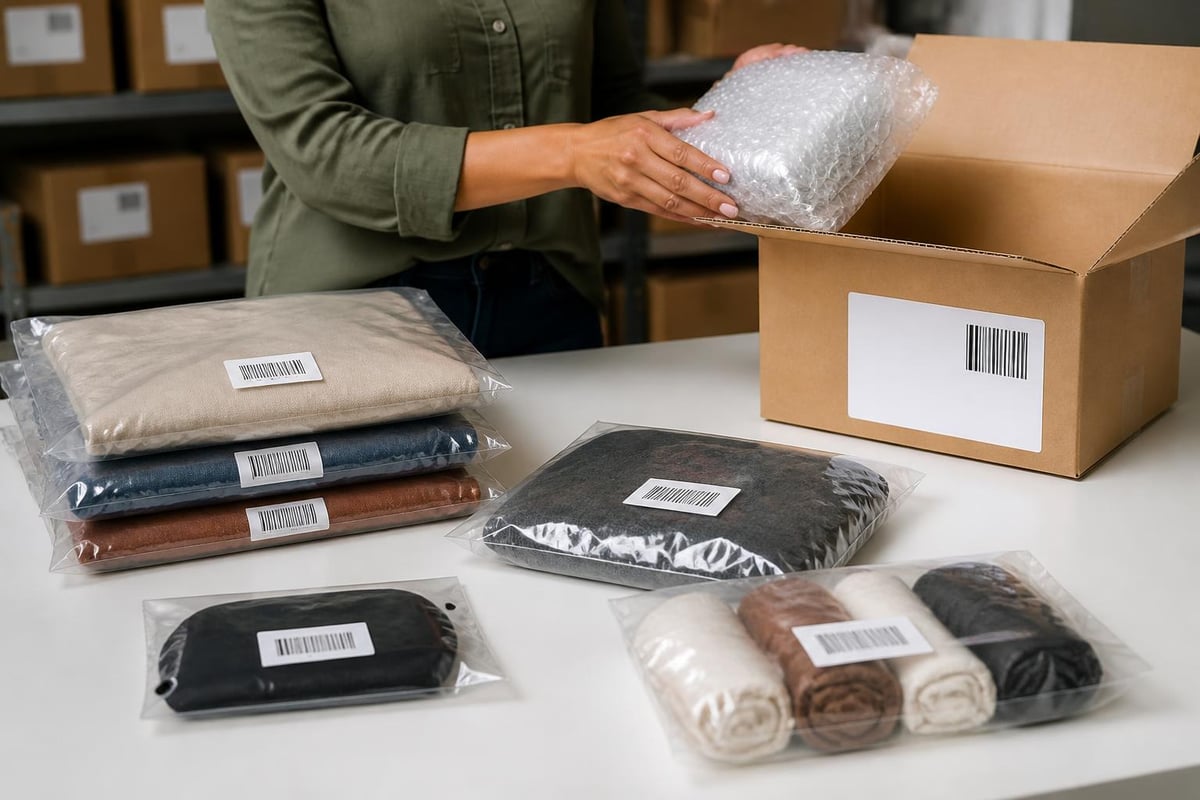
Every product requires proper labeling with Amazon’s FNSKU barcode, which tracks inventory throughout the fulfillment network. Sellers choose between manufacturer barcode tracking or Amazon barcode tracking, with Amazon labels recommended for better inventory control and commingling prevention. Labels must meet specific size, placement, and quality standards for scanner readability.
Certain product categories demand additional preparation steps. Apparel and fabric items require polybagging to protect from moisture and damage. Fragile products need bubble wrap or protective packaging. Sets and bundles must be secured together with appropriate materials. Products containing liquids face stringent packaging requirements including sealed bags and absorbent materials.
Working with FBA Prep Services
Many sellers outsource preparation to specialized prep centers like Ecom Automation Prep that ensure Amazon compliance while saving time and reducing errors. Professional prep services handle labeling, polybagging, bundling, and quality inspections before shipment. This approach particularly benefits sellers sourcing from multiple suppliers or dealing with high-volume operations.
Prep centers also offer kitting services that transform individual components into bundled products, creating unique offerings with higher margins. Strategic bundling differentiates products from competitors and provides value-added solutions for customers. Proper kitting requires attention to packaging integrity and clear presentation of bundle components.
Choosing the right prep partner involves evaluating service quality, turnaround times, pricing structures, and location proximity to Amazon fulfillment centers. Prep centers located near Amazon warehouses reduce inbound shipping costs and transit times, improving inventory availability and cash flow velocity.
Shipping Inventory to Amazon Fulfillment Centers
Creating shipments through Seller Central involves several critical steps that determine inventory placement and associated costs. Amazon’s system assigns products to one or more fulfillment centers based on anticipated demand patterns and network capacity. This distributed placement optimizes Amazon’s logistics but may increase seller shipping costs.
The Inventory Placement Service allows sellers to send all inventory to a single fulfillment center for a per-unit fee, simplifying logistics but adding costs. Sellers must evaluate whether consolidated shipping outweighs placement fees based on shipment size and origin location. Small shipments often benefit from single-destination shipping despite placement fees.
Shipping workflow steps:
- Create shipping plan in Seller Central
- Enter product quantities and prep details
- Review assigned fulfillment centers
- Print box labels and shipping labels
- Prepare shipments according to requirements
- Schedule carrier pickup or deliver to carrier
- Track shipment status until received
Box content requirements mandate accurate labeling with shipment IDs and destination information. Each box must contain only products listed in its specific shipment plan. Mixed SKU boxes require detailed content manifests, while single-SKU boxes use simplified labeling. Proper labeling prevents receiving delays and processing errors.
Amazon’s partnered carrier program with UPS offers discounted small parcel rates for qualified shipments. Sellers compare partnered rates against their own carrier negotiations to determine the most cost-effective shipping method. Larger shipments may benefit from LTL freight services through Amazon’s freight partnerships.
Optimizing Amazon FBA US Operations for Growth
Successful amazon fba us sellers continuously optimize their operations to improve margins, reduce fees, and enhance customer satisfaction. These optimizations compound over time, creating sustainable competitive advantages. Implementing systematic improvements across inventory management, pricing strategies, and product listings drives long-term growth.
Inventory management directly impacts storage fees and stockout prevention. Sellers use inventory performance metrics to maintain healthy stock levels while avoiding excess inventory. The Inventory Performance Index (IPI) score measures inventory health, with scores above 450 preventing storage limits and additional fees.
Strategic inventory replenishment balances lead times, sales velocity, and seasonal demand patterns. Advanced sellers implement just-in-time inventory strategies that minimize storage costs while maintaining availability. This requires accurate sales forecasting and reliable supplier relationships to prevent stockouts during high-demand periods.
Pricing and Competitive Positioning
Dynamic pricing strategies respond to competitive changes, demand fluctuations, and inventory levels. Repricing tools automatically adjust prices based on predetermined rules, maintaining competitive positioning while protecting profit margins. Effective repricing considers total landed costs including all amazon fba us fees and acquisition costs.
Buy Box ownership drives the majority of sales on Amazon. Winning the Buy Box requires competitive pricing, strong seller metrics, and Prime eligibility through FBA. Sellers monitor Buy Box percentage and adjust strategies to maintain visibility. Even small price increases may be sustainable if seller metrics and fulfillment quality support Buy Box retention.
Promotional strategies including Lightning Deals, coupons, and Prime Exclusive Discounts increase visibility and sales velocity. These promotions temporarily reduce margins but improve organic ranking through increased sales history. Strategic promotion timing around launches, seasonal peaks, and inventory clearance maximizes return on promotional investment.
Managing Returns and Customer Service
Amazon handles all customer service and returns for FBA products, but sellers must understand these processes to manage costs and protect account health. Return rates vary significantly by category, with apparel, electronics, and oversized items experiencing higher return frequencies. These returns affect inventory availability, profitability, and customer satisfaction metrics.
Returned inventory receives inspection grades determining resaleability. Sellable returns rejoin available inventory automatically, while unsellable returns require seller decisions about disposal or return to seller. Understanding return reasons helps identify product issues, listing inaccuracies, or quality problems requiring corrective action.
| Return Disposition | Seller Options | Cost Implications |
|---|---|---|
| Sellable | Automatically returned to stock | Lost sale only |
| Damaged | Return to seller or dispose | Removal/disposal fees + lost value |
| Customer Damaged | Return to seller or dispose | May be reimbursable |
| Defective | Investigate and address issue | Potential reimbursement |
Monitoring return rates and reasons provides insights for product improvement and listing optimization. High return rates due to inaccurate descriptions warrant listing revisions. Returns from product defects require supplier communication or product redesign. Proactive return management protects margins and customer satisfaction scores.

Scaling Beyond Amazon FBA US
As businesses grow, many sellers expand beyond Amazon to diversify revenue streams and reduce platform dependency. Multi-channel fulfillment (MCF) allows amazon fba us inventory to fulfill orders from other sales channels including Shopify, eBay, and direct-to-consumer websites. This leverages Amazon’s logistics infrastructure without limiting sales to Amazon’s marketplace.
Direct-to-consumer fulfillment provides brand control and customer relationship ownership unavailable through Amazon alone. Building owned channels creates sustainable business value and higher lifetime customer value through repeat purchases and email marketing. Combining FBA for Amazon orders with specialized fulfillment for owned channels optimizes both reach and profitability.
Geographic expansion into international FBA programs extends market reach. Amazon operates FBA programs in Europe, Japan, Australia, and other markets with similar structures to amazon fba us. International expansion requires understanding local regulations, tax requirements, and cultural preferences. Many sellers test products domestically before international rollout.
Strategic partnerships with fulfillment providers enable flexibility unavailable through FBA alone. Specialized services like bundling and kitting create unique product offerings, while direct fulfillment options reduce fees for certain order types. The optimal fulfillment mix evolves with business growth and changing market conditions.
Mastering Amazon FBA US requires understanding fee structures, preparation requirements, and optimization strategies that separate successful sellers from those struggling with thin margins. The program offers unparalleled access to customers and logistics infrastructure, but success demands attention to operational details and continuous improvement. Whether you’re just starting or scaling to seven figures, professional fulfillment partners help navigate complexity and maintain compliance. Ecom Automation Prep specializes in Amazon FBA preparation, kitting, and comprehensive fulfillment services that let you focus on growth while we handle the operational details that make or break FBA success.