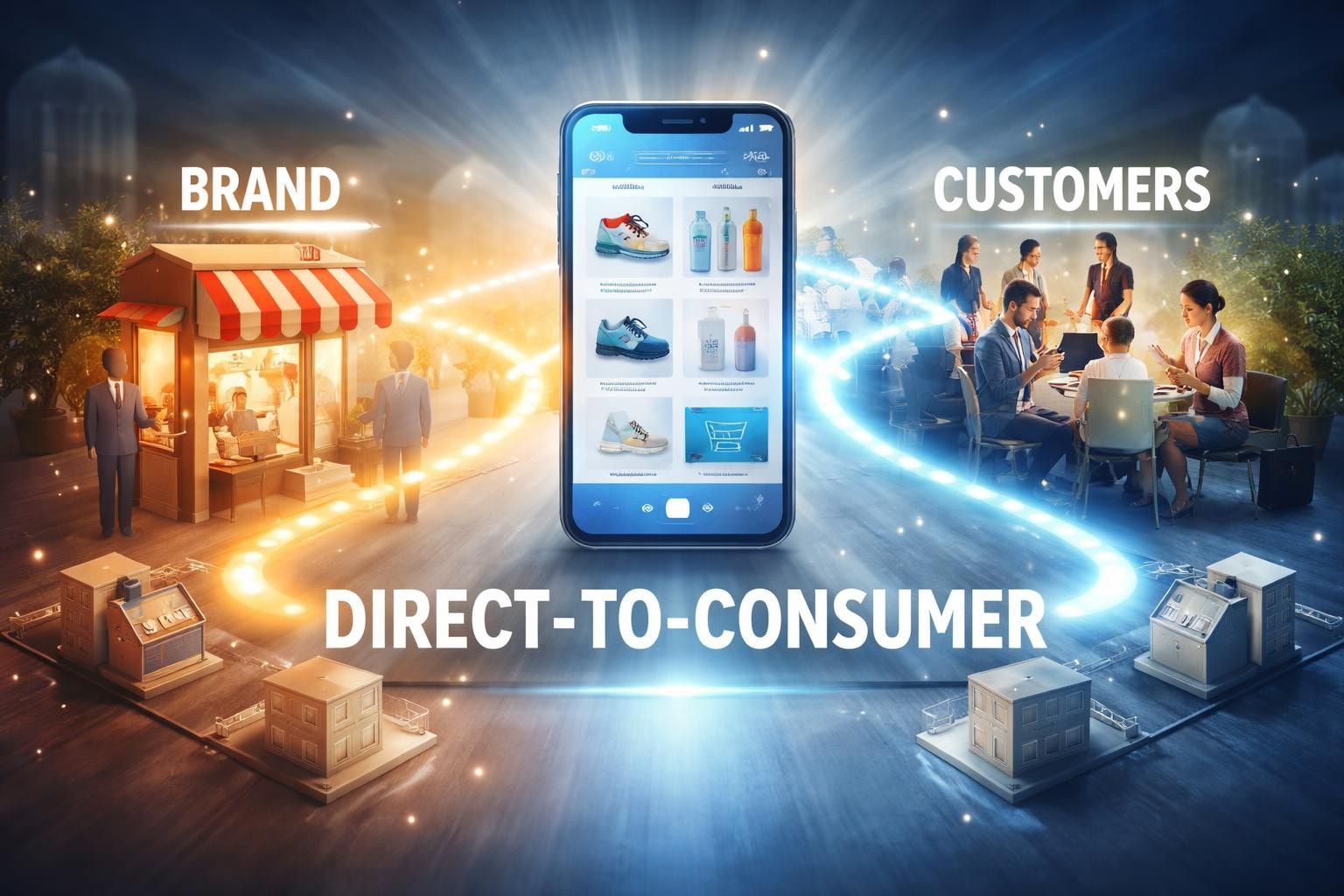

The direct-to-consumer revolution has fundamentally transformed how products reach customers. By eliminating traditional retail intermediaries, d2c ecommerce brands have gained unprecedented control over their customer relationships, brand narratives, and profit margins. As we navigate through 2026, these brands face both extraordinary opportunities and complex operational challenges. From managing customer acquisition costs to optimizing fulfillment operations, success in this space requires strategic planning and robust infrastructure. Understanding how d2c ecommerce brands operate, scale, and differentiate themselves provides valuable insights for entrepreneurs and established businesses alike.
Understanding the D2C Ecommerce Business Model
The direct-to-consumer business model represents a fundamental shift in retail strategy. Rather than selling through wholesalers, distributors, or retail stores, brands communicate and transact directly with end consumers through digital channels.
This approach offers several compelling advantages:
- Higher profit margins through elimination of middleman markups
- Complete ownership of customer data and relationships
- Direct feedback loops enabling rapid product iteration
- Brand storytelling control without retail partner constraints
- Flexibility in pricing and promotional strategies
The growth trajectory of d2c ecommerce brands has been remarkable. According to eMarketer’s analysis of D2C brands, the sector continues expanding despite economic headwinds, with consumers increasingly preferring to purchase directly from manufacturers.
Key Characteristics That Define Successful D2C Brands
Digital-first infrastructure serves as the foundation for modern d2c ecommerce brands. These companies build their entire operation around online customer acquisition, engagement, and retention. Their websites function not merely as storefronts but as comprehensive brand experiences that educate, entertain, and convert visitors.
Customer-centricity drives every decision. From product development to packaging design, successful brands obsessively focus on consumer needs and preferences. This approach contrasts sharply with traditional retail models where multiple stakeholders dilute the customer focus.

Data ownership creates competitive advantages. By controlling the entire customer relationship, d2c ecommerce brands gather invaluable first-party data about purchasing patterns, preferences, and behavior. This intelligence informs everything from inventory planning to marketing personalization.
Operational Challenges Facing D2C Ecommerce Brands
Scaling fulfillment operations presents one of the most significant hurdles for growing brands. What works when shipping fifty orders weekly becomes untenable at five thousand. The complexity multiplies when offering various product bundles, subscription boxes, or customization options.
| Challenge Area | Impact on Business | Solution Approach |
|---|---|---|
| Order Volume Spikes | Delayed shipments, customer dissatisfaction | Scalable fulfillment infrastructure |
| Inventory Management | Stockouts or excess inventory costs | Real-time tracking systems |
| Returns Processing | Increased operational costs | Streamlined reverse logistics |
| Custom Packaging | Higher fulfillment complexity | Specialized kitting services |
Understanding what fulfillment services entail becomes critical as order volumes grow. Many d2c ecommerce brands initially handle fulfillment in-house, only to discover that warehouse management, pick-and-pack operations, and shipping logistics demand specialized expertise.
Customer Acquisition Cost Management
The digital advertising landscape has become increasingly competitive and expensive. D2C brands that once acquired customers profitably through Facebook and Instagram ads now face significantly higher costs per acquisition.
Successful brands diversify their acquisition channels:
- Content marketing that builds organic search visibility
- Email marketing for nurturing and retention
- Influencer partnerships for authentic recommendations
- Referral programs leveraging existing customer networks
- Strategic partnerships with complementary brands
Successful D2C brands demonstrate that customer lifetime value optimization matters more than initial acquisition cost. Building loyalty programs, subscription models, and community engagement extends the revenue generated from each customer relationship.
Fulfillment Excellence as a Competitive Advantage
Product quality and marketing attract customers, but fulfillment experiences determine whether they return. D2C ecommerce brands compete against Amazon’s two-day delivery expectations, making speed and reliability non-negotiable.
Packaging represents a critical brand touchpoint. Unlike products sold through retail stores, direct shipments arrive as complete brand experiences. Unboxing videos proliferate on social media precisely because packaging creates emotional connections.
Strategic Fulfillment Partnerships
Many rapidly growing d2c ecommerce brands reach inflection points where internal fulfillment capabilities become growth constraints. Partnering with specialized fulfillment providers allows brands to focus on their core competencies while ensuring operational excellence.
Professional fulfillment partners offer:
- Geographic distribution reducing shipping times and costs
- Technology integration providing real-time inventory visibility
- Expertise in specialty services like kitting and bundling
- Scalable capacity accommodating seasonal fluctuations
- Returns management streamlining reverse logistics
Choosing the right partner requires evaluating not just pricing but also technological capabilities, geographic reach, and experience with similar product categories. The relationship should function as a strategic partnership rather than a transactional vendor arrangement.
Multi-Channel Strategies for D2C Growth
While the term “direct-to-consumer” suggests exclusive digital sales, successful D2C brands aren’t just D2C. Leading companies strategically expand into wholesale, retail partnerships, and marketplace selling to maximize reach and revenue.

This omnichannel approach introduces complexity. Brands must manage:
- Consistent pricing across channels
- Inventory allocation between direct and wholesale
- Brand presentation standards with retail partners
- Channel conflict minimization strategies
The goal involves meeting customers wherever they prefer to shop while maintaining the advantages that made the D2C model attractive initially.
Amazon and Marketplace Strategies
Many d2c ecommerce brands view Amazon ambivalently. The marketplace provides enormous customer reach but demands margin concessions and limits brand control. Navigating this channel effectively requires understanding e-commerce logistics solutions that optimize marketplace performance.
Brands successful on Amazon typically:
- Maintain competitive pricing while protecting margins
- Invest in enhanced brand content and A+ pages
- Manage inventory strategically to avoid stockouts
- Monitor and respond quickly to customer reviews
- Protect against unauthorized sellers and counterfeiters
The marketplace becomes one component of a diversified strategy rather than the primary sales channel.
Technology Infrastructure for D2C Success
Modern d2c ecommerce brands operate on sophisticated technology stacks integrating multiple systems and platforms. The e-commerce platform serves as the foundation, but successful operations require seamless connections to inventory management, customer relationship management, email marketing, and fulfillment systems.
Headless commerce architectures provide flexibility. By decoupling the front-end customer experience from back-end commerce functionality, brands can deliver optimized experiences across web, mobile, social commerce, and emerging channels.
Data Analytics and Personalization
Customer data represents the crown jewel of d2c ecommerce brands. Unlike traditional retail where manufacturers receive minimal consumer insight, direct relationships generate comprehensive behavioral data.
Advanced brands leverage this information for:
- Product recommendations based on browsing and purchase history
- Dynamic pricing and promotional targeting
- Inventory forecasting and demand planning
- Customer segmentation for tailored marketing
- Predictive modeling for churn prevention
Privacy regulations including GDPR and evolving cookie policies require careful data governance. Brands must balance personalization ambitions with consumer privacy expectations and legal requirements.
Product Development and Innovation Cycles
Direct customer relationships accelerate product innovation. D2C ecommerce brands gather unfiltered feedback through reviews, customer service interactions, and social media conversations. This intelligence informs rapid iteration cycles impossible in traditional retail timelines.
| Traditional Retail Cycle | D2C Development Cycle |
|---|---|
| 18-24 month development to shelf | 3-6 month concept to launch |
| Limited post-launch feedback | Continuous customer input |
| Difficult mid-cycle adjustments | Agile iteration based on data |
| Seasonal buying cycles constrain timing | Launch when ready |
The ability to test products with limited initial runs reduces risk. Brands can validate demand before committing to large inventory purchases, then scale production for proven winners.
Community-Driven Innovation
Leading d2c ecommerce brands cultivate communities that extend beyond transactional relationships. These engaged customer bases provide product ideas, beta test new offerings, and serve as brand ambassadors.
Community building strategies include:
- Exclusive Facebook or Discord groups for superfans
- Early access programs for new product launches
- User-generated content campaigns showcasing real customers
- Co-creation initiatives involving customers in product development
This approach transforms customers from passive consumers into active participants in the brand’s evolution.
Financial Considerations and Profitability Paths
While d2c ecommerce brands enjoy higher gross margins by eliminating retail markups, they also absorb costs traditionally borne by other parties. Marketing, fulfillment, customer service, and technology expenses all impact the bottom line.
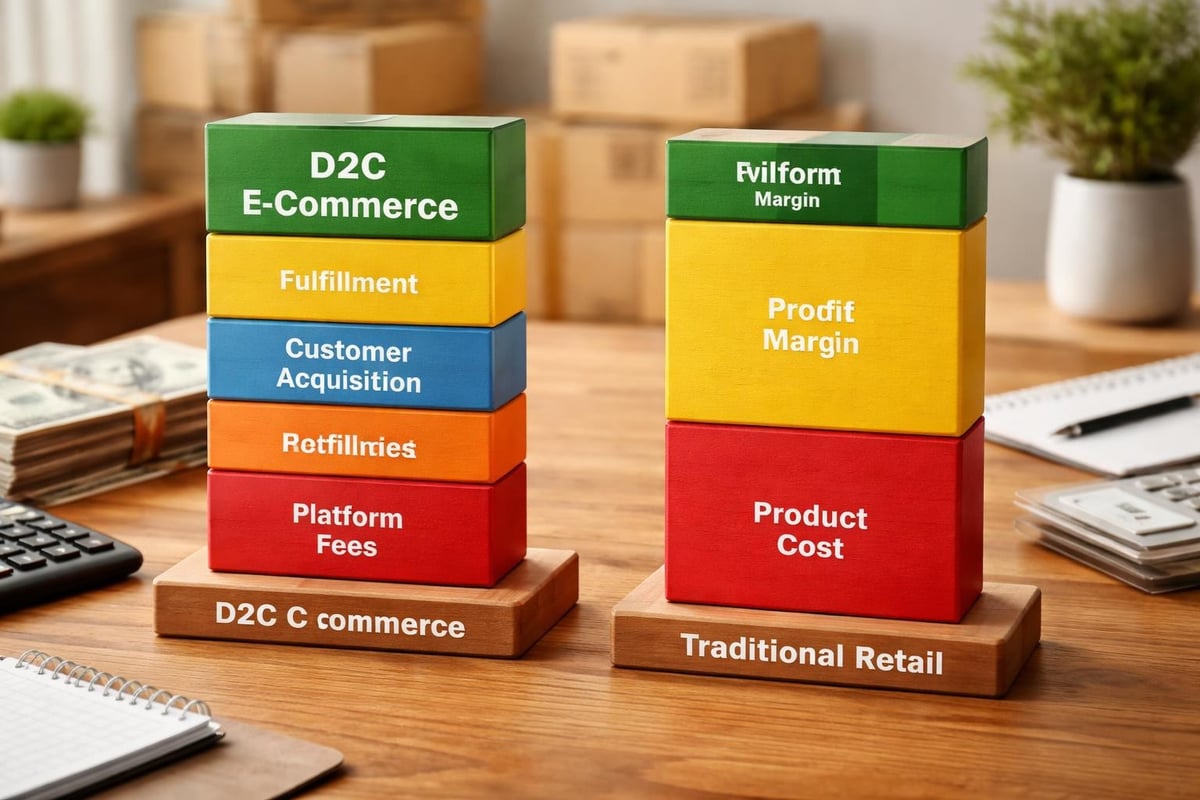
Understanding unit economics becomes essential. Successful brands track metrics including:
- Customer acquisition cost (CAC)
- Average order value (AOV)
- Customer lifetime value (LTV)
- LTV to CAC ratio
- Contribution margin per order
- Return rate and associated costs
Profitability paths vary by business model. Subscription-based brands prioritize retention and LTV optimization. Single-purchase brands focus on acquisition efficiency and repeat purchase rates.
Building Brand Equity in Crowded Markets
Market saturation challenges d2c ecommerce brands across virtually every category. Differentiation requires more than quality products at competitive prices. Successful brands build distinctive identities that resonate emotionally with target audiences.
Storytelling separates memorable brands from forgettable commodities. Whether emphasizing founder stories, mission-driven values, or product innovation narratives, compelling stories create connections that transcend functional benefits.
Purpose-driven positioning attracts increasingly values-conscious consumers. Brands addressing sustainability, social justice, or community impact tap into powerful motivations beyond product features.
Content Marketing as Brand Building
D2C ecommerce brands frequently excel at content marketing, recognizing that educational and entertaining content builds awareness and authority. Blog posts, videos, podcasts, and social media content attract audiences before they’re ready to purchase.
This approach supports multiple objectives:
- Driving organic search traffic through SEO-optimized content
- Establishing thought leadership and expertise
- Providing value that builds trust and credibility
- Creating shareable assets that expand reach
- Nurturing prospects through extended buying cycles
Content investment pays long-term dividends compared to paid advertising’s immediate but temporary impact.
Legacy Brands Adopting D2C Models
Established companies recognize the advantages driving d2c ecommerce brands’ success. Legacy brands embracing D2C models like Nike, Levi’s, and Gillette now sell directly to consumers alongside traditional retail partnerships.
These transitions present unique challenges. Brands must avoid alienating retail partners while building direct channels. Managing channel conflict requires careful strategy around pricing, product exclusives, and partner communication.
The advantage legacy brands hold includes existing awareness and trust. They need not build brands from scratch but rather redirect existing customer interest through new channels. Their challenge involves organizational transformation and capability building in areas like digital marketing and direct fulfillment.
Sustainability and Ethical Considerations
Modern consumers, particularly younger demographics, increasingly evaluate brands through sustainability and ethical lenses. D2c ecommerce brands often lead in these areas, building transparency and responsibility into their core identities.
Sustainable practices encompass:
- Eco-friendly packaging minimizing waste and environmental impact
- Carbon-neutral shipping offsetting delivery emissions
- Ethical sourcing ensuring fair labor practices
- Circular economy models facilitating product recycling or resale
- Transparent supply chains documenting product origins
These commitments require operational adjustments. Sustainable packaging may increase costs. Ethical sourcing demands supplier vetting and monitoring. Yet consumers demonstrate willingness to pay premiums for values-aligned brands.
International Expansion Opportunities
Successful domestic d2c ecommerce brands eventually consider international expansion. Digital channels theoretically enable global reach from day one, but practical realities including shipping costs, customs regulations, and payment processing create barriers.
Strategic international expansion requires:
- Market research validating demand in target countries
- Localization adapting messaging, imagery, and product offerings
- International fulfillment solutions reducing delivery times and costs
- Currency and payment options appropriate for each market
- Compliance with local regulations and tax requirements
When considering scaling ecommerce operations internationally, fulfillment infrastructure becomes even more critical. Partnering with providers offering global capabilities simplifies expansion while maintaining service quality.
Building successful d2c ecommerce brands in 2026 requires balancing customer experience excellence with operational efficiency across every touchpoint. As your brand grows, fulfillment capabilities become increasingly critical to maintaining the speed and quality that customers expect. Ecom Automation Prep provides comprehensive fulfillment solutions designed specifically for fast-growing direct-to-consumer brands, offering the scalable infrastructure needed to deliver exceptional customer experiences while you focus on building your brand.
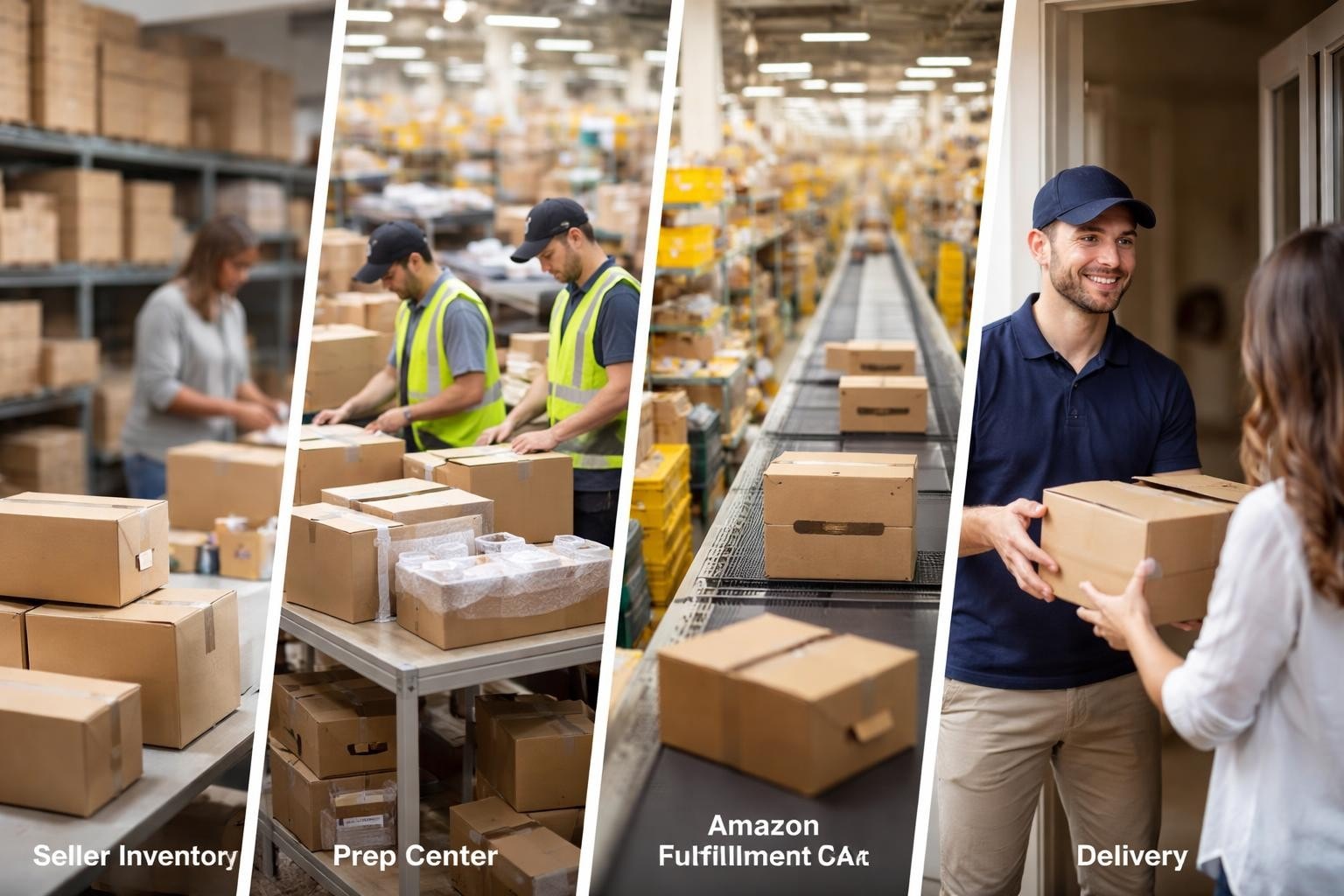



[…] the customer, transportation expenses decline substantially. This becomes particularly valuable for D2C ecommerce brands competing on delivery speed against marketplace […]