

Struggling with lost orders, delivery delays, or dissatisfied customers? If so, you are not alone. For many e-commerce businesses, shipping challenges are a leading cause of lost sales and negative reviews.
This guide delivers expert help shipping solutions that empower you to create a smoother, more reliable delivery process in 2026. Whether you are overwhelmed by growing order volumes or seeking to enhance customer satisfaction, you will find practical strategies here.
We will explore when you need shipping support, how to choose between in-house and outsourced fulfillment, ways to optimize your shipping settings, overcome common issues, leverage technology, and future-proof your operations for lasting success.
When Do You Need Help with Shipping?
Are you finding it tough to keep up with growing customer demand or struggling with delayed deliveries? Knowing when to seek help shipping is crucial for e-commerce success. Recognizing the warning signs early can save you time, money, and customer trust.

Recognizing the Signs It’s Time for Shipping Support
As your online store grows, you might notice certain red flags that indicate the need for help shipping. One major sign is when your order volume starts to exceed what you can comfortably handle, such as approaching or surpassing 100 orders each month. This is often the point where manual processes become unsustainable.
Other symptoms include a customer base that’s expanding faster than your fulfillment capacity, frequent shipping errors, and delayed deliveries. If you are spending hours each day packing and shipping orders, it is likely taking valuable time away from core business activities like marketing or product development.
Shipping costs can also become a major issue. When expenses start eating into your profits or you run out of storage space, it is a clear sign to consider help shipping. Going international introduces new complexities, from customs paperwork to higher risk of delays.
Many entrepreneurs on Reddit have shared that once they reach six or more shipments daily, shipping consumes significant resources. According to Google Merchant Center data, two of the most common reasons for cart abandonment are shipping speed and cost. Addressing these issues early with the right help shipping solution can make a real difference for your business.
Self-Shipping vs. Outsourced Fulfillment: Pros and Cons
When considering help shipping, you must weigh the pros and cons of self-shipping against outsourcing to a fulfillment provider. Self-shipping gives you direct control over every package, lets you experiment with packaging, and may reduce costs at low volumes. However, it is time-consuming and difficult to scale as your business grows.
Outsourced fulfillment centers offer efficiency and expertise, freeing up your time for business development. They can handle high volumes, provide access to advanced shipping technology, and support international shipments. For most businesses, fulfillment centers become cost-effective once you consistently reach around 100 orders per month.
Handling shipping in-house during the early stages is valuable for learning efficient packing methods and setting clear expectations for future partners. Many entrepreneurs have scaled from shipping out of their garage to partnering with fulfillment centers once growth demanded it. The balance between staying lean and knowing when to delegate is key. For a detailed guide on when outsourcing is right for you, see this fulfillment services overview.
Step-by-Step: Deciding When and How to Get Help
To decide if it’s time to get help shipping, follow a systematic approach:
- Track your average order volume each month.
- Assess how many hours you spend on packing and shipping.
- Calculate your total shipping and storage costs.
- Review error rates and customer complaints.
- Research fulfillment options and compare providers.
Use this checklist as a guide:
- Is your customer base growing rapidly?
- Are you experiencing accuracy or delivery issues?
- Do you lack storage space?
- Are you facing challenges with international shipping?
If you answer yes to more than one of these, it is likely time to seek help shipping. Taking action early allows you to maintain high service levels while focusing on scaling your business.
Choosing the Right Shipping Solution for Your Business
Selecting the right approach to help shipping is a pivotal decision for any growing e-commerce brand. The right solution can set the stage for operational efficiency, customer satisfaction, and scalable growth.
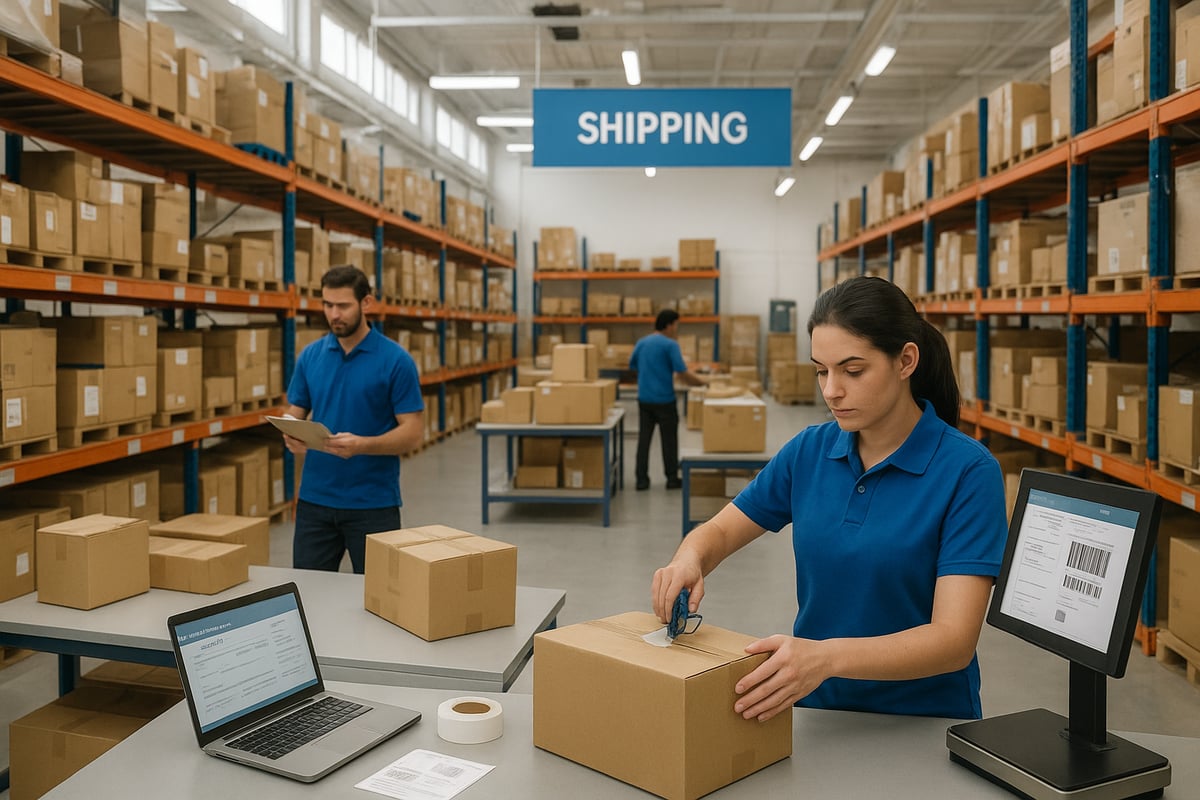
In-House Shipping: Building a Solid Foundation
Managing help shipping in-house gives you direct oversight of every order. You control packaging, branding, and delivery timelines. This hands-on approach is ideal for startups and brands testing new products or markets.
Key benefits include:
- Direct oversight: Quickly spot inefficiencies or errors.
- Experimentation: Test packaging types and shipping methods.
- Cost control: Negotiate rates and avoid third-party fees.
Running help shipping yourself teaches valuable skills. You learn to pack efficiently, understand true shipping costs, and create standard operating procedures for future outsourcing.
However, as order volume grows, in-house operations can become overwhelming. Time spent packing may lead to burnout. Scaling is difficult without added staff or space. Many entrepreneurs on Reddit recommend learning the ropes in-house before outsourcing to maintain strong vendor management later.
Outsourcing to Fulfillment Centers: What to Look For
When order volumes rise, outsourcing help shipping to a fulfillment center becomes attractive. The right partner enables you to focus on growth while experts handle logistics.
Key factors to consider:
- Location: Choose centers close to your primary markets to reduce transit times and shipping costs.
- Services: Look for custom packaging, kitting, returns processing, and the ability to handle special requirements.
- Reputation: Research case studies and reviews. Assess communication and transparency.
- Flexibility: Can the provider manage seasonal spikes or international orders?
- Security: Inventory protection and clear processes are essential.
Here is a simple table to compare self-shipping and outsourcing:
| Factor | In-House Shipping | Fulfillment Center |
|---|---|---|
| Control | High | Moderate |
| Scalability | Limited | High |
| Costs | Lower (at low scale) | Lower (at high scale) |
| Time Investment | High | Low |
| Expertise Needed | Yes | Minimal |
Brands often find fulfillment centers cost-effective once orders reach 100 per month. Learning in-house first helps you set clear expectations with partners. For a detailed guide on evaluating and selecting a provider, see Choosing the right fulfillment provider.
Evaluating Costs and ROI
Comparing the costs of help shipping options is crucial for sustainable growth. Consider all expenses, including labor, packaging, shipping rates, and storage.
Do not overlook hidden costs. Returns, lost inventory, and customer service for shipping issues can add up. Fulfillment centers often provide volume discounts, which can save brands 60–90% on shipping costs.
Assess the return on investment:
- Time saved: More hours to invest in marketing or product development.
- Customer satisfaction: Faster, more reliable deliveries improve reviews and repeat business.
- Growth potential: Scalable systems let you expand without bottlenecks.
In summary, the right help shipping solution depends on your current stage, volume, and business goals. Regularly review your setup to ensure it continues to support your growth trajectory.
Optimizing Shipping Settings and Policies
Shipping settings and policies are the backbone of a reliable e-commerce operation. When you optimize these elements, you not only reduce customer complaints but also build trust and encourage repeat purchases. If you want to help shipping become a growth driver rather than a bottleneck, focus on clarity, transparency, and efficiency in every setting.
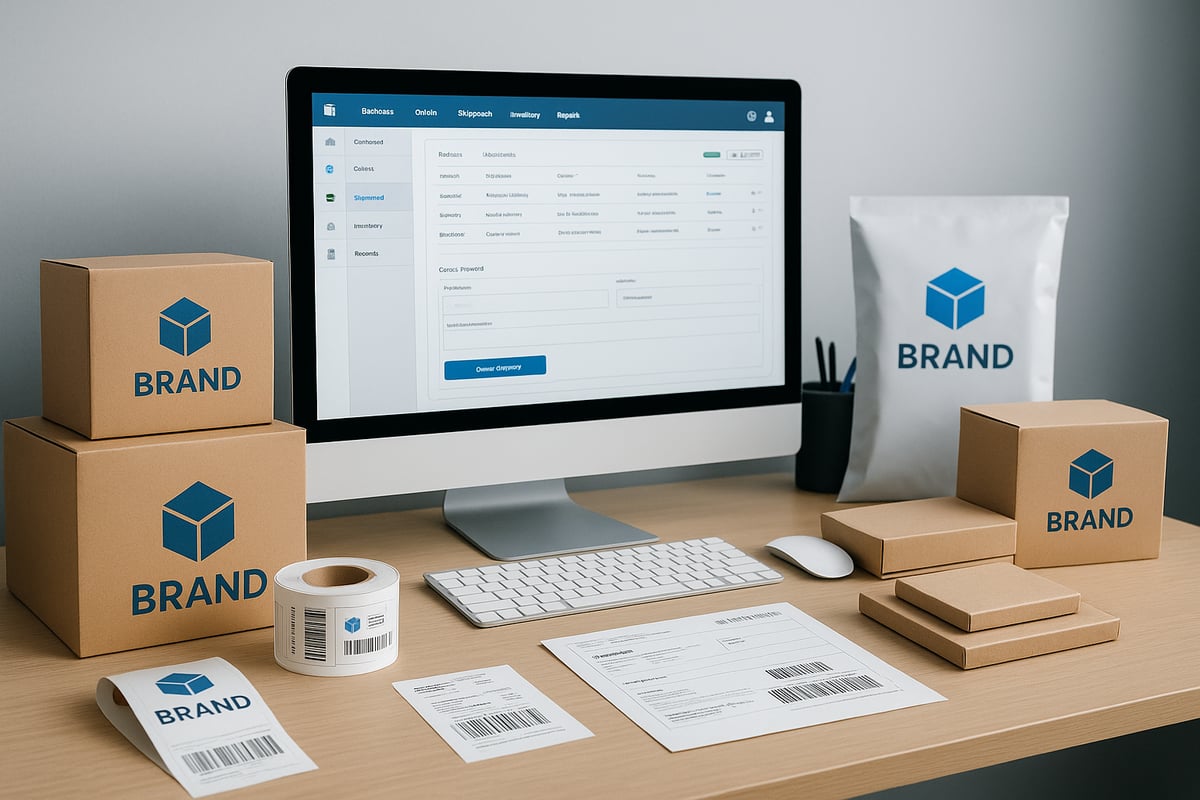
Setting Accurate Shipping Costs and Speeds
One of the key ways to help shipping deliver a positive experience is setting precise costs and delivery times. Customers abandon carts if shipping is unclear or expensive. Data from Google Merchant Center shows that speed and cost are two major factors in purchase decisions.
To optimize, start by mapping out your shipping zones and matching them with realistic delivery times. Use both handling and transit times, and communicate these clearly at checkout. Overestimating shipping costs may protect your margins, but excessive padding can deter buyers.
For compliance, platforms like Google Merchant Center require you to specify speed, cost, and countries served. Make use of account-level or product-level overrides for items with special requirements. Here’s a quick table comparing common shipping options:
| Shipping Option | Speed | Cost Control | Customer Appeal |
|---|---|---|---|
| Standard | 3-7 days | High | Moderate |
| Expedited | 1-3 days | Medium | High |
| Free Shipping | Varies | Low | Very High |
If you’re struggling with high expenses, consider Reducing shipping and fulfillment costs to help shipping remain competitive without sacrificing speed.
Set clear expectations for customers and monitor your cart abandonment rates. Accurate shipping information is a direct lever to help shipping improve sales and customer loyalty.
Configuring Shipping in E-commerce Platforms
Optimizing platform settings is essential to help shipping run smoothly across multiple regions and product types. Whether you use Shopify, WooCommerce, or another solution, leverage the platform’s built-in tools to create shipping rules that match your business model.
Start by defining shipping zones. Tailor rates by country, region, or even postal code to reflect actual carrier costs. Offer multiple shipping options—standard, expedited, or free shipping above a threshold—to meet diverse customer needs.
Automate where possible. Plugins can help shipping by managing complex logic, such as region-specific surcharges for bulky or fragile items. Many platforms allow up to 100 shipping rules per product, giving you granular control.
For example, you might set up a rule like:
if order.weight > 10:
    shipping_rate = "Bulky Item Rate"
else:
    shipping_rate = "Standard Rate"
This approach ensures you charge fairly and avoid surprises. Regularly review and update your shipping settings as your business grows or as you expand internationally. The right configuration will help shipping scale with your order volume and customer expectations.
Return and Handling Policies: Best Practices
Transparent return and handling policies are vital to help shipping build trust and reduce disputes. Clearly state your return window, conditions, and process steps on your product and checkout pages.
Specify minimum and maximum handling times, and include cutoff times for same-day shipping. Using ISO country codes for international orders ensures compliance and clarity. Double-check that your policies align with local consumer laws.
Communicate proactively. Customers should never guess about your help shipping process or wonder when their order will ship. Display policy highlights in FAQs and confirmation emails.
Best practices include:
- Clear, concise return instructions
- Visible policy links at checkout
- Defined handling timeframes (e.g., “Orders ship within 2 business days”)
- Automated status updates for every order stage
Industry data confirms that displaying detailed shipping and return policies improves conversion rates. By refining these elements, you help shipping become a seamless, reliable part of your brand experience.
Overcoming Common Shipping Challenges
Shipping can make or break the customer experience. For fast-growing e-commerce brands, the ability to help shipping processes run smoothly is crucial. Below, we explore top challenges and how to overcome them, so your shipping operations remain reliable and cost-effective.

Managing Shipping Costs and Carrier Selection
Shipping costs can quickly erode profits if not managed carefully. To help shipping teams control costs, compare major carriers like UPS, FedEx, USPS, DHL, and regional options. Pricing varies by speed, weight, and destination, so regularly review carrier contracts and leverage volume discounts.
| Carrier | Strengths | When to Use |
|---|---|---|
| UPS | Reliable, global reach | High-value, international |
| FedEx | Fast, time-definite | Express, overnight |
| USPS | Cost-effective | Lightweight, domestic |
| DHL | International expertise | Cross-border, global |
To further help shipping operations, minimize packaging size and weight. Dimensional weight pricing means bulky boxes cost more, even if the contents are light. Consider negotiating rates when your order volume rises, or use fulfillment partners who can access better pricing tiers.
Insurance and tracking are essential for high-value shipments. Most carriers offer these options, but always compare coverage and costs. For brands that want to scale efficiently, modern E-commerce logistics solutions can automate rate shopping, order batching, and tracking, helping you handle greater volume with fewer errors.
Addressing International Shipping Complexities
Expanding globally brings new challenges. To help shipping teams succeed, start by estimating customs duties and taxes for each destination. Be transparent with customers about added costs at checkout.
Documentation errors are a common cause of delays. Ensure every shipment includes:
- Accurate commercial invoices
- HS codes for all products
- Complete and correct recipient addresses
- Any required permits or declarations
Local regulations can change frequently. Stay updated on restricted items, packaging standards, and labeling requirements. Partnering with fulfillment companies experienced in cross-border shipping can help shipping operations stay compliant and avoid unpleasant surprises.
For brands seeing rapid growth, remember that cross-border e-commerce shipments soared by 30% in 2023, increasing the need for robust international logistics planning.
Reducing Errors and Improving Delivery Accuracy
Mistakes in shipping can damage reputation and increase costs. To help shipping departments reduce errors, focus on address validation and order management automation.
Common errors include:
- Incorrect shipping addresses
- Mislabeled packages
- Missed carrier pickup times
Implementing software that checks addresses in real time helps shipping accuracy. Barcode scanning during packing and regular quality checks can catch errors early. Training staff on standard operating procedures also helps shipping teams maintain high accuracy.
Top fulfillment companies now achieve 95% or better order accuracy rates. By adopting similar systems, your business can deliver reliably and earn customer trust.
Leveraging Technology and Automation for Seamless Shipping
Modern e-commerce success hinges on technology. To deliver smooth, reliable experiences, brands must leverage the right tools and automation. If you want to truly help shipping run efficiently, embracing innovation is essential.
Integrating Shipping Software and Tools
Choosing the right shipping software is the first step to help shipping operations keep pace with demand. Leading platforms like ShipStation, EasyShip, and Shippo connect seamlessly with e-commerce stores, marketplaces, and ERPs. They enable brands to automate tedious tasks, such as batch label printing, rate comparison, and real-time order syncing.
Key features to look for include:
- Automatic carrier rate comparison to optimize shipping costs
- Branded tracking pages that enhance the customer experience
- Batch processing for efficient high-volume fulfillment
- Custom rules for special shipping needs
By adopting these tools, you not only help shipping become more scalable but also reduce manual errors. For example, automating label generation minimizes the risk of address mistakes, while syncing inventory prevents overselling.
Staying updated on best practices is also crucial. To help shipping reach its full potential, brands should review resources like 10 Best Practices for E-commerce Shipping in 2025 for expert guidance on optimizing technology use and avoiding common pitfalls.
Real-Time Tracking and Customer Communication
Transparency is a cornerstone of effective help shipping strategies. Customers expect to know exactly where their order is at any given moment. Integrating real-time tracking allows you to provide branded tracking links, proactive notifications, and instant status updates.
Consider the following communication tactics:
- Automated shipment notifications when a package leaves the warehouse
- Out-for-delivery alerts to set expectations
- Delay notifications to manage customer satisfaction
- Easy access to tracking info directly from your store
Automated customer support tools can answer common shipping questions, drastically reducing the volume of "where is my order?" inquiries. This not only boosts customer satisfaction but also frees your team to focus on more complex issues.
Data shows that real-time tracking and clear communication help shipping operations reduce disputes and improve repeat purchase rates. Effective use of these tools will set your brand apart in a crowded marketplace.
Scaling with Automation and AI
As your business grows, manual processes can quickly become bottlenecks. To help shipping scale, many brands are turning to AI-driven solutions. These advanced systems forecast shipping volume spikes, optimize inventory placement, and automate carrier selection based on real-time data.
Examples of scaling automation include:
- Robotic picking and packing for high-volume brands
- AI-powered route optimization to select the fastest, most cost-effective carrier for each order
- Automated inventory management that adjusts stock placement closer to customers
With the right automation, brands can help shipping teams process thousands of orders daily with minimal errors. This not only improves speed and accuracy but also supports sustainable growth. Investing in technology today ensures your shipping strategy remains future-ready.
Future-Proofing Your Shipping Strategy for 2026
In 2026, e-commerce businesses face unprecedented shipping demands. If you want to maintain customer satisfaction and stay ahead of competitors, it is crucial to future-proof your help shipping strategy. By anticipating trends and adapting quickly, you will ensure your deliveries remain smooth and reliable—no matter how the market evolves.
Adapting to Changing Customer Expectations
Customer expectations are evolving rapidly. Today, shoppers demand not only fast delivery, but also flexible options and sustainable practices from brands that provide help shipping. Next-day and even same-day delivery are becoming baseline standards, especially in metropolitan regions.
Sustainability is also a major focus. Many consumers prefer eco-friendly packaging and carbon-neutral shipping, pushing brands to rethink their logistics. Personalization is another trend, with customers enjoying custom packaging and tailored delivery experiences.
Consider these strategies to meet new expectations:
- Offer multiple delivery speeds, including express and standard.
- Use recyclable or biodegradable packaging materials.
- Personalize help shipping notifications and unboxing experiences.
According to Global e-commerce parcel volume reaches 121 billion shipments in 2025, the scale of global shipping is surging, making it even more important for brands to align their help shipping with customer priorities. In fact, 73% of buyers now say delivery speed directly impacts their purchase decisions. By adapting your help shipping approach, you can increase loyalty and reduce cart abandonment.
Navigating Regulatory and Market Changes
Shipping regulations and market landscapes are shifting fast. New rules on cross-border taxes, data privacy, and shipping restrictions can complicate help shipping for international orders. The recent 30% surge in cross-border e-commerce shipments highlights how global reach is more important—and more complex—than ever.
To stay compliant, monitor evolving regulations in your major markets. This includes keeping track of customs documentation, VAT, and local delivery requirements. Prepare for unexpected events, such as Brexit-like changes or new e-commerce laws, by maintaining a flexible help shipping strategy.
Key steps to stay ahead:
- Regularly review and update your shipping and return policies.
- Work with fulfillment partners experienced in international help shipping.
- Use software tools to automate compliance checks and generate accurate shipping labels.
By staying proactive, your help shipping operations will remain resilient and avoid costly delays or penalties.
Building Resilient Supply Chains and Logistics
Resilience is vital for any help shipping strategy in 2026. Supply chain disruptions, from weather events to global pandemics, can quickly derail your operations if you are not prepared. Brands that diversify their carriers and fulfillment centers are better equipped to respond to sudden challenges.
Consider these tactics:
- Use multiple shipping carriers to avoid overreliance on one provider.
- Place inventory in warehouses closer to key customer hubs.
- Build scenario plans for potential disruptions, like natural disasters or supply shortages.
A simple comparison table:
| Strategy | Benefit |
|---|---|
| Multiple carriers | Reduces risk of delays |
| Distributed inventory | Faster delivery, more flexible |
| Scenario planning | Quick recovery from shocks |
By making your help shipping operations flexible and distributed, you can recover faster from disruptions and keep your customers satisfied. Forward-thinking brands already use these methods to maintain high service levels, even in turbulent times.
References and Resources
Finding the right resources is essential when you need help shipping, whether you are scaling up or fine-tuning your delivery process. Reliable information can make all the difference for smooth, cost-effective operations in 2026. The global scale of fulfillment services, projected to reach 123.7 billion dollars by 2025, highlights the importance of staying informed.
Authoritative resources for help shipping:
- Google Merchant Center Help: Shipping Settings and Best Practices
- Reddit Entrepreneur Community: Shipping Experiences and Advice
- Carrier websites: UPS, FedEx, USPS, DHL
- E-commerce platform documentation: Shopify, WooCommerce, BigCommerce
- Industry shipping trend reports and customer expectation studies
- Shipping calculators, compliance checklists, and automation tool directories
After exploring the key signs you need shipping help, the pros and cons of outsourcing, and strategies for building a future-ready logistics approach, you know how crucial reliable fulfillment is for your brand’s growth. If you’re ready to make shipping smoother, save on costs, and deliver a better experience for your customers, you don’t have to navigate it alone. Ecom Automation Prep specializes in scalable, tech-driven fulfillment that adapts as you grow—whether you’re selling DTC, on Amazon, or across multiple channels. Let’s take the next step together—Get A Quote and see how effortless your shipping can be.