

Ecommerce distribution is evolving at breakneck speed. Are you prepared to outpace your competition in 2026? This guide is designed for ecommerce leaders and operations teams who want to master the future of ecommerce distribution and stay ahead.
Inside, you’ll uncover the latest trends, fulfillment models, tech innovations, and sustainability strategies that will define success. We’ll break down actionable steps to optimize your operations and future-proof your business. If you want to deliver faster, smarter, and more sustainable experiences, this is your roadmap for the next era of online retail.
The Evolution of Ecommerce Distribution: 2024–2026 Trends
The landscape of ecommerce distribution is rapidly transforming, driven by innovation, changing consumer demands, and global expansion. Leaders who understand these trends will be best positioned to adapt their operations for 2026. Let’s explore the pivotal shifts shaping the future of ecommerce distribution.
The Shift from Traditional Warehousing to Dynamic Distribution Models
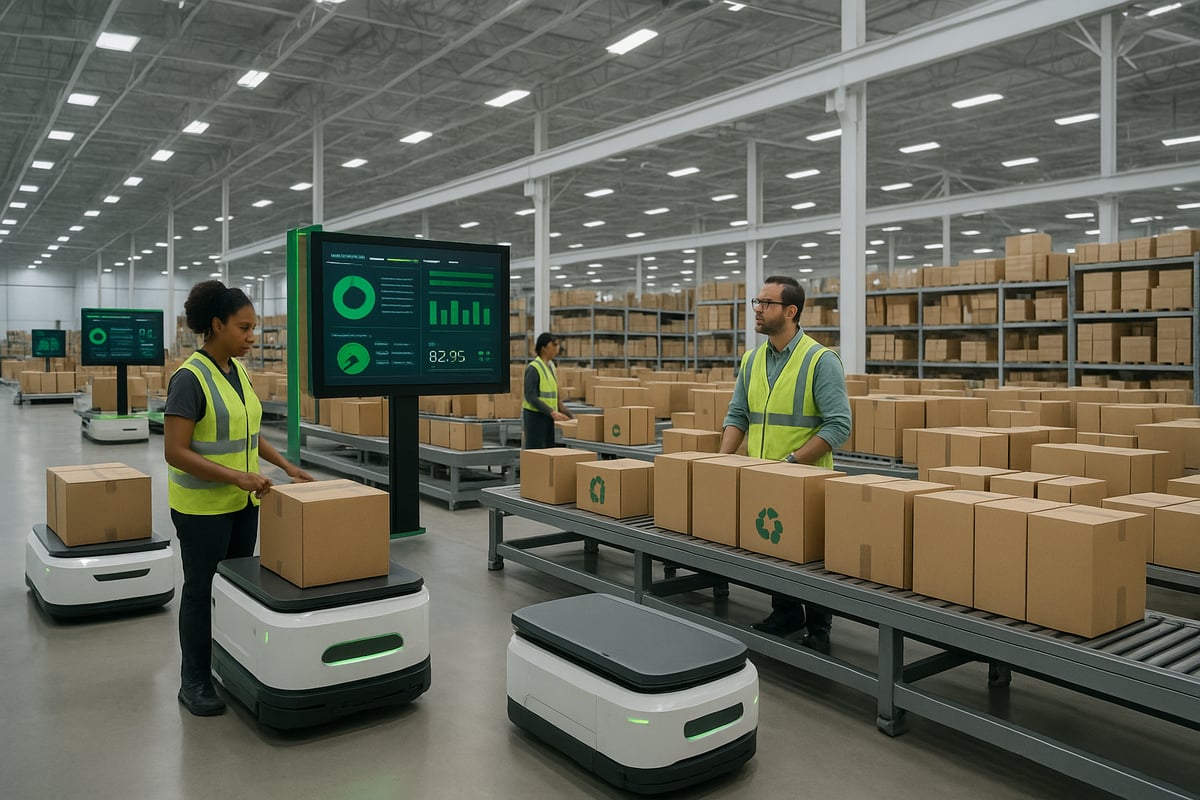
Ecommerce distribution is moving away from static warehouses toward dynamic, decentralized networks. Distribution centers are strategically positioned to enable faster deliveries and greater agility. Third-party logistics (3PLs) and fourth-party logistics (4PLs) providers now offer flexible, multi-location fulfillment. Companies like SEKO and NXTPoint are expanding their hubs, allowing brands to serve customers closer to home. For a deeper understanding of these evolving models, explore this ecommerce logistics solutions overview.
Customer Expectations: Speed, Flexibility, and Transparency
Today’s shoppers expect ecommerce distribution to deliver orders in two days or less, with same-day service increasingly common. Real-time tracking and transparent order updates are now standard. Over 80 percent of consumers demand fast, visible shipping options. Brands must offer flexible delivery choices and communicate proactively to keep customers loyal in a highly competitive market.
The Role of Automation and Smart Technology
Automation is revolutionizing ecommerce distribution. AI-powered inventory management, robotics for picking and packing, and advanced Warehouse Management Systems (WMS) are becoming industry benchmarks. Körber WMS, for example, gives 3PLs real-time control and visibility across multiple sites. These technologies reduce errors, lower costs, and support rapid scaling for growing brands.
Globalization and Cross-Border Fulfillment
International ecommerce is surging, making cross-border fulfillment essential for growth. Ecommerce distribution strategies now include customs management, regulatory compliance, and localization for different regions. Brands are investing in global fulfillment partners and technology to ensure seamless delivery experiences for customers worldwide.
The Impact of Marketplaces and Omnichannel Retail
Marketplaces like Amazon and Walmart are changing the rules for ecommerce distribution. Direct-to-consumer (D2C) brands must integrate with multiple sales channels to remain competitive. Seamless marketplace integration enables efficient order flow, inventory management, and unified customer experiences across all platforms.
Data-Driven Decision Making
Analytics are at the core of modern ecommerce distribution. Businesses leverage real-time dashboards to forecast demand, optimize inventory, and streamline operations. Predictive analytics help prevent stockouts and overstocks, enabling smarter, faster decision-making. This data-driven approach is crucial for maintaining efficiency and profitability in a complex supply chain.
Sustainability and Green Logistics
Sustainability is now a core expectation in ecommerce distribution. Brands are adopting eco-friendly packaging, optimizing delivery routes to lower emissions, and investing in carbon-neutral shipping. SEKO’s use of Sustainable Aviation Fuel (SAF) highlights industry commitment to greener logistics. These practices not only reduce environmental impact but also resonate with environmentally conscious consumers.
Core Ecommerce Distribution Models for 2026
The landscape of ecommerce distribution is rapidly diversifying as brands seek the optimal balance of speed, scalability, and customer experience. Understanding the core models available in 2026 is essential for leaders aiming to future-proof their fulfillment strategies.
Centralized vs. Decentralized Fulfillment
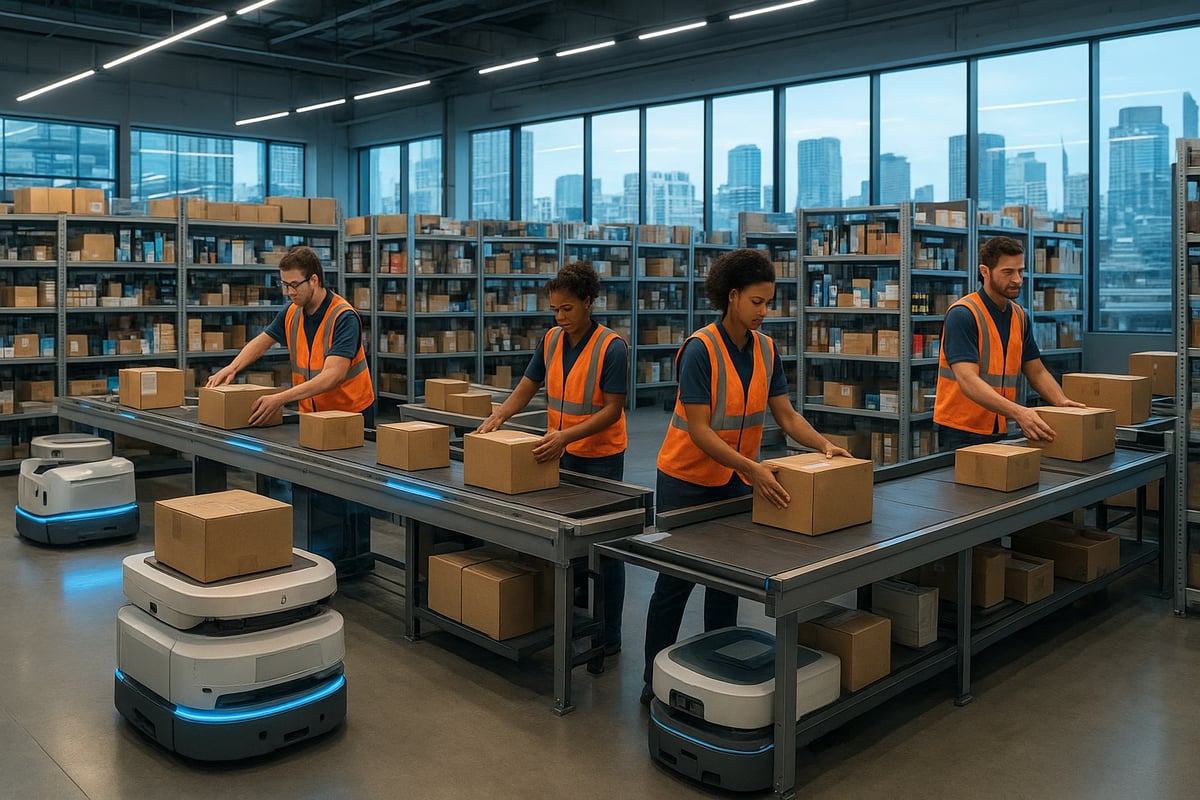
Selecting between centralized and decentralized fulfillment is foundational to ecommerce distribution planning. Centralized models use a single or limited number of hubs to serve all customers, optimizing inventory and cost, but sometimes at the expense of delivery speed. Decentralized networks position inventory closer to buyers, enabling faster shipping and flexibility, yet may increase operational complexity.
| Model | Pros | Cons |
|---|---|---|
| Centralized | Lower costs, simpler management | Longer delivery times |
| Decentralized | Faster delivery, local flexibility | Higher costs, complex oversight |
For fast-growing D2C brands, decentralized ecommerce distribution can be the edge needed to meet rising expectations.
Dropshipping, 3PL, and 4PL Solutions
Understanding the spectrum of third-party logistics is critical. Dropshipping allows for low overhead, as products ship directly from suppliers to customers, but offers less control over the customer experience. 3PLs (third-party logistics) handle storage, packing, and shipping, while 4PLs oversee the entire supply chain, including carrier and partner management.
Brands often shift from dropshipping to 3PL or 4PL as they scale, leveraging these partners for more robust ecommerce distribution while maintaining focus on core business growth. NXTPoint and SEKO exemplify the new breed of tech-forward logistics providers.
In-House Fulfillment vs. Outsourcing
Ecommerce distribution strategies must weigh the benefits of managing fulfillment internally against outsourcing. In-house fulfillment grants full control and brand-specific customization, yet can be costly and hard to scale. Outsourcing to a trusted partner, such as a 3PL, typically reduces fulfillment costs by up to 25 percent and unlocks access to advanced technologies.
Consider your business size, order volume, and technology needs when choosing. Outsourced ecommerce distribution is often favored for rapid expansion and operational efficiency.
Micro-Fulfillment Centers and Urban Warehousing
The rise of micro-fulfillment centers is transforming ecommerce distribution for urban markets. These small, automated hubs position inventory near dense customer populations, enabling same-day or even two-hour delivery.
Micro-fulfillment supports the demand for instant gratification and reduces last-mile delivery costs. As ecommerce distribution evolves, urban warehousing is becoming a standard for brands targeting metropolitan areas.
Hybrid Models: Blending In-House, 3PL, and Marketplace Fulfillment
Many brands are adopting hybrid ecommerce distribution models, combining in-house fulfillment with 3PLs and marketplace solutions like FBA (Fulfillment by Amazon). This approach maximizes reach, balances cost, and enhances flexibility.
For example, brands can maintain control over signature products in-house while leveraging 3PLs for overflow and using marketplace fulfillment to access new customer bases. The right hybrid mix depends on product range, growth plans, and customer expectations.
Reverse Logistics and Returns Management
Efficient reverse logistics is a cornerstone of successful ecommerce distribution. As returns become more common, brands must offer seamless, customer-friendly processes. Trends like recommerce and circular logistics are gaining steam, enabling companies to recover value and reduce waste.
A robust returns strategy not only preserves customer loyalty but also supports sustainability goals in ecommerce distribution. Investing in technology for real-time tracking and fast refunds is now a competitive necessity.
Choosing the Right Model for Your Brand
Selecting the optimal ecommerce distribution model hinges on your unique needs. Ask yourself:
- What is your average order volume and SKU count?
- Where are your customers located?
- How fast do you need to deliver?
- What are your scalability and technology requirements?
A thorough evaluation of potential fulfillment partners is crucial. For a step-by-step guide on choosing fulfillment providers, explore resources that help you assess capabilities, pricing, and integration options. The right partner will empower your ecommerce distribution to adapt and thrive in the dynamic 2026 landscape.
Step-by-Step Ecommerce Distribution Strategy for 2026 Success
Building a robust ecommerce distribution strategy for 2026 requires a disciplined, stepwise approach. The landscape is evolving rapidly, so future-proofing your operations means integrating technology, prioritizing customer experience, and maintaining agility. Below, we break down the essential steps every ecommerce leader should follow.
Step 1: Map Your Customer Experience Goals
Start by defining exactly what your customers expect from your ecommerce distribution. Set clear benchmarks for delivery speed, order accuracy, and customer support responsiveness. Consider your brand promise—is it same-day shipping, eco-friendly packaging, or guaranteed delivery windows?
- List your delivery speed targets (e.g., 2-day, same-day).
- Set goals for order accuracy (e.g., 99%+).
- Define customer support standards (response time, resolution rate).
Align your distribution network with these goals. Your ability to meet or exceed expectations is a core differentiator in ecommerce distribution.
Step 2: Analyze Your Current Fulfillment Network
Conduct a comprehensive audit of your existing fulfillment setup. Review warehouse locations, carrier partners, and technology platforms. Identify any bottlenecks or weak links that could disrupt ecommerce distribution.
- Map out all fulfillment nodes.
- Review carrier performance and costs.
- Evaluate technology stack (WMS, OMS, analytics).
Use data-driven tools to forecast demand and spot underperforming areas. A well-analyzed network is the foundation for scalable ecommerce distribution.
Step 3: Select and Integrate the Right Fulfillment Model
Choosing the optimal fulfillment model is critical. Compare centralized, decentralized, in-house, outsourced, and hybrid approaches. Assess which model aligns best with your ecommerce distribution needs, order volumes, SKU diversity, and growth plans.
- Centralized: Simpler control, lower overhead, longer delivery times.
- Decentralized: Faster shipping, higher complexity, better for high-volume brands.
- Hybrid: Blends control and scalability, leverages both in-house and third-party resources.
Integrate your systems with partners using APIs and ensure seamless order flow. The right model will support your strategic goals and keep ecommerce distribution efficient.
Step 4: Optimize Inventory Placement and Flow
Strategically allocate inventory based on customer location and demand forecasting. Use predictive analytics to minimize both stockouts and excess inventory in your ecommerce distribution chain.
- Place fast-moving SKUs closer to key markets.
- Use real-time dashboards for inventory tracking.
- Adjust allocation as sales trends shift.
Decentralized inventory placement can reduce delivery times by over 30 percent. Continuous optimization keeps your ecommerce distribution network agile and responsive.
Step 5: Leverage Automation and Advanced Technology
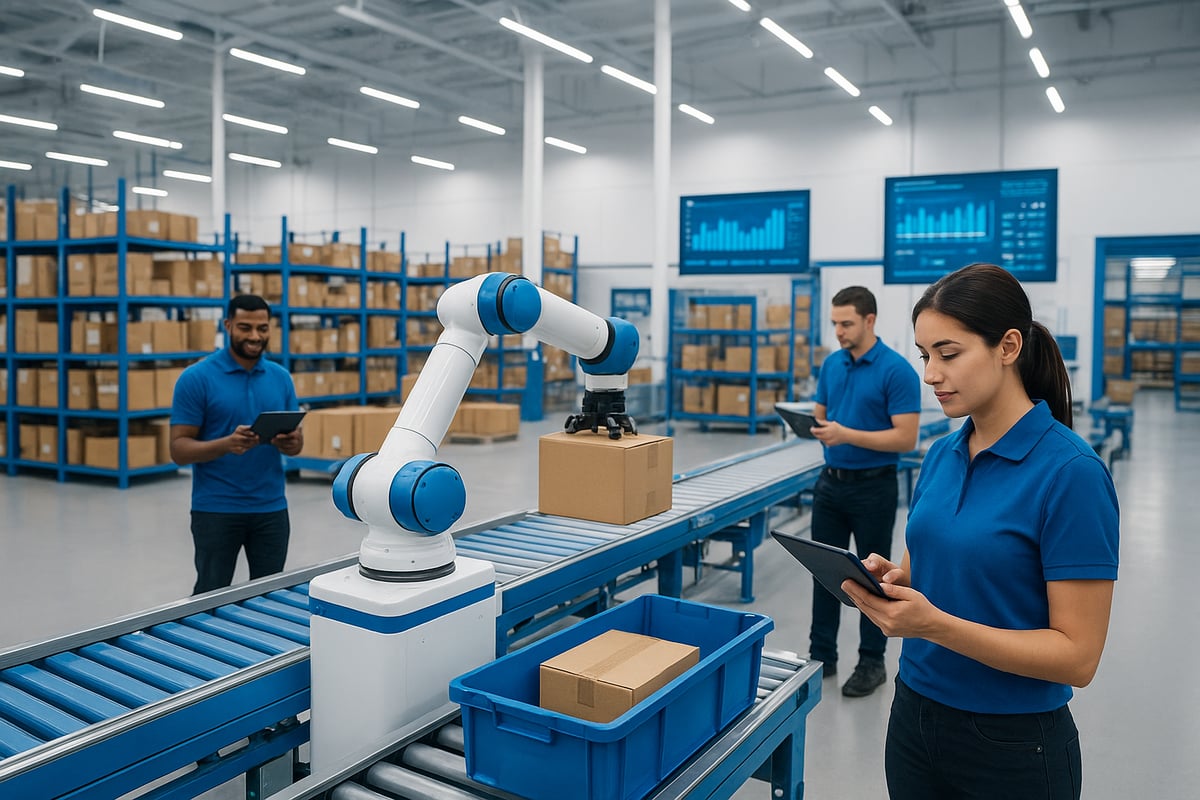
Adopt automation to accelerate order processing and reduce errors. Deploy robotics for picking, packing, and sorting. Use an advanced Warehouse Management System (WMS) for real-time control.
- Implement AI for order routing and demand forecasting.
- Use real-time dashboards to monitor performance.
- Integrate with marketplaces and carriers for seamless ecommerce distribution.
Automation is no longer optional—it is essential for scaling and maintaining competitive ecommerce distribution.
Step 6: Build a Resilient, Scalable Logistics Network
Diversify your logistics partners and carriers to reduce risk and improve flexibility. Prepare for seasonal peaks and international expansion by building redundancy into your ecommerce distribution network.
- Partner with multiple 3PLs or carriers.
- Establish contingency plans for disruptions.
- Plan for cross-border fulfillment and customs compliance.
A resilient network ensures ecommerce distribution can adapt quickly to market changes or unexpected events.
Step 7: Implement Customer-Centric Reverse Logistics
Efficient, transparent returns are crucial for customer loyalty. Streamline your reverse logistics process, making returns easy and hassle-free. Adopt technology for real-time tracking and automated refunds.
- Offer clear return policies and simple procedures.
- Use tracking for returns as well as outbound shipments.
- Explore recommerce and sustainable returns options.
For tailored solutions, consider reverse logistics and returns services that can transform a pain point into a brand advantage. Superior reverse logistics is a vital part of modern ecommerce distribution.
Step 8: Monitor, Measure, and Iterate
Establish clear KPIs to evaluate your ecommerce distribution performance. Focus on delivery speed, accuracy, fulfillment cost, and customer satisfaction.
- Track order-to-delivery time and accuracy rates.
- Measure NPS, repeat purchase rates, and return rates.
- Use analytics to identify improvement opportunities.
Continuous monitoring and iteration ensure your ecommerce distribution strategy remains effective as the market evolves. Collect feedback and adjust your processes to stay ahead.
The Role of Technology in Future-Proofing Ecommerce Distribution
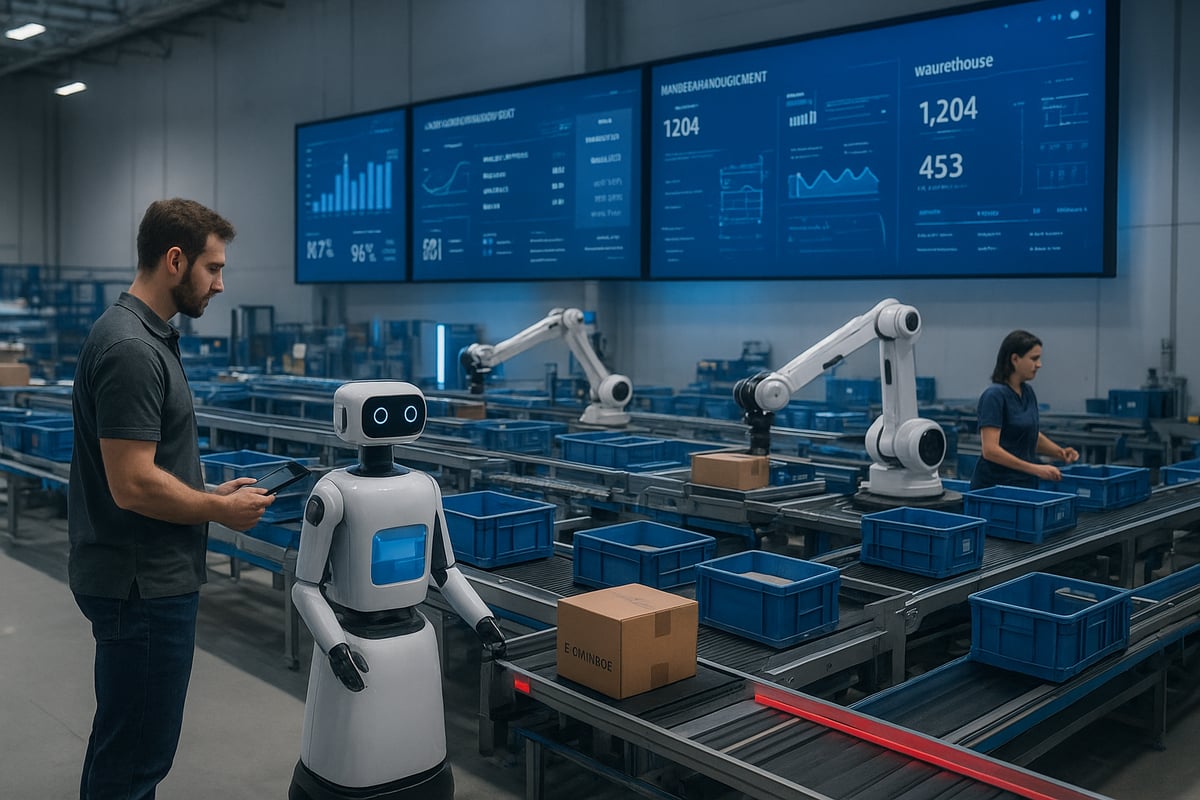
Technology is the backbone of modern ecommerce distribution. As brands look to stay competitive in 2026, adopting the right tech solutions is essential for reliability, speed, and scalability. From robotics to AI, these innovations are transforming how products move from warehouse to customer.
Advanced Warehouse Management Systems (WMS)
Warehouse Management Systems are the digital command centers of ecommerce distribution. These platforms enable real-time inventory tracking, efficient order management, and seamless automation across multiple locations.
Modern WMS solutions, like Körber WMS, integrate with ecommerce platforms and marketplaces, providing a unified view of stock and order flow. This visibility allows brands to reduce errors, avoid stockouts, and respond quickly to demand changes. WMS automation also streamlines picking, packing, and shipping, making operations more agile and cost-effective.
Robotics and Automated Fulfillment
Robotics are revolutionizing ecommerce distribution by increasing speed and reducing manual labor. Automated systems handle sorting, picking, and packing, ensuring consistent accuracy even during peak sales periods.
For example, leading 3PLs deploy fleets of robots to manage high-volume D2C orders. These machines work alongside human teams, boosting productivity and minimizing order processing times. Robotics not only cut labor costs but also create safer, more scalable environments for fulfillment.
AI and Predictive Analytics
Artificial intelligence is powering the next wave of ecommerce distribution. AI-driven forecasting algorithms predict demand, optimize inventory placement, and dynamically route orders for faster delivery.
Predictive analytics help brands reduce stockouts, improve delivery accuracy, and anticipate customer needs. A notable example is JD.com’s Data-Driven Inventory Optimization, which showcases how AI enhances assortment planning and allocation for superior fulfillment efficiency.
Real-Time Data and Visibility
Access to real-time data is now a baseline requirement for ecommerce distribution. Dashboards provide instant views of inventory levels, shipment statuses, and customer communications.
This transparency benefits both brands and shoppers. Operations teams can quickly resolve issues and optimize processes, while customers enjoy accurate tracking and timely updates. Real-time visibility is vital for maintaining trust and satisfaction in a fast-moving market.
Seamless API Integrations
API integrations are the connectors that unify the ecommerce distribution ecosystem. By linking sales channels, marketplaces, and fulfillment partners, APIs automate order flow and reduce manual errors.
Seamless integration supports omnichannel strategies, allowing brands to manage inventory and orders from a single dashboard. This efficiency is crucial for scaling operations and adapting to shifting consumer behaviors in 2026.
Sustainability Tech and Green Logistics
Sustainability is becoming a core pillar of ecommerce distribution. Technology now enables route optimization to reduce emissions, adoption of eco-friendly packaging, and real-time carbon tracking throughout the supply chain.
Companies like SEKO are setting the standard by committing to carbon neutrality and using sustainable aviation fuel. These advances not only reduce environmental impact but also align with growing consumer expectations for green logistics.
Cybersecurity and Data Protection
As ecommerce distribution becomes more connected, cybersecurity is paramount. Protecting customer and business data from breaches is essential for compliance and brand reputation.
Modern fulfillment networks invest in robust security protocols and adhere to regulations like GDPR and CCPA. By prioritizing data protection, brands safeguard sensitive information and build trust with their customers.
Omnichannel Logistics and Customer Experience Optimization
Omnichannel logistics is transforming the way ecommerce distribution operates in 2026. Brands must seamlessly connect every channel to meet customer expectations and outperform competitors. Success depends on strategic integration, fast delivery, meaningful customization, and a relentless focus on transparency and loyalty.
Integrating Online, Offline, and Marketplace Channels
Unified inventory and order management are central to effective ecommerce distribution. Brands that synchronize inventory across DTC sites, retail stores, and marketplaces minimize stockouts and overselling. This integration enables customers to shop where they want, receive consistent service, and enjoy flexible fulfillment options.
To achieve this, businesses often deploy advanced OMS and WMS platforms. Adopting omnichannel D2C fulfillment strategies ensures cohesive operations, helping brands scale efficiently and dynamically respond to demand shifts.
Last-Mile Delivery Innovations
Fast and flexible last-mile delivery is now a competitive necessity in ecommerce distribution. Solutions include crowdsourced delivery, local courier networks, and gig economy drivers, all designed to reduce shipping times and costs.
Urban micro-fulfillment centers bring inventory closer to customers, enabling same-day or even two-hour delivery in dense markets. This approach aligns with rising consumer demand for speed and convenience, making it a core pillar of modern logistics.
Customization and Value-Added Services
Brands differentiate themselves in ecommerce distribution by offering tailored experiences. Kitting, bundling, and personalized packaging delight customers and foster loyalty. Subscription box fulfillment is also gaining momentum, providing recurring value and brand engagement.
AI-driven personalization tools help brands recommend products, curate bundles, and automate packaging choices. These enhancements elevate the unboxing experience and drive repeat purchases in an increasingly competitive landscape.
Real-Time Communication and Transparency
Providing real-time order updates is essential for customer trust. Modern ecommerce distribution leverages live tracking, proactive notifications, and self-service portals to keep customers informed at every step.
According to industry data, 70 percent of consumers prefer brands that offer transparent order visibility. This transparency reduces support inquiries and builds lasting relationships with customers.
Returns, Recommerce, and Customer Loyalty
Efficient reverse logistics are a cornerstone of customer experience. Hassle-free returns, quick refunds, and transparent tracking encourage repeat business and reduce friction.
Circular logistics and recommerce initiatives, such as refurbishing and reselling returned goods, are also gaining traction. These strategies enhance sustainability while deepening brand loyalty in the ecommerce distribution landscape.
Case Example: Multi-Channel Brand Success
A leading brand scaled its DTC and marketplace sales by integrating ecommerce distribution across all channels. By unifying inventory and fulfillment, the company achieved:
- 98 percent order accuracy
- 30 percent faster delivery times
- Higher repeat purchase rates
Comprehensive analytics enabled ongoing optimization, ensuring a seamless omnichannel experience for every customer.
Measuring and Optimizing the Omnichannel Experience
To sustain an edge in ecommerce distribution, brands track metrics like order accuracy, delivery speed, Net Promoter Score, and repeat purchase rates. Continuous improvement depends on gathering feedback and acting on real-world data.
Regular audits and analytics reviews help identify bottlenecks and opportunities, empowering brands to refine their omnichannel logistics strategies for long-term success.
Sustainability, Compliance, and Future Challenges in Ecommerce Distribution
Sustainability and compliance are rapidly becoming non-negotiable in ecommerce distribution. As 2026 approaches, leaders must anticipate new challenges while adapting to heightened consumer and regulatory expectations.
Green Logistics and Reduced Carbon Footprint
Sustainable practices are now essential for ecommerce distribution. Companies are transitioning to eco-friendly packaging, carbon-neutral shipping, and cleaner energy sources. For example, SEKO’s adoption of Sustainable Aviation Fuel has set a benchmark for lowering emissions.
Consumers are increasingly vocal about wanting greener delivery options. According to Sustainability in Ecommerce Logistics, brands that invest in green logistics build trust and stand out in a crowded market.
Regulatory Compliance and Customs Management
Global ecommerce distribution faces evolving regulations. Businesses must navigate shifting trade policies, tariffs, and customs requirements. Preparing for 2026 means staying up to date with U.S. trade tariff changes and adapting to new de minimis thresholds.
A proactive approach includes training staff, leveraging compliance technology, and maintaining clear documentation for all cross-border shipments.
Ethical Sourcing and Supply Chain Transparency
Transparency is a growing priority in ecommerce distribution. Brands are expected to prove that products are ethically sourced and supply chains are traceable.
Technology such as blockchain and advanced tracking tools enable companies to provide real-time visibility, ensuring every link in the chain meets ethical standards.
Labor Shortages and Workforce Automation
Labor shortages are prompting a shift toward automation in ecommerce distribution. Robotics, AI, and automated picking systems help fill gaps and increase efficiency.
Upskilling existing teams to work alongside technology ensures smooth operations and prepares businesses for future workforce shifts.
Risk Management and Supply Chain Resilience
Building a resilient ecommerce distribution network is critical. Diversifying suppliers and logistics partners can mitigate risks from disruptions like geopolitical events or seasonal peaks.
Scenario planning and regular risk assessments help companies adapt quickly, keeping operations running smoothly when uncertainty arises.
Data Privacy and Cybersecurity
With ecommerce distribution relying on interconnected systems, protecting customer and business data is vital. Compliance with regulations such as GDPR and CCPA is required.
Investing in cybersecurity tools and regular audits helps safeguard sensitive information and maintain customer trust.
Preparing for the Next Wave of Ecommerce Growth
The future of ecommerce distribution will be shaped by ongoing innovation, regulatory changes, and evolving consumer preferences. Companies that prioritize sustainability, compliance, and resilience will thrive.
By embracing new technologies and adapting to emerging trends, brands can future-proof their ecommerce distribution strategies for long-term success.
As you look ahead to 2026, you know how critical it is to stay ahead of the curve in ecommerce distribution. We’ve covered the trends, technologies, and proven strategies that can set your brand up for long-term success—from optimizing fulfillment models to leveraging automation and building a resilient logistics network. If you’re ready to make fulfillment effortless and scalable, let’s take the next step together. You deserve a partner who understands the pace of ecommerce and can deliver tailored solutions for your unique goals. Want to see how Ecom Automation Prep can help? Get A Quote

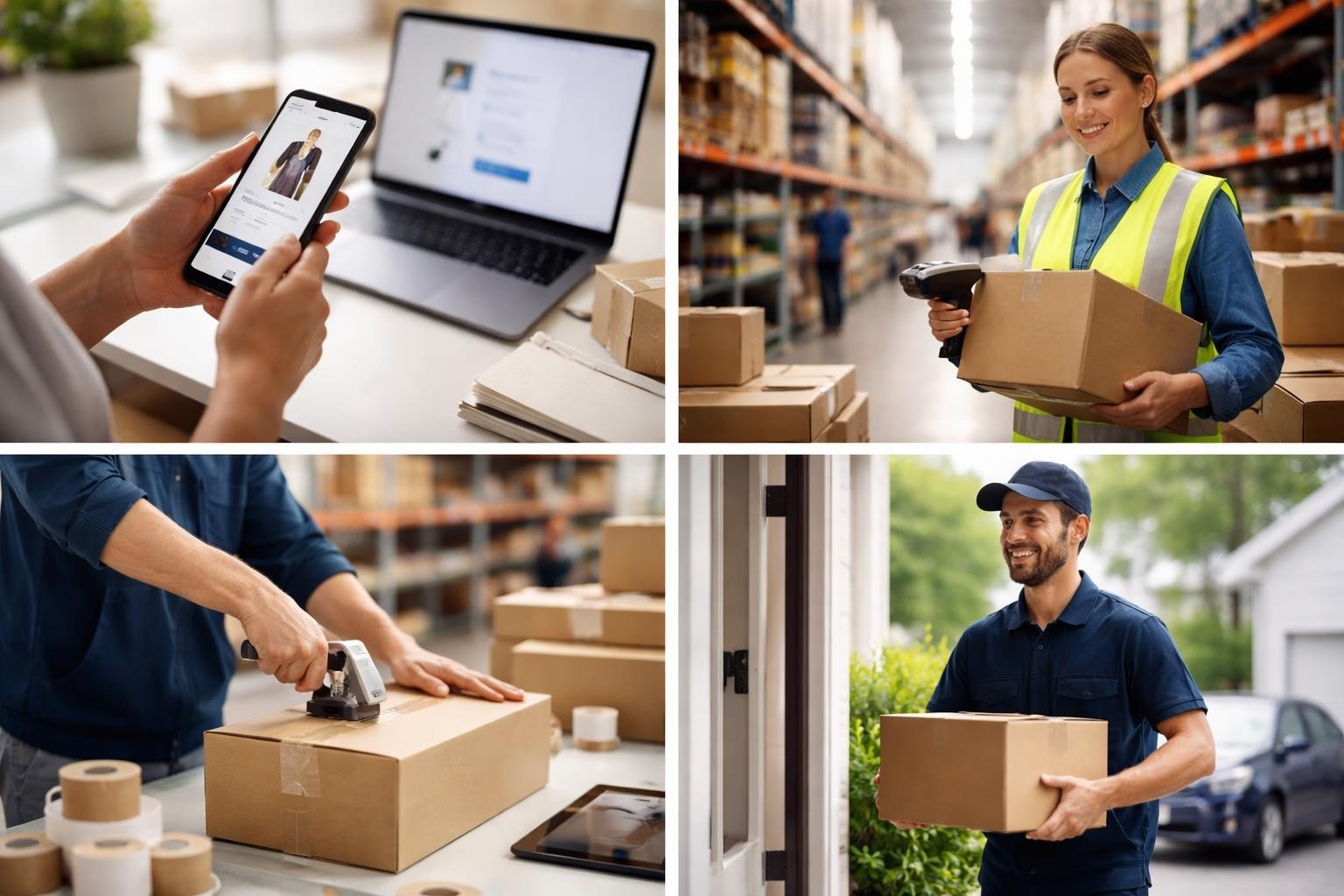


[…] partnerships with experienced e-commerce distribution providers offer scalability advantages over fixed in-house operations. Partners with diverse client […]