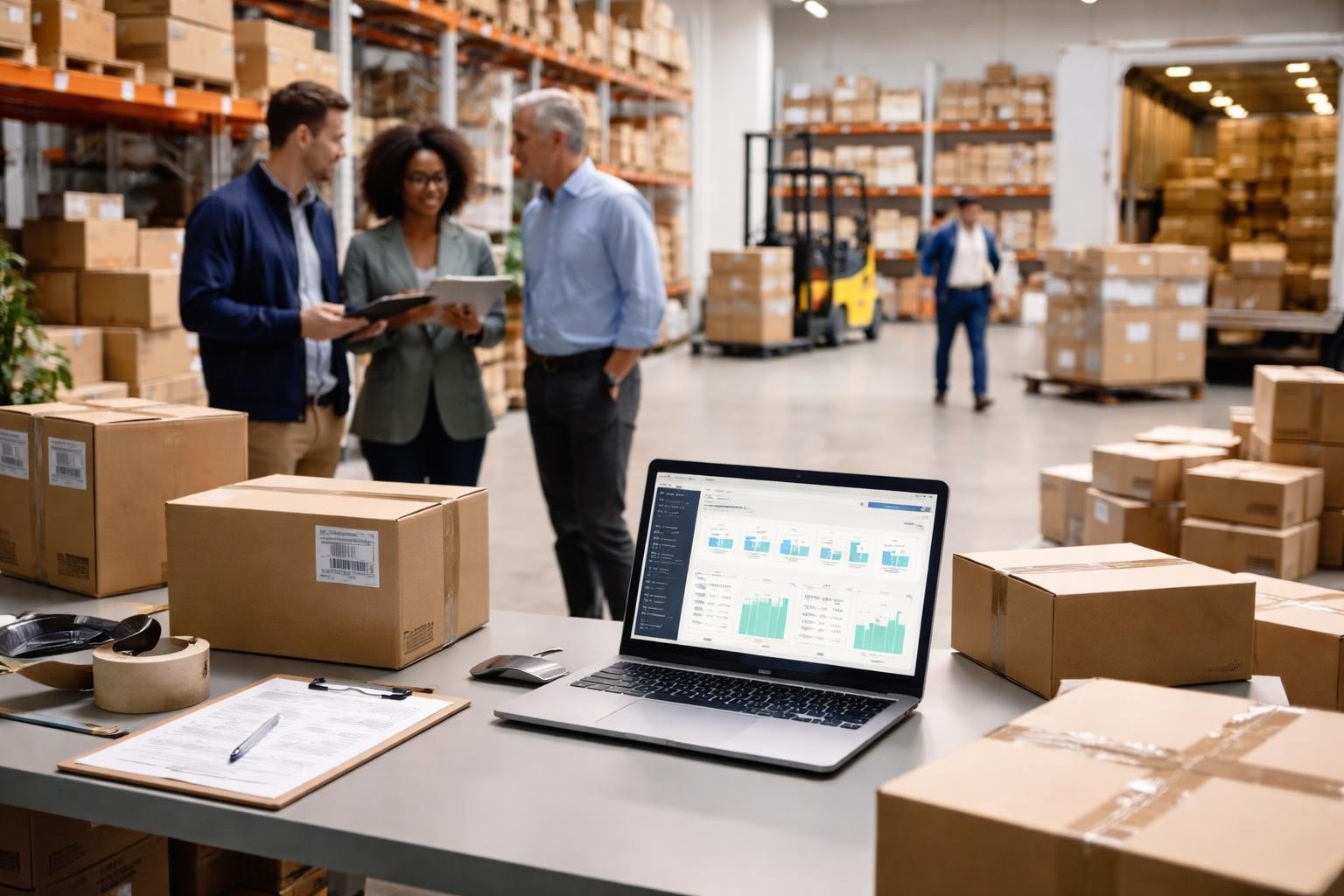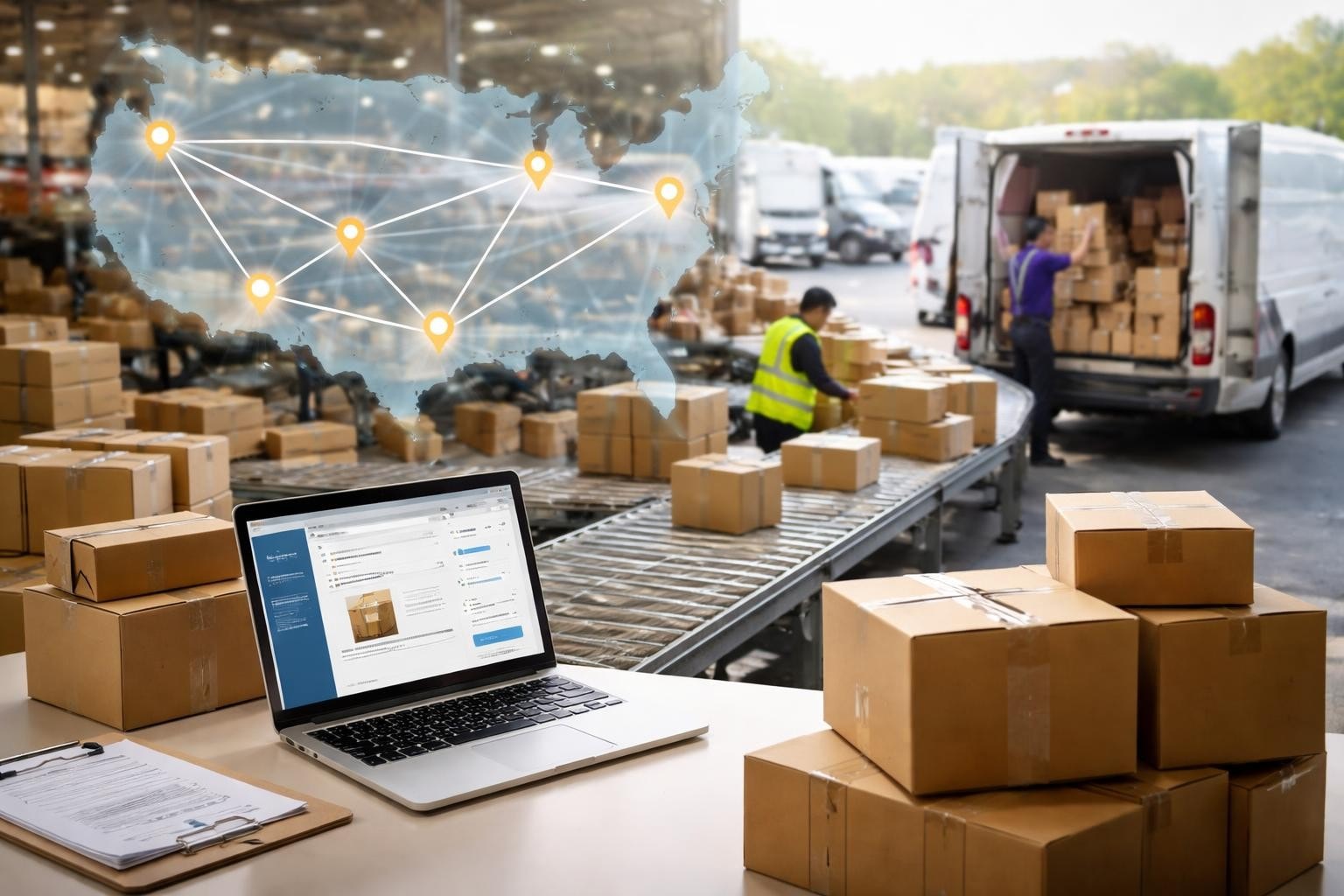
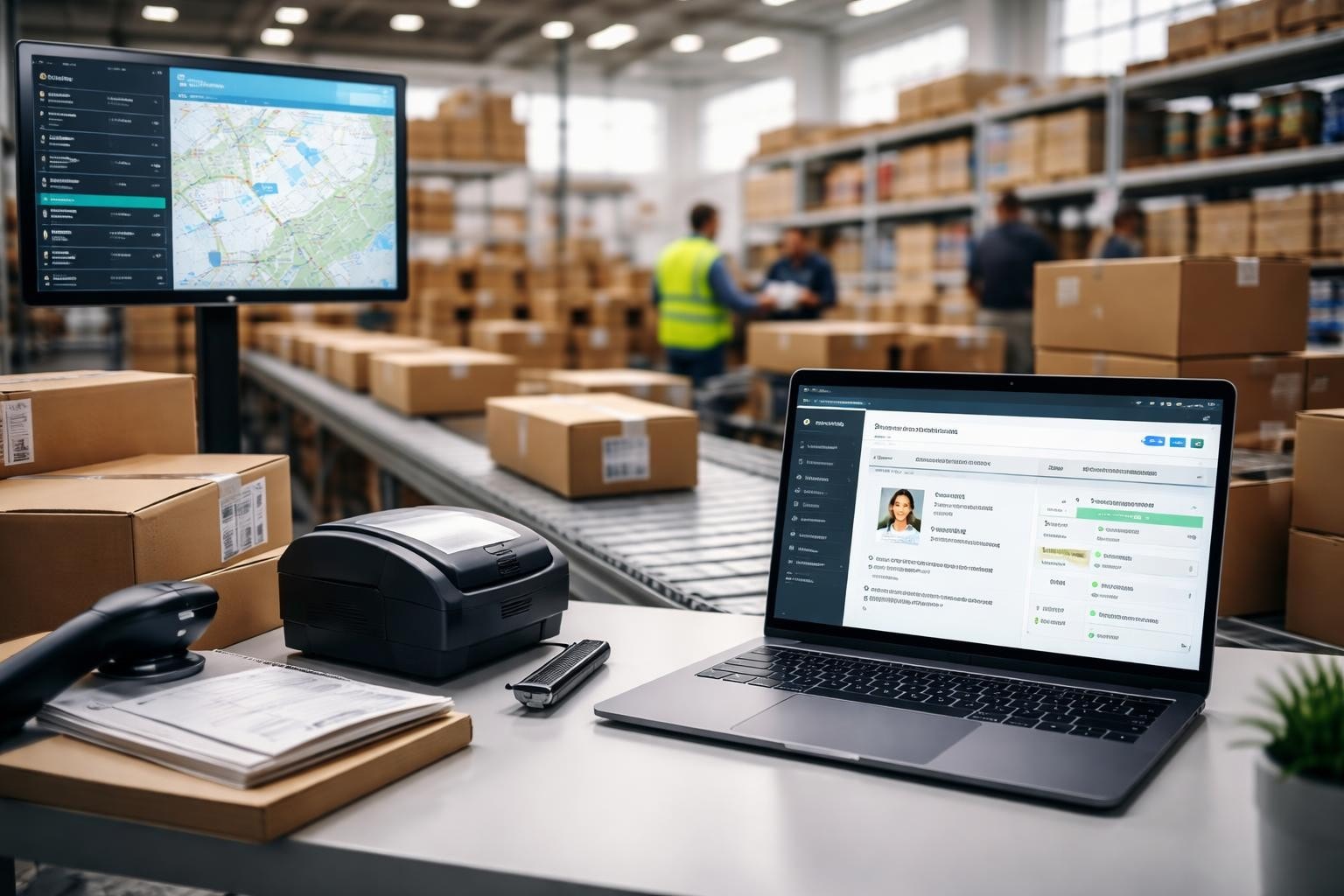

The relationship between ecommerce and logistics has evolved from a simple transactional arrangement into a strategic partnership that defines competitive advantage. Modern e-commerce brands face unprecedented consumer expectations: same-day delivery options, real-time tracking visibility, and seamless returns experiences have become standard requirements rather than premium offerings. As we navigate through 2026, the businesses that thrive are those that treat logistics as a core component of their customer experience strategy, not merely as a backend operational necessity.
The Strategic Foundation of Ecommerce and Logistics Integration
Building a successful e-commerce operation requires understanding that logistics capabilities directly impact revenue generation. Conversion rates improve when customers see accurate delivery estimates. Cart abandonment decreases when shipping costs are transparent and competitive. Customer lifetime value increases when products arrive on time and in perfect condition.
The modern consumer has been trained by industry leaders to expect excellence at every touchpoint. They compare your delivery speed against the fastest option they've experienced, regardless of industry. This reality means that e-commerce logistics challenges must be addressed proactively rather than reactively.
Technology Stack Requirements
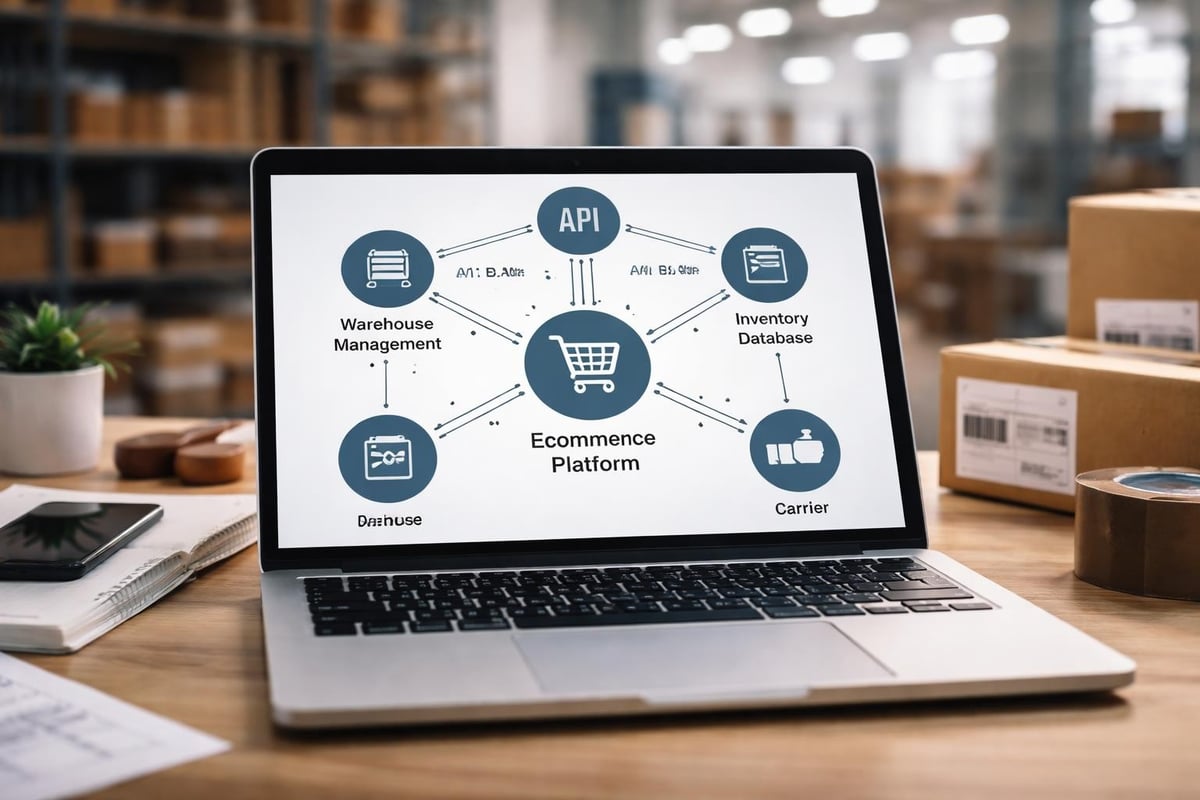
Successful ecommerce and logistics operations depend on integrated technology systems that communicate seamlessly. Warehouse management systems (WMS) must sync with inventory management platforms, which connect to shopping cart systems, all while feeding data to carrier management solutions.
Essential technology components include:
- Real-time inventory tracking across all sales channels
- Automated order routing based on stock location and carrier performance
- Dynamic shipping rate calculation at checkout
- Integrated returns management systems
- Customer communication platforms for proactive status updates
These systems eliminate manual data entry, reduce fulfillment errors, and create the operational efficiency required to scale profitably. For brands leveraging Amazon FBA prep services, integration becomes even more critical as inventory flows between multiple fulfillment networks.
Inventory Management Strategies for Multi-Channel Success
The complexity of ecommerce and logistics increases exponentially when brands sell across multiple platforms. Managing inventory across Amazon, Shopify, wholesale channels, and retail partnerships requires sophisticated allocation strategies that balance opportunity cost against stockout risk.
Distributed Inventory Models
Forward-deploying inventory closer to end customers reduces delivery times and shipping costs. However, this strategy introduces complexity in inventory allocation and replenishment planning.
| Inventory Model | Advantages | Challenges | Best For |
|---|---|---|---|
| Centralized Fulfillment | Simple management, lower carrying costs | Longer delivery times, higher shipping costs | New brands, low SKU counts |
| Regional Distribution | Faster delivery, reduced shipping zones | Higher overhead, inventory splitting | Established brands, predictable demand |
| Hybrid Approach | Flexibility, optimized for product mix | Complex planning, technology requirements | Growing brands, varied product catalog |
Brands utilizing B2B fulfillment services face additional complexity as they balance consumer direct shipments against bulk wholesale orders. The allocation logic must account for minimum order quantities, wholesale pricing commitments, and varying service level agreements.
Demand Forecasting Accuracy
Accurate demand forecasting forms the foundation of efficient inventory management. Historical sales data, seasonality patterns, promotional calendars, and market trends all feed into predictive models that determine optimal stock levels.
Advanced brands now incorporate external data signals including search trend analysis, social media sentiment, competitor pricing movements, and economic indicators. Machine learning algorithms process these diverse data sources to generate increasingly accurate predictions that minimize both stockouts and excess inventory.
Shipping Strategy Optimization for Profitability
Transportation costs represent one of the largest variable expenses in e-commerce operations. Understanding average shipping rates and how to negotiate favorable terms with carriers directly impacts bottom-line profitability.
The relationship between ecommerce and logistics becomes most visible at checkout. Customers make split-second decisions based on shipping costs and delivery timeframes. Brands must balance competitive shipping offers against margin preservation.
Effective shipping strategies include:
- Zone-based pricing optimization that aligns rates with actual carrier costs
- Dimensional weight management through right-sized packaging
- Carrier diversification to leverage competitive pricing and service levels
- Volume-based rate negotiation using consolidated shipment data
- Hybrid delivery models incorporating regional carriers for specific zones
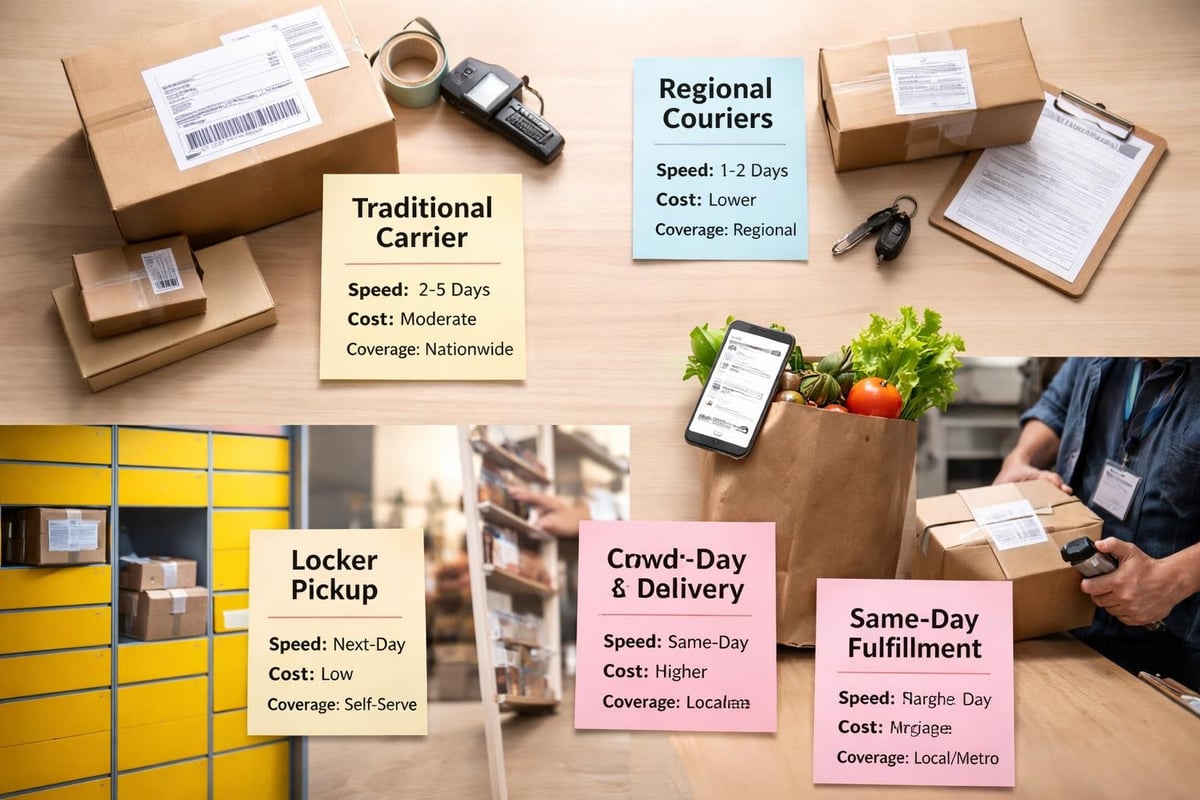
Smart brands regularly audit their shipping strategy against current carrier performance and emerging alternatives. The logistics landscape evolves rapidly, with new regional carriers, crowdsourced delivery networks, and specialized services creating opportunities for cost reduction and service improvement.
Last-Mile Delivery Innovation
The final leg of product delivery represents both the highest cost per package and the most critical touchpoint for customer satisfaction. Current e-commerce logistics trends emphasize innovative approaches to this challenge.
Same-day and next-day delivery options have shifted from novelty to expectation in many markets. Achieving these service levels requires inventory positioned near population centers and partnerships with carriers offering expedited services. For some brands, this means exploring micro-fulfillment centers in urban areas or utilizing local delivery services for final-mile execution.
Returns Management as Competitive Advantage
The reverse logistics component of ecommerce and logistics often receives insufficient attention until return volumes create operational chaos. Forward-thinking brands recognize that returns processing directly impacts customer retention and operational efficiency.
Streamlined Returns Processing
A well-designed returns system reduces processing time, accelerates inventory availability, and maintains customer goodwill. The process should minimize customer friction while protecting the brand from fraud and abuse.
Processing efficiency depends on clear routing protocols, quality control checkpoints, and disposition rules that determine whether products return to sellable inventory, require refurbishment, or move to liquidation channels. Speed matters because every day a returned product sits in processing represents lost sales opportunity and tied-up capital.
Data-Driven Returns Reduction
Analyzing return patterns reveals opportunities to reduce overall return rates. Product-specific return data might indicate quality issues, sizing inconsistencies, or misleading product descriptions. Category-level analysis might reveal fulfillment problems or shipping damage patterns.
Leading brands track return reasons, create dashboards monitoring return rates by product and channel, implement quality checks before initial shipment, and continuously refine product information to set accurate expectations. These efforts directly impact profitability as return processing costs typically exceed original fulfillment expenses.
Packaging Innovation and Sustainability
Modern consumers increasingly evaluate brands on environmental responsibility. Packaging decisions within ecommerce and logistics operations offer opportunities to reduce costs while meeting sustainability expectations.
Sustainable packaging strategies include:
- Right-sizing boxes to minimize dimensional weight charges
- Utilizing recyclable or biodegradable materials
- Implementing branded packaging that enhances unboxing experience
- Reducing packaging layers while maintaining product protection
- Sourcing materials from certified sustainable suppliers
The intersection of cost optimization and environmental responsibility creates a powerful value proposition. Smaller packages cost less to ship, require less storage space, and appeal to environmentally conscious consumers. However, brands must ensure that packaging still provides adequate protection to prevent damage-related returns.
Automation and Workflow Efficiency
Technology continues to reshape how ecommerce and logistics operations function. Automation reduces labor costs, improves accuracy, and enables scaling without proportional headcount increases.
Warehouse Automation Technologies
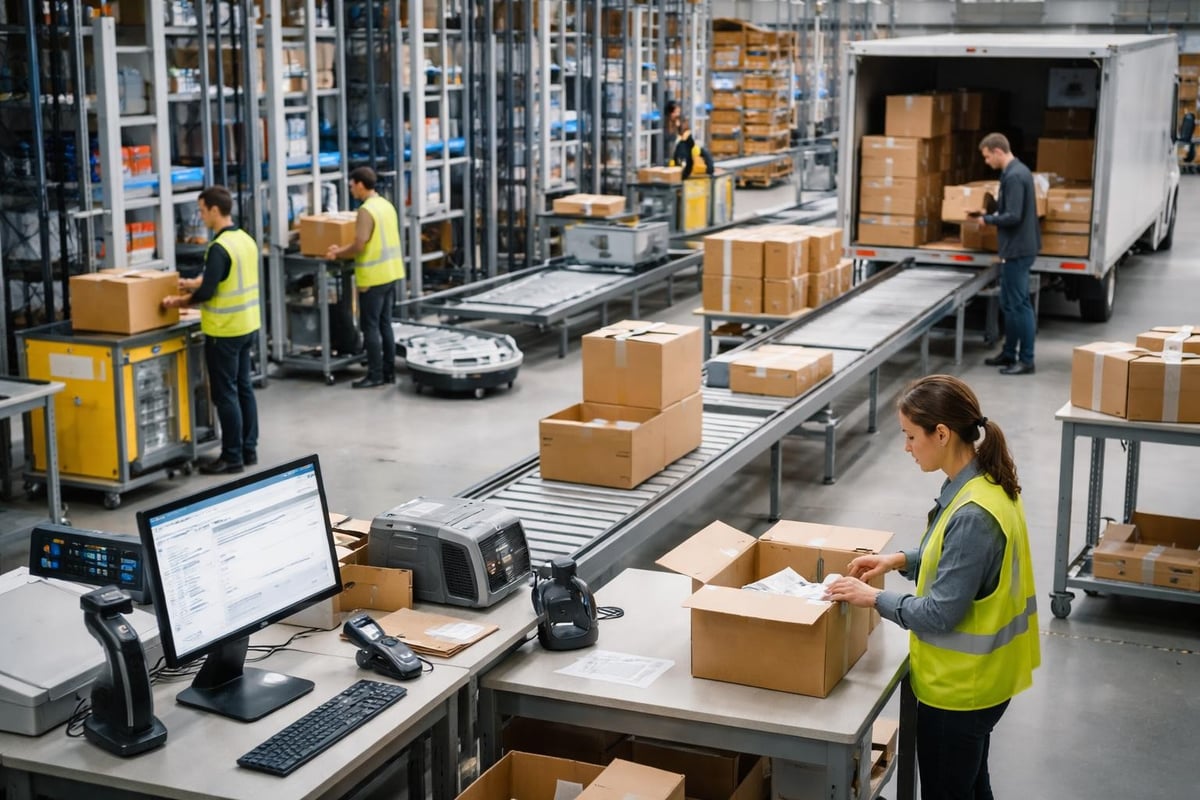
Modern fulfillment centers incorporate various automation levels depending on volume, product characteristics, and capital availability.
| Automation Level | Technologies | Investment Range | ROI Timeline |
|---|---|---|---|
| Basic | Barcode scanning, automated printing | Low | Immediate |
| Intermediate | Conveyor systems, pick-to-light | Medium | 12-18 months |
| Advanced | Automated storage/retrieval, robotics | High | 24-36 months |
| Cutting-edge | Fully autonomous picking, AI routing | Very High | 36-48 months |
For brands using subscription box fulfillment services, automation becomes particularly valuable. The recurring nature of subscription boxes creates predictable workflows ideal for automated kitting and assembly processes.
Process Standardization
Automation effectiveness depends on standardized processes. Before implementing technology solutions, successful operations document current workflows, identify bottlenecks and error points, establish standard operating procedures, train teams on consistent execution, and measure performance against defined metrics.
Standardization enables continuous improvement as teams can accurately measure the impact of process changes. This data-driven approach to operations management separates industry leaders from struggling competitors.
Seasonal Planning and Capacity Management
Ecommerce demand fluctuates dramatically around major shopping events and seasonal peaks. Black Friday, Cyber Monday, Prime Day, and holiday seasons create volume surges that strain logistics capacity.
Proactive Capacity Planning
Successful seasonal management begins months in advance. Brands must forecast peak volumes, secure additional warehouse space if needed, arrange temporary labor, negotiate capacity guarantees with carriers, and communicate timing expectations to customers.
The relationship between ecommerce and logistics intensifies during peak periods when every efficiency gain matters. Brands that wait until November to plan for holiday volume consistently face stockouts, shipping delays, and overwhelmed operations teams.
Flexible Fulfillment Models
Many growing brands leverage global fulfillment services to access flexible capacity during peak seasons. Third-party logistics providers (3PLs) offer scalable infrastructure and labor pools that absorb volume fluctuations without requiring permanent capital investment.
This approach allows brands to maintain lean operations during slower periods while accessing additional capacity when needed. The key is establishing relationships and integration well before peak seasons arrive.
International Expansion Considerations
Cross-border e-commerce presents unique logistics challenges around customs compliance, duties and taxes, international shipping costs, and varying consumer expectations by market.
International logistics requirements include:
- Landed cost calculation that accurately reflects total customer costs
- Customs documentation prepared correctly to avoid shipment delays
- Duties and taxes management through delivered duty paid (DDP) or collected programs
- Local returns infrastructure enabling convenient product returns
- Translated customer communications throughout the delivery journey
The complexity of international ecommerce and logistics operations often surprises brands accustomed to domestic fulfillment. However, insights from industry experts suggest that cross-border expansion represents significant growth opportunities for brands willing to invest in proper infrastructure.
Future Trends Reshaping the Industry
Looking forward through 2026 and beyond, several emerging trends will continue transforming ecommerce and logistics operations.
Artificial Intelligence Integration
Agentic AI and unified commerce represent the next frontier in operational optimization. AI applications span demand forecasting, dynamic pricing, automated customer service, warehouse robotics coordination, and route optimization.
Machine learning algorithms already power inventory allocation decisions, carrier selection logic, and fraud detection systems. As these technologies mature, they'll enable smaller brands to access capabilities previously reserved for enterprise operations.
Sustainability Imperatives
Environmental concerns drive innovation in packaging materials, delivery methods, and carbon offset programs. Consumers increasingly factor sustainability into purchasing decisions, creating competitive advantages for environmentally responsible operations.
Forward-thinking brands now measure and report carbon footprints, invest in electric delivery vehicle partnerships, optimize routes for fuel efficiency, and participate in carbon-neutral shipping programs. These initiatives appeal to values-driven consumers while often reducing operational costs.
Collaborative Delivery Models
New approaches to last-mile delivery continue emerging. Academic research explores collaborative models involving trucks, drones, and robots working together to optimize delivery efficiency. While fully autonomous systems remain years away from mainstream adoption, hybrid models combining traditional carriers with innovative solutions continue gaining traction.
Measuring Logistics Performance
Effective management requires measurement. Key performance indicators (KPIs) provide visibility into operational health and improvement opportunities within ecommerce and logistics operations.
Essential Metrics
Critical KPIs include:
- Order accuracy rate (target: 99.5%+)
- Average fulfillment time (order to ship)
- On-time delivery percentage
- Inventory turnover ratio
- Cost per shipment
- Return rate by product and category
- Customer satisfaction scores
Regular reporting against these metrics enables data-driven decision-making. Trends reveal whether operations are improving or degrading, while benchmarking against industry standards identifies areas requiring attention.
Continuous Improvement Culture
The most successful brands treat logistics as an evolving discipline rather than a static function. They regularly review performance data, solicit feedback from fulfillment teams, test process improvements, benchmark against competitors, and invest in ongoing training and technology upgrades.
This commitment to continuous improvement compounds over time, creating widening performance gaps between industry leaders and struggling competitors. Small efficiency gains accumulate into significant competitive advantages.
Vendor Partnership Strategy
No brand succeeds in isolation. Strategic partnerships with carriers, 3PLs, technology providers, and packaging suppliers directly impact operational capabilities and cost structures.
Selecting Fulfillment Partners
For brands considering outsourced fulfillment, partner selection represents a critical decision with long-term implications. Evaluation criteria should include geographic coverage, technology integration capabilities, scalability to support growth, pricing transparency, and industry expertise.
The e-commerce fulfillment trends shaping 2026 emphasize the importance of partners who invest in automation, offer flexible capacity, and provide transparent communication throughout the fulfillment process.
Building Collaborative Relationships
The strongest vendor partnerships extend beyond transactional relationships into collaborative problem-solving. Regular business reviews, shared KPI dashboards, joint process improvement initiatives, and transparent communication create alignment between brand objectives and vendor execution.
This collaborative approach becomes particularly valuable during challenging periods like demand surges, supply chain disruptions, or rapid geographic expansion. Vendors who understand your business goals can proactively suggest solutions rather than simply executing instructions.
The integration of ecommerce and logistics capabilities determines which brands will thrive in an increasingly competitive marketplace. Strategic inventory management, optimized shipping operations, and technology-enabled automation create the foundation for sustainable growth and customer satisfaction. Ecom Automation Prep specializes in comprehensive fulfillment solutions designed specifically for fast-growing e-commerce brands, offering scalable services from Amazon FBA prep to direct-to-consumer fulfillment. Partner with experts who understand that logistics excellence isn't just operational necessity but competitive advantage.