
Shipping costs are rising rapidly, and every dollar counts for e-commerce brands and individual shippers. If you want to keep your shipping budget under control in 2026, understanding average shipping rates is essential.
Shipping fees are complex. They vary depending on the carrier, package size, destination, and even hidden surcharges. Both businesses and consumers can find it challenging to spot the best deal or avoid costly mistakes.
This guide offers actionable strategies and insider tips to help you navigate average shipping rates, avoid overpaying, and maximize your savings. You will discover key trends, cost breakdowns, carrier comparisons, and expert insights—all designed to help you ship smarter in 2026.
Let this guide be your roadmap to budget-friendly shipping and greater profits in the year ahead.
Understanding Average Shipping Rates in 2026
Navigating shipping costs in 2026 means understanding the landscape of average shipping rates. Whether you run an e-commerce business or ship packages occasionally, knowing how these rates work can help you make informed decisions and avoid unnecessary expenses.
What Are Average Shipping Rates?
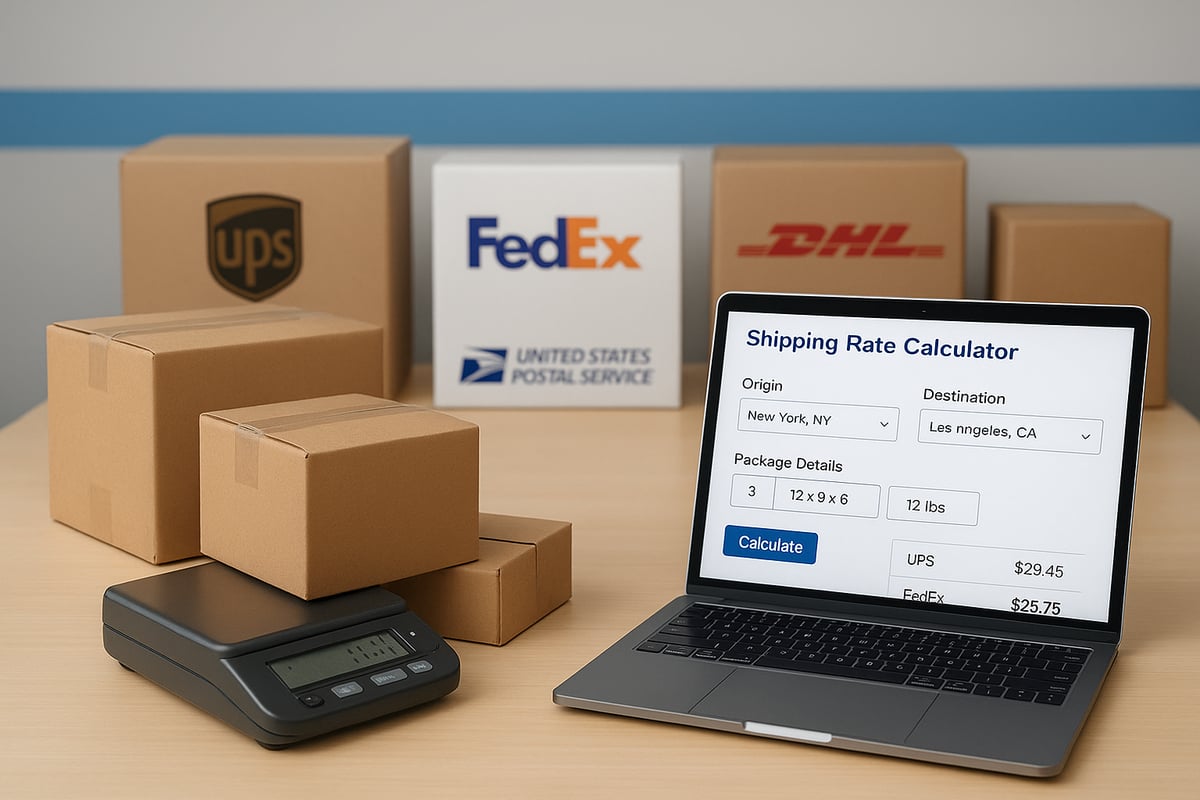
Average shipping rates refer to the typical cost to send a package using a specific service, calculated across many shipments. These rates matter because they provide a baseline for budgeting and comparing carriers.
There are distinctions between average, standard, and negotiated rates. Standard rates are published by carriers, while negotiated rates are discounted prices large shippers may secure. Average shipping rates are calculated by analyzing costs for similar shipments by weight, distance, and service level.
E-commerce brands, small businesses, and individual shippers all rely on average shipping rates to predict expenses. For example, sending a 2 lb package domestically cost about $10 in 2024, with projections showing an increase to roughly $12 in 2026. For a deeper look at pricing models and average rates, the E-Commerce Fulfillment Pricing Guide breaks down key components.
| Year | 2 lb Domestic Package |
|---|---|
| 2024 | $10.00 |
| 2026 | $12.00 (projected) |
Key Factors Influencing Shipping Costs
Several variables affect average shipping rates. Package weight and dimensions are primary drivers, as larger and heavier parcels cost more. The shipping distance, categorized into zones, also impacts rates, with international shipments costing more than domestic.
Delivery speed is another factor. Standard, expedited, and overnight shipping have different price points. Surcharges like fuel, residential delivery, remote area, and peak season fees can significantly increase costs.
Consider a 10% fuel surcharge on a $20 shipment. This single fee adds $2, raising the total to $22. Small changes in surcharges can have a major effect on your average shipping rates.
2026 Shipping Rate Trends: What’s New?
Looking ahead, most major carriers are expected to raise their average shipping rates in 2026. FedEx, UPS, USPS, and DHL are all projecting increases, driven by inflation and fluctuating fuel prices. New regulations and environmental taxes may also affect final costs.
Green shipping initiatives are growing, with some carriers introducing eco surcharges for carbon offset programs. Data shows average shipping rates are set to rise by 8% from 2024 to 2026, reflecting industry-wide adjustments and global economic shifts.
Common Shipping Rate Myths Debunked
Many believe that flat rate is always the cheapest option, but this is not always true. Flat rates can be costly for lightweight or short-distance packages. Another myth is that all carriers charge similar prices for comparable shipments, yet fees can differ widely.
Negotiating rates is not just for large businesses. Small businesses can also benefit from discussions with carriers. Hidden fees may seem unavoidable, but understanding your invoice can reveal savings opportunities. In one real-world example, a small business that negotiated its rates saved 25% compared to standard pricing, proving that average shipping rates can be improved with effort.
How to Find Reliable Rate Data
To make smart decisions, access up-to-date shipping rate tables from carrier websites. Many carriers offer calculators and third-party tools like Shippo or EasyPost to compare rates across multiple services in real time.
Always read the fine print to catch surcharges or special fees. Tracking historical rate changes helps you forecast expenses and avoid surprises. For instance, using a comparison tool can provide transparency and ensure you are paying the most accurate average shipping rates available.
Comparing Major Shipping Carriers in 2026
Choosing the right carrier in 2026 is essential for keeping your shipping costs under control. Understanding how average shipping rates vary between major carriers lets you make informed decisions for every package, whether you ship locally or internationally.
UPS, FedEx, USPS, DHL: 2026 Rate Comparison
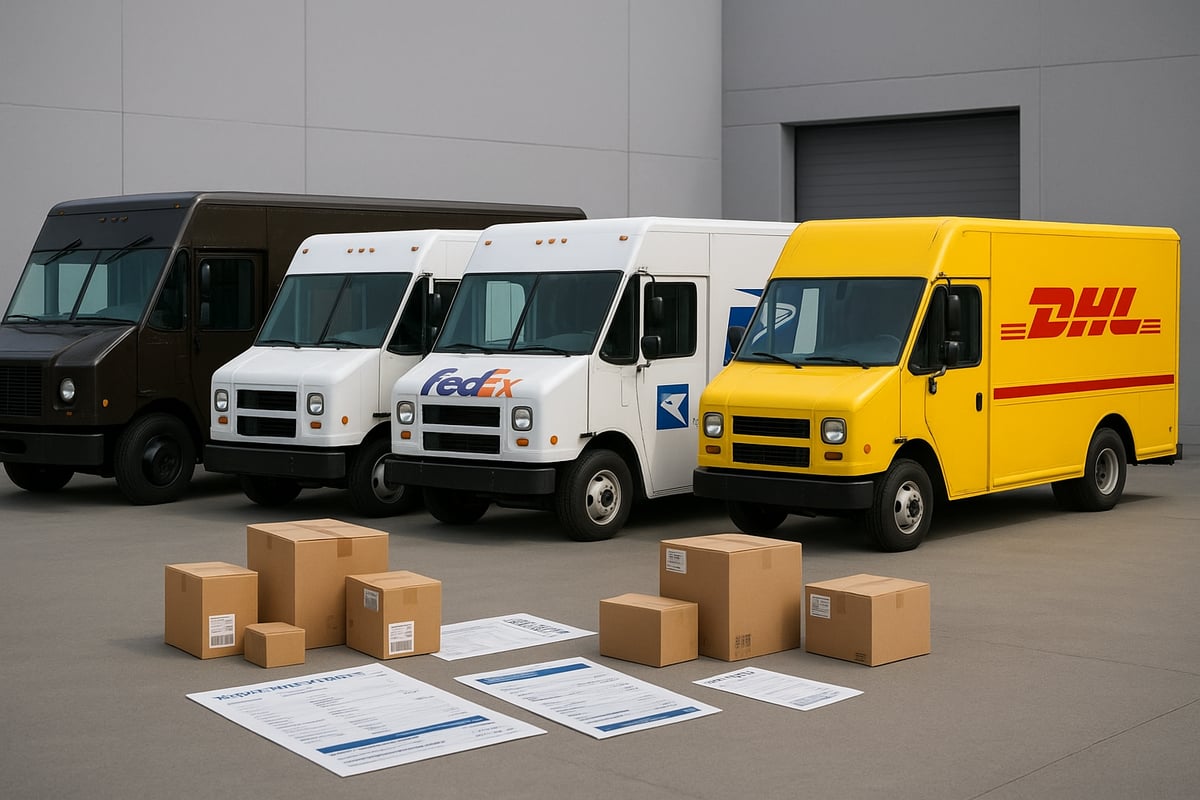
When comparing average shipping rates across UPS, FedEx, USPS, and DHL in 2026, each carrier brings distinct price points and service strengths. For a 5 lb package shipped coast to coast in the US, UPS and FedEx typically charge between $18 and $22 for ground service, while USPS may offer similar delivery for $15 to $19. DHL’s domestic services are less common, but it leads for international rates.
International shipments show even greater variation. DHL excels in global reach but often comes at a premium, especially for expedited services. In 2026, UPS is projected to have the largest rate hike, with average shipping rates rising by 7% over 2024.
| Carrier | Domestic (5 lb, Ground) | International (5 lb, Economy) |
|---|---|---|
| UPS | $20 | $60 |
| FedEx | $21 | $58 |
| USPS | $17 | $54 |
| DHL | N/A | $65 |
Service Levels and Delivery Speeds
Each carrier offers a range of service levels, from economy ground shipping to overnight express. Selecting the right speed directly impacts your average shipping rates. For example, next-day delivery for a 5 lb package with UPS costs around $48, while FedEx charges about $50 for similar service.
Ground and economy options are budget-friendly and ideal for non-urgent deliveries. In contrast, 2-day and overnight services cater to time-sensitive shipments but can double or triple your shipping spend. Always weigh the trade-off between speed and cost when reviewing average shipping rates.
Choose express only when necessary. For most e-commerce shipments, standard ground provides reliable delivery at a fraction of the express cost.
Surcharges and Hidden Fees
Surcharges are a significant factor in calculating average shipping rates. Carriers add fees for residential deliveries, fuel, remote areas, and oversized packages. These extra charges can quickly inflate your final bill, especially during peak seasons like Q4 2025 and 2026.
UPS and FedEx often apply a fuel surcharge that fluctuates with market prices, while USPS tends to keep surcharges lower but has fewer premium services. For a detailed look at how these costs stack up, consult the Fulfillment Costs Breakdown to see real-world examples of how surcharges impact total shipping expenses.
Always check the latest rate tables and fee schedules before shipping to avoid surprise costs and ensure your average shipping rates stay within budget.
International Shipping Rate Breakdown
Shipping internationally involves more than just the base rate. Carriers factor in customs, duties, and taxes, which can alter your average shipping rates significantly. UPS and FedEx often provide DDP (Delivered Duty Paid) options, while USPS and DHL may use variable rate structures.
For example, sending a 2 kg package to Canada might cost $38 with USPS, $42 with UPS, and $46 with DHL, not including import fees. From 2024 to 2026, the average international shipping rate has increased by 6%, reflecting higher fuel costs and new regulatory fees.
Compare flat rate and variable rate options when shipping abroad to find the best fit for your budget and delivery timeline.
Carrier-Specific Discounts and Programs
Most carriers offer programs to help lower your average shipping rates through loyalty rewards, volume discounts, and negotiated contracts. For small businesses, USPS’s Commercial Plus rates can yield savings of up to 20% compared to retail pricing.
FedEx and UPS reward consistent shippers with discounted rates, especially for those meeting minimum monthly volumes. DHL provides incentives for international shipping, supporting businesses with global reach.
Participating in these programs can save you thousands annually and make a measurable difference in your average shipping rates.
Choosing the Right Carrier for Your Needs
Selecting the ideal carrier depends on your shipment’s weight, destination, urgency, and budget. USPS is often best for lightweight packages and PO Box deliveries, while UPS and FedEx excel in speed and reliability for heavier or time-sensitive shipments.
Use a decision matrix to balance cost, speed, and service:
| Need | Best Carrier |
|---|---|
| Lightweight, Local | USPS |
| Fast Delivery | FedEx/UPS |
| International Reach | DHL |
| Bulk/Economy | UPS/USPS |
By evaluating your shipping profile and leveraging carrier strengths, you can optimize your average shipping rates and improve your bottom line.
Shipping Rate Calculators and Tools: How to Get Accurate Quotes
Navigating average shipping rates in 2026 requires more than guesswork. The right tools can make a significant difference, helping businesses and individuals avoid costly surprises. By understanding how calculators and comparison tools work, you can unlock savings and make smarter decisions every time you ship.
How Shipping Rate Calculators Work
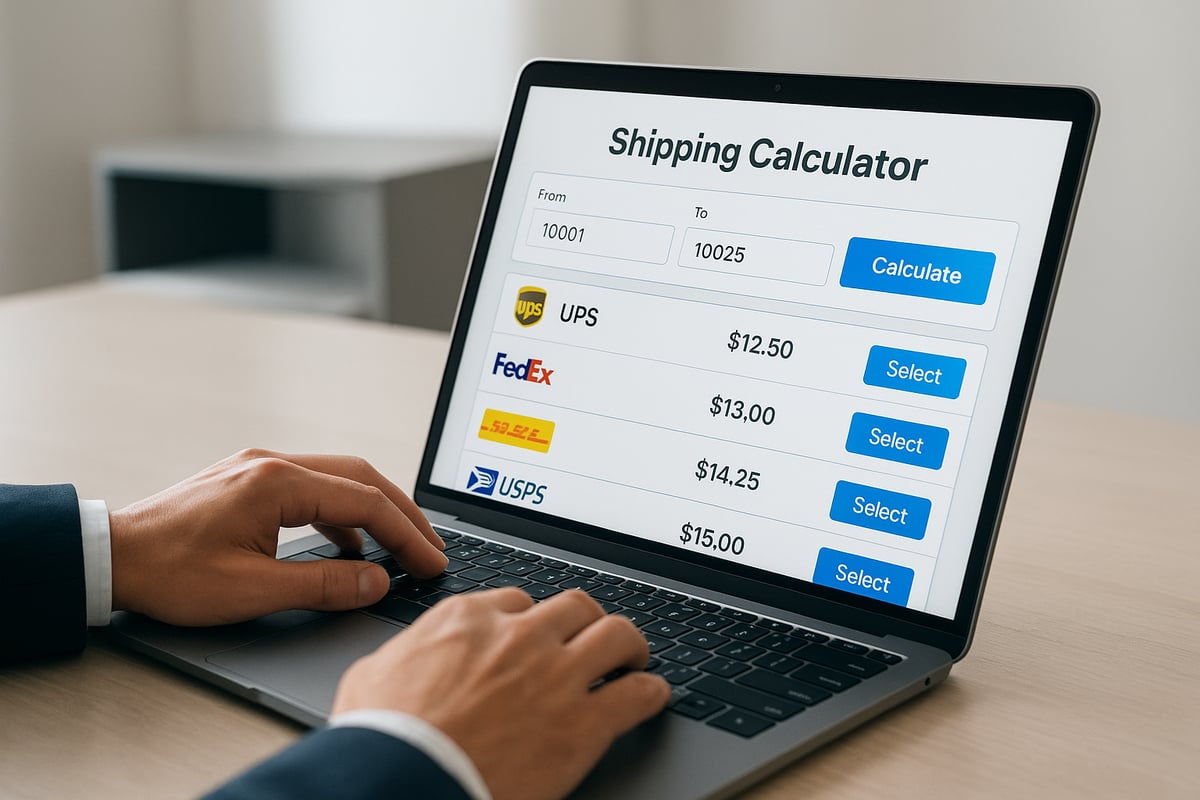
Shipping rate calculators are essential for anyone who wants to track average shipping rates accurately. These tools require you to enter variables like package weight, dimensions, origin, destination, and delivery speed. Once you input this data, the calculator pulls real-time rates from different carriers.
For example, using UPS or FedEx’s online calculator, you can see exactly how much it costs to send a 2 lb box from New York to Los Angeles. The calculator factors in the latest surcharges and service options, giving you transparency on average shipping rates for your shipment.
These calculators simplify complex pricing structures, allowing you to compare options side by side. This clarity helps you budget better and avoid unexpected charges.
Top Shipping Rate Comparison Tools for 2026
Leading shipping rate comparison tools like Shippo, EasyPost, Pirate Ship, and ShipStation have become indispensable for e-commerce and small businesses. These platforms aggregate average shipping rates from multiple carriers, enabling you to find the best deal for every package.
Key features include bulk quoting, side-by-side carrier comparisons, and API integration for automated workflows. For instance, using a tool like Shippo, some businesses report saving $5 per shipment by switching carriers based on real-time data. For more strategies on leveraging technology to reduce expenses, see How to Cut Shipping Costs in 2026.
Comparison tables within these tools also help you visualize rate differences and make informed decisions quickly.
Avoiding Common Quoting Mistakes
Quoting mistakes can undermine the benefits of using average shipping rates. Common errors include entering incorrect package dimensions, forgetting to account for surcharges, or using outdated rate tables. These mistakes can lead to underquoting, which eats into your margins.
For example, if you forget to include a fuel surcharge in your quote, your actual shipping cost may be much higher than planned. Always double-check your inputs, review current surcharge schedules, and update your calculators with the latest rates for 2026.
Staying vigilant with your quoting process ensures you capture the true cost and maintain profitability.
Leveraging Technology for Better Shipping Decisions
Integrating shipping calculators and comparison tools into your e-commerce platform can streamline the checkout experience and optimize costs. Popular platforms like Shopify and WooCommerce offer plugins that display dynamic average shipping rates to customers in real time.
Automating rate selection helps you choose the most cost-effective option for every order. This technology not only boosts accuracy but also enhances customer satisfaction with transparent, reliable shipping quotes.
By embracing these digital solutions, you gain a competitive edge and keep shipping expenses in check throughout 2026.
Proven Strategies to Reduce Shipping Costs in 2026
Shipping costs can quickly erode profit margins if left unchecked. To help you stay ahead, here are proven tactics to reduce your shipping spend in 2026. By understanding the key drivers behind average shipping rates and taking practical action, you can optimize every aspect of your logistics workflow.

Packaging Optimization: Size, Weight, and Materials
Reducing package size and weight remains one of the most effective ways to lower average shipping rates. Carriers charge based on dimensional weight, so using oversized boxes leads to unnecessary fees. Choose packaging that fits products closely and consider lightweight, strong materials that protect goods without adding bulk.
- Use custom-sized boxes for different SKUs
- Switch to recycled or biodegradable fillers
- Test different packaging for cost-performance balance
For example, a retailer who switched to right-sized packaging saw a 15 percent reduction in shipping costs. Optimizing packaging not only saves money but can also appeal to eco-conscious customers looking for sustainable solutions.
Negotiating Carrier Rates Like a Pro
Many shippers assume only large corporations can negotiate, but even small businesses can secure better average shipping rates. Start by gathering your shipping data—volume, destinations, and frequency—then approach carriers with clear numbers and requests.
Highlight your growing volume, consistent shipping patterns, or willingness to sign a longer contract. Carriers may offer discounts, waived surcharges, or tiered pricing. A small business that negotiated after six months of steady volume achieved a 20 percent rate reduction, proving that persistence pays off.
Leveraging Fulfillment Partners for Volume Discounts
Third-party logistics providers (3PLs) and fulfillment centers pool shipments from multiple clients, unlocking bulk discounts on average shipping rates. This approach provides access to negotiated rates that are often out of reach for individual shippers or smaller businesses.
Consider partnering with a reputable 3PL to benefit from their high-volume contracts and technology-driven efficiencies. As detailed in Cutting E-Commerce Fulfillment Shipping Costs, brands using fulfillment partners have saved thousands annually without sacrificing delivery speed or reliability.
Batch Shipping and Consolidation
Shipping orders in batches can significantly decrease average shipping rates by lowering the per-package cost. Grouping shipments headed to the same region or using zone skipping can help you avoid high-cost shipping zones and streamline your logistics.
- Consolidate daily orders for bulk processing
- Use regional distribution centers to shorten shipping distance
- Schedule regular pickups to minimize carrier trips
Businesses that batch shipments have reported up to 18 percent savings on overall shipping spend. Consolidation not only reduces costs but also simplifies tracking and inventory management.
Exploring Alternative Delivery Options
Traditional carriers are not always the lowest-cost solution. Local courier services, regional carriers, and hybrid delivery models often offer competitive average shipping rates, especially for last-mile or short-distance deliveries.
Consider using locker pickup points or partnering with regional carriers who specialize in your most frequent destinations. In many cases, switching to a regional service provider can yield up to 30 percent savings on local deliveries while maintaining reliability and speed.
Passing Savings to Customers Without Sacrificing Service
Once you have reduced your average shipping rates, consider how to share these savings with your customers. Strategies include setting free shipping thresholds, offering flat-rate shipping, or transparently communicating delivery options and timelines.
For example, setting a free shipping minimum encourages larger orders and increases average order value, offsetting the cost of shipping incentives. Clear communication about shipping choices helps build trust and ensures customer satisfaction, without eroding your margins.
Hidden Costs and How to Avoid Them
Hidden costs can dramatically impact your shipping budget, often eroding the savings you expect from competitive average shipping rates. Identifying and controlling these expenses is essential for any business or individual aiming to optimize shipping spend and avoid unpleasant surprises.
Understanding Surcharges and Extra Fees
Surcharges are a major reason average shipping rates can appear lower than your actual bill. Common surcharges include fuel, residential delivery, Saturday service, oversized packages, and remote location fees. Each carrier publishes rate tables, but these extra costs can be easy to overlook.
For example, a $15 residential delivery fee added to an already competitive rate can quickly wipe out your margin. Always review the carrier’s surcharge list and carefully read the rate tables. Staying informed about these fees helps you maintain control over your average shipping rates and avoid budget surprises.
Preventing Returns-Related Shipping Losses
Returns are an unavoidable part of e-commerce, but their impact on average shipping rates is often underestimated. Return shipping costs, restocking fees, and even returnless refunds can all add up quickly, especially after peak seasons.
Consider this scenario: after the holidays, your return rate spikes, and each return costs $8 in shipping, reducing profitability. Mitigate losses by streamlining your returns process, negotiating return rates, and educating customers on return policies. By addressing these factors, you protect your average shipping rates from being inflated by excessive return costs.
Managing International Shipping Pitfalls
International shipping introduces another layer of complexity to average shipping rates. Duties, taxes, customs clearance, and unexpected delays can all result in hidden costs. Choosing between DDP (delivered duty paid) and DDU (delivered duty unpaid) models is crucial, as unpaid fees can lead to orders being held at customs.
A real-world example: an international order held at customs due to unpaid duties can cost you both time and money. For a deeper dive into navigating global shipping expenses, see this guide on International Sea Freight and Customs. Careful planning ensures your average shipping rates stay predictable and manageable.
Insuring Your Shipments: When and Why
Insurance is often overlooked when calculating average shipping rates, yet it can be a cost-effective safeguard against loss or damage. The cost of insurance should be weighed against the risk and value of the shipment. Carriers offer coverage, but third-party providers may have better terms.
For instance, paying $10 for insurance on a high-value item can prevent a $500 loss if the package is damaged or lost. Review your shipping profiles and determine when insurance is justified. Factoring insurance into your calculations ensures your average shipping rates reflect total cost and risk management.
Expert Insights and Future-Proof Shipping Tips for 2026
Staying ahead in shipping requires an eye on the future. As the market shifts, businesses and shippers need strategic insights to keep costs low and efficiency high. Here are the expert perspectives and tips you need to make the most of average shipping rates in 2026.
Predictions for Future Shipping Rate Changes
The landscape for average shipping rates is evolving rapidly. AI and automation are expected to streamline operations, helping carriers manage costs more efficiently. However, green shipping surcharges and carbon offset fees may add new expenses as environmental regulations tighten.
Recent studies indicate a projected 5 percent annual increase in average shipping rates through 2028, but there is also evidence that some global shipping rates may fall in 2026 due to market corrections. Staying informed about these trends allows shippers to plan proactively and adapt budget strategies to shifting market forces.
Building a Flexible Shipping Strategy
Developing a flexible shipping strategy is essential for making the most of average shipping rates. Multi-carrier shipping and rate shopping ensure you are not tied to a single provider, giving you leverage as prices fluctuate.
When disruptions such as supply chain delays or carrier strikes occur, having relationships with multiple carriers allows for quick adaptation. For example, businesses that switched carriers during Q4 peak periods in recent years saved an average of 12 percent. Flexibility ensures you can respond to market changes and maintain service levels without overspending.
Technology Trends Impacting Shipping Rates
Modern technology is transforming how average shipping rates are calculated and managed. Real-time tracking, smart lockers, and even drone delivery are becoming standard in logistics, reducing manual effort and improving transparency.
Automated sorting systems can decrease fulfillment time by as much as 30 percent, leading to lower labor costs and faster service. By integrating these technologies, businesses can monitor rate changes in real time and choose optimal shipping options, ensuring savings and reliability for every shipment.
Key Takeaways for Maximizing Shipping Savings
To maximize savings on average shipping rates, follow these proven steps:
- Regularly review and audit your shipping costs.
- Use comparison tools and calculators for up-to-date quotes.
- Negotiate with carriers and leverage volume for discounts.
- Stay informed about industry trends and regulatory changes.
For more actionable strategies, explore these 10 strategies to reduce shipping costs and improve last-mile delivery. Staying proactive with reviews, negotiation, and the right tools will keep your shipping budget in check as the market evolves.
After exploring the ins and outs of 2026’s shipping rate landscape, it’s clear that understanding your options is the first step toward real savings. Whether you’re navigating new surcharges, optimizing packaging, or leveraging fulfillment partners for better rates, making informed choices can transform your bottom line. At Ecom Automation Prep, we’re dedicated to helping you simplify fulfillment, control costs, and scale with confidence. If you’re ready to see how tailored solutions can optimize your shipping strategy this year, I invite you to Get A Quote for expert guidance and a personalized approach to e-commerce fulfillment.



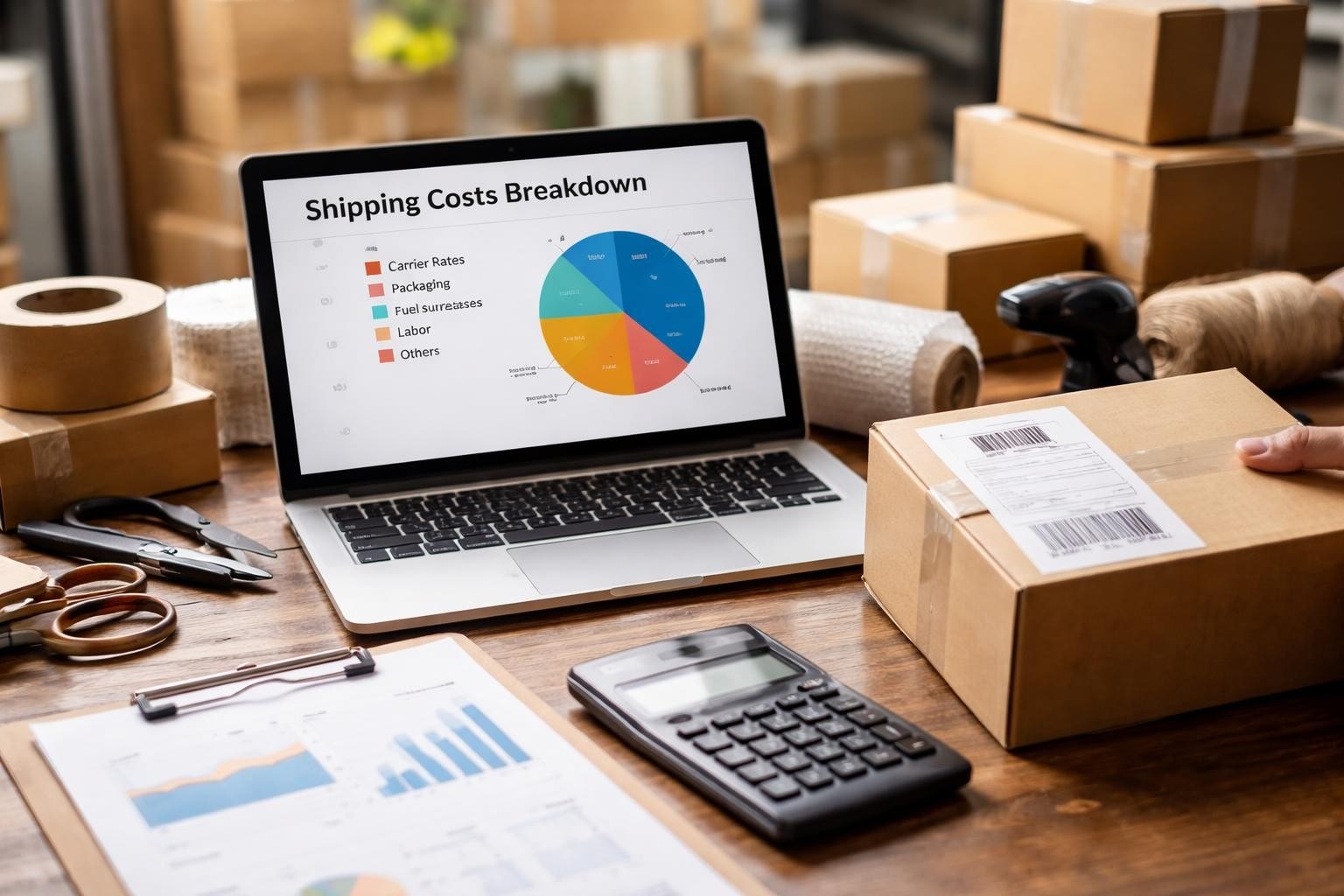
[…] costs represent one of the largest variable expenses in e-commerce operations. Understanding average shipping rates and how to negotiate favorable terms with carriers directly impacts bottom-line […]