

As the e-commerce landscape evolves rapidly, fulfillment costs are now a top concern for brands seeking lasting growth in 2026. Rising customer expectations and fierce competition are pushing businesses to re-evaluate every aspect of their fulfillment operations.
Understanding fulfillment costs is essential for profitability. This guide breaks down each cost component, explains how to calculate and optimize expenses, and shows how data-driven strategies can improve your bottom line.
Discover what fulfillment costs truly involve, learn about new trends and hidden drivers, and find actionable solutions to benchmark and enhance your operations. Use this comprehensive resource to make smarter decisions and stay ahead in a competitive market.
What Are Fulfillment Costs?
Understanding fulfillment costs is essential for any e-commerce or retail brand aiming for profitability in 2026. These costs include every expense incurred from the moment inventory is received until an order reaches the customer. By breaking down all direct and indirect expenditures, businesses can gain clarity on their true operational investment.
Defining Fulfillment Costs
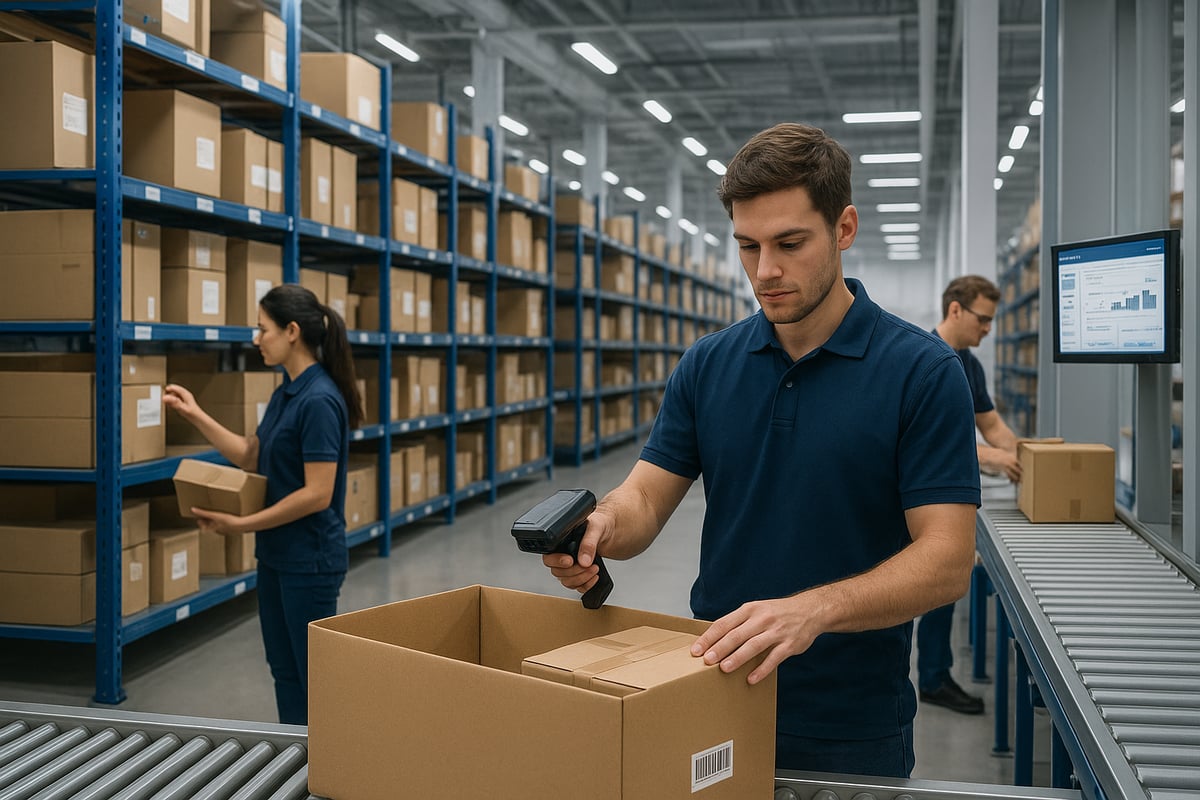
Fulfillment costs represent the total outlay required to process, store, pick, pack, and ship customer orders. These expenses can be categorized as direct, like labor and packaging, or indirect, such as facility utilities and equipment depreciation.
Every stage of the order journey contributes to fulfillment costs. This includes receiving inventory, storage, order processing, packaging, outbound shipping, and handling returns. Neglecting any step can lead to underestimating the true cost of fulfilling each order.
For a more detailed breakdown of the processes and services involved, you can refer to this comprehensive explanation of what are fulfillment services.
Tracking both direct and indirect fulfillment costs allows brands to identify inefficiencies and benchmark against industry standards. This holistic approach ensures that hidden expenses are not overlooked.
Why Fulfillment Costs Matter in 2026
In 2026, fulfillment costs are a defining factor for brands competing in a rapidly evolving marketplace. Customers now expect faster delivery and transparent shipping fees, pressuring businesses to improve speed without sacrificing margins.
Major e-commerce players are continuously raising the bar for logistics, making it vital for smaller brands to control fulfillment costs to remain competitive. Efficient management of these costs directly impacts profit margins and the ability to scale.
Labor remains a significant driver, with reports indicating that it can account for up to 50% of fulfillment costs if not actively managed. As operational complexity grows, businesses must keep a close eye on each cost component to maintain sustainable growth.
The Scope of Fulfillment: In-House vs. Outsourced
Brands can handle fulfillment costs through in-house operations, third-party logistics providers (3PLs), or a hybrid of both. In-house fulfillment offers control and customization, but often requires significant investments in space, staff, and systems.
3PL providers manage everything from storage to shipping, offering scalability and access to advanced technology. However, fees and service levels can vary, so brands must weigh the cost implications carefully.
Hybrid and omnichannel models are gaining traction, allowing businesses to blend in-house strengths with 3PL flexibility. Each approach affects fulfillment costs differently, impacting overhead, labor, and technology investments.
Table: In-House vs. 3PL Fulfillment
| Aspect | In-House | 3PL Provider |
|---|---|---|
| Control | High | Moderate |
| Upfront Investment | Significant | Lower |
| Scalability | Limited by resources | Flexible, on-demand |
| Technology | Brand responsibility | 3PL-provided |
| Cost Structure | Fixed and variable expenses | Service-based fees |
Example Scenarios
Consider a small direct-to-consumer (DTC) brand. Its fulfillment costs may be manageable with minimal staff and a single warehouse. However, as order volume grows, inefficiencies in storage or picking can quickly erode profits.
A large multi-channel retailer faces complex fulfillment costs across several warehouses and sales channels. Here, investments in automation or 3PL partnerships become critical to controlling expenses and meeting customer expectations.
Fulfillment costs influence not just pricing, but also the customer experience. High costs may force higher shipping fees or slower delivery, affecting loyalty and growth. For both small and large brands, optimizing fulfillment costs is essential for long-term success.
Key Components of Fulfillment Costs
Understanding the key components of fulfillment costs is essential for any e-commerce operation aiming to stay competitive in 2026. Each stage of the fulfillment journey adds unique expenses that, when managed strategically, can dramatically impact your bottom line.
Receiving and Inbound Logistics
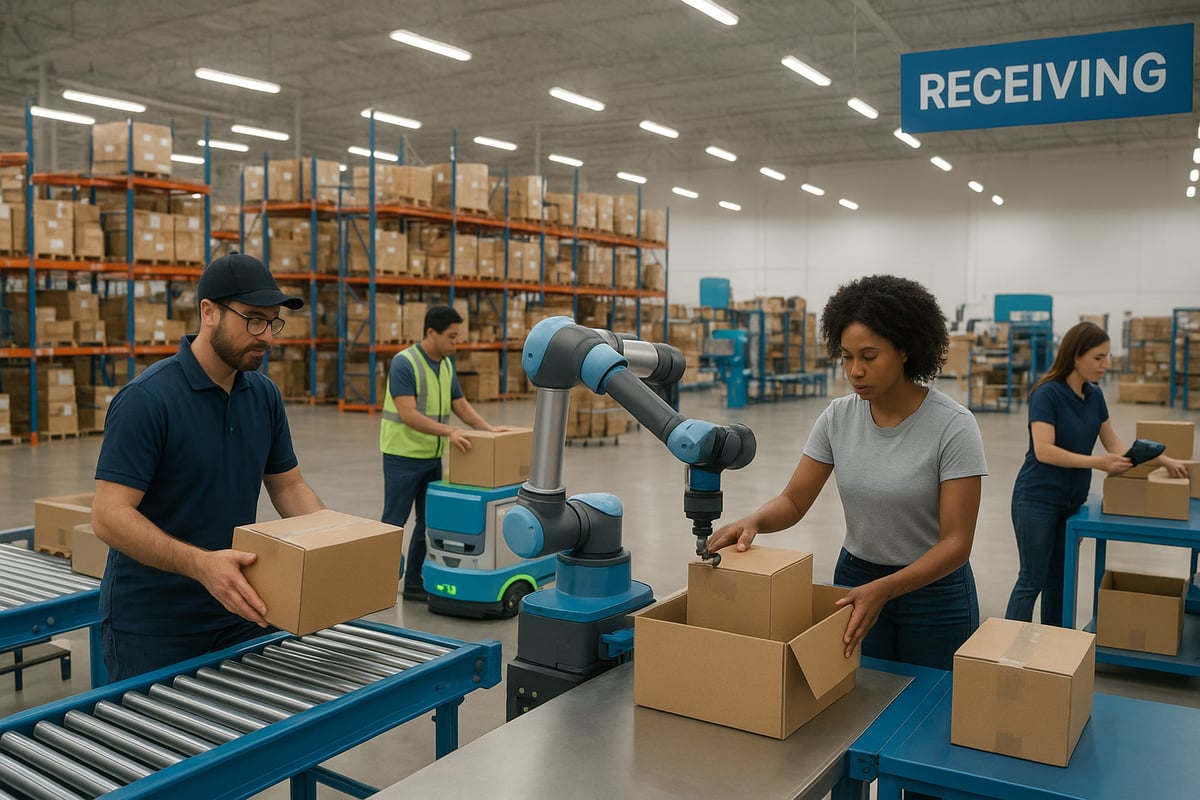
The first step in the fulfillment process involves receiving and inbound logistics. This includes the costs of unloading shipments, inspecting goods for quality, and moving inventory into storage locations.
Labor expenses are a significant part of this stage, as teams must handle documentation, quality checks, and product sorting. Equipment such as forklifts, pallet jacks, and conveyor systems also contribute to fulfillment costs here.
Many brands are investing in technology to automate receiving. For example, automated barcode scanning and RFID systems can streamline inventory intake, reducing manual labor and minimizing errors. By optimizing these processes, businesses can reduce delays and free up resources for other stages of fulfillment.
Storage and Inventory Management
Once products are received, they move into storage and inventory management. This component of fulfillment costs covers warehouse rent or lease payments, utilities, insurance, and security.
Inventory tracking systems, such as warehouse management software, help monitor stock levels and reduce shrinkage due to loss or theft. Shrinkage itself is a hidden cost that can erode margins if not controlled.
According to Prologis, occupancy costs can significantly impact per-order fulfillment costs, especially as warehouse demand grows. Efficient space utilization and regular inventory audits are crucial to keeping storage expenses under control.
Order Processing (Picking and Packing)
Order processing is one of the most labor-intensive elements of fulfillment costs. It includes picking products from shelves, packing them for shipment, and preparing orders for carrier pickup.
Direct labor is required for accurate and speedy order fulfillment, while packing materials such as boxes, padding, and tape add to the overall expense. The complexity of orders also affects costs. Single-item orders are generally faster and cheaper to process than multi-item or bundled orders.
| Order Type | Average Processing Cost |
|---|---|
| Single-item | $2.00 |
| Multi-item | $3.50 |
By analyzing order profiles, brands can identify where complexity increases fulfillment costs and seek ways to streamline workflows.
Shipping and Last-Mile Delivery
Shipping and last-mile delivery often account for the largest share of fulfillment costs. Carrier fees, fuel surcharges, and zone-based pricing models all influence the total shipping expense.
Packaging optimization also plays a role. Using appropriately sized boxes can help minimize dimensional weight charges, which carriers use to calculate fees based on package size and weight. Brands may negotiate carrier contracts and explore different shipping partners to lower costs.
For many e-commerce businesses, careful management of shipping and last-mile delivery expenses is the most effective way to protect profit margins and maintain a positive customer experience.
Reverse Logistics (Returns Processing)
Handling returns is an unavoidable part of e-commerce, and reverse logistics can significantly impact fulfillment costs. This involves labor for inspecting, restocking, or refurbishing returned products, as well as systems for tracking and processing returns.
Returns are especially common in sectors like apparel and electronics, where sizing or compatibility issues frequently arise. Efficient reverse logistics workflows can reduce losses and improve customer satisfaction.
For a deeper dive into optimizing this aspect of fulfillment, explore these reverse logistics solutions that address returns processing and cost control.
Technology and Automation
Technology and automation are transforming how brands manage fulfillment costs. Investments in warehouse management systems, robotics, and automated picking or packing solutions can reduce dependency on manual labor and improve accuracy.
Software subscription fees and integration costs are part of the equation, but automation can quickly pay off by increasing throughput and lowering error rates. For example, automated conveyor systems and robotic picking arms can handle repetitive tasks, freeing up staff for higher-value activities.
Adopting the right technology stack ensures that fulfillment operations remain scalable and cost-effective as order volumes fluctuate.
Indirect Costs and Overhead
Beyond direct process expenses, indirect costs and overhead are important contributors to total fulfillment costs. These include supervision, clerical support, facility maintenance, and the amortization or depreciation of warehouse equipment.
Hidden costs, such as regulatory compliance, safety programs, and environmental fees, can also add up over time. Regularly reviewing all cost centers helps brands uncover opportunities for savings and avoid unexpected budget overruns.
By understanding and managing both direct and indirect components, businesses can build a resilient fulfillment operation that supports long-term growth.
How to Calculate Fulfillment Cost Per Order
Understanding your fulfillment costs per order is essential for making informed decisions in 2026. By breaking down each expense and using a systematic approach, you can uncover hidden inefficiencies and drive profitability. Follow these five steps to accurately calculate and analyze your fulfillment costs.
Step 1: Gather Statistical Data
Start by collecting the core data that will inform your fulfillment costs. Track your annual net sales, total number of orders shipped, average lines per order, and the number of boxes shipped.
- Annual net sales
- Total orders shipped
- Average order lines
- Boxes shipped per year
Accurate data is the foundation for any meaningful fulfillment costs analysis. Without reliable figures, cost calculations will be misleading and may cause you to overlook operational issues.
Step 2: Gather Cost Data
Next, assemble all direct and indirect costs associated with your fulfillment operations. This includes:
- Direct labor (wages, overtime, temp staff)
- Indirect labor (supervisors, clerical support)
- Occupancy expenses (rent, utilities, insurance)
- Packing materials and supplies
- Technology and software subscriptions
Be sure to include every cost center related to order processing, storage, and shipping. Comprehensive data ensures that your fulfillment costs reflect the true expense of each order.
Step 3: Calculation Methods
Once you have your data, use the following standard methods to calculate fulfillment costs per order. Each approach highlights a different aspect of your operations.
| Method | Formula |
|---|---|
| Per-order | Total warehouse cost / Annual orders shipped |
| Per-line | Total warehouse cost / Total order lines |
| Per-box | Total warehouse cost / Annual boxes shipped |
| % of net sales | (Total warehouse cost / Annual net sales) x 100 |
Select the method that best aligns with your business goals. For example, per-order calculations are ideal for benchmarking, while per-line is useful if your orders vary in complexity. Using several methods provides a well-rounded view of your fulfillment costs.
Step 4: Interpreting the Results
After calculating, compare your fulfillment costs to industry benchmarks. Look for outliers, such as unusually high picking or packing expenses.
Identify areas with the greatest potential for savings. For instance, if picking time is high, even a 10% reduction can lower per-order fulfillment costs significantly. Use these insights to prioritize process improvements and monitor progress over time.
Step 5: Using Calculators and Software
Leverage modern analytics tools and fulfillment cost calculators for real-time reporting. These platforms streamline data collection, automate calculations, and provide instant visibility into your fulfillment costs.
For actionable strategies to reduce fulfillment and shipping expenses, consider resources like How to cut e-commerce fulfillment shipping costs. Using technology not only simplifies calculations but also helps you optimize fulfillment costs for sustainable growth.
Trends and Innovations Impacting Fulfillment Costs in 2026
As the e-commerce landscape evolves, fulfillment costs are influenced by a wave of trends and innovations shaping how brands operate in 2026. Businesses must stay ahead by understanding how technology, sustainability, and global market pressures impact their bottom line.
Automation and Robotics
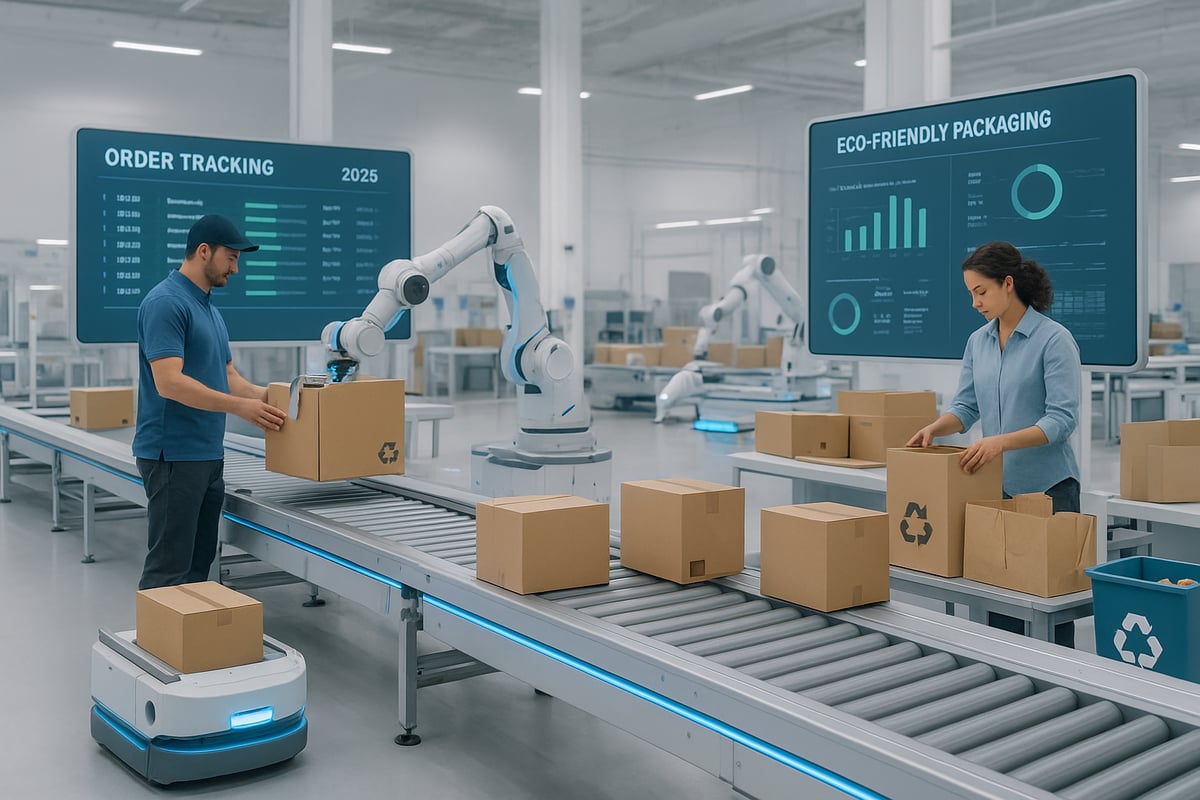
The adoption of automation and robotics is transforming fulfillment costs for retailers and brands. Automated picking systems, conveyors, and robotic arms are now commonplace, driving both efficiency and cost savings.
Warehouse automation has accelerated, with investments rising sharply as companies seek to offset labor shortages. According to warehouse automation investment statistics, automation can cut manual picking time by up to 30 percent, directly reducing fulfillment costs per order.
Automation also minimizes human error, enhances order accuracy, and supports scalable growth during peak seasons.
AI and Predictive Analytics
Artificial intelligence is revolutionizing how companies manage fulfillment costs. AI-driven forecasting tools optimize inventory placement, reducing unnecessary storage and the risk of stockouts.
Predictive analytics enable brands to anticipate demand spikes, ensuring inventory is close to customers and minimizing last-mile delivery expenses. By integrating AI, businesses can better align order volume with available resources, which reduces waste and unnecessary costs.
Ultimately, AI empowers brands to make smarter, data-driven decisions that keep fulfillment costs in check.
Sustainable Fulfillment Practices
Sustainability is now a core focus for brands aiming to control fulfillment costs while meeting consumer and regulatory demands. Companies are adopting eco-friendly packaging, investing in energy-efficient warehouses, and pursuing carbon-neutral shipping options.
Sustainable practices often lead to long-term savings. For example, right-sizing packaging not only reduces material costs but also cuts down on dimensional weight charges from carriers. As regulations tighten around environmental impact, sustainable fulfillment becomes both a cost-saving and compliance strategy.
Global Expansion and Cross-Border Fulfillment
Global e-commerce growth brings new fulfillment costs, especially for brands expanding into international markets. Cross-border shipping, customs duties, and compliance with various regulations require careful cost management.
Distributed fulfillment centers are increasingly used to position inventory closer to major markets, reducing transit times and shipping expenses. This strategy also helps brands navigate the complexities of tariffs and local taxes, keeping fulfillment costs predictable and competitive.
Omnichannel and Same-Day Delivery
Consumer expectations for speed and convenience are driving brands to invest in omnichannel fulfillment and same-day delivery services. Supporting BOPIS (Buy Online, Pick Up In Store), curbside pickup, and rapid delivery options introduces new fulfillment costs.
Brands must upgrade technology systems to synchronize inventory across channels and ensure real-time order visibility. While these enhancements increase operational complexity, they are vital for delivering seamless customer experiences and maintaining a competitive edge.
Labor Market Dynamics
Labor costs remain a critical factor in overall fulfillment costs. Wages continue to rise, and ongoing labor shortages push companies to explore gig economy models and flexible staffing solutions.
In 2026, labor expenses are projected to outpace inflation in key markets, making automation and process optimization essential for cost control. Brands that invest in workforce training and retention can also reduce turnover-related costs.
Case Study: Fulfillment Cost Reduction Through Innovation
A leading apparel brand recently achieved a 20 percent reduction in fulfillment costs by integrating robotic picking systems and advanced analytics. The technology streamlined order processing, minimized errors, and improved labor productivity.
By continuously monitoring key metrics, the brand identified inefficiencies and rapidly adapted workflows. This case demonstrates how innovation is not just a trend, but a proven strategy for controlling fulfillment costs in a dynamic market.
Strategies to Optimize and Reduce Fulfillment Costs
Reducing fulfillment costs is essential for every e-commerce brand aiming to remain competitive and profitable in 2026. By applying a combination of process improvements, technology, and strategic partnerships, businesses can drive efficiency while maintaining high service standards. The following strategies will help you identify opportunities to optimize fulfillment costs across your operations.
Process Optimization
Streamlining your fulfillment costs starts with refining core warehouse processes. Analyze each workflow, from receiving to shipping, and identify bottlenecks that increase labor or delay orders.
- Map out each step in your fulfillment process.
- Apply lean warehousing principles to eliminate unnecessary movements.
- Use continuous improvement initiatives to empower teams to suggest and implement changes.
Regular process audits reveal inefficiencies that, once addressed, can significantly reduce fulfillment costs and improve order accuracy.
Technology Adoption
Investing in technology is one of the most effective ways to lower fulfillment costs. Implementing a warehouse management system (WMS) automates inventory tracking and order routing, reducing manual errors and labor expenses.
Automation, such as robotics or conveyor systems, can further streamline picking and packing. Conduct an ROI analysis before investing, ensuring the technology will deliver measurable savings and support your fulfillment costs optimization goals.
Inventory and Space Utilization
Optimizing how you store and move inventory directly impacts fulfillment costs. Use slotting optimization to place high-velocity items closer to packing stations, reducing travel time for pickers.
Regularly review inventory to minimize dead stock and improve turnover rates. Efficient space utilization, like vertical racking or dynamic storage systems, lowers occupancy costs and maximizes every square foot of your warehouse.
Packaging and Shipping Optimization
Packaging and shipping are major drivers of fulfillment costs. Right-size packaging to minimize dimensional weight charges and avoid shipping air.
- Audit your packaging materials for cost and protection.
- Negotiate carrier contracts to secure better rates.
- Leverage multi-carrier shipping software to compare prices in real time.
Optimized packaging and smarter shipping decisions can reduce fulfillment costs on every order.
Returns Management
Returns are a reality in e-commerce, but efficient reverse logistics can control fulfillment costs. Prevent unnecessary returns by improving product descriptions, sizing tools, and customer support.
Streamline your returns process with dedicated workflows and automation for authorization, inspection, and restocking. By reducing manual handling, you lower labor costs and return goods to inventory faster.
Outsourcing and 3PL Partnerships
Knowing when to outsource fulfillment is key to managing fulfillment costs. Compare in-house expenses with 3PL pricing structures, considering factors like scale, technology, and flexibility.
Evaluate 3PL partners for transparency and alignment with your fulfillment goals. For a deep dive into choosing between in-house and outsourced fulfillment, see Amazon FBA prep vs. 3PL fulfillment.
Example: Brands Saving on Fulfillment
Many fast-growing brands have reduced fulfillment costs by adopting these strategies. For instance, a DTC brand implemented automated picking and inventory management, resulting in a 15% drop in per-order fulfillment costs.
Another leveraged multi-carrier shipping software and negotiated new contracts, achieving double-digit savings. Data-driven decisions and continuous improvement ensure fulfillment costs remain under control as your business scales.
Fulfillment Cost Structures and 3PL Pricing Models
Navigating fulfillment costs in 2026 means understanding how third-party logistics (3PL) providers structure their pricing. The right model can impact profitability, scalability, and your overall customer experience.
Overview of 3PL Pricing Models
3PLs offer several pricing models to accommodate different business needs and order volumes. Common structures include per-order, per-item, per-pallet, and percentage-of-sales models. Some providers bundle services into all-inclusive rates, while others use à la carte pricing for flexibility.
Choosing the right model is essential for controlling fulfillment costs. For brands prioritizing transparency, all-inclusive pricing may simplify budgeting. However, à la carte options can be more cost-effective for those with variable order profiles. As the 3PL market size and trends report shows, the industry is evolving rapidly, with new models emerging to match the diverse needs of modern e-commerce.
What’s Included in 3PL Fulfillment Fees
Standard 3PL fees cover receiving, inventory storage, picking and packing, shipping, returns processing, and account management. However, not all costs are upfront. Be mindful of long-term storage charges, custom packaging fees, and special project rates.
Many brands discover extra expenses only after signing contracts. Knowing which services are bundled into your fulfillment costs helps prevent surprises. For a detailed breakdown of potential hidden expenses, review this guide to hidden 3PL fees to watch for.
Comparing 3PLs: What to Look For
When evaluating 3PLs, compare more than just price. Service level agreements (SLAs) define expectations for order accuracy and speed. Technology integration ensures seamless data flow between your systems and the 3PL’s platform. Scalability is critical as your business grows.
Transparency in pricing and billing is non-negotiable. Request detailed quotes and clarify which fulfillment costs are fixed versus variable. Consider provider reputation and references to ensure reliability.
Cost-Benefit Analysis: In-House vs. 3PL
Assessing fulfillment costs means analyzing the total cost of ownership for both in-house and outsourced solutions. Factor in labor, facility expenses, technology, and management overhead. 3PLs often provide operational efficiencies and access to volume shipping discounts.
Outsourcing can yield cost savings, especially for fast-growing brands lacking the infrastructure to scale internally. However, some businesses may prefer in-house control for brand experience or unique product requirements.
Negotiating with 3PL Partners
Negotiating favorable terms with a 3PL can reduce your fulfillment costs significantly. Discuss volume commitments and long-term partnerships to unlock discounted rates. Clarify service expectations and penalty clauses for missed SLAs.
It’s wise to revisit your contract annually, as your order profile and business needs may change. Leverage industry benchmarks to support your negotiation strategy.
Real-World Example: 3PL Pricing Breakdown
Consider a mid-sized e-commerce brand shipping 10,000 orders per month. Here’s a simplified pricing table:
| Service | Cost (per unit) | Monthly Total |
|---|---|---|
| Receiving | $0.50/order | $5,000 |
| Storage | $15/pallet | $3,000 |
| Pick & Pack | $2.00/order | $20,000 |
| Shipping | $5.00/order | $50,000 |
| Returns | $1.00/return | $1,000 |
By selecting the right 3PL, brands can save 10-30 percent on fulfillment costs compared to managing these functions in-house.
FAQs on Fulfillment Costs in 2026
What trends are impacting fulfillment costs in 2026?
Automation, labor market pressures, and rising shipping fees are key drivers.
How can I avoid hidden 3PL fees?
Ask for a full fee schedule and clarify any ambiguous charges before signing a contract.
Are 3PL contracts flexible as my brand grows?
Many 3PLs offer scalable solutions, but always confirm terms for order spikes or new channels.
Understanding fulfillment costs and how 3PLs structure their fees is vital for long-term growth and profitability.
If you’re ready to take control of your fulfillment costs and position your brand for success in 2026, you’re not alone. We’ve walked through the essential components, calculation methods, and strategies to optimize every step of your fulfillment journey. At Ecom Automation Prep, we help e-commerce businesses like yours streamline operations, reduce expenses, and scale effortlessly with reliable, technology-driven solutions. Whether you’re exploring Amazon FBA prep, direct-to-consumer fulfillment, or complex kitting and bundling, we’re here to support your growth with clarity and precision. Let’s talk about how you can achieve cost-effective fulfillment—Get A Quote today.



[…] lower but has fewer premium services. For a detailed look at how these costs stack up, consult the Fulfillment Costs Breakdown to see real-world examples of how surcharges impact total shipping […]