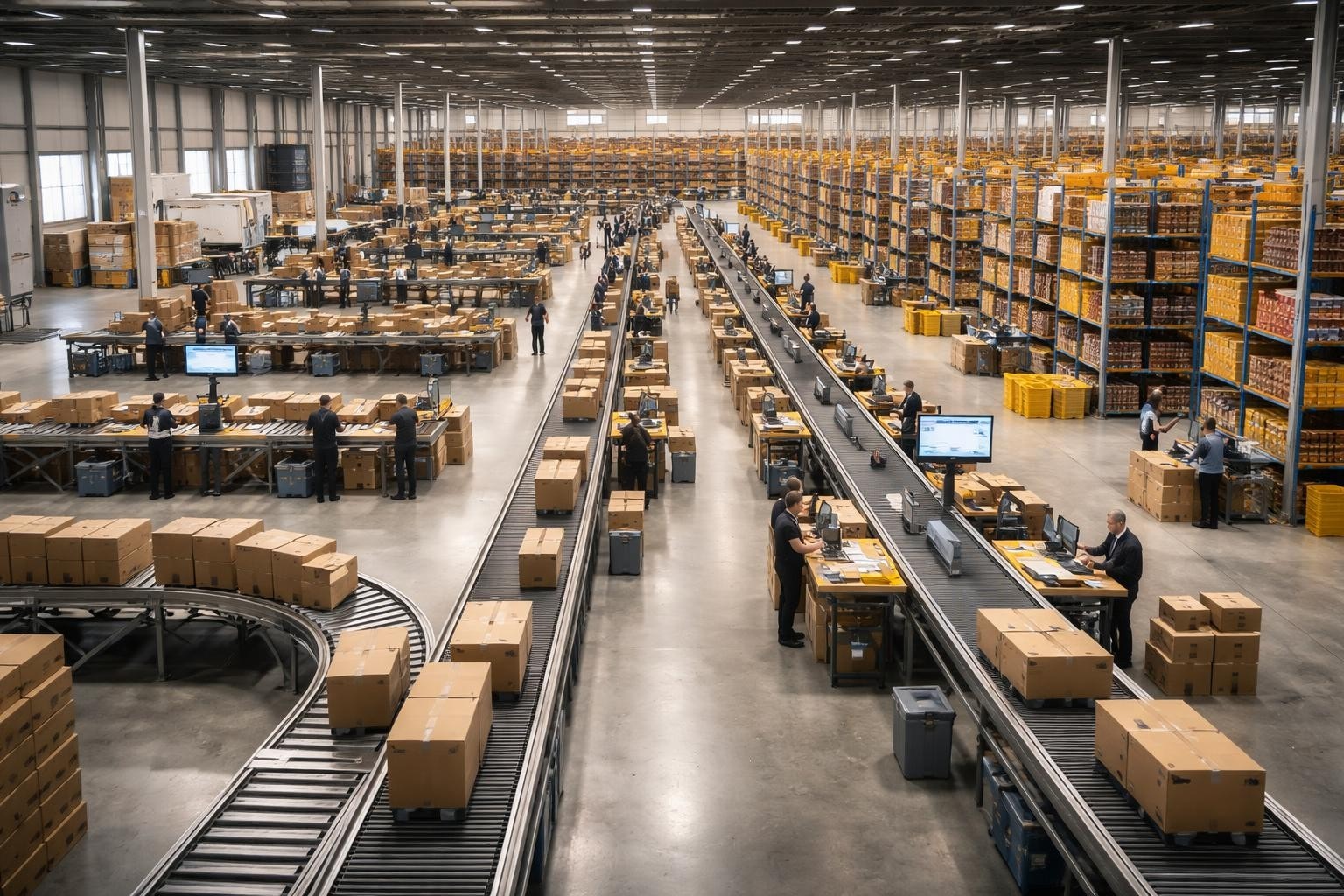


Direct-to-consumer brands have revolutionized how products reach customers, eliminating traditional retail middlemen and creating direct relationships with buyers. This shift demands a fundamentally different approach to logistics and order fulfillment. As e-commerce continues its rapid expansion, understanding the complexities of dtc fulfillment becomes essential for brands aiming to scale efficiently while meeting rising customer expectations. The fulfillment model you choose directly impacts your delivery speed, operational costs, customer satisfaction, and ultimately your bottom line.
Understanding DTC Fulfillment Operations
DTC fulfillment represents the complete process of storing inventory, picking and packing orders, and shipping products directly from a warehouse to individual consumers. Unlike wholesale fulfillment that ships bulk orders to retailers, this model handles individual orders with unique packaging, branding, and delivery requirements.
The operational complexity increases significantly when brands manage their own fulfillment versus partnering with experienced providers. Fast-growing e-commerce businesses face critical decisions about warehouse locations, inventory management systems, shipping carrier relationships, and quality control processes.
Key Components of Effective DTC Operations
Successful dtc fulfillment requires several interconnected elements working harmoniously:
- Inventory management systems that provide real-time stock visibility across multiple sales channels
- Order processing technology that routes orders efficiently and prevents stockouts
- Quality control protocols ensuring accurate picks, proper packaging, and brand consistency
- Shipping optimization balancing speed and cost across multiple carrier options
- Returns management processing reverse logistics quickly and cost-effectively
According to recent industry data, 67% of supply chain leaders have increased investments in DTC fulfillment since 2020, reflecting the strategic importance of building robust direct-to-consumer capabilities. This investment trend demonstrates how brands recognize fulfillment as a competitive differentiator rather than a back-office function.

Technology Driving Modern Fulfillment
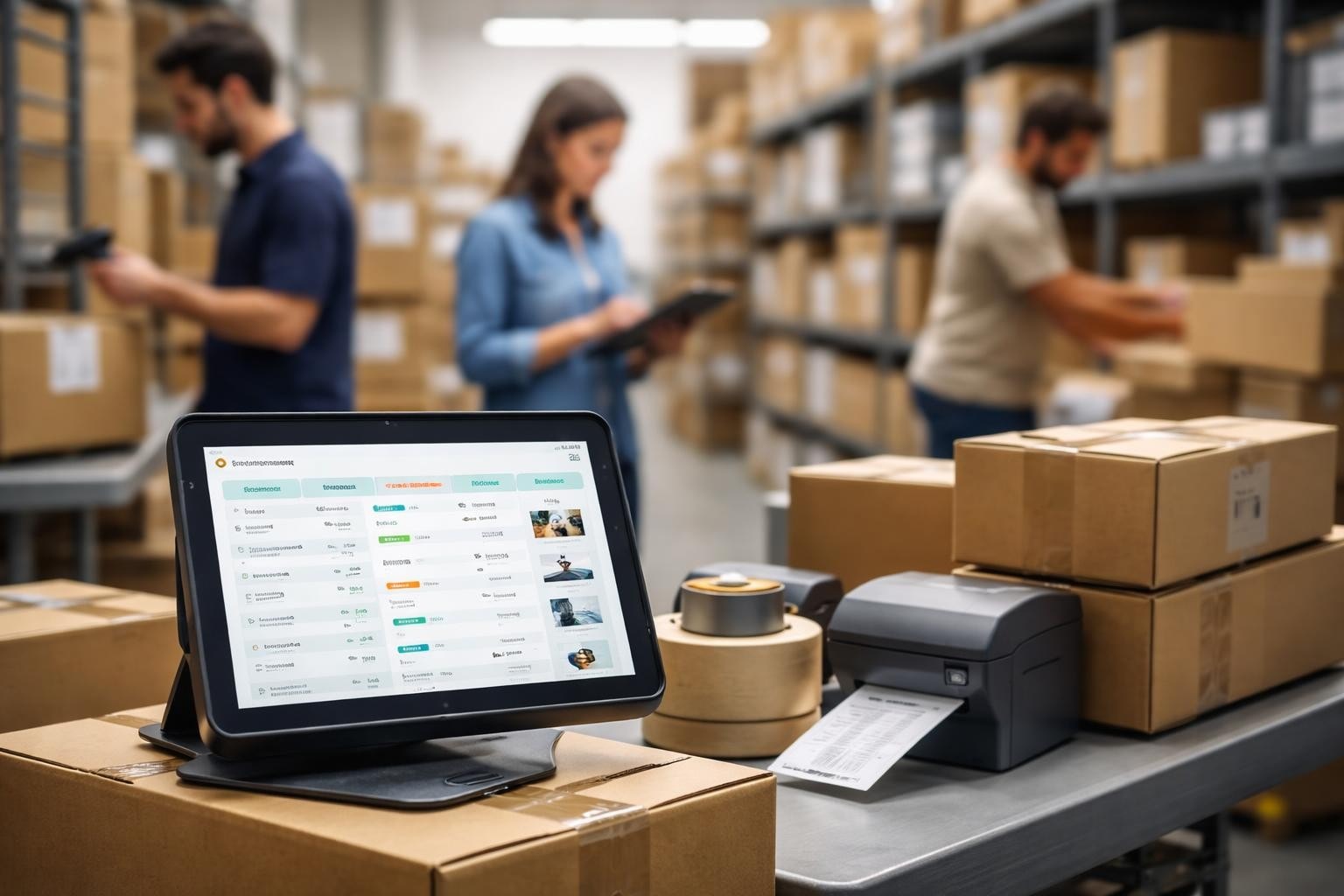
Technology infrastructure separates high-performing dtc fulfillment operations from those struggling with accuracy and speed issues. Warehouse management systems (WMS) form the operational backbone, coordinating everything from receiving inventory to shipping final orders.
Modern WMS platforms integrate with e-commerce platforms, marketplaces, and shipping carriers to create seamless data flow. When a customer places an order on your Shopify store, the WMS immediately receives that order, assigns it to a picker, generates packing instructions, and prepares shipping labels automatically.
Automation and Artificial Intelligence
The future of fulfillment excellence increasingly relies on automation and AI-driven decision making. Smart systems now predict demand patterns, optimize warehouse layouts, and route orders to the most efficient fulfillment location.
| Technology | Primary Benefit | Implementation Complexity |
|---|---|---|
| Warehouse Management Systems | Order accuracy and efficiency | Medium |
| Automated Picking Systems | Labor cost reduction | High |
| AI Demand Forecasting | Inventory optimization | Medium |
| Robotics and Conveyors | Processing speed | High |
| Real-time Analytics Dashboards | Decision visibility | Low |
Brands exploring e-fulfillment services should evaluate partners based on their technology stack and integration capabilities. The right technology partner eliminates manual data entry, reduces errors, and scales effortlessly during peak seasons.
Strategic Advantages of Direct-to-Consumer Models
The shift toward dtc fulfillment offers brands unprecedented control over customer experience and data collection. When you own the entire customer journey from click to delivery, you gather valuable insights about purchasing behavior, preferences, and pain points.
Brand control represents perhaps the most significant advantage. Your packaging becomes a marketing tool, your shipping speed influences customer loyalty, and your unboxing experience creates social media moments. These touchpoints remain impossible to control when products move through traditional retail channels.
Margin improvement follows naturally from eliminating wholesale markups and retailer fees. While fulfillment costs increase compared to bulk wholesale shipping, the overall profitability often improves dramatically. Brands typically capture 40-60% higher margins on direct sales versus wholesale.
Customer Relationship Ownership
Direct relationships with customers enable personalization at scale. You control the email communications, you offer customized recommendations based on purchase history, and you manage the post-purchase experience. This data ownership proves invaluable for product development, marketing strategies, and long-term planning.

Research on DTC brands switching to custom fulfillment reveals that personalization and brand differentiation drive many fulfillment strategy decisions in 2026. Brands recognize that cookie-cutter fulfillment approaches fail to support unique brand positioning.
Choosing Between In-House and Third-Party Fulfillment
The build-versus-partner decision represents a critical strategic choice for growing brands. In-house fulfillment offers maximum control but requires significant capital investment and operational expertise. Third-party logistics (3PL) providers offer scalability and expertise but introduce additional coordination requirements.
In-House Fulfillment Considerations
Operating your own warehouse makes sense when you have:
- Sufficient order volume to justify fixed costs (typically 500+ orders daily)
- Capital availability for warehouse leases, equipment, and staffing
- Operational expertise in logistics and supply chain management
- Unique fulfillment requirements that standard 3PLs struggle to accommodate
- Geographic concentration allowing a single facility to serve your market
Many brands underestimate the true costs of in-house operations, focusing only on warehouse rent and labor while overlooking technology, utilities, insurance, and management overhead.
Third-Party Logistics Benefits
Partnering with specialized providers like those offering comprehensive e-fulfillment services delivers several advantages:
- Scalability without capital investment as order volume fluctuates
- Geographic distribution enabling faster delivery to customers nationwide
- Expertise in compliance, carrier negotiations, and best practices
- Technology access to enterprise-grade systems without licensing costs
- Flexibility to adjust warehouse space seasonally
The integration of 3PL providers with advanced technologies continues accelerating as brands demand more sophisticated capabilities from their fulfillment partners. Modern 3PLs function as strategic partners rather than simple warehouse operators.
Optimizing the DTC Customer Experience
Every touchpoint in the dtc fulfillment process influences customer satisfaction and repurchase rates. From order confirmation emails to package arrival, brands must orchestrate a seamless experience that reinforces their value proposition.
Shipping speed remains the most visible fulfillment metric for customers. While two-day delivery has become table stakes in many categories, the economics of speed require careful analysis. Offering multiple shipping options lets customers choose their preferred balance of speed and cost.
Packaging as Brand Expression
Custom packaging transforms a mundane delivery into a brand moment. Thoughtful packaging design accomplishes several goals simultaneously:
- Protects products during transit
- Communicates brand values and personality
- Creates shareable unboxing experiences
- Includes marketing materials and cross-sell opportunities
- Uses sustainable materials aligned with customer values
Top DTC brands invest heavily in packaging as a customer acquisition and retention tool. The packaging experience often determines whether customers share their purchase on social media or simply discard the box.
| Customer Expectation | Fulfillment Impact | Priority Level |
|---|---|---|
| Fast shipping | Warehouse location, carrier selection | High |
| Order accuracy | Picking processes, quality checks | Critical |
| Branded experience | Custom packaging, inserts | Medium |
| Delivery updates | Tracking integration, communication | High |
| Easy returns | Reverse logistics process | Medium |
Understanding the e-commerce order process from the customer perspective helps identify friction points and improvement opportunities throughout the fulfillment journey.
Managing Returns and Reverse Logistics
Returns represent an inevitable aspect of dtc fulfillment, with e-commerce return rates averaging 20-30% depending on category. Apparel sees particularly high returns due to fit issues, while other categories return less frequently but still require efficient processing.
An effective returns process balances customer convenience with operational efficiency. Making returns too difficult frustrates customers and damages lifetime value, while making them too easy invites abuse and inflates costs.
Returns Process Best Practices
Successful brands approach reverse logistics strategically:
- Clear return policies communicated before purchase
- Simple return initiation through customer portals or email
- Prepaid return labels for qualifying returns
- Fast refund processing to maintain customer trust
- Quality inspection to determine resale eligibility
Products returned in sellable condition can be restocked quickly, while damaged items require different handling. Some brands partner with liquidation services for unsellable inventory, while others donate to charitable organizations for tax benefits.

Efficient reverse logistics solutions minimize the financial impact of returns while maintaining positive customer relationships. The speed of your returns processing often influences whether customers order from you again.
Inventory Management for Direct Sales
Inventory planning becomes more complex in dtc fulfillment compared to wholesale models. Instead of planning for large bulk shipments to a few retail partners, brands must forecast demand for potentially thousands of individual orders across dozens of SKUs.
Demand forecasting requires analyzing historical sales data, seasonality patterns, marketing campaign schedules, and market trends. Sophisticated brands use predictive analytics to anticipate demand shifts before they occur, adjusting inventory levels proactively.
Multi-Channel Inventory Allocation
Many DTC brands sell through multiple channels simultaneously – their own website, Amazon, other marketplaces, and sometimes wholesale partners. Allocating inventory across these channels while preventing overselling requires real-time inventory visibility and automated allocation rules.
When inventory runs low, smart allocation systems prioritize channels based on profitability, strategic importance, or custom business rules. This prevents disappointing high-value customers while maximizing overall revenue.
The principles outlined in resources about subscription box fulfillment services apply broadly to inventory management, as subscription models require particularly precise forecasting and allocation.
Scaling DTC Fulfillment Operations
Growth creates predictable challenges in dtc fulfillment operations. The processes that worked at 50 orders daily collapse at 500, and what succeeded at 500 fails at 5,000. Anticipating these scaling challenges allows proactive solutions rather than reactive firefighting.
Geographic expansion often becomes necessary as order volume increases. A single warehouse on the West Coast struggles to deliver quickly to East Coast customers, driving higher shipping costs and longer delivery times. Distributed fulfillment networks place inventory closer to customers, reducing costs and transit times.
Seasonal Volume Fluctuations
Most e-commerce brands experience significant seasonality, with Q4 holiday sales dwarfing other quarters. Planning for peak season requires:
- Temporary warehouse space for inventory buildup
- Seasonal labor hiring and training ahead of peak periods
- Enhanced technology capacity to handle order surges
- Carrier relationships that prioritize your shipments during busy periods
- Financial planning for the cash flow demands of inventory purchasing
Understanding e-commerce fulfillment pricing structures helps brands model the costs of scaling and compare in-house versus outsourced economics at different volume levels.
Value-Added Services and Customization
Modern dtc fulfillment extends beyond basic pick-pack-ship operations. Brands differentiate through value-added services that enhance products or create unique offerings.
Kitting and bundling combines multiple SKUs into single packages, increasing average order value while simplifying customer purchasing decisions. Gift sets, starter kits, and product bundles require careful assembly and quality control to ensure all components are included correctly.
Custom packaging and inserts transform standard shipments into branded experiences. Beyond the exterior box, brands include thank-you cards, product samples, promotional materials, or personalized notes based on customer data.
Product customization like engraving, monogramming, or assembly happens at the fulfillment center before shipping. These services command premium pricing while creating differentiation that commodity products cannot match.
Special Handling Requirements
Certain products demand specialized fulfillment capabilities:
- Temperature-controlled storage for cosmetics, supplements, or food items
- Hazmat certification for products with regulatory requirements
- Security measures for high-value items
- Expiration date tracking for perishable goods
- Lot number management for regulated products
Brands with unique requirements should evaluate potential fulfillment partners carefully, ensuring they possess necessary certifications and experience. Resources about Amazon FBA prep services often translate to DTC operations, as both require meticulous attention to compliance and quality.
Future Trends Shaping DTC Fulfillment
The fulfillment landscape continues evolving rapidly as customer expectations increase and technology capabilities expand. Brands planning for long-term success must anticipate these emerging trends and position themselves accordingly.
Hyper-local fulfillment pushes inventory even closer to customers through micro-fulfillment centers in urban areas. Same-day delivery becomes economically viable when fulfillment happens from facilities just miles from customers rather than hundreds of miles away.
Sustainability initiatives increasingly influence fulfillment decisions as customers demand environmentally responsible practices. This includes recyclable packaging materials, carbon-neutral shipping options, and optimized packaging to reduce dimensional weight.
Insights about the future of DTC fulfillment for CPG brands highlight how traditional consumer packaged goods companies are adapting direct-to-consumer models, bringing new players and competition into the fulfillment space.
Predictive Analytics and Machine Learning
Advanced analytics transform fulfillment from reactive to proactive operations. Machine learning algorithms predict:
- Which products will experience demand surges
- Optimal inventory positioning across warehouse networks
- Most efficient picking routes through warehouses
- Ideal packaging configurations to minimize shipping costs
- Customer lifetime value to prioritize service levels
The evolving state of DTC fulfillment demonstrates how data-driven decision making separates industry leaders from followers. Brands that harness analytics gain competitive advantages that compound over time.
Measuring Fulfillment Performance
Key performance indicators (KPIs) provide visibility into fulfillment effectiveness and identify improvement opportunities. Tracking the right metrics allows data-driven optimization rather than guesswork.
Order accuracy measures the percentage of orders shipped with correct items in proper quantities. Industry benchmarks target 99.5% or higher, as errors directly damage customer satisfaction and increase costly returns.
On-time shipping tracks whether orders ship within promised timeframes. Missing ship dates cascades into delivery delays, disappointing customers and potentially incurring carrier penalties.
Financial Metrics
Beyond operational metrics, financial performance indicators reveal the economic efficiency of your fulfillment operation:
| Metric | Calculation | Target Range |
|---|---|---|
| Cost per order | Total fulfillment costs / orders shipped | $5-$12 (varies by product) |
| Inventory turnover | Cost of goods sold / average inventory | 4-6 times annually |
| Return rate | Returns / total orders | 10-30% (category dependent) |
| Shipping cost as % revenue | Total shipping / total revenue | 5-10% |
| Perfect order rate | Orders with no errors or delays | 95%+ |
Regular performance reviews identify trends and support continuous improvement initiatives. Comparing your metrics against industry benchmarks reveals competitive positioning and highlights areas requiring attention.
Brands serious about optimizing performance should explore comprehensive e-commerce help resources that provide ongoing guidance as their operations evolve and scale.
Building a successful direct-to-consumer brand requires mastering the complexities of dtc fulfillment while maintaining focus on customer experience and operational efficiency. Whether you choose in-house operations or partner with specialists, the fulfillment infrastructure you build directly impacts your growth trajectory and profitability. Ecom Automation Prep provides the expertise, technology, and scalable infrastructure that fast-growing e-commerce brands need to deliver exceptional customer experiences without the operational headaches of managing fulfillment in-house.