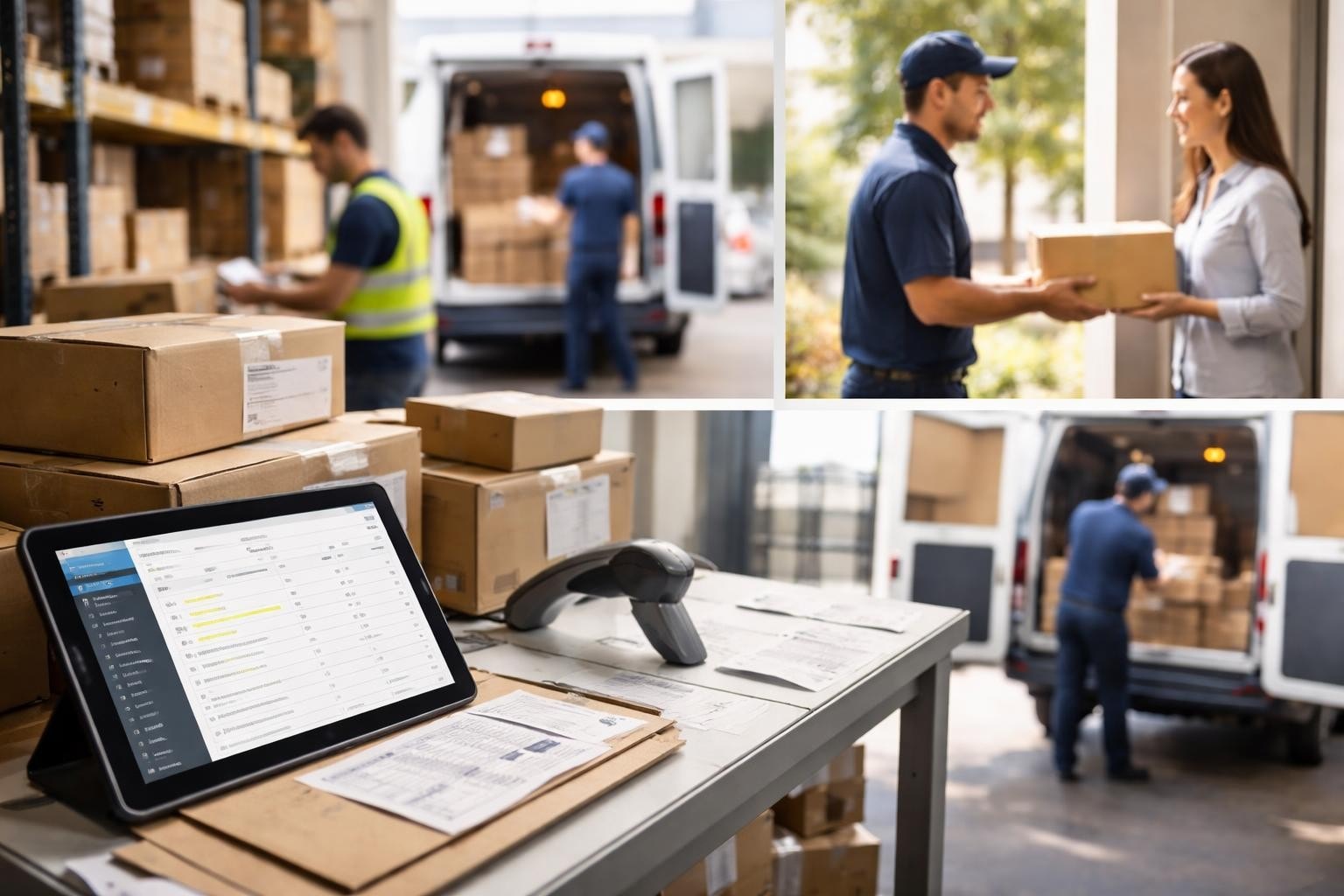

The landscape of online retail continues to evolve rapidly, and studying the top ecommerce brands reveals patterns that separate sustained growth from fleeting success. These industry leaders don't just sell products-they master the complex orchestration of inventory management, fulfillment operations, customer experience, and technology integration. Understanding what makes these brands successful provides actionable insights for businesses looking to scale their own operations and compete effectively in an increasingly sophisticated marketplace.
What Defines the Top Ecommerce Brands
The top ecommerce brands share common characteristics that extend beyond marketing prowess or product quality. These companies have built resilient operational frameworks that support rapid scaling while maintaining customer satisfaction. Their success stems from strategic decisions about fulfillment infrastructure, technology adoption, and customer relationship management.
Operational excellence forms the foundation of every leading ecommerce brand. These companies recognize that backend operations directly impact customer experience. When orders ship quickly and accurately, return rates drop and customer lifetime value increases. The brands that dominate their categories have invested heavily in fulfillment capabilities, either through internal infrastructure or strategic partnerships with specialized providers.
Technology Integration and Automation
Modern ecommerce leaders leverage technology to eliminate bottlenecks and reduce manual processes. Automation plays a crucial role across inventory management, order processing, and customer communication. The integration of AI into product discovery and research has transformed how consumers find and evaluate products, forcing brands to adapt their strategies accordingly.
The most successful brands implement:
- Inventory management systems that sync across all sales channels in real-time
- Automated order routing that directs shipments to the optimal fulfillment location
- Predictive analytics for demand forecasting and stock replenishment
- Customer data platforms that unify information across touchpoints
These technological capabilities enable brands to operate at scale without proportionally increasing overhead costs. A brand selling 1,000 orders daily can often handle 10,000 orders with minimal additional headcount when proper systems are in place.

Fulfillment Strategies That Drive Growth
The top ecommerce brands understand that fulfillment represents more than a cost center-it's a competitive advantage. Strategic fulfillment decisions impact delivery speed, shipping costs, inventory turnover, and ultimately, profitability.
Multi-Channel Fulfillment Approaches
Leading brands maintain presence across multiple sales channels while ensuring consistent fulfillment performance. This requires sophisticated coordination between Amazon FBA, direct-to-consumer operations, wholesale partnerships, and retail distribution.
| Fulfillment Model | Primary Benefit | Best Use Case |
|---|---|---|
| Amazon FBA | Prime eligibility, reduced logistics burden | High-volume standard products |
| In-house 3PL Partnership | Customization, branding control | DTC subscriptions, kitting |
| Distributed Inventory | Reduced shipping times and costs | National customer base |
| Dropshipping | Minimal inventory risk | Testing new products |
Successful brands often combine multiple approaches rather than relying on a single strategy. They might use Amazon FBA for their core products while partnering with specialized fulfillment providers for custom bundles or subscription boxes that require unique packaging and presentation.
Scalable Kitting and Bundling
Product bundling has emerged as a powerful strategy for increasing average order value and differentiating offerings. However, kitting operations require specialized capabilities that many brands lack internally. The top ecommerce brands either build dedicated kitting facilities or partner with fulfillment providers who can handle these value-added services efficiently.
Effective bundling strategies include:
- Complementary product sets that enhance customer experience
- Seasonal gift bundles timed to shopping occasions
- Subscription box curation with rotating product selections
- Promotional kits for new customer acquisition
- Custom corporate gift packages for B2B channels
These approaches generate higher margins while creating unique offerings that competitors cannot easily replicate through simple price matching.
Customer Experience Excellence
The brands that consistently rank among top ecommerce brands prioritize customer experience throughout the entire purchase journey. This extends well beyond the website interface into packaging, delivery communication, and post-purchase support.
Unboxing Experience and Brand Presentation
Premium brands recognize that the unboxing moment represents a critical touchpoint. Custom packaging, thoughtful inserts, and attention to presentation details create memorable experiences that drive social sharing and repeat purchases. This level of care requires fulfillment partners who can execute complex packaging specifications consistently at scale.
Packaging elements that distinguish top brands:
- Custom-printed boxes with brand messaging
- Protective materials that ensure product integrity
- Thank-you cards or personalized notes
- Product samples or promotional inserts
- Branded tape and tissue paper
- QR codes linking to setup guides or exclusive content
While these details add cost per unit, leading brands view them as marketing investments rather than pure expenses. A customer who shares their unboxing experience on social media generates value far exceeding the incremental packaging cost.

Data-Driven Decision Making
The top ecommerce brands base strategic decisions on comprehensive data analysis rather than intuition alone. They track metrics across every aspect of operations and use these insights to optimize performance continuously.
Key Performance Indicators
Successful brands monitor a balanced scorecard of metrics that reflect both customer satisfaction and operational efficiency. These KPIs guide resource allocation and strategic planning.
| Category | Essential Metrics | Target Benchmarks |
|---|---|---|
| Fulfillment | Ship time, accuracy rate | Same/next day, 99.5%+ |
| Customer | LTV, repeat rate, NPS | 3x+ CAC, 40%+, 50+ |
| Inventory | Turnover, stockout rate | 8-12x annually, <2% |
| Financial | Gross margin, ROAS | 50%+, 4:1+ |
Evolving customer behavior patterns require brands to continuously reassess their assumptions and adjust strategies. What worked last year may not be optimal in the current environment, and data provides the early warning signals needed to stay ahead of market shifts.
Inventory Optimization
Managing inventory levels represents one of the most complex challenges for scaling brands. Too little inventory leads to stockouts and lost sales, while excess inventory ties up capital and increases storage costs. The top ecommerce brands use sophisticated forecasting models that account for seasonality, trends, promotional activity, and external factors.
Advanced inventory strategies include:
- Safety stock calculations based on demand variability and lead times
- ABC analysis to prioritize management attention on high-value items
- Seasonal pre-positioning to reduce shipping costs during peak periods
- Cross-docking programs for fast-moving products
- Consignment arrangements with suppliers to reduce risk
Adapting to Market Trends
The ecommerce landscape continues to evolve, and brands that want to maintain their position among the top ecommerce brands must stay current with emerging trends and technologies. Unified commerce platforms and agentic AI are reshaping how brands interact with customers and manage operations.
Mobile-First Strategies
Mobile commerce now accounts for the majority of online transactions for many brands. This shift requires more than responsive design-it demands reimagining the entire shopping experience for smaller screens and touch interfaces. Leading brands optimize product pages, checkout flows, and customer service for mobile users specifically.
The rise of social commerce on platforms like Instagram, TikTok, and Pinterest has created new sales channels that blur the lines between content and commerce. Top performers integrate these platforms seamlessly into their fulfillment operations, ensuring that orders from social channels receive the same fast, accurate processing as traditional ecommerce purchases.
Sustainability and Ethical Operations
Today's consumers increasingly evaluate brands based on environmental and social responsibility. The top ecommerce brands have responded by implementing sustainable practices throughout their operations, from eco-friendly packaging to carbon-neutral shipping options.
Sustainable fulfillment practices include:
- Right-sizing packaging to reduce material waste
- Using recycled and biodegradable materials
- Optimizing shipping routes to minimize emissions
- Partnering with carbon offset programs
- Implementing take-back programs for product recycling
These initiatives resonate particularly strongly with younger consumers and can justify premium pricing while building long-term brand loyalty.

Strategic Partnership Selection
Few brands build world-class fulfillment capabilities entirely in-house. The top ecommerce brands recognize when to partner with specialized providers who can deliver expertise, infrastructure, and scalability more efficiently than internal development.
Evaluating Fulfillment Partners
Selecting the right fulfillment partner represents a critical strategic decision. The wrong choice can lead to operational headaches, customer dissatisfaction, and stunted growth. The best brands approach partner selection methodically, evaluating capabilities across multiple dimensions.
Consider these evaluation criteria:
- Geographic coverage and proximity to your customer base
- Technology integration capabilities with your existing systems
- Scalability to handle seasonal peaks and long-term growth
- Value-added services like kitting, customization, and returns processing
- Track record with brands in your category
- Pricing transparency and alignment with your business model
The relationship should feel like a true partnership rather than a vendor transaction. Look for providers who invest time understanding your business, offer strategic guidance, and demonstrate flexibility as your needs evolve.
Building for Long-Term Success
The brands that achieve lasting success in ecommerce think beyond quick wins and viral moments. They build sustainable competitive advantages through operational excellence, customer relationships, and continuous improvement.
Creating Repeatable Systems
Scaling requires transforming ad-hoc processes into documented, repeatable systems. The top ecommerce brands invest in standard operating procedures, training programs, and quality controls that ensure consistent execution as teams grow.
This systematization extends across all functions:
- Product development follows a structured innovation pipeline
- Marketing campaigns use tested frameworks adapted to each launch
- Customer service operates from comprehensive knowledge bases
- Fulfillment operations execute detailed process documentation
When systems are properly designed, new team members can quickly become productive, and the business becomes less dependent on individual heroics.
Continuous Optimization Culture
Leading brands foster cultures where improvement is everyone's responsibility. They regularly review performance data, solicit feedback from customers and team members, and test new approaches to find incremental gains.
This mindset applies to fulfillment operations as much as marketing and product development. As ecommerce trends continue to evolve, brands must remain agile and willing to adapt their strategies based on new information and changing market conditions.
Investment in Infrastructure
The top ecommerce brands understand that growth requires proactive investment rather than reactive scrambling. They build capacity ahead of demand and upgrade systems before current solutions become limiting factors.
Technology Stack Evolution
As brands scale, their technology needs become more sophisticated. What works at $1 million in annual revenue may not support $10 million, and a $10 million stack may crumble under $50 million in volume.
| Growth Stage | Technology Priorities | Investment Focus |
|---|---|---|
| Launch ($0-1M) | Basic website, payment processing | Minimizing fixed costs |
| Growth ($1-10M) | Inventory management, CRM | Automation and efficiency |
| Scale ($10M+) | Enterprise ERP, advanced analytics | Integration and optimization |
Strategic brands anticipate these transitions and plan upgrades before performance degrades. They recognize that technology investments generate returns through improved efficiency, reduced errors, and enhanced customer experience.
Financial Planning for Fulfillment
Fulfillment costs represent a significant portion of the cost structure for most ecommerce brands. Successful companies model these expenses carefully and find ways to optimize without sacrificing quality.
Key financial considerations include:
- Per-unit fulfillment costs across different order profiles
- Storage fees and inventory carrying costs
- Shipping expenses and rate negotiation opportunities
- Returns processing and restocking fees
- Peak season surcharges and capacity planning
The brands that maintain healthy margins despite competitive pressure typically have superior fulfillment economics through careful planning and strong partner relationships.
Learning from Industry Leaders
Studying specific examples of top ecommerce brands reveals patterns worth emulating. While each company's journey is unique, common threads emerge around customer obsession, operational rigor, and strategic focus.
Direct-to-Consumer Success Stories
Many of today's leading ecommerce brands started by disrupting traditional retail categories with direct-to-consumer models. They eliminated intermediaries, invested the savings in product quality and customer experience, and built loyal communities around their brands.
These DTC pioneers demonstrated that:
- Controlling the customer relationship enables better data collection and personalization
- Owning the fulfillment experience creates differentiation opportunities
- Building brand communities reduces customer acquisition costs over time
- Subscription models drive predictable revenue and higher lifetime values
While the DTC landscape has become more competitive, the fundamental principles these brands established remain relevant for new entrants and established players alike.
Marketplace Dominance Strategies
Other top ecommerce brands have achieved success primarily through marketplace channels, particularly Amazon. These brands master marketplace mechanics, optimize for platform algorithms, and leverage fulfillment services like FBA to scale rapidly.
Successful marketplace strategies involve:
- Comprehensive keyword research and listing optimization
- Strategic pricing that balances visibility and profitability
- Review management to build social proof
- Advertising investment to drive initial momentum
- Inventory planning to maintain in-stock rates
The most sophisticated brands combine marketplace success with owned-channel development, reducing platform dependency while maximizing total reach.
Preparing for Future Challenges
The ecommerce environment grows more complex each year. Retailers face increasing pressure from traffic surges, security threats, and consumer expectations, making resilient infrastructure essential. The top ecommerce brands anticipate these challenges and build systems capable of handling adversity.
Risk Management and Resilience
Smart brands develop contingency plans for potential disruptions, from supply chain issues to technology failures. They diversify suppliers, maintain safety stock buffers, and establish backup fulfillment capacity to ensure business continuity.
Critical risk mitigation strategies include:
- Multiple supplier relationships for key products
- Geographic diversification of fulfillment centers
- Redundant technology systems with failover capabilities
- Insurance coverage for inventory and business interruption
- Crisis communication plans for customer service
These preparations may seem excessive during normal operations, but they prove invaluable when unexpected challenges arise.
Team Development and Culture
Behind every successful ecommerce brand is a talented, motivated team. The top ecommerce brands invest heavily in recruiting, training, and retaining exceptional people who share their vision and values.
Building a high-performance culture requires:
- Clear mission and values that guide decisions
- Competitive compensation and growth opportunities
- Investment in professional development
- Recognition and celebration of achievements
- Open communication and psychological safety
As brands scale, maintaining culture becomes increasingly challenging but no less important. The companies that preserve their core values while evolving their practices tend to outperform those that sacrifice culture for short-term growth.
The strategies employed by top ecommerce brands provide a roadmap for sustainable growth built on operational excellence, customer obsession, and continuous improvement. Success in ecommerce requires more than great products-it demands world-class fulfillment capabilities that deliver consistent, exceptional experiences at scale. Whether you're launching a new brand or scaling an established business, partnering with a comprehensive fulfillment provider can accelerate your growth while freeing you to focus on strategy and innovation. Ecom Automation Prep offers the scalable fulfillment solutions, including Amazon FBA prep, DTC fulfillment, and specialized kitting services, that fast-growing brands need to compete with industry leaders.