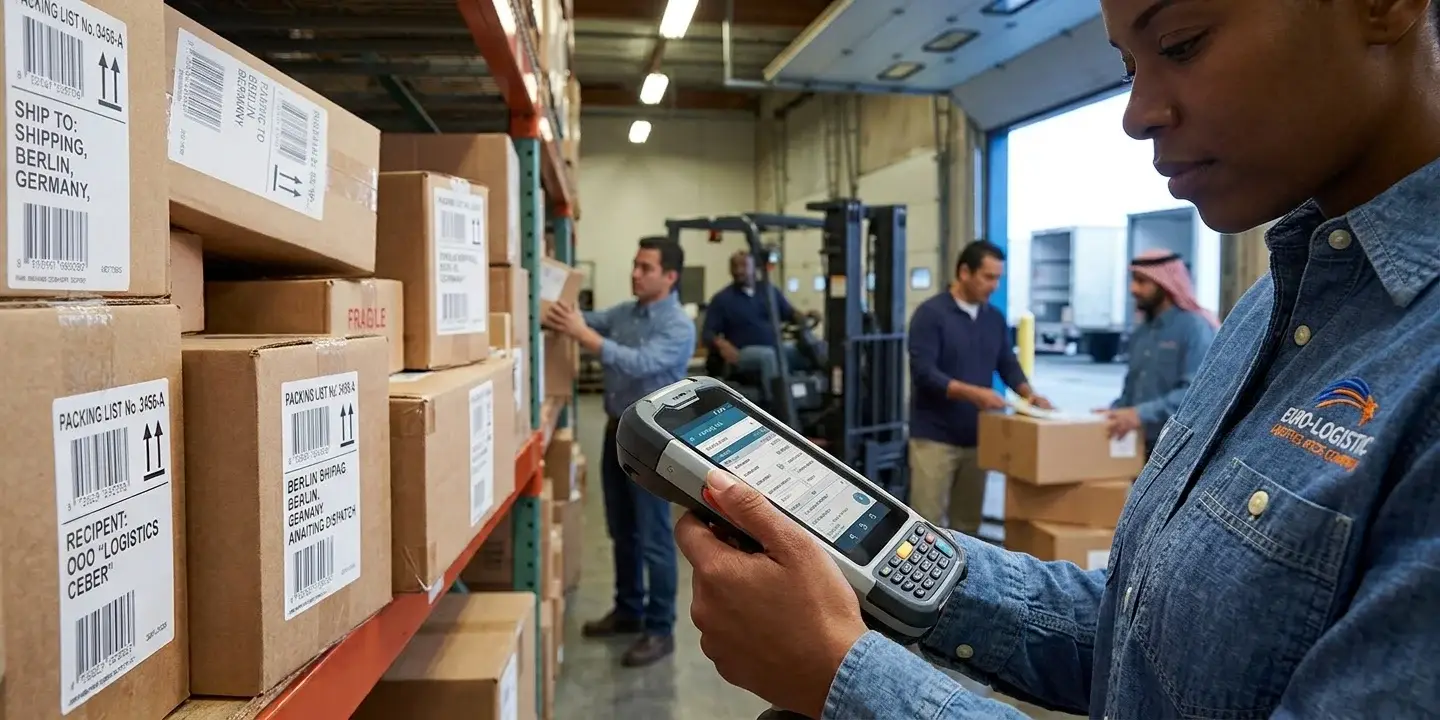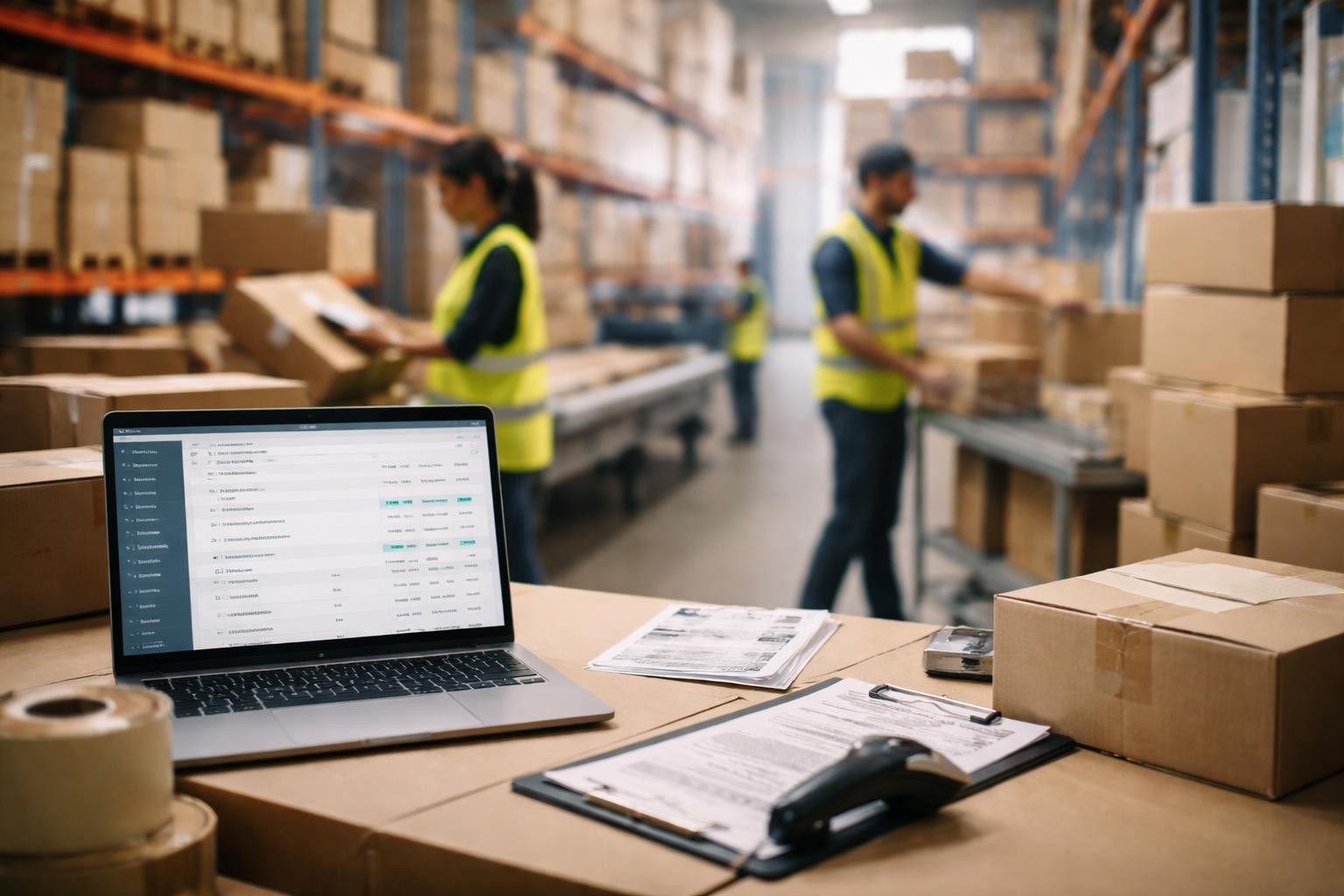

The rapid expansion of online retail has created unprecedented challenges for e-commerce brands managing their own fulfillment operations. As order volumes increase and customer expectations rise, many businesses discover that handling warehousing, packing, and shipping internally becomes unsustainable. This is where third-party logistics providers become essential partners for growth. Understanding how ecommerce 3PL solutions can transform your business operations is crucial for any brand aiming to scale efficiently while maintaining exceptional customer experiences.
What Is an Ecommerce 3PL Provider
Third-party logistics companies specialize in managing supply chain operations for e-commerce businesses. These providers handle the entire fulfillment process from the moment inventory arrives at their warehouse until packages reach customers’ doorsteps.
An ecommerce 3PL takes ownership of critical logistics functions that would otherwise consume significant internal resources. They store your inventory, process orders as they arrive, pack products according to your specifications, and coordinate shipping through multiple carriers.
The scope of services extends beyond basic warehousing and shipping:
- Receiving and inspecting incoming inventory shipments
- Storing products in climate-controlled, secure facilities
- Managing inventory across multiple warehouse locations
- Picking and packing orders with accuracy and speed
- Shipping coordination using optimized carrier networks
- Returns processing and restocking operations
- Kitting and bundling for promotional packages
The Core Value Proposition
What separates an ecommerce 3PL from traditional logistics providers is their specialization in online retail. These companies understand the unique demands of e-commerce fulfillment, including same-day shipping expectations, peak season volume fluctuations, and multi-channel selling complexities.
By outsourcing to a dedicated fulfillment partner, brands redirect resources from operational logistics to revenue-generating activities like marketing, product development, and customer acquisition.
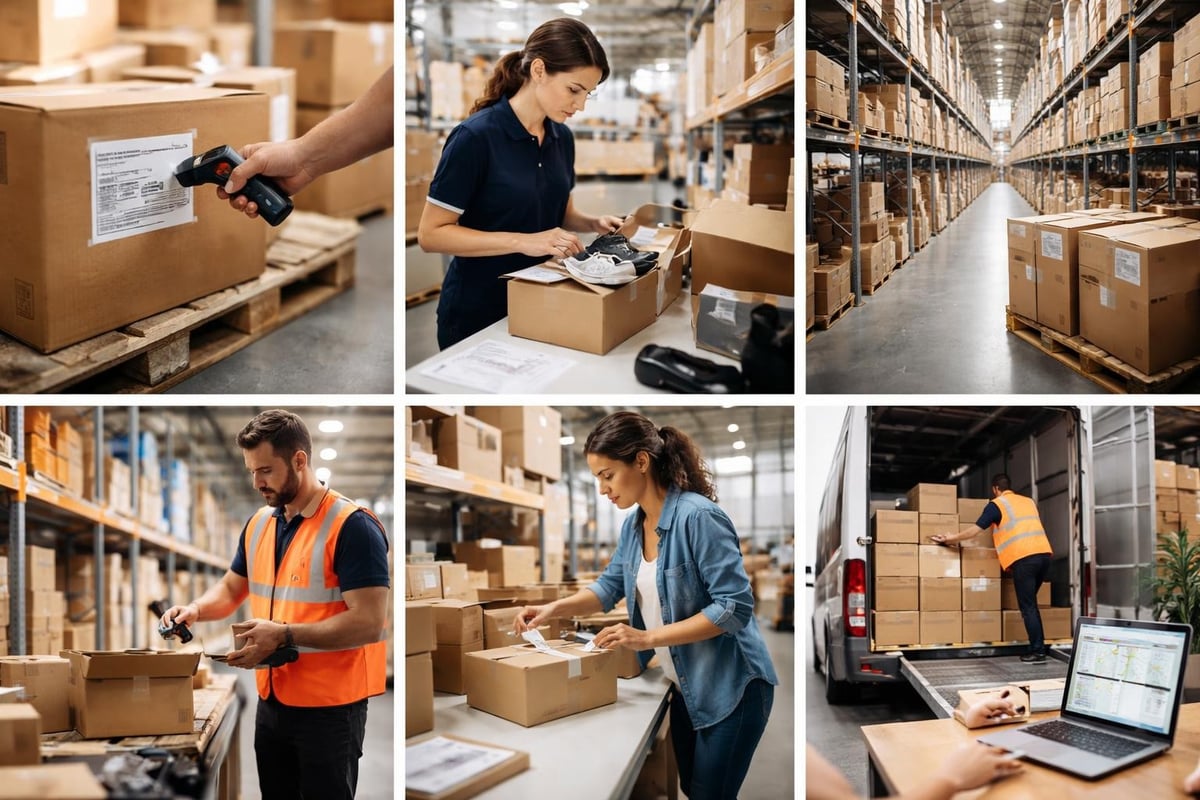
Key Benefits of Partnering with an Ecommerce 3PL
Cost efficiency represents one of the most compelling advantages when working with third-party logistics providers. Building your own fulfillment infrastructure requires substantial capital investment in warehouse space, equipment, technology systems, and personnel.
Financial Advantages
When you leverage an ecommerce 3PL, you transform fixed costs into variable expenses that scale with your business volume. Instead of signing long-term commercial leases or purchasing warehouse equipment, you pay only for the space and services you actually use.
Direct cost savings include:
- Eliminated warehouse lease commitments
- No staffing and training expenses
- Reduced packaging material costs through bulk purchasing
- Lower shipping rates via carrier partnerships
- Minimal technology infrastructure investments
Beyond immediate savings, partnering with a third-party logistics provider delivers strategic financial flexibility. During slow periods, you’re not paying for unused warehouse space or idle staff. During peak seasons, your 3PL scales up resources without requiring you to make permanent infrastructure commitments.
Operational Scalability
Growth challenges often catch e-commerce brands unprepared. A successful marketing campaign or viral product can suddenly flood your fulfillment operation with more orders than you can handle.
Third-party logistics partners maintain the capacity, systems, and workforce to accommodate dramatic volume fluctuations. Whether you’re fulfilling 100 orders monthly or 10,000 daily, experienced ecommerce 3PL providers adjust resources accordingly.
This scalability extends geographically as well. Expanding into new markets becomes straightforward when your logistics partner operates multiple warehouse locations. Strategic inventory distribution reduces shipping times and costs while improving customer satisfaction across all regions.
Essential Services Provided by Ecommerce 3PL Companies
The range of capabilities offered by third-party logistics providers has expanded significantly to meet evolving e-commerce demands. Modern ecommerce 3PL companies function as comprehensive fulfillment partners rather than simple warehousing operations.
Inventory Management and Warehousing
Sophisticated inventory management systems form the foundation of effective 3PL operations. Real-time tracking provides complete visibility into stock levels, movements, and locations across all warehouse facilities.
Advanced inventory features include:
- Barcode scanning for accurate receiving and tracking
- Lot and serial number management for batch tracking
- Expiration date monitoring for perishable products
- Automated reorder alerts when stock reaches minimum thresholds
- Multi-location inventory visibility across warehouse networks
These systems integrate directly with your e-commerce platform, ensuring accurate stock counts prevent overselling while automated updates keep product availability current across all sales channels.
Order Fulfillment and Shipping
The order fulfillment process represents the most visible aspect of ecommerce 3PL services. Speed and accuracy during this phase directly impact customer satisfaction and repeat purchase rates.
Professional fulfillment operations utilize optimized picking routes, quality control checkpoints, and automated packing stations to process orders efficiently. Many providers offer same-day shipping for orders received before cutoff times, meeting modern consumer expectations for rapid delivery.
Shipping optimization goes beyond simply sending packages. Strategic carrier selection based on destination, package dimensions, and delivery speed requirements ensures cost-effective shipping while maintaining service quality standards. Understanding what makes an effective 3PL partner helps businesses evaluate potential providers based on their shipping capabilities and carrier relationships.

Value-Added Services
Beyond standard fulfillment, specialized services differentiate premium ecommerce 3PL providers from basic warehousing operations.
| Service Type | Description | Business Impact |
|---|---|---|
| Kitting and Bundling | Combining multiple SKUs into promotional packages | Increases average order value, enables creative marketing |
| Amazon FBA Prep | Preparing inventory to meet Amazon’s strict requirements | Expands sales channels, avoids FBA penalties |
| Custom Packaging | Branded unboxing experiences with inserts and materials | Enhances brand perception, improves customer retention |
| Quality Inspection | Verifying product condition before shipping | Reduces returns, maintains brand reputation |
| Returns Management | Processing, inspecting, and restocking returned items | Recovers inventory value, provides customer insights |
These specialized capabilities enable brands to offer sophisticated customer experiences without developing internal expertise or infrastructure for each service type.
How to Choose the Right Ecommerce 3PL Partner
Selecting a third-party logistics provider requires careful evaluation beyond comparing pricing sheets. The right partner becomes an extension of your brand, directly influencing customer satisfaction and operational efficiency.
Critical Evaluation Criteria
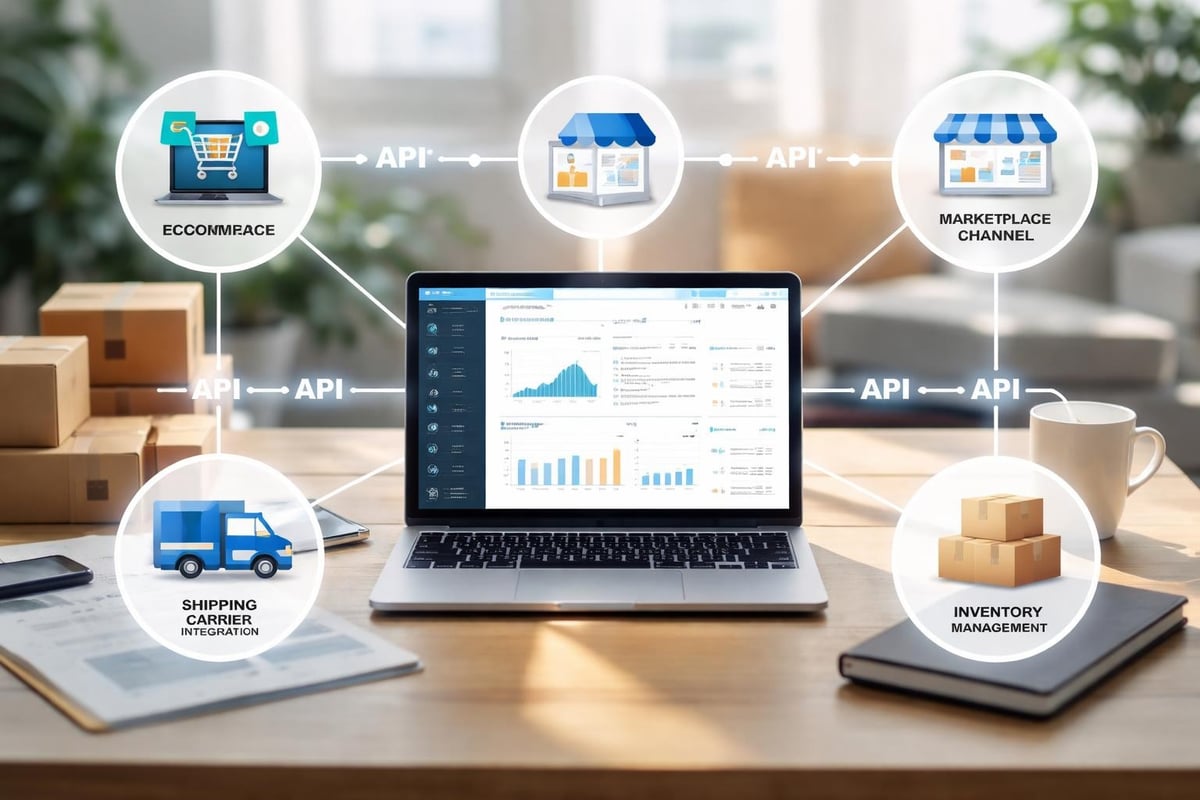
Technology integration capabilities should rank among your top priorities. Your ecommerce 3PL must seamlessly connect with your existing sales platforms, marketplaces, and business systems. APIs and pre-built integrations eliminate manual data entry while ensuring order information flows accurately between systems.
Essential technical requirements include:
- Real-time inventory synchronization across all channels
- Automated order import from multiple marketplaces
- Tracking number export and customer notification systems
- Reporting dashboards with customizable metrics
- Mobile accessibility for on-demand visibility
Location strategy significantly impacts shipping costs and delivery times. Evaluate whether a provider’s warehouse locations align with your customer distribution. Brands selling nationally often benefit from coast-to-coast warehouse networks, while regional sellers may prioritize local fulfillment centers.
Industry Experience and Specialization
Not all ecommerce 3PL providers excel across all product categories. Specialized experience matters significantly when your products have unique handling requirements.
Businesses selling fragile items need partners experienced with protective packaging protocols. Brands offering perishable goods require temperature-controlled facilities and expedited processing. Companies managing large inventories of small SKUs benefit from providers using advanced picking technologies.
Research how potential partners handle the specific needs of e-commerce businesses within your product category. Request case studies demonstrating relevant experience and ask detailed questions about handling procedures for products similar to yours.
Service Level Agreements and Performance Metrics
Clear expectations documented in service level agreements protect both parties and establish accountability standards. Your ecommerce 3PL should commit to specific performance benchmarks covering accuracy, speed, and communication.
Standard metrics to negotiate include:
- Order accuracy rate (typically 99.5% or higher)
- Same-day shipping percentage for orders received before cutoff
- Inventory accuracy verified through regular cycle counts
- Damaged shipment rate below specified thresholds
- Customer support response times for issue resolution
Regular performance reviews ensure your fulfillment partner maintains agreed-upon service standards. Establish monthly or quarterly check-ins to review metrics, address concerns, and identify improvement opportunities.
Integration and Technology Considerations
The technological sophistication of your ecommerce 3PL partner determines how smoothly fulfillment operations run and how much manual oversight remains necessary.
Platform Compatibility
Modern third-party logistics providers offer native integrations with major e-commerce platforms including Shopify, WooCommerce, BigCommerce, and Magento. These connections enable automatic order transmission, real-time inventory updates, and seamless tracking synchronization.
Marketplace integration extends your fulfillment capabilities across Amazon, eBay, Walmart, and other sales channels. Rather than managing separate fulfillment processes for each platform, centralized ecommerce 3PL operations consolidate inventory and process orders from all sources through unified systems.
API accessibility allows custom integrations when your business uses proprietary systems or specialized software. Evaluate documentation quality, developer support availability, and API rate limits during your selection process.
Visibility and Reporting
Comprehensive reporting transforms raw fulfillment data into actionable business intelligence. Your third-party logistics partner should provide detailed insights into inventory movements, order patterns, shipping costs, and operational performance.
Valuable reporting capabilities include:
- Inventory aging reports identifying slow-moving stock
- Shipping cost analysis breaking down expenses by carrier and zone
- Order velocity tracking revealing demand patterns
- Peak season forecasting based on historical data
- Returns analysis highlighting product quality issues
These insights inform strategic decisions around inventory purchasing, marketing campaigns, and operational improvements. Advanced providers offer customizable dashboards where you configure reports displaying metrics most relevant to your business objectives.
Cost Structure and Pricing Models
Understanding ecommerce 3PL pricing prevents budget surprises and enables accurate financial planning. Third-party logistics providers typically charge across several categories rather than using simple per-order fees.
Common Fee Categories
| Fee Type | Calculation Method | Typical Range |
|---|---|---|
| Receiving | Per pallet or per unit received | $25-$75 per pallet |
| Storage | Monthly fee per pallet or cubic foot | $10-$40 per pallet |
| Pick and Pack | Per order plus per item fees | $3-$8 base + $0.50-$2 per item |
| Shipping | Actual carrier costs plus handling | Cost + 5-15% markup |
| Special Services | Project-based or per-unit fees | Varies by service |
Receiving fees cover labor and processing costs when your inventory arrives. Providers inspect shipments, count units, apply labels, and enter products into warehouse management systems.
Storage charges accumulate monthly based on space occupied. Some providers calculate storage using actual cubic footage while others charge per pallet position. Understand how your provider measures storage to accurately forecast costs as inventory levels fluctuate.
Hidden Costs to Investigate
Beyond standard fee schedules, several potential charges catch unprepared businesses by surprise. Minimums represent one common cost consideration. Many ecommerce 3PL providers require minimum monthly fees regardless of actual volume, protecting themselves during slow periods while potentially overcharging low-volume sellers.
Long-term storage fees penalize inventory remaining in warehouses beyond specified periods, typically 90-180 days. These charges encourage inventory turnover and free warehouse space for faster-moving products. Plan inventory purchasing carefully to avoid accumulating slow-moving stock that generates ongoing fees.
Setup and onboarding costs cover initial integration work, training, and system configuration. While one-time expenses, these fees sometimes reach several thousand dollars. Clarify all implementation costs before committing to ensure budget alignment.
Common Challenges and How to Overcome Them
Even with experienced ecommerce 3PL partners, fulfillment relationships occasionally encounter obstacles. Anticipating common challenges and establishing proactive solutions minimizes disruptions to your business operations.
Communication Breakdowns
Clear, consistent communication forms the foundation of successful fulfillment partnerships. When information flows poorly between your team and your third-party logistics provider, errors multiply and customer satisfaction suffers.
Establish dedicated points of contact on both sides rather than allowing team members to contact multiple warehouse representatives. Designated account managers familiar with your specific requirements provide continuity and prevent miscommunication.
Communication best practices include:
- Weekly sync meetings reviewing upcoming promotions and inventory needs
- Documented standard operating procedures for recurring situations
- Escalation protocols for urgent issues requiring immediate attention
- Shared project management systems tracking special requests
- Regular performance reviews discussing metrics and improvement areas
Technology reduces communication dependency by automating routine information exchange. When systems handle order transmission, inventory updates, and tracking notifications automatically, human communication focuses on strategic planning rather than operational details.
Quality Control Issues
Maintaining quality standards becomes more challenging when fulfillment operations occur off-site. Without direct oversight, ensuring every package meets your brand standards requires structured quality assurance programs.
Request facility tours before selecting an ecommerce 3PL partner. Observing operations firsthand reveals organizational practices, cleanliness standards, and employee engagement levels that predict quality performance.
Implement random quality audits where you order products as a customer and evaluate the complete fulfillment experience. Mystery shopping your own fulfillment operation identifies gaps between expectations and reality before customers encounter problems.
Detailed packing instructions documenting your exact requirements eliminate ambiguity. Provide photo examples showing correct product presentation, protective packaging methods, and branded insert placement. The more specific your instructions, the more consistently your 3PL executes them.
Inventory Accuracy Discrepancies
Differences between system records and physical inventory counts create serious operational problems. Overselling products you don’t actually have damages customer relationships while maintaining excessive safety stock ties up capital unnecessarily.
Regular cycle counting programs continuously verify inventory accuracy rather than relying on annual physical counts. Progressive ecommerce 3PL providers implement systematic counting schedules checking different product sections daily, identifying and correcting discrepancies before they compound.
Robust receiving procedures establish accuracy from the moment inventory enters warehouses. Detailed receiving reports documenting unit counts, condition notes, and discrepancies create accountability while providing documentation for supplier claims when shipments arrive short or damaged.
The Future of Ecommerce 3PL Services
Third-party logistics continues evolving rapidly as technology advances and consumer expectations shift. Forward-thinking brands evaluate potential partners based not only on current capabilities but also on innovation trajectories and technology investments.
Automation and Robotics
Warehouse automation technologies increasingly define competitive advantages among ecommerce 3PL providers. Robotic picking systems, automated guided vehicles, and AI-powered inventory optimization dramatically improve speed and accuracy while reducing labor dependency.
These technologies particularly benefit businesses experiencing rapid growth or dramatic seasonal fluctuations. Automated systems scale more efficiently than human workforces, maintaining consistent performance during peak periods without the delays associated with hiring and training temporary staff.
While automation requires significant capital investment, leading providers pass benefits to clients through improved service levels and competitive pricing. As adoption spreads throughout 2026 and beyond, automated capabilities will transition from competitive advantages to baseline expectations.
Sustainability Initiatives
Environmental responsibility increasingly influences consumer purchasing decisions and brand loyalty. Modern ecommerce 3PL partners help businesses reduce environmental impact through sustainable packaging options, carbon-neutral shipping programs, and energy-efficient warehouse operations.
Consolidated shipping represents another sustainability advantage. By combining multiple brands’ inventory in shared warehouse facilities, 3PL providers optimize truck utilization and reduce empty transport miles. These operational efficiencies deliver both environmental and financial benefits.
Businesses evaluating how 3PL providers support e-commerce growth should investigate sustainability credentials alongside traditional operational metrics. Certifications, renewable energy usage, and waste reduction programs demonstrate commitment to environmental responsibility that increasingly matters to conscious consumers.
Omnichannel Fulfillment
The lines between online and offline retail continue blurring as brands embrace omnichannel strategies. Advanced ecommerce 3PL providers support these complex fulfillment models through services like buy-online-pickup-in-store (BOPIS), ship-from-store capabilities, and pop-up retail support.
Managing inventory across multiple channels while maintaining accurate availability information requires sophisticated technology and experienced operations. Providers specializing in omnichannel fulfillment coordinate stock allocation strategies that balance online demand against retail locations, ensuring optimal inventory positioning across your entire network.
Making the Transition to an Ecommerce 3PL
Converting from self-fulfillment to third-party logistics operations requires careful planning and execution. A structured transition minimizes disruption to ongoing order fulfillment while establishing the foundation for long-term partnership success.
Transition Planning Steps
Begin planning at least 60-90 days before your intended go-live date. This timeline accommodates contract negotiations, system integrations, staff training, and inventory transfers without rushing critical decisions.
- Define requirements and priorities across all fulfillment functions
- Research and evaluate potential ecommerce 3PL partners
- Conduct facility tours and reference checks
- Negotiate contracts with clear service level agreements
- Plan integration connecting systems and testing data flows
- Transfer inventory using carefully coordinated shipping schedules
- Run parallel operations temporarily to validate accuracy
- Monitor closely during the first 30 days post-launch
Detailed transition checklists ensure nothing falls through cracks during this complex process. Assign clear ownership for each task and establish regular status meetings tracking progress against deadlines.
Inventory Transfer Strategies
Moving inventory from your current location to your new ecommerce 3PL partner represents one of the most critical and risky transition phases. Poor execution creates stockouts that interrupt sales while excess inventory in transit ties up working capital.
Phased transfers reduce risk by moving partial inventory initially while maintaining backup stock at your original location. Once you verify the new provider handles orders accurately and efficiently, complete the remaining inventory transfer. This conservative approach costs slightly more in duplicate handling but provides insurance against transition problems.
Timing transfers around slow periods minimizes impact if unexpected delays occur. Avoid launching new 3PL relationships immediately before major promotional events or peak selling seasons. Building operational confidence during normal volume periods prepares both teams for subsequent high-demand scenarios.
Partnering with the right ecommerce 3PL transforms fulfillment from an operational burden into a strategic advantage, enabling rapid scaling while maintaining exceptional customer experiences. The key lies in selecting a provider whose capabilities, technology, and service philosophy align with your brand’s specific needs and growth trajectory. Ecom Automation Prep specializes in comprehensive e-commerce fulfillment services designed specifically for fast-growing brands, offering everything from Amazon FBA prep to direct-to-consumer fulfillment, kitting, and bundling. Our scalable solutions and dedicated support team make fulfillment effortless so you can focus on growing your business.