
Running a successful online store in 2026 requires more than just great products and marketing. The backbone of any thriving ecommerce brand is a robust fulfillment operation that delivers orders accurately, quickly, and cost-effectively. As consumer expectations continue to rise and competition intensifies, mastering ecommerce product fulfillment has become a critical differentiator that can make or break your business. Whether you’re shipping ten orders a day or ten thousand, understanding the intricacies of fulfillment operations will help you scale sustainably while maintaining customer satisfaction.
Understanding Modern Ecommerce Product Fulfillment
Ecommerce product fulfillment encompasses the entire process of receiving, storing, picking, packing, and shipping customer orders. This complex operation extends far beyond simply putting products in boxes. It involves strategic inventory management, warehouse organization, quality control, carrier coordination, and returns processing.
The fulfillment landscape has evolved dramatically over the past few years. Today’s consumers expect two-day shipping as standard, real-time tracking information, and hassle-free returns. These heightened expectations mean that brands must invest in sophisticated fulfillment infrastructure or partner with specialists who can meet these demands consistently.
Key Components of Effective Fulfillment
A comprehensive fulfillment operation includes several interconnected elements:
- Inventory receiving and storage – Properly logging incoming products and organizing them for efficient retrieval
- Order processing systems – Technology that routes orders to the correct fulfillment location and prioritizes shipments
- Pick and pack operations – Streamlined processes for selecting items and preparing them for shipment
- Shipping and carrier management – Negotiating rates and coordinating with multiple carriers for optimal delivery
- Returns and reverse logistics – Systems for processing returned merchandise efficiently
Each component must work seamlessly together to create a fulfillment operation that serves your customers reliably while controlling costs.

Choosing the Right Fulfillment Model
Selecting the appropriate fulfillment approach depends on your business size, growth trajectory, product characteristics, and available resources. Understanding the options helps you make strategic decisions aligned with your brand’s needs.
In-House Fulfillment
Managing fulfillment internally gives you complete control over every aspect of the process. This model works well for businesses with:
- Predictable, manageable order volumes
- Specialized products requiring unique handling
- Sufficient capital for warehouse space and equipment
- Dedicated staff to manage operations
However, in-house operations demand significant investment in infrastructure, technology, and personnel. As your business scales, maintaining efficiency becomes increasingly challenging.
Third-Party Logistics (3PL) Partners
Working with specialized 3PL providers allows brands to leverage existing fulfillment infrastructure and expertise. This model offers several advantages:
Benefits of 3PL Partnership:
- Scalability without capital investment
- Access to discounted shipping rates through volume
- Geographic distribution for faster delivery
- Technology integration with your existing systems
- Expertise in compliance and best practices
Third-party fulfillment becomes particularly valuable when you need to scale quickly or expand into new markets without the overhead of building out your own facilities.
Hybrid Fulfillment Strategies
Many successful brands combine multiple fulfillment approaches. You might handle specialty items in-house while outsourcing high-volume SKUs to a 3PL. This hybrid model provides flexibility and risk mitigation while optimizing for different product categories and customer segments.
| Fulfillment Model | Best For | Key Advantage | Primary Challenge |
|---|---|---|---|
| In-House | Low volume, specialized products | Complete control | Limited scalability |
| 3PL Partner | Growing brands, high volume | Scalability and expertise | Less direct control |
| Amazon FBA | Amazon sellers | Prime eligibility | Platform dependency |
| Hybrid | Multi-channel brands | Flexibility | Coordination complexity |
Overcoming Critical Fulfillment Challenges
Even well-planned fulfillment operations encounter obstacles that can disrupt service and inflate costs. Common e-commerce fulfillment challenges require proactive strategies to prevent them from derailing your operations.
Inventory Management Complexity
Maintaining optimal inventory levels represents one of the most persistent challenges in ecommerce product fulfillment. Stock too much, and you tie up capital while risking obsolescence. Stock too little, and you face stockouts that damage customer relationships.
Implementing real-time inventory tracking systems helps you monitor stock levels across all channels and locations. Advanced forecasting tools analyze historical sales data, seasonal patterns, and market trends to predict demand more accurately.
Warehouse Organization and Efficiency
Poor warehouse layout directly impacts fulfillment speed and accuracy. Managing your e-commerce warehouse efficiently starts with strategic product placement based on velocity and picking frequency.
High-turnover items should be positioned closest to packing stations, while slower-moving inventory can occupy less accessible areas. Clear labeling systems, organized bin locations, and logical product groupings reduce picking time and minimize errors.
Shipping Cost Management
Shipping expenses can quickly erode profit margins if not carefully managed. Successful brands employ multiple strategies:
- Negotiate carrier contracts based on volume commitments
- Use dimensional weight pricing to optimize packaging
- Implement zone skipping for bulk regional shipments
- Offer tiered shipping options to customers
- Leverage regional fulfillment centers to reduce zones
Understanding the nuances of e-commerce logistics challenges helps you identify opportunities to reduce costs while maintaining service quality.
Technology and Automation in Fulfillment
Digital transformation has revolutionized ecommerce product fulfillment, enabling accuracy and efficiency impossible with manual processes. Investing in the right technology stack delivers immediate operational improvements and long-term competitive advantages.
Warehouse Management Systems
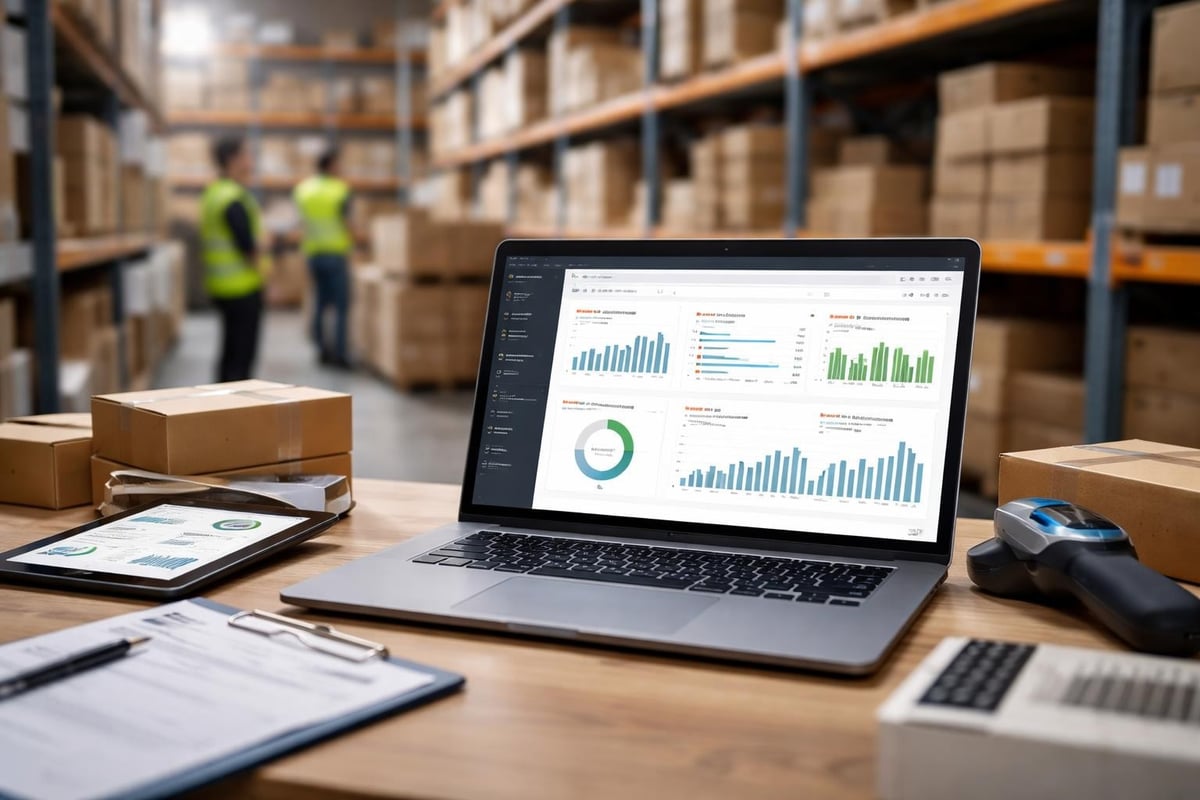
A robust WMS serves as the central nervous system of your fulfillment operation. These platforms coordinate receiving, putaway, picking, packing, and shipping while maintaining real-time inventory accuracy.
Modern WMS solutions integrate with your ecommerce platform, automatically routing orders and updating stock levels across all channels. This connectivity eliminates the manual data entry that creates errors and delays.
Barcode Scanning and RFID Technology
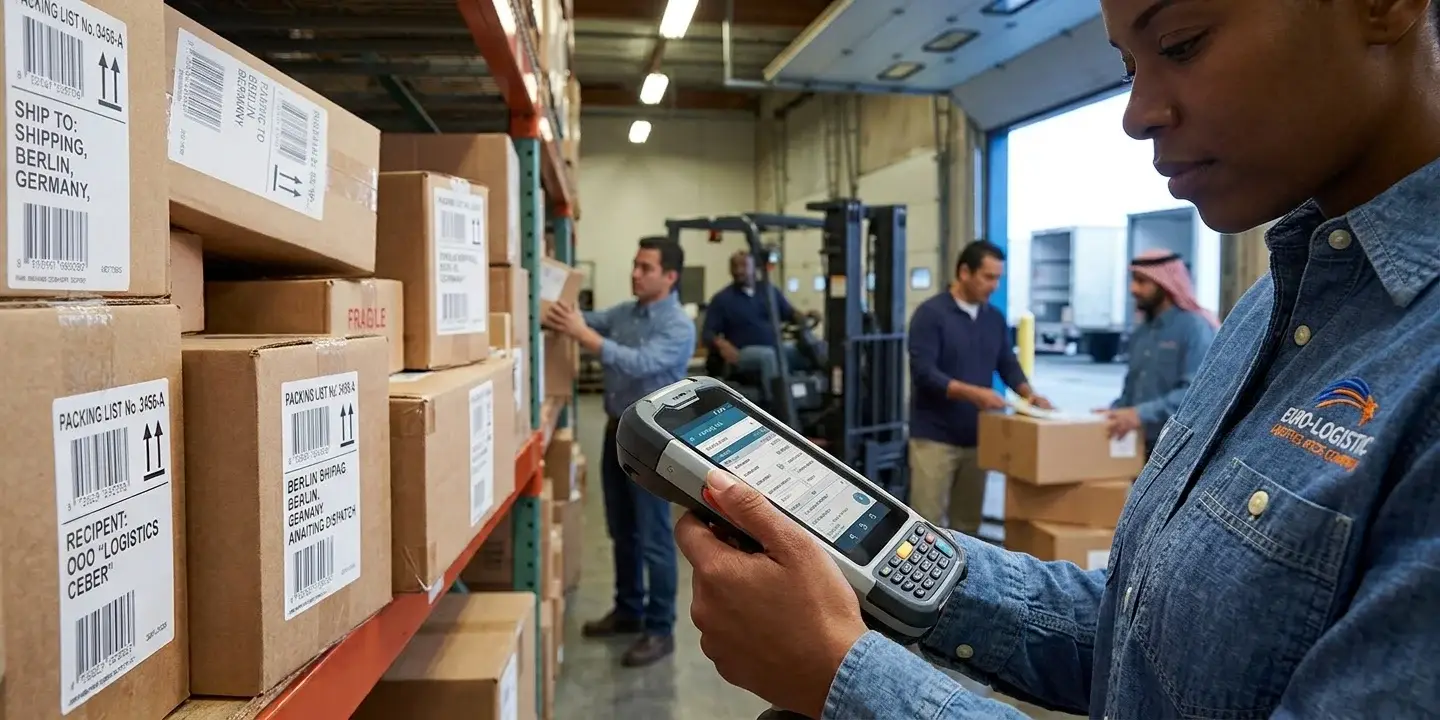
Barcode scanners and RFID tags transform inventory accuracy by capturing data at every touchpoint. When receiving shipments, scanning verifies quantities and creates digital records instantly. During picking, scanning confirms the correct items are selected for each order.
This technology reduces picking errors by up to 95% compared to manual processes while providing complete traceability throughout the supply chain.
Automation Equipment
Depending on volume and budget, various automation technologies can enhance fulfillment operations:
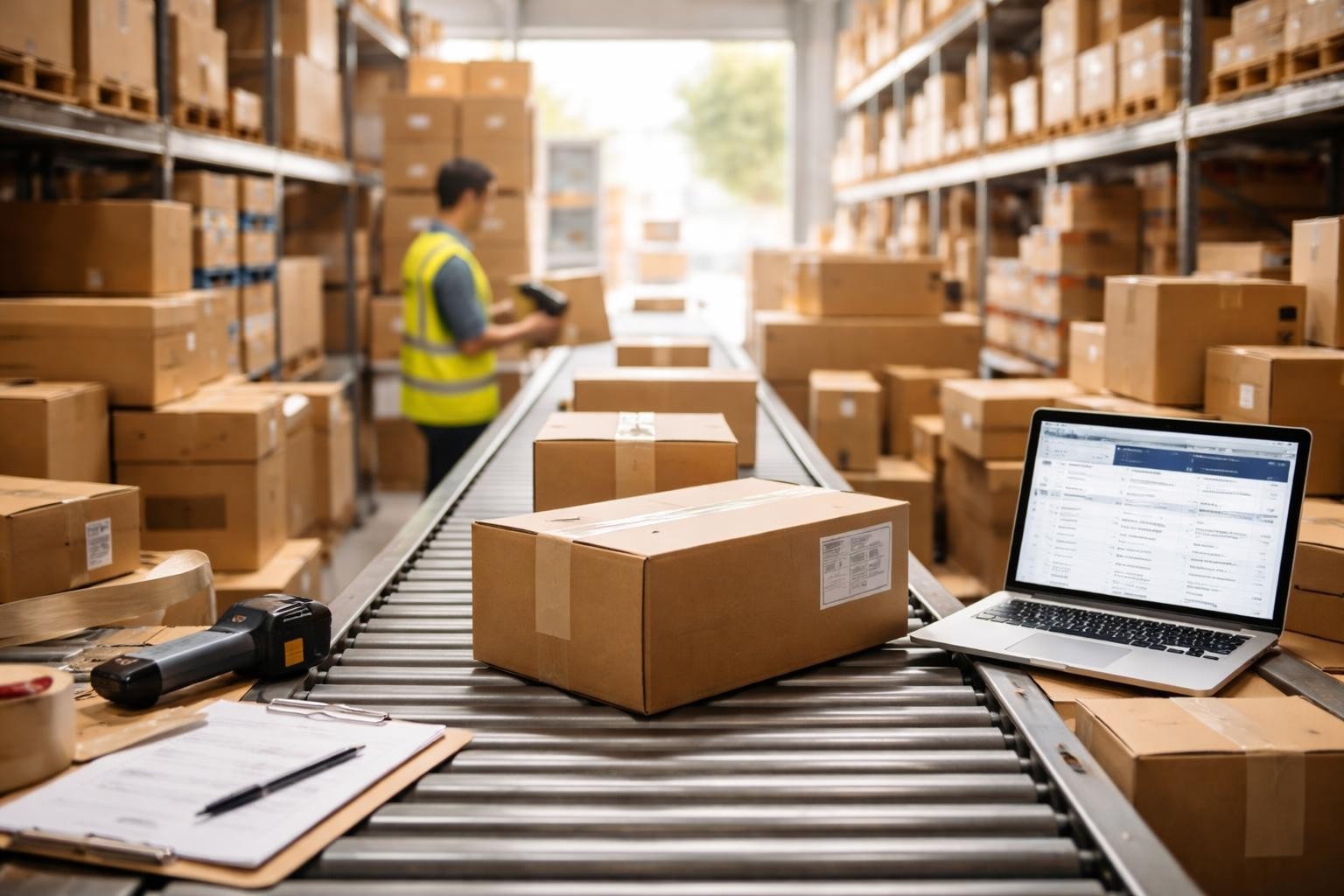
- Conveyor systems – Move products between zones without manual handling
- Automated storage and retrieval – Maximize space utilization and picking speed
- Robotic picking assistance – Supplement human workers during peak periods
- Automated packing stations – Right-size boxes and apply labels consistently
- Sortation systems – Route packages to appropriate carriers automatically
The key is implementing automation strategically where it delivers the highest ROI rather than automating for its own sake.
Optimizing Your Fulfillment Process
Continuous improvement in fulfillment operations requires systematic analysis and refinement. Optimizing your order fulfillment process involves both strategic initiatives and tactical adjustments.
Process Mapping and Bottleneck Identification
Start by documenting your current fulfillment workflow in detail. Map every step from order receipt through shipment confirmation, measuring time and accuracy at each stage.
This visibility reveals bottlenecks where work accumulates or errors cluster. Common problem areas include:
- Receiving backlogs during peak seasons
- Inefficient pick paths that waste walking time
- Packing stations lacking necessary supplies
- Shipping label generation delays
- Quality control creating throughput restrictions
Once identified, you can target improvements where they’ll have the greatest impact.
Performance Metrics and KPIs
You can’t improve what you don’t measure. Establishing key performance indicators creates accountability and tracks progress over time.
| Metric | Target Range | Impact Area |
|---|---|---|
| Order accuracy rate | 99.5%+ | Customer satisfaction |
| Same-day ship rate | 95%+ | Delivery speed |
| Orders per labor hour | Varies by complexity | Labor efficiency |
| Inventory accuracy | 99%+ | Stock reliability |
| On-time shipment rate | 98%+ | Customer expectations |
| Cost per order | Declining over time | Profitability |
Regular reporting on these metrics helps you spot trends before they become problems and celebrate improvements with your team.
Staff Training and Development
Even the best technology and processes fail without properly trained personnel. Investing in comprehensive training programs ensures your team understands standard operating procedures and can execute them consistently.
Cross-training staff across multiple fulfillment functions creates flexibility during volume spikes and reduces dependency on individual employees. Regular refresher training keeps skills sharp and introduces team members to new procedures or technology.
Specialized Fulfillment Services
Different product types and business models require specialized fulfillment capabilities beyond standard pick-and-pack operations. Understanding these options helps you match services to your specific needs.
Amazon FBA Preparation
Sellers using Amazon’s marketplace must comply with specific preparation and labeling requirements. Products must arrive at Amazon fulfillment centers properly packaged, labeled with FNSKU barcodes, and compliant with category-specific guidelines.
FBA prep services handle these requirements, ensuring your inventory is accepted without delays or rejection. This includes polybagging, bubble wrapping, case pack breakdowns, and applying Amazon-compliant labels.
Kitting and Bundling
Creating product bundles or subscription boxes requires kitting services that assemble multiple items into single SKUs. This value-added service enables merchandising strategies impossible with individual item fulfillment.
Professional kitting ensures consistency, quality control, and efficiency when creating bundled products. Whether you’re offering promotional gift sets or monthly subscription boxes, specialized kitting capabilities support these revenue strategies.
Direct-to-Consumer Fulfillment
Brands selling through their own websites need D2C fulfillment solutions that deliver excellent unboxing experiences. This includes custom packaging, promotional inserts, and personalized touches that build brand loyalty.
D2C fulfillment often requires more flexibility than marketplace fulfillment, with brands frequently updating packaging, running promotions, or testing new products. Your fulfillment partner should accommodate these changes without disrupting operations.

Managing Multi-Channel Fulfillment
Most modern ecommerce brands sell across multiple platforms simultaneously. Managing inventory and fulfillment across Amazon, Shopify, eBay, Walmart, and other channels creates complexity that requires sophisticated coordination.
Centralized Inventory Management
Without centralized visibility, you risk overselling products that are actually out of stock or failing to capture sales because inventory appears unavailable when it’s actually sitting in your warehouse.
Integrated inventory management systems maintain a single source of truth for stock levels, automatically updating all sales channels when orders ship or new inventory arrives. This real-time synchronization prevents the costly errors that come from managing channels independently.
Channel-Specific Requirements
Each sales platform has unique requirements for fulfillment:
- Amazon – Strict prep guidelines and delivery windows
- Walmart Marketplace – Two-day delivery expectations
- Shopify/Own website – Brand experience and custom packaging
- eBay – Fast shipping with tracking numbers
- Social commerce – Simplified checkout and quick turnaround
Understanding these differences and configuring your fulfillment operation to meet each channel’s expectations ensures consistent customer satisfaction regardless of where purchases occur.
Strategic Fulfillment Location Decisions
Where you fulfill orders from significantly impacts delivery speed and shipping costs. Successful e-commerce brands strategically position inventory to minimize distance to customers while balancing costs and complexity.
Distributed Warehousing Benefits
Operating from multiple fulfillment locations enables faster delivery at lower cost by reducing shipping zones. When inventory is positioned closer to your customer base:
- Ground shipping reaches more customers within two days
- Shipping costs decrease by 20-40% on average
- Delivery time variability reduces significantly
- Carbon footprint decreases with shorter transportation distances
However, distributed fulfillment requires splitting inventory across locations, which can complicate management and potentially increase total inventory carrying costs.
Geographic Analysis for Expansion
Before adding fulfillment locations, analyze your order data to identify customer concentration areas. Heat mapping tools visualize where orders originate, revealing optimal locations for additional facilities.
Consider both current order patterns and growth opportunities. A location might serve existing customers efficiently while positioning you to penetrate new markets cost-effectively.
Addressing Returns and Reverse Logistics
Returns are an inevitable part of ecommerce product fulfillment, with average return rates ranging from 20-30% depending on product category. How you handle returns significantly impacts customer retention and operational costs.
Streamlined Returns Processing
Create a returns portal that allows customers to initiate returns easily while collecting valuable data about return reasons. This information helps you identify product issues, sizing problems, or listing inaccuracies that you can correct to reduce future returns.
Once returned items arrive at your facility, rapid processing determines whether products can be restocked, need refurbishment, or should be liquidated. Delays in returns processing tie up inventory and capital unnecessarily.
Preventing Returns Through Better Fulfillment
Many returns stem from fulfillment errors rather than customer dissatisfaction with products themselves. Common preventable return causes include:
- Shipping the wrong item due to picking errors
- Damaged products from inadequate packaging
- Items arriving late, no longer needed
- Inaccurate product descriptions or images
Improving pick accuracy, using appropriate packaging materials, and maintaining realistic delivery expectations all reduce avoidable returns.
Sustainability in Fulfillment Operations
Environmental consciousness increasingly influences consumer purchasing decisions and brand reputation. Implementing sustainable fulfillment practices addresses this concern while often reducing costs simultaneously.
Packaging Optimization
Right-sizing packaging eliminates wasted materials and reduces dimensional weight charges. Using recycled and recyclable materials appeals to environmentally conscious consumers without sacrificing product protection.
Consider these sustainable packaging strategies:
- Eliminate unnecessary void fill through better box sizing
- Use paper-based materials instead of plastic when possible
- Source packaging from certified sustainable suppliers
- Minimize packaging layers while maintaining protection
- Offer plastic-free packaging options for premium products
Energy Efficiency and Waste Reduction
Warehouse operations consume significant energy through lighting, climate control, and equipment operation. LED lighting retrofits, solar installations, and efficient HVAC systems reduce environmental impact and operating costs.
Waste reduction programs that recycle cardboard, plastics, and other materials prevent landfill disposal while potentially generating revenue from recyclable materials. Many fulfillment challenges can be addressed through sustainable practices that benefit both the environment and your bottom line.
Preparing for Peak Season Success
Holiday seasons and promotional events can triple or quadruple normal order volumes within days. Successful ecommerce brands prepare months in advance to handle these surges without compromising service quality.
Capacity Planning and Staffing
Analyze historical peak season data to forecast expected volume increases. Factor in business growth and any new marketing initiatives that might drive additional orders beyond historical patterns.
Begin recruiting and training temporary staff weeks before peak periods start. Well-trained workers who understand your processes before the rush begins perform significantly better than those hired at the last minute.
Inventory Positioning and Buffer Stock
Stock out during peak season means lost revenue that’s nearly impossible to recover. Build safety stock for bestselling items while being cautious with slower-moving products.
Position inventory early, accounting for longer lead times from suppliers during busy seasons. Having products in your fulfillment center by early November prevents holiday stockouts even if individual items sell faster than anticipated.
Communication and Expectation Management
Staying informed about current e-commerce challenges and trends helps you anticipate issues before they impact operations. Proactively communicate with customers about shipping deadlines and potential delays rather than disappointing them with late arrivals.
Set clear order-by dates for guaranteed holiday delivery and promote earlier shopping to smooth demand spikes. Many customers will order earlier if you give them confidence their gifts will arrive on time.
Integration and Data Flow
Modern ecommerce product fulfillment depends on seamless data exchange between multiple systems. Your ecommerce platform, inventory management system, warehouse management software, and carrier systems must communicate reliably.
API Connections and EDI
Application programming interfaces enable real-time data synchronization between platforms. When a customer places an order on your website, APIs immediately transmit that order to your WMS, which begins processing within seconds.
This automation eliminates manual order entry, reduces errors, and accelerates fulfillment. Similarly, when products ship, tracking information flows back to your ecommerce platform and customer instantly.
Data Analytics for Continuous Improvement
The data generated by integrated fulfillment systems provides powerful insights when properly analyzed. Tracking trends over time reveals opportunities for improvement:
- Which SKUs generate the most picking errors
- How order volume patterns change throughout the week
- Which carriers deliver fastest for specific zones
- Where inventory accuracy issues concentrate
- How labor productivity varies by shift or individual
These insights drive evidence-based decisions rather than relying on assumptions or anecdotal observations.
Building Fulfillment Partnerships
For many brands, partnering with a specialized fulfillment provider offers the best path to scalable, reliable operations. Selecting the right partner requires careful evaluation beyond simple pricing comparisons.
Evaluating Fulfillment Providers
Look for providers with experience in your product category and sales channels. A fulfillment partner specializing in apparel may lack expertise needed for fragile electronics or perishable goods.
Key Selection Criteria:
- Technology capabilities and integration options
- Scalability to accommodate growth
- Geographic locations relative to your customers
- Value-added services like kitting or custom packaging
- Transparent pricing without hidden fees
- Client references and reputation
- Financial stability and business longevity
Visit facilities in person whenever possible. The condition and organization of the warehouse tells you much about operational standards and attention to detail.
Onboarding and Transition Planning
Moving fulfillment operations to a new provider requires meticulous planning to avoid service disruptions. Create detailed timelines that coordinate inventory transfers, system integrations, and staff training.
Run parallel operations briefly if possible, processing some orders through the new provider while maintaining existing operations until you’ve validated quality and reliability. This reduces risk compared to an abrupt cutover.
Understanding how comprehensive fulfillment works helps you set realistic expectations and timelines for transition projects.
Mastering ecommerce product fulfillment requires combining strategic planning, operational excellence, and the right technology and partnerships. As your brand grows and customer expectations continue evolving, investing in scalable fulfillment infrastructure becomes essential for sustainable success. Ecom Automation Prep specializes in helping fast-growing brands solve these challenges through comprehensive fulfillment solutions including Amazon FBA prep, direct-to-consumer shipping, and custom kitting services. Whether you’re shipping your first hundred orders or scaling to thousands daily, partnering with experienced fulfillment specialists lets you focus on growing your brand while ensuring every customer receives their order accurately and on time.