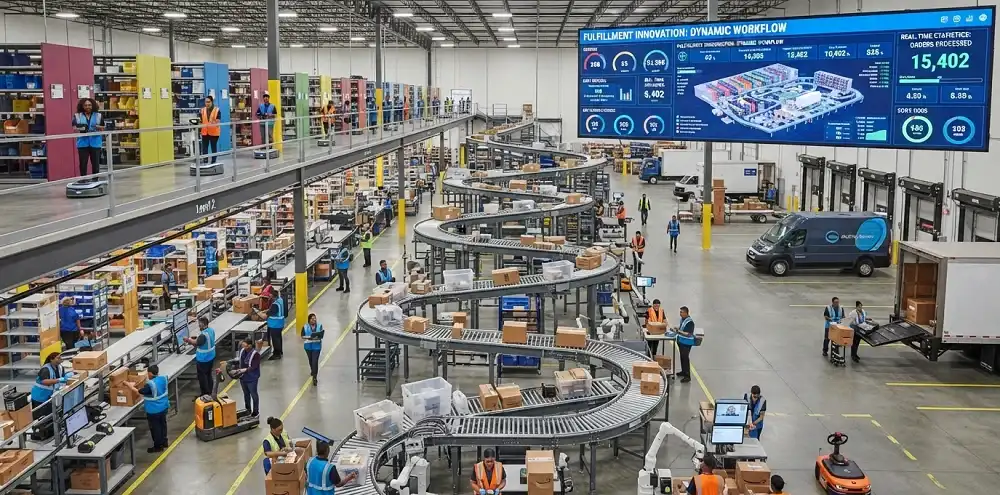

The success of any e-commerce business in 2026 hinges on exceptional customer support and operational excellence. As online retail continues to dominate the marketplace, providing comprehensive e commerce support has become a critical differentiator that separates thriving brands from struggling competitors. From order fulfillment and inventory management to customer inquiries and post-purchase assistance, every touchpoint requires strategic planning and execution. Businesses that invest in robust support systems create loyal customer bases, reduce operational friction, and position themselves for sustainable growth in an increasingly competitive digital landscape.
Understanding the Scope of E Commerce Support
E commerce support extends far beyond answering customer emails. It encompasses the entire ecosystem that enables online businesses to operate smoothly and deliver exceptional experiences at every stage of the customer journey.
Multi-Dimensional Support Framework
Modern e commerce support involves several interconnected components that work together to create seamless operations. Customer-facing support includes inquiry management, order tracking assistance, returns processing, and technical troubleshooting. Behind the scenes, operational support covers inventory management, warehouse coordination, shipping logistics, and quality control measures.
The most successful e-commerce brands recognize that enhancing product information and communication channels creates a foundation for superior customer experiences. This holistic approach ensures that both customers and internal teams have the resources they need to succeed.

Key support categories include:
- Customer service operations – managing inquiries, complaints, and feedback across multiple channels
- Fulfillment support – coordinating warehouse activities, inventory tracking, and order processing
- Technical assistance – troubleshooting platform issues, integration challenges, and system errors
- Logistics coordination – managing shipping carriers, tracking updates, and delivery exceptions
- Returns management – processing refunds, exchanges, and reverse logistics efficiently
The Evolution of Support Expectations
Customer expectations for e commerce support have transformed dramatically over the past few years. In 2026, shoppers demand instant responses, personalized interactions, and proactive communication throughout their buying journey. The traditional model of reactive support no longer suffices in a market where competitors are just one click away.
According to proven strategies for effective customer support, businesses must leverage technology while maintaining the human touch that builds lasting relationships. This balance becomes particularly crucial for growing brands that need to scale their operations without sacrificing service quality.
Building a Robust Support Infrastructure
Creating an effective e commerce support system requires careful planning, the right technology stack, and trained personnel who understand both your products and your customers’ needs.
Technology and Automation Integration
Modern support infrastructure relies heavily on intelligent automation that handles routine tasks while freeing human agents to address complex situations. Customer relationship management (CRM) systems, helpdesk software, and automated communication tools form the backbone of efficient support operations.
| Technology Type | Primary Function | Business Impact |
|---|---|---|
| CRM Platforms | Centralize customer data and interaction history | Personalized service, improved retention |
| AI Chatbots | Handle routine inquiries 24/7 | Reduced response times, lower costs |
| Order Management Systems | Track fulfillment status and inventory | Accurate information, fewer errors |
| Knowledge Bases | Provide self-service resources | Reduced ticket volume, customer empowerment |
Implementing omni-channel support techniques allows customers to reach your team through their preferred communication method, whether that’s email, live chat, phone, or social media. Consistency across these channels builds trust and reinforces your brand’s commitment to accessibility.
Fulfillment as a Support Function
For many e-commerce businesses, fulfillment operations represent the most critical support function. Order accuracy, shipping speed, and packaging quality directly impact customer satisfaction and repeat purchase rates. This is where specialized Amazon FBA prep services and direct-to-consumer fulfillment become essential components of your overall support strategy.
Fast-growing brands often struggle to maintain service quality as order volumes increase. Partnering with experienced fulfillment providers allows businesses to scale operations while ensuring every package meets brand standards and reaches customers promptly.
Critical fulfillment support elements:
- Inventory accuracy – real-time tracking prevents overselling and stockouts
- Quality control – inspection processes catch errors before shipment
- Custom packaging – branded unboxing experiences enhance customer delight
- Shipping optimization – carrier selection based on cost, speed, and reliability
- Returns processing – efficient reverse logistics maintain customer satisfaction
Proactive Communication Strategies
The best e commerce support anticipates customer needs rather than simply reacting to problems. Proactive communication reduces anxiety, builds confidence, and creates positive experiences that encourage repeat business.
Order Lifecycle Messaging
Every order presents multiple opportunities for proactive communication. Confirmation emails, shipping notifications, delivery updates, and post-purchase follow-ups keep customers informed and engaged throughout their journey.
Automated email sequences should provide relevant information at each stage while maintaining a personal tone that reflects your brand voice. Proactive communication best practices include setting accurate delivery expectations, providing tracking information immediately, and addressing potential delays before customers inquire.

Handling Exceptions with Grace
Despite best efforts, problems inevitably arise in e-commerce operations. Lost packages, damaged goods, inventory shortages, and shipping delays test your support system’s effectiveness. How you handle these situations often matters more than the problems themselves.
Transparent communication about issues, combined with swift resolution efforts, can actually strengthen customer relationships. Many businesses find that customers who experience a well-handled problem become more loyal than those who never encountered any issues.
Scaling Support for Growing Brands
As e-commerce businesses expand, support systems must evolve to handle increased complexity without proportionally increasing costs or sacrificing quality.
Building Efficient Self-Service Resources
Comprehensive self-service options empower customers to find answers independently while reducing the burden on your support team. Well-organized FAQ sections, detailed product information, video tutorials, and searchable knowledge bases address common questions before they require staff intervention.
Implementing effective self-service solutions requires understanding your customers’ most frequent questions and creating clear, accessible answers. Analytics tools can identify knowledge gaps and highlight areas where additional resources would reduce support tickets.
Outsourcing Strategic Support Functions
Many successful e-commerce brands leverage specialized partners for specific support functions, allowing internal teams to focus on core business activities. This approach proves particularly valuable for fulfillment operations, where expertise and infrastructure investments can be prohibitive for growing businesses.
For companies experiencing rapid growth, e-commerce fulfillment services provide the scalability needed to meet increasing demand without the challenges of managing warehouse space, hiring staff, and investing in equipment. This strategic outsourcing extends your support capabilities while controlling costs and maintaining service quality.
Measuring Support Performance
Effective e commerce support requires continuous monitoring and improvement based on concrete metrics that reflect both customer satisfaction and operational efficiency.
Key Performance Indicators
Tracking the right metrics helps identify strengths, weaknesses, and opportunities for improvement in your support operations. Different aspects of your business require different measurements, but several core KPIs apply across most e-commerce contexts.
| Metric | What It Measures | Target Range |
|---|---|---|
| First Response Time | Speed of initial customer contact | Under 2 hours |
| Resolution Time | Average time to solve issues | Under 24 hours |
| Customer Satisfaction (CSAT) | Post-interaction satisfaction ratings | Above 90% |
| Order Accuracy Rate | Percentage of error-free shipments | Above 99% |
| Return Rate | Percentage of orders returned | Below 10% |
| Net Promoter Score | Customer loyalty and advocacy | Above 50 |
Regular analysis of these metrics reveals trends and patterns that inform strategic decisions. Sudden changes in any metric can signal emerging problems that require immediate attention, while gradual improvements validate your optimization efforts.
Customer Feedback Integration
Quantitative metrics tell part of the story, but qualitative feedback provides context and depth that numbers alone cannot capture. Soliciting, organizing, and acting on customer feedback creates a continuous improvement cycle that keeps your support evolving with customer needs.
Strategies for leveraging customer reviews include systematic collection through post-purchase surveys, analysis of common themes and complaints, and transparent communication about improvements made based on customer input. This feedback loop demonstrates your commitment to customer satisfaction and builds community around your brand.
Specialized Support for Different Business Models
Different e-commerce business models require tailored support approaches that address their unique challenges and customer expectations.

Subscription Box Operations
Subscription box fulfillment presents distinctive support challenges including recurring billing issues, customization preferences, and consistent delivery expectations. Subscribers expect reliability and personalization, making proactive communication and flexible support options particularly important.
Subscription-specific support priorities:
- Billing transparency and easy modification options
- Customization management and preference tracking
- Consistent quality across recurring shipments
- Flexible pause and cancellation processes
- Preview communications for upcoming boxes
Marketplace Seller Support
Sellers operating on Amazon, eBay, or other marketplaces face platform-specific requirements that demand specialized knowledge and processes. Compliance with marketplace policies, inventory synchronization across channels, and platform-specific customer service protocols create unique support needs.
Successful marketplace sellers often rely on partners who understand platform requirements and can ensure compliance while maintaining operational efficiency. This specialized expertise prevents costly mistakes and optimizes performance within each marketplace’s ecosystem.
Technology Trends Shaping Future Support
The e commerce support landscape continues evolving as new technologies create opportunities for enhanced efficiency and improved customer experiences.
Artificial Intelligence and Machine Learning
AI-powered tools increasingly handle routine support tasks, from answering common questions to predicting inventory needs and identifying potential shipping delays. These technologies excel at processing large volumes of data and recognizing patterns that inform proactive support strategies.
Implementing AI-powered chatbots and automation allows businesses to provide instant responses around the clock while continuously learning from interactions to improve accuracy. However, successful implementation requires balancing automation with human touch for situations requiring empathy, creativity, or complex problem-solving.
Predictive Analytics for Proactive Support
Advanced analytics platforms now predict potential issues before they affect customers. These systems can identify inventory shortages, forecast shipping delays, detect quality control problems, and flag at-risk customer accounts based on behavioral patterns.
By addressing these situations proactively, businesses prevent negative experiences and demonstrate attentiveness that builds customer loyalty. This shift from reactive to predictive support represents one of the most significant advantages available to data-driven e-commerce operations in 2026.
Training and Developing Support Teams
Even with sophisticated technology, human expertise remains essential for delivering exceptional e commerce support. Investing in team development ensures your staff can leverage tools effectively while providing the empathy and creativity that machines cannot replicate.
Comprehensive Onboarding Programs
New support team members need thorough training covering product knowledge, company policies, communication skills, and technical systems. Structured onboarding programs reduce time-to-productivity and ensure consistent service quality across your team.
Effective programs combine formal training sessions, shadowing experienced team members, hands-on practice with supervision, and ongoing feedback to reinforce learning. Documentation of processes and best practices creates reference materials that support continuous improvement.
Empowerment and Decision-Making Authority
Support staff who can resolve issues independently without constant manager approval provide faster, more satisfying customer experiences. Establishing clear guidelines about resolution authority, refund limits, and escalation criteria balances autonomy with appropriate oversight.
Empowered team members feel greater ownership over outcomes and develop stronger problem-solving skills. This approach also reduces bottlenecks and allows managers to focus on strategic initiatives rather than routine approval requests.
Integration Between Support Functions
The most effective e commerce support systems feature seamless integration between customer service, fulfillment, technical operations, and marketing teams. Breaking down silos ensures information flows freely and customers receive consistent experiences.
Cross-Functional Communication
Regular communication between departments prevents common disconnects that frustrate customers. When marketing launches promotions, fulfillment teams need advance notice to prepare for volume spikes. When customer service identifies recurring product issues, quality control teams need that feedback to investigate root causes.
Implementing shared systems, regular cross-functional meetings, and collaborative problem-solving processes creates alignment that improves overall business performance. This integration proves particularly valuable for e-commerce businesses working with specialized partners who become extensions of your internal team.
Unified Customer View
Creating a single, comprehensive view of each customer across all interactions and systems enables personalized, informed support. When agents can see purchase history, previous inquiries, shipping preferences, and marketing engagement, they provide more relevant assistance and identify opportunities for enhanced service.
Modern CRM platforms consolidate this information, but realizing the full benefit requires integration with order management, fulfillment, and marketing systems. This technical integration, combined with team training on leveraging unified data, transforms support from transactional to relational.
Exceptional e commerce support creates competitive advantages that drive customer loyalty and operational efficiency. By combining technology, strategic processes, and skilled teams, businesses build support systems that scale with growth while maintaining the personal touch that customers value. When fulfillment challenges threaten to overwhelm your internal resources, Ecom Automation Prep provides comprehensive solutions including prep services, direct-to-consumer fulfillment, and specialized support that lets you focus on growing your brand while we handle the operational complexity.