
The world of popular e commerce is evolving at a breakneck pace, with new technologies and consumer behaviors reshaping online retail as we approach 2026. For businesses and entrepreneurs, making the right platform choice is crucial for staying ahead, scaling operations, and driving innovation.
This article explores seven popular e commerce platforms set to lead the industry, guiding you through their features, pricing, target users, and the latest trends. Gain valuable insights to make smarter, future-ready decisions and position your brand for sustained growth in the digital marketplace.
E-Commerce Platforms in 2026: Key Trends and Selection Criteria
The world of popular e commerce is changing at a rapid pace as we approach 2026. New technologies are reshaping the landscape, and businesses must stay ahead to remain competitive. Understanding the latest trends and selection criteria is key to making smart platform decisions.
The Evolving Landscape of E-Commerce Platforms
Technological innovation is driving a new era for popular e commerce platforms. Artificial intelligence is powering everything from product recommendations to customer support chatbots, while AR and VR are enabling immersive shopping experiences that blur the line between digital and physical retail.
Omnichannel selling is now the norm. Platforms are integrating seamlessly with social commerce channels like Instagram and TikTok, making it easier to reach consumers wherever they shop. Mobile-first design and progressive web apps ensure that customers enjoy fast, intuitive experiences across devices.
Global expansion is accelerating, with more platforms supporting cross-border e-commerce, multi-currency transactions, and local payment gateways. The demand for headless commerce and API-driven architectures is also rising, offering businesses the flexibility to create custom storefronts and integrate with advanced tools.
What Businesses Should Look for in 2026
Choosing the right popular e commerce platform in 2026 means evaluating a range of critical factors. Scalability is essential, as businesses need to support growth without sacrificing performance. Customization capabilities allow brands to create unique shopping experiences, while robust security features protect customer data.
A thriving ecosystem of third-party apps, plugins, and developer resources adds value. Built-in marketing tools and analytics help brands attract and retain customers. Seamless integration with fulfillment, shipping, and payment solutions streamlines operations and improves customer satisfaction.
Transparent pricing structures, flexible subscription options, and strong community support are increasingly important. Comprehensive documentation and a responsive support team make it easier for businesses to troubleshoot and innovate. When evaluating options, prioritize platforms that align with your unique goals and long-term strategy.
Emerging Data and Industry Statistics
The outlook for popular e commerce is stronger than ever. Global e-commerce sales are projected to reach $8.5 trillion by 2026, reflecting the sector’s explosive growth. According to recent reports, platforms like Shopify and WooCommerce continue to increase their market share, while new players are emerging to challenge established leaders.
B2B e-commerce is also booming, with the market expected to hit $36 trillion by 2026. Consumer behavior is shifting rapidly, with shoppers demanding faster delivery, personalized experiences, and seamless omnichannel journeys. For more insights, explore the Global e-commerce sales forecast for up-to-date projections and analysis.
Businesses that adapt to these evolving expectations and leverage the strengths of popular e commerce platforms will be well positioned for success in the years ahead.
7 Popular E Commerce Platforms to Watch in 2026
The landscape of popular e commerce platforms continues to evolve rapidly as we approach 2026. Businesses now require more than just a basic storefront. They need robust features, seamless integration, and scalable solutions that keep pace with changes in technology and consumer expectations.
Below, we explore seven popular e commerce platforms that are shaping the future of online retail. Each offers unique strengths, catering to different business models, sizes, and growth ambitions.
Shopify
Shopify remains at the forefront of popular e commerce solutions, offering an intuitive interface and powerful tools for businesses of all sizes. With pricing starting at $39 per month, Shopify provides advanced plans for growing brands and transaction fees that can be avoided by using Shopify Payments.

Key features include a drag and drop builder, a robust app store, and global payment solutions. Omnichannel integrations, Shop Pay, and AI powered tools enhance both the merchant and customer experience.
Shopify is designed for everyone, from small businesses to enterprise level brands. Direct to consumer (DTC) companies and subscription businesses benefit from its flexibility.
Pros:
- Quick setup for popular e commerce stores
- Excellent customer support
- Strong mobile experience
- Innovative AI features
Cons:
- Transaction fees unless Shopify Payments is used
- Limited advanced customization without coding
Brands like Gymshark and Allbirds use Shopify to scale globally. The platform’s market share continues to rise, making it a top choice for popular e commerce in 2026.
Ecom Automation Prep
Ecom Automation Prep stands out among popular e commerce fulfillment solutions, offering custom quotes based on order volume and services. Businesses can take advantage of 30 day free trials for select offerings and enjoy up to 90% shipping discounts.
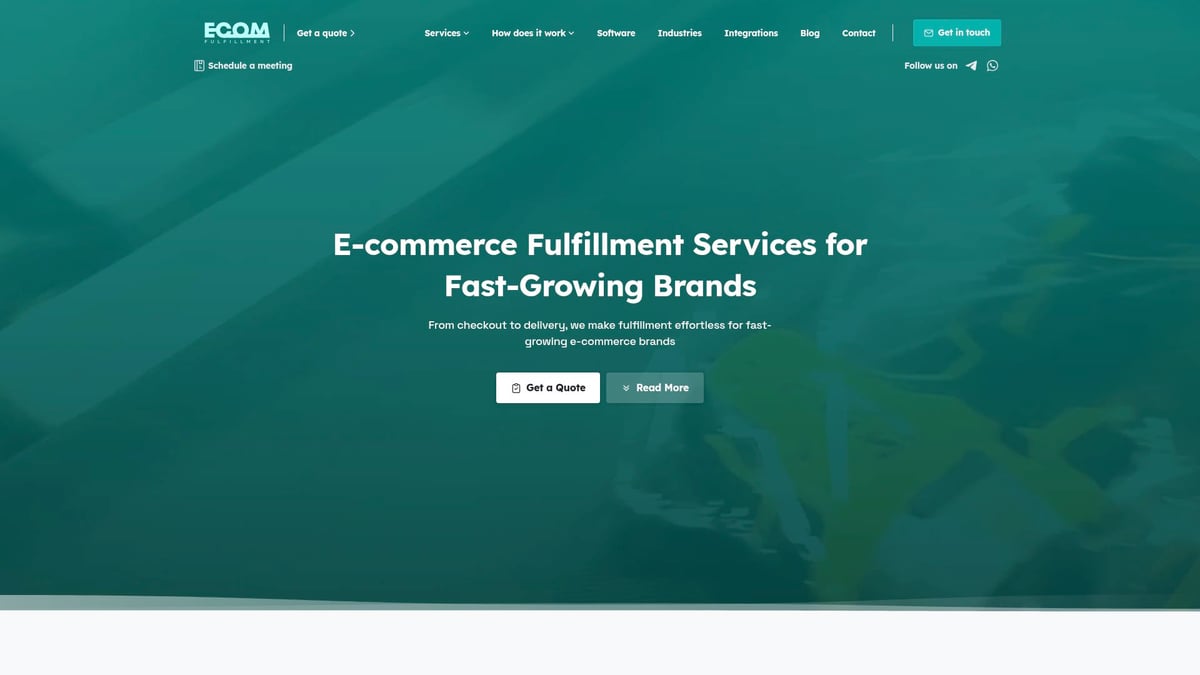
Core features cover Amazon FBA prep, direct to consumer fulfillment, kitting, bundling, subscription box fulfillment, reverse logistics, and global shipping. The platform is designed for fast growing e commerce brands that require reliable, tech driven fulfillment and logistics.
Pros:
- Award winning reliability for popular e commerce brands
- Significant shipping savings
- Seamless tech integrations
Cons:
- Not a storefront platform
- Best when paired with leading platforms for fulfillment
Ecom Automation Prep is trusted by over 150 brands, including Procter & Gamble and Milwaukee. Its solutions are ideal for companies scaling across multiple channels. For a deeper look at logistics partnerships that drive popular e commerce success, explore their E-commerce fulfillment solutions.
WooCommerce
WooCommerce is a popular e commerce platform built for WordPress users seeking flexibility and control. The core plugin is free, though costs for hosting, premium extensions, and themes apply.
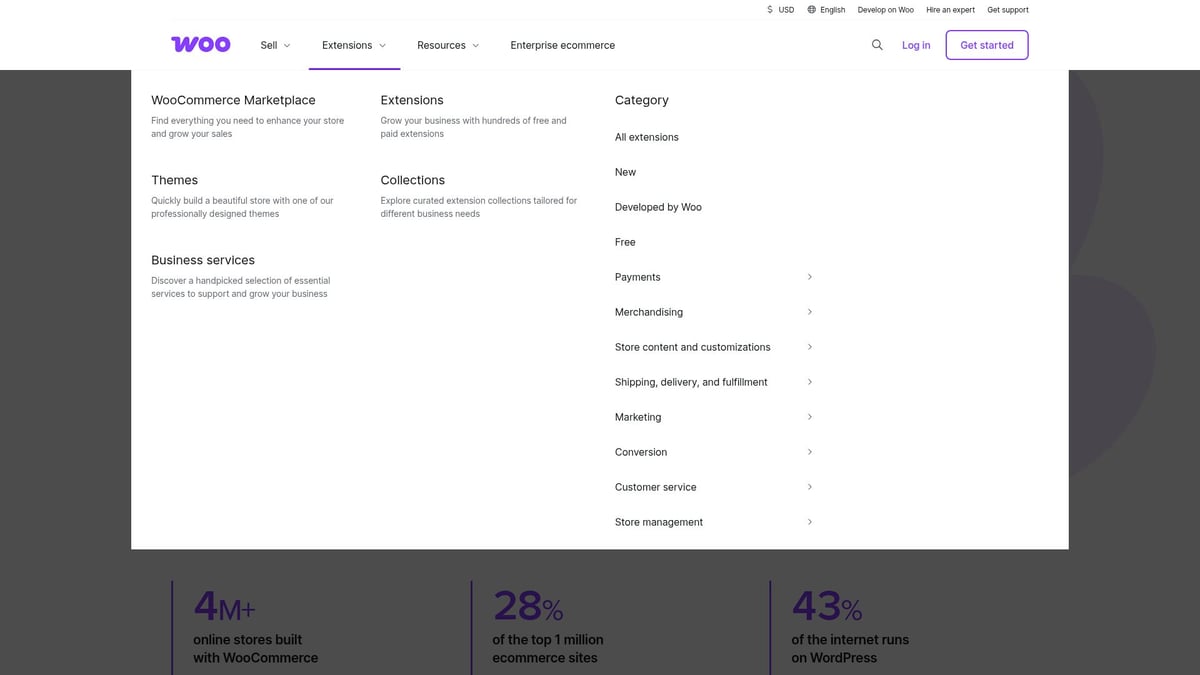
Key features include seamless WordPress integration, a highly customizable storefront, a wide range of plugins, and flexible payment and shipping options. WooCommerce attracts businesses that want total control over their site and prioritize SEO.
Pros:
- No monthly fees for the core platform
- Highly customizable for popular e commerce needs
- Strong content management capabilities
Cons:
- Requires technical setup and ongoing maintenance
- Potential plugin conflicts
WooCommerce powers over 20% of all online stores. It is the go to choice for content driven popular e commerce brands and those already invested in the WordPress ecosystem.
BigCommerce
BigCommerce is a leader in popular e commerce, offering plans starting at $39 per month with no transaction fees. Enterprise plans are available for larger operations.
The platform’s core features include multi channel selling across Amazon, eBay, and Facebook, headless commerce support, advanced SEO, and robust B2B capabilities. BigCommerce is built for scalability and comes with built in sales and marketing tools.
Pros:
- No transaction fees for popular e commerce merchants
- Flexible APIs for custom integrations
- Strong B2B features
Cons:
- Annual sales limits on standard plans
- Learning curve for advanced features
Brands like Skullcandy and Ben & Jerry’s use BigCommerce for rapid expansion. Its architecture supports both SMBs and large popular e commerce enterprises.
Magento Open Source / Adobe Commerce
Magento, now part of Adobe Commerce, is a popular e commerce solution for complex businesses. Magento Open Source is free, while Adobe Commerce offers enterprise features with quote based pricing.
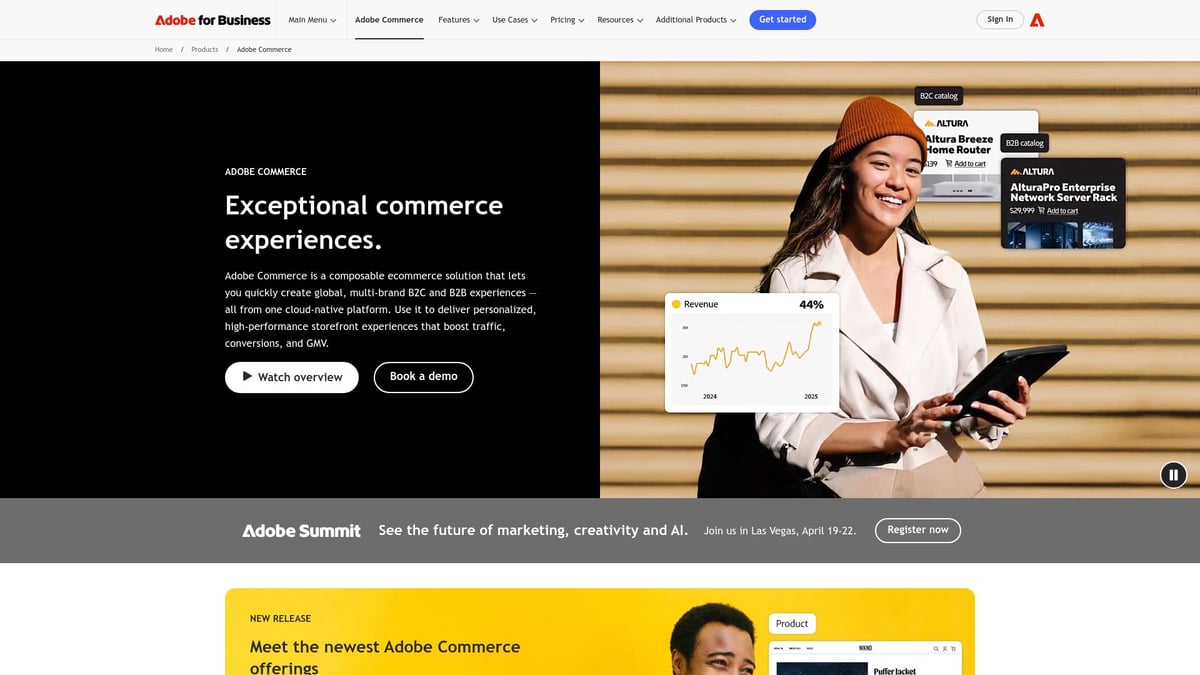
Core features include advanced inventory management, multi store support, and powerful B2B tools. The platform is known for its high degree of customization and global selling capabilities.
Pros:
- Flexible architecture for popular e commerce needs
- Robust security
- Large extension marketplace
Cons:
- Requires technical expertise
- Higher upfront development costs and ongoing maintenance
Major brands like HP and Canon trust Magento for their global operations. It is ideal for businesses with complex requirements and a need for complete control over their popular e commerce environment.
Wix eCommerce
Wix eCommerce is a popular e commerce choice for small businesses and creative entrepreneurs. Pricing starts at $27 per month, with business and enterprise plans available.
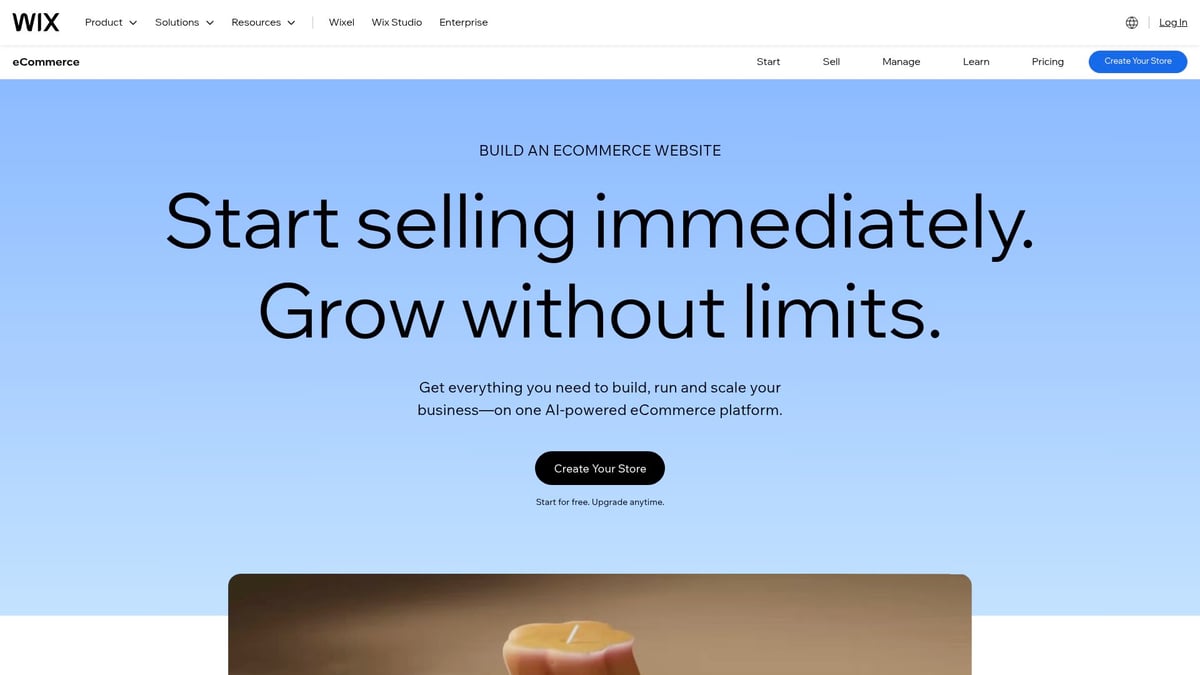
Wix’s drag and drop site builder, built in marketing tools, multichannel selling, and mobile optimization make it extremely user friendly. Integrated payment processing and visually appealing templates enable quick store launches.
Pros:
- No coding required for popular e commerce sites
- Affordable and easy to use
- Strong customer support
Cons:
- Less scalable for very large stores
- Limited advanced customization options
With over 700,000 active online stores, Wix is a favorite among small merchants and creative professionals looking for an accessible popular e commerce solution.
Salesforce Commerce Cloud
Salesforce Commerce Cloud is designed for large enterprises and global brands seeking unified commerce and CRM integration. Pricing is quote based and tailored to each client.
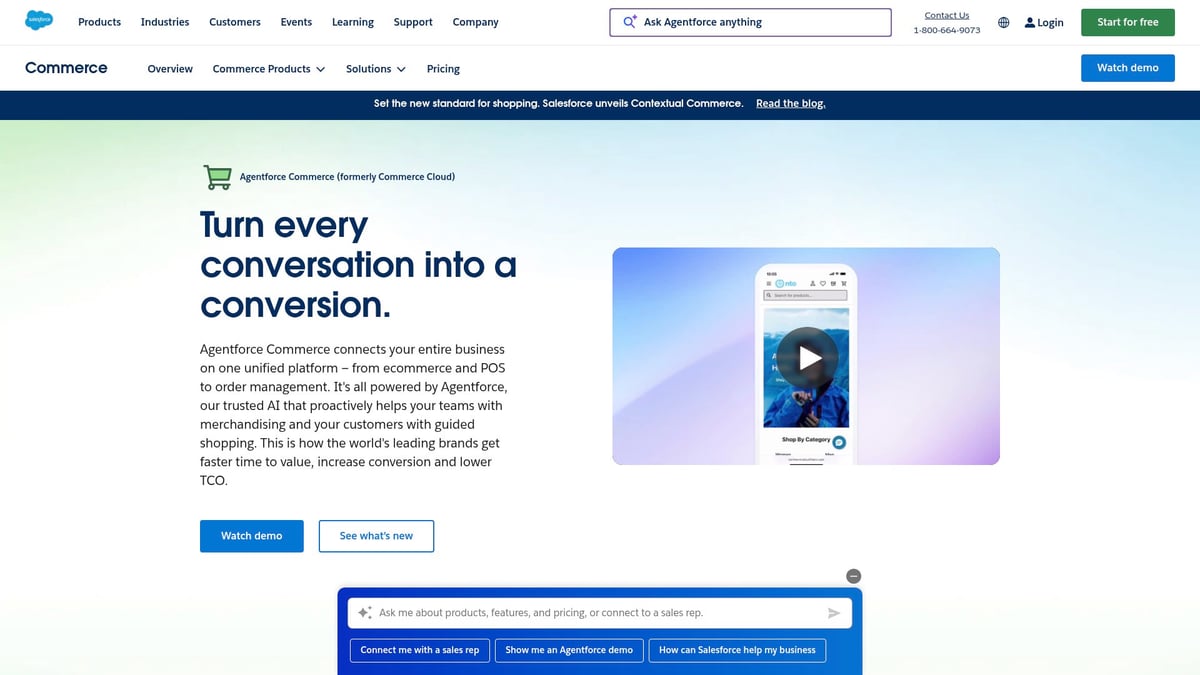
Key features include AI powered personalization, omnichannel commerce, order management, CRM integration, and advanced analytics. The platform excels at delivering seamless customer experiences backed by enterprise grade scalability.
Pros:
- Powerful automation for popular e commerce businesses
- Deep customer insights via advanced analytics
- Strong B2B and B2C support
Cons:
- High cost and technical resource requirements
- Best suited for large organizations
Brands like Adidas and Puma leverage Salesforce Commerce Cloud to drive personalized shopping at scale. Its robust feature set makes it a top contender among popular e commerce platforms for 2026.
Platform Comparison Table
| Platform | Pricing | Best For | Key Feature |
|---|---|---|---|
| Shopify | From $39/month | SMBs to enterprise, DTC, subscriptions | User friendly, AI tools, scalability |
| Ecom Automation Prep | Custom/Quote | Fast growing brands, fulfillment | End to end logistics, shipping savings |
| WooCommerce | Free/Core | WordPress users, content driven brands | Customization, SEO, plugins |
| BigCommerce | From $39/month | SMBs, B2B, multi channel sellers | No transaction fees, headless commerce |
| Magento / Adobe Commerce | Free/Quote | Large enterprises, complex businesses | Customization, global selling |
| Wix eCommerce | From $27/month | Small businesses, creators | Drag and drop, ease of use |
| Salesforce Commerce Cloud | Quote based | Large enterprises, global brands | AI, omnichannel, CRM integration |
This table highlights the unique strengths of each platform, helping businesses make informed decisions about their popular e commerce strategy in 2026.
Platform Innovations and Future-Proofing Your E-Commerce Business
The pace of innovation in the popular e commerce sector is accelerating, with platforms racing to adopt the latest technologies. To stay ahead, businesses need to understand how these advancements can help them scale, adapt, and thrive as the digital landscape evolves.
Integrating AI, Automation, and Personalization
Artificial intelligence is transforming the popular e commerce experience. Platforms now use AI-driven product recommendations, smart search, and automated chatbots to create highly personalized journeys for shoppers.
Shopify, for example, has rolled out AI tools that help merchants optimize inventory, forecast demand, and automate marketing campaigns. Salesforce Commerce Cloud’s Einstein AI enables real-time personalization, tailoring content and offers to each visitor’s behavior. Machine learning is also used to set dynamic pricing, improve fraud detection, and streamline supply chain operations.
Key innovations include:
- AI-powered chatbots for instant customer service
- Automated inventory management and demand forecasting
- Personalized product recommendations based on user data
As highlighted in AI and unified commerce in 2026, the convergence of agentic AI and unified commerce will shape how popular e commerce platforms deliver seamless, intelligent experiences. Adopting these technologies is essential for brands seeking to future-proof their operations.
The Role of Omnichannel and Headless Commerce
The push for omnichannel selling is redefining the popular e commerce landscape. Consumers expect a unified experience across web, mobile, social media, and even physical stores. Platforms are responding with robust integrations and flexible architectures.
Headless commerce is gaining traction, allowing businesses to decouple the front end from the back end. This flexibility lets brands deliver custom experiences across multiple channels without being limited by traditional platform constraints. BigCommerce and Magento are leading the charge, offering comprehensive APIs and headless support for innovative storefronts.
Benefits of omnichannel and headless commerce:
- Consistent brand experience across all channels
- Faster adaptation to emerging sales platforms
- Enhanced site speed and customization
According to E-commerce trends transforming shopping, omnichannel strategies and headless technology are among the top trends that will define popular e commerce in 2026.
Preparing for Global Expansion and Cross-Border Commerce
Scaling a popular e commerce business globally requires more than just a strong product offering. Platforms must support multi-currency transactions, multiple languages, and local payment gateways to meet diverse customer needs.
Logistics and fulfillment integrations are critical for smooth cross-border operations. Real-time tracking, automated shipping calculations, and partnerships with global carriers ensure reliable delivery worldwide. As international demand grows, popular e commerce platforms that prioritize these features will empower brands to reach new markets efficiently.
Businesses that future-proof their popular e commerce operations with scalable, global-ready solutions are best positioned for sustained growth and resilience.
How to Choose the Right E-Commerce Platform for 2026
Selecting the best platform from the range of popular e commerce options in 2026 requires a strategic, forward-thinking approach. The right choice will empower your business to scale, innovate, and adapt to rapidly evolving retail trends.
Assessing Your Business Model and Growth Goals
Begin your platform search by mapping your business model and growth trajectory. Consider your current size, product categories, and sales channels. Are you focused on B2B, B2C, or a hybrid approach? Will you expand internationally or specialize in a niche market?
Look at how each popular e commerce platform aligns with your goals. For instance, Shopify and Wix offer quick setup for small businesses, while Magento and Salesforce Commerce Cloud support complex, global enterprises. Think about the types of customer experiences you want to deliver, as well as the level of control and customization you require.
Ask yourself:
- What are my projected sales volumes for the next three years?
- Do I need advanced B2B features or subscription management?
- Which channels (marketplaces, social, mobile) are critical for growth?
Evaluate your readiness for omnichannel selling and anticipate future needs. For a deeper dive into preparing for expansion, check out Scaling your e-commerce business for actionable strategies.
Comparing Costs, Support, and Ecosystem
Understanding the true cost of ownership is essential when choosing among popular e commerce platforms. Go beyond monthly fees or transaction costs—factor in hosting, premium extensions, app subscriptions, development, and maintenance.
Here’s a quick comparison table to clarify key considerations:
| Platform | Upfront Cost | Ongoing Fees | Support Quality | App Marketplace |
|---|---|---|---|---|
| Shopify | Low | Monthly + % | 24/7, strong | Extensive |
| WooCommerce | Variable | Hosting, plugins | Community-driven | Large, open source |
| Magento/Adobe | High | Maintenance | Enterprise, partners | Large, premium |
| BigCommerce | Medium | Monthly, tiered | 24/7, robust | Expanding |
| Wix | Low | Monthly | Fast, helpful | Growing |
Investigate support channels—does the vendor offer live chat, phone, or a strong developer community? Review platform satisfaction ratings and response times from recent industry reports. A vibrant ecosystem with reliable third-party apps can save time and boost innovation as your business scales.
Evaluating Integration with Fulfillment and Logistics
Seamless integration with fulfillment providers, shipping carriers, and inventory management is critical for any popular e commerce business. Look for platforms that enable automation, real-time tracking, and flexible shipping options to streamline operations and enhance customer satisfaction.
Ask these questions:
- Does the platform natively support my preferred logistics partners?
- Can I automate order routing and inventory updates?
- Are there robust APIs for custom integrations?
As you plan for growth, remember that fulfillment efficiency is often the difference between stagnation and success. Leveraging solutions that scale with you will keep your operations agile and responsive to market demands.
As you explore these top e commerce platforms shaping the future of online retail in 2026, it is clear that success depends on more than just choosing the right technology—you also need a fulfillment partner you can trust. If you are ready to take the next step and ensure your brand’s growth is supported by reliable, scalable logistics, we are here to help. Let us simplify your operations so you can focus on what matters most: building your business and delighting your customers.
Get A Quote




[…] successful brands rarely rely on a single sales channel. Understanding how to navigate popular e-commerce platforms and integrate operations across marketplaces, direct-to-consumer sites, and social commerce […]
[…] E-commerce fulfillment strategies must evolve to support these hybrid models, treating subscription and traditional commerce as integrated rather than separate operations. The brands that execute this integration smoothly create convenience that drives both subscription retention and incremental revenue. […]