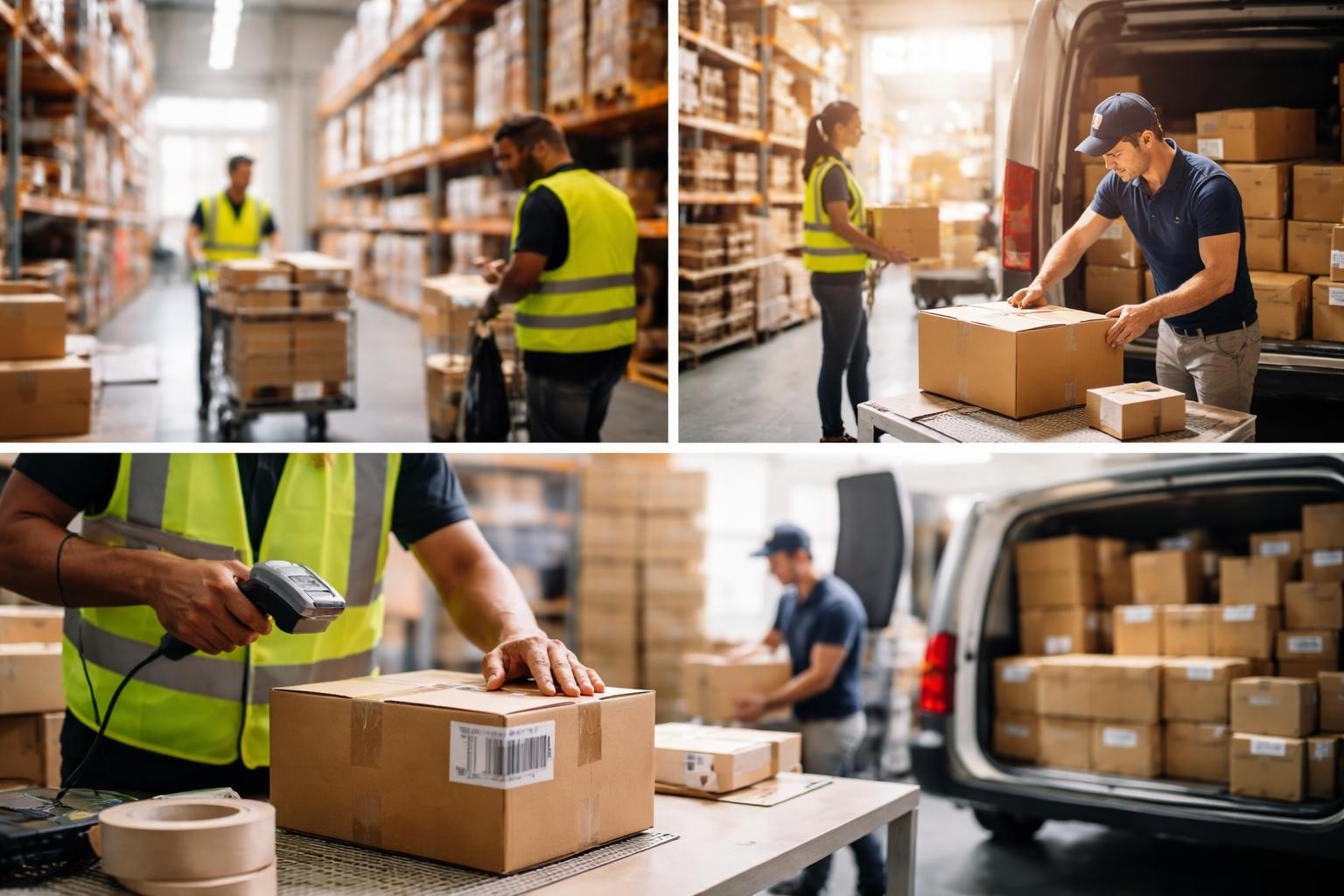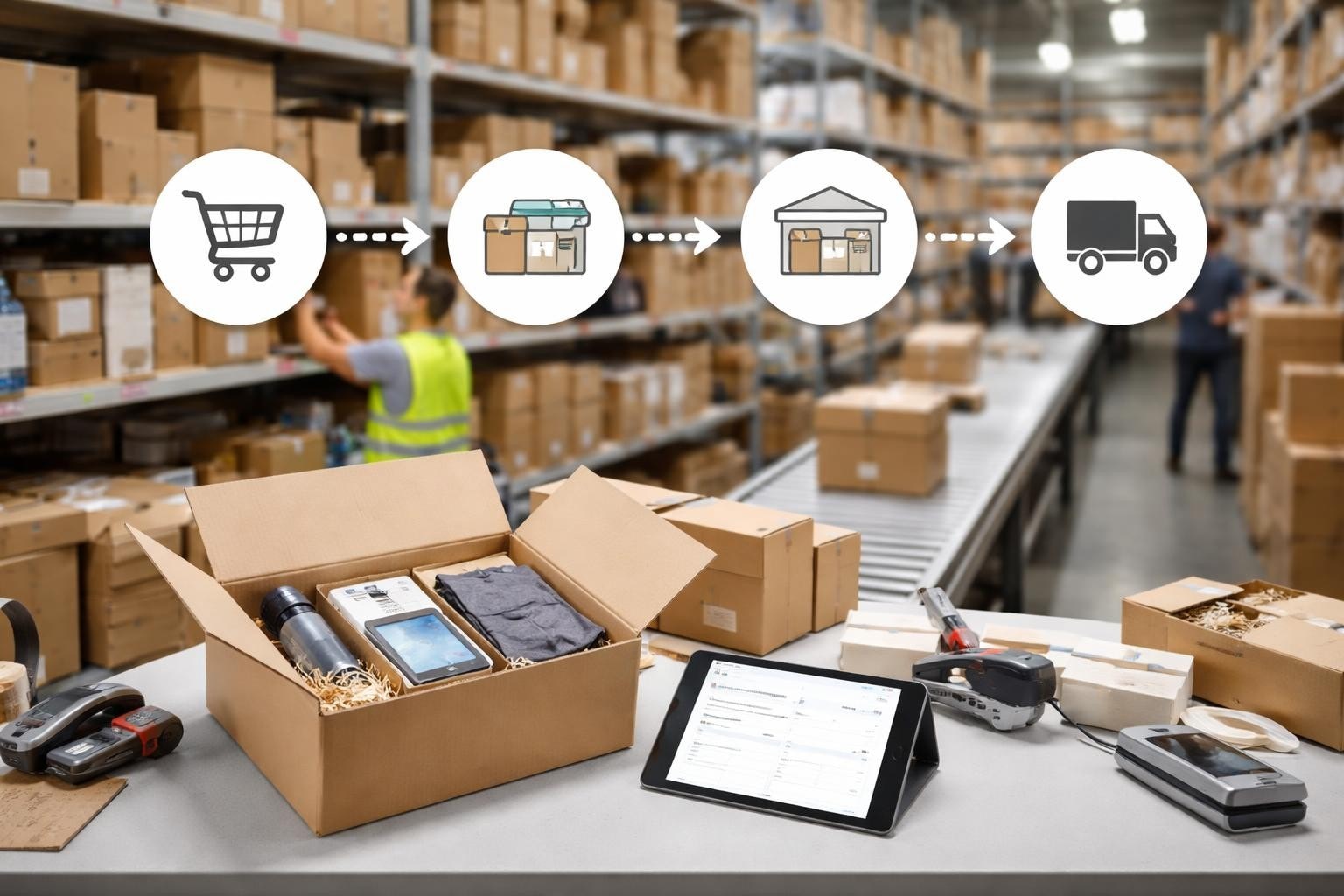

The e-commerce landscape has fundamentally transformed consumer expectations around returns. Today's online shoppers expect hassle-free return experiences that mirror the convenience of their purchasing journey. For growing e-commerce brands, managing returns logistics efficiently separates market leaders from competitors struggling with profitability. This comprehensive guide explores how businesses can transform their reverse supply chain from a cost center into a strategic advantage that drives customer loyalty and operational efficiency.
Understanding the Returns Logistics Framework
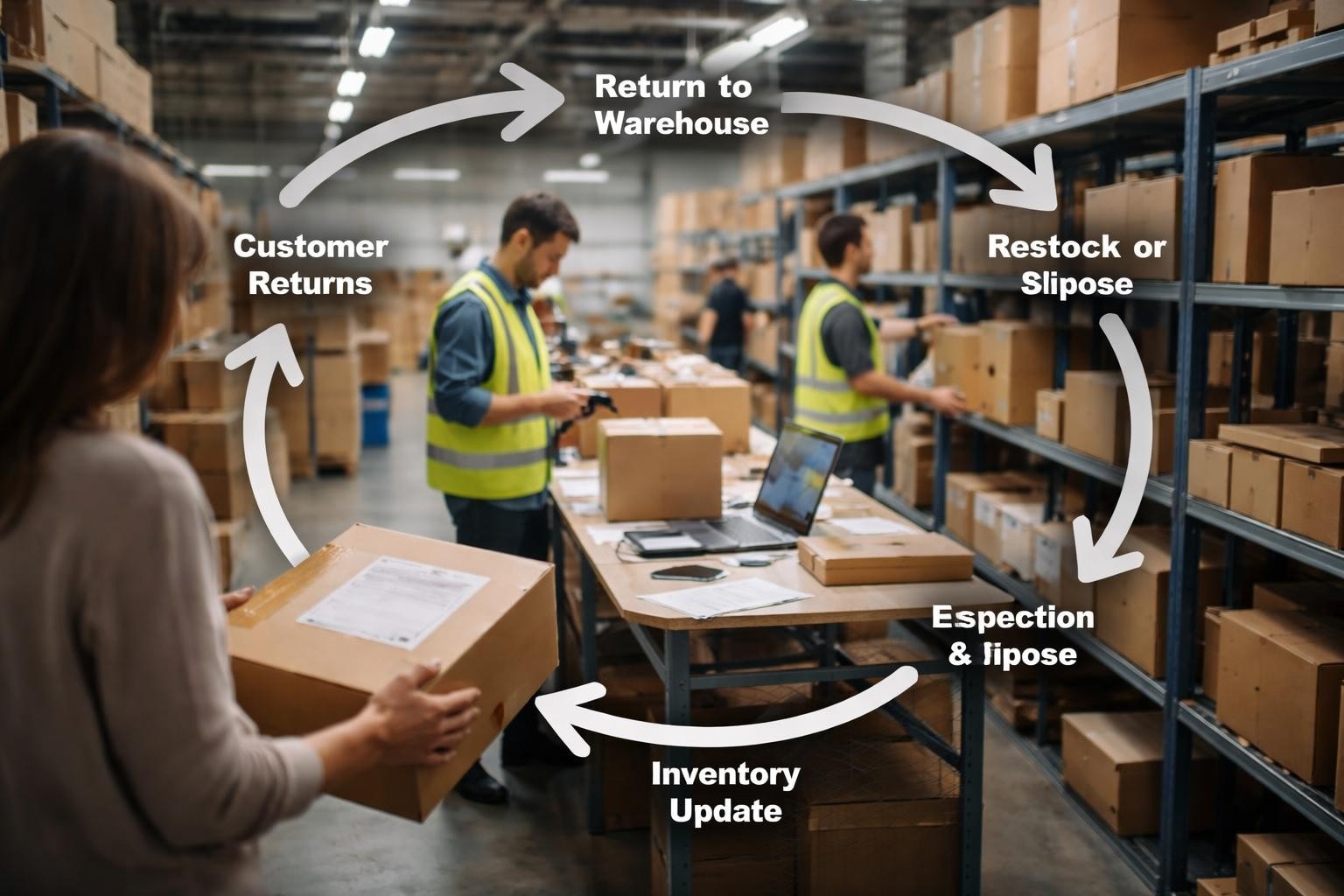
Returns logistics encompasses the entire process of moving products backward through the supply chain-from the end consumer back to the seller, warehouse, or manufacturer. This reverse flow involves inspection, sorting, restocking, refurbishing, or disposal of returned merchandise.
The complexity of returns logistics extends beyond simple product movement. Each return triggers multiple workflows including customer service interactions, quality assessments, inventory adjustments, and financial reconciliations. For e-commerce businesses, this process must operate seamlessly at scale to maintain profitability margins.
The Financial Impact of Reverse Logistics
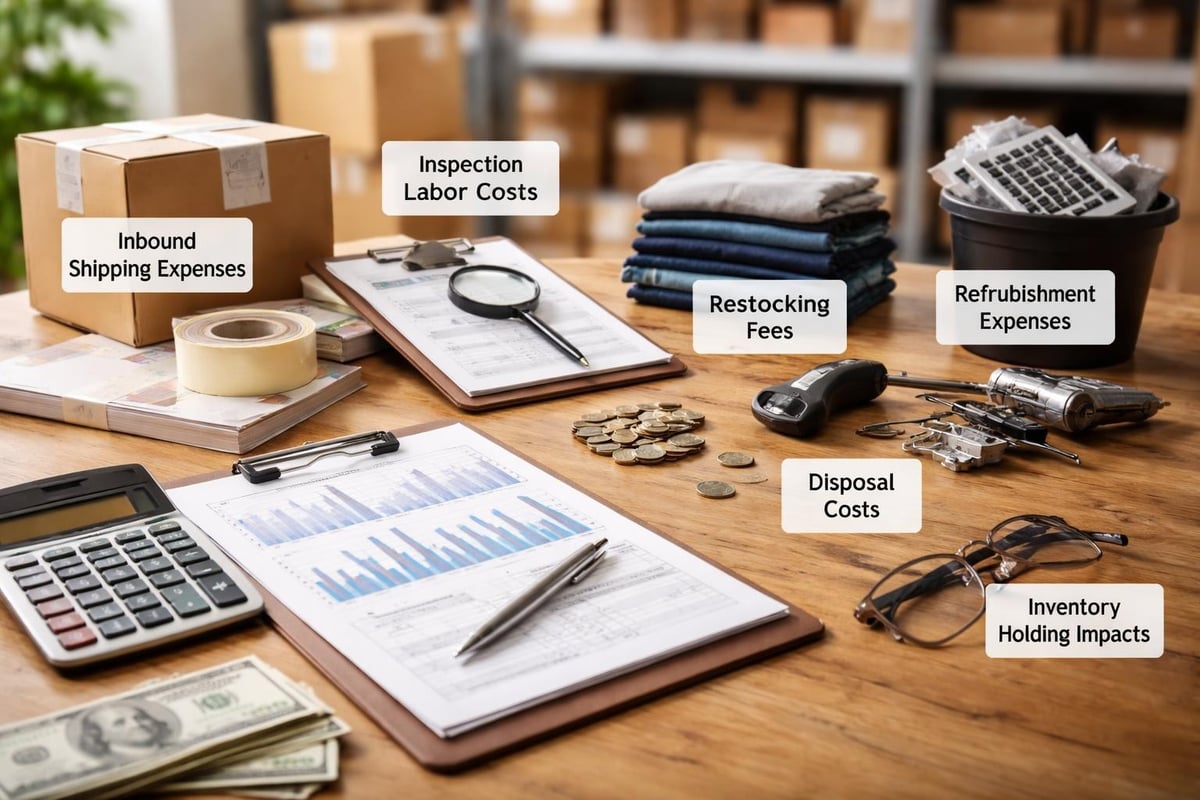
Returns represent a significant cost burden for online retailers. Industry data shows that returns can cost businesses 15-30% of the original sale value when factoring in shipping, handling, inspection, and restocking expenses.
Beyond direct costs, inefficient returns logistics creates hidden financial drains. Delayed restocking means lost sales opportunities. Poor quality control during the return process can result in damaged inventory being returned to saleable stock. Inadequate tracking systems lead to inventory discrepancies that compound over time.
Key cost components include:
- Inbound shipping from customer to warehouse
- Labor for receiving and inspection
- Processing time and administrative overhead
- Storage costs for returned items
- Refurbishment or disposal expenses
- Lost opportunity costs from unsellable inventory
Building an Effective Returns Management System
A robust returns logistics system requires careful planning across multiple operational dimensions. Successful e-commerce brands view returns management not as an afterthought but as a core fulfillment capability that directly impacts customer retention.
Creating Clear Return Policies
Your return policy sets customer expectations and establishes operational parameters for your returns logistics process. Clear policies reduce confusion, minimize fraud, and streamline processing workflows.
Consider these essential policy elements:
- Return window duration (30, 60, or 90 days from delivery)
- Acceptable return conditions (unopened, gently used, defective only)
- Refund methods and timelines (original payment method, store credit, exchanges)
- Return shipping responsibilities (customer-paid, free returns, prepaid labels)
- Restocking fees and exceptions (when applicable and amounts)
- Product categories excluded from returns (final sale items, personalized products)
Publishing clear return policies helps customers make informed purchasing decisions and reduces return-related customer service inquiries by up to 40%.
Technology Integration for Returns Processing
Modern returns logistics demands technological sophistication. Manual processes create bottlenecks that slow down operations and frustrate customers waiting for refunds or replacements.
Implementing a returns management system (RMS) automates critical workflows. These platforms generate return labels, track inbound shipments, manage inspection queues, and trigger refund processing once items are verified.
| Technology Solution | Primary Benefit | Implementation Priority |
|---|---|---|
| Returns portal | Self-service customer experience | High |
| Barcode scanning | Accurate item tracking | High |
| Automated label generation | Faster return initiation | High |
| Inspection workflow software | Consistent quality control | Medium |
| Analytics dashboard | Data-driven optimization | Medium |
| AI-powered fraud detection | Loss prevention | Low |
Integration between your RMS and warehouse management system ensures real-time inventory updates. When a returned item passes inspection, it immediately becomes available for new orders rather than sitting in limbo.
Operational Best Practices for Reverse Logistics
Operational excellence in returns logistics requires consistent processes executed efficiently. Fast-growing e-commerce brands recognize that standardized workflows reduce errors and accelerate processing times.
Receiving and Initial Inspection
The returns journey begins when products arrive at your fulfillment center. Establishing dedicated receiving areas for returns prevents contamination of new inventory and allows specialized handling.
Train receiving staff to perform rapid assessments upon arrival. Quick visual inspections identify obvious damage or discrepancies before items enter detailed processing queues.
Effective receiving protocols include:
- Scanning return labels to confirm authorization
- Photographing package condition upon arrival
- Documenting any shipping damage
- Sorting by product category or return reason
- Flagging high-priority returns for expedited processing
Quality Control and Disposition Decisions
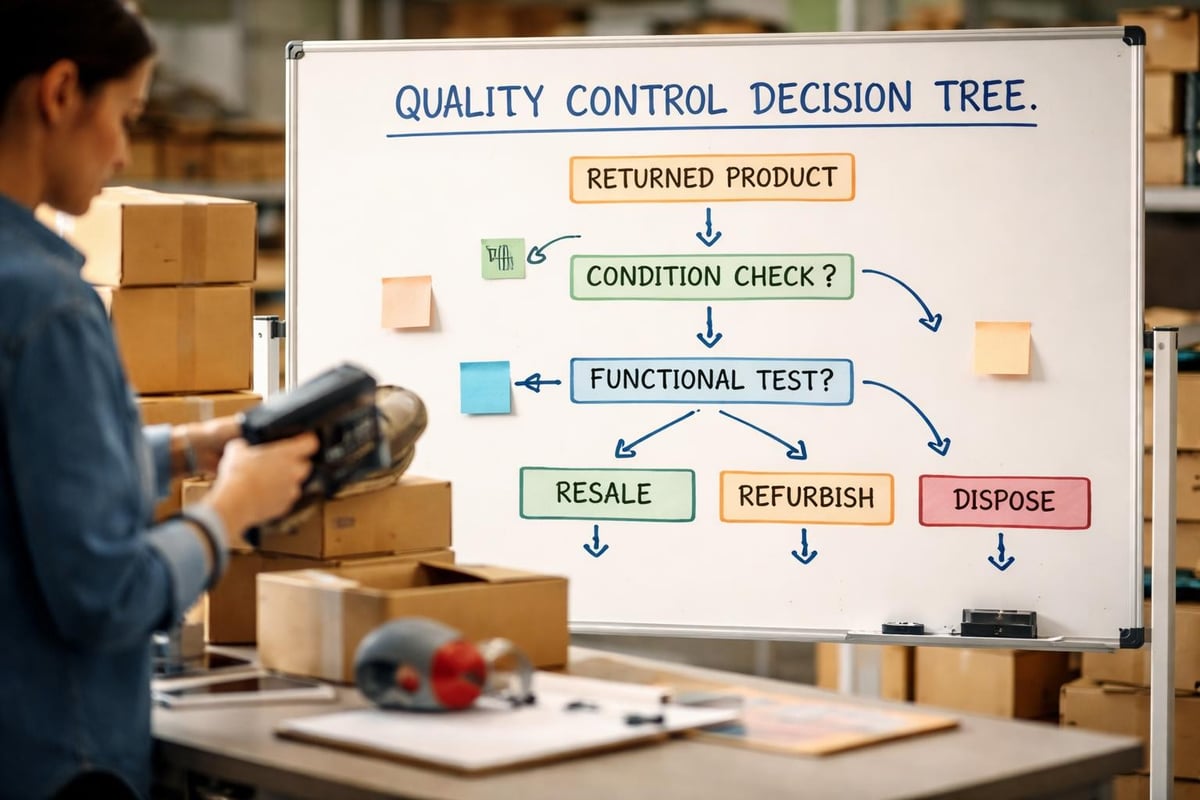
Quality control represents the critical decision point in returns logistics where items are categorized for their next destination. This stage directly impacts inventory accuracy and financial outcomes.
Establish clear grading criteria that inspection staff can apply consistently. Items typically fall into these categories:
- Resellable as new – Unopened, undamaged products
- Resellable as open box – Used but fully functional with minor cosmetic issues
- Requires refurbishment – Functional but needs cleaning or minor repairs
- Salvage/liquidation – Damaged but has residual value
- Disposal – No remaining value, environmentally responsible disposal required
Documentation during inspection protects against disputes and provides valuable data for analyzing root causes of returns. Tracking return reasons helps identify product quality issues or misleading product descriptions that drive unnecessary returns.
Reducing Return Rates Through Proactive Strategies
While efficient returns logistics processes are essential, reducing return rates in the first place delivers even greater value. Every prevented return saves money and maintains customer satisfaction without the friction of reverse logistics.
Improving Product Information Accuracy
Inaccurate product descriptions, misleading photos, and incomplete specifications rank among the top drivers of preventable returns. Customers who receive products that don't match their expectations frequently initiate returns.
Invest in comprehensive product content that sets accurate expectations. This includes detailed measurements, material specifications, multiple photo angles, and video demonstrations when appropriate. Size guides, comparison charts, and customer reviews provide additional context that reduces purchase uncertainty.
Optimizing Packaging and Shipping
Product damage during initial shipping creates returns that benefit neither the customer nor the business. Reviewing your packaging standards can significantly reduce damage-related returns.
Kitting and packaging services ensure products receive appropriate protection based on their fragility, size, and shipping method. Proper cushioning, box sizing, and securing mechanisms prevent the movement and impacts that cause damage.
Consider these packaging optimization strategies:
- Right-sizing boxes to minimize internal movement
- Using appropriate cushioning materials for product weight
- Double-boxing fragile items
- Adding "fragile" or "this side up" indicators
- Testing packaging durability before full rollout
Pre-Purchase Customer Support
Enabling customers to ask questions before purchasing reduces post-delivery disappointment. Live chat, detailed FAQs, and responsive customer service help shoppers make informed decisions that reduce return likelihood.
Proactive communication during the pre-purchase phase demonstrates commitment to customer satisfaction while filtering out purchases likely to result in returns.
Managing High-Volume Returns Efficiently
Seasonal peaks, promotional events, and product launches can generate return volume spikes that overwhelm unprepared operations. Common problems with high-volume returns include processing backlogs, inventory inaccuracies, and delayed customer refunds.
Capacity Planning for Returns Surges
Anticipating return volume patterns allows strategic resource allocation. Historical data reveals predictable patterns: January returns spike after holiday purchases, back-to-school returns peak in late September, and promotional event returns arrive 7-14 days after sales.
Staffing flexibility becomes critical during peak periods. Cross-training fulfillment staff to handle both outbound and returns processing creates operational agility. Temporary staff augmentation during known peak periods prevents backlogs.
Capacity planning considerations:
- Historical return rates by month and product category
- Warehouse space allocation for returned inventory staging
- Inspection station capacity and equipment availability
- Technology system scalability for transaction volumes
- Customer service staffing for return-related inquiries
Streamlining Return Authorization Processes
Every friction point in the return authorization process creates customer frustration and operational inefficiency. Automation reduces manual touchpoints while maintaining necessary controls.
Self-service return portals empower customers to initiate returns independently. They select items, choose reasons, and receive prepaid labels without contacting customer service. This automation reduces labor costs while providing 24/7 access that improves customer experience.
Implementing best practices for returns management helps businesses balance customer convenience with fraud prevention and operational efficiency.
The Environmental Dimension of Returns Logistics
Returns logistics carries significant environmental implications that responsible e-commerce brands cannot ignore. The transportation, repackaging, and disposal associated with returned products generate substantial carbon emissions and waste.
Sustainable Returns Practices
Environmental impact and sustainability issues associated with returns logistics are drawing increased scrutiny from consumers and regulators. Forward-thinking businesses are implementing practices that minimize ecological footprint.
Consolidating return shipments reduces transportation-related emissions. Rather than immediately processing individual returns, grouping items for batch shipment back to distribution centers decreases overall vehicle miles traveled.
Refurbishment programs extend product lifecycles and reduce waste. Items with minor cosmetic damage or missing accessories can be restored to saleable condition rather than being liquidated at steep discounts or discarded.
Consider these sustainable approaches:
- Offering store credit incentives for customers who keep products rather than returning
- Partnering with liquidation channels that resell rather than dispose
- Donating unsellable items to charitable organizations
- Implementing take-back programs for end-of-life products
- Using recycled materials for return packaging
Circular Economy Integration
Progressive e-commerce brands are embedding returns logistics within broader circular economy strategies. Returned products become inputs for refurbishment programs, component harvesting, or material recycling.
This approach transforms returns from waste streams into value streams. Products that cannot be resold as-is may still contain valuable components or materials worth recovering.
Leveraging Data Analytics for Continuous Improvement
Returns logistics generates rich data that reveals operational inefficiencies, product quality issues, and customer behavior patterns. Businesses that systematically analyze return data gain competitive advantages through informed decision-making.
Key Performance Indicators for Returns
Tracking the right metrics enables objective assessment of returns logistics performance. These KPIs highlight improvement opportunities and measure the impact of process changes.
| Metric | Definition | Target Range |
|---|---|---|
| Return rate | Returns divided by total orders | 5-15% (varies by category) |
| Processing time | Days from return receipt to disposition | 1-3 days |
| Restocking percentage | Returns resold as new inventory | 60-80% |
| Cost per return | Total return costs divided by return volume | $8-$15 |
| Customer refund time | Days from return initiation to refund | 5-10 days |
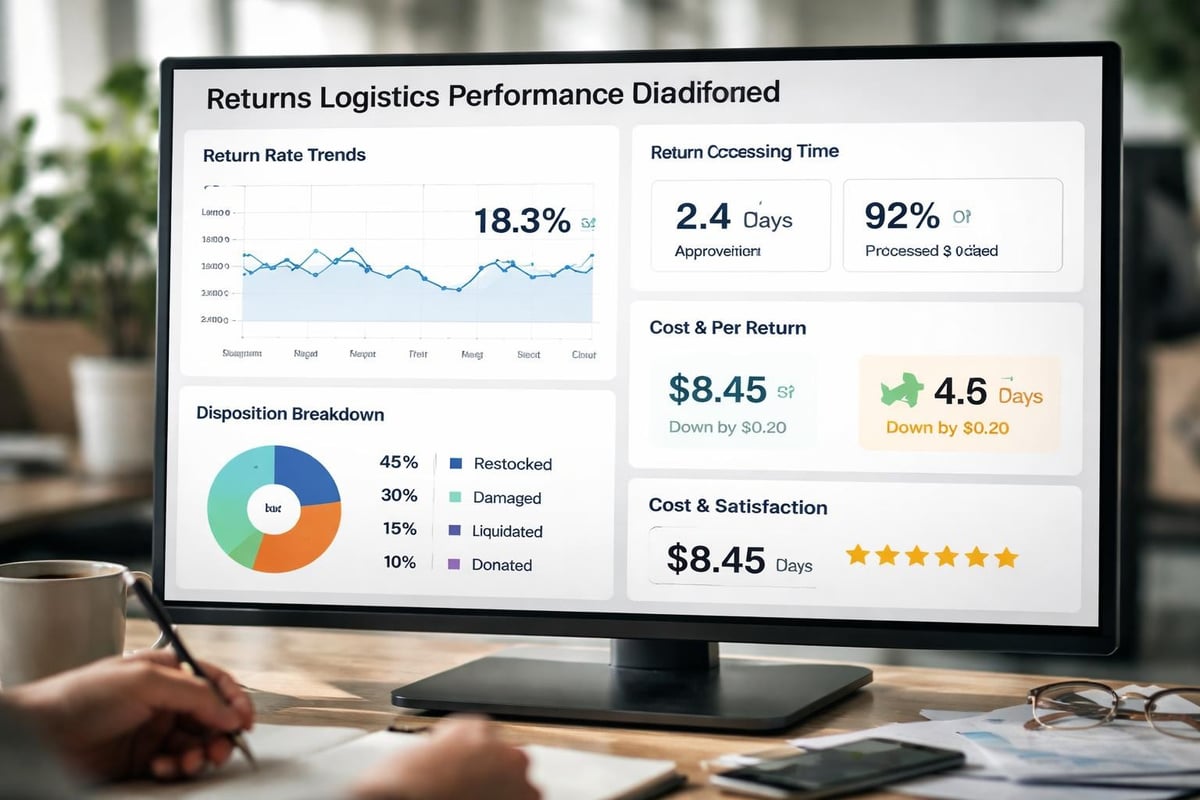
Regular review of these metrics identifies trends requiring attention. A sudden increase in return rates for specific products signals potential quality issues or misleading descriptions. Rising processing times indicate capacity constraints or workflow inefficiencies.
Root Cause Analysis
Understanding why customers return products enables targeted interventions. Categorizing return reasons beyond generic labels provides actionable insights.
Rather than simply marking returns as "didn't like it," drill deeper into specific dissatisfaction drivers. Was it the color, size, quality, functionality, or something else? This granular data informs product development, marketing messaging, and inventory planning decisions.
Analyzing return patterns by customer segment reveals additional insights. First-time customers may return products at different rates than repeat purchasers. Geographic variations in return rates might indicate regional preference differences or shipping quality issues.
Strategic Partnerships for Returns Excellence
Many growing e-commerce brands lack the infrastructure, expertise, or scale to manage returns logistics internally at optimal efficiency. Strategic partnerships with specialized fulfillment service providers offer access to established processes, trained personnel, and proven technology systems.
Outsourcing Returns Management
Third-party logistics providers (3PLs) specializing in e-commerce fulfillment bring dedicated returns expertise. These partners handle the entire returns lifecycle from authorization through disposition, allowing brands to focus on growth initiatives.
Evaluating potential returns logistics partners requires assessing their capabilities across multiple dimensions. Technology integration determines how seamlessly they connect with your e-commerce platform and order management systems. Processing speed impacts customer satisfaction through faster refunds. Geographic coverage affects return shipping costs and delivery times.
Partnership evaluation criteria:
- Returns processing capacity and scalability
- Technology platform capabilities and integrations
- Inspection quality control standards
- Disposition channel options (resale, liquidation, donation)
- Reporting and analytics capabilities
- Geographic footprint and shipping rates
- Pricing structure transparency
Hybrid Models for Flexibility
Some businesses benefit from hybrid approaches that combine internal management of certain return types with outsourced handling of others. High-value items might receive in-house inspection for quality control, while standard returns flow through 3PL networks.
This flexibility allows businesses to maintain control over critical aspects while gaining efficiency through specialization in high-volume, routine processing.
Fraud Prevention in Returns Logistics
Returns fraud represents a growing challenge that requires balanced approaches protecting profitability without punishing legitimate customers. Common fraud schemes include returning stolen merchandise, wardrobing (using items then returning), and serial returners exploiting lenient policies.
Detection Systems and Policies
Implementing fraud detection doesn't require treating all customers with suspicion. Targeted monitoring of high-risk behaviors allows intervention where necessary while maintaining positive experiences for the vast majority of honest customers.
Technology solutions identify suspicious patterns such as excessive return rates from individual accounts, returns without original packaging, or mismatched serial numbers. These flags trigger manual review rather than automatic rejection.
Policy adjustments can deter fraud without alienating customers. Requiring receipts for returns above certain values, limiting return quantities, or tracking customer return histories creates accountability.
Fraud prevention measures:
- Return rate monitoring by customer account
- Original packaging requirements for electronics
- Restocking fees for specific categories
- Serial number tracking for high-value items
- Purchase history verification requirements
- Blacklisting repeat fraud offenders
Balancing fraud prevention with customer experience requires nuance. Overly restrictive policies drive customers to competitors while completely open policies invite abuse. The optimal approach implements reasonable safeguards while maintaining benefit-of-the-doubt approaches for established customers.
Future Trends Shaping Returns Logistics
The returns logistics landscape continues evolving driven by technological advancement, changing consumer expectations, and sustainability pressures. Forward-thinking e-commerce brands prepare for these emerging trends.
Artificial Intelligence and Automation
AI-powered systems are transforming returns logistics through predictive analytics and process automation. Machine learning algorithms predict return likelihood at the point of sale, enabling proactive interventions. Computer vision systems automate quality inspection, reducing human labor requirements while improving consistency.
Robotic systems handle physical sorting and routing of returned items, increasing processing speed and accuracy. These technologies become increasingly accessible as costs decline and turnkey solutions emerge.
Alternative Disposition Channels
The proliferation of secondary marketplaces creates new options for returned inventory disposition. Platforms specializing in open-box, refurbished, or cosmetically imperfect products provide channels that maximize recovery value.
Some brands are establishing their own outlet channels specifically for returned merchandise, maintaining margin control while transparently communicating product condition to value-conscious customers.
Returnless Refunds
For low-value items where return shipping costs exceed product value, returnless refunds provide customer satisfaction while reducing logistics expenses. Customers receive refunds without shipping products back, and items are donated, discarded, or kept.
This approach requires careful policy design to prevent abuse while capturing savings on items where traditional returns logistics makes no economic sense.
Mastering returns logistics delivers competitive advantages through improved customer satisfaction, reduced costs, and operational efficiency. The strategies outlined above provide e-commerce brands with actionable frameworks for transforming reverse logistics from a necessary burden into a strategic capability. When you're ready to optimize your fulfillment operations with a partner who understands the complexities of modern e-commerce, Ecom Automation Prep offers comprehensive solutions including returns management, kitting, and scalable fulfillment services designed specifically for fast-growing brands.