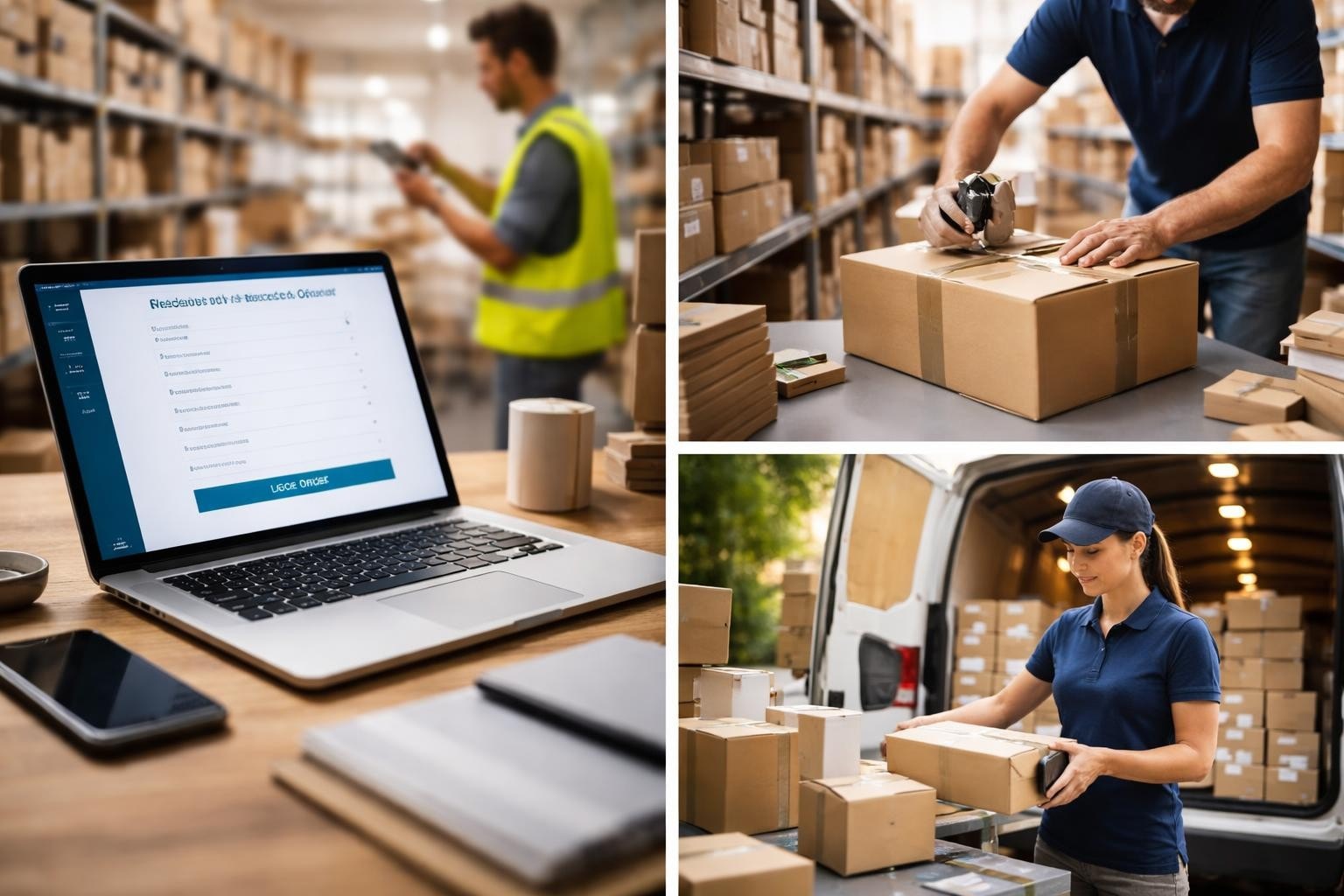
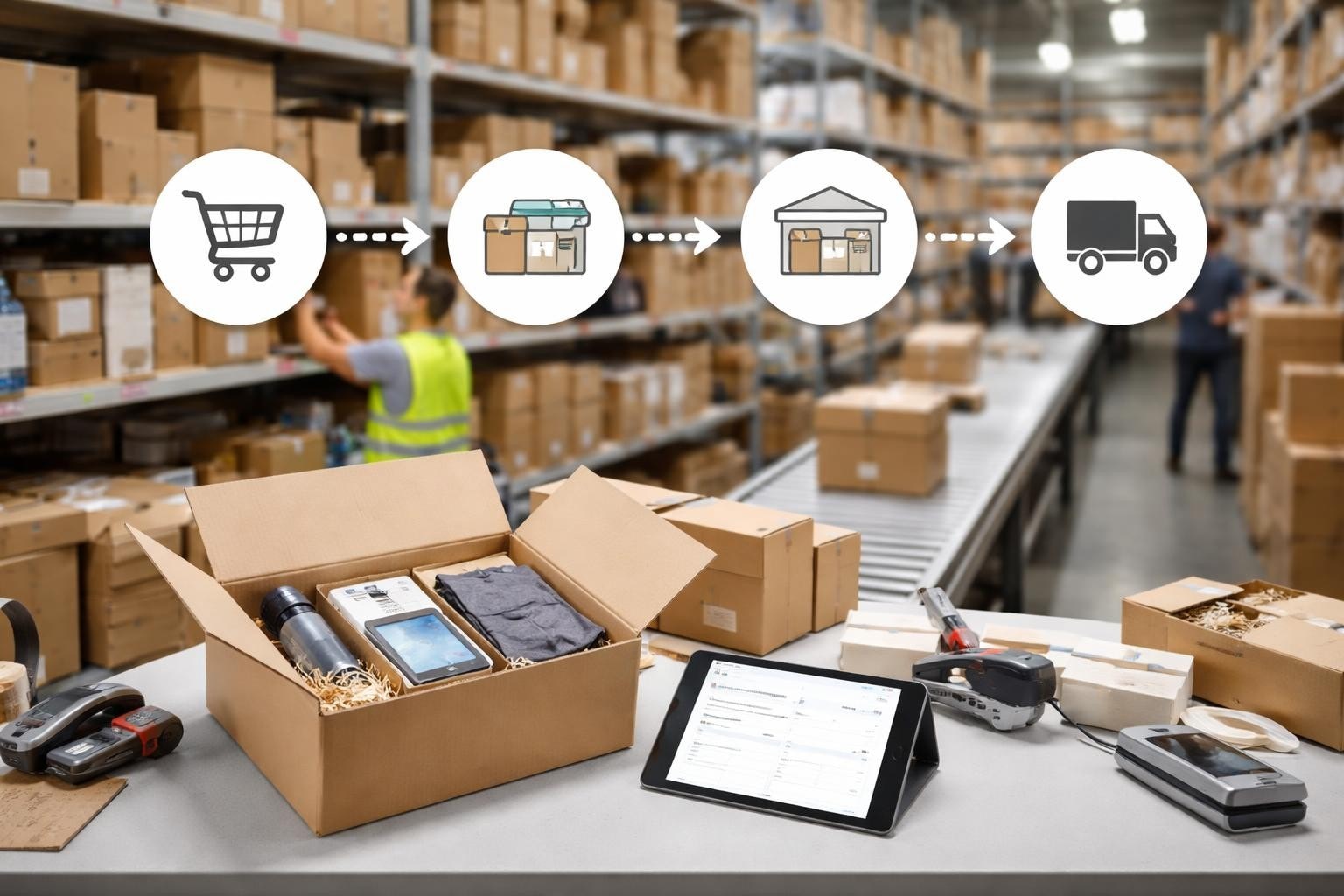

E-commerce businesses face mounting pressure to deliver products faster, more accurately, and at lower costs than ever before. As customer expectations continue to rise in 2026, brands must find innovative ways to streamline their operations while maintaining quality. Kitting and fulfillment represent powerful strategies that allow businesses to bundle products together and ship them efficiently, creating competitive advantages in an increasingly crowded marketplace. Understanding these processes and implementing them effectively can transform your order processing, reduce operational expenses, and significantly enhance the customer experience from checkout to delivery.
Understanding the Fundamentals of Kitting and Fulfillment
Kitting refers to the process of combining multiple individual products into a single package or bundle that ships as one unit. This practice allows businesses to create product sets, subscription boxes, promotional bundles, or custom assortments that meet specific customer needs. The kitting process involves selecting individual items from inventory, assembling them according to predetermined specifications, and packaging them together for storage or immediate shipment.
Fulfillment encompasses the entire journey from receiving an order to delivering it to the customer's doorstep. This includes order processing, inventory management, picking, packing, shipping, and handling returns. When kitting is integrated into fulfillment operations, businesses can streamline order processing and reduce picking errors, ultimately improving efficiency across the supply chain.
Why Businesses Implement Kitting Strategies
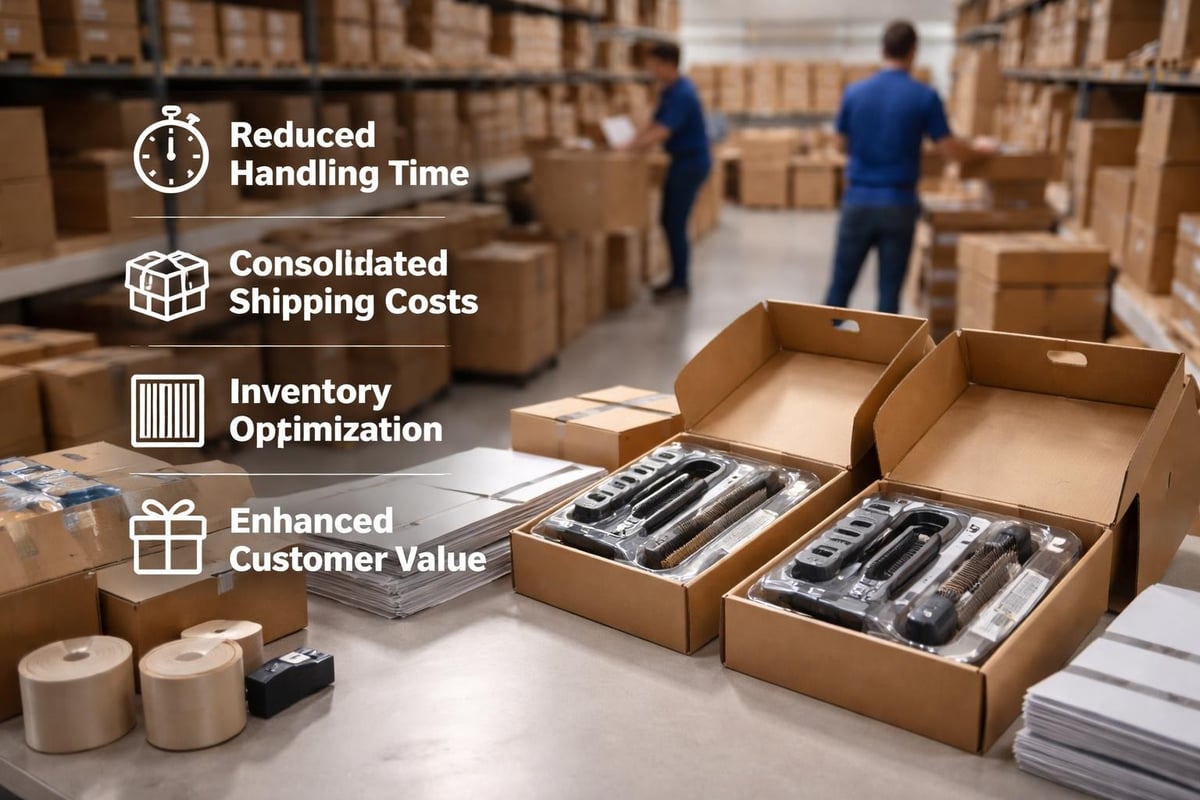
The decision to implement kitting typically stems from several compelling business objectives:
- Improved operational efficiency through reduced handling time during order fulfillment
- Cost reduction by consolidating multiple items into single shipments
- Enhanced customer value through curated product bundles and gift sets
- Inventory optimization by moving slow-selling items within popular bundles
- Brand differentiation through unique product combinations competitors cannot easily replicate
Modern e-commerce brands leverage kitting to address specific market demands. Subscription box companies, for instance, rely entirely on kitting to deliver curated experiences monthly. Seasonal businesses use kitting to create holiday gift sets that command premium pricing. B2B operations implement kitting to provide ready-to-use product kits that save clients time and effort.
The Strategic Advantages of Integrated Fulfillment
Integrating kitting into your fulfillment strategy creates compound benefits that extend beyond simple operational improvements. When executed properly, this integration transforms how your business handles inventory, processes orders, and serves customers.
Reduced fulfillment costs emerge as one of the most immediate advantages. Instead of picking, packing, and shipping five individual items separately, a pre-kitted bundle requires one picking operation, one packaging step, and one shipping label. This consolidation directly impacts labor costs, packaging materials, and shipping expenses.
Quality control becomes significantly more manageable with kitting and fulfillment working in tandem. By assembling kits during slower operational periods, warehouse teams can implement robust quality control measures that ensure every bundle meets specifications before orders arrive. This proactive approach prevents shipping errors and reduces costly returns.
Inventory Management Transformation
Kitting fundamentally changes how businesses approach inventory management. Rather than tracking dozens of individual SKUs that may ship together frequently, companies can create kit SKUs that simplify tracking and forecasting.
| Traditional Inventory | Kitted Inventory |
|---|---|
| 50 individual SKUs to track | 10 kit SKUs plus components |
| Complex order picking | Simplified single-item picking |
| Higher picking errors | Reduced error rates |
| Scattered warehouse locations | Centralized kit storage |
This transformation enables more accurate demand forecasting. When you understand which kits sell consistently, you can better predict component needs and optimize purchasing decisions. The benefits of inventory kitting extend to warehouse space utilization, as pre-assembled kits often occupy less space than their components stored separately.
Fast-growing e-commerce brands particularly benefit from this approach. As order volumes increase, the efficiency gains from kitting scale proportionally, allowing businesses to handle growth without proportional increases in labor or warehouse space.
Building Effective Kitting Operations
Establishing successful kitting operations requires careful planning across multiple dimensions. The physical workspace, workflow processes, quality standards, and technology infrastructure must all align to support efficient assembly and fulfillment.
Workspace organization forms the foundation of effective kitting. Dedicated kitting stations should position frequently used components within easy reach, minimize unnecessary movement, and provide adequate space for assembly activities. Businesses experiencing rapid growth should consider how their comprehensive e-commerce fulfillment services can adapt as product lines expand.
Essential Components of Kitting Workflows
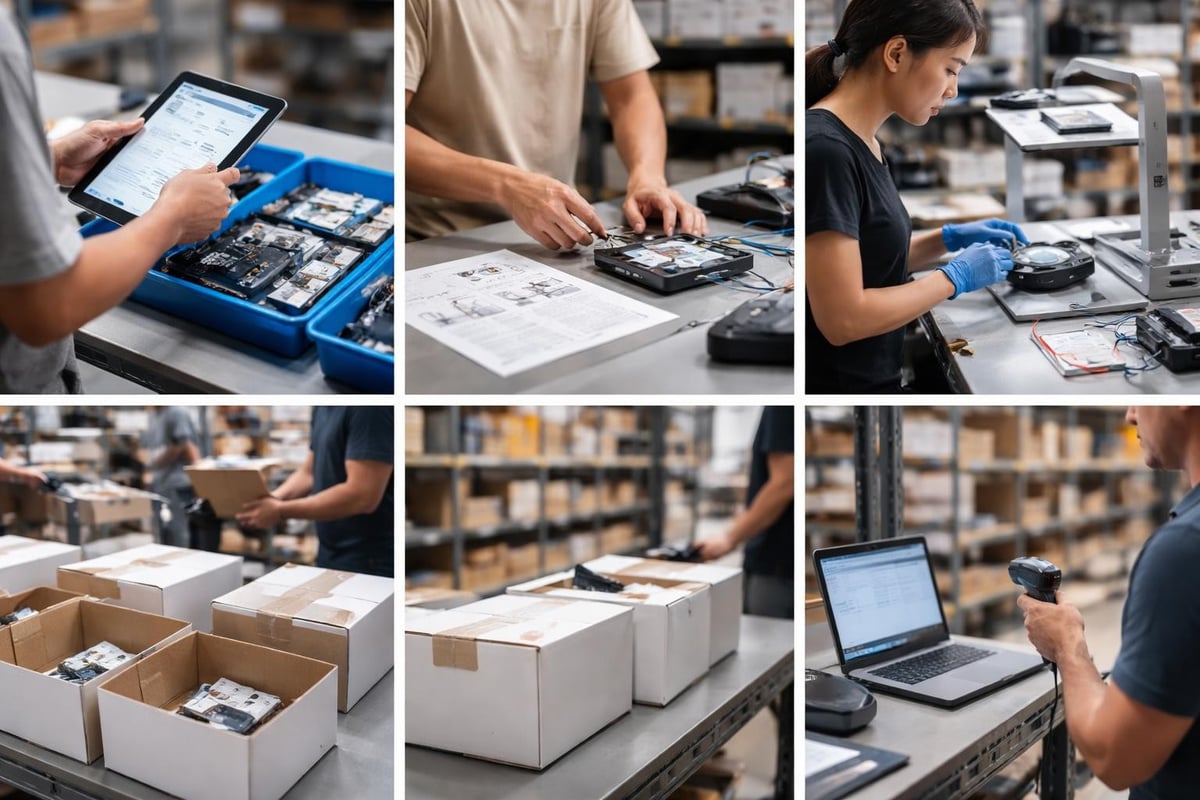
A well-designed kitting workflow incorporates these critical elements:
- Component verification to ensure all required items are available before assembly begins
- Assembly instructions that provide clear, step-by-step guidance for consistent results
- Quality checkpoints positioned throughout the process to catch errors early
- Packaging standards that protect products and present professionally
- Inventory updates that accurately reflect component usage and kit availability
Technology plays an increasingly vital role in modern kitting operations. Warehouse management systems (WMS) track component inventory, generate assembly work orders, and update system records automatically as kits are completed. Barcode scanning reduces manual data entry and virtually eliminates counting errors.
Optimizing inventory and order fulfillment through kitting requires real-time visibility into both component and kit inventory levels. This visibility enables businesses to make informed decisions about production priorities and prevents stockouts of popular bundles.
Scaling Kitting and Fulfillment for Growth
As e-commerce businesses expand, their kitting and fulfillment requirements evolve in complexity and volume. What works for a startup shipping 50 orders daily becomes inadequate when volumes reach 500 or 5,000 daily orders. Scalability must be designed into operations from the beginning.
Automation opportunities emerge at various points in the kitting process. Simple automation might include conveyor systems that move products between stations, while advanced implementations could incorporate robotic picking systems or automated packaging equipment. The investment level depends on order volumes, product characteristics, and growth projections.
Many growing brands discover that outsourcing kitting and fulfillment to specialized providers offers significant advantages. Third-party logistics providers (3PLs) bring established infrastructure, proven processes, and operational expertise that would take years to develop internally. When selecting kitting and assembly companies, businesses should evaluate certifications, scalability capabilities, and quality control systems.
Measuring Kitting Performance
Successful scaling requires measuring the right metrics and continuously improving based on data. Key performance indicators for kitting operations include:
- Assembly time per kit to identify bottlenecks and training opportunities
- Error rates measured by incorrect components or damaged products
- Kit inventory turnover to optimize production scheduling
- Cost per kit including labor, materials, and overhead allocation
- On-time completion of kitting projects relative to deadlines
These metrics provide visibility into operational efficiency and highlight improvement opportunities. Businesses that track performance consistently can implement targeted improvements that compound over time.
Industry-Specific Kitting Applications
Different e-commerce sectors utilize kitting and fulfillment in unique ways that address their specific operational challenges and customer expectations. Understanding these applications provides insight into potential opportunities for your business.
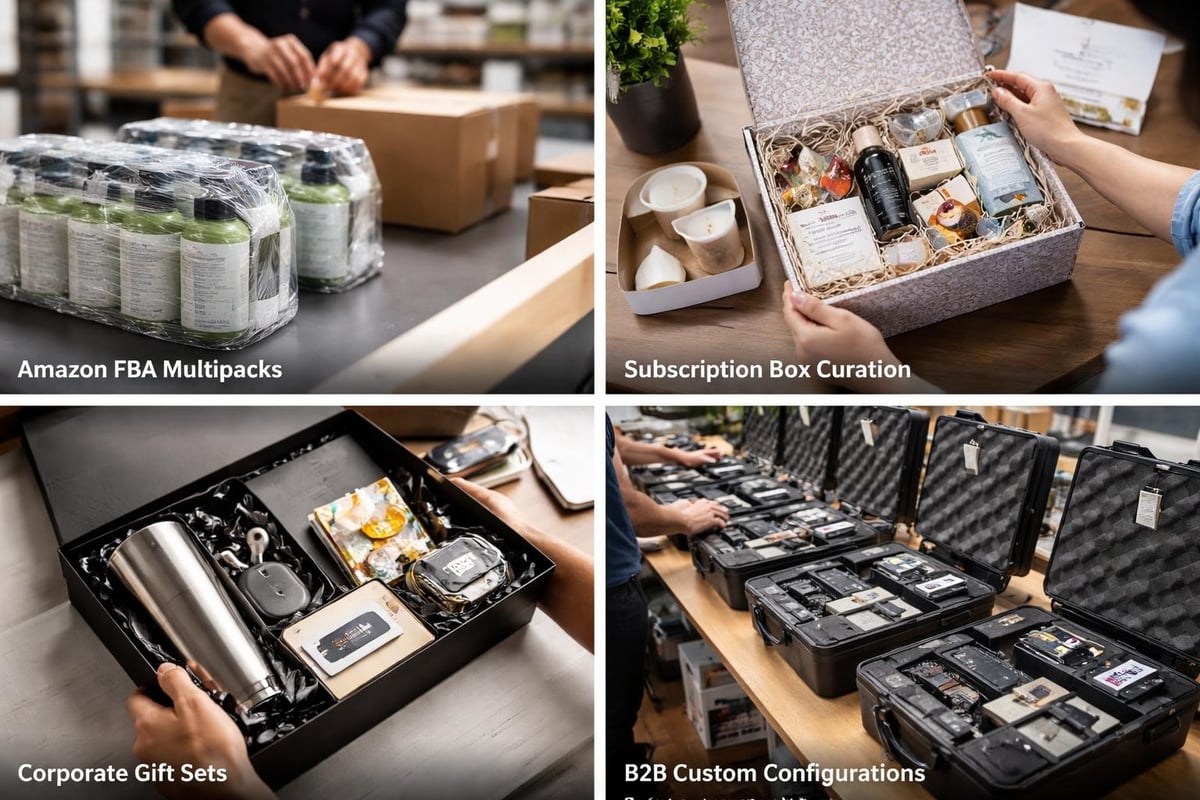
Amazon FBA sellers frequently leverage kitting to create multipack offerings that stand out in search results and command higher margins. By preparing kitted products before shipping to Amazon warehouses, sellers ensure their bundles meet FBA requirements and arrive ready for immediate customer orders. Those focused on Amazon FBA prep services benefit from specialized knowledge of Amazon's bundling policies and labeling requirements.
Subscription box businesses represent another sector where kitting defines the core operation. These companies curate monthly selections, assemble them into branded boxes, and ship them on predetermined schedules. Their success depends entirely on efficient kitting processes that can handle variation across subscription tiers while maintaining consistent quality.
B2B Kitting Requirements
Business-to-business e-commerce often involves more complex kitting scenarios than consumer-focused operations:
| B2C Kitting | B2B Kitting |
|---|---|
| Standard kit configurations | Custom kits per client |
| Consumer-facing packaging | Industrial or bulk packaging |
| Individual unit shipping | Pallet or case quantities |
| Predictable components | Variable components by order |
B2B kitting might include assembling trade show kits for corporate clients, creating employee onboarding packages, or bundling maintenance supplies for industrial customers. These applications require flexibility in kit composition and often involve special packaging or labeling requirements.
Technology Integration for Advanced Fulfillment
The intersection of technology and kitting and fulfillment creates opportunities for unprecedented efficiency and accuracy. Modern warehouse operations leverage multiple technological systems working in concert to optimize every aspect of order processing.
Warehouse management systems serve as the operational backbone, orchestrating inventory movements, generating pick lists, and tracking kit assembly progress. These systems integrate with e-commerce platforms to receive orders automatically and update inventory levels in real-time as kits are assembled or shipped.
Advanced operations implement pick-to-light or voice-picking systems that guide warehouse staff through assembly processes with minimal training. These technologies reduce cognitive load, accelerate picking speed, and dramatically decrease error rates compared to paper-based systems.
Data-Driven Decision Making
The wealth of data generated by integrated systems enables sophisticated analysis and continuous improvement:
- Demand forecasting that predicts kit popularity based on historical patterns and seasonal trends
- Component optimization identifying which items to stock based on multiple kit requirements
- Labor planning that schedules kitting activities during off-peak fulfillment periods
- Cost analysis revealing the true profitability of different kit configurations
Businesses implementing strategies for kitting and fulfillment optimization discover that technology investments pay dividends through reduced errors, faster processing times, and lower operational costs. The key lies in selecting systems that scale with business growth and integrate seamlessly with existing platforms.
Quality Control and Customer Satisfaction
The ultimate measure of kitting and fulfillment success is customer satisfaction, which depends heavily on consistent quality and accurate order fulfillment. Implementing rigorous quality control processes protects brand reputation and minimizes costly returns or replacements.
Multi-stage inspection represents best practice in quality-conscious operations. Components are verified upon receipt from suppliers, inspected again during kit assembly, and given final validation before shipping. This layered approach catches defects at the earliest possible point, preventing them from reaching customers.
Standard operating procedures (SOPs) document exactly how each kit should be assembled, what quality standards apply, and how to handle variations or exceptions. These documents provide training materials for new staff and ensure consistency across shifts and seasons.
Handling Complex Customization
Some businesses offer customized kits where customers select specific components or personalization options. Managing this complexity requires sophisticated systems that capture customization details, route them to assembly teams, and verify accuracy before shipping.
The role of kitting in inventory management extends to tracking customization options and ensuring adequate inventory of all possible components. Businesses must balance offering attractive customization with operational complexity and cost considerations.
Customer feedback loops provide invaluable insights into quality performance. Tracking return reasons, analyzing customer reviews, and monitoring support tickets related to kit issues reveals opportunities for improvement that might not be apparent from internal metrics alone.
Environmental and Sustainability Considerations
Modern e-commerce operations increasingly consider environmental impact alongside operational efficiency. Kitting and fulfillment strategies can significantly reduce waste and carbon footprint when designed with sustainability in mind.
Packaging consolidation represents the most direct environmental benefit of kitting. Shipping five items together in one box uses less cardboard, fewer void fill materials, and generates less waste than five separate shipments. This consolidation also reduces transportation emissions by decreasing the total number of packages moving through the supply chain.
Sustainable kitting practices include:
- Selecting recyclable or biodegradable packaging materials
- Right-sizing boxes to minimize void fill requirements
- Using packaging that can be repurposed by customers
- Implementing recycling programs for component packaging waste
- Optimizing kit configurations to maximize shipping efficiency
Businesses that understand modern warehouse management through kitting recognize that sustainability and efficiency often align. Practices that reduce waste typically also reduce costs, creating a compelling business case beyond environmental responsibility.
Strategic Partnerships and Outsourcing
Deciding whether to handle kitting and fulfillment in-house or partner with specialized providers represents a critical strategic choice. Each approach offers distinct advantages depending on business size, growth trajectory, and operational complexity.
In-house operations provide maximum control over processes, quality standards, and customer experience. Businesses maintain direct oversight of inventory, can quickly adjust to changing requirements, and keep all operational data internal. However, this approach requires significant capital investment in warehouse space, equipment, and staff.
Outsourcing to fulfillment specialists transfers operational burden while leveraging established expertise and infrastructure. For many growing e-commerce brands, partnering with experienced providers accelerates growth by removing operational bottlenecks and allowing founders to focus on product development and marketing.
Evaluating Fulfillment Partners
When considering outsourcing, businesses should evaluate potential partners across multiple dimensions:
| Evaluation Criteria | Key Considerations |
|---|---|
| Experience | Industry-specific knowledge, client portfolio |
| Technology | WMS capabilities, integration options |
| Scalability | Capacity to handle growth, geographic reach |
| Quality | Error rates, damage rates, certifications |
| Pricing | Transparent fee structure, volume discounts |
| Communication | Reporting frequency, account management |
The relationship with a fulfillment partner should feel collaborative rather than transactional. The best partnerships involve regular communication, shared performance metrics, and mutual commitment to continuous improvement.
Future Trends in Kitting and Fulfillment
The kitting and fulfillment landscape continues evolving as technology advances and customer expectations shift. Understanding emerging trends helps businesses prepare for future requirements and maintain competitive advantages.
Artificial intelligence and machine learning are beginning to optimize kit composition based on purchasing patterns, predict which bundles will resonate with specific customer segments, and dynamically adjust inventory levels. These technologies promise to make kitting operations increasingly responsive and personalized.
Robotics continue advancing in capability and affordability. While sophisticated robotic kitting systems previously remained accessible only to the largest operations, smaller-scale automation now serves mid-sized businesses. This democratization of technology enables more companies to benefit from automation's speed and accuracy advantages.
Sustainability pressures will intensify, driving innovation in packaging materials and reverse logistics for returns processing. Businesses that proactively address environmental concerns position themselves favorably with increasingly eco-conscious consumers.
The rise of omnichannel retail blurs lines between B2C and B2B fulfillment, with businesses needing to serve both individual consumers and wholesale accounts through the same infrastructure. Flexible kitting capabilities that accommodate both retail-ready packaging and bulk configurations become increasingly valuable.
Implementing effective kitting and fulfillment strategies creates measurable improvements in operational efficiency, cost control, and customer satisfaction for e-commerce businesses. Whether you're just beginning to explore kitting opportunities or looking to scale existing operations, partnering with experienced professionals can accelerate your progress and avoid costly mistakes. Ecom Automation Prep specializes in comprehensive fulfillment solutions including professional kitting and bundling services designed specifically for fast-growing e-commerce brands. Let us handle the operational complexity while you focus on building your business.