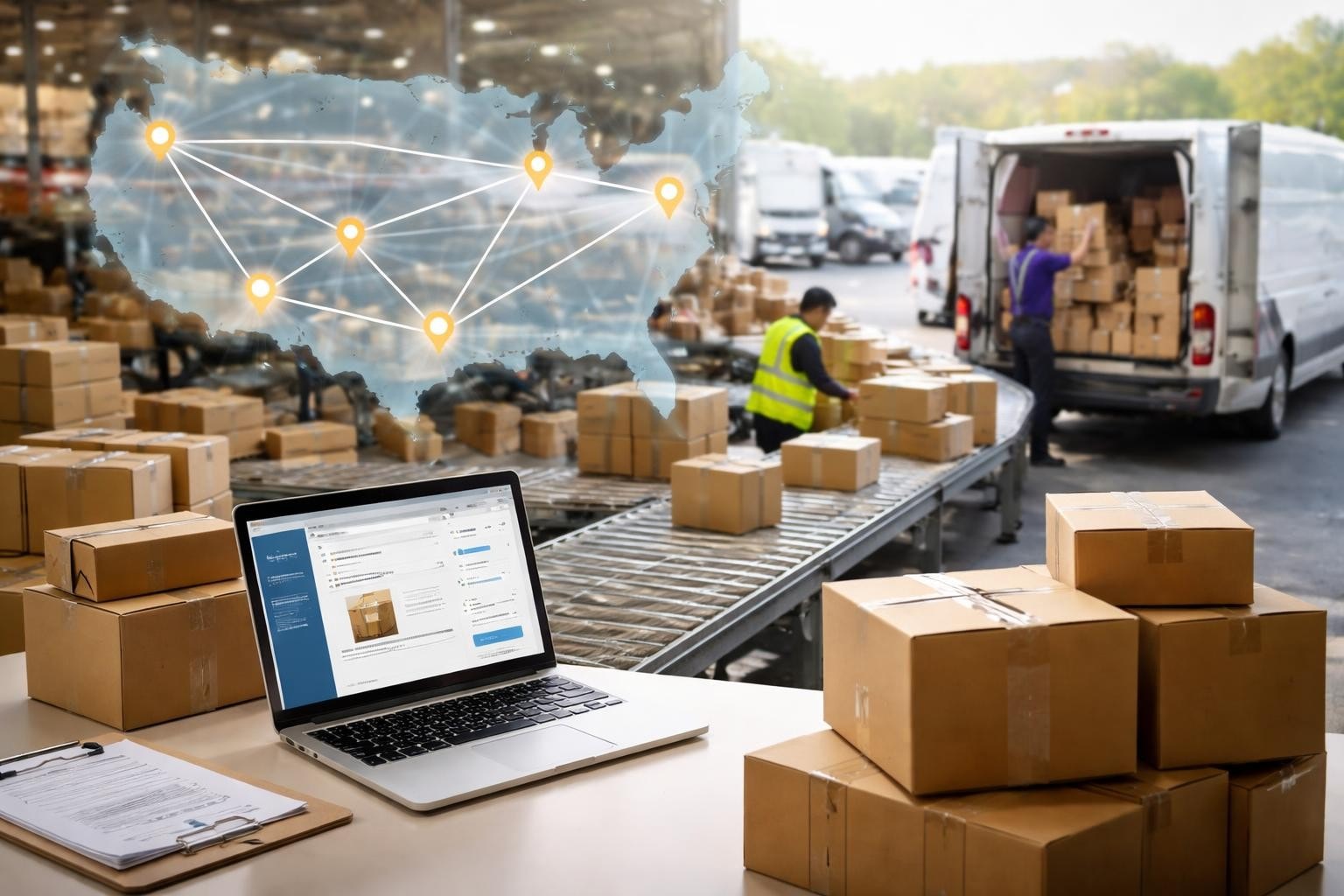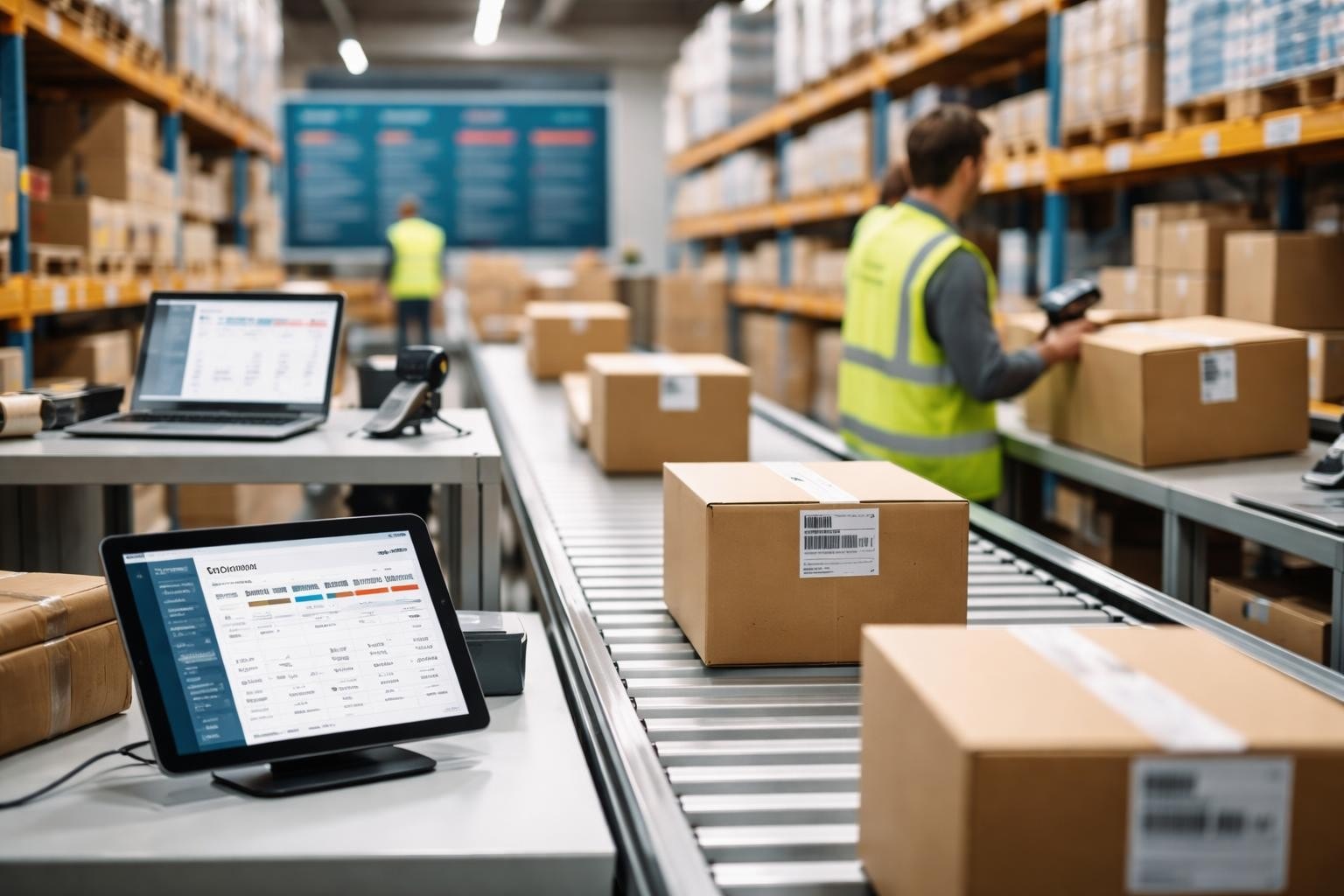
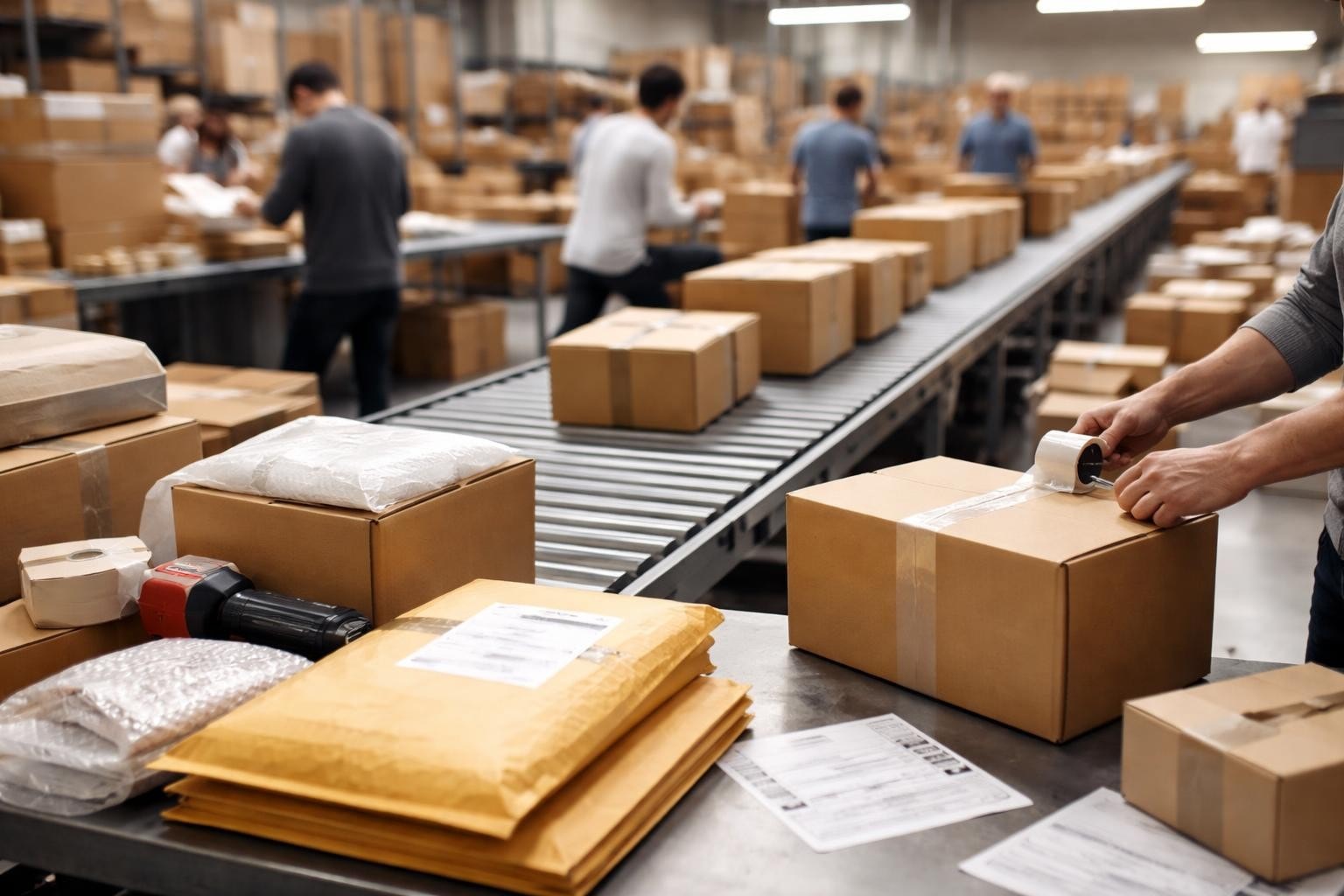

The e-commerce landscape in 2026 demands precision, speed, and reliability in every aspect of order fulfillment. At the heart of successful fulfillment operations lies a critical component that many brands overlook: the fulfillment box. This essential element goes beyond simple packaging, representing a comprehensive system that encompasses inventory management, kitting, bundling, and customer satisfaction. Understanding how to optimize your fulfillment box strategy can dramatically reduce operational costs, improve delivery times, and enhance the unboxing experience that drives customer loyalty.
Understanding the Fulfillment Box Ecosystem
A fulfillment box represents more than just corrugated cardboard and packing materials. It's the final physical touchpoint between your brand and customers, serving as both protective packaging and marketing opportunity. The term encompasses the entire process of preparing, packaging, and shipping products from warehouse to doorstep.
Modern fulfillment box operations integrate multiple services under one roof. These include product receiving, quality inspection, kitting and bundling, custom packaging, and multi-channel shipping coordination. By treating the fulfillment box as a strategic system rather than an afterthought, e-commerce brands can achieve significant competitive advantages.
The Evolution of Fulfillment Packaging
Traditional shipping boxes have transformed into sophisticated fulfillment solutions. Today's fulfillment box systems incorporate smart packaging technologies, sustainable materials, and data-driven sizing algorithms to minimize waste and shipping costs.
Key developments in 2026 include:
- Automated box selection systems that match product dimensions with optimal packaging sizes
- Eco-friendly materials that reduce environmental impact without compromising protection
- Smart packaging with tracking integration and tamper-evident features
- Custom branding opportunities that enhance unboxing experiences
The shift toward omnichannel order fulfillment has further complicated fulfillment box requirements. Brands must now prepare packages for direct-to-consumer shipments, retail distribution, and marketplace fulfillment simultaneously.
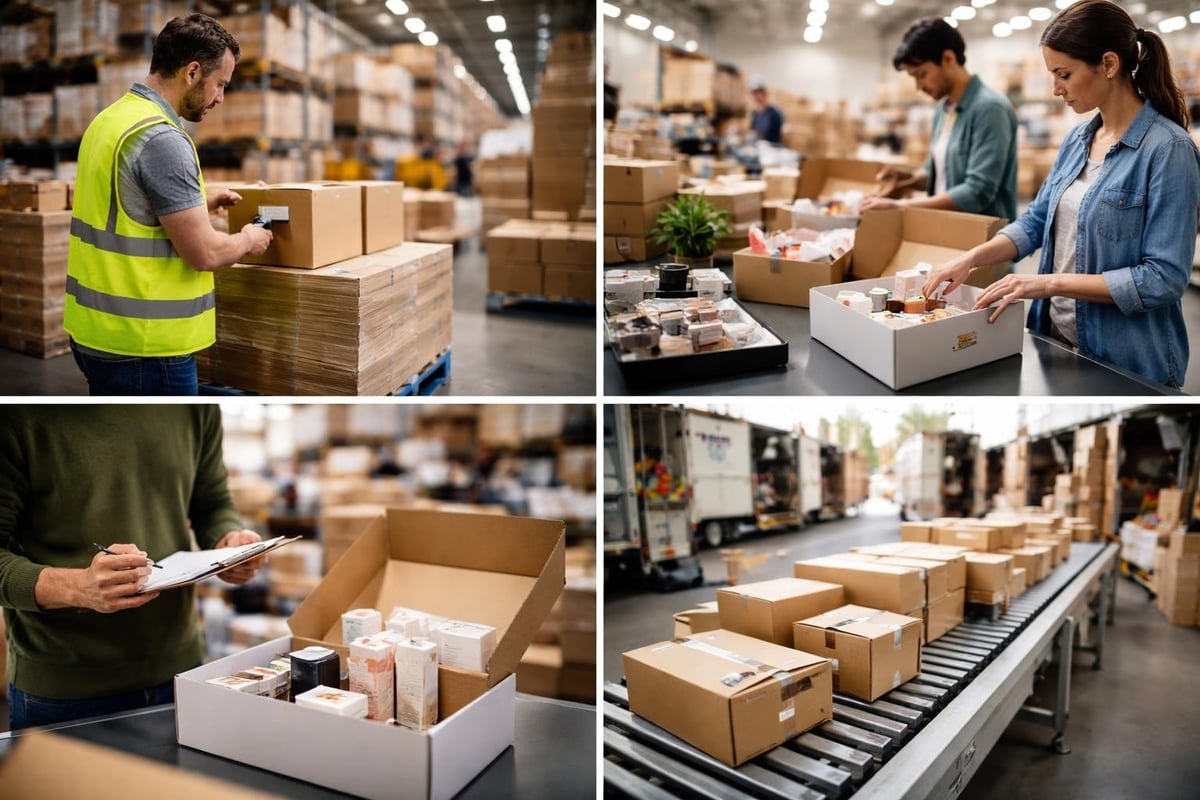
Optimizing Fulfillment Box Operations
Efficiency in fulfillment box preparation directly impacts your bottom line. Every second saved in the packing process, every inch of wasted space eliminated, and every shipping error prevented contributes to profitability and customer satisfaction.
Standardization and Quality Control
Creating standardized procedures for fulfillment box preparation ensures consistency across thousands of daily shipments. Quality control checkpoints at each stage prevent costly errors and returns.
| Process Stage | Quality Checkpoint | Impact on Efficiency |
|---|---|---|
| Receiving | SKU verification, damage inspection | Prevents downstream errors |
| Kitting | Component accuracy, assembly verification | Reduces order errors by 85% |
| Packaging | Weight verification, seal integrity | Minimizes damage claims |
| Shipping | Label accuracy, carrier selection | Ensures on-time delivery |
Research on data-driven fulfillment optimization demonstrates how systematic approaches to inventory allocation and assortment planning significantly improve operational efficiency. These principles apply directly to fulfillment box operations, where proper inventory positioning reduces pick times and packaging complexity.
Strategic Box Selection and Sizing
Choosing the right fulfillment box size might seem trivial, but it dramatically affects shipping costs and customer perception. Oversized boxes waste money on dimensional weight charges and excess packaging materials. Undersized boxes risk product damage and customer dissatisfaction.
Implementing an effective box sizing strategy requires:
- Analyzing your product catalog to identify common size combinations
- Maintaining an inventory of 5-7 standard box sizes that cover 95% of orders
- Using custom boxes for high-volume products or subscription offerings
- Implementing bulk boxes for B2B shipments and wholesale orders
- Regularly reviewing dimensional data to optimize your box assortment
Companies like those offering Amazon FBA prep services have mastered the art of packaging optimization, ensuring products meet strict marketplace requirements while minimizing prep costs.
Kitting and Bundling Within Fulfillment Box Systems
The fulfillment box becomes particularly complex when dealing with kitted products or promotional bundles. These multi-component shipments require careful coordination to ensure all elements arrive together in pristine condition.
Creating Efficient Kitting Workflows
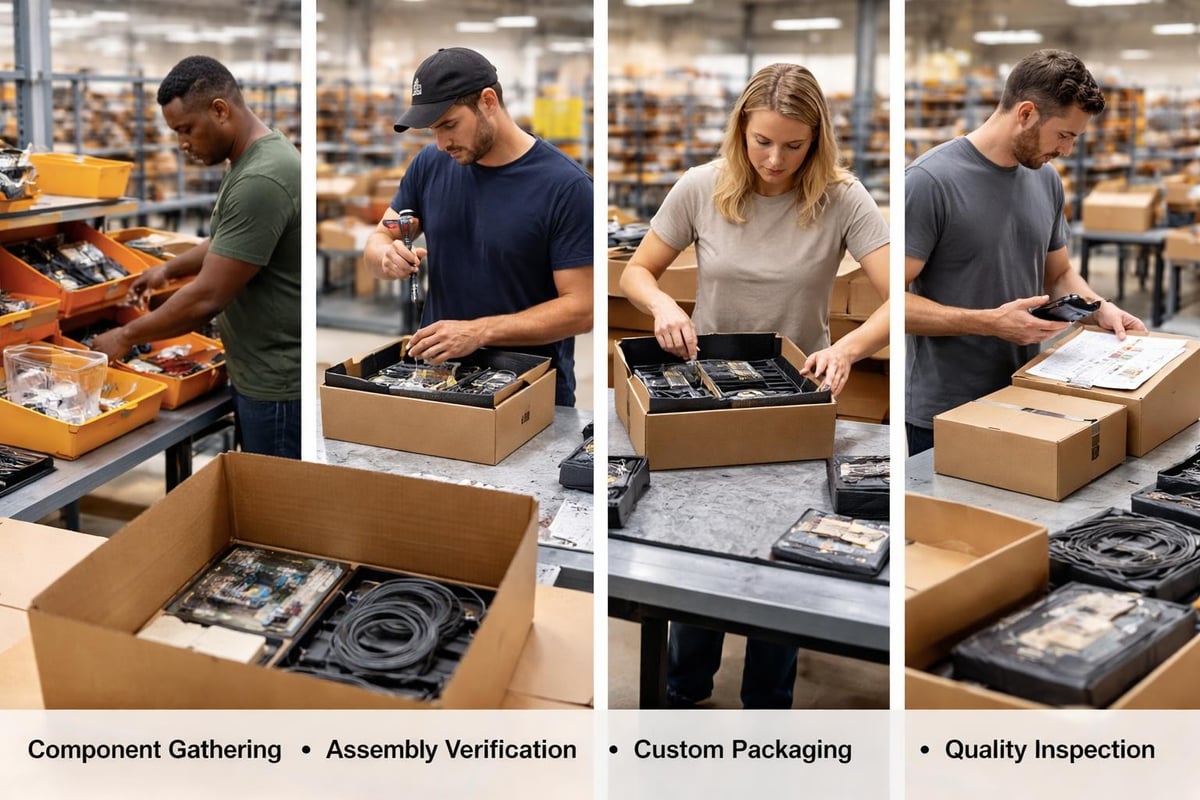
Professional kitting operations transform individual components into retail-ready products. The fulfillment box for kitted items must protect multiple SKUs while presenting them cohesively.
Effective kitting workflows within fulfillment box operations include:
- Component staging areas where all bundle elements are gathered before assembly
- Assembly stations optimized for specific kit types
- Quality verification ensuring complete and accurate kits
- Custom inserts and dividers that organize components within the fulfillment box
- Shrink-wrapping or banding to keep multi-item kits together during transit
The complexity of kitting operations makes partnering with specialized providers valuable. By leveraging comprehensive fulfillment services, brands can scale their kitting operations without investing in infrastructure and training.
Subscription Box Fulfillment Considerations
Subscription boxes represent a unique fulfillment box challenge. These recurring shipments must balance consistency with variety, requiring sophisticated inventory management and rotation strategies.
Research on fresh e-commerce fulfillment optimization highlights how product selection and inventory allocation directly impact customer satisfaction rates. While focused on perishables, these principles apply to any subscription fulfillment box operation where product availability and variety drive retention.
Technology Integration for Fulfillment Box Management
Modern fulfillment box operations rely heavily on technology to maintain accuracy and efficiency at scale. Integration between warehouse management systems, shipping platforms, and e-commerce channels creates seamless workflows that reduce errors and processing times.
Essential Technology Components
Warehouse Management Systems (WMS) track inventory from receiving through shipment, directing workers to optimal pick locations and suggesting appropriate fulfillment box sizes based on order contents.
Shipping software compares carrier rates in real-time, prints labels automatically, and provides tracking information to customers without manual intervention.
Inventory management platforms prevent stockouts of both products and packaging materials, ensuring fulfillment box operations never halt due to supply shortages.
The best practices outlined in streamlining e-commerce fulfillment emphasize the importance of data accuracy and system integration. When your fulfillment box system connects seamlessly with inventory, orders, and shipping data, operational efficiency improves dramatically.
Automation Opportunities
Automation transforms fulfillment box operations from labor-intensive processes to streamlined systems. While full automation remains cost-prohibitive for many mid-sized operations, strategic automation investments deliver significant returns.
| Automation Type | Investment Level | Efficiency Gain | Best For |
|---|---|---|---|
| Automated box selection | Medium | 30-40% faster packing | High-volume single items |
| Conveyor systems | High | 50-60% reduced movement | Large warehouses |
| Label printing automation | Low | 20-25% time savings | All operations |
| Void fill systems | Medium | 35-45% material savings | Fragile products |
Sustainability in Fulfillment Box Operations
Environmental responsibility has shifted from optional to essential in 2026. Customers increasingly choose brands based on sustainability practices, making eco-friendly fulfillment box solutions a competitive differentiator.
Implementing Sustainable Packaging Practices
Reducing environmental impact while maintaining product protection requires thoughtful material selection and process optimization. Sustainable fulfillment box practices include:
- Using recycled and recyclable corrugate materials
- Eliminating plastic void fill in favor of paper-based alternatives
- Right-sizing boxes to minimize material waste
- Implementing reusable packaging for B2B shipments
- Partnering with carbon-neutral shipping carriers
The business case for sustainability extends beyond brand reputation. Optimized packaging reduces dimensional weight charges, smaller boxes cost less to purchase, and efficient material usage lowers per-unit fulfillment costs.
Companies focused on growing e-commerce operations recognize that sustainability and profitability align when fulfillment box strategies are properly optimized.

Scaling Fulfillment Box Operations
Growth presents both opportunities and challenges for fulfillment box operations. What works at 100 orders daily fails catastrophically at 1,000 orders daily without proper scaling strategies.
Infrastructure Scaling Strategies
Space optimization becomes critical as volume increases. Efficient warehouse layouts minimize travel time between picking, packing, and shipping stations. Vertical storage solutions maximize available square footage without requiring facility expansion.
Labor management shifts from ad-hoc staffing to structured teams with specialized roles. Dedicated packers, quality inspectors, and shipping coordinators increase efficiency through specialization.
Process documentation ensures consistent fulfillment box quality regardless of which team member handles an order. Standard operating procedures, visual guides, and regular training maintain quality standards at scale.
The contextual optimization framework presented in research on omnichannel fulfillment addresses the complexity of selecting optimal fulfillment centers and shipping methods under uncertainty. These advanced strategies become necessary as brands expand across multiple fulfillment locations.
Partnership vs. In-House Operations
Many fast-growing brands reach a critical decision point: continue building in-house fulfillment box capabilities or partner with specialized providers. The decision depends on several factors:
Consider in-house fulfillment when:
- Order volume exceeds 5,000 monthly shipments
- Products require highly specialized handling
- Capital is available for warehouse infrastructure
- Control over every process detail is critical
Consider fulfillment partnerships when:
- Scaling quickly without capital investment is priority
- Seasonal volume fluctuates significantly
- Focus should remain on product development and marketing
- Multiple fulfillment locations are needed for geographic coverage
Professional fulfillment providers bring established infrastructure, trained teams, and proven processes. They've already solved the fulfillment box challenges that growing brands face, offering immediate access to sophisticated capabilities.
Best Practices for Multi-Channel Fulfillment Box Preparation
Selling across Amazon, Shopify, retail stores, and other channels requires adapting fulfillment box standards to meet diverse requirements. Each channel has specific packaging, labeling, and shipping expectations that must be satisfied.
Channel-Specific Requirements
Amazon FBA shipments require precise labeling, specific box size limitations, and strict packaging standards. Non-compliance results in refusal at receiving docks and additional fees.
Direct-to-consumer shipments prioritize unboxing experience and brand presentation. Custom printed boxes, tissue paper, promotional inserts, and branded tape transform the fulfillment box into a marketing tool.
Wholesale and B2B shipments often use bulk packaging with master cartons and pallet configurations. These fulfillment box requirements focus on protection during freight shipping rather than consumer presentation.
Resources on B2B e-commerce fulfillment best practices highlight strategies like strategic batch picking and ERP integration that improve efficiency for wholesale operations.
Quality Assurance Across Channels
Maintaining consistent quality standards across diverse fulfillment box requirements demands robust quality assurance processes. Random sampling, weight verification, and photograph documentation before shipment prevent costly errors and returns.
Key quality checkpoints include:
- Verifying all ordered items are present and undamaged
- Confirming appropriate fulfillment box size and protection
- Ensuring accurate shipping labels and documentation
- Checking promotional materials match the sales channel
- Photographing completed packages for dispute resolution
Cost Management in Fulfillment Box Operations
Controlling costs while maintaining quality separates profitable fulfillment box operations from money-losing ones. Every aspect of the process offers opportunities for cost reduction without sacrificing customer satisfaction.
Identifying Cost Drivers
Understanding where money goes in fulfillment box operations enables strategic optimization. The primary cost categories include:
| Cost Category | Typical Percentage | Optimization Opportunities |
|---|---|---|
| Labor | 40-50% | Automation, process improvement, training |
| Packaging materials | 20-25% | Bulk purchasing, size optimization, waste reduction |
| Shipping | 25-30% | Carrier negotiation, zone optimization, dimensional weight reduction |
| Technology | 5-10% | System integration, accuracy improvement, error reduction |
Material costs decrease significantly through volume purchasing and strategic supplier relationships. Negotiating annual contracts for corrugate boxes, void fill, and tape locks in favorable pricing.
Labor efficiency improves through workstation optimization, proper tool availability, and incentive programs that reward quality and speed without sacrificing accuracy.
Shipping expenses represent the largest variable cost in most fulfillment box operations. Strategies to minimize these costs include distributed inventory placement, carrier diversification, and packaging optimization to avoid dimensional weight penalties.
Managing Peak Season Fulfillment Box Demands
Holiday seasons, promotional events, and viral product launches create dramatic spikes in fulfillment box volume. Preparation separates successful operations from those overwhelmed by demand.
Peak Planning Strategies
Inventory positioning ensures both products and packaging materials are available when demand surges. Running out of appropriately sized fulfillment boxes during peak season creates costly delays and emergency purchases at premium prices.
Temporary labor scaling requires advance planning. Recruiting, training, and onboarding temporary workers takes time, making early preparation essential for smooth peak operations.
Process simplification during peak periods maintains throughput. Complex kitting or special packaging that works during normal operations may need temporary simplification to maintain delivery commitments.
Specialized providers offering subscription box fulfillment maintain staffing flexibility and infrastructure capacity to handle peak demands without requiring clients to invest in rarely-used capacity.
Optimizing your fulfillment box strategy requires balancing cost efficiency, operational speed, and customer satisfaction across every touchpoint in the fulfillment process. The brands that thrive in 2026's competitive e-commerce landscape treat fulfillment as a strategic advantage rather than a necessary expense. Whether you're preparing products for Amazon FBA, managing subscription boxes, or scaling direct-to-consumer operations, professional fulfillment partnerships can accelerate growth while reducing complexity. Ecom Automation Prep specializes in comprehensive fulfillment solutions that transform logistics challenges into competitive advantages, allowing you to focus on what matters most: growing your brand.