

The race for online sales is accelerating, and businesses that fail to adapt risk falling behind. The digital marketplace in 2026 is more competitive than ever, with customer expectations for fast ecommerce growing each year.
Today, speed, scalability, and seamless shopping experiences are not just advantages—they are requirements for success. Brands that deliver instant site performance and rapid order fulfillment see higher conversion rates and stronger loyalty.
In this article, we reveal seven fast ecommerce solutions that help boost sales, streamline operations, and exceed customer expectations. Discover top platforms, their features, pricing, unique strengths, and ideal use cases to help your business thrive.
Why Speed Matters in Ecommerce Success
In the world of fast ecommerce, speed is a critical driver of every online shopping experience. With digital competition fiercer than ever, brands that prioritize speed gain a significant edge. From page load times to delivery windows, every second counts for customer satisfaction and sales growth.
The Impact of Site Speed on Conversion Rates
Site speed is more than a technical metric—it directly affects revenue. For fast ecommerce brands, even a single second of delay can reduce conversions by up to 7%. According to Impact of Site Speed on Conversion Rates, slow-loading pages drive shoppers away before they complete a purchase.
Google’s Core Web Vitals have made site performance a ranking factor, meaning fast ecommerce sites not only convert better but also rank higher in search. Brands that optimized their web performance reported significant lifts in sales and lower bounce rates.
Fast checkout processes are equally vital. Complicated checkouts lead to higher cart abandonment rates, while streamlined, rapid checkouts keep customers moving. With mobile now driving a majority of traffic, fast ecommerce sites that load quickly on any device capture more sales.
Fast Fulfillment and Customer Expectations
Modern consumers expect fast ecommerce experiences from the first click to the final delivery. Next-day and same-day shipping are now standard for many shoppers. Amazon Prime has set the benchmark for what “fast” means in ecommerce fulfillment.
Offering real-time order tracking and instant shipping updates is no longer optional. Data shows that 69% of consumers are less likely to return to a store if their order arrives late. Fast ecommerce brands that deliver quickly and communicate proactively build lasting loyalty.
Key advantages of fast fulfillment include:
- Higher customer satisfaction
- Repeat purchases and positive reviews
- Reduced customer service inquiries
Meeting these expectations is crucial for maintaining a competitive advantage in the evolving ecommerce landscape.
Technology and Automation as Speed Enablers
Advancements in automation, artificial intelligence, and headless commerce have revolutionized fast ecommerce. Automated order processing reduces manual errors and speeds up fulfillment, while AI-driven personalization tailors the shopping journey in real-time.
Businesses leveraging edge hosting and global content delivery networks ensure their sites load in milliseconds, no matter where customers are located. Modern frameworks support lightning-fast frontend experiences, helping brands keep pace with customer expectations.
Implementing these technologies empowers fast ecommerce brands to operate efficiently at scale. Automation and edge solutions not only enhance performance but also future-proof operations for ongoing growth.
7 Fast Ecommerce Solutions to Boost Your Online Sales in 2026
Navigating the landscape of fast ecommerce is crucial for brands looking to thrive in 2026. With consumer expectations at an all-time high, the right technology can transform your operations, elevate your customer experience, and future-proof your business.
Below, we break down seven leading fast ecommerce platforms and tools. Each offers unique strengths, features, and pricing designed to accelerate your sales and streamline fulfillment. Whether you are scaling rapidly or launching your first store, these solutions deliver the agility and performance needed for success.
Ecom Automation Prep
Ecom Automation Prep is a technology-driven fulfillment partner trusted by over 150 brands, providing fast ecommerce solutions for rapid growth. With custom pricing, generous shipping discounts (up to 90 percent), and free trials on select services, it is built for brands scaling quickly.
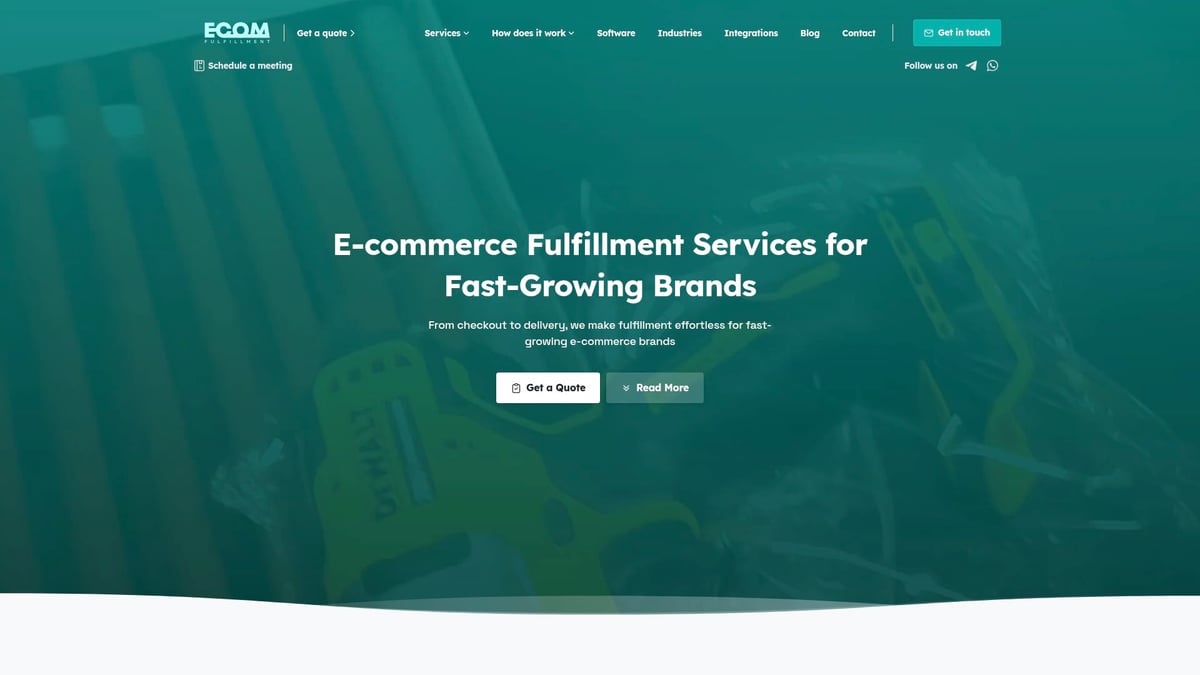
Key features include Amazon FBA prep, direct-to-consumer fulfillment, kitting and bundling, subscription box services, reverse logistics, and sea freight. Real-time tracking and 93 percent order accuracy ensure your customers get what they need, fast.
The platform’s omnichannel approach means you can manage B2B, DTC, and subscription fulfillment from a single dashboard. Major brands like Procter and Gamble rely on Ecom Automation Prep for its award-winning service and scalable infrastructure.
Pros:
- Up to 90 percent shipping savings
- Advanced automation and tracking
- Free trials and custom scalability
Cons:
- Pricing not public
- May be more than needed for very small stores
Ideal for brands experiencing rapid growth, those needing multi-channel fulfillment, or businesses with complex compliance needs. If you are seeking to scale your ecommerce for growth with fast ecommerce logistics, this solution stands out.
Shopify
Shopify remains a leader in fast ecommerce, offering a streamlined platform that enables businesses to launch within minutes. With pricing starting at 39 dollars per month and a 14-day free trial, Shopify delivers value for brands of all sizes.

Core features include a drag-and-drop builder, a vast app marketplace, built-in payments, and multi-channel sales. Shopify Hydrogen allows for fast headless storefronts, while the global CDN ensures sites load quickly worldwide.
Benefits include robust security, 24/7 support, and easy scalability from small shops to enterprise-level with Shopify Plus. Reliable hosting and mobile-optimized themes help brands capture mobile shoppers.
Pros:
- Fast setup, no coding required
- Large community and app ecosystem
- Scalable for growth
Cons:
- Extra fees for non-Shopify payments
- Limited free themes
- App costs can add up
Shopify is ideal for those seeking fast ecommerce deployment, reliable performance, and a user-friendly interface, whether launching a new brand or expanding an existing one.
BigCommerce
BigCommerce offers a flexible, API-driven platform designed for fast ecommerce at scale. With plans from 39 dollars per month and no transaction fees, it is well-suited for growing brands with complex needs.
BigCommerce enables multi-channel selling, advanced integrations, and supports large catalogs. The Storefront API and compatibility with modern frameworks such as Next.js and Gatsby enable custom, lightning-fast frontends.
Key benefits include built-in SEO, multi-currency support, and strong B2B features. BigCommerce is headless-ready, allowing for composable architectures and seamless integrations.
Pros:
- No transaction fees
- Enterprise-level scalability
- Multi-currency and B2B support
Cons:
- Steeper learning curve for beginners
- Limited free themes
- Higher costs at larger scale
Best for mid-size to large brands, B2B sellers, or those needing custom storefronts and advanced fast ecommerce performance.
| Feature | Shopify | BigCommerce | Ecom Automation Prep |
|---|---|---|---|
| Starting Price | $39/mo | $39/mo | Custom |
| Transaction Fees | Yes | No | No |
| Headless Ready | Yes (Hydrogen) | Yes | N/A |
| Fulfillment | Limited | Limited | Advanced |
| Mobile Optimized | Yes | Yes | Yes |
Hostinger Website Builder
Hostinger Website Builder is an affordable, AI-powered platform built for fast ecommerce launches. Starting at just 2.99 dollars per month, it includes hosting, SSL, and AI tools, making it ideal for entrepreneurs and micro-stores.
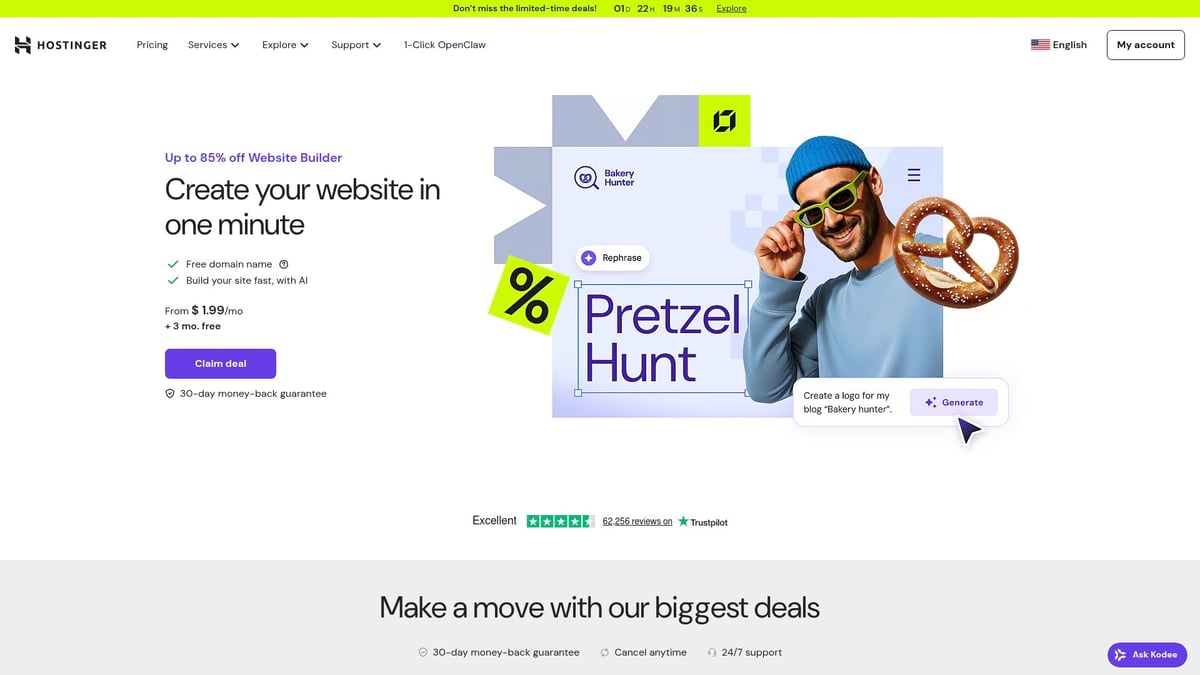
The drag-and-drop editor and instant publishing mean you can launch a store in minutes. Built-in performance optimizations ensure high mobile speed and seamless browsing.
Unique selling points include AI-driven content and design assistance, a free image library, and extremely low cost. While it may lack advanced ecommerce features, it excels for fast ecommerce deployments where speed and simplicity matter most.
Pros:
- Very low cost
- No coding required
- Rapid deployment
Cons:
- Not suited for large catalogs
- Fewer advanced features
Perfect for creators, digital product sellers, and businesses wanting fast ecommerce presence without complexity.
Commerce Layer
Commerce Layer is built for enterprise brands seeking global reach and fast ecommerce experiences. Pricing is custom and depends on usage and scale.
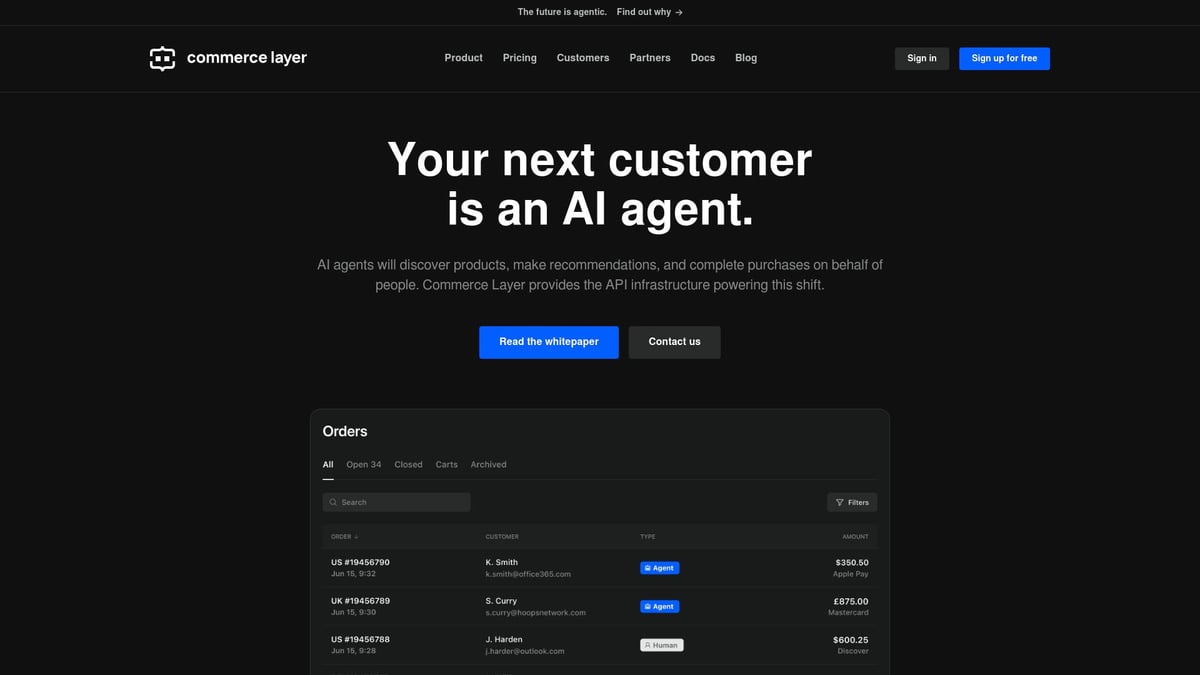
As an API-first, headless commerce solution, Commerce Layer’s edge-first architecture delivers sub-200 millisecond page loads, even at high concurrency. It supports global inventory, multi-market operations, and composable integrations.
Key benefits include unparalleled speed, flexibility for custom frontends, and developer-friendly APIs. Designed for technical teams, it enables brands to create global fast ecommerce storefronts with low latency checkouts.
Pros:
- Global readiness
- Superior speed via edge CDN
- Highly flexible architecture
Cons:
- Requires technical resources
- Custom pricing
- Not ideal for beginners
Commerce Layer is best for international brands, high-volume merchants, and those needing custom, scalable fast ecommerce infrastructure.
Gumroad
Gumroad is a frictionless platform tailored for creators and digital goods, offering fast ecommerce with zero monthly fees and a 10 percent commission per sale.
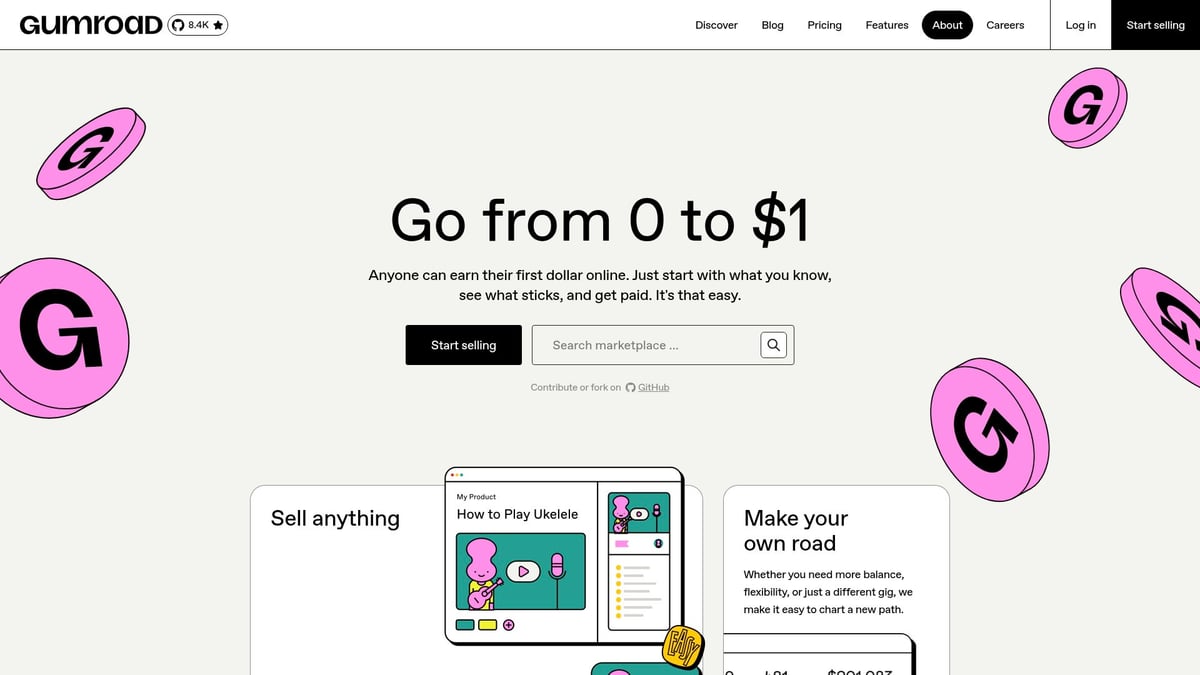
Core features include instant store launch, digital product sales, built-in audience tools, and global payments. There is no need for hosting or coding, making it an excellent choice for micro-stores.
The setup is lightning-fast, allowing creators to monetize content or products in minutes. While customization is limited, the speed and simplicity are unmatched for digital-first sellers.
Pros:
- No monthly cost
- Instant launch
- Easy global payments
Cons:
- 10 percent fee per sale
- Limited customization
Gumroad is ideal for selling ebooks, courses, or single digital products, providing a fast ecommerce solution for small catalogs.
Squarespace
Squarespace is a visually stunning, all-in-one platform for fast ecommerce, starting at 23 dollars per month with a 14-day free trial.
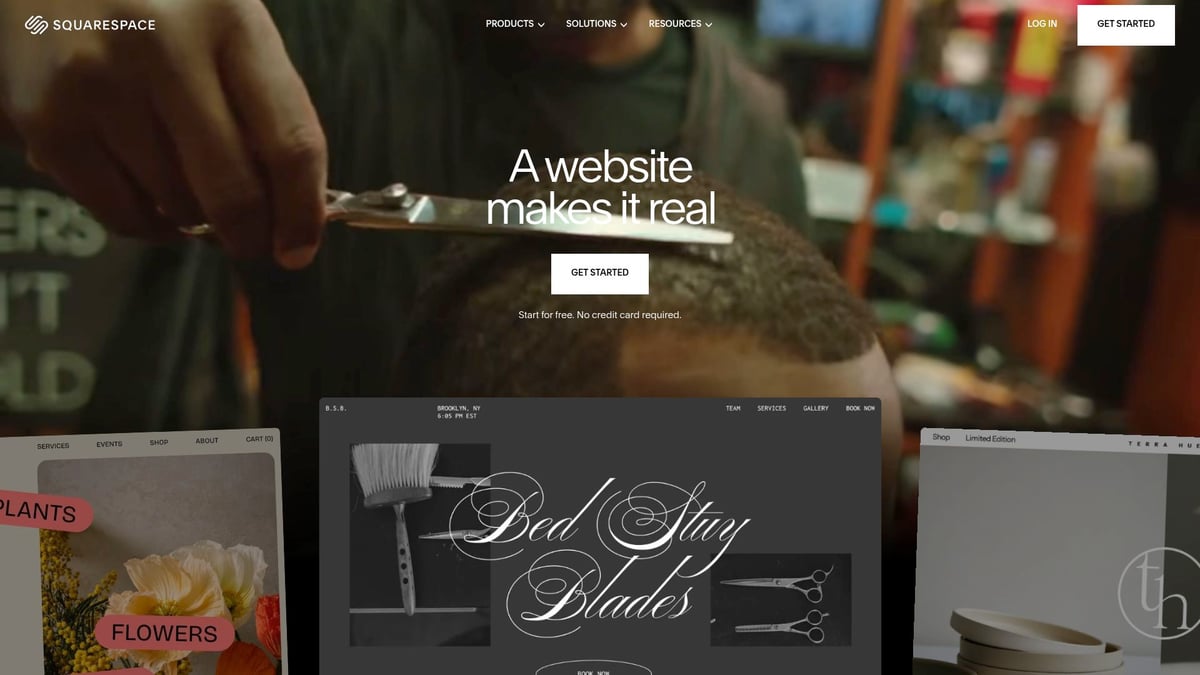
The drag-and-drop builder, designer templates, and built-in marketing tools enable brands to launch attractive stores quickly. Squarespace’s mobile-optimized themes and easy setup make it a favorite for creatives and boutique brands.
While integrations and customization are limited compared to more technical platforms, Squarespace excels in design, speed, and user experience.
Pros:
- Beautiful, fast storefronts
- Quick setup
- Built-in analytics and promotions
Cons:
- Limited integrations
- Extra transaction fees
- Less suited for complex needs
Squarespace is perfect for design-conscious brands and startups prioritizing speed and aesthetics in their fast ecommerce journey.
How to Choose the Right Fast Ecommerce Solution for Your Brand
Selecting the right fast ecommerce solution is a pivotal step in setting your brand up for scalable growth. The digital marketplace in 2026 demands not only speed, but also flexibility, cost efficiency, and seamless integrations. With so many platforms promising rapid performance, how do you determine which one aligns with your unique goals? Begin by breaking down your priorities, analyzing costs, and mapping out your long-term vision.
Assessing Your Business Needs and Goals
Start by identifying what matters most for your brand’s success in fast ecommerce. Is your priority launching quickly, optimizing frontend speed, or maximizing backend scalability? Consider your catalog size, whether you plan to sell internationally, and if you need advanced customization.
If your team lacks technical resources, a no-code or visual builder may be best. For brands with developer support, exploring headless or edge-optimized platforms can unlock superior performance. By mapping these needs, you can shortlist solutions that truly fit your business model and future growth plans.
Comparing Pricing and Total Cost of Ownership
Understanding the full financial picture is crucial for any fast ecommerce strategy. Go beyond monthly subscription fees and factor in transaction charges, app add-ons, and payment processing costs. For example, Shopify and BigCommerce start at $39 per month, while Hostinger offers a budget-friendly $2.99 plan. Gumroad is free to start, but charges a 10 percent fee per sale.
Analyze where you can save, such as through fulfillment efficiencies or shipping discounts. To learn specific ways to reduce costs without sacrificing speed, explore how to cut ecommerce fulfillment shipping costs.
Scalability and Future-Proofing
A fast ecommerce platform should empower your brand to grow, not hold it back. Evaluate each solution’s ability to handle increasing order volumes, support omnichannel fulfillment, and manage international shipping as your business expands.
Look for options like Shopify Plus, BigCommerce, or Commerce Layer, which offer enterprise-level scalability and advanced features. Future-proofing your investment means choosing a solution that can adapt to new markets, technologies, and consumer expectations as they evolve.
Integration and Ecosystem Support
Seamless integration is a cornerstone of any fast ecommerce setup. Ensure your chosen platform connects easily with payment gateways, shipping providers, marketing tools, and analytics solutions. A robust app ecosystem and active developer community can make a significant difference, especially as your operational needs become more complex.
Consider platforms that offer strong support and a wide range of integrations, which will help streamline processes like checkout, fulfillment, and customer engagement. If you want advice on optimizing the buying journey, review these easy check-out process tips to enhance conversions.
Real-World Examples and Case Studies
Learning from other brands can inform your fast ecommerce decision. Companies like Procter & Gamble leveraged Ecom Automation Prep for reliable multi-channel fulfillment. Startups have launched in days using Hostinger or Shopify, while Commerce Layer and BigCommerce have helped businesses achieve blazing frontend speeds and global reach.
By analyzing these examples, you gain clarity on which solutions deliver results for brands with similar needs and ambitions. Ultimately, the right choice will align with your vision, resources, and the pace at which you want to scale.
Future Trends in Fast Ecommerce for 2026 and Beyond
The pace of innovation in fast ecommerce is set to accelerate even further by 2026. As consumer expectations rise and technology evolves, brands must adapt to stay ahead. The next wave of advancements will redefine what it means to deliver a seamless and rapid online shopping experience.
Headless commerce and edge-first architectures are poised to become the backbone of fast ecommerce. By leveraging edge computing and global content delivery networks, brands can deliver sub-second load times to shoppers worldwide. This infrastructure shift enables richer, app-like experiences and ensures that even high-traffic events do not slow down storefronts. As a result, customer satisfaction and conversion rates see measurable improvements.
Artificial intelligence will play an even greater role in personalizing the fast ecommerce journey. From AI-powered product recommendations to fully automated fulfillment and instant checkout, the customer experience will become more intuitive and efficient. Industry experts predict that unified commerce and agentic AI will define the future, seamlessly integrating inventory, payments, and marketing across channels. For deeper insights into these developments, explore how AI and Unified Commerce in 2026 are reshaping the landscape.
Global low-latency solutions will be crucial as cross-border ecommerce expands. Fast ecommerce platforms are adopting edge rendering and composable architectures to ensure shoppers everywhere enjoy the same blazing speeds. The rise of mobile-first strategies, progressive web apps, and technologies like Hydrogen will further blur the line between web and app shopping. According to industry forecasts, over 70 percent of ecommerce traffic will be mobile by 2026, making rapid mobile experiences an absolute necessity.
Shoppers will also expect real-time tracking, instant shipping updates, and reliable same-day delivery as standard offerings. Brands that invest in fast ecommerce infrastructure, automation, and advanced logistics will be best positioned to meet these demands. For a comprehensive overview of the most impactful trends, review the Top Ecommerce Trends to Watch in 2026, including the rapid adoption of AI and no-code tools.
Looking ahead, the brands that prioritize speed, automation, and global readiness will set the pace in the fast ecommerce market. Embracing these future trends will not only drive higher conversions but also foster long-term customer loyalty in an increasingly competitive landscape.
As you look ahead to 2026 and explore these fast ecommerce solutions, it’s clear that success hinges on more than just having the right platform—you need fulfillment that keeps pace with your growth and customer expectations. If you’re ready to streamline your operations, deliver reliable service, and take advantage of scalable, tech-driven fulfillment, we’re here to help. Let’s work together to set your brand apart with efficient, accurate, and seamless fulfillment that matches your ambitions.
Get A Quote
Whether you’re scaling quickly or just starting out, we’ll help you find the best-fit solution for your business.