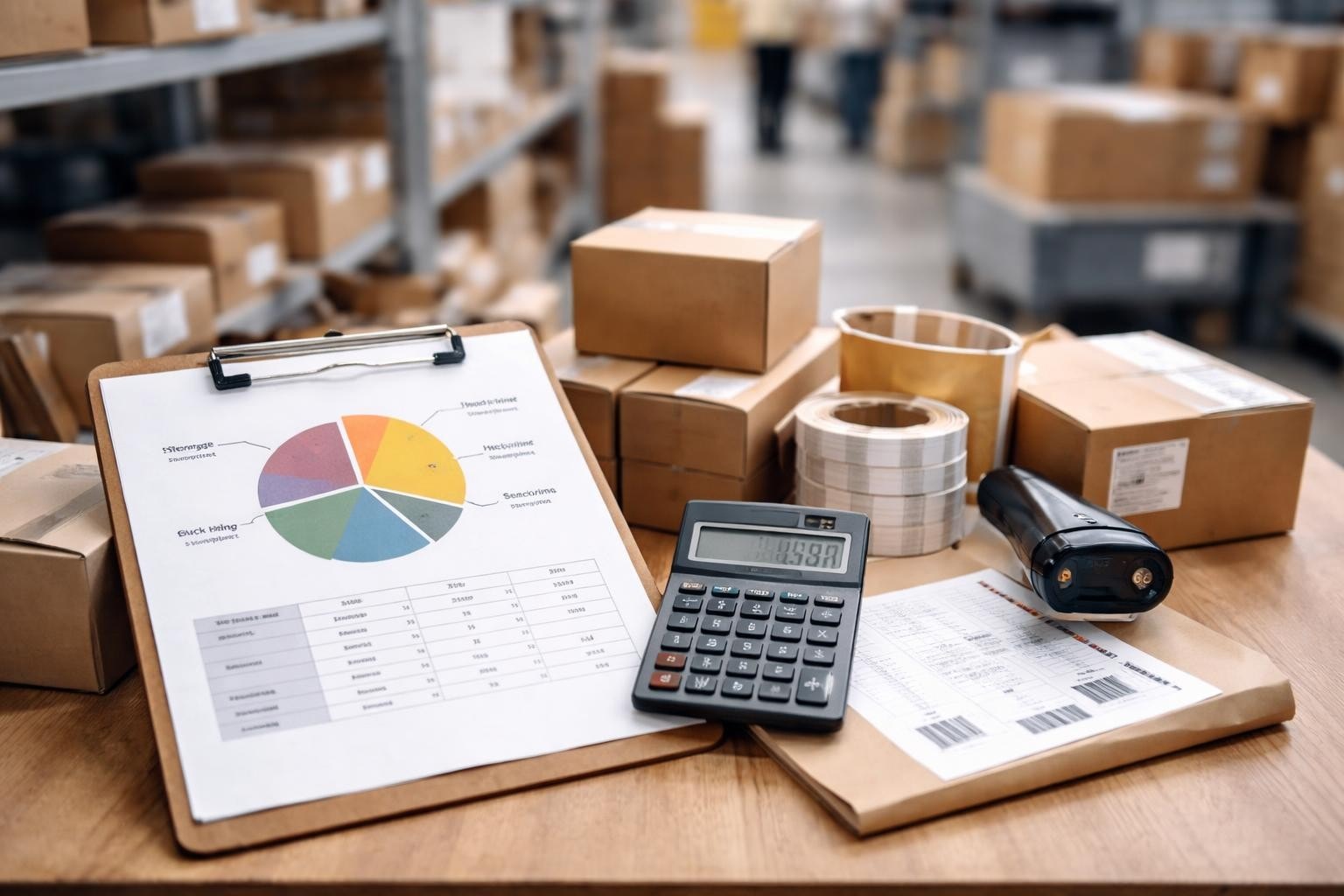


Managing an ecommerce order efficiently determines whether your brand thrives or struggles in today's competitive marketplace. Every transaction represents not just a sale, but an opportunity to build customer loyalty through seamless fulfillment. The journey from checkout to doorstep involves multiple critical touchpoints that require precision, speed, and reliability. For fast-growing e-commerce brands, understanding the complete order management process becomes essential for scaling operations while maintaining exceptional customer experiences.
Understanding the Ecommerce Order Lifecycle
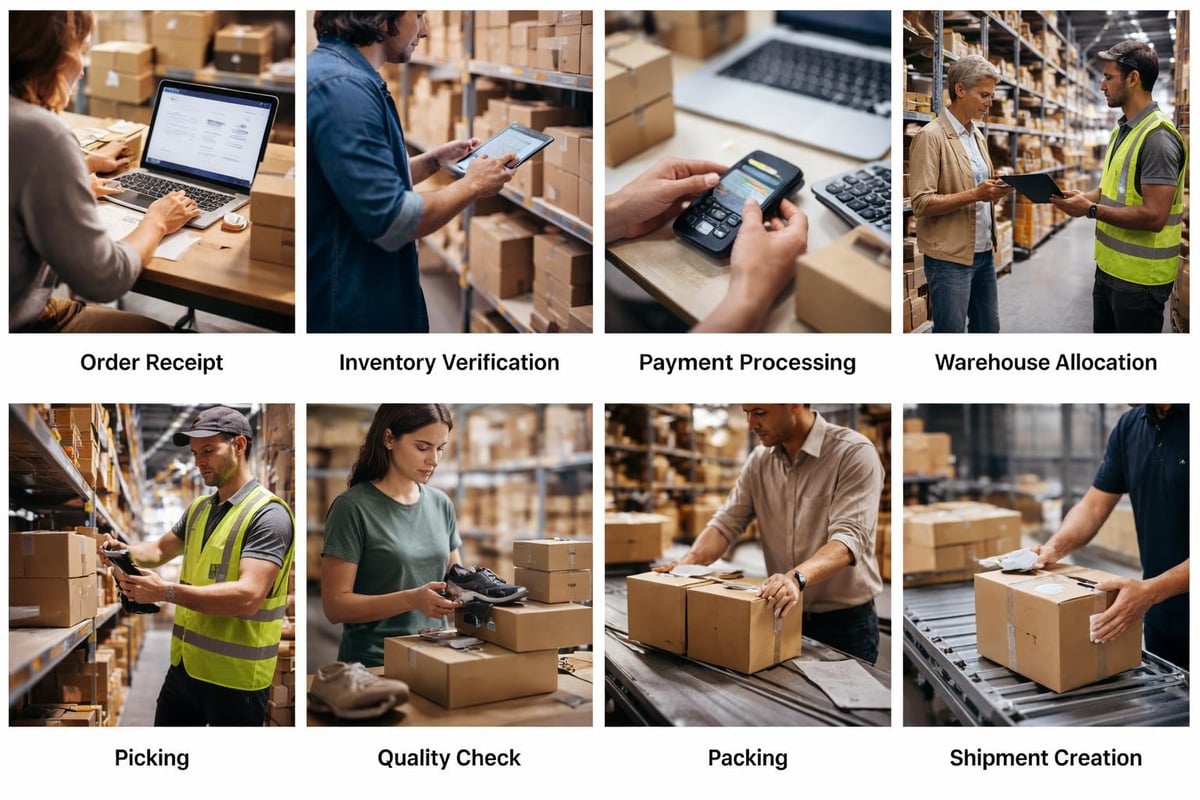
The ecommerce order lifecycle begins the moment a customer clicks the purchase button and extends through delivery confirmation. This process encompasses order receipt, payment verification, inventory allocation, picking, packing, shipping, and post-delivery follow-up. Each stage requires careful coordination between various systems and teams.
Modern order management involves several interconnected components:
- Real-time inventory tracking across multiple channels
- Automated order routing to appropriate fulfillment centers
- Integration between sales platforms and warehouse management systems
- Customer communication at each fulfillment milestone
- Returns processing and reverse logistics capabilities
The complexity increases significantly when brands sell across multiple marketplaces, manage diverse product catalogs, or operate in different geographic regions. Understanding how ecommerce order management works provides the foundation for building scalable fulfillment operations.
Order Processing Speed and Accuracy
Speed and accuracy represent two non-negotiable elements in ecommerce order fulfillment. Customers expect rapid processing times, with same-day or next-day shipping becoming standard expectations rather than premium services. However, rushing through fulfillment without proper accuracy checks creates costly mistakes.
Processing an ecommerce order efficiently requires balancing these competing demands. Automated systems reduce human error while accelerating order flow. Barcode scanning, digital pick lists, and automated packing stations minimize mistakes while maintaining throughput. Brands should track metrics like order accuracy rate, time from order to ship, and picking efficiency to identify bottlenecks.
| Metric | Target Benchmark | Impact on Operations |
|---|---|---|
| Order Accuracy | 99.5%+ | Reduces returns and customer complaints |
| Order-to-Ship Time | 24-48 hours | Meets customer expectations |
| Pick Rate | 100+ units/hour | Controls labor costs |
| Inventory Accuracy | 98%+ | Prevents overselling and stockouts |
Inventory Management Within Order Systems
Effective inventory management directly impacts ecommerce order fulfillment success. When inventory data lacks accuracy, brands face stockouts, overselling, or excess carrying costs. Real-time visibility across all sales channels prevents these issues while enabling data-driven purchasing decisions.
Implementing best practices for inventory tracking and real-time order tracking ensures that every ecommerce order draws from accurate stock counts. This becomes particularly critical for brands selling on Amazon, their own website, and other marketplaces simultaneously.
Multi-Channel Inventory Synchronization
Managing inventory across multiple channels creates significant challenges. A product sold on your website needs immediate reflection in your Amazon listing and any other platforms. Without proper synchronization, you risk overselling items you don't have in stock.
Effective multi-channel inventory control requires:
- Centralized inventory management platform
- Real-time API connections to all sales channels
- Safety stock calculations for each SKU
- Automated reorder point triggers
- Regular cycle counts and physical inventory audits
The investment in robust inventory systems pays dividends through reduced stockouts, lower carrying costs, and improved customer satisfaction. Brands experiencing rapid growth should prioritize these capabilities before scaling operations further.
Warehouse Operations and Order Fulfillment
The warehouse represents the operational heart of ecommerce order fulfillment. How efficiently your team picks, packs, and ships products determines your capacity to scale. Strategic warehouse organization, optimized workflows, and proper training separate high-performing operations from struggling ones.
Understanding order processing in ecommerce helps identify opportunities for operational improvements. The physical layout, technology systems, and staff capabilities all contribute to overall efficiency.
Optimizing Pick and Pack Processes
Pick and pack optimization directly influences how quickly an ecommerce order moves through your fulfillment center. Different products and order profiles require different strategies. High-velocity items should occupy easily accessible locations, while slower-moving SKUs can sit in less convenient spots.
Consider these warehouse organization strategies:
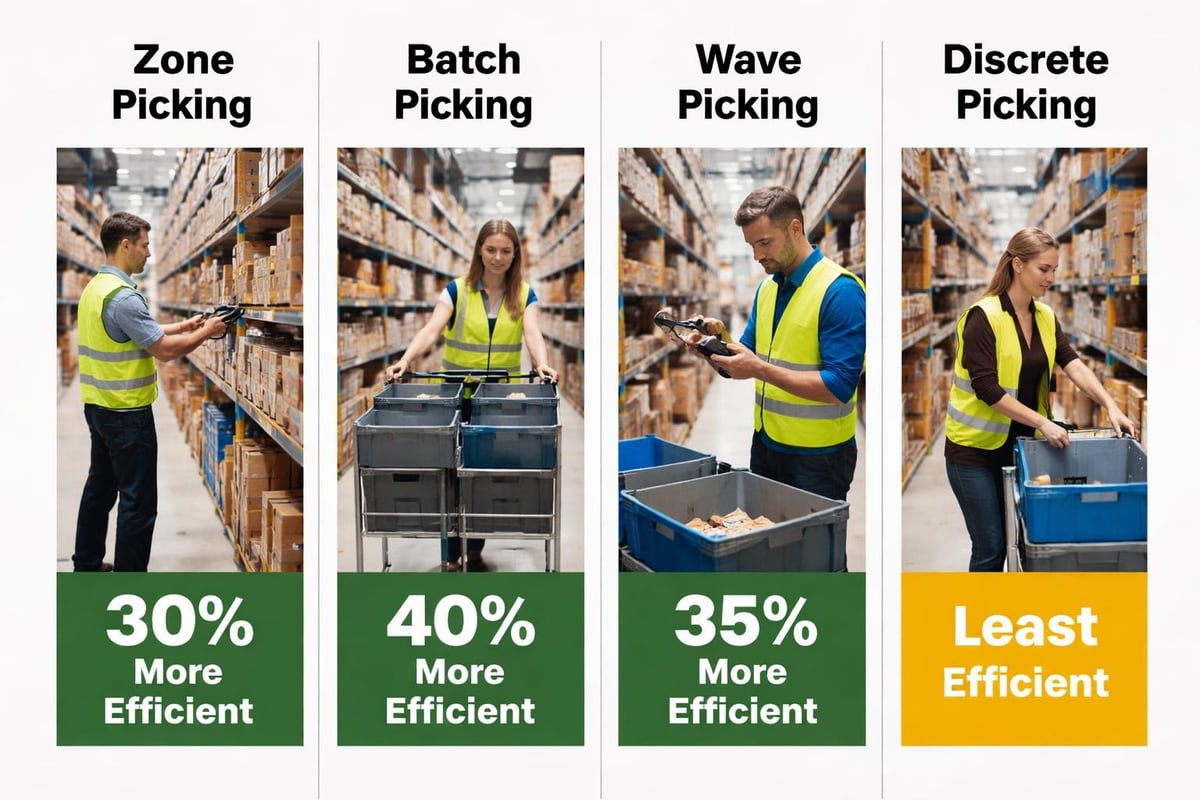
- Zone picking for large facilities with diverse product ranges
- Batch picking for orders with common items
- Wave picking to optimize labor during peak periods
- ABC analysis to position products by velocity
- Slotting optimization based on historical order data
Packing stations should include all necessary materials within arm's reach. Pre-sized boxes, appropriate cushioning materials, label printers, and quality control checklists enable packers to work efficiently without unnecessary movement. When evaluating fulfillment pricing options, consider how operational efficiency impacts overall costs.
Technology Integration for Order Management
Technology infrastructure determines whether your ecommerce order management scales smoothly or creates operational bottlenecks. Modern fulfillment requires seamless integration between e-commerce platforms, warehouse management systems, shipping carriers, and customer communication tools.
Implementing comprehensive order management best practices means selecting technologies that communicate effectively. Data should flow automatically from order placement through shipping confirmation without manual intervention.
Warehouse Management Systems
A robust warehouse management system (WMS) serves as the operational backbone for processing ecommerce orders at scale. These systems direct warehouse staff through optimized pick paths, manage inventory locations, and track fulfillment metrics in real-time.
Modern WMS solutions offer cloud-based accessibility, mobile device integration, and advanced reporting capabilities. The right system reduces training time for new staff, minimizes picking errors, and provides visibility into operational performance. When evaluating options, prioritize systems that integrate cleanly with your existing e-commerce platform.
| WMS Feature | Business Benefit | Implementation Priority |
|---|---|---|
| Mobile scanning | Reduces picking errors | High |
| Real-time inventory | Prevents overselling | High |
| Analytics dashboard | Identifies bottlenecks | Medium |
| Returns processing | Streamlines reverse logistics | Medium |
| Multi-location support | Enables geographic expansion | Low to Medium |
Shipping Strategy and Carrier Management
Shipping represents one of the largest variable costs in ecommerce order fulfillment. Strategic carrier selection, rate negotiation, and shipping method optimization significantly impact profitability while meeting customer expectations. Brands should regularly evaluate carrier performance and costs.
Diversifying carrier relationships provides flexibility during peak seasons and protects against service disruptions. Maintaining relationships with multiple regional and national carriers enables you to reduce shipping costs through competitive rate shopping.
Zone-Based Shipping Optimization
Geographic distribution of your inventory reduces shipping zones and delivery times. Each ecommerce order ships faster and cheaper when fulfilled from the closest warehouse to the customer. Multi-location fulfillment strategies become essential as brands scale nationally or internationally.
Implementing zone-based optimization includes:
- Analyzing customer location data to identify concentration areas
- Positioning inventory based on regional demand patterns
- Implementing automated order routing logic
- Monitoring zone distribution performance monthly
- Adjusting inventory placement as demand shifts
This approach not only improves delivery speed but also reduces transportation costs significantly. Brands shipping 1,000+ orders monthly typically see immediate ROI from multi-location strategies. Partnering with providers offering direct-to-consumer fulfillment across multiple facilities simplifies expansion.
Customer Communication Throughout Order Processing
Transparent communication transforms the ecommerce order experience from transactional to relationship-building. Customers want visibility into their order status from confirmation through delivery. Proactive updates reduce support inquiries while building confidence in your brand.
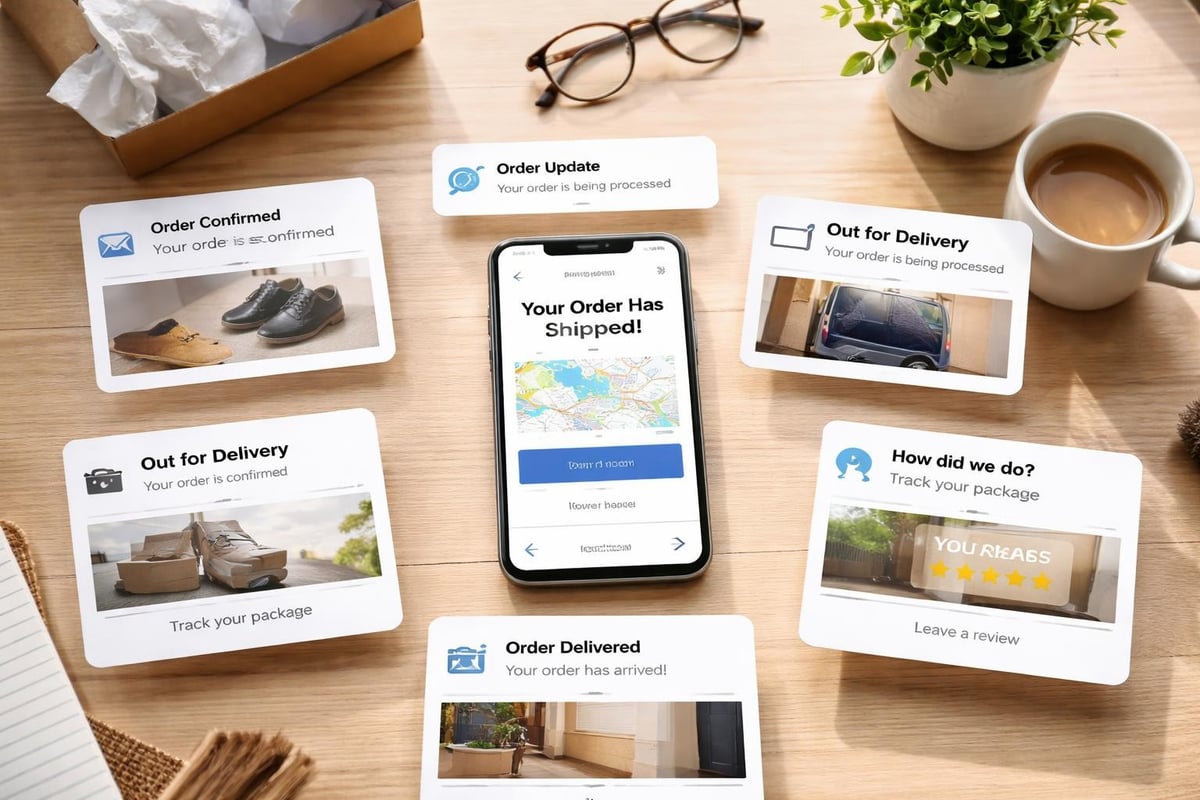
Automated communication touchpoints should include order confirmation, shipping notification with tracking information, delivery confirmation, and post-delivery follow-up. Each message provides an opportunity to reinforce brand values and encourage repeat purchases.
Handling Order Issues and Exceptions
Despite best efforts, order issues occur. Inventory discrepancies, shipping delays, damaged products, or picking errors require immediate attention and clear customer communication. How you handle these exceptions often determines whether customers remain loyal or defect to competitors.
Establishing clear protocols for exception handling ensures consistent service recovery. Staff should understand escalation procedures, refund policies, and replacement processes. Empowering front-line team members to resolve issues quickly reduces customer frustration and builds trust.
Quality Control and Order Accuracy
Quality control checkpoints throughout the fulfillment process prevent costly errors from reaching customers. Each mistake in an ecommerce order creates multiple problems: increased support costs, return shipping expenses, customer dissatisfaction, and potential negative reviews.
Implementing systematic quality checks at critical stages catches errors before they escalate. Pre-ship verification, where staff confirm order contents match packing slips, represents the final defense against shipping mistakes. Many operations photograph packed orders before sealing, creating visual documentation for dispute resolution.
Building a Culture of Accuracy
Technology assists accuracy, but culture drives consistent performance. Training programs should emphasize the importance of precision, explaining how errors impact customers and business performance. Regular feedback loops help staff understand their accuracy metrics and improvement opportunities.
Creating an accuracy-focused culture involves:
- Publishing individual and team accuracy metrics
- Recognizing top performers publicly
- Providing additional training for struggling team members
- Investigating root causes of recurring errors
- Continuously refining processes based on error patterns
Following ecommerce order fulfillment best practices helps establish benchmarks for your operation. Brands should target 99.5% or higher order accuracy to maintain competitive service levels.
Returns Management and Reverse Logistics
Returns represent an inevitable aspect of e-commerce that requires efficient processing to protect margins and customer relationships. The ecommerce order lifecycle doesn't end at delivery when products come back. Streamlined returns processing determines whether returned merchandise quickly re-enters sellable inventory or becomes dead stock.
Efficient reverse logistics includes clear return policies, easy-to-follow processes for customers, rapid inspection procedures, and quick restocking decisions. Implementing effective reverse logistics solutions recovers value from returned products while maintaining customer satisfaction.
Return Rate Analysis and Prevention
Understanding why customers return products reveals opportunities to reduce return rates. Common causes include inaccurate product descriptions, sizing issues, quality problems, or shipping damage. Analyzing return reasons by product, category, and season identifies patterns.
Prevention strategies might include enhanced product photography, detailed size guides, improved quality control, or better packaging. While some returns remain unavoidable, particularly in categories like apparel, data-driven approaches reduce unnecessary returns significantly.
| Return Category | Prevention Strategy | Expected Impact |
|---|---|---|
| Wrong item shipped | Enhanced pick verification | 40-60% reduction |
| Damaged in transit | Improved packaging | 30-50% reduction |
| Doesn't match description | Better product content | 20-30% reduction |
| Size/fit issues | Detailed sizing guides | 15-25% reduction |
Scaling Order Fulfillment Operations
Growth creates both opportunities and challenges for ecommerce order management. What works at 100 orders daily breaks at 1,000 daily orders. Scaling requires proactive planning, infrastructure investment, and process refinement before capacity constraints choke growth.
Brands should evaluate their fulfillment capabilities quarterly, projecting resource needs against growth forecasts. Waiting until systems break creates rushed decisions and operational chaos. Learning from order fulfillment best practices helps avoid common scaling pitfalls.
Determining When to Partner with 3PL Providers
Many brands reach a point where in-house fulfillment becomes inefficient or impossible. Third-party logistics (3PL) providers offer specialized expertise, established infrastructure, and scalability without capital investment. The decision to outsource fulfillment represents a strategic inflection point.
Consider outsourcing when you experience:
- Fulfillment costs exceeding 15-20% of revenue
- Inability to meet customer delivery expectations consistently
- Warehouse space constraints limiting inventory capacity
- Difficulty recruiting and retaining fulfillment staff
- Need for geographic expansion without capital investment
Outsourcing doesn't mean losing control. The right 3PL partnership provides enhanced visibility, superior service levels, and operational flexibility. Brands maintain focus on core competencies like product development and marketing while fulfillment experts handle logistics complexities.
Performance Metrics and Continuous Improvement
Measuring ecommerce order fulfillment performance enables data-driven improvements. Brands should track both operational metrics (efficiency, cost) and customer-facing metrics (speed, accuracy). Regular reporting identifies trends, highlights problems, and validates improvement initiatives.
Essential metrics include order accuracy rate, average order-to-ship time, shipping cost per order, return rate, inventory turnover, and customer satisfaction scores. Establishing baselines and setting improvement targets drives accountability. Exploring additional ecommerce tips provides ongoing optimization ideas.
Implementing Feedback Loops
Continuous improvement requires systematic feedback collection from multiple sources. Customer reviews reveal service perception, warehouse staff identify operational bottlenecks, and carrier data shows shipping performance. Synthesizing these inputs creates comprehensive improvement roadmaps.
Monthly operations reviews should examine metric trends, investigate anomalies, and prioritize improvement initiatives. Quick wins build momentum while longer-term projects address structural challenges. This iterative approach compounds improvements over time, creating significant competitive advantages.
Managing every aspect of an ecommerce order effectively requires integrated systems, optimized processes, and experienced execution. The complexity scales rapidly as order volumes grow, product catalogs expand, and customer expectations rise. Whether you're processing hundreds or thousands of orders daily, operational excellence separates thriving brands from struggling ones. Ecom Automation Prep specializes in comprehensive fulfillment solutions that handle every stage of the order lifecycle, from receiving inventory through final delivery. Our scalable infrastructure, experienced team, and integrated technology help fast-growing brands meet customer expectations while controlling costs.