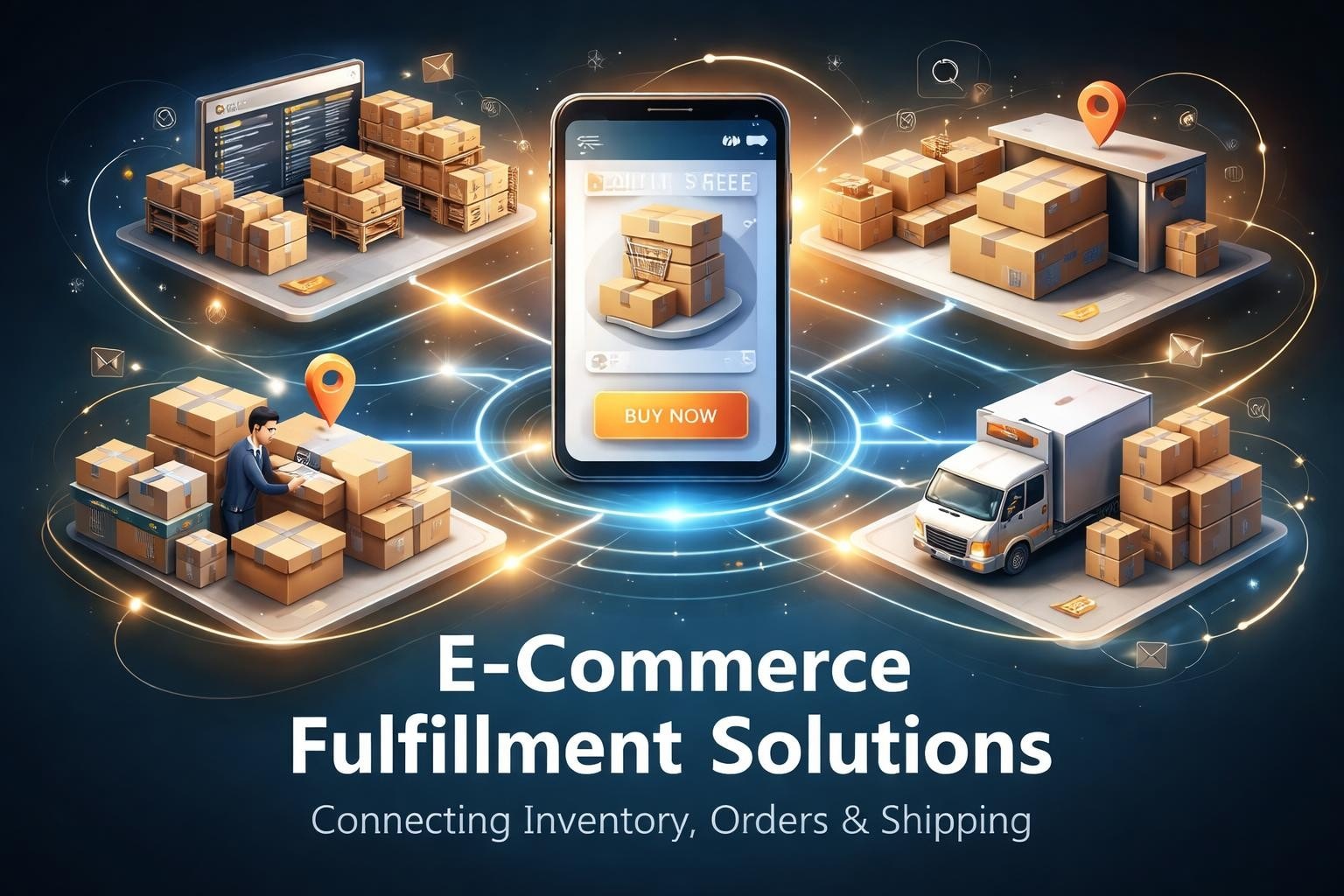


The ability to e commerce fulfill orders efficiently has become the cornerstone of success for online retailers in 2026. As customer expectations continue to rise and competition intensifies, businesses must optimize every aspect of their fulfillment operations to remain competitive. From inventory management to last-mile delivery, each step in the fulfillment chain directly impacts customer satisfaction, operational costs, and overall profitability. Understanding the evolving landscape of e-commerce fulfillment is no longer optional for brands seeking sustainable growth.
Understanding Modern E-Commerce Fulfillment Operations
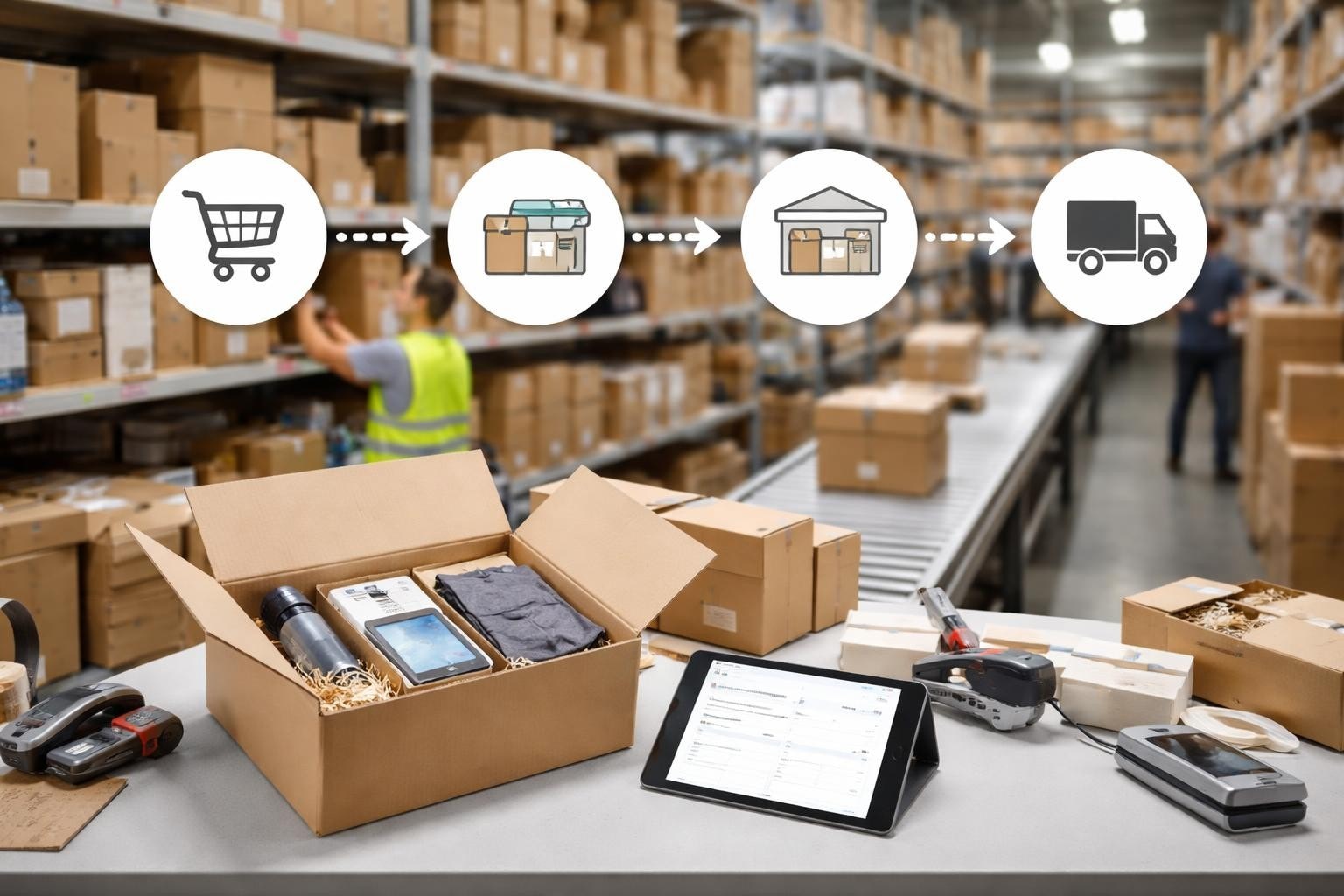
E-commerce fulfillment encompasses the entire process of receiving, processing, and delivering online orders to customers. This complex operation involves multiple interconnected stages that must work seamlessly together.
The Core Components of Fulfillment
When businesses e commerce fulfill orders, they engage several critical processes simultaneously. Inventory management forms the foundation, requiring accurate tracking of stock levels across multiple locations. Warehouse operations include receiving shipments, storing products efficiently, and organizing items for quick retrieval.
The picking and packing stage demands precision and speed. Workers must locate the correct items, verify quantities, and package products securely to prevent damage during transit. Quality control measures ensure that customers receive exactly what they ordered in perfect condition.
Shipping and logistics complete the cycle, involving carrier selection, label generation, and coordination with delivery services. Each of these components must operate efficiently to streamline e-commerce fulfillment operations effectively.

Fulfillment Models for Different Business Needs
| Fulfillment Model | Best For | Key Advantages | Considerations |
|---|---|---|---|
| Self-Fulfillment | Small businesses, niche products | Complete control, lower volume costs | Labor intensive, space requirements |
| Third-Party Logistics (3PL) | Growing brands | Scalability, expertise, technology | Less control, ongoing fees |
| Amazon FBA | Amazon sellers | Prime eligibility, massive reach | Strict requirements, storage fees |
| Hybrid Model | Multi-channel sellers | Flexibility, risk distribution | Complex coordination |
Choosing the right approach to e commerce fulfill your orders depends on several factors including order volume, product characteristics, and growth trajectory. Many successful brands leverage specialized fulfillment services to maintain flexibility while accessing professional infrastructure.
Technology Driving Fulfillment Innovation in 2026
Automation and artificial intelligence have transformed how businesses e commerce fulfill orders. Packaging automation continues to reshape fulfillment centers, addressing labor shortages while improving accuracy and speed.
Warehouse Management Systems and Integration
Modern warehouse management systems (WMS) serve as the central nervous system for fulfillment operations. These platforms coordinate inventory tracking, order routing, and workforce management in real-time.
Key WMS capabilities include:
- Real-time inventory visibility across all locations
- Automated order routing based on proximity and stock levels
- Integration with e-commerce platforms and marketplaces
- Predictive analytics for demand forecasting
- Performance tracking and reporting dashboards
Integration between systems eliminates manual data entry and reduces errors. When a customer places an order online, the WMS automatically receives the information, assigns it to the optimal fulfillment location, and generates picking instructions.
Automation Technologies Reshaping Operations
Robotics and automated systems have moved from experimental to essential. Automated storage and retrieval systems (AS/RS) maximize vertical space while reducing retrieval times. Conveyor systems move products efficiently between stations, minimizing walking time for workers.
Packaging automation represents a significant advancement. Right-sizing technology selects optimal box dimensions for each order, reducing dimensional weight charges and packaging waste. Automated labeling and sorting systems prepare shipments for carrier pickup without human intervention.
The ability to e commerce fulfill orders faster and more accurately through automation provides competitive advantages that manual operations simply cannot match. Current e-commerce fulfillment trends emphasize the growing importance of these technologies for maintaining market position.
Strategic Approaches to Fulfillment Network Design
The geographic distribution of inventory has become increasingly critical for meeting customer expectations. Businesses must strategically decide where to stock products and how to route orders.
Multi-Node Distribution Strategies
Single-warehouse fulfillment worked when two-day shipping satisfied customers. In 2026, expectations have shifted dramatically. Regionalized fulfillment networks position inventory closer to end customers, reducing transit times and shipping costs.
A multi-node strategy involves operating or accessing fulfillment centers in different geographic regions. This approach offers several benefits:
- Reduced shipping zones: Orders ship from nearby facilities, lowering carrier costs
- Faster delivery times: Products reach customers in one to two days without premium shipping
- Risk mitigation: Weather events or disruptions at one facility don't halt all operations
- Seasonal flexibility: Inventory allocation adjusts based on regional demand patterns
The state of e-commerce fulfillment increasingly reflects this regionalization trend as brands recognize the competitive necessity of distributed networks.

Inventory Allocation and Demand Planning
Deciding which products to stock at each location requires sophisticated analysis. Fast-moving items need representation across all nodes, while slower-moving SKUs might centralize to avoid over-distribution.
| Inventory Strategy | Implementation | Benefits |
|---|---|---|
| ABC Analysis | Classify products by sales velocity | Optimize storage locations |
| Safety Stock Calculation | Statistical models predict buffer needs | Prevent stockouts without excess |
| Seasonal Adjustment | Historical data guides pre-positioning | Meet peak demand efficiently |
| Reorder Point Automation | Trigger replenishment at optimal levels | Maintain availability |
Effective demand planning enables businesses to e commerce fulfill orders consistently while minimizing carrying costs. Advanced analytics platforms process historical sales data, seasonality patterns, and market trends to generate accurate forecasts.
Operational Excellence in Daily Fulfillment
Beyond strategy and technology, daily operational execution determines fulfillment success. Attention to detail and continuous improvement separate exceptional operations from average ones.
Quality Control and Accuracy Measures
Order accuracy directly impacts customer satisfaction and operational costs. Returns and exchanges resulting from fulfillment errors damage profitability and brand reputation.
Implementing checkpoints throughout the fulfillment process catches errors before shipment. Barcode scanning at each stage verifies that workers pick correct items. Weight verification systems flag packages that don't match expected parameters, indicating potential errors.
Photography documentation provides proof of condition for valuable items. Some operations photograph every package before sealing, creating visual records that resolve customer disputes quickly.
For businesses that handle Amazon FBA prep alongside direct fulfillment, maintaining compliance with Amazon's strict requirements demands meticulous quality processes.
Packaging Optimization and Sustainability
Packaging serves multiple purposes beyond protecting products during transit. The unboxing experience influences customer perception, while packaging efficiency impacts shipping costs and environmental footprint.
Sustainable packaging initiatives include:
- Right-sized boxes reducing material waste and dimensional weight charges
- Recyclable and compostable materials replacing plastic components
- Minimal packaging approaches eliminating unnecessary layers
- Branded packaging creating memorable unboxing experiences
The ability to e commerce fulfill orders with sustainable packaging increasingly matters to consumers. Brands that demonstrate environmental responsibility build stronger customer loyalty while often reducing packaging costs.
Labor Management and Training
Fulfillment centers depend on skilled workers executing tasks accurately and efficiently. Comprehensive training programs ensure that all team members understand procedures, quality standards, and technology systems.
Cross-training workers across multiple stations provides operational flexibility. When order volumes spike, trained staff can shift to bottleneck areas, maintaining throughput during peak periods.
Performance metrics guide individual and team development. Tracking pick rates, accuracy scores, and safety records identifies improvement opportunities while recognizing top performers.
Scaling Fulfillment Operations for Growth
As businesses expand, fulfillment operations must scale proportionally. The approaches that worked at lower volumes often fail when order counts multiply.
Capacity Planning and Expansion Timing
Understanding when to expand prevents both premature investment and capacity constraints. Key indicators that signal expansion needs include:
- Warehouse space utilization exceeding 85% consistently
- Order processing times increasing despite efficiency efforts
- Overtime becoming regular rather than exceptional
- Customer delivery times degrading
- Storage costs rising due to inefficient space usage
Businesses can scale fulfillment capacity through internal expansion or partnership. Building or leasing additional warehouse space provides control but requires significant capital investment. Partnering with established fulfillment providers offers immediate scalability without infrastructure development.
For brands focused on scaling e-commerce operations, understanding these inflection points prevents growth bottlenecks that frustrate customers and limit revenue potential.
Specialized Fulfillment Services
Different product categories and business models require specialized fulfillment capabilities. Kitting and bundling services combine multiple items into single packages, enabling product bundles and promotional offers.
Subscription box businesses need dedicated subscription box fulfillment capabilities that handle recurring shipments, customer preferences, and inventory rotation. This specialized approach differs significantly from standard e-commerce fulfillment.
Reverse logistics and returns processing represent another specialized function. Efficient returns operations recover value from returned inventory while maintaining customer satisfaction during the returns experience.

Cost Management and Financial Optimization
The ability to e commerce fulfill orders profitably requires careful cost management across all operational areas. Fulfillment expenses can easily consume margins if not controlled effectively.
Understanding Fulfillment Cost Structures
| Cost Category | Components | Optimization Strategies |
|---|---|---|
| Labor | Picking, packing, receiving | Automation, productivity tracking, efficient layout |
| Storage | Warehouse rent, utilities | Space optimization, inventory velocity improvement |
| Shipping | Carrier fees, materials | Rate negotiation, zone optimization, packaging efficiency |
| Technology | WMS, automation systems | Scalable platforms, integration efficiency |
| Materials | Boxes, tape, labels, dunnage | Bulk purchasing, sustainable alternatives |
Transparent e-commerce fulfillment pricing helps businesses evaluate whether to build internal capabilities or partner with specialized providers. Understanding the true cost of fulfillment includes both direct expenses and opportunity costs of capital tied up in infrastructure.
Carrier Optimization and Shipping Strategy
Shipping costs represent one of the largest fulfillment expenses. Strategic carrier selection based on package characteristics, destinations, and service requirements significantly impacts profitability.
Rate shopping technology compares carrier rates in real-time, automatically selecting the most cost-effective option for each shipment. Multi-carrier strategies provide backup options when primary carriers experience delays or capacity constraints.
Negotiating volume discounts with carriers requires understanding shipping patterns and volumes. Brands shipping thousands of packages monthly can secure better rates than published retail pricing.
Zone skipping and regional carriers offer alternatives to national providers for specific lanes. These specialized services sometimes provide better economics for high-volume routes.
Managing Peak Season and Demand Fluctuations
The ability to e commerce fulfill orders consistently becomes most challenging during peak seasons. Holiday shopping periods, promotional events, and viral product moments test fulfillment capacity and flexibility.
Preparing for Volume Surges
Successful peak season management begins months in advance. Capacity planning involves forecasting expected volumes, identifying resource needs, and securing additional labor and space.
Temporary staffing arrangements provide workforce flexibility. Hiring and training seasonal workers before peak periods ensures they're productive when volumes surge. Some operations maintain relationships with temporary workers who return each season, reducing training requirements.
Inventory pre-positioning moves products closer to customers before peak periods begin. This strategy reduces transit times during periods when carriers face their own capacity challenges.
Technology and Process Scalability
Systems must handle volume increases without degradation. Load testing warehouse management systems and e-commerce platforms identifies bottlenecks before they impact real orders.
Simplified processes during peak periods maintain throughput. Some operations temporarily pause non-essential activities like custom packaging or inserts, focusing purely on accurate, timely fulfillment.
Communication with customers becomes especially important during high-volume periods. Proactive notifications about processing times and potential delays manage expectations and reduce support inquiries.
The Future Landscape of E-Commerce Fulfillment
Looking ahead, several trends will continue reshaping how businesses e commerce fulfill orders. Staying informed about these developments enables proactive adaptation rather than reactive scrambling.
Same-Day and Ultra-Fast Delivery
Customer expectations for delivery speed continue compressing. What seemed impossibly fast five years ago now represents baseline expectations for many product categories.
Micro-fulfillment centers located in urban areas enable same-day delivery economics. These small facilities stock high-velocity items close to dense customer populations, reducing last-mile delivery costs and times.
Partnerships between retailers and delivery services create new fulfillment models. Quick commerce platforms promise delivery within hours, fundamentally changing consumer behavior and competitive dynamics.
Sustainability and Circular Commerce
Environmental considerations increasingly influence fulfillment decisions. Consumers expect brands to minimize packaging waste, reduce carbon emissions, and enable product recycling or refurbishment.
Carbon-neutral shipping programs offset emissions through verified environmental projects. While adding costs, these initiatives align with consumer values and regulatory trends.
Reverse logistics capabilities will become more sophisticated as circular economy models gain traction. Brands that can efficiently process returns, refurbish products, and return them to inventory will operate more sustainably while recovering value.
Artificial Intelligence and Predictive Analytics
AI applications in fulfillment extend beyond warehouse robotics. Predictive analytics forecast demand patterns with increasing accuracy, enabling proactive inventory positioning and resource allocation.
Machine learning algorithms optimize picking routes, reducing warehouse walking time and improving productivity. These systems learn from historical patterns and continuously refine recommendations.
Chatbots and automated systems handle routine customer service inquiries about order status, freeing human agents to address complex issues requiring judgment and empathy.
The continued evolution of technology, consumer expectations, and global logistics networks ensures that businesses must remain adaptable to successfully e commerce fulfill orders in coming years.
Mastering e-commerce fulfillment requires balancing technology, strategy, and operational execution to meet rising customer expectations while maintaining profitability. Whether you're managing fulfillment internally or seeking partnership opportunities, understanding these fundamentals positions your brand for sustainable growth. Ecom Automation Prep provides comprehensive solutions including Amazon FBA prep, direct-to-consumer fulfillment, kitting, and bundling services designed specifically for fast-growing e-commerce brands seeking scalable, reliable fulfillment operations.