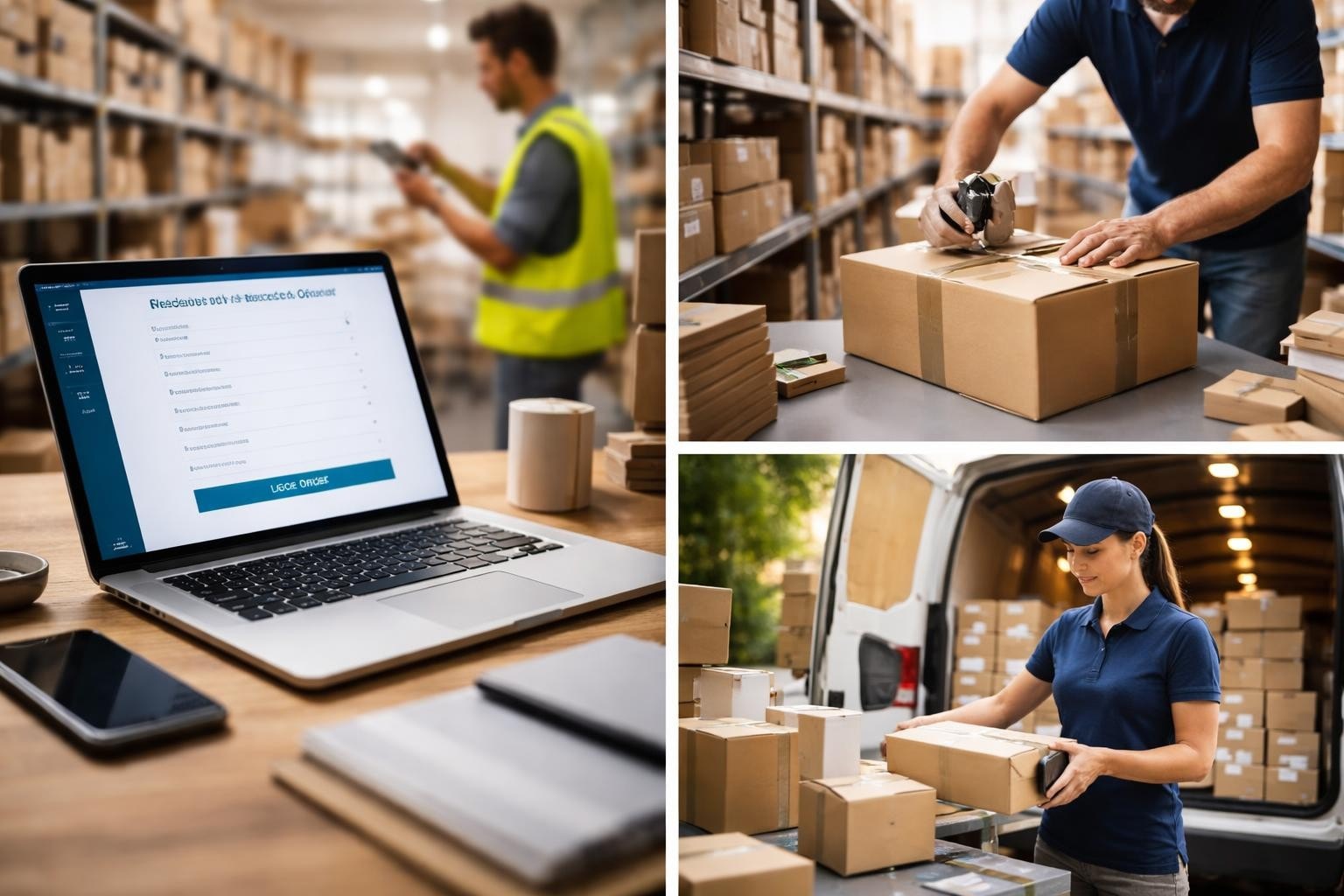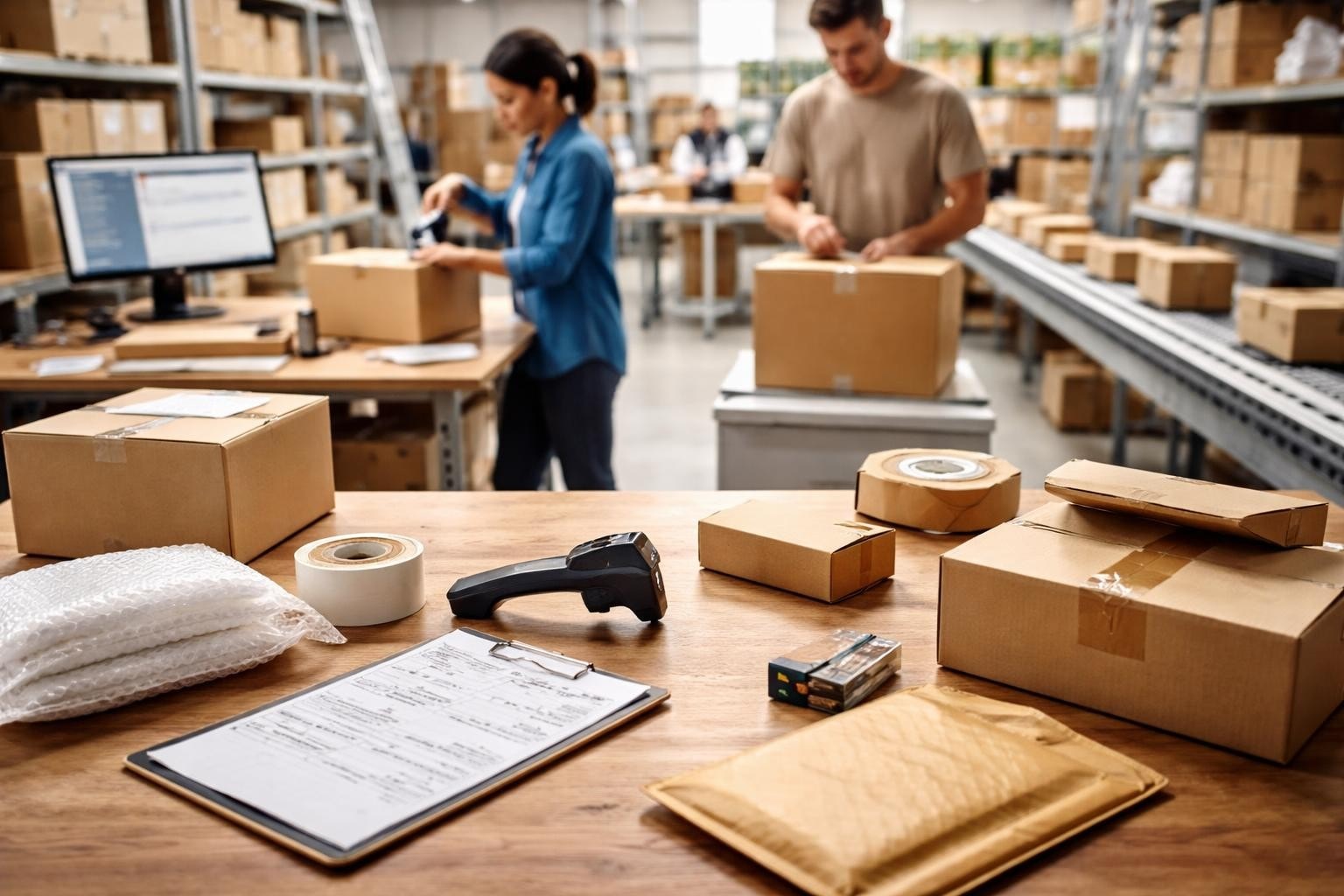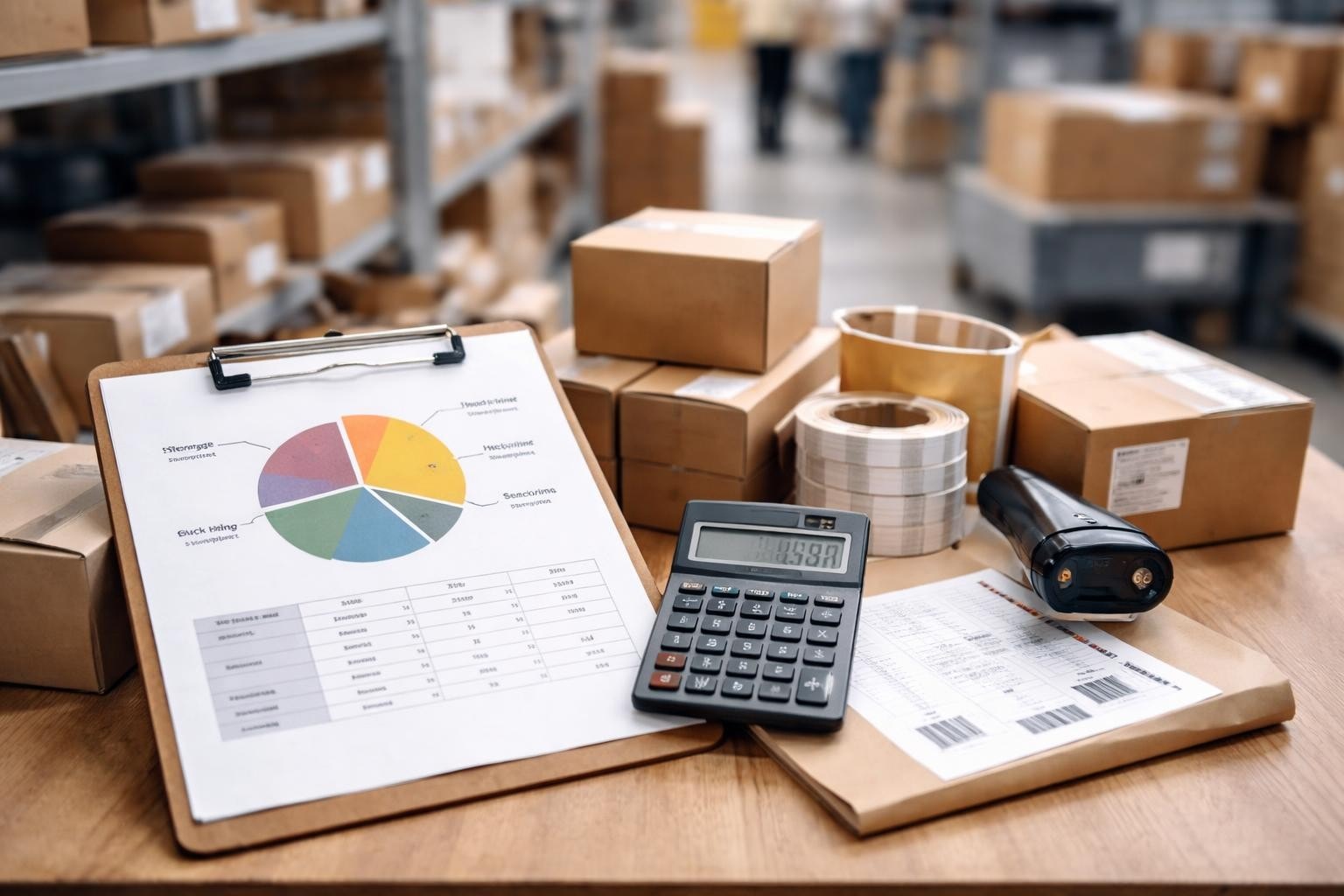
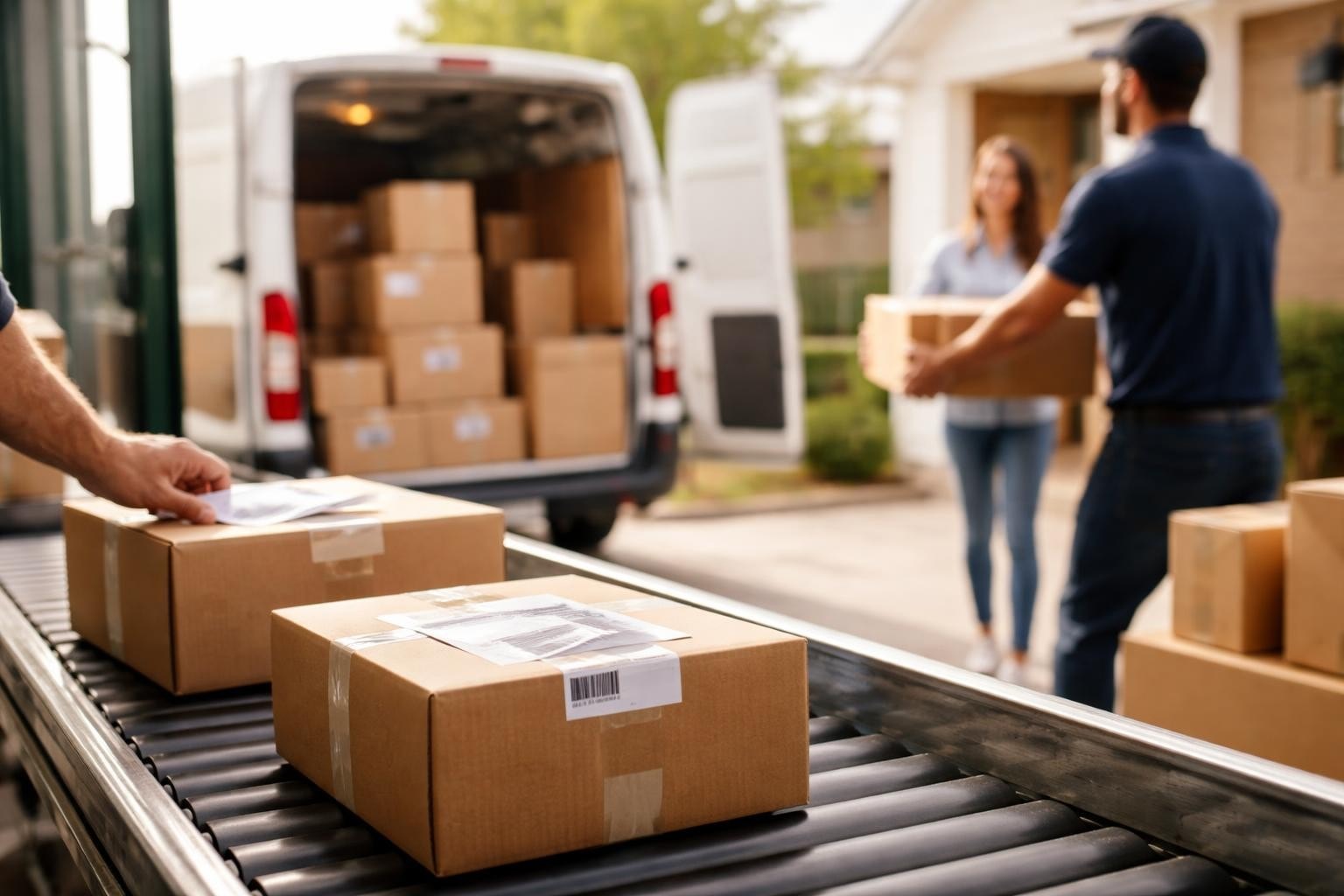

The e-commerce landscape continues to evolve rapidly, demanding more efficient and cost-effective logistics solutions. Direct fulfillment has emerged as a powerful strategy that allows businesses to ship products straight from manufacturers or suppliers to end customers, eliminating traditional warehousing steps. This streamlined approach reduces handling costs, accelerates delivery times, and provides growing brands with the flexibility to scale operations without maintaining extensive inventory infrastructure. Understanding how direct fulfillment works and when to implement it can transform your e-commerce business's operational efficiency and customer satisfaction levels.
Understanding the Direct Fulfillment Model
Direct fulfillment represents a fundamental shift in how products move through the supply chain. Unlike traditional fulfillment models where inventory passes through multiple distribution centers and warehouses before reaching customers, this approach creates a direct pathway from production or primary storage to the final destination.
Understanding direct fulfillment involves recognizing its core principle: eliminating intermediary touchpoints. When a customer places an order, the product ships directly from the manufacturer, supplier, or a single centralized fulfillment partner. This reduction in handling points translates to lower costs and faster delivery times.
Key Components of Direct Fulfillment
The direct fulfillment model operates on several essential components that work together seamlessly:
- Single-source shipping: Products ship from one location directly to customers
- Real-time inventory synchronization: Stock levels update instantly across all sales channels
- Automated order routing: Orders automatically transfer to the fulfillment source
- Integrated tracking systems: Customers receive immediate visibility into shipment status
- Streamlined returns processing: Return handling occurs at the primary fulfillment location
The effectiveness of this model depends heavily on technology integration. Modern e-commerce platforms must connect seamlessly with inventory management systems, order processing software, and shipping carriers to ensure smooth operations.

Benefits of Implementing Direct Fulfillment
Direct fulfillment offers substantial advantages that make it particularly attractive for fast-growing e-commerce brands. Cost reduction stands as one of the most compelling benefits, as businesses eliminate expenses associated with maintaining multiple warehouse locations, transferring inventory between facilities, and managing complex distribution networks.
Financial Advantages
| Benefit Category | Traditional Fulfillment | Direct Fulfillment |
|---|---|---|
| Warehouse Rent | Multiple locations | Single or no warehouse |
| Handling Costs | 3-5 touchpoints | 1-2 touchpoints |
| Transit Time | 5-7 days average | 2-4 days average |
| Inventory Carrying | High capital tied up | Reduced or eliminated |
Beyond cost savings, speed becomes a competitive differentiator. Customers in 2026 expect rapid delivery, and direct-to-consumer fulfillment enables brands to meet these expectations without building expensive logistics infrastructure.
The scalability factor cannot be overlooked. As order volumes fluctuate seasonally or during promotional periods, direct fulfillment allows businesses to expand capacity without long-term commitments to warehouse space or labor. This flexibility proves essential for emerging brands experiencing rapid growth.
Operational Efficiency Gains
Direct fulfillment significantly reduces inventory complexity. Rather than tracking stock across multiple locations and managing inter-warehouse transfers, businesses maintain visibility over a centralized inventory pool. This simplification leads to:
- Fewer stock discrepancies and counting errors
- Reduced inventory write-offs from damage during transfers
- Lower labor costs associated with inventory management
- Improved forecast accuracy with consolidated data
Additionally, the direct fulfillment process minimizes the risk of inventory getting stranded in the wrong location, a common challenge in multi-warehouse operations.
Direct Fulfillment vs. Traditional Distribution Models
Understanding how direct fulfillment compares to alternative approaches helps businesses make informed strategic decisions. Traditional distribution typically involves manufacturers shipping to regional distribution centers, which then forward inventory to local warehouses before final delivery to customers.
This multi-tier approach made sense historically when transportation costs were high and delivery speed mattered less. However, modern logistics capabilities and customer expectations have shifted the equation. Factory-direct fulfillment eliminates these intermediate steps entirely.
Comparing Fulfillment Approaches
The landscape of fulfillment options extends beyond simple direct versus traditional models. Many e-commerce businesses also consider hybrid approaches or specialized services like Amazon FBA. When evaluating direct fulfillment centers vs. Fulfillment by Amazon, several factors come into play.
Direct fulfillment provides greater control over branding, packaging, and customer experience. Businesses maintain their identity throughout the delivery process rather than shipping in Amazon-branded packaging. This control extends to customer service, return policies, and the ability to include marketing materials or personalized touches.
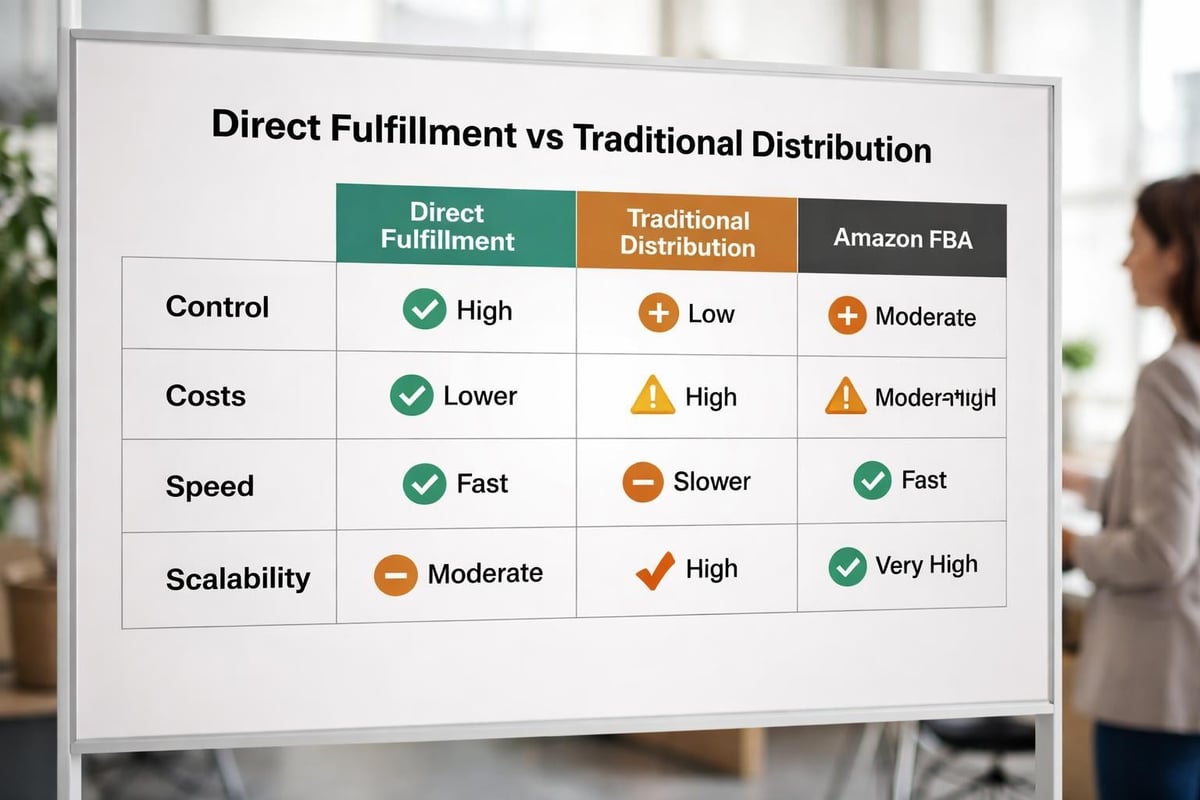
However, Amazon's vast logistics network offers reach that few direct fulfillment operations can match independently. The comparison between direct fulfillment and Amazon Direct Fulfillment reveals distinct use cases where each model excels. Businesses selling exclusively on Amazon might benefit from FBA's integration, while multi-channel sellers often prefer the flexibility of direct fulfillment.
Technology Requirements for Direct Fulfillment Success
Implementing direct fulfillment successfully requires robust technological infrastructure. The foundation starts with an order management system (OMS) that can receive orders from multiple sales channels and route them appropriately based on inventory availability, shipping costs, and delivery speed requirements.
Essential Technology Stack
- E-commerce Platform Integration: Seamless connection between your storefront (Shopify, WooCommerce, BigCommerce) and fulfillment operations
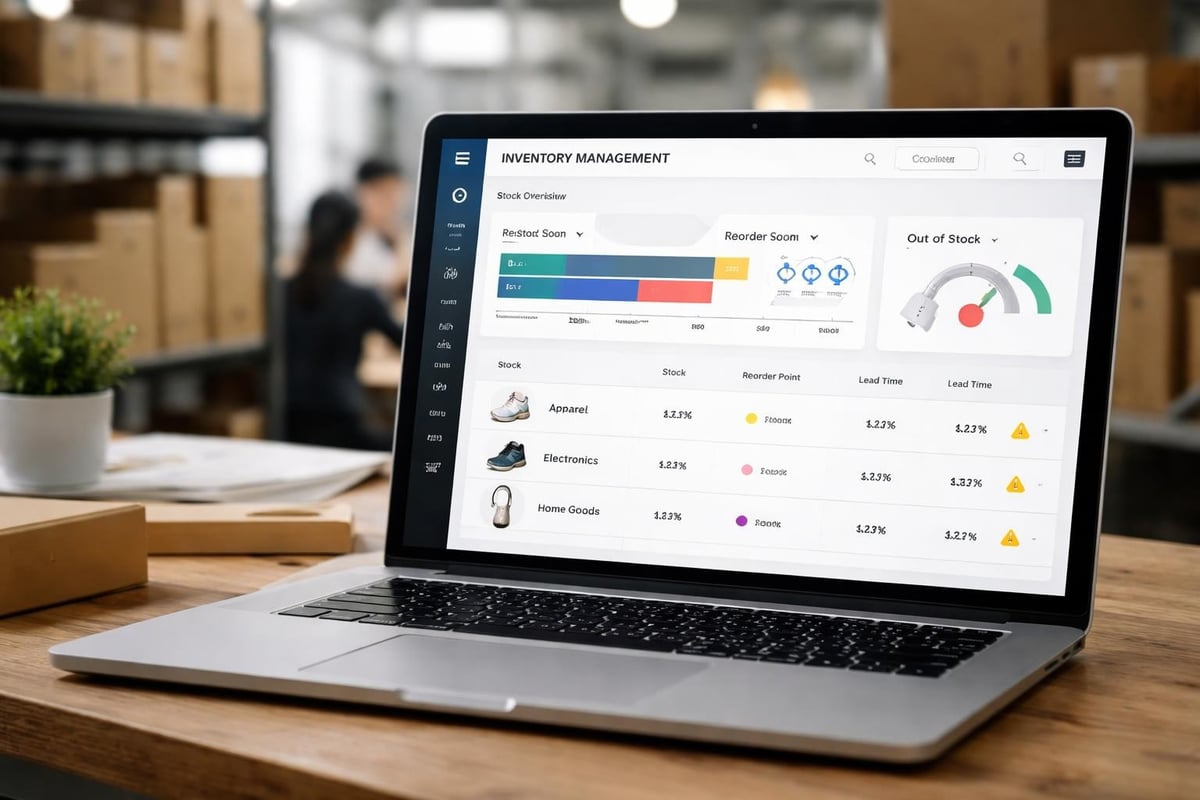
- Inventory Management System: Real-time tracking of stock levels across all SKUs and locations
- Warehouse Management System (WMS): Optimized picking, packing, and shipping processes
- Shipping Software: Rate comparison, label generation, and carrier integration
- Customer Communication Tools: Automated tracking updates and delivery notifications
The technology stack must communicate bidirectionally. When inventory levels change, those updates must flow back to your e-commerce platform within minutes to prevent overselling. When orders arrive, they need to route to fulfillment immediately with complete customer and product details.
Many growing brands find that Amazon FBA prep services and direct fulfillment can work complementary. Some products sell better through Amazon's platform, while others perform optimally through direct channels. The right technology enables businesses to manage both approaches simultaneously.
Choosing the Right Direct Fulfillment Partner
Selecting a fulfillment partner represents one of the most critical decisions for e-commerce brands implementing direct fulfillment. The right partner becomes an extension of your business, directly impacting customer satisfaction and operational efficiency.
Evaluation Criteria
When assessing potential fulfillment partners, consider these factors systematically:
- Location and shipping zones: Proximity to your customer base affects delivery speed and costs
- Technology capabilities: Integration options, reporting dashboards, and automation level
- Service offerings: Kitting, bundling, custom packaging, and value-added services
- Scalability: Ability to handle growth and seasonal volume spikes
- Pricing structure: Transparent fees without hidden charges
The fulfillment pricing model should align with your business needs. Some partners charge per-item fees, while others use tiered pricing based on volume. Understanding these structures helps you project costs accurately as your business scales.
Quality Assurance and Accuracy
Fulfillment accuracy directly impacts customer satisfaction and return rates. Partner with providers maintaining at least 99.5% order accuracy. Request references from current clients and inquire about their quality control processes.
Ask specific questions about how they handle various scenarios:
- What happens when inventory counts don't match system records?
- How do they manage damaged products discovered during picking?
- What's their process for handling special requests or gift messages?
- How quickly do they process returns and update inventory?
These operational details reveal how a potential partner handles real-world challenges that inevitably arise in fulfillment operations.
Inventory Management Strategies for Direct Fulfillment
Effective inventory management becomes even more critical in a direct fulfillment model. Without the buffer of multiple warehouse locations, stockouts can halt sales immediately. Conversely, overstocking ties up capital unnecessarily.
Demand Forecasting
Accurate demand forecasting forms the foundation of successful inventory management. Analyze historical sales data, accounting for seasonality, promotional periods, and growth trends. In 2026, advanced analytics tools can incorporate external factors like market trends, competitor activity, and economic indicators.
| Forecasting Method | Accuracy Level | Best For |
|---|---|---|
| Moving Average | 70-75% | Stable, mature products |
| Exponential Smoothing | 75-85% | Products with trends |
| Machine Learning Models | 85-95% | Large catalogs with sufficient data |
Most e-commerce brands benefit from maintaining a 30-60 day inventory buffer for direct fulfillment operations. This balance provides protection against supply chain disruptions while avoiding excessive capital allocation to inventory.
Safety Stock Calculations
Safety stock levels should account for lead time variability and demand uncertainty. Calculate safety stock using this framework:
Safety Stock = (Maximum Daily Sales × Maximum Lead Time) – (Average Daily Sales × Average Lead Time)
For products with unpredictable demand or long lead times from suppliers, increase safety stock accordingly. However, focus inventory investment on your top-performing SKUs that drive the majority of revenue.
Optimizing Shipping and Delivery
Shipping costs represent a significant expense in direct fulfillment operations, often comprising 10-15% of total order value. Strategies to reduce shipping costs directly impact profitability while maintaining competitive delivery speeds.
Carrier Selection and Negotiation
Most direct fulfillment operations benefit from multi-carrier strategies. Rather than relying exclusively on one shipping provider, integrate with multiple carriers and use software to select the optimal carrier for each shipment based on:
- Destination zone and distance
- Package weight and dimensions
- Required delivery speed
- Current carrier performance metrics
Volume-based negotiations with carriers can yield significant discounts. Once your business ships 500+ packages monthly, request discounted rates. At 2,000+ packages, consider working with a shipping consultant who specializes in carrier negotiations.
Zone Skipping Strategies
Zone skipping involves consolidating packages destined for similar regions and shipping them together to a regional carrier facility before final delivery. This approach can reduce costs by 15-30% for businesses with sufficient volume to specific geographic areas.
While this adds a step to the fulfillment process, the cost savings often justify the minor delay. Analyze your shipping data to identify high-volume destination zones where zone skipping makes financial sense.
Managing Returns in Direct Fulfillment
Returns management presents unique challenges in direct fulfillment models. Unlike multi-warehouse operations where returns might go to the nearest facility, direct fulfillment typically routes all returns to a single location. Efficient reverse logistics solutions become essential for maintaining profitability.
Return Policy Design
Your return policy must balance customer satisfaction with operational efficiency. Industry data shows that clear, generous return policies actually reduce return rates by increasing purchase confidence. Consider these elements:
- Return window: 30-60 days represents the industry standard in 2026
- Return shipping: Prepaid labels increase customer satisfaction but add costs
- Restocking fees: Generally discouraged except for high-value or custom items
- Refund timing: Process refunds within 2-3 business days of receiving returns
Communicate return policies clearly at checkout and in order confirmation emails. Transparency reduces customer service inquiries and sets appropriate expectations.
Return Processing Workflow
Establish a systematic return processing workflow that moves quickly from receipt to resolution:
- Inspection: Assess product condition immediately upon arrival
- Categorization: Sort items as resellable, refurbish-able, or damaged
- Inventory update: Return sellable items to available stock within 24 hours
- Customer communication: Notify customers of refund or exchange status
- Data analysis: Track return reasons to identify quality issues or product listing problems
Returns provide valuable data about product quality, sizing accuracy, and customer expectations. Analyze return reasons monthly to identify improvement opportunities.
Scaling Direct Fulfillment Operations
As your e-commerce business grows, direct fulfillment must scale proportionally. Planning for growth prevents operational bottlenecks that can damage customer experience during critical high-volume periods.
Capacity Planning
Project your fulfillment needs 12-18 months ahead based on growth trends and planned marketing initiatives. Consider both average daily volumes and peak periods like Black Friday, Cyber Monday, and holiday seasons.
Most fulfillment operations can handle 20-30% above average volume without additional resources. Beyond that threshold, you'll need to scale:
- Labor: Hire temporary staff or work with partners who can flex capacity
- Space: Ensure adequate picking, packing, and staging areas
- Equipment: Additional packing stations, label printers, and conveyor systems
- Technology: Server capacity and software licenses to handle increased transaction volumes
Work closely with your fulfillment partner to understand their capacity constraints and growth limitations. The best partnerships involve transparent communication about upcoming promotional periods and expected volume increases.
Multi-Location Strategy
Eventually, growing e-commerce brands may need to establish multiple direct fulfillment locations to maintain delivery speeds while expanding geographically. The decision to add a second location typically comes when:
- More than 30% of orders ship to a distant region with expensive shipping zones
- Delivery times to certain areas consistently exceed customer expectations
- Volume reaches 5,000+ monthly orders, providing economies of scale for multiple locations
When expanding to multiple locations, inventory allocation becomes more complex. Use historical sales data by region to determine optimal inventory distribution across facilities.
Common Challenges and Solutions
Direct fulfillment, while efficient, presents specific challenges that businesses must address proactively. Understanding these obstacles and their solutions prevents disruptions that could impact customer satisfaction.
Inventory Accuracy Issues
Inventory discrepancies between system records and physical stock create immediate problems. A customer might order a product shown as available, only to discover it's actually out of stock. This scenario damages customer trust and potentially violates marketplace policies.
Solutions:
- Implement cycle counting programs that verify portions of inventory daily
- Use barcode scanning for all inventory movements
- Conduct full physical inventories quarterly
- Set up automatic alerts when inventory counts differ from expected levels
- Maintain buffer stock to accommodate minor counting errors
Supplier Coordination Challenges
Direct fulfillment often relies on close coordination with suppliers for inventory replenishment. Communication gaps or production delays can lead to stockouts that halt sales.
Establish regular communication cadences with key suppliers. Weekly check-ins for top products and monthly reviews for the full catalog help identify potential issues before they impact availability. Create contingency plans identifying alternative suppliers for critical products.
Quality Control Concerns
When products ship directly without intermediate quality checks, defects reach customers more frequently. This challenge intensifies when working with multiple suppliers or manufacturing partners.
Implement incoming quality inspection processes. Even checking 10-20% of received inventory can identify systemic quality issues before they affect customers. Document quality standards clearly with suppliers and establish consequences for repeated quality failures.
Integration with Multi-Channel Sales
Modern e-commerce businesses rarely sell through a single channel. Direct fulfillment must support seamless operations across your website, marketplaces like Amazon and eBay, social commerce platforms, and potentially retail partnerships.
Channel-Specific Considerations
Each sales channel presents unique requirements and expectations:
Amazon: Requires specific packaging standards, labeling requirements, and tight delivery windows for seller-fulfilled orders. Understanding how Amazon Direct Fulfillment works helps brands navigate this platform's requirements.
Shopify and Direct-to-Consumer: Offers maximum flexibility for branding and customer experience customization, making it ideal for direct fulfillment operations that emphasize brand building.
Wholesale and Retail Partnerships: May require different packaging, labeling, or shipment consolidation than individual consumer orders.
Your fulfillment operation must handle these varying requirements without errors. Technology integration that automatically applies channel-specific rules prevents costly mistakes and rejected shipments.
Unified Inventory Management
Selling across multiple channels while maintaining accurate inventory requires sophisticated synchronization. Overselling damages customer relationships and marketplace seller ratings. Underselling leaves revenue on the table.
Implement a centralized inventory management system that updates all channels in real-time. When an item sells on Amazon, that inventory immediately becomes unavailable on your Shopify store and eBay listings. Set channel-specific buffer stock to prevent overselling if synchronization experiences brief delays.
Future Trends in Direct Fulfillment
The direct fulfillment landscape continues evolving rapidly, driven by technological advancement and changing consumer expectations. Staying ahead of these trends positions your business for continued success.
Automation and Robotics
Fulfillment automation has advanced significantly, with robotic systems now accessible to mid-sized operations. Automated picking systems, conveyor networks, and AI-powered packing optimization reduce labor costs while increasing accuracy and speed.
By 2026, even businesses processing 1,000-2,000 daily orders can justify automation investments. The ROI calculation increasingly favors automated solutions as labor costs rise and technology prices decline.
Sustainability Focus
Environmental consciousness influences purchasing decisions more than ever. Direct fulfillment actually aligns well with sustainability goals by reducing unnecessary transportation and handling. Promote these environmental benefits in your marketing.
Additionally, consider sustainable packaging options, carbon-neutral shipping programs, and inventory management practices that minimize waste from obsolescence or damage.
Same-Day and Next-Day Delivery Expectations
Delivery speed expectations continue compressing. What seemed fast in 2020 feels slow in 2026. Direct fulfillment enables competitive delivery speeds without Amazon FBA's costs and restrictions, but only with strategic planning.
Evaluate your customer base geography and consider whether your current fulfillment location(s) can meet delivery expectations. Strategic location selection based on customer density can enable next-day delivery to 70-80% of your customer base using ground shipping rates.
Direct fulfillment offers e-commerce brands a powerful approach to streamline operations, reduce costs, and meet customer expectations for fast delivery. By eliminating unnecessary warehousing steps and implementing the right technology, inventory management, and partner relationships, businesses can scale efficiently while maintaining control over their customer experience. Ecom Automation Prep provides comprehensive direct fulfillment solutions designed specifically for fast-growing e-commerce brands, combining Amazon FBA prep expertise with flexible direct-to-consumer fulfillment services that adapt to your unique business needs. Whether you're just starting to explore direct fulfillment or looking to optimize existing operations, partnering with an experienced fulfillment provider ensures your logistics support your growth rather than constrain it.