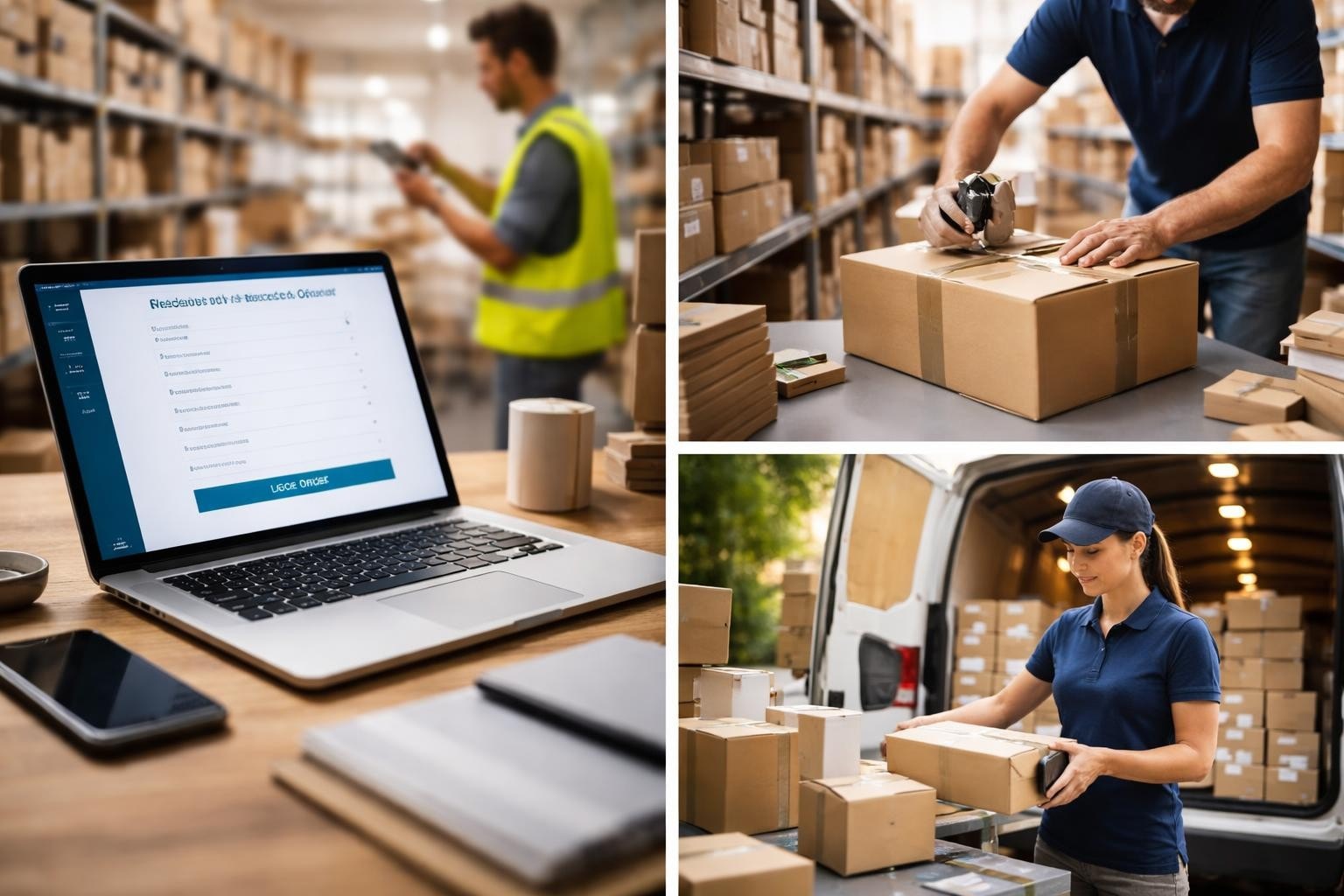


E-commerce businesses in Southeast Asia face unique fulfillment challenges that demand specialized solutions. From managing inventory across multiple warehouses to coordinating last-mile delivery in dense urban environments, brands need partners who understand regional logistics complexities. BoxMe ecommerce fulfillment has emerged as a comprehensive platform addressing these needs, offering end-to-end logistics solutions that help online retailers scale efficiently while maintaining customer satisfaction. Understanding how this fulfillment ecosystem works and what it offers can help growing brands make informed decisions about their operational infrastructure.
Understanding BoxMe's Fulfillment Ecosystem
BoxMe ecommerce fulfillment operates as an integrated logistics platform designed specifically for the Southeast Asian market. The company provides a complete suite of services that extends beyond basic warehousing and shipping, incorporating technology-driven solutions that streamline operations for e-commerce brands of all sizes.
The platform's core offering includes outsourced fulfillment services that allow brands to focus on growth rather than logistics operations. This approach mirrors the value proposition of companies like Ecom Automation Prep, which similarly helps brands scale by handling complex operational tasks.
Regional Coverage and Infrastructure
BoxMe maintains a strategic network of fulfillment centers across key Southeast Asian markets, with particularly strong operations in the Philippines and Vietnam. The Philippines fulfillment operations showcase how the company adapts its infrastructure to meet local market demands while maintaining consistent service standards.
Key infrastructure components include:
- Multiple strategically located fulfillment centers
- Temperature-controlled storage options
- Advanced warehouse management systems
- Integration with local and international carriers
- Real-time inventory tracking capabilities
The regional approach allows brands to position inventory closer to end customers, reducing shipping times and costs while improving the overall customer experience.

Technology Integration and Warehouse Management
Modern e-commerce fulfillment requires sophisticated technology infrastructure to manage inventory, process orders efficiently, and provide visibility throughout the supply chain. BoxMe ecommerce fulfillment distinguishes itself through proprietary warehouse management systems that integrate seamlessly with popular e-commerce platforms.
The technology stack enables real-time inventory synchronization across multiple sales channels, preventing overselling and stockouts. This capability becomes increasingly critical as brands expand from single-channel operations to omnichannel strategies that include marketplace presence, direct-to-consumer websites, and social commerce.
Order Processing and Accuracy
Accuracy in order fulfillment directly impacts customer satisfaction and return rates. BoxMe's systems incorporate barcode scanning, automated picking processes, and quality control checkpoints that minimize errors throughout the fulfillment cycle.
| Fulfillment Stage | Technology Integration | Accuracy Impact |
|---|---|---|
| Receiving | Barcode verification, photo documentation | Prevents inventory discrepancies |
| Storage | Location-based tracking, SKU mapping | Enables efficient picking |
| Picking | Guided picking systems, verification scans | Reduces pick errors |
| Packing | Weight verification, order confirmation | Catches shipping mistakes |
| Shipping | Carrier integration, label automation | Ensures correct delivery routing |
These best practices for ecommerce order fulfillment align with industry standards while incorporating regional adaptations necessary for Southeast Asian logistics environments.
Customized Branding and Value-Added Services
Beyond basic pick-pack-ship operations, BoxMe ecommerce fulfillment offers value-added services that help brands create memorable unboxing experiences and differentiate their products in competitive markets. Custom packaging options allow brands to maintain consistent visual identity even when outsourcing fulfillment operations.
Kitting and bundling services enable promotional strategies and product combinations without requiring brands to pre-assemble these configurations. This flexibility supports seasonal campaigns, subscription box models, and promotional bundles that drive higher average order values.
Available customization options include:
- Custom branded boxes and mailers
- Personalized inserts and marketing materials
- Gift wrapping and special packaging
- Product assembly and kitting
- Quality inspection and photography
These services prove particularly valuable for brands operating subscription box fulfillment models, where consistent presentation and personalization drive retention.
Last-Mile Delivery Solutions
The final leg of the delivery journey often presents the greatest challenges in customer satisfaction. BoxMe addresses this through partnerships with multiple carriers and proprietary delivery solutions tailored to regional infrastructure realities.
Southeast Asian urban environments present unique delivery challenges, from traffic congestion to complex addressing systems and varying infrastructure quality. BoxMe ecommerce fulfillment navigates these challenges through localized delivery networks and technology that optimizes routing based on real-time conditions.
Carrier Diversification Strategy
Rather than relying on a single carrier partner, BoxMe maintains relationships with multiple logistics providers, allowing for service level selection based on shipment requirements, destinations, and customer expectations.
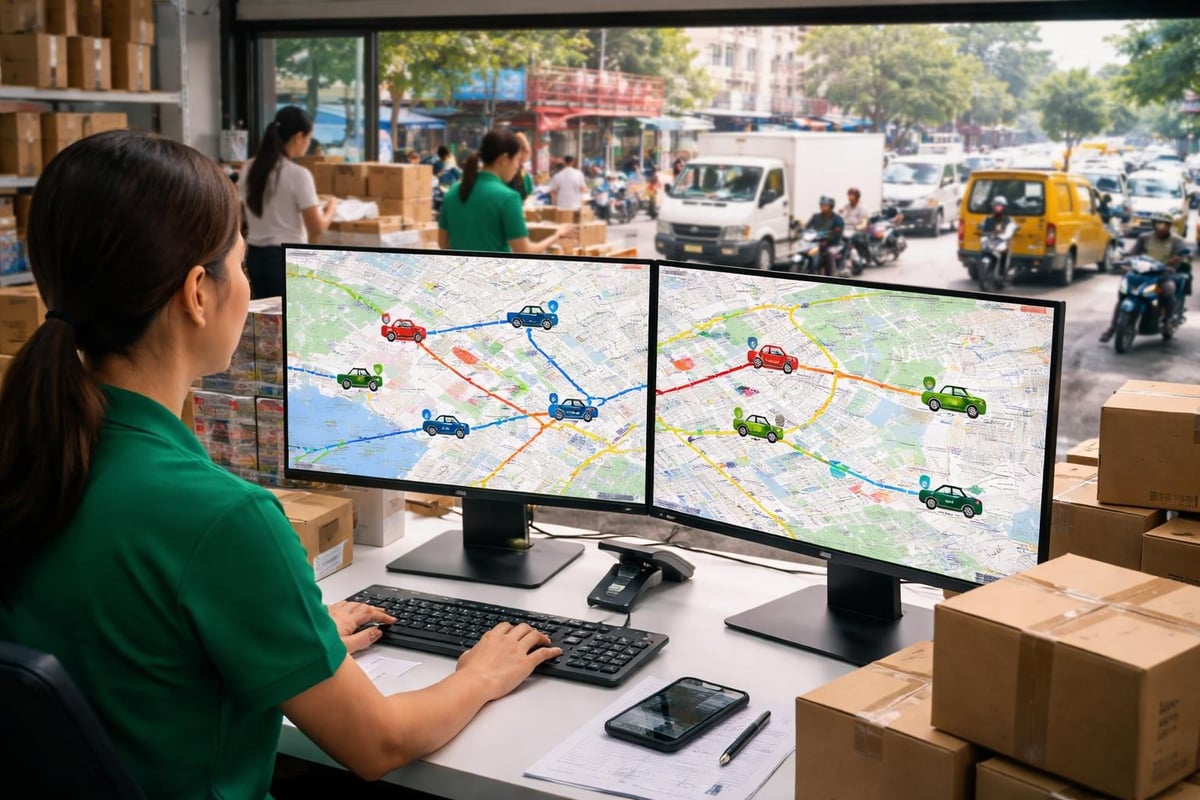
This diversified approach provides several advantages:
- Cost optimization through carrier selection based on zone-specific pricing
- Service level flexibility allowing economy, standard, and express options
- Capacity redundancy preventing disruptions during peak seasons
- Geographic coverage ensuring deliveries reach remote areas
- Performance benchmarking using competitive data to negotiate better rates
The approach reflects strategies outlined in research on omnichannel multi-courier order fulfillment, which examines how multiple carrier networks can optimize delivery performance under uncertainty.
Scalability for Growing E-commerce Brands
One of the primary value propositions of outsourced fulfillment is scalability without capital investment. BoxMe ecommerce fulfillment supports brands through different growth stages, from early-stage startups handling dozens of orders daily to established enterprises processing thousands of shipments.
The flexible pricing models and infrastructure allow brands to scale operations in response to demand fluctuations without the fixed costs associated with in-house fulfillment. This proves particularly valuable during peak seasons, promotional events, and rapid growth phases where order volumes can multiply several times over baseline levels.
Operational Flexibility
As brands grow, their fulfillment needs evolve beyond simple storage and shipping. Advanced requirements might include Amazon FBA prep services for brands selling through multiple channels, specialized handling for fragile products, or returns processing that maintains inventory accuracy.
| Growth Stage | Typical Requirements | BoxMe Solutions |
|---|---|---|
| Startup (0-100 orders/day) | Basic fulfillment, minimal inventory | Shared warehouse space, simple integration |
| Growth (100-500 orders/day) | Multi-channel integration, branded packaging | Dedicated account management, custom branding |
| Established (500-2000 orders/day) | Advanced reporting, returns management | Priority processing, analytics dashboard |
| Enterprise (2000+ orders/day) | Custom workflows, dedicated resources | Tailored SLAs, dedicated warehouse zones |
This progression enables brands to maintain operational efficiency while focusing resources on scaling ecommerce revenue rather than logistics infrastructure.
Integration with E-commerce Platforms
Modern fulfillment operations require seamless integration with the platforms where brands sell their products. BoxMe ecommerce fulfillment connects with major e-commerce platforms, marketplaces, and shopping cart solutions through API integrations and pre-built connectors.
These integrations enable automatic order routing, real-time inventory updates, and tracking information synchronization that creates a cohesive experience for both brands and their customers. The comprehensive fulfillment solutions page outlines the technical capabilities supporting these connections.
Multi-Channel Inventory Management
Brands selling across multiple channels face the challenge of maintaining accurate inventory counts across all platforms simultaneously. Overselling on one channel while stock remains available on another creates customer dissatisfaction and operational complexity.
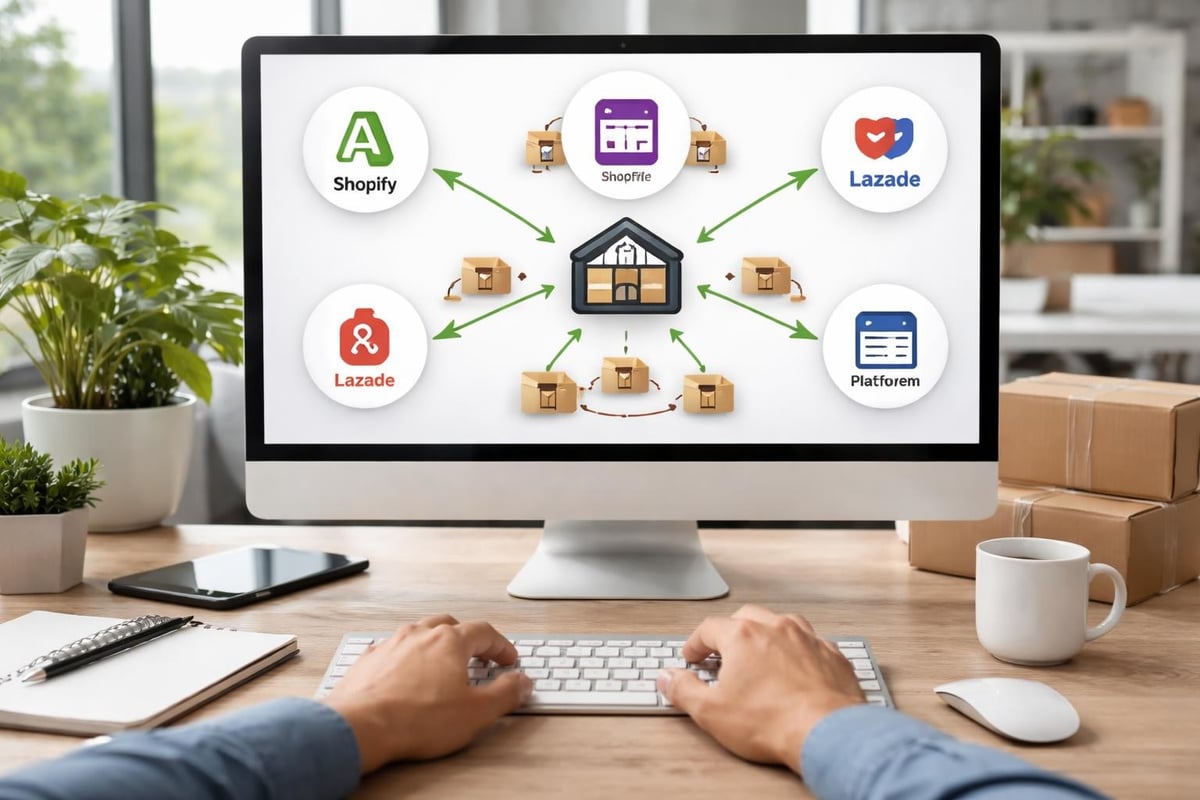
Key integration capabilities include:
- Real-time inventory synchronization across all connected channels
- Automatic order routing from platforms to fulfillment centers
- Tracking number updates sent directly to customer accounts
- Return authorization processing and inventory reconciliation
- Low-stock alerts and reorder point notifications
These capabilities align with strategies employed by successful brands, as detailed in 10 fulfillment secrets every successful ecommerce brand swears by.
Performance Metrics and Continuous Improvement
Effective fulfillment operations require ongoing measurement and optimization. BoxMe ecommerce fulfillment provides brands with performance dashboards that track key metrics influencing customer satisfaction and operational efficiency.
Understanding these metrics allows brands to identify improvement opportunities, validate that service level agreements are being met, and make data-driven decisions about inventory positioning and carrier selection.
Critical Fulfillment Metrics
Performance tracking typically focuses on several core metrics that directly impact customer experience and operational costs:
- Order accuracy rate measuring the percentage of orders shipped without errors
- Same-day fulfillment rate tracking orders processed within 24 hours of receipt
- On-time delivery percentage monitoring carrier performance against promised dates
- Inventory accuracy comparing physical counts against system records
- Return processing time measuring the speed of return receipt and inspection
Data-driven fulfillment optimization, similar to approaches discussed in research on integrated assortment planning and inventory allocation, enables continuous improvement in these areas.
Cost Structure and Pricing Considerations
Understanding the cost structure of BoxMe ecommerce fulfillment helps brands evaluate whether outsourced fulfillment makes financial sense compared to in-house operations or alternative providers. Pricing typically encompasses several components that scale with volume and service requirements.
Primary cost components include:
- Storage fees based on inventory volume and duration
- Pick-and-pack fees per order processed
- Shipping costs passed through from carriers
- Value-added service fees for kitting, custom packaging, or special handling
- Integration and setup fees for platform connections
Comparing these costs against the capital investment, labor expenses, and ongoing operational costs of in-house fulfillment reveals the economic value for many brands, particularly those experiencing rapid growth or seasonal fluctuations.
Strategic Advantages for Regional Expansion
For brands looking to expand across Southeast Asian markets, BoxMe ecommerce fulfillment offers strategic advantages through its regional presence and local market knowledge. Establishing fulfillment operations in new markets independently requires significant investment and carries substantial risk.
Leveraging an established fulfillment network allows brands to test new markets with minimal upfront investment, positioning inventory closer to potential customers and providing competitive delivery times that match local competitors. The company’s regional expertise extends beyond logistics to include understanding local regulations, customs requirements, and consumer preferences.
Market Entry Strategy
Brands can adopt a phased approach to regional expansion:
| Expansion Phase | Fulfillment Approach | Risk Level |
|---|---|---|
| Market Testing | Ship from home market | Low investment, slower delivery |
| Initial Presence | Stock small inventory in-region | Moderate investment, competitive delivery |
| Growth Phase | Full inventory positioning | Higher commitment, optimal customer experience |
| Market Leader | Multiple regional fulfillment centers | Highest investment, fastest delivery options |
This graduated approach minimizes risk while building toward optimal fulfillment infrastructure as market demand validates expansion decisions.
Quality Control and Returns Management
Product quality and accurate order fulfillment directly impact return rates, customer satisfaction, and long-term profitability. BoxMe ecommerce fulfillment incorporates quality control processes that catch issues before products ship to customers.
Returns management presents particular challenges in e-commerce, requiring efficient processing, accurate restocking, and appropriate disposition of damaged or unsellable items. The platform provides systematic returns processing that maintains inventory accuracy while identifying patterns that might indicate quality issues or product listing inaccuracies.
Effective returns management aligns with broader direct-to-consumer fulfillment strategies that prioritize customer experience while controlling costs associated with reverse logistics.
Choosing Between In-House and Outsourced Fulfillment
The decision between managing fulfillment internally and partnering with BoxMe ecommerce fulfillment depends on multiple factors specific to each brand's situation, growth trajectory, and strategic priorities. Neither approach universally outperforms the other across all scenarios.
In-house fulfillment advantages:
- Complete operational control
- Direct oversight of quality and processes
- No per-order transaction fees
- Ability to implement highly customized workflows
Outsourced fulfillment advantages:
- Scalability without capital investment
- Access to established carrier relationships and rates
- Geographic distribution without facility investment
- Focus internal resources on core competencies
Brands exploring comprehensive fulfillment services should evaluate these trade-offs against their specific circumstances, considering factors like current order volume, growth rate, product characteristics, and available capital.
The evaluation process outlined in ecommerce fulfillment strategies for success provides a framework for making this strategic decision based on quantitative and qualitative factors.
BoxMe ecommerce fulfillment provides Southeast Asian e-commerce brands with comprehensive logistics solutions that scale efficiently while maintaining quality and customer satisfaction. Understanding the platform's capabilities, integration options, and strategic advantages helps brands make informed decisions about their fulfillment infrastructure. If you're seeking reliable fulfillment services that support rapid growth without the complexity of managing logistics internally, Ecom Automation Prep offers comprehensive solutions including FBA prep, direct-to-consumer fulfillment, and specialized services designed to make fulfillment effortless for fast-growing brands.