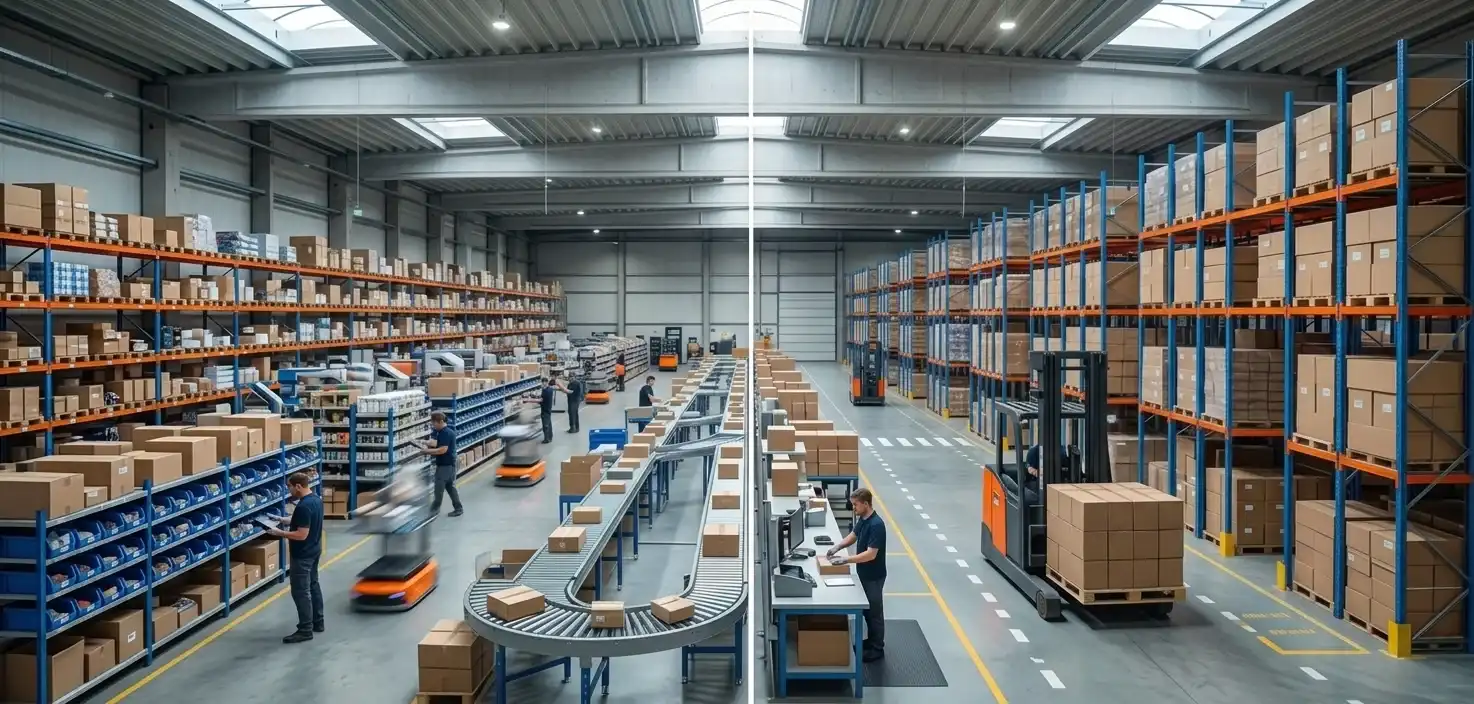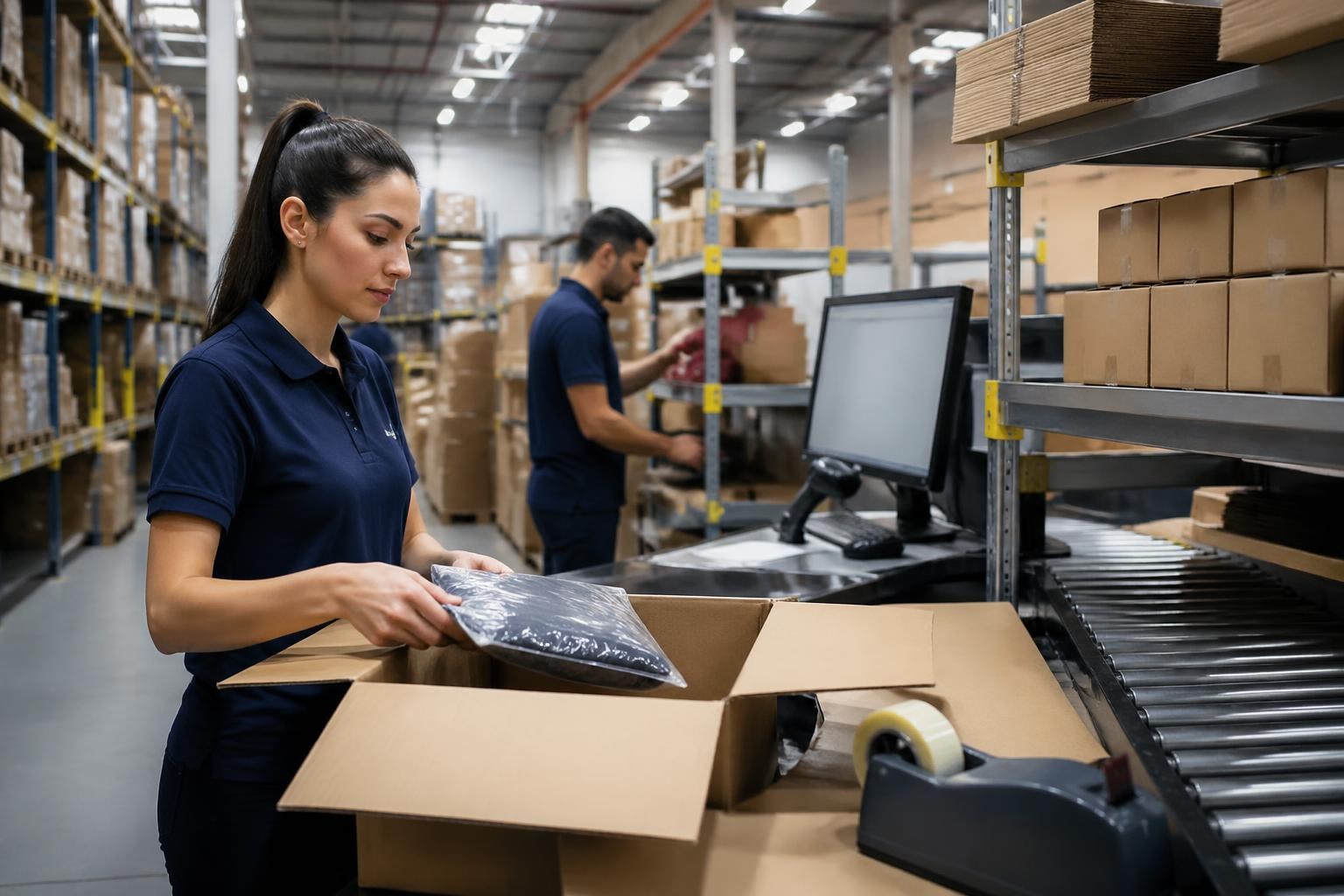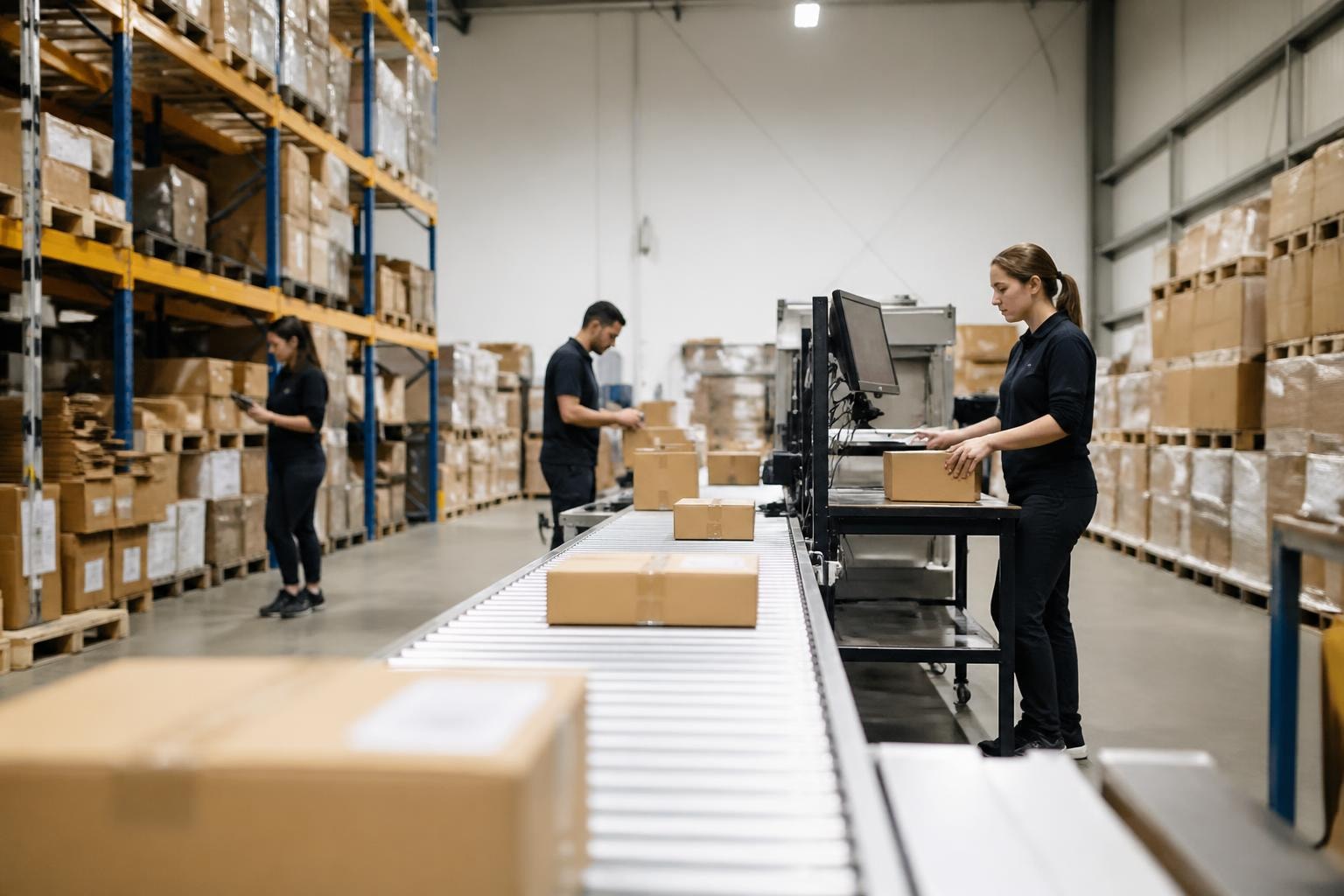

Searching for an “ecommerce fulfillment center near me” has become one of the most critical decisions for online retailers in 2026. As e-commerce continues its explosive growth, the right fulfillment partner can mean the difference between thriving and struggling in a competitive marketplace. With fulfillment costs accounting for 15 to 25% of e-commerce revenue, selecting a strategically located fulfillment center impacts everything from shipping speeds to profit margins. This guide explores what to look for when evaluating local fulfillment options, how proximity affects your business, and why the right partnership extends far beyond geographic convenience.
Why Location Matters for Ecommerce Fulfillment
Geographic proximity to your fulfillment center creates tangible advantages that ripple throughout your entire operation. The most obvious benefit is reduced shipping times, which directly influences customer satisfaction and repeat purchase rates.
But location strategy goes deeper than simple distance calculations. When you find an ecommerce fulfillment center near me that serves your primary customer base, you dramatically reduce last-mile delivery costs. Since last-mile delivery comprises 30 to 50% of total fulfillment expenses, this optimization directly impacts your bottom line.
Strategic Zone Coverage
Smart e-commerce brands in 2026 think beyond a single location. They evaluate fulfillment center networks that provide optimal zone coverage for their customer demographics.
Key geographic considerations include:
- Reaching 80% of customers within two-day ground shipping
- Minimizing zone 7 and 8 shipments to reduce carrier costs
- Positioning inventory near major metropolitan areas
- Balancing West Coast and East Coast distribution for national coverage

The rapid growth of the e-commerce fulfillment industry has created more local options than ever before. However, not all facilities offer the same capabilities or service levels.
Evaluating Fulfillment Center Capabilities Beyond Proximity
While searching for an ecommerce fulfillment center near me starts with location, operational capabilities determine long-term success. The physical distance to a warehouse means little if that facility cannot handle your specific product requirements or scale with your growth trajectory.
Modern fulfillment centers vary dramatically in their technical sophistication and service offerings. Some specialize in standard pick-and-pack operations, while others provide comprehensive value-added services that can transform your business model.
Core Service Comparison
| Service Category | Basic Fulfillment | Advanced Fulfillment | Full-Service Solutions |
|---|---|---|---|
| Storage | Standard pallets | Climate control options | Specialized storage (hazmat, frozen) |
| Order Processing | Pick, pack, ship | Real-time inventory sync | Multi-channel integration |
| Value-Added | Limited | Kitting available | Custom bundling, subscription boxes |
| Returns | Basic processing | Inspection & restocking | Quality control & refurbishment |
| Technology | Manual systems | WMS integration | API connectivity, custom workflows |
When evaluating a potential ecommerce fulfillment center near me, assess whether they offer Amazon FBA prep services. This capability has become increasingly essential as brands maintain presence across multiple sales channels.
Technology Integration Requirements
The fulfillment centers that deliver competitive advantages in 2026 offer seamless technology integration with your existing systems. Real-time inventory visibility prevents overselling across channels, while automated order routing ensures efficient processing.
Critical technology features:
- Warehouse Management System (WMS) with API access
- Multi-channel integration connecting Shopify, Amazon, WooCommerce, and other platforms
- Real-time inventory tracking across all SKUs and locations
- Automated notifications for low stock, shipment delays, or quality issues
- Analytics dashboards providing actionable insights on fulfillment performance
According to ShipBob’s 2026 State of Ecommerce Fulfillment Report, omnichannel strategies have become the dominant approach for successful e-commerce brands, making technology integration non-negotiable.
Understanding the Fulfillment Process Flow
The six-step e-commerce fulfillment process operates consistently across quality fulfillment centers, though execution quality varies significantly. Understanding this workflow helps you ask informed questions when vetting potential partners.
Receiving and Intake
Quality fulfillment begins the moment your inventory arrives. Professional centers perform thorough intake inspections, verifying quantities against advance ship notices and checking for damage.
The receiving process should include detailed documentation with photographic evidence of any discrepancies. This protects both parties and ensures accurate inventory counts from day one.
Storage and Inventory Management
Once received, products enter the warehouse management system and receive physical storage locations. Strategic placement based on velocity and product characteristics optimizes picking efficiency.
- Fast-moving SKUs positioned near packing stations
- Seasonal items stored in flexible zones
- Fragile products separated from heavy goods
- Climate-sensitive items in controlled environments
Order Processing Workflow
When a customer places an order, automated systems should route it to your fulfillment center within minutes. The picking process begins immediately, with warehouse staff or automated systems retrieving items from their designated locations.
| Process Step | Timeline Target | Quality Check |
|---|---|---|
| Order receipt | Immediate | System validation |
| Pick assignment | Within 1 hour | Location verification |
| Quality inspection | During packing | Product condition |
| Shipping label | Real-time generation | Address verification |
| Carrier handoff | Same or next day | Scan confirmation |
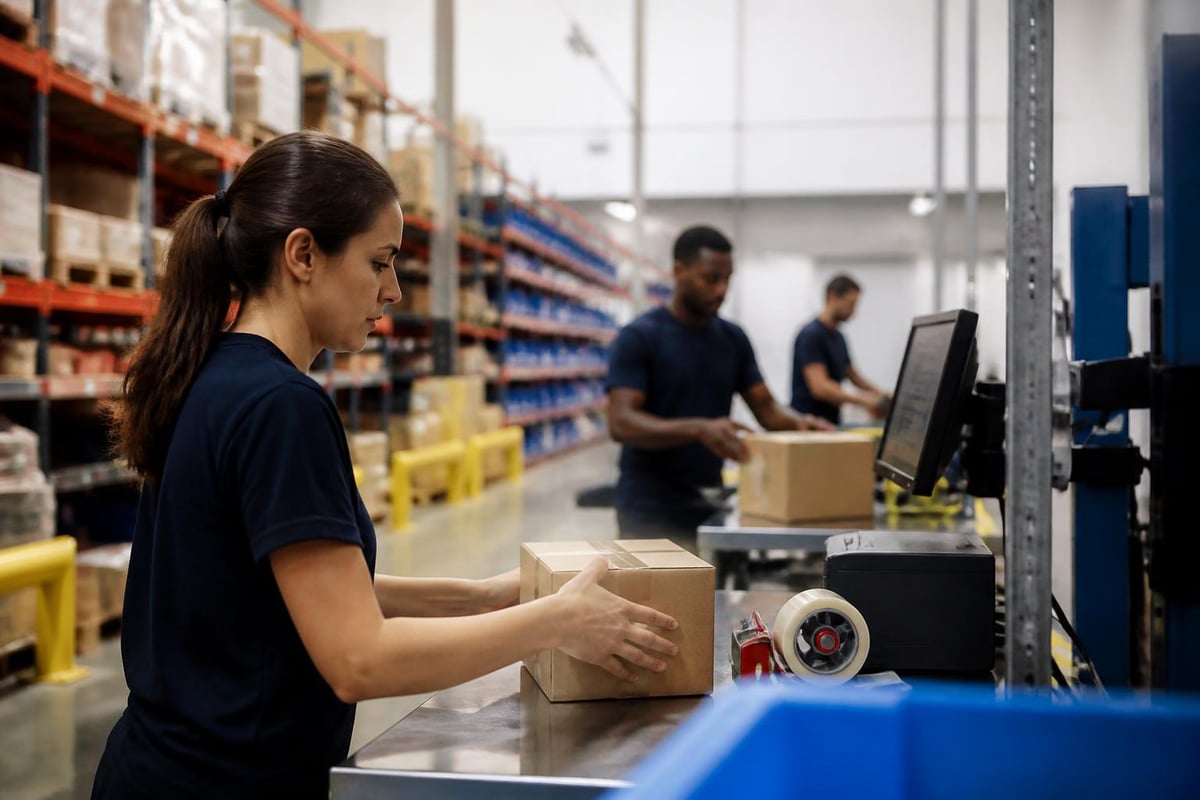
Professional fulfillment centers maintain strict warehouse best practices including organized layouts, optimized inventory management, and comprehensive quality control systems.
Value-Added Services That Differentiate Fulfillment Partners
When you search for an ecommerce fulfillment center near me, the baseline expectation includes receiving, storing, and shipping products. However, value-added services create opportunities for product differentiation and improved customer experiences.
Kitting and Bundling Capabilities
Creating product bundles or subscription boxes requires specialized handling that basic warehouses cannot accommodate. Professional kitting services allow you to combine multiple SKUs into new offerings without maintaining pre-assembled inventory.
This flexibility supports promotional campaigns, seasonal offerings, and subscription models while minimizing inventory carrying costs. You maintain component-level inventory and assemble bundles on demand based on actual orders.
Kitting applications:
- Welcome boxes for new subscribers
- Seasonal gift sets combining complementary products
- Promotional bundles for marketing campaigns
- B2B sample packs for wholesale customers
- Replacement part kits for complex products
Amazon FBA Preparation Services
Brands selling through Amazon FBA face stringent preparation requirements that vary by product category. Partnering with an ecommerce fulfillment center near me that offers compliant FBA prep eliminates rejection issues and streamlines your Amazon operations.
FBA prep services typically include labeling, poly-bagging, bubble wrapping, case packing, and creating appropriate carton labels. This specialization ensures your inventory arrives at Amazon warehouses ready for immediate availability.
Returns Management and Refurbishment
Returns processing represents a significant operational challenge that impacts profitability and customer satisfaction simultaneously. Advanced fulfillment centers offer comprehensive returns management including inspection, quality grading, restocking decisions, and refurbishment when appropriate.
The best partners establish clear protocols for different return scenarios:
- Grade A returns (unopened, perfect condition) immediately restock
- Grade B returns (opened but complete) may restock or liquidate based on your guidelines
- Damaged returns route to disposal or refurbishment workflows
- Missing components trigger restocking holds and customer communications
Scaling Considerations for Growing Brands
The fulfillment center that works perfectly at 100 orders monthly may collapse under the pressure of 10,000 orders monthly. When evaluating an ecommerce fulfillment center near me, assess not just current capabilities but scalability for your growth trajectory.
Capacity Planning and Flexibility
Professional fulfillment partners maintain capacity buffers to accommodate growth spurts during peak seasons. They should transparently discuss their storage capacity, daily processing limits, and strategies for handling volume fluctuations.
Ask specific questions about their largest current client, seasonal volume variations they manage, and procedures for onboarding rapid growth. The answers reveal whether they can genuinely support your expansion or will become a bottleneck.
Network Expansion Options
As your business grows beyond regional into national or international markets, a single fulfillment location becomes inefficient. Forward-thinking brands establish relationships with fulfillment providers offering multi-location networks from the beginning.
This approach simplifies future expansion. Rather than onboarding entirely new partners in different regions, you work with a known entity that understands your products, processes, and quality standards.

Industry statistics demonstrate that successful e-commerce brands continuously optimize their fulfillment strategies as they scale, making partner selection a critical long-term decision.
Cost Structures and Pricing Models
Fulfillment pricing varies considerably across providers, making direct comparisons challenging. When researching an ecommerce fulfillment center near me, request detailed pricing breakdowns that account for all potential fees.
Common Fee Categories
Most fulfillment centers charge across multiple categories rather than simple per-order pricing. Understanding this structure prevents surprise costs and enables accurate profit margin calculations.
Standard pricing components:
- Receiving fees: Per carton or per unit for intake processing
- Storage fees: Monthly charges per pallet, cubic foot, or bin location
- Pick fees: Per item pulled from inventory
- Pack fees: Per box or package prepared
- Shipping costs: Carrier charges plus potential handling fees
- Special handling: Oversized items, fragile products, or custom packaging
- Value-added services: Kitting, FBA prep, returns processing
Some providers bundle these into simplified tier pricing, while others itemize each component. Neither approach is inherently superior, but transparency and predictability matter most.
Hidden Costs to Investigate
Beyond standard fees, investigate potential charges that emerge under specific circumstances. Long-term storage fees for slow-moving inventory can accumulate quickly. Minimum monthly charges may apply regardless of volume. Setup fees, integration costs, or account management charges might appear during onboarding.
| Cost Category | Questions to Ask | Red Flags |
|---|---|---|
| Storage | Are there long-term storage penalties? | Fees start after 30 days |
| Minimums | What are monthly minimum charges? | Minimums exceed your volume |
| Technology | Are there integration or API fees? | Charges for basic connectivity |
| Account management | Is dedicated support included? | Extra fees for responsive service |
Making the Final Selection Decision
After evaluating multiple options for an ecommerce fulfillment center near me, synthesize your findings into a decision matrix that weights factors according to your priorities. Location matters, but represents just one consideration among many.
Decision Framework
Create a weighted scoring system that reflects your business priorities. A brand focused on rapid delivery might weight location and shipping speed at 40%, while a company with complex products might emphasize specialized handling at 35%.
Sample weighting structure:
- Geographic coverage (25%): Shipping zones, delivery times, cost efficiency
- Technical capabilities (20%): Integration quality, system reliability, reporting
- Service offerings (20%): FBA prep, kitting, returns management
- Scalability (15%): Capacity, growth support, network options
- Cost structure (15%): Transparent pricing, competitive rates, hidden fees
- Reputation and reliability (5%): Client references, industry standing, performance guarantees
Schedule facility tours whenever possible. Walking through the warehouse provides insights that virtual presentations cannot match. Observe organization, cleanliness, technology deployment, and staff professionalism. These factors indicate operational discipline that protects your brand reputation.
Trial Periods and Onboarding
Reputable fulfillment centers typically offer trial periods or pilot programs allowing you to test their capabilities with limited inventory and order volume. This approach reduces risk while providing real-world performance data before committing fully.
During the trial phase, monitor key performance indicators closely:
- Order accuracy rates (target: 99.5% or higher)
- Same-day shipment percentage for orders received before cutoff
- Inventory accuracy through cycle counts
- Response time for support inquiries
- Technology integration reliability
Document issues systematically and assess the partner’s responsiveness to concerns. Problems will inevitably arise; what matters is how quickly and effectively the fulfillment center resolves them.
Regional Considerations and Market Dynamics
The fulfillment landscape varies significantly by region, influenced by labor markets, real estate costs, carrier hub locations, and competitive dynamics. These regional factors affect both service quality and pricing when seeking an ecommerce fulfillment center near me.
Labor Market Impact
Fulfillment centers in tight labor markets face higher wage pressures and potential staffing challenges during peak seasons. While this might increase costs, it can also drive automation investment and operational efficiency that ultimately benefits clients.
Conversely, facilities in areas with abundant labor may offer lower pricing but could experience higher turnover rates affecting consistency. Neither scenario is definitively better; awareness helps set appropriate expectations.
Carrier Accessibility
Proximity to major carrier hubs influences both shipping costs and cutoff times for same-day processing. Fulfillment centers near FedEx or UPS regional hubs often negotiate better rates and offer later cutoff times for overnight shipments.
This advantage compounds over thousands of shipments, creating meaningful cost savings and service improvements. When comparing locations, investigate each facility’s carrier relationships and negotiated rates.
Selecting the right fulfillment partner requires balancing location convenience with operational capabilities, scalability, and cost efficiency. The search for an ecommerce fulfillment center near me represents the beginning of a strategic partnership that can accelerate growth and enhance customer satisfaction. Whether you need Amazon FBA prep, direct-to-consumer fulfillment, or comprehensive kitting services, Ecom Automation Prep delivers scalable solutions designed for fast-growing e-commerce brands ready to optimize their fulfillment operations.